
You open your fridge door on a gloomy Wednesday afternoon. Five identical plastic containers stare right back at you, filled with dry chicken breast, soggy broccoli, and chalky brown rice. You sigh, shut the door, and pull out your phone to order a $22 takeout burrito. Most people who try healthy eating know this exact frustration.
Too many people treat meal prep clean eating like a prison sentence. They cut out salt, strip away healthy fats, cook massive tubs of unseasoned food, and wonder why their willpower shatters by midweek. Eating clean should never feel like a brutal chore.
I learned this lesson the hard way after forcing down rubbery, unseasoned poultry for three straight months during college. Clean eating does not require self-punishment. Once you understand the biological triggers behind appetite and flavor chemistry, you can cook meals that taste restaurant quality on Friday afternoon while keeping your physical energy high all day long.
Why Most Clean Eating Meal Prep Fails (And Leaves You Starving)
Why do so many ambitious home cooks abandon their prep containers by Wednesday? Basic human physiology and food texture explain the problem. When people decide to eat clean, they make two big mistakes right out of the gate.
First, they eliminate flavor carriers. Dietary fat carries aromatic compounds across your tongue, which signals fullness to your brain through hormones like cholecystokinin. If you steam plain chicken and vegetables without oil, butter, or seed pastes, your stomach empties rapidly. You end up raiding the office pantry for snacks ninety minutes after lunch.
Second, they fall into the soft food trap. When every bite in your container has the exact same mushy chew, your palate gets tired fast. Your brain craves variety, crunch, and acidity. You do not lack discipline: you just cooked boring food.
Clinical research supports this reality. Researchers show in studies on satiety and protein pacing that meals pairing adequate dietary protein with intact fibers and unsaturated fats sustain fullness significantly longer than low-fat, highly processed meals. If your lunch lacks these components, you fight an uphill battle against your own biology.
The 4-Part “Satiety Matrix”: Build Bowls That Keep You Full
Forget the idea of cooking isolated, depressing recipes. Use The Satiety Matrix instead. Treat your meal prep as a simple system of four distinct nutritional building blocks. When you include each block, you guarantee deep physical fullness and bold flavor throughout the entire work week.
1. High-Biological Value Protein (The Fullness Anchor)
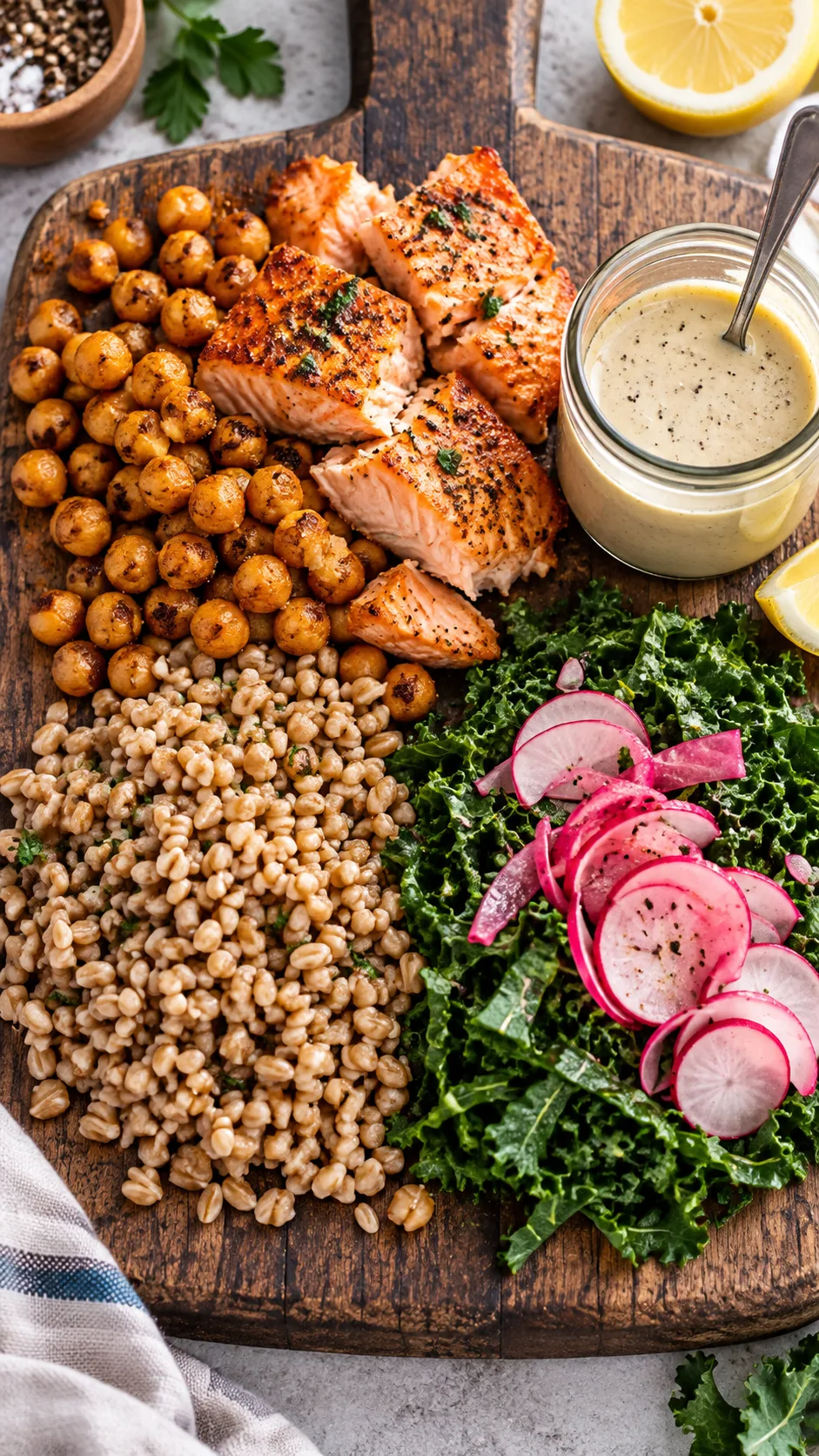
Protein stimulates peptide YY (PYY) and glucagon-like peptide-1 (GLP-1), two gut hormones that signal your brain to stop eating. Target 30 to 45 grams of protein per container. Step away from plain chicken breasts and rotate these options:
- Crispy Boneless Chicken Thighs: Thighs contain slightly more monounsaturated fat than breasts, which prevents them from drying out during microwave reheating.
- Flank Steak or Lean Ground Beef (90/10): These cuts deliver bioavailable iron, zinc, and B12 to keep midday brain fog away.
- Wild Salmon or Marinated Tempeh: Rich sources of anti-inflammatory omega-3 fatty acids and plant protein.
- Cumin-Spiced Turkey Meatballs: Mix in chopped spinach and grated onions to lock in moisture before baking.
2. Slow-Burning Complex Carbohydrates (Sustained Energy)
Carbohydrates do not make you sluggish: refined, fiber-free carbohydrates do. The Harvard T.H. Chan School of Public Health points to whole grains with intact bran and germ for steady blood sugar control. Anchor your bowls with complex carbohydrates that soak up rich sauces:
- Pearled Farro or Wheat Berries: These grains hold a firm, chewy bite for five days without turning soggy.
- Roasted Sweet Potato Wedges: Toss them with smoked paprika and sea salt for a caramelized, savory finish.
- Black Beans or Lentils: These legumes contain resistant starch, which feeds beneficial gut bacteria and stabilizes insulin levels.
- Herbed Quinoa: Simmer your quinoa in rich bone broth instead of plain water to double the protein and mineral content.
3. High-Volume, Crisp Cruciferous Veggies (Gut Bulk)
Fiber fills your stomach and triggers mechanical stretch receptors that shut down hunger signals. Delicate greens turn into wet mush inside plastic boxes, so pick sturdy vegetables that hold their crunch:
- Charred Brussels Sprouts: Halve the sprouts and roast them at high heat until the outer leaves brown.
- Shredded Purple and Green Cabbage: Cabbage retains its crisp crunch even under heavy sauces.
- Roasted Cauliflower Florets: Toss with turmeric, garlic powder, and cumin to add flavor and antioxidants.
- Massaged Lacinato Kale: Rub raw kale leaves with olive oil and lemon juice to soften their tough plant fibers.
4. The Secret Weapon: Sauces, Fats, and Acid
Never pour bottled, preservative-heavy dressings over fresh food. A quick homemade dressing turns simple ingredients into restaurant quality meals. Mix healthy fats like extra virgin olive oil, tahini, or avocado with bright acids like lime juice, raw apple cider vinegar, or pickled onion brine. Store your dressings in small glass jars and dress your food right before lunch.
Need a clear roadmap to plan out your weekly menu using this balance? Check out our complete Clean Eating Meal Plan for step-by-step whole-food layouts that remove all guesswork from your grocery shopping.
Component Prepping vs. Assembled Prepping: The Game Changer
Do you assemble your lunches into five sealed boxes on Sunday afternoon? Stop doing that. That single habit causes most meal prep burnout.
When you seal cooked meats, moist grains, and roasted vegetables together in one container for four days, flavors bleed together into a soggy mess. Moisture migrates from your vegetables straight into your proteins. You end up with wet, unappetizing food.
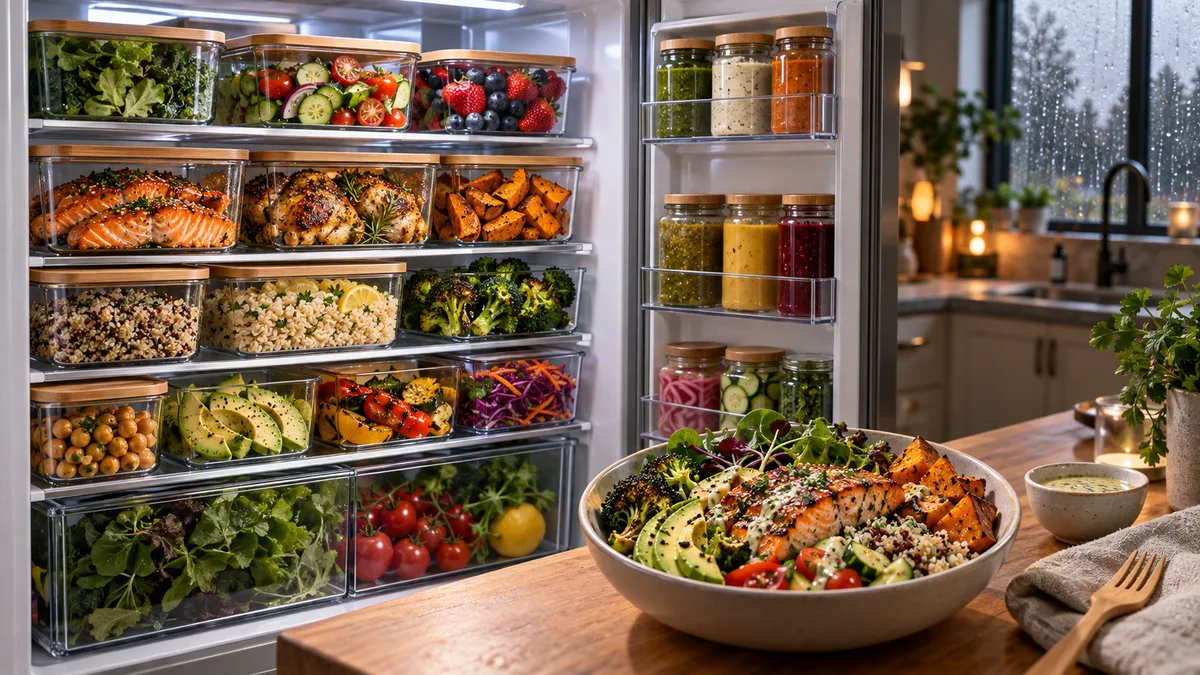
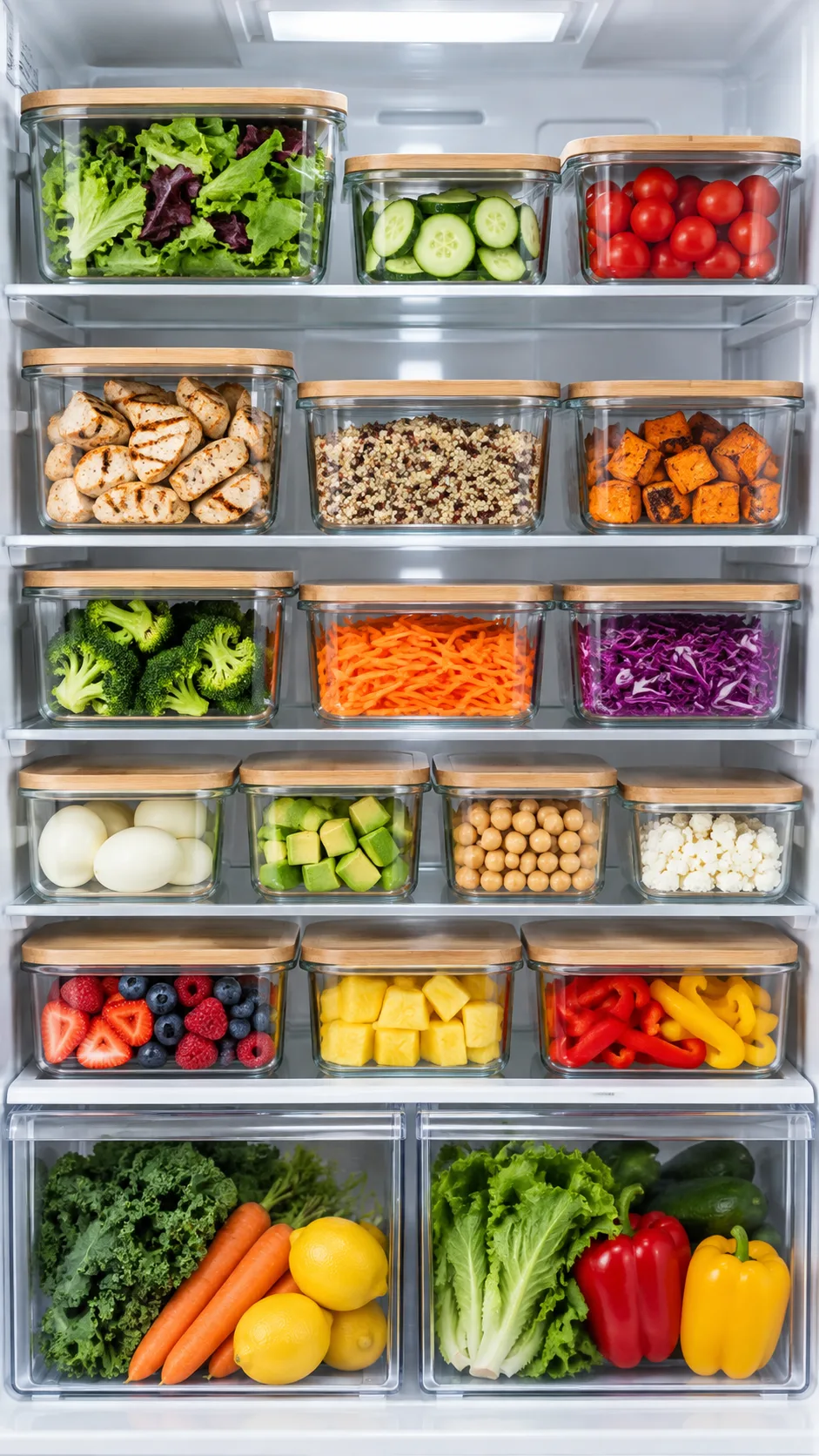
Switch to Component Prepping, often called the Buffet Method. Instead of assembling finished bowls ahead of time, cook and store large batches of individual elements in separate glass dishes:
- Container 1: 2 pounds of seasoned, sliced protein.
- Container 2: 4 cups of cooked whole grains or roasted roots.
- Container 3: 2 large sheet pans of charred, seasoned vegetables.
- Container 4: Fresh, raw toppings like pickled onions, pumpkin seeds, or chopped herbs.
- Mason Jars: Two distinct dressings with contrasting flavors.
Each morning, take sixty seconds to build your bowl. On Monday, mix flank steak, farro, and charred broccoli with a smoky chipotle lime dressing. On Tuesday, pair that same flank steak with crunchy cabbage slaw, sweet potatoes, and a creamy ginger-tahini sauce. You avoid food boredom without cooking twice.
If you want more ideas for modular cooking that lasts through the work week, browse our handpicked meal prep recipes that actually last all week without getting boring.
The 90-Minute Clean Prep Masterclass: Cook Once, Eat Clean All Week
You do not need to spend your entire Sunday in the kitchen. With smart kitchen staging, you can prep a full week of clean meals in ninety minutes flat. Smart sequencing turns cooking into an easy routine.
Follow this timeline to make every minute count:
- Minutes 0 to 15 (Oven Preheating and Grain Setup): Set your oven to 425°F (220°C). Rinse two cups of farro or quinoa, place them in a pot with simmering bone broth on the stove, cover the pot, and set a timer.
- Minutes 15 to 35 (Sheet Pan Vegetable Loading): Chop sweet potatoes, broccoli florets, and red onions into bite-sized pieces. Spread them across two large rimmed baking sheets with avocado oil, salt, garlic powder, and smoked paprika. Slide both pans into the hot oven.
- Minutes 35 to 55 (Protein Seasoning and Searing): Dice chicken thighs or season lean ground meat. Heat a heavy cast-iron skillet over medium-high heat. Sear your proteins in two quick batches so you get a deep, flavorful brown crust.
- Minutes 55 to 75 (The Sauce Blitz): While your vegetables finish roasting and your meat cools, grab a blender. Blend two distinct sauces: a tangy lemon-herb chimichurri and a spicy peanut-lime dressing. Pour them into small glass jars.
- Minutes 75 to 90 (Cooling and Storage): Spread your hot ingredients across flat plates so they cool quickly before you pack them away. Stashing hot food inside sealed glass jars traps steam, making your food soggy. Once the ingredients cool to room temperature, seal them in airtight glass containers, clean your pans, and wipe down your counters. You are done for the week.
5 Anti-Boring Clean Eating Bowls You Can Make This Week
Ready to put The Satiety Matrix to work? These five flexible meal prep combinations pack contrasting textures, distinct seasonings, and solid macros to keep your hunger in check until dinner.
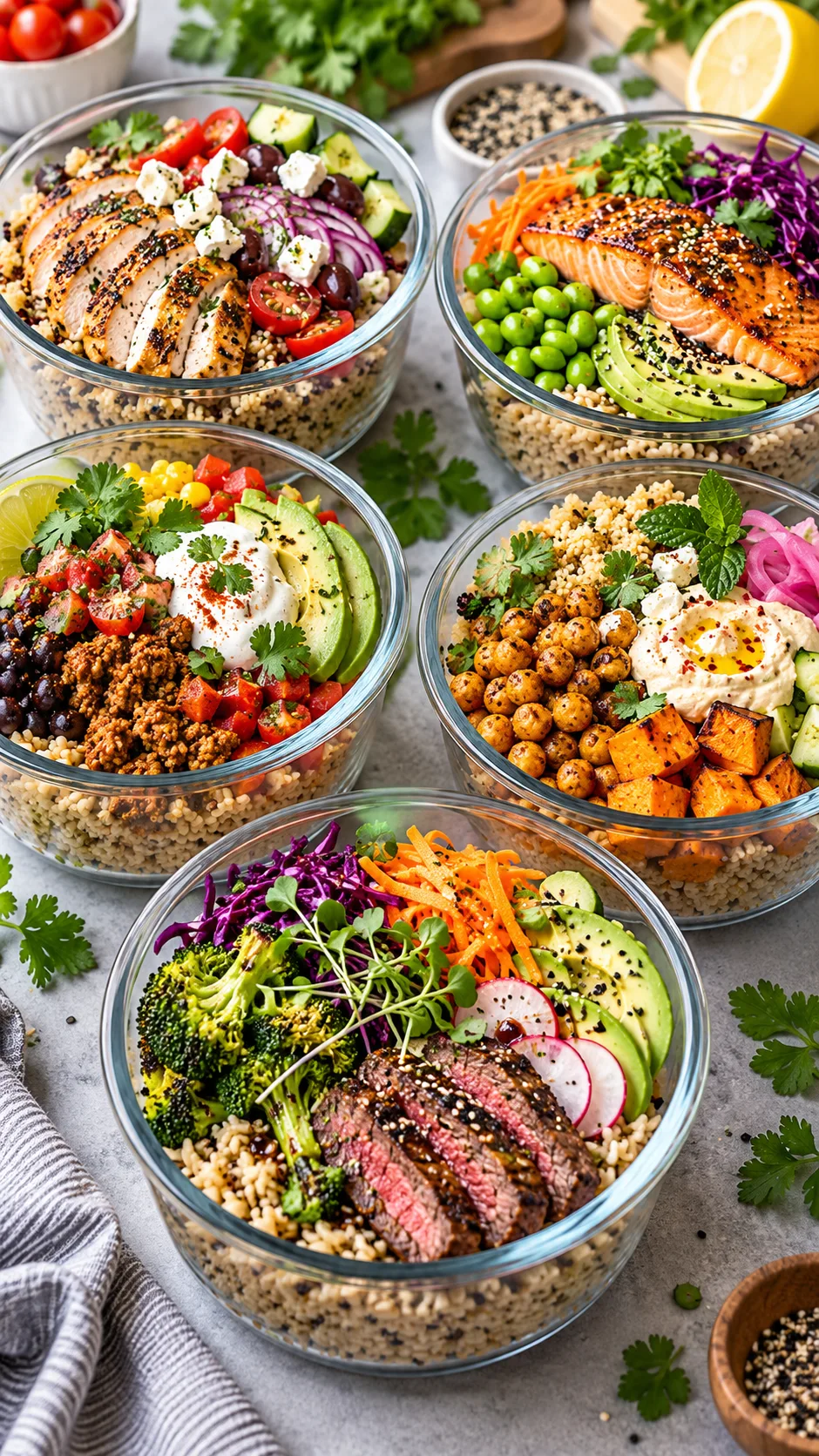
1. Mediterranean Shawarma Flank Steak Bowl
This bowl relies on warm Middle Eastern spices and sharp Mediterranean acid. Flank steak provides steady satiety, while raw pickled vegetables cut through the richness of the meat.
- The Protein: Flank steak rubbed with cumin, coriander, cinnamon, garlic powder, and olive oil, grilled medium-rare and sliced thin against the grain.
- The Carb: Lemon-herb farro mixed with chopped flat-leaf parsley and diced sun-dried tomatoes.
- The Veggie: Roasted zucchini rounds paired with crisp raw cucumber spears and quick-pickled red onions.
- The Sauce: Garlic tahini sauce made by whisking tahini, fresh lemon juice, ice water, and minced garlic until smooth.
2. Bangkok Peanut Crunch Chicken Bowl
Crisp chicken thighs pair with raw crunchy cabbage and a savory peanut sauce.
- The Protein: Cubed boneless chicken thighs marinated in coconut aminos, fresh ginger, and toasted sesame oil, seared until crisp in a hot pan.
- The Carb: Brown jasmine rice cooked with lime zest.
- The Veggie: Shredded purple cabbage, thin carrot strips, and crisp sugar snap peas.
- The Sauce: Natural peanut butter whisked with warm water, lime juice, chili sauce, and fresh grated ginger.
- The Crunch: Toasted chopped peanuts and fresh cilantro leaves.
3. Smoky Fiesta Turkey and Black Bean Power Bowl
Skip dry taco salads. This bowl brings smoky Southwest seasoning and substantial fiber to keep your energy steady through long afternoon meetings.
- The Protein: Lean ground turkey (93/7) browned with chipotle chili powder, smoked paprika, ground cumin, and sea salt.
- The Carb: Black beans simmered with crushed garlic, bay leaves, and a splash of apple cider vinegar.
- The Veggie: Charred poblano peppers and sweet corn straight from the cob.
- The Sauce: Avocado-cilantro cream made by blending ripe avocado, lime juice, Greek yogurt, and fresh cilantro until smooth.
Looking for more mid-day meals that stop afternoon sugar crashes? Explore our curated collection of high protein lunch meal prep ideas to power your work day.
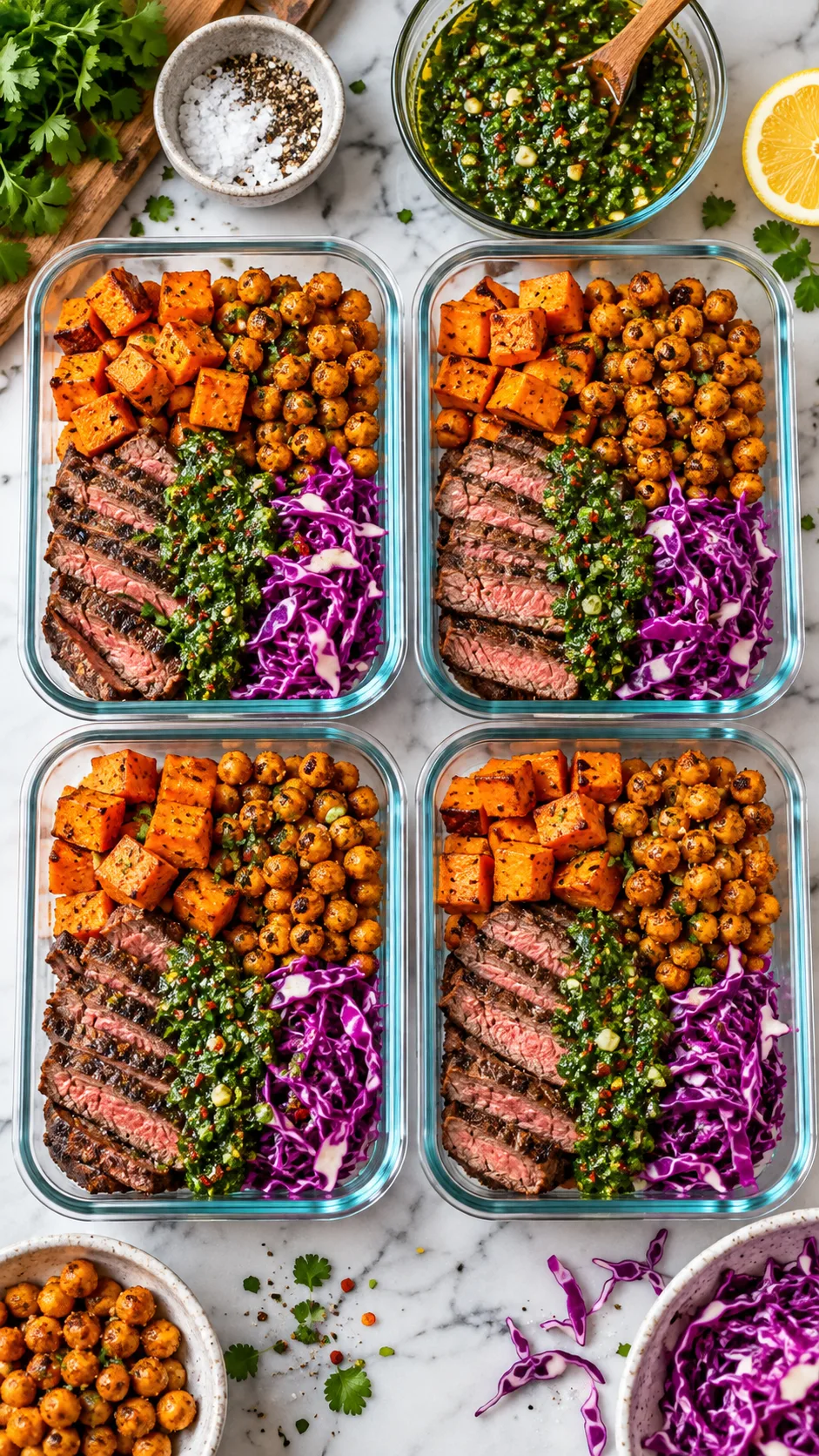
4. Lemon-Herb Chimichurri Salmon and Sweet Potato Box
Salmon delivers essential fatty acids that support brain function. Pair the fish with roasted root vegetables and an herby sauce for an energizing lunch.
- The Protein: Wild salmon fillets brushed with Dijon mustard, seasoned with salt, and baked at 400°F (200°C) for twelve minutes.
- The Carb: Roasted Japanese sweet potato wedges tossed with olive oil to crisp the edges.
- The Veggie: Roasted asparagus spears and raw massaged Lacinato kale.
- The Sauce: Fresh chimichurri made with finely chopped parsley, oregano, red wine vinegar, minced garlic, red pepper flakes, and extra virgin olive oil.
5. Golden Turmeric Tofu and Edamame Bowl (Plant-Powered)
Clean eating includes hearty, plant-based meals with complete amino acid profiles. This bowl provides over 32 grams of plant protein per serving.
- The Protein: Extra-firm pressed tofu cut into cubes, dusted with cornstarch, turmeric, and sea salt, baked until crisp, and tossed with shelled edamame.
- The Carb: Red quinoa cooked in vegetable broth.
- The Veggie: Roasted golden cauliflower florets and steamed baby bok choy halves.
- The Sauce: Miso-ginger vinaigrette made from white miso paste, rice vinegar, grated ginger, and raw honey.
The Golden Rules of Storing and Reheating Clean Food
You can execute every cooking step perfectly, but bad storage habits will ruin your food by Wednesday morning. Follow these rules to protect the texture and flavor of your prepped ingredients.
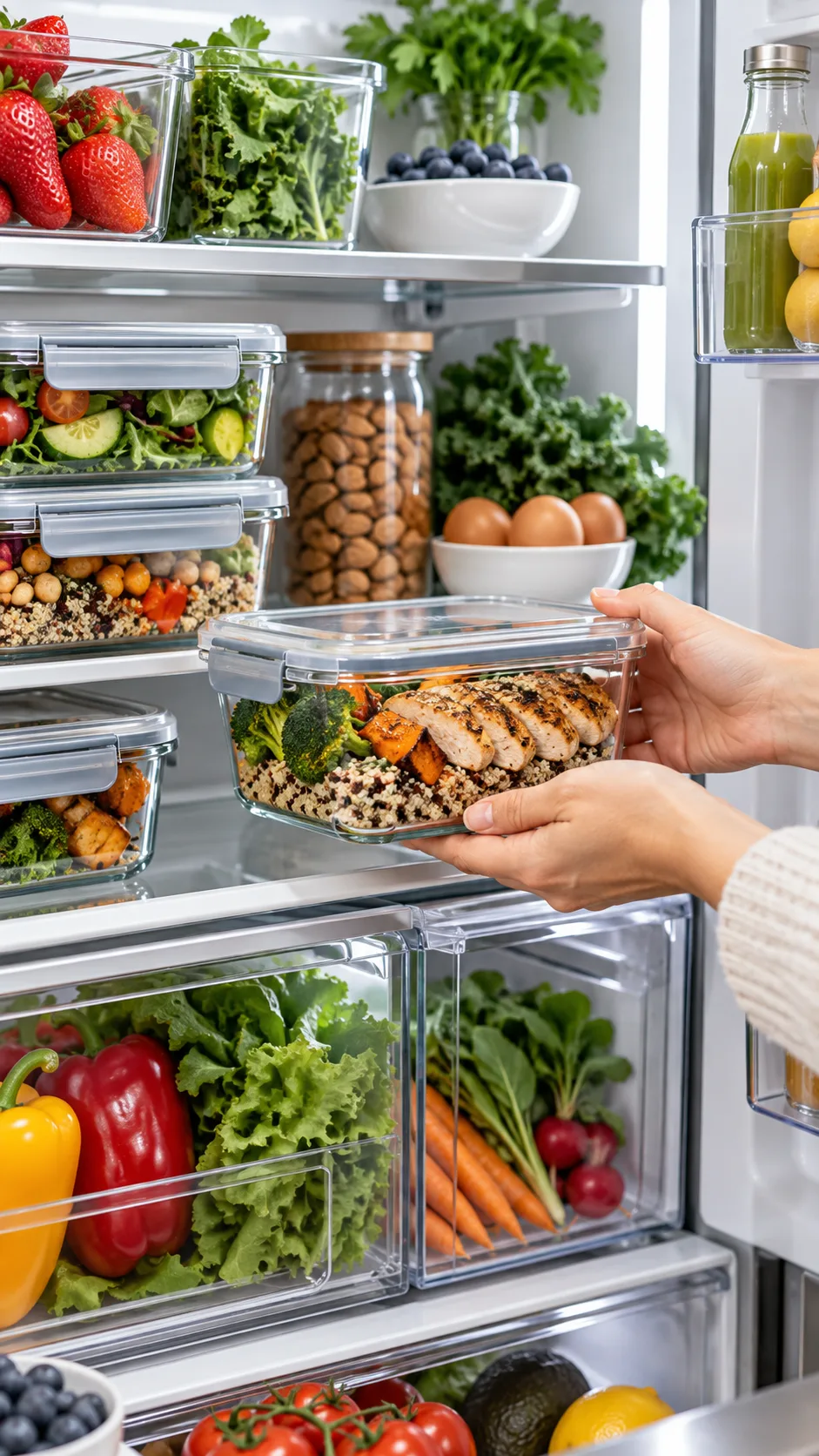
Ditch Plastic for Borosilicate Glass Containers
Plastic containers absorb oils, odors, and stains from tomato sauces and spices. Invest in borosilicate glass containers with snap-locking lids. Glass handles rapid temperature swings without cracking: move them from the freezer into a 375°F oven or microwave without worrying about chemical breakdown or unpleasant smells.
The Paper Towel Trick for Raw Greens
Keep your raw spinach, arugula, and herbs crisp until Friday by lining the bottom of your storage boxes with a dry paper towel or clean cotton towel. The fabric absorbs moisture released by the leaves, preventing slimy brown spots and rot.
Master the Reheat
Never reheat cooked meats at 100% microwave power. High heat drives water out of animal muscle and turns tender meat into dry rubber. Set your microwave power to 60% or 70% and add forty seconds to your cooking time. Place a single ice cube directly on your rice or grains before heating. The ice creates steam to rehydrate dry grains without melting completely.
Store your prepped food according to federal food safety standards. The U.S. Dietary Guidelines and USDA food safety guidance instruct cooks to chill leftovers below 40°F (4°C) within two hours of cooking, and to eat refrigerated meats and seafood within 3 to 4 days. If you prep five days ahead, put Thursday and Friday’s protein portions into your freezer on Sunday, then transfer them to the fridge on Wednesday night to thaw safely.
3 Quick Tweaks That Instantly Upgrade Flavor Without Calories
Clean eating does not require bland, ascetic food. Professional chefs rely on three simple pantry habits to build intense flavor without adding empty calories:
- Acid Balances Richness: When a dish tastes flat, home cooks usually add more salt. Most of the time, the food lacks acid rather than sodium. A squeeze of fresh lemon, a splash of raw apple cider vinegar, or a spoonful of pickled pepper brine cuts through rich meats and brightens cooked starches.
- Toast Whole Spices: Avoid dumping stale, raw spice powders straight from the jar into cold food. Warm your dry spices like cumin seeds, smoked paprika, or curry powder in a dry skillet for sixty seconds before seasoning your proteins or vegetables. Heat releases aromatic oils and dramatically boosts flavor.
- Add Finishing Crunch: Texture keeps meals interesting. Keep small jars of toasted pumpkin seeds, hemp hearts, crushed pistachios, or sesame seeds near your prep station. Sprinkle a tablespoon over your bowl right before eating to add a fresh, satisfying crunch to every bite.
Frequently Asked Questions
Can I meal prep clean eating meals for five full days?
Yes, if you manage your ingredients based on their shelf life. Cooked seafood tastes best within two to three days. Cooked chicken, beef, roasted root vegetables, and whole grains keep their quality for four to five days in cold, airtight glass dishes. If you prepare fish, eat those portions on Monday and Tuesday, or freeze the late-week portions right after cooking.
How do I stop my roasted vegetables from getting soggy?
Two common mistakes cause soggy vegetables: overcrowded pans and packing hot food. Give your vegetables plenty of space on the baking sheet so steam can escape. If you pile vegetables together, they steam instead of roasting. Always let roasted vegetables cool to room temperature on a flat tray before putting them into airtight containers. Trapping hot steam inside a container turns crisp vegetables soft within hours.
Will clean meal prep help me lose weight?
Clean meal prep cuts out decision fatigue and impulsive snacking. When you keep a high-protein, balanced meal waiting in your fridge, you skip takeout orders and maintain a predictable calorie intake. Prepping food at home gives you complete control over cooking oils, salt levels, and portion sizes while keeping you full throughout the day.
Take Back Your Sundays and Transform Your Week
Clean eating does not mean choking down dry chicken breast and limp vegetables. Your body needs nutrient-dense fuel, and your palate needs variety, crunch, and bold flavors. When you use The Satiety Matrix, you satisfy both needs without stress.
Stop settling for bland meals that leave you reaching for takeout menus by Wednesday. Pick two proteins, roast two hearty vegetables, cook a pot of whole grains, and blend two homemade sauces this weekend. Use component prepping to build fresh, distinct combinations every day. You will save money, reclaim your free time, and build a healthy eating routine that you look forward to all week long.
