
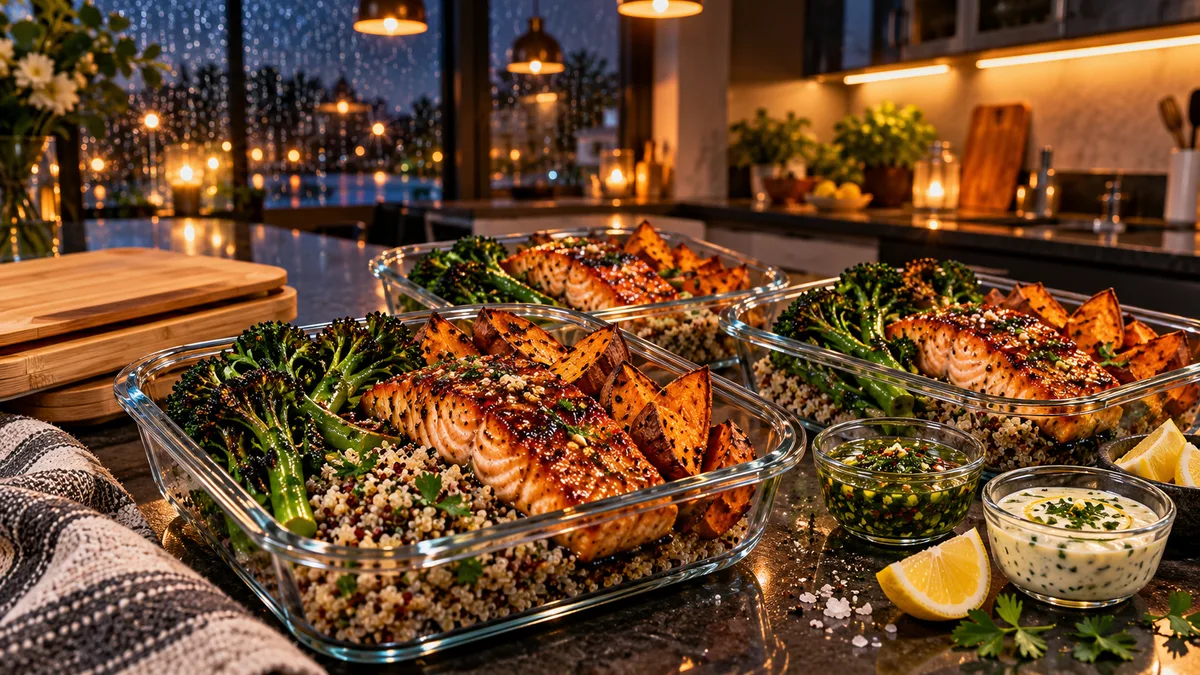
It is 7:30 PM on a rainy Thursday. You walk into your kitchen after work, open the refrigerator, and pull out a meal prep container. Do you look forward to dinner, or do you feel an immediate wave of dread?
Most people dread it. We know the routine all too well: dry chicken breast sitting on soggy broccoli and cold, stiff brown rice. By Wednesday night, greasy takeout sounds ten times better than another forkful of dry leftovers. Healthy eating should not feel like a punishment.
You probably do not hate cooking ahead. You hate bad leftovers. You can batch-cook healthy dinners on Sunday that hold their flavor and texture straight through Friday night. The trick comes down to basic kitchen chemistry, dropping old plastic container habits, and borrowing a few simple techniques from line cooks.
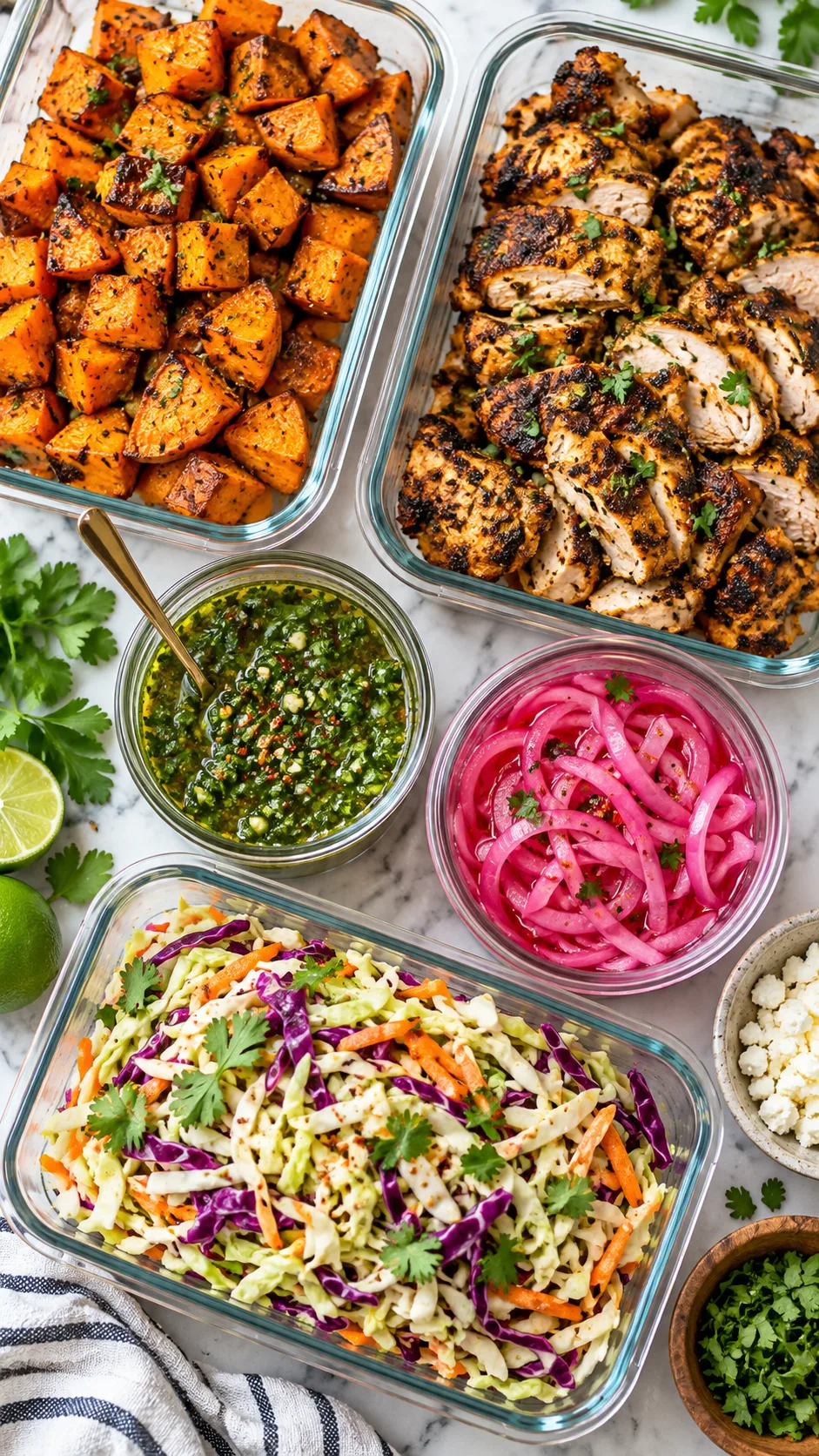
Why most healthy meal prep tastes like cardboard by Wednesday
Food scientists have a specific name for why good Sunday roasts turn stale by midweek: Warmed-Over Flavor (WOF). This stale taste in leftover meat comes from lipid oxidation, a chemical breakdown that speeds up when you cook, chill, and then reheat animal fats.
The team at Serious Eats points out that lean poultry contains polyunsaturated fatty acids that break down fast when exposed to oxygen in your fridge. Boneless chicken breasts spoil in flavor fastest. Within 48 hours, those lean cuts take on an off-putting metallic, stale taste.
Standard meal prep also fails when you pack warm meat, delicate vegetables, and hot grains into one plastic box. Trapped steam condenses as the food cools down. Water collects at the bottom of the container, turning crisp asparagus into gray mush and softening the crust on roasted meat. You end up with watery food and mixed odors.
Plain boredom plays a huge role as well. Nobody wants the exact same rice bowl five days in a row. It deadens your appetite and sends you straight to delivery apps by Thursday. A practical system keeps your options flexible so you never burn out on one recipe.
The 4 golden rules of long-lasting flavor
Restaurant cooks never plate 50 finished dishes on Sunday and leave them sitting in sauce until Friday. They prep components. When you adopt that same strategy at home, your ingredients keep their texture, moisture, and clean flavor all week long.
- Store components separately: Pack your proteins, roasted vegetables, grains, and raw greens in distinct containers. This stops moisture from migrating between foods and gives you room to build completely different meals each evening.
- Keep sauces and dressings in separate jars: Moisture ruins crisp food fast. Store your vinaigrettes, chimichurri, tahini, and salsas in small glass jars. Add them to your plate only after you finish reheating the warm items.
- Choose forgiving proteins: Swap out lean chicken breasts for chicken thighs, braised beef chuck, pork tenderloin, ground turkey, lentils, or firm tofu. Chicken thighs have plenty of collagen, which breaks down into gelatin during cooking and keeps the meat tender when you warm it up again.
- Separate soft greens from sturdy vegetables: Never roast tender zucchini or baby spinach for a five-day stretch. Cook tough vegetables that hold their structure instead, such as shaved Brussels sprouts, cabbage, carrots, and sweet peppers. Store delicate greens raw and dry until you sit down to eat.
Pairing this component method with a balanced nutritional guide like our DASH diet meal plan for beginners keeps weeknight cooking simple, cuts grocery waste, and supports healthy blood pressure.
The component blueprint for mix-and-match meals
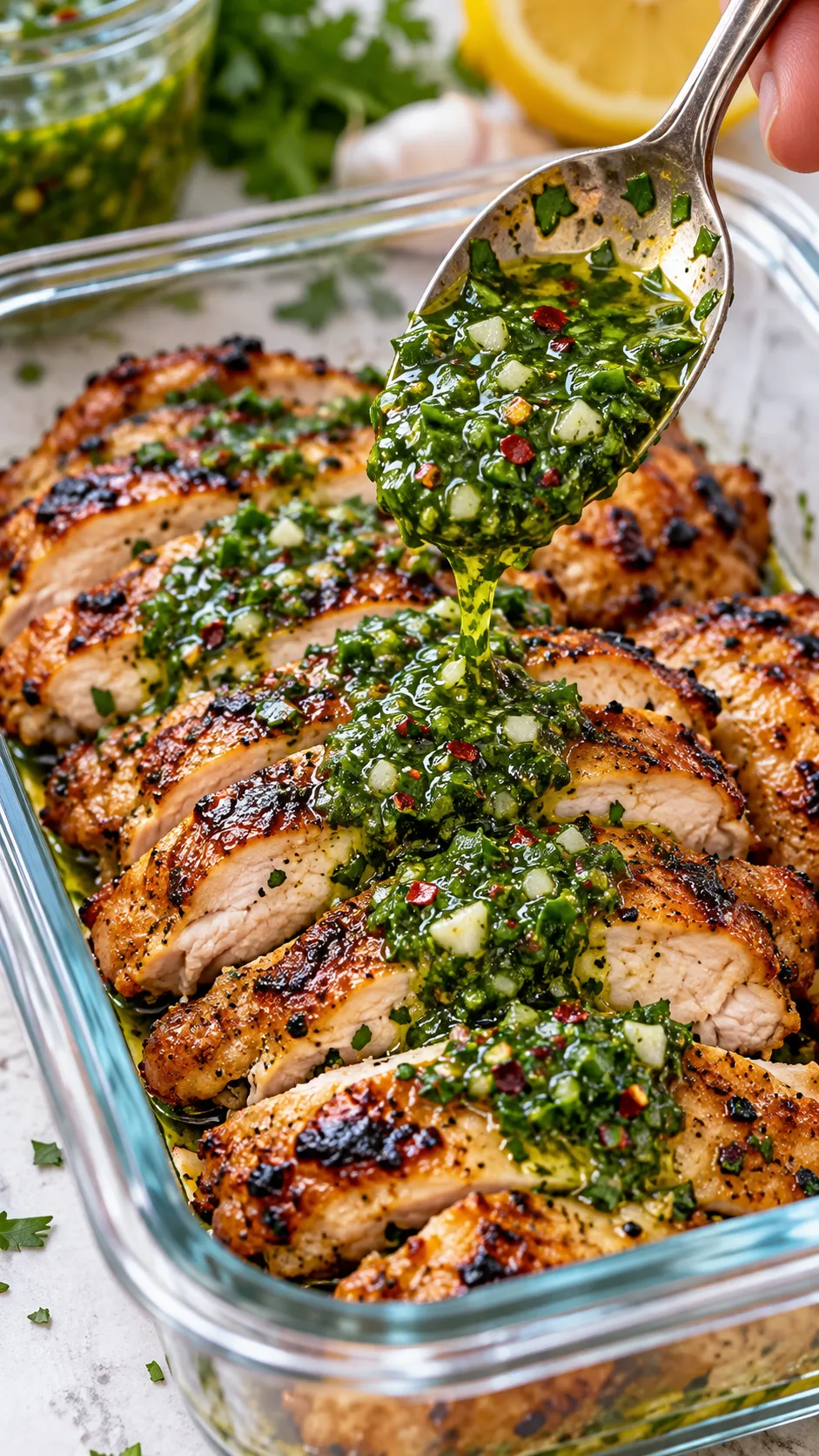
To get four different dinners out of one Sunday afternoon session, prep building blocks instead of finished plates. Cook two proteins, two carbs, three vegetables, and two sauces. Each night, grab one item from each group to build dinner in under five minutes.
- Proteins: Spiced Garlic-Herb Chicken Thighs and Smoky Ground Turkey with Cumin.
- Carbs and starches: Lemon-Dill Quinoa and Roasted Sweet Potato Cubes.
- Vegetables: Charred Broccoli, Shaved Cabbage Slaw, and Fresh Baby Arugula.
- Sauces: Lemon-Tahini Dressing and Tangy Chimichurri.
This spread gives you plenty of quick combinations. On Monday, combine chicken, sweet potatoes, charred broccoli, and chimichurri for a simple steakhouse-style plate. On Tuesday, toss ground turkey, lemon-dill quinoa, shaved cabbage, and lemon-tahini dressing together for a Mediterranean bowl. On Wednesday, roll the turkey into warm corn tortillas with crunchy cabbage and salsa. You use the exact same ingredients without eating the same meal twice.
Three quick sauces that rescue weeknight dinners
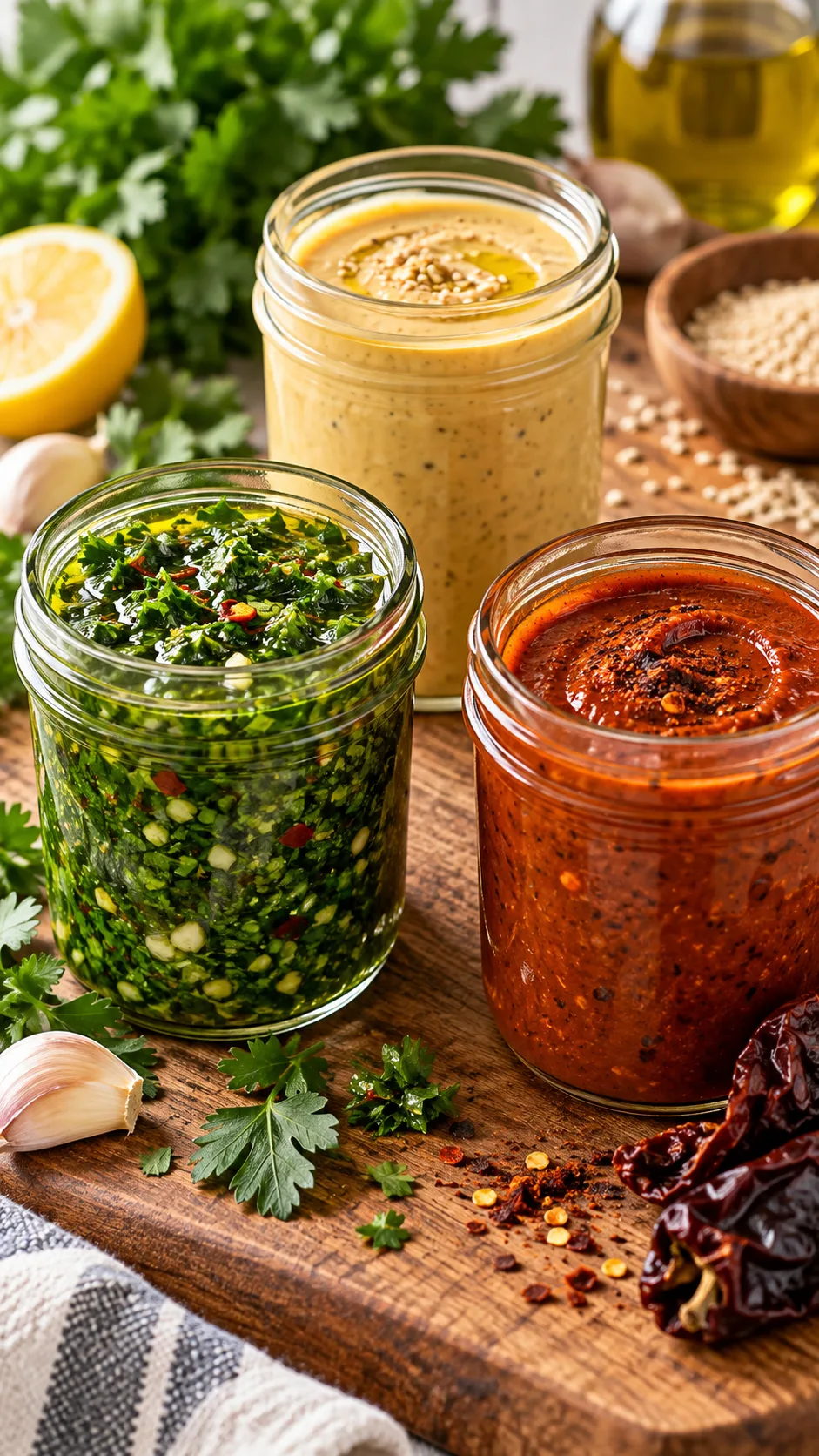
A good sauce rescues simple staples from tasting flat. Skip the bottled dressings loaded with sugar and seed oils. Blend these three sauces in two minutes using a small food processor or whisk.
1. The 60-Second Tangy Chimichurri
Chimichurri cuts through rich meat with sharp vinegar, garlic, and fresh herbs. Place 1 cup of fresh flat-leaf parsley, 3 peeled garlic cloves, 1/4 cup red wine vinegar, 1/2 cup extra virgin olive oil, 1 teaspoon dried oregano, 1/2 teaspoon red pepper flakes, and 1/2 teaspoon kosher salt into a small food processor. Pulse five times until coarsely chopped. The olive oil seals out air, so the sauce stays fresh in your fridge for up to a week.
2. Creamy Garlic Lemon-Tahini Drizzle
Tahini provides rich texture and plant fats without dairy. Whisk 1/3 cup sesame tahini, 3 tablespoons warm water, 2 tablespoons lemon juice, 1 grated garlic clove, and a pinch of salt in a small bowl. The paste will seize and thicken at first, but keep whisking. It quickly smooths into a pale, creamy dressing. Pour it over roasted sweet potatoes, charred greens, or sliced chicken.
3. Creamy Smoky Chipotle Sauce
Combine 1/2 cup plain Greek yogurt, 1 canned chipotle pepper in adobo sauce, 1 tablespoon lime juice, 1/2 teaspoon garlic powder, and 1/4 teaspoon salt in a blender. Blend until smooth. This yogurt sauce brings extra protein and a smoky, spicy kick that cuts through dense roasted grains.
Five flavorful dinner prep recipes for the week
These five reliable recipes hold up well under refrigeration, deliver solid nutrition, and taste great days after cooking. Batch-cook them on Sunday to take care of your weeknight meals.
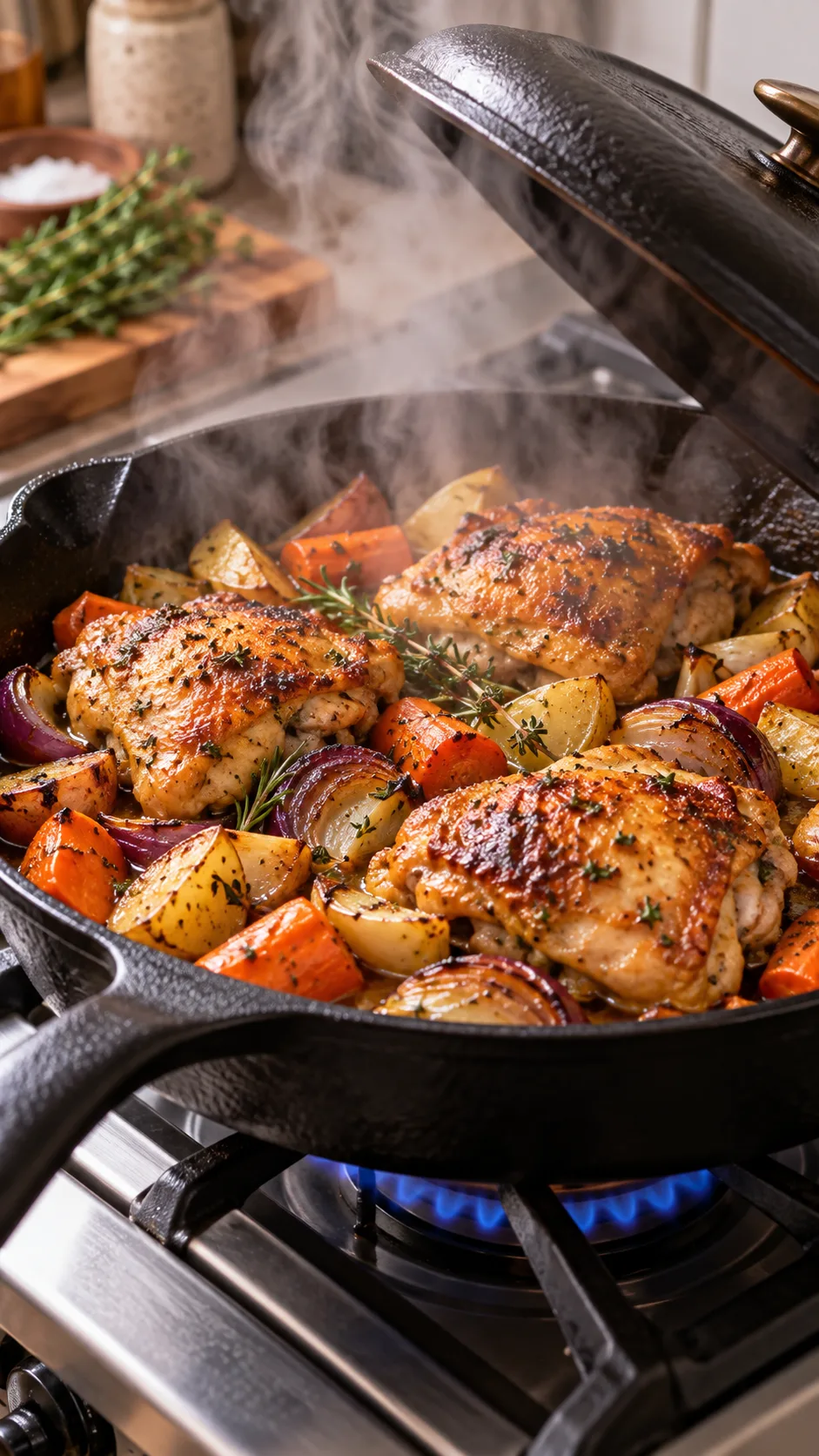
Recipe 1: Mediterranean Sheet Pan Lemon-Herb Chicken Thighs
Boneless chicken thighs stay tender for days where chicken breasts dry out. The natural fat retains moisture, while lemon zest and dried herbs help mask stale refrigerator aromas.
- 2 lbs boneless, skinless chicken thighs
- 3 tablespoons extra virgin olive oil
- Zest and juice of 2 fresh lemons
- 4 cloves garlic, minced
- 1 tablespoon dried oregano
- 1 teaspoon sweet paprika
- 1 teaspoon sea salt and 1/2 teaspoon cracked black pepper
Preheat your oven to 425°F (220°C). Toss the chicken thighs with olive oil, lemon zest, lemon juice, garlic, oregano, paprika, salt, and pepper in a large bowl. Spread the thighs evenly across a parchment-lined baking sheet. Roast for 25 minutes until the edges turn golden brown and the internal temperature hits 165°F (74°C). Cool completely before slicing and storing.
Recipe 2: Slow Cooker Salsa Verde Pulled Beef
Chuck roast breaks down over low heat into tender shreds full of rich gelatin. Slow cooking also produces a flavorful broth that shields the beef from air inside the fridge. For more hands-off meal ideas, browse our collection of slow cooker recipes.
- 3 lbs beef chuck roast, trimmed of excess outer fat
- 1 jar (16 oz) high-quality roasted tomatillo salsa verde
- 1 medium yellow onion, diced
- 1 tablespoon ground cumin
- 1 tablespoon Mexican oregano
- 1 cup low-sodium beef bone broth
Place the beef chuck roast into your slow cooker. Cover the meat with diced onions, cumin, oregano, salsa verde, and bone broth. Cook on LOW for 8 hours until fork-tender. Shred the beef with two forks directly inside the juices. Store the meat submerged in its cooking broth: this liquid shields the beef from cold air and keeps it moist all week.
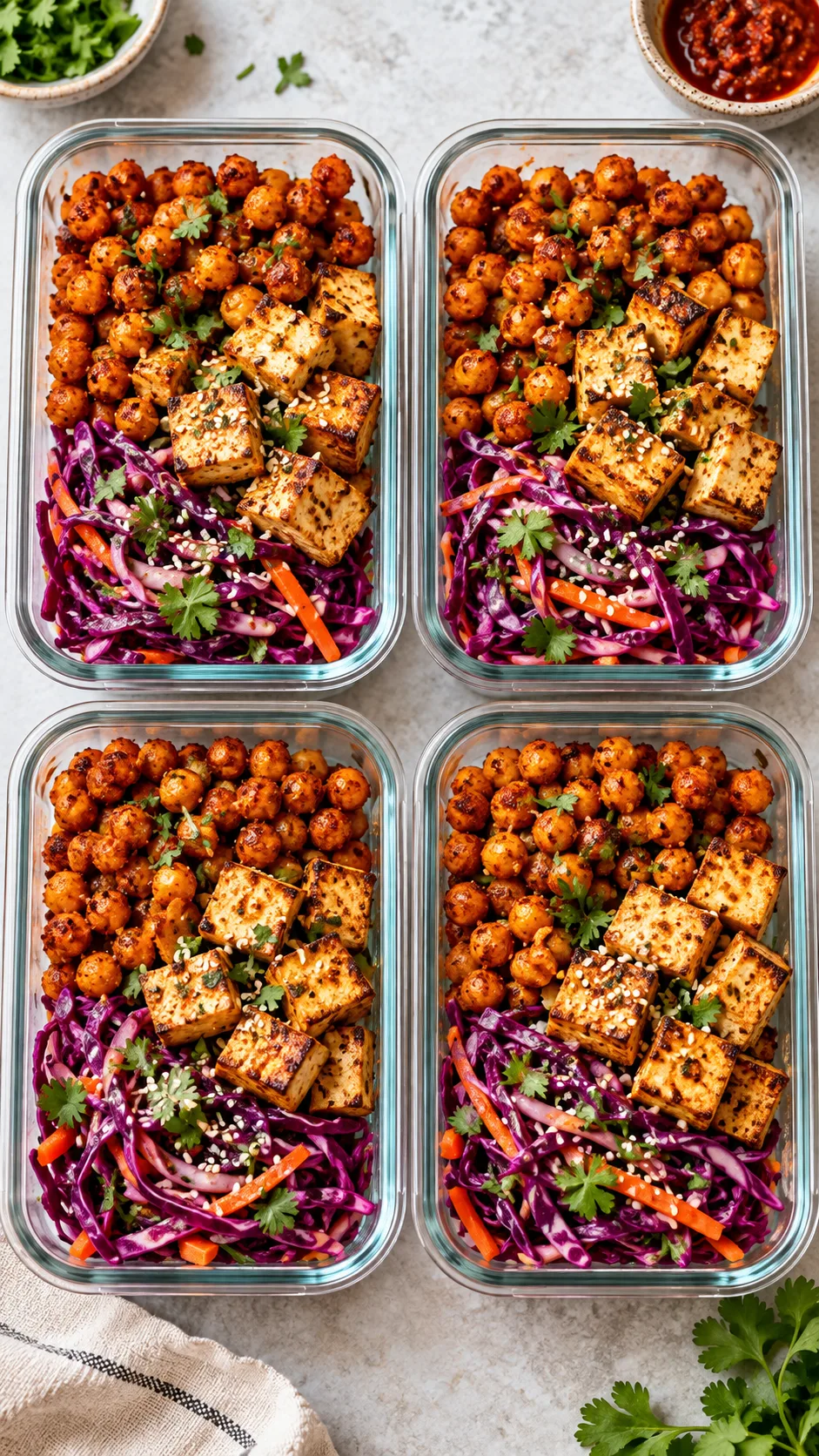
Recipe 3: Crispy Sesame Ginger Baked Tofu
Tofu only turns out bland and squishy if you skip pressing out the water. Well-pressed tofu absorbs marinades like a sponge, and baking it creates a firm, chewy texture that stays crisp in storage.
- 2 blocks (14 oz each) extra-firm tofu
- 2 tablespoons low-sodium tamari or soy sauce
- 1 tablespoon toasted sesame oil
- 1 tablespoon freshly grated ginger
- 1 tablespoon cornstarch (the secret for crisp edges!)
Drain the tofu blocks and press them firmly between paper towels under a heavy skillet for 20 minutes to remove excess water. Cut the pressed tofu into 1-inch cubes. Toss the cubes gently with tamari, sesame oil, and grated ginger. Sprinkle cornstarch over the tofu and toss again to create a sheer, powdery coating. Bake at 400°F (200°C) on a parchment-lined baking sheet for 30 minutes, flipping halfway through until crunchy and golden.
Recipe 4: Caramelized Harissa Roasted Carrots & Chickpeas
Root vegetables and legumes hold up better in the fridge than almost any other produce. Chickpeas turn nutty and crisp on a sheet pan, while carrots caramelize and sweeten under high heat.
- 2 cans (15 oz each) chickpeas, rinsed and dried thoroughly
- 1 lb carrots, scrubbed and sliced into 1/2-inch coins
- 2 tablespoons harissa paste
- 2 tablespoons avocado oil
- 1 teaspoon ground coriander
- 1/2 teaspoon kosher salt
Spread the dried chickpeas and sliced carrots across a large rimmed baking sheet. Whisk the harissa paste with avocado oil, coriander, and salt, then pour the mix over the vegetables. Toss thoroughly with your hands to coat every piece. Roast at 400°F (200°C) for 35 minutes until the carrots soften and the chickpeas turn crunchy. This combination provides plenty of plant fiber for good digestion.
Recipe 5: Crunchy Pickled Red Cabbage Slaw (No Mayo!)
Avoid cooking all your vegetables ahead of time. You need raw crunch to balance warm meat and grains. Delicate salad greens turn to mush in a couple of days, but red cabbage softens gently and tastes better as it marinates.
- 1 small head of red cabbage, shredded finely
- 1 large carrot, grated
- 1/3 cup apple cider vinegar
- 2 tablespoons extra virgin olive oil
- 1 teaspoon maple syrup or raw honey
- 1 teaspoon sea salt
Toss the shredded cabbage and grated carrots in a large glass bowl with apple cider vinegar, olive oil, sweetener, and salt. Massage the cabbage with clean hands for 60 seconds to soften the fibers slightly. Transfer the slaw to a sealed glass container. The vinegar preserves the bright color and keeps the vegetables crunchy all week.
Watch: How professional cooks meal prep
Watching a fast kitchen workflow makes batch cooking much easier to understand. A solid prep routine lets you chop, roast, and pack ingredients at the same time so you finish in 90 minutes. Watch this prep session to see how a cook manages the clock:
Storage science: glass, seals, and freezer timing
Good cooking techniques fall flat if you pack your food into scratched, warped plastic tubs. Upgrade your storage containers to protect your meals and keep flavors clean.
Pick borosilicate glass containers with snap-locking silicone lids. Glass is non-porous. It never absorbs garlic odors, bends under high heat, or leaches chemicals into warm food. Borosilicate glass also tolerates temperature changes, so you can move a dish straight from the fridge into a toaster oven.
Stick to safe timelines. The USDA Food Safety and Inspection Service recommends keeping cooked poultry, red meat, and seafood in a home refrigerator below 40°F (4°C) for no more than three to four days. If you want meals for Thursday or Friday, split your week:
- Eat delicate proteins like roasted salmon or shrimp on Monday and Tuesday.
- Pack your Thursday and Friday proteins into the freezer on Sunday evening. Wrap them in parchment paper and place them in an airtight container.
- Move those frozen portions back into the refrigerator on Wednesday morning. The food thaws slowly and safely, preserving its texture for Thursday night.
Consistent meals make meeting your nutritional goals much easier. If you lift weights, run, or want to track your workout progress, ready-to-eat protein supports recovery without the temptation to skip meals or order takeout.
How to reheat leftovers properly without ruining the texture
Most people ruin good food during the final two minutes before dinner. They throw a cold container into the microwave on full blast and walk away. That intense heat boils the water out of your meat and leaves you with rubbery, dry chicken.
Take a couple of extra minutes to reheat food gently. These three methods protect moisture and texture:
- Lower microwave power to 50 percent: When using the microwave, drop the power to 50 percent and double the time. Gentle heat warms the food evenly to the center without boiling away moisture. Add two teaspoons of water to the plate and cover it with a paper towel to trap steam.
- Steam in a skillet: Toss grains, meat, and vegetables into a wide skillet over medium heat. Add two tablespoons of water or chicken broth, then cover the pan with a tight lid. The steam heats the food through in about three minutes while keeping the meat juicy.
- Crisp in an air fryer: Warm roasted potatoes, tofu, or chicken thighs in your air fryer at 360°F (180°C) for three to four minutes. The hot circulating air restores crisp edges that softened in the cold fridge.
Troubleshooting common meal prep problems
If a batch turns out wrong, you do not need to throw it away. A few quick adjustments can save dinner.
Problem: “My Roasted Broccoli Turned Soggy and Bitter.”
The fix: Condensation softened the florets inside the container. Drop the broccoli into an air fryer at 400°F (200°C) for three minutes to dry it out and crisp the edges. Squeeze fresh lemon juice over the florets right before serving. The acid cuts through sulfurous odors and brightens the flavor.
Problem: “My Quinoa and Rice Turned Stiff and Crumbly.”
The fix: Chilled starches undergo retrogradation, where molecules crystallize into hard, dry granules. Avoid eating cold grains straight from the fridge. Add a tablespoon of broth or water over the bowl, cover it with a plate or damp towel, and microwave for 45 seconds. The trapped steam breaks down the hard starch bonds and softens the grains again.
Problem: “My Meat Tastes Dry and Bland.”
The fix: Slice the cold meat thin against the grain instead of reheating thick chunks. Toss the slices in chimichurri or tahini sauce, then let the meat sit for five minutes before serving. The fat and acid soak into the cuts, masking dryness and adding flavor immediately.
Weekly prep checklist: 90 minutes from start to finish
Follow this checklist on prep day to finish your entire week of dinners in an hour and a half:
- Minutes 0 to 15: Preheat the oven to 425°F (220°C). Chop your root vegetables, toss them with oil and salt, and spread them across your first sheet pan.
- Minutes 15 to 30: Season your chicken thighs or tofu. Arrange them on a second sheet pan and put both pans into the oven. Start your quinoa or brown rice on the stovetop.
- Minutes 30 to 50: While the oven and stovetop run, blitz the chimichurri and lemon-tahini dressing in your blender. Pour each sauce into a clean jar.
- Minutes 50 to 70: Shred your cabbage and mix the raw slaw. Pull the sheet pans out of the oven.
- Minutes 70 to 90: Let all hot pans cool on the counter. Never pack warm food into closed containers. Once the food reaches room temperature, transfer the components into separate glass containers and stack them in your fridge.
Frequently Asked Questions About Dinner Meal Prep
How many days do meal prepped dinners stay safe in the fridge?
Cooked meats, seafood, grains, and vegetables stay safe for three to four days at or below 40°F (4°C). If you cook on Sunday, eat your refrigerated portions through Wednesday evening. Freeze your Thursday and Friday portions on Sunday, then transfer them to the fridge on Wednesday morning so they thaw safely in time for dinner.
Can I meal prep fresh seafood dinners without bad smells?
Seafood oxidizes quickly, so you should only prep salmon, shrimp, or white fish for Monday and Tuesday. Store cooked seafood in airtight glass containers with lemon slices. Reheat the fish gently in a covered skillet over low heat with a splash of water. High microwave heat breaks down delicate fish fats and creates strong, unpleasant odors.
Why should I let food cool completely before sealing the container?
Sealing hot food traps steam inside the container. That steam condenses on the lid and drips back onto your food, turning roasted vegetables soggy and accelerating spoilage. Let all cooked ingredients cool to room temperature on your counter for 20 to 30 minutes before you snap the lids on and place them in the fridge.
Take back your evenings without sacrificing flavor
Healthy food should taste good every night of the week. Choking down rubbery chicken and limp vegetables drains your motivation and sends you right back to takeout menus. A well-planned prep routine delivers fast, satisfying dinners that fit your schedule.
Prepping separate components gives you total flexibility. You spend 90 minutes cooking on Sunday, and you save 45 minutes of cooking and dishwashing every single night after work. You come home knowing a quick, home-cooked meal sits ready in your fridge. Pull out your glass containers, blend a fresh batch of sauce, and make weeknight cooking work for you.
