
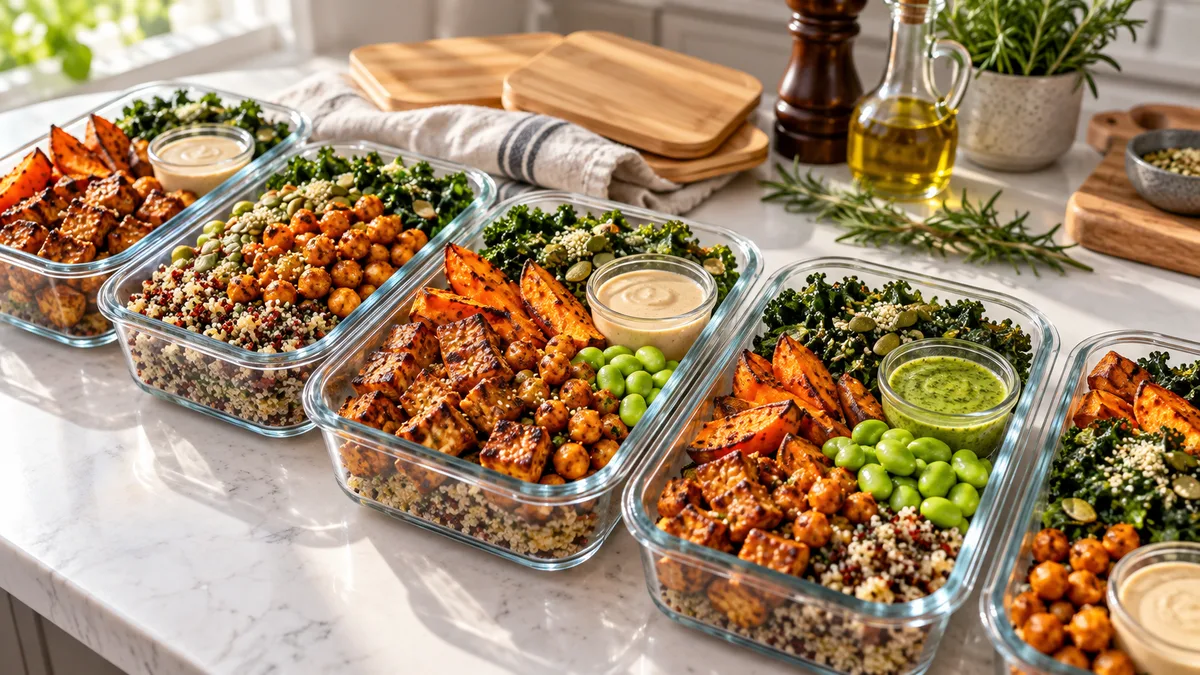
You finish a massive bowl of kale, quinoa, and roasted vegetables at 12:30 PM. By 2:15 PM, your stomach growls like an angry lawnmower, and you find yourself scavenging the office breakroom for stale pretzels. Sound familiar?
Most plant-based meal preps fail because they lack staying power. People pack raw leaves, watery cucumbers, and a tablespoon of chickpeas, then wonder why they feel ravenous an hour later. You do not need to graze like an animal every ninety minutes to eat a vegan diet.
When you build your plant meals correctly, you unlock hours of steady energy without afternoon blood sugar crashes. If you want to escape the trap of boring food, check out our guide on healthy lunch meal prep for the week. Today, we will build a meal prep system that delivers true, lasting fullness from Monday through Friday.
The science of satiety: why plant meals leave you hungry
Why do plant lunches get such a bad reputation for leaving people hungry? The answer comes down to biological hunger signals and poor macronutrient assembly.
Your gut signals fullness to your brain through two primary mechanisms: gastric distention (physical volume stretching your stomach walls) and hormonal release (peptide YY, GLP-1, and cholecystokinin). While raw vegetables fill your stomach quickly, they break down just as rapidly. Without the right chemical triggers, your stomach empties, and your hunger hormones spike immediately.
Research from the Harvard T.H. Chan School of Public Health shows that protein and dietary fiber work together to slow digestion and stabilize blood glucose levels. If your lunch lacks concentrated protein and caloric density, your body burns through it like dry paper in a bonfire.
The three pillars of plant fullness
Every single container you pack must contain three elements:
- Bulky fiber: Legumes, whole grains, and cruciferous vegetables slow gastric emptying.
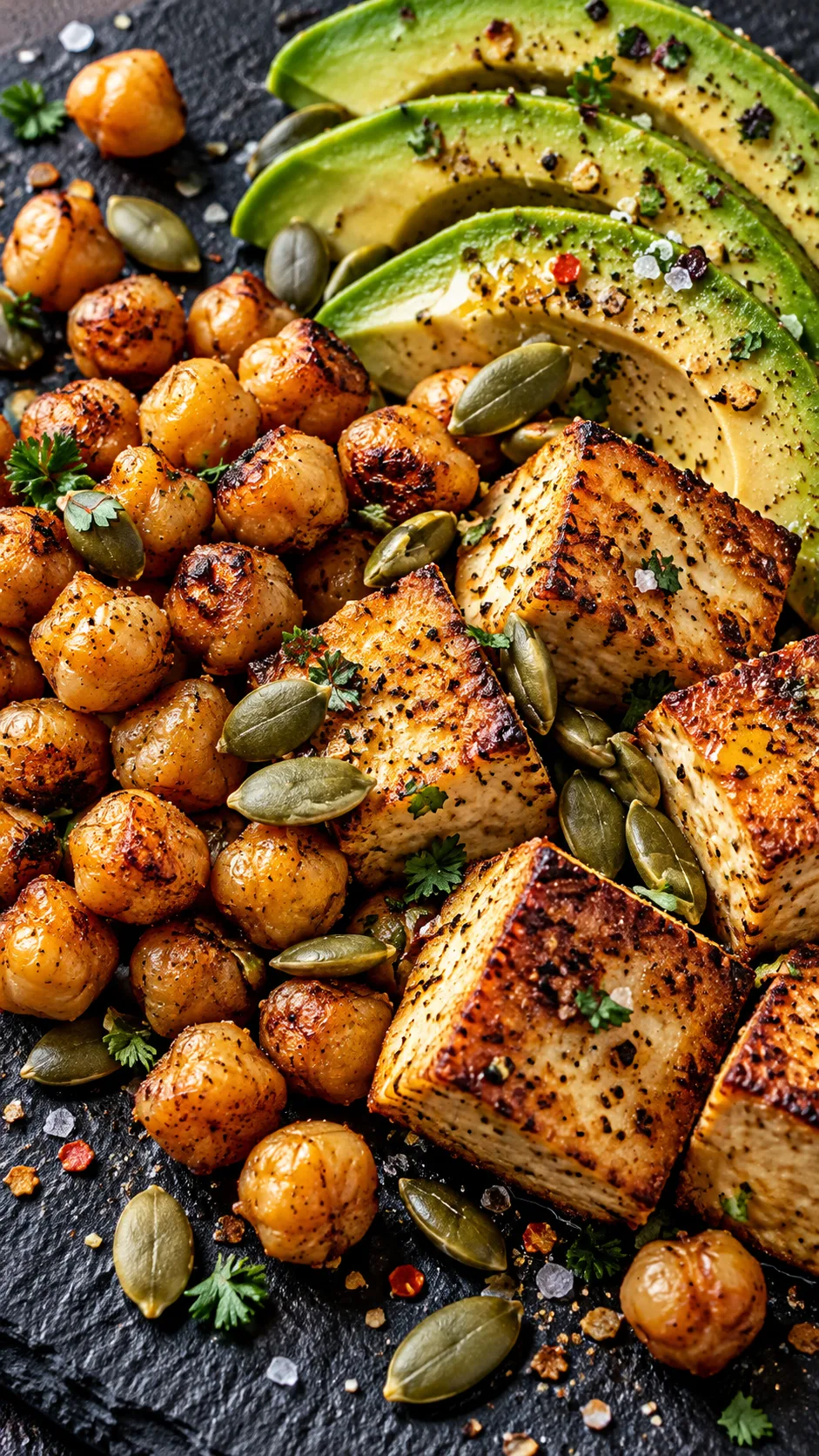
- Dense plant protein: Tempeh, extra-firm tofu, seitan, lentils, and edamame trigger satiety hormones.
- Healthy fats: Tahini, avocado, pumpkin seeds, olive oil, and nuts delay digestion for hours.
Drop any one of these pillars, and your meal prep falls apart by midweek. To see how this balance compares to high-protein meat plans, take a peek at our easy high protein meal prep strategies.
The four biggest mistakes ruining your plant-based prep
Before you touch a cutting board, identify the traps that ruin most vegan meal prep attempts. Fix these habits, and your food will taste better and keep you satisfied all afternoon.
1. Treating salad greens as the main event
Salad greens contain almost zero calories. While micronutrients matter, a bed of spring mix cannot carry the energy demands of a busy workday. Treat leafy greens as a garnish, never as the base foundation of your meal.
2. Fearing quality fats
Too many people strip out dietary fat in the name of clean eating. Fat slows down the absorption of carbohydrates. A drizzle of rich tahini or a quarter of an avocado transforms a fast-burning meal into a steady four-hour fuel tank.
3. Skipping texture variety
Mushy food destroys meal satisfaction. If your container holds soft rice, steamed squash, and boiled beans, your brain registers boredom. Texture cues (such as crunchy roasted nuts, chewy baked tempeh, and crisp pickled onions) tell your sensory system that you ate a substantial meal.
4. Under-salting and skimping on acids
Vegetables need assertive seasoning. Animal meats contain natural sodium and glutamate; plants require deliberate flavor assembly. Generous pinches of kosher salt, splashes of apple cider vinegar, lime juice, and nutritional yeast bring earthy ingredients to life.
Five full-week plant-based power bowls
These recipes yield four to five generous servings each. Cook them on Sunday, stash them in glass containers, and conquer your workweek without midday hunger pangs.
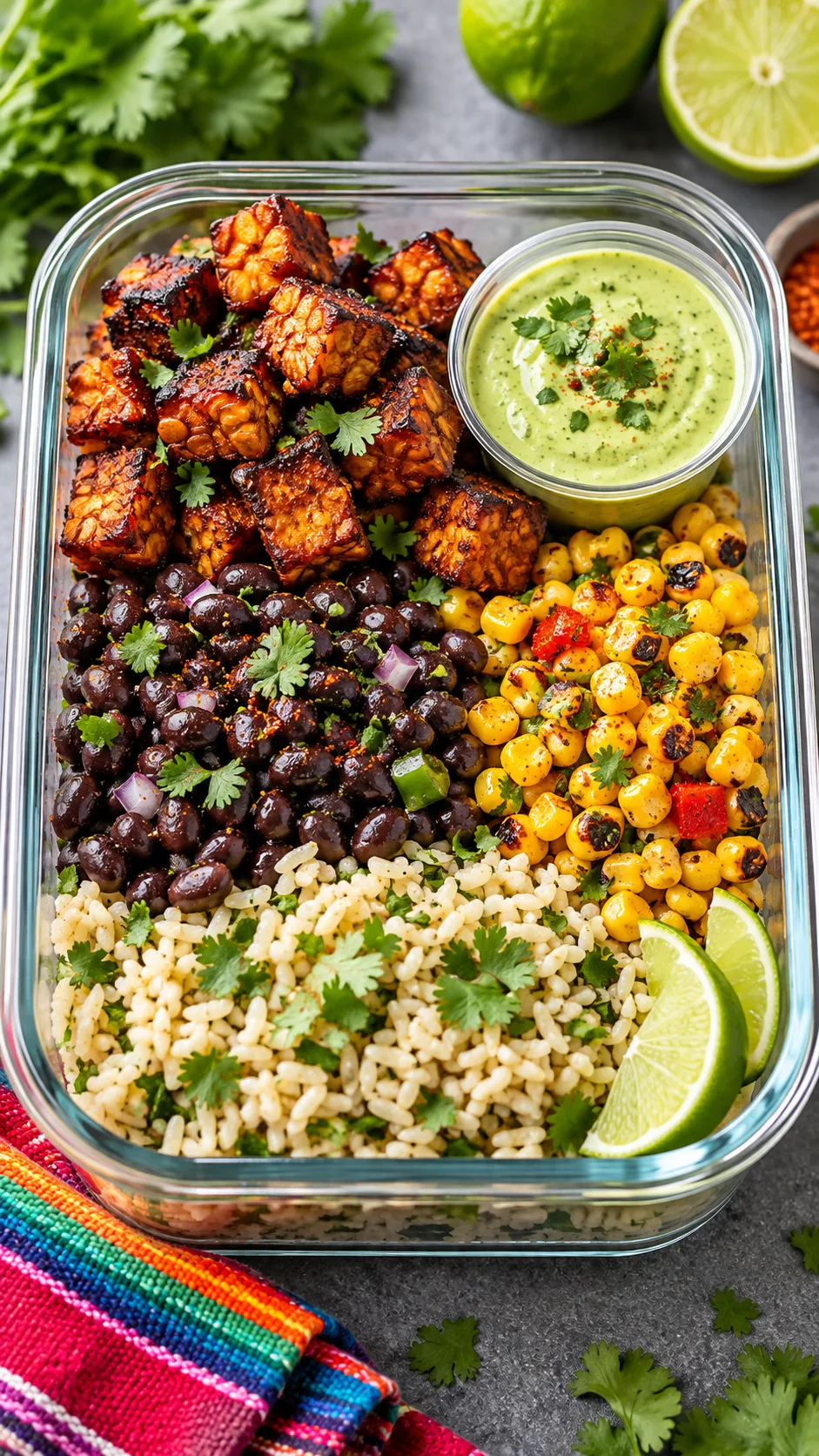
1. Smoky chipotle tempeh and black bean fiesta bowl
Tempeh provides a massive protein hit because makers ferment whole soybeans into a dense, gut-friendly cake. One block delivers over 30 grams of protein with zero cholesterol.
Build this bowl on brown rice tossed with chopped cilantro and fresh lime zest. Pan-sear steamed tempeh cubes in smoked paprika, ground cumin, garlic powder, and chipotle paste for your protein base. Simmer seasoned black beans with fire-roasted canned tomatoes for slow-digesting fiber. Pour over a rich avocado crema made from soaked cashews, lime juice, cilantro, and garlic. Pack toasted pumpkin seeds on the side so they stay crunchy until lunch.
This bowl satisfies because the dense texture of tempeh mimics meat while black beans pack resistant starch. If you enjoy Mexican-inspired lunches, check out our customizable burrito bowl meal prep guide.
2. Mediterranean crispy tofu and lentil mezze plate
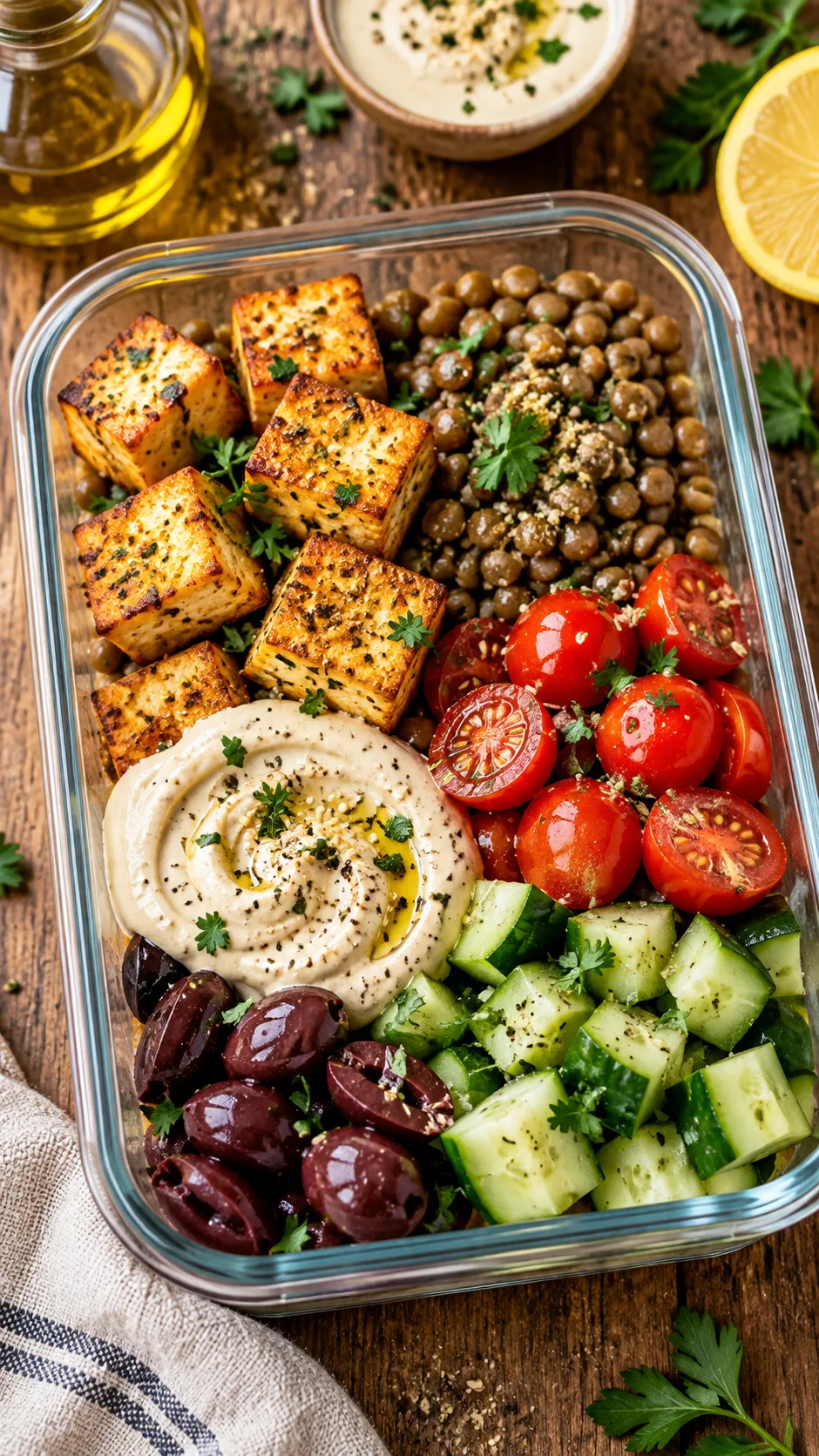
Do not settle for soggy, pale tofu. Press extra-firm tofu thoroughly, coat it lightly with cornstarch and oregano, and bake it at high heat until it crackles.
Pair this crispy tofu with French green lentils (Puy lentils). Unlike red lentils, which collapse into porridge, green lentils hold their toothsome bite through four days in the fridge.
- Cook two cups of French green lentils in vegetable broth with a dried bay leaf until tender.
- Toss drained, pressed tofu cubes with olive oil, salt, garlic powder, and cornstarch. Bake at 425°F (220°C) for 25 minutes until golden.
- Assemble your bowls: arrange a base of lentils, crispy tofu, diced Persian cucumbers, kalamata olives, and halved cherry tomatoes.
- Finish with a generous scoop of homemade garlic tahini sauce made with lemon juice, ice water, minced garlic, and salt.
The fats in the sesame tahini combined with the dense protein in the tofu and lentils hold off hunger all afternoon. This bowl outperforms any standard deli wrap you can buy.
3. Creamy Thai peanut chickpea and sweet potato stew
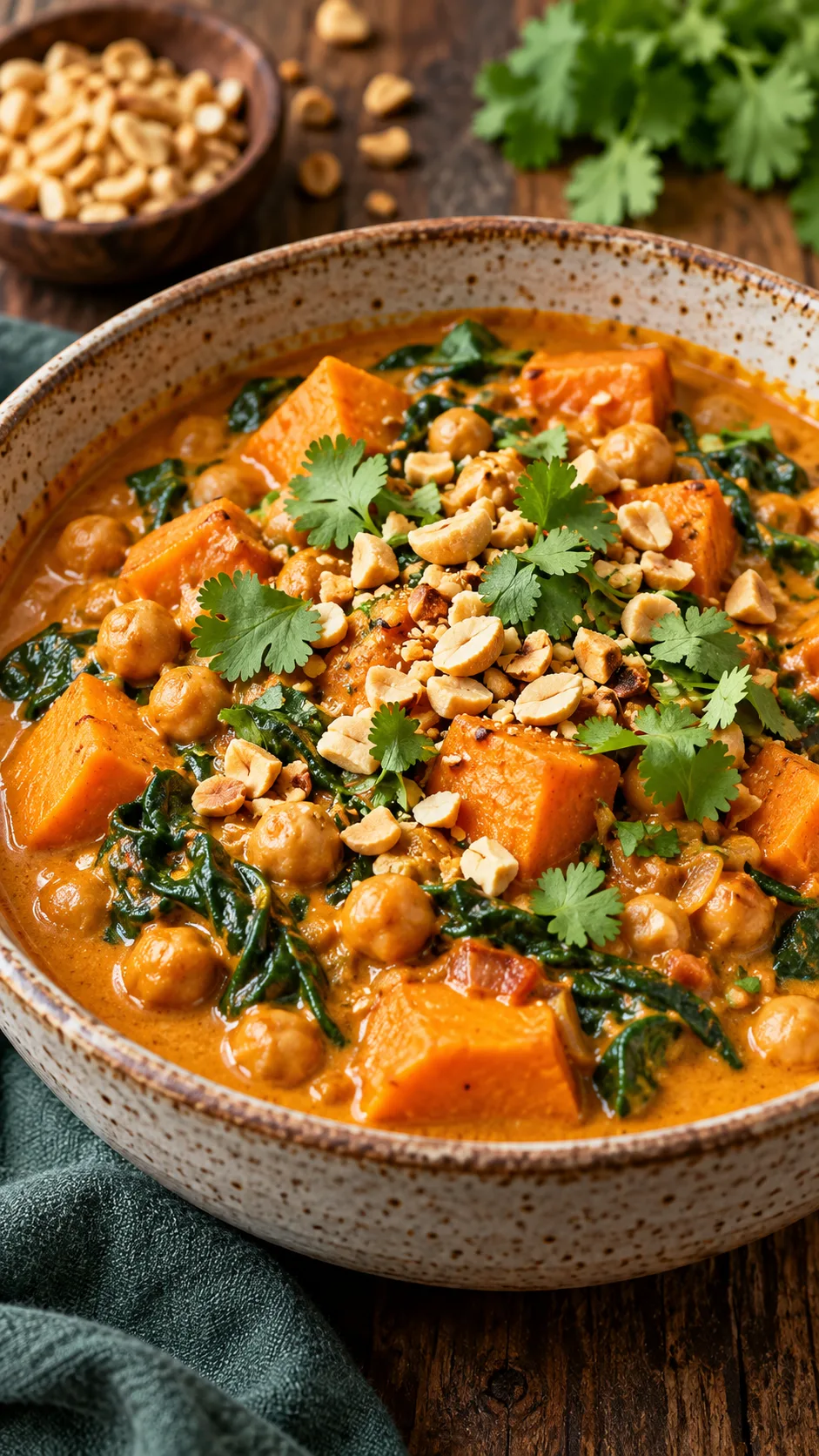
Need comfort on a rainy Tuesday? This one-pot stew freezes well and tastes even better as the spices mingle over several days in the fridge.
The National Center for Biotechnology Information (NCBI) highlights that pairing legumes with viscous dietary fats boosts satiety and curbs food intake at your next meal. This stew puts that science directly onto your spoon.
Sauté diced red onion, ginger, and garlic in a large pot. Stir in two tablespoons of red curry paste, two cans of drained chickpeas, cubed sweet potatoes, and one can of full-fat coconut milk. Simmer until the sweet potatoes turn buttery soft, then fold in three tablespoons of smooth peanut butter and heaps of baby spinach. Serve this over a scoop of chewy farro or quinoa.
4. Moroccan spiced seitan and roasted cauliflower couscous
Seitan is the heavyweight champion of plant protein. Vital wheat gluten gives seitan around 25 grams of protein per 3-ounce serving. It carries a chewy, dense texture that satisfies anyone who misses meat.
Toss bite-sized seitan pieces in ras el hanout, ground cinnamon, turmeric, and sea salt. Roast them on a sheet pan alongside cauliflower florets and red onion wedges at 400°F (200°C) until caramelized. Spoon the mixture over whole-wheat pearl couscous studded with chopped dried apricots, toasted slivered almonds, and fresh mint.
5. High-protein edamame, broccoli, and soba noodle salad
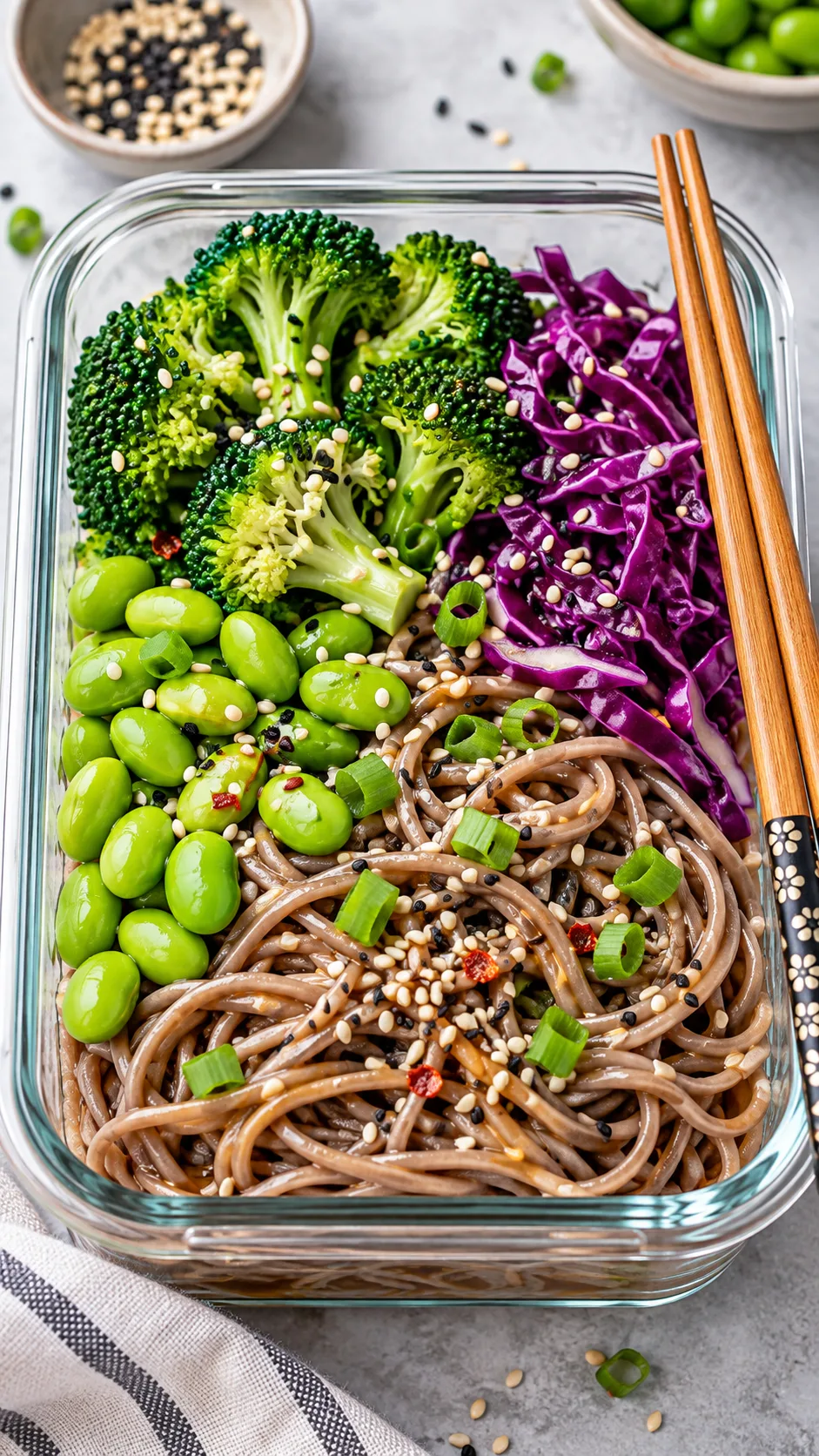
Buckwheat soba noodles offer a low-glycemic, nutty alternative to regular pasta. Paired with shelled edamame, they deliver a massive dose of complete plant protein.
Whisk together dark sesame oil, low-sodium tamari, grated fresh ginger, rice vinegar, and a spoon of chili crisp. Toss the cooked soba noodles, steamed shelled edamame, blanched broccoli florets, and shredded purple cabbage in the dressing. Top each portion with toasted sesame seeds and roasted peanuts. This dish tastes fantastic cold straight from the fridge; you do not need a microwave.
Learn the master formula for vegan meal prep
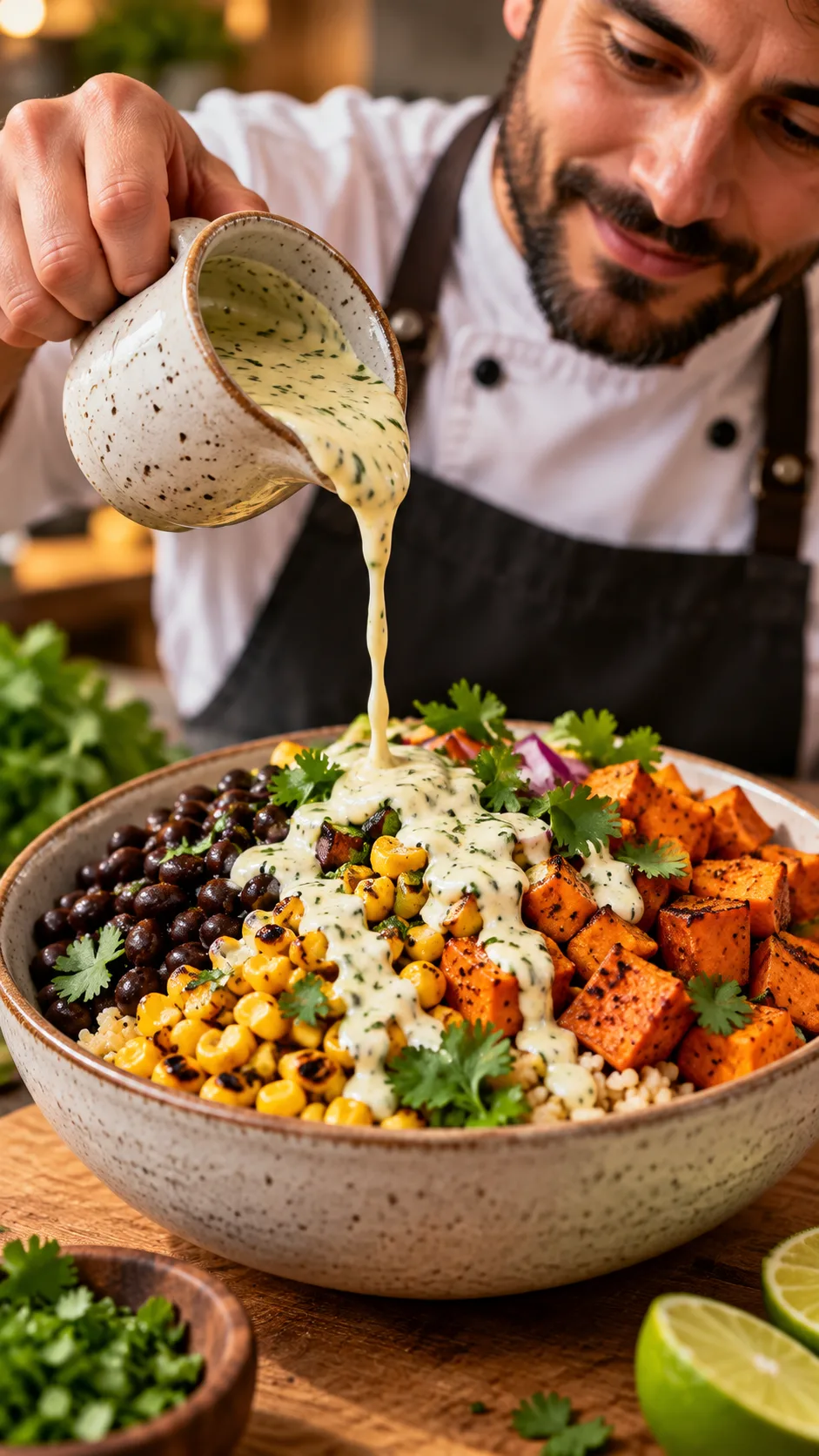
Do you want to see a batch cooking session in action? Watching a skilled cook organize their board, balance prep times, and turn simple pantry staples into hearty meals makes the process simple.
The 90-minute Sunday batch-cooking blueprint
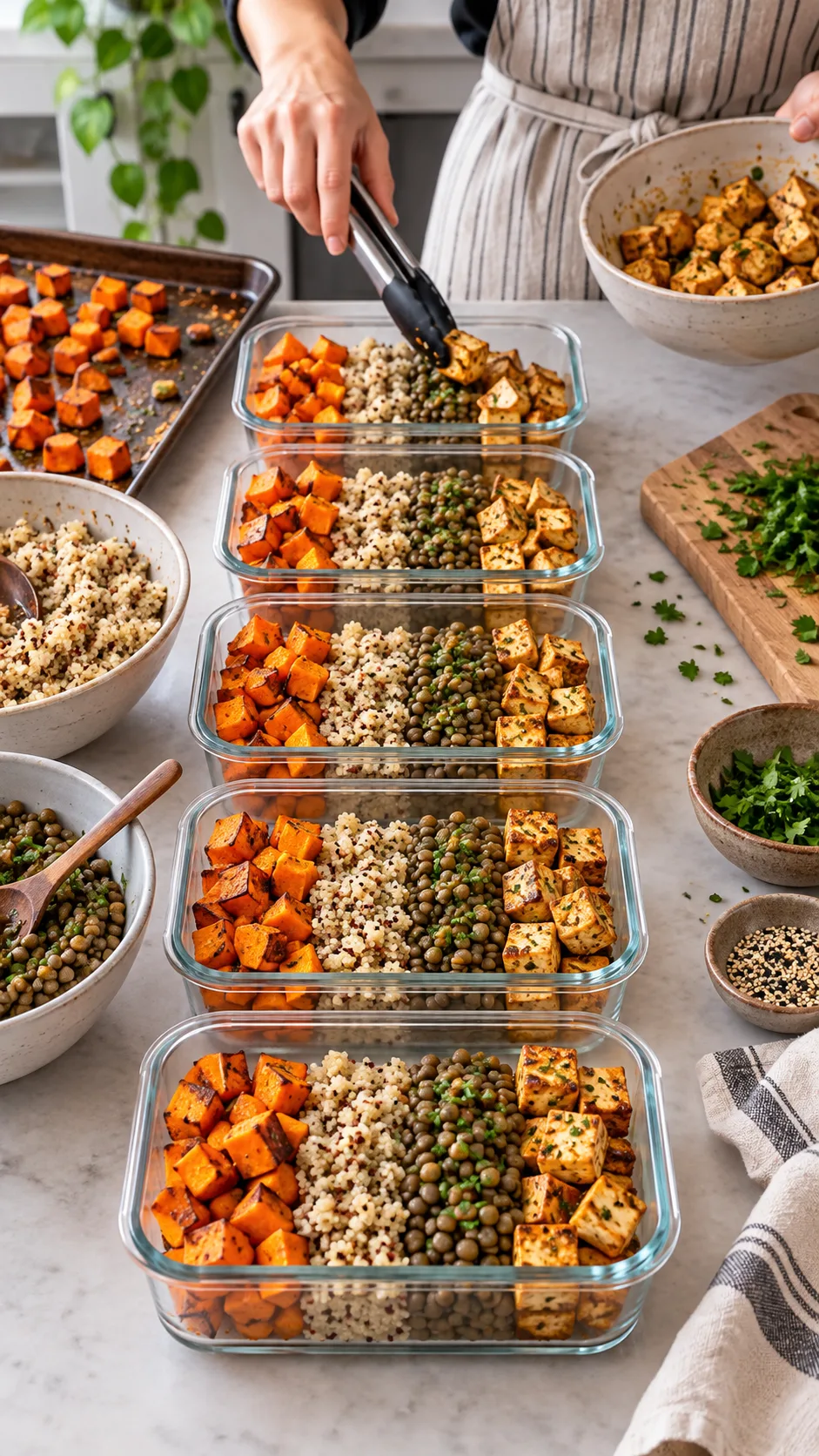
Never cook meals one by one during a busy workweek. You will exhaust your energy by Tuesday night. Instead, run your kitchen like an assembly line for ninety minutes on Sunday.
- Minutes 0 to 15: Start the slow burners. Fire up your rice cooker or instant pot with grains (farro, brown rice, or quinoa). Start a pot of boiling water for lentils or edamame. Pre-heat your oven to 425°F (220°C).
- Minutes 15 to 35: The chopping board blitz. Slice the sweet potatoes, press the tofu, chop the cruciferous vegetables, and dice the onions. Keep a scrap bowl handy to maintain an orderly cutting board.
- Minutes 35 to 65: Sheet pan roasting. Load two large baking sheets with seasoned proteins (tofu or tempeh) and root vegetables. Slide them into the oven and set a timer for 25 minutes.
- Minutes 65 to 80: Whisk the dressings. Blend your sauces in a high-speed blender. Make a batch of garlic tahini and a jar of spicy peanut dressing. Bold dressings rescue simple ingredients from blandness.
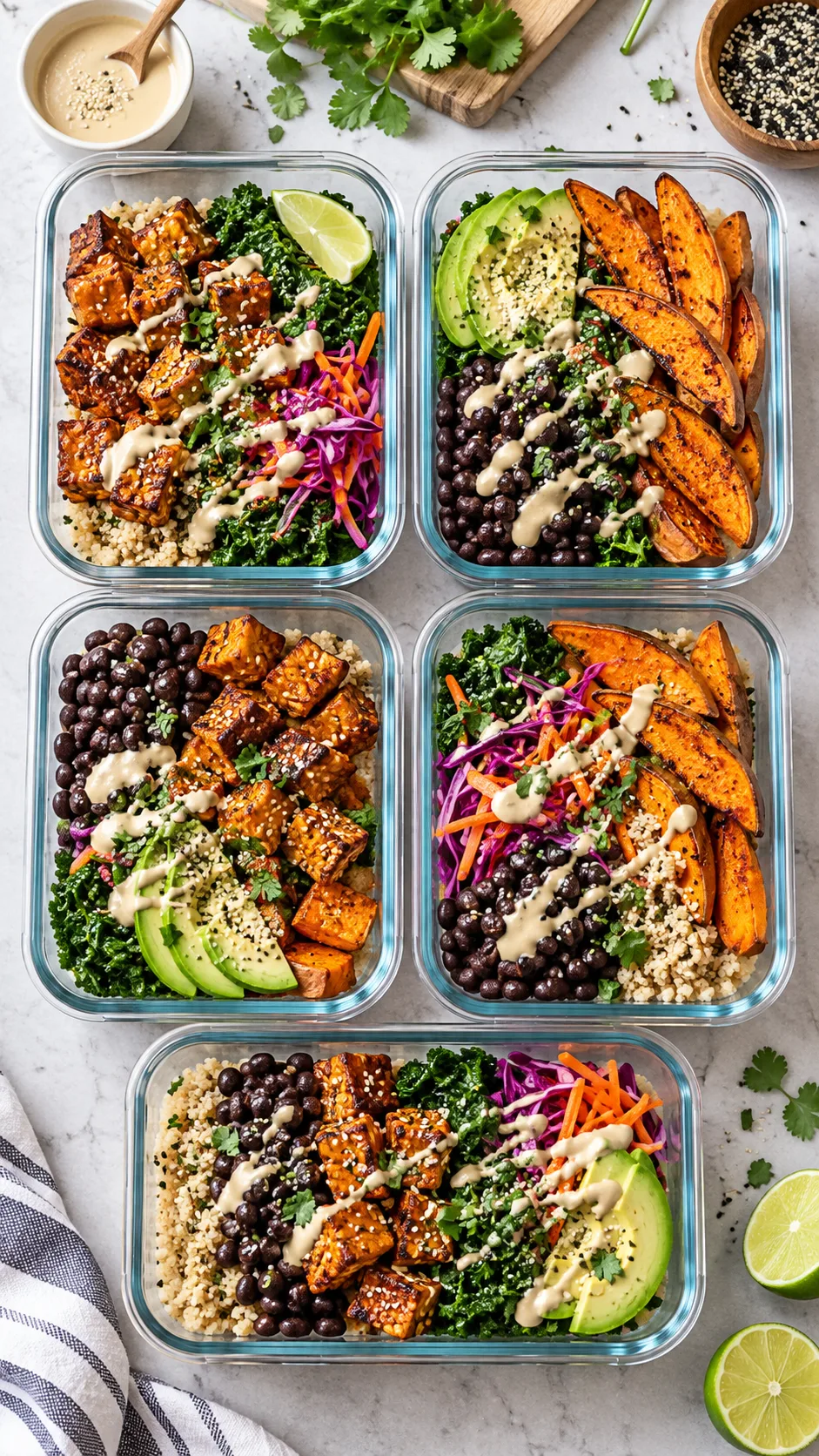
- Minutes 80 to 90: Pack the containers. Set out five clean glass storage containers. Distribute grains first, followed by legumes and roasted proteins, then cooked vegetables. Let everything cool completely before snapping the lids shut.
Food storage rules that keep meals fresh until Friday
Opening a four-day-old container only to find watery condensation ruins an appetite. You can avoid this by following basic food safety and storage steps.
Invest in borosilicate glass containers
Plastic containers absorb oils, hold onto odors, and warp over time. Heavy borosilicate glass containers seal tight, withstand microwave heat, and keep your food crisp and fresh.
The cool-down rule
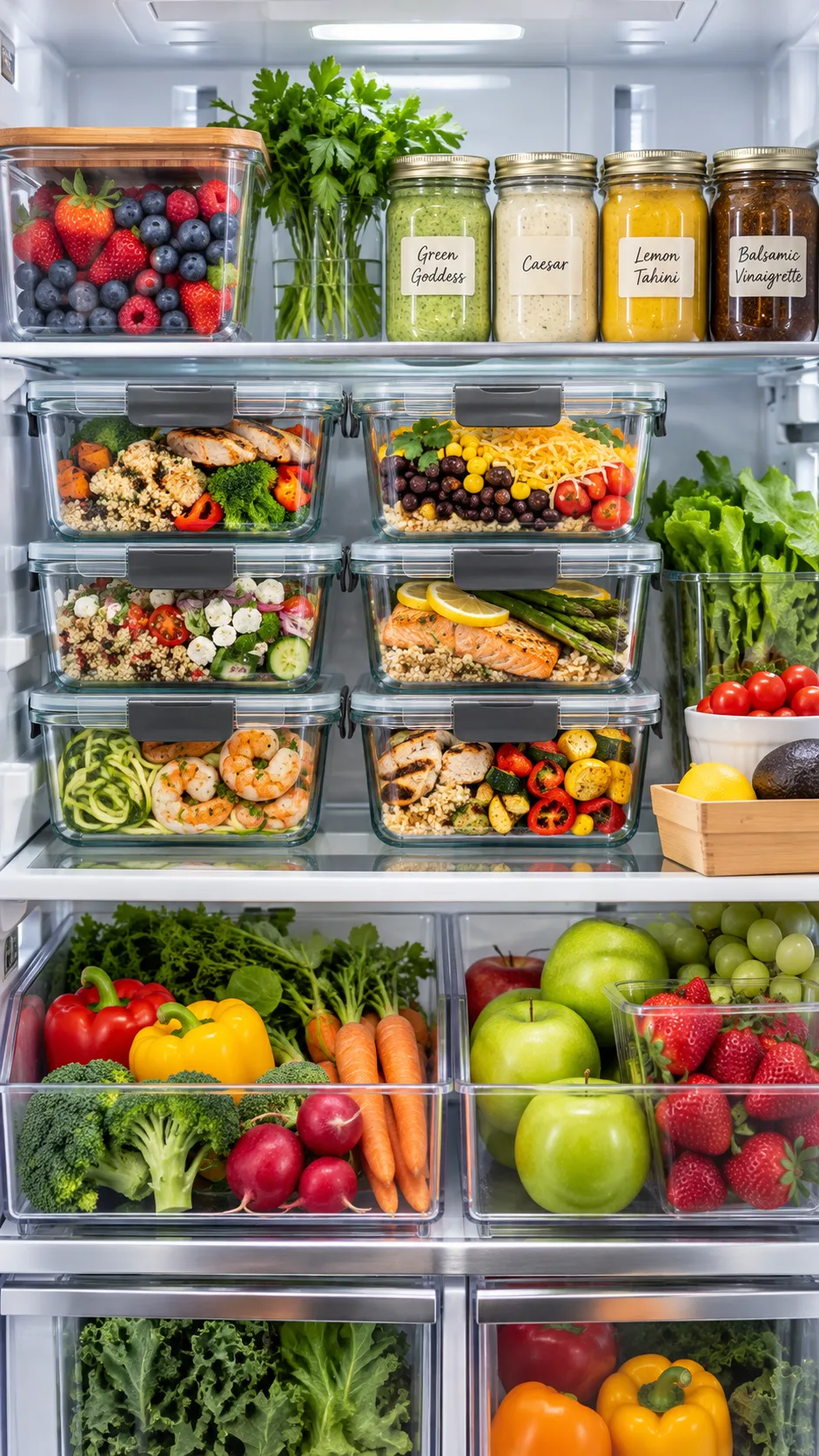
Never snap airtight lids onto steaming hot meals. Trapped steam condenses on the underside of the lid and drips back down onto your food, turning crispy tofu and roasted florets into mush. Let your cooked food reach room temperature for 25 minutes before sealing and chilling.
Smart layering strategy
Stack your containers purposefully for longer shelf life:
- Bottom layer: Dense grains, lentils, or sweet potato bases that handle moisture without getting soggy.
- Middle layer: Proteins like tempeh, baked tofu, or seitan.
- Top layer: Delicate vegetables, fresh herbs, and tender greens.
- Separate containers: Sauces, dressings, toasted nuts, and seeds. Store dressings in small two-ounce glass jars and pour them over the food right before eating.
Comparing plant-based satiety to animal protein
People often ask: “Can plant proteins sustain my energy like a chicken breast or steak?”
The answer is yes, provided you account for digestion. Animal proteins provide concentrated amino acids, but they contain zero dietary fiber. Plants deliver both soluble and insoluble fiber that swells inside your digestive tract to slow stomach emptying.
Dietary data from the USDA FoodData Central shows that a cup of cooked lentils delivers 18 grams of protein alongside 15.6 grams of gut-filling fiber. That single cup provides over half your daily recommended fiber intake. Combine lentils with a fat source like avocado or olive oil, and you create sustained energy that keeps hunger away for hours.
Sample plant-based fullness cheat sheet
Keep this quick reference guide handy when stocking your pantry:
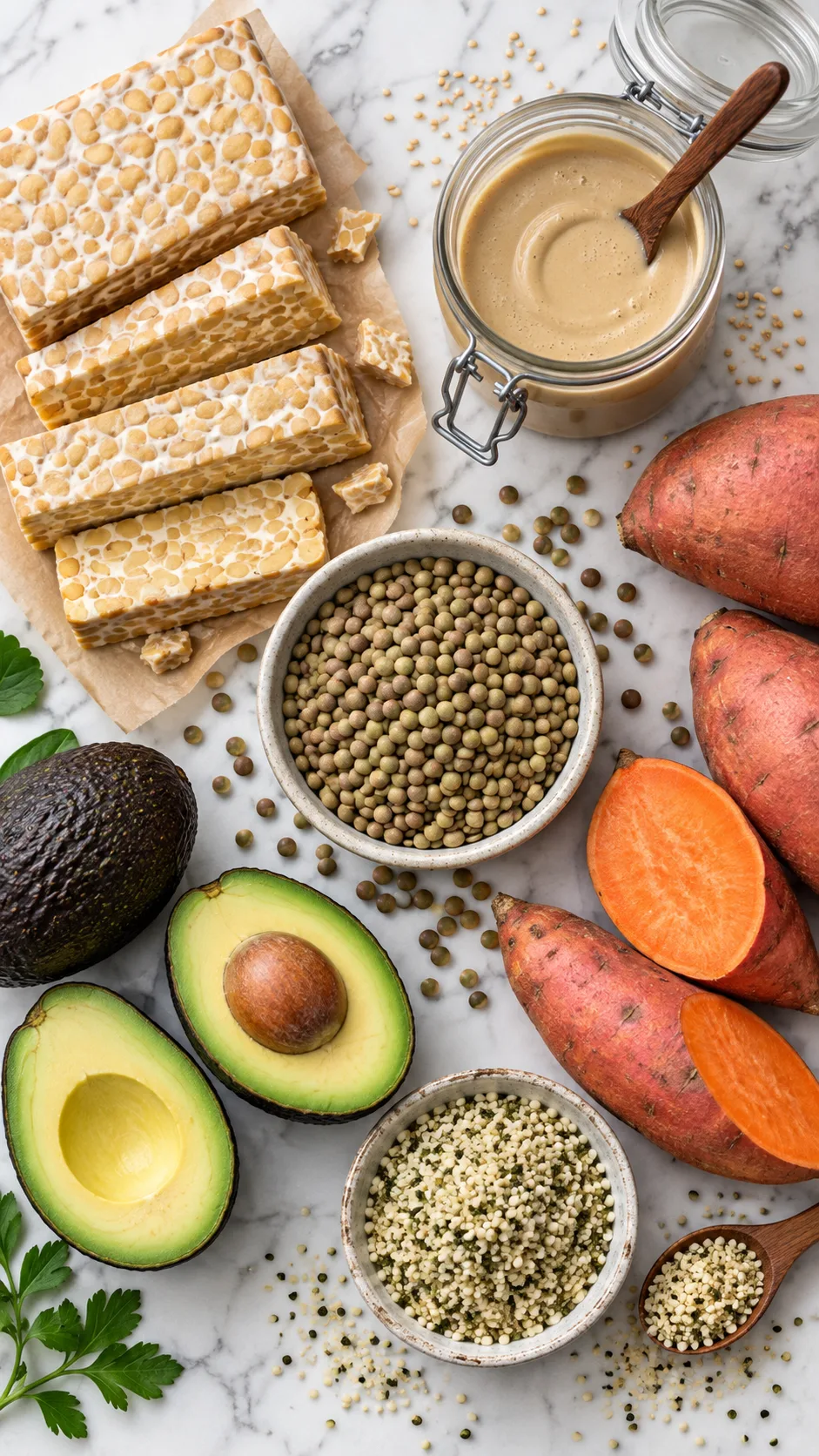
- Plant proteins: Tempeh, extra-firm tofu, edamame, French lentils, chickpeas, seitan, and hemp hearts.
- Slow-burning carbohydrates: Quinoa, black beans, Japanese sweet potatoes, pearl barley, and buckwheat soba.
- Fats: Raw tahini, chia seeds, walnuts, extra virgin olive oil, avocado oil, and almond butter.
- Vegetable volume: Shredded red cabbage, roasted broccoli, lacinato kale, shaved Brussels sprouts, and roasted cauliflower.
Take control of your workday energy
Plant-based meal prep does not mean surviving on watery soups and thin salads. When you balance your meals with dense proteins, complex starches, and rich fats, you create satisfying lunches that fuel your afternoons.
Take ninety minutes this Sunday. Pick two of the bowl recipes above, roast your proteins, whisk a flavorful dressing, and pack your glass containers. You will save money, cut weeknight cooking stress, and enjoy meals that keep you completely satisfied all week long.
