
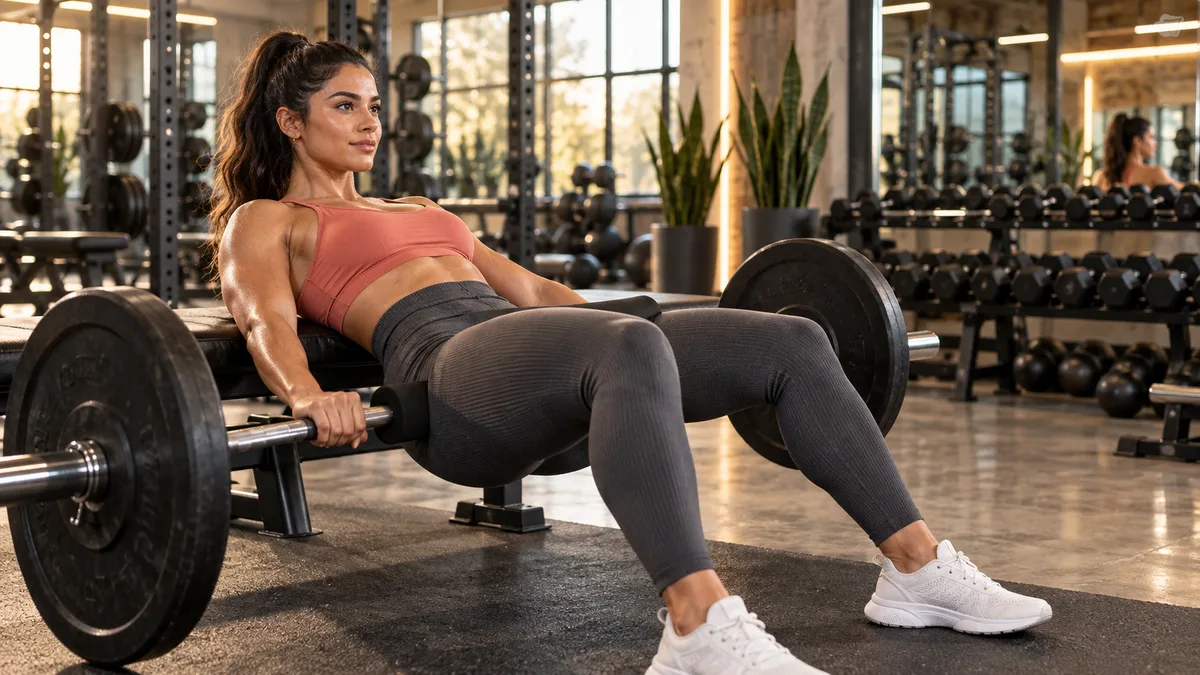
You want to build a stronger, shapelier body, but you also want to feel like a human being by Friday. Sound familiar? A 5-day workout split for women gives you the structure to train every muscle group with intention, recover properly, and make real progress week over week.
This isn’t about destroying yourself in the gym five days straight. It’s about training smarter, targeting the right muscles on the right days, and building the kind of strength that shows up in both how you look and how you feel.
Why a 5-day split works so well for women
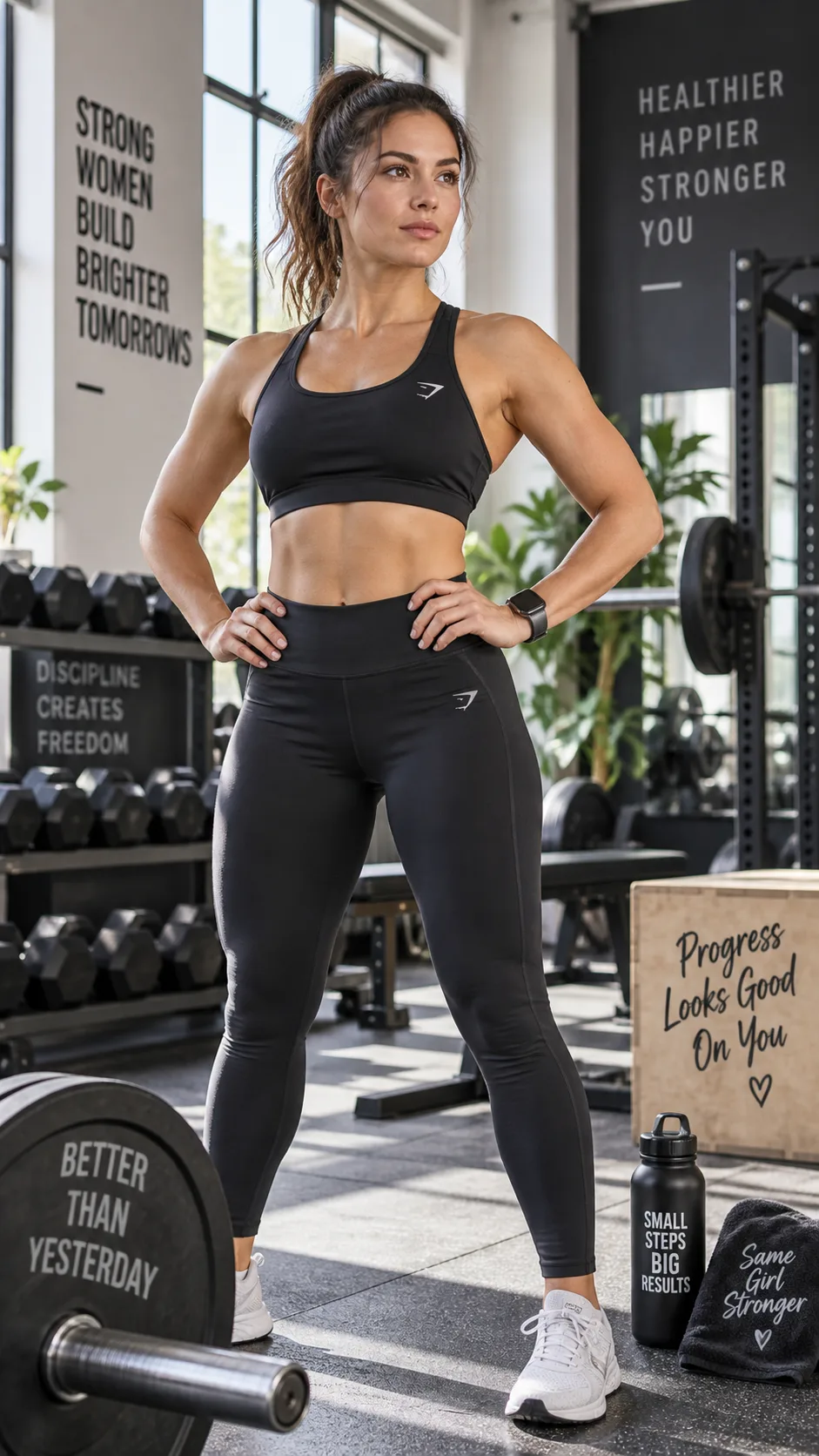
A lot of people assume more days in the gym automatically means faster results. That’s only true if you program those days intelligently. A 5-day training split works because it lets you dedicate focused effort to specific muscle groups rather than hammering everything in one exhausting session.
When you train a muscle group on its own day, you show up with more energy, lift heavier, and get more quality volume in. Your glutes, for example, deserve way more than a quick afterthought at the end of a full-body circuit. They deserve their own day, and a 5-day split gives them that.
Research from the National Strength and Conditioning Association consistently shows that training each muscle group 2 to 3 times per week with adequate volume drives superior hypertrophy compared to once-a-week approaches. A well-structured 5-day split hits that sweet spot.
What to expect from this plan
This 5-day women’s strength split focuses on building lean muscle, creating shape, and improving overall strength without burning you out by week two. You’ll train five days with two full rest days built in.
Each session runs around 45 to 60 minutes. That’s enough time to do meaningful work without spending your entire evening in the gym. You’ll use a mix of compound lifts and isolation exercises to hit both large and smaller muscle groups effectively.
If you’re new to structured programming, check out this weekly weight training schedule for women to get a feel for how split training works before jumping in.
The full 5-day workout split for women
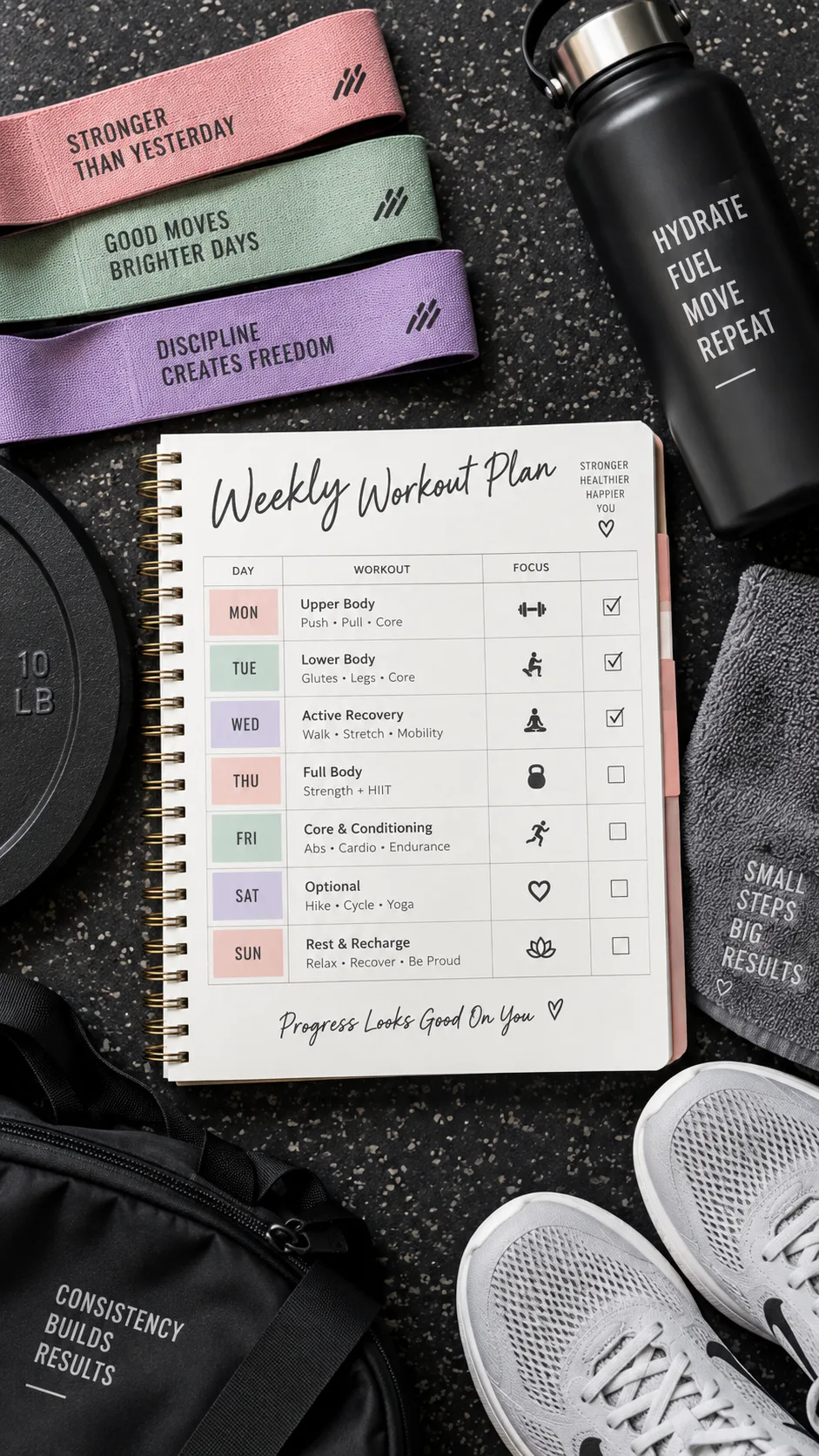
Here’s the weekly structure at a glance:
- Day 1: Glutes & Hamstrings
- Day 2: Upper Body Push (Chest, Shoulders, Triceps)
- Day 3: Back & Biceps
- Day 4: Quad-Focused Leg Day
- Day 5: Arms & Core (or Full Body Finisher)
Rest on any two days that suit your schedule. Most people do well with a mid-week rest day (Wednesday) and a weekend rest day. Fit it around your life. Consistency beats perfection every time.
Day 1: Glutes & Hamstrings
This is your big lower-body posterior chain day. You’re building the glutes, hamstrings, and the muscles that make your backside look incredible while also protecting your knees and lower back. Don’t skip the warm-up. Cold hip flexors and tight glutes are the fastest way to a disappointing session.
- Barbell Hip Thrust: 4 sets x 8 to 10 reps
- Romanian Deadlift: 3 sets x 10 to 12 reps
- Cable Kickback: 3 sets x 12 to 15 reps each side
- Lying Leg Curl: 3 sets x 12 reps
- Glute Bridge with Band: 3 sets x 15 reps
- Walking Lunges: 3 sets x 12 reps each leg
Day 2: Upper Body Push (Chest, Shoulders, Triceps)
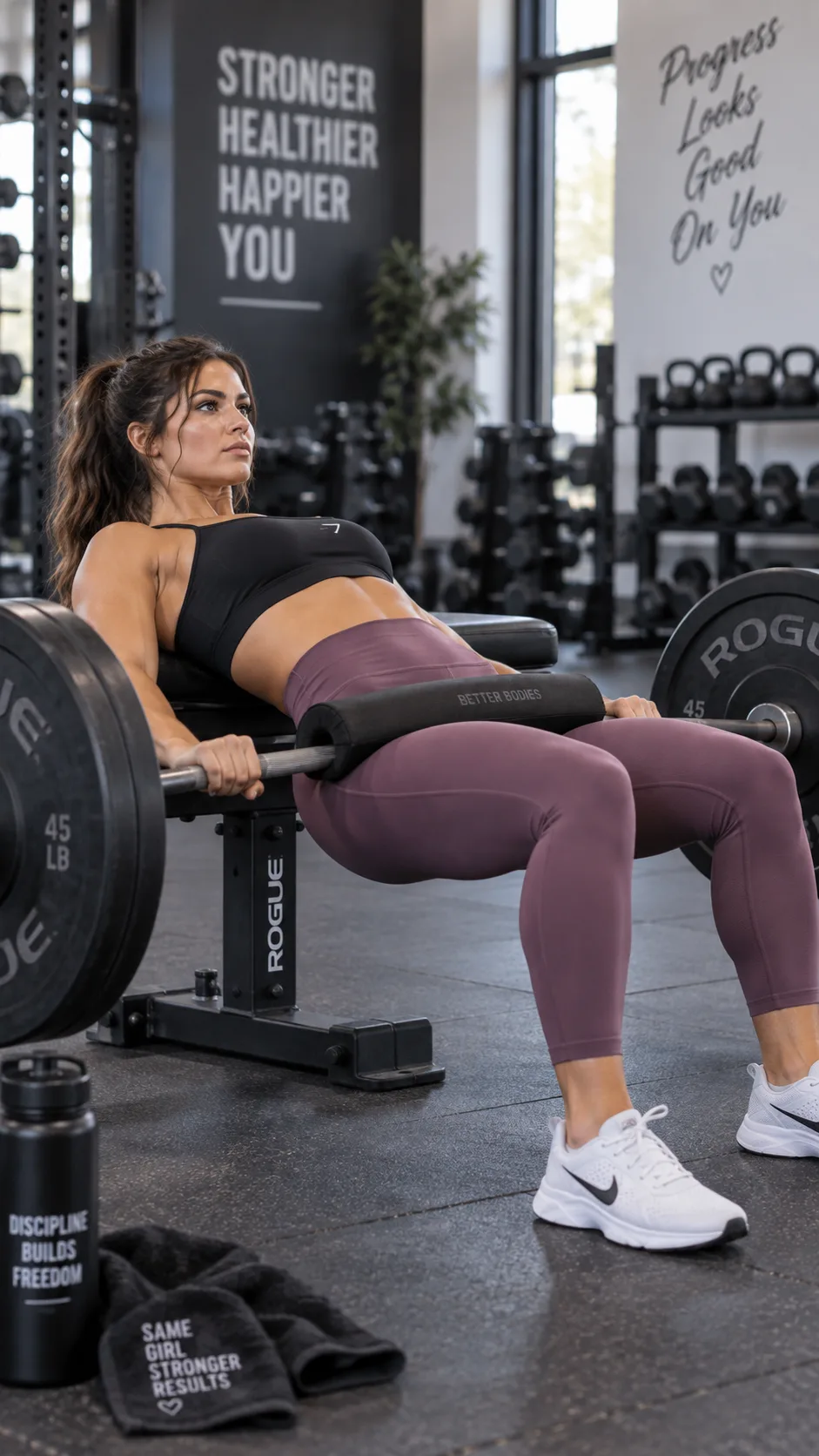
Ever noticed how push days feel surprisingly satisfying? This session builds shoulder width, chest definition, and arm strength, the combination that creates that athletic, toned upper body look. Control the eccentric (lowering) phase on every rep for maximum muscle activation.
- Dumbbell Bench Press: 4 sets x 8 to 10 reps
- Seated Dumbbell Shoulder Press: 3 sets x 10 to 12 reps
- Lateral Raise: 3 sets x 12 to 15 reps
- Incline Dumbbell Fly: 3 sets x 12 reps
- Tricep Dips or Cable Pushdown: 3 sets x 12 to 15 reps
- Overhead Tricep Extension: 3 sets x 12 reps
Day 3: Back & Biceps
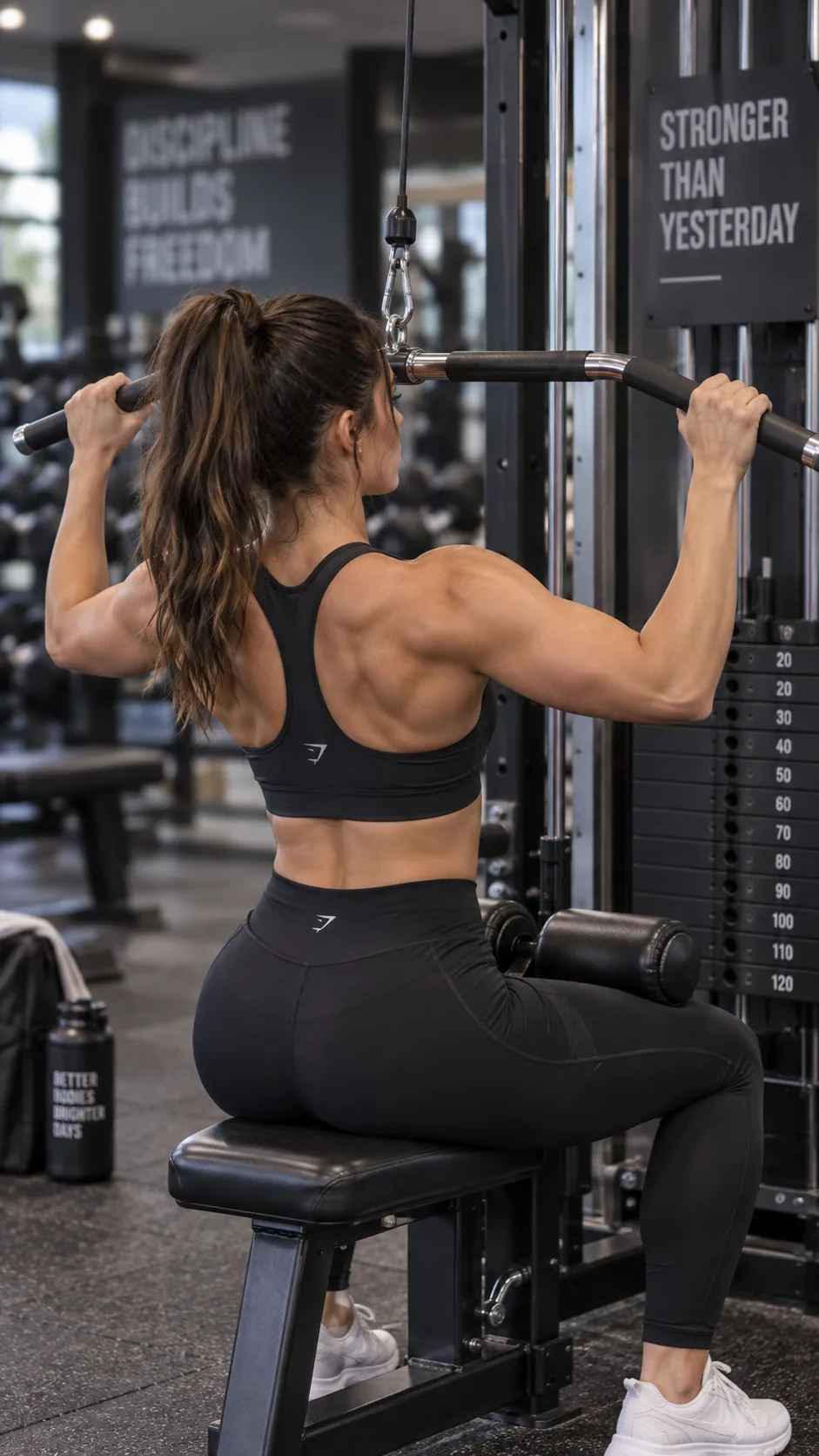
A strong back is the foundation of a balanced physique, and it does wonders for your posture. This pull day targets your lats, rhomboids, rear delts, and biceps. Focus on squeezing the back muscles at the top of each pull. Don’t just move the weight from point A to point B.
- Lat Pulldown: 4 sets x 10 to 12 reps
- Seated Cable Row: 3 sets x 10 to 12 reps
- Single-Arm Dumbbell Row: 3 sets x 10 reps each side
- Face Pull: 3 sets x 15 reps
- Dumbbell Curl: 3 sets x 12 reps
- Hammer Curl: 3 sets x 12 reps
Want to go deeper on building a defined back? This back workout for women at the gym covers eight targeted exercises that complement this pull day perfectly.
Day 4: Quad-focused leg day
Yes, you get two leg days. No, that’s not too much. It’s intentional. Day 1 hit the posterior chain hard. Today you shift the focus to your quads, inner thighs, and overall leg development. The difference in emphasis makes both sessions productive rather than redundant.
- Back Squat or Goblet Squat: 4 sets x 8 to 10 reps
- Leg Press: 3 sets x 12 to 15 reps
- Bulgarian Split Squat: 3 sets x 10 reps each leg
- Leg Extension: 3 sets x 15 reps
- Sumo Squat: 3 sets x 12 reps
- Standing Calf Raise: 4 sets x 15 reps
For a complete guide to structuring your lower body sessions, this resource on leg day workouts at the gym for women walks you through the full routine list in detail.
Day 5: Arms & Core (or Full Body Finisher)
Day 5 is your reward session. By this point your big muscle groups have been trained, and now you polish the details. Focused arm work and core training might seem less exciting than squats, but these sessions build the definition and functional strength that ties the whole physique together. Don’t skip this one just because it feels like the “light” day.
- Barbell or EZ-Bar Curl: 3 sets x 10 to 12 reps
- Incline Dumbbell Curl: 3 sets x 12 reps
- Skull Crusher: 3 sets x 12 reps
- Tricep Kickback: 3 sets x 12 to 15 reps
- Plank Hold: 3 x 45 seconds
- Cable Crunch: 3 sets x 15 reps
- Dead Bug: 3 sets x 10 reps each side
How to structure your week
The order matters more than people realize. Here’s a sample weekly layout that spaces out similar muscle groups and gives you real recovery time:
- Monday: Glutes & Hamstrings
- Tuesday: Upper Body Push
- Wednesday: Rest or Active Recovery (walk, yoga, stretching)
- Thursday: Back & Biceps
- Friday: Quad-Focused Legs
- Saturday: Arms & Core
- Sunday: Full Rest
Active recovery on Wednesday keeps blood flowing to sore muscles without adding training stress. A 20-minute walk or a short stretching session does the job. Recovery is not optional. It’s part of the program.

Progressive overload: the real secret to building curves
Here’s where most people stall. They show up, do the same weights for the same reps, and wonder why nothing changes after month two. Progressive overload is the principle that drives muscle growth over time, and without it, you’re just maintaining.
Progressive overload means consistently giving your muscles a slightly harder challenge than last time. According to ACE Fitness, progressive overload is one of the core drivers of hypertrophy and strength gains for women.
You can apply progressive overload in several ways:
- Add weight: Even 2.5 lbs more counts as progress
- Add reps: Go from 10 reps to 12 before increasing weight
- Add sets: Start with 3 sets, build to 4 over time
- Reduce rest: Cut rest time between sets slightly
- Improve technique: Better range of motion = more muscle work
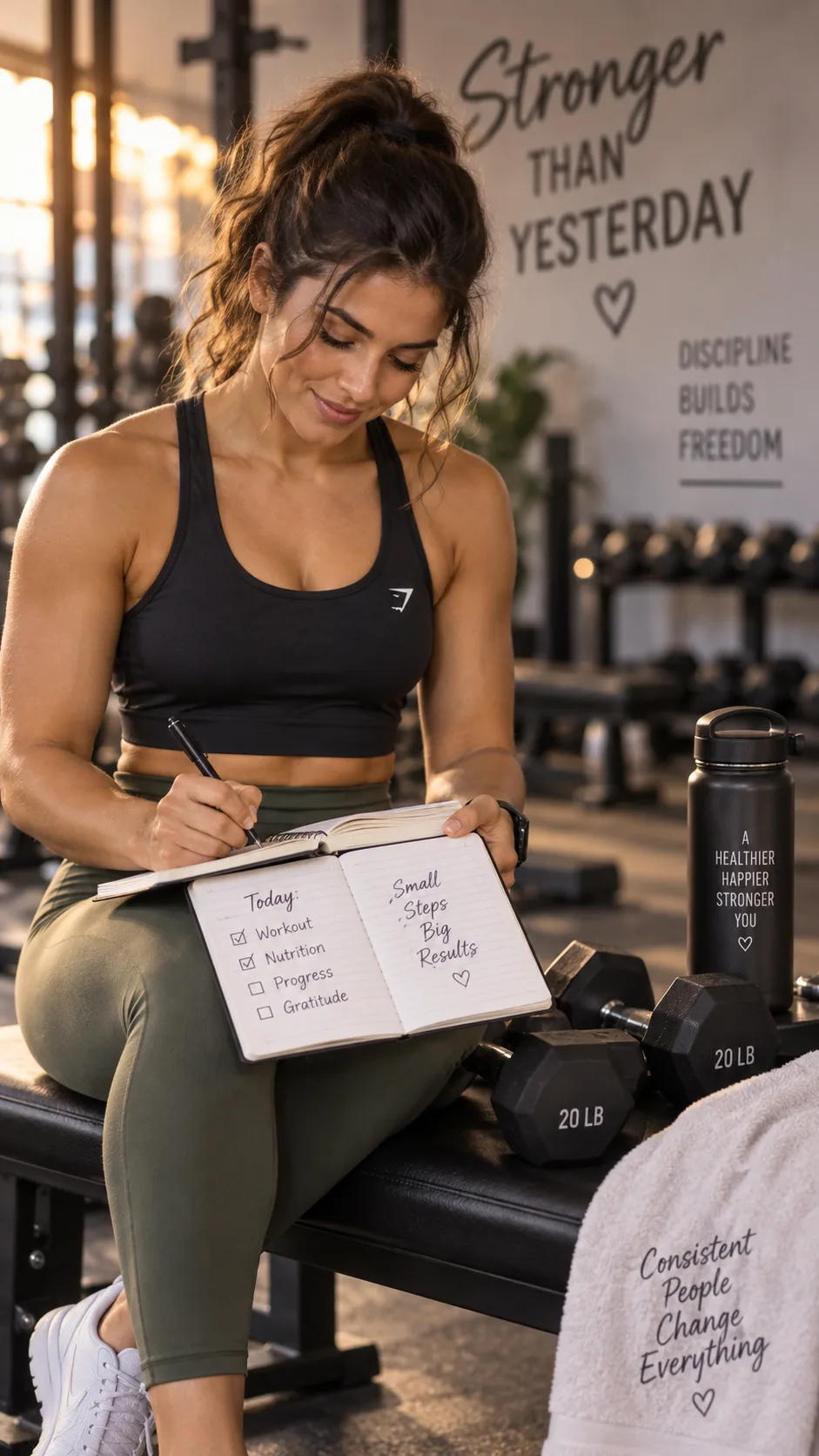
Track your workouts in a notebook or an app. You can’t progress what you don’t measure, and no, keeping it “somewhere in your head” doesn’t count. 🙂
Nutrition to fuel your 5-day split
Training five days a week without eating enough protein is like building a house without bricks. Your muscles need raw material to repair and grow, and protein is the most important macronutrient for that process.
Aim for roughly 0.7 to 1g of protein per pound of bodyweight daily. Research from Healthline supports this range for women who are actively building muscle. Space your protein across meals for better muscle protein synthesis throughout the day.
Carbohydrates fuel your sessions, especially those heavy leg days. Don’t fear them. Complex carbs like oats, rice, sweet potatoes, and fruit give you the energy to train hard and recover well. Fat keeps hormones balanced, which matters more for women than most people acknowledge.
Need meal ideas that support this kind of training load? A well-structured high protein meal plan for women takes the guesswork out of eating to build muscle.
Common mistakes that slow your progress
Even a good program can get derailed by avoidable habits. Watch out for these:
- Skipping warm-ups: Cold muscles perform worse and injure easier. Spend 5 to 10 minutes mobilizing before every session.
- Going too heavy too fast: Ego lifting kills form, and bad form stalls results. Start lighter and build up over weeks.
- Not sleeping enough: Your muscles grow during sleep, not during the workout. Less than 7 hours consistently means slower results, full stop.
- Ignoring protein intake: No amount of perfect training fixes a protein deficit.
- Training through real pain: Soreness is normal. Sharp, joint-specific pain is a signal to stop and assess, not push through.
- Expecting results in two weeks: Visible muscle development takes 8 to 12 weeks minimum. The mental shift to playing the long game is probably the most important fitness skill you can develop.
How long should you run this program?
A structured program works best when you commit to it for at least 8 to 12 weeks before assessing results. Most people quit a program right before it starts producing visible changes. Don’t be that person.
After 12 weeks, evaluate your strength numbers, how your clothes fit, and how you feel. If you’re progressing on the main lifts and feeling stronger, keep going. If something specific isn’t working (maybe one muscle group isn’t responding), swap in a targeted exercise and give it another 4 weeks before drawing conclusions.
The 5-day split can run for 6 months or more with ongoing progressive overload and occasional deload weeks every 4 to 6 weeks. A deload week means reducing volume by about 40 to 50% to let your nervous system and joints fully recover. It feels counterintuitive, but the week after a deload is almost always your strongest week of training.
Is this split right for you?
This 5-day split works best for women who can realistically commit to five sessions per week and have at least 3 to 6 months of consistent training under their belt. If you’re brand new to lifting, a 3-day full-body program builds a better foundation first.
If five days sounds like too much right now, that’s completely fine. A well-designed 3 or 4-day split still produces excellent results. More frequency isn’t always better if the recovery isn’t there to match it. Listen to your body and build up gradually.
Women with busy schedules often find that having a clear plan for each day reduces the mental load. You walk into the gym knowing exactly what you’re doing. No wandering around, no wasted time, no skipping the exercises you don’t feel like doing (we’ve all been there with leg day).
Final thoughts
A 5-day workout split for women is one of the most effective ways to build a stronger, more defined physique, as long as you pair it with smart recovery, consistent nutrition, and progressive overload. The program only works if you do it consistently over time.
Stop waiting for the “perfect” week to start. Pick your start date, plug the days into your calendar, and treat those sessions like appointments you don’t cancel on yourself. The compound effect of showing up five days a week, week after week, is genuinely powerful. And it always shows.
Your future self will thank you for starting today.
