
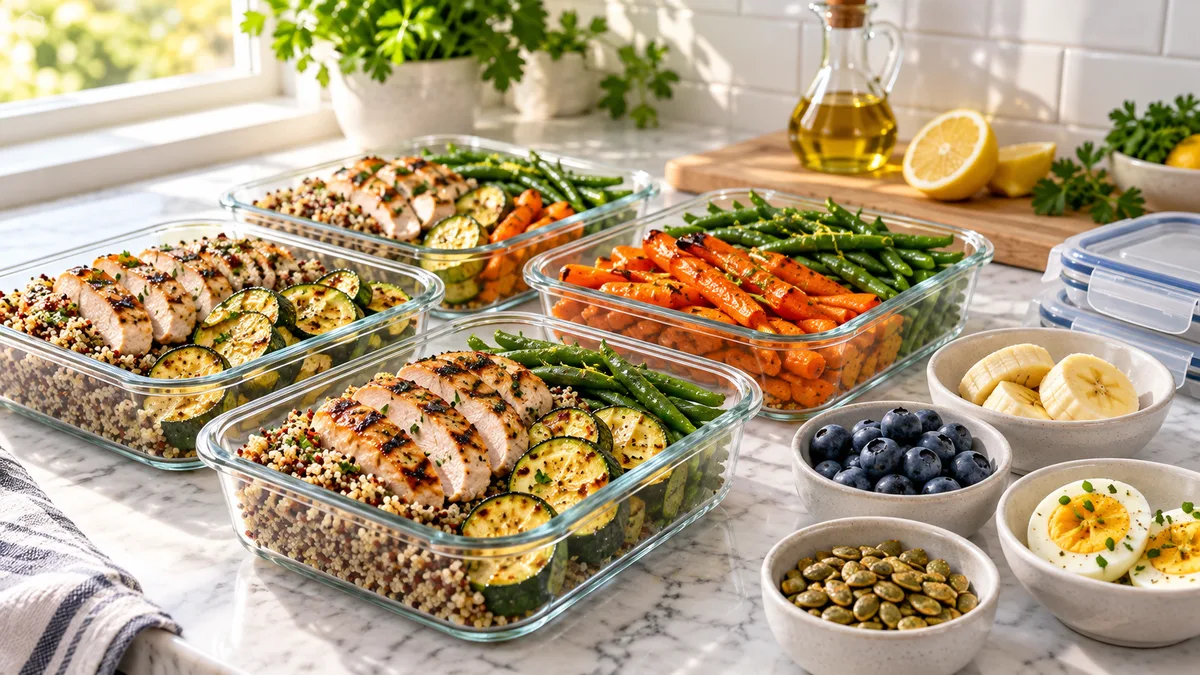
You know the exact feeling. It hits thirty minutes after lunch on a Tuesday. Your stomach swells, loud gurgling noises start echoing across a quiet office, and sudden cramping sends you straight to the restroom. A hidden sliver of onion probably ruined your entire afternoon. Irritable Bowel Syndrome (IBS) turns casual eating into daily stress.
When you scramble to find lunch at noon, you make rushed choices. Those choices usually bring sneaky garlic powder, high-fructose dressings, or wheat wraps that derail your digestion for days. Meal prep stops that cycle. When you control your ingredients ahead of time, you shield your gut from common triggers hiding in restaurant takeout.
A low FODMAP routine does not require bland chicken breast and dry white rice every day. You can cook hearty, deeply flavorful meals that keep your stomach calm, flat, and quiet from Monday morning straight through Friday night.
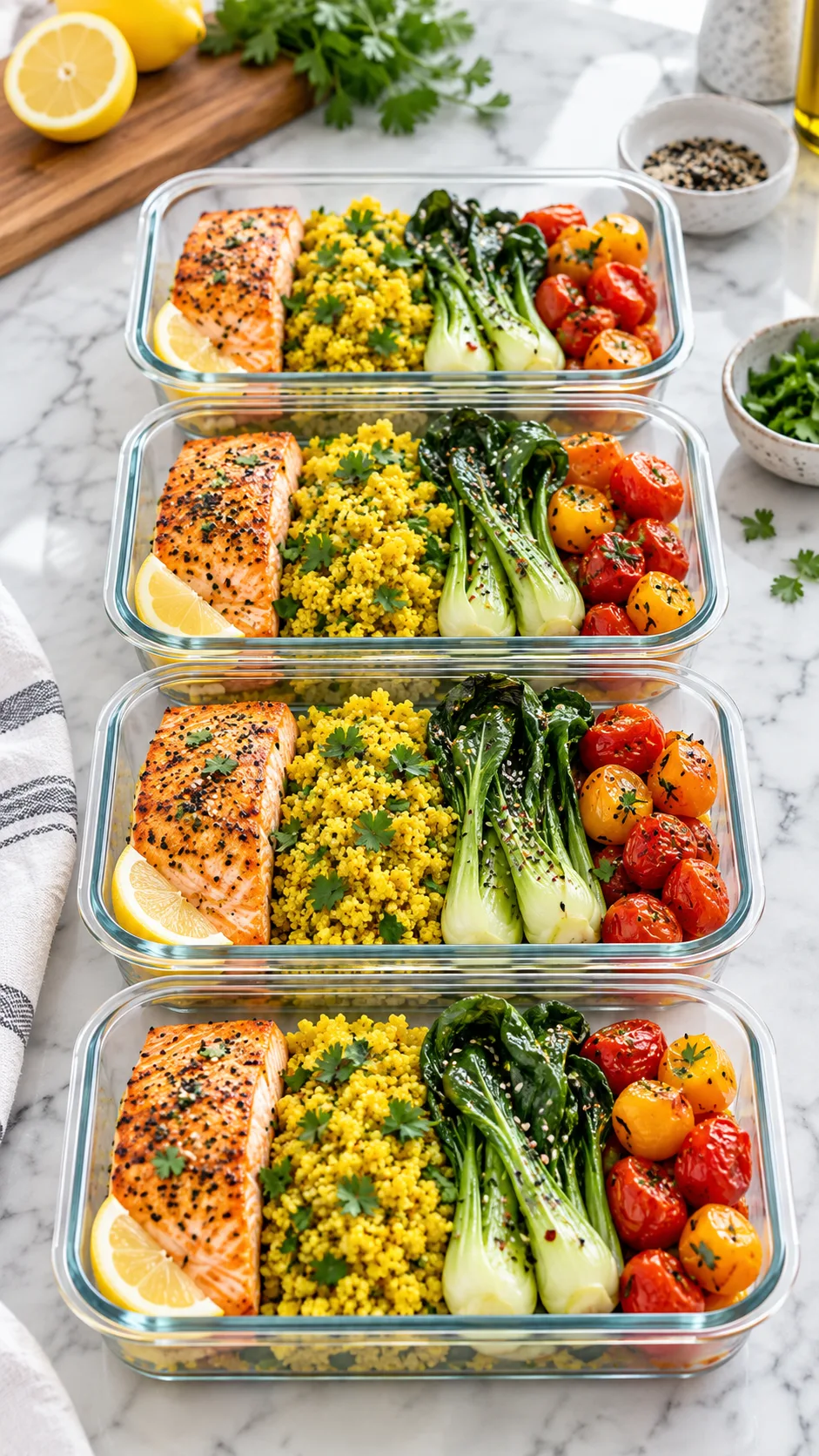
Rules for low FODMAP batch cooking
Cooking for a sensitive gut requires a different mindset than standard meal prep. Tossing random healthy foods together often leads to digestive distress by midweek. Keep these principles in mind before you chop a single vegetable.
1. Watch out for FODMAP stacking
You can eat a meal built entirely of safe ingredients and still end up painfully bloated. That happens because of FODMAP stacking. Researchers at Monash University found that several low-FODMAP foods containing the same compound (like sorbitol, fructans, or GOS) add up in your system when you eat them in one sitting.
For instance, half a cup of canned lentils sits safely in the green zone. Half a cup of sweet potato also stays low FODMAP. When you combine both in the same bowl, the total oligosaccharide load pushes the entire dish into high-FODMAP territory. Your intestines process that combination just like a single trigger food. Separate your FODMAP categories across different meals, or lean on zero-FODMAP staples like fresh meat, poultry, eggs, and dark leafy greens.
2. Build gut-safe flavor bases
Standard recipes rely on onions and garlic for flavor. Skip them entirely. The fructans in the allium family dissolve in water, so simmering an onion in broth leaves those fermentable sugars behind even after you scoop out the pieces.
Fructans do not dissolve in fat. That means you can cook garlic cloves in olive oil, toss the solids out, and keep the garlic aroma without any stomach upset. Keep these flavor boosters in your pantry:
- Garlic-infused olive oil: Pick commercial bottles that use clear oil without sediment, or make small batches fresh at home and use them within three days.
- Green onion tops: Chop the dark green hollow ends only. The white base contains dense fructans, but the green tops remain safe.
- Asafoetida (Hing): This Indian spice mimics the savory taste of onions and leeks. Sauté a small pinch in warm cooking oil.
- Fresh and dried herbs: Rosemary, thyme, oregano, basil, and flat-leaf parsley contain zero fermentable sugars.
- Citrus juice and zest: Lemon, lime, and orange juice cut through rich proteins without upsetting your stomach.
3. Manage resistant starch
Starches change form when you cook and cool them, producing resistant starch. This retrograded starch bypasses the small intestine and ferments in the colon. Healthy guts handle this fiber well, but people with IBS often develop severe gas and swelling from cold leftover potatoes or chilled rice.
Heating your food thoroughly alters the starch structure again, making it much easier to digest. Always warm your prepped starches until hot steam rises from the container rather than eating them cold from the fridge.
A practical low FODMAP shopping list
A well-stocked kitchen prevents last-minute takeout orders. Bring this list to the store to gather gut-friendly ingredients without inspecting every single jar.
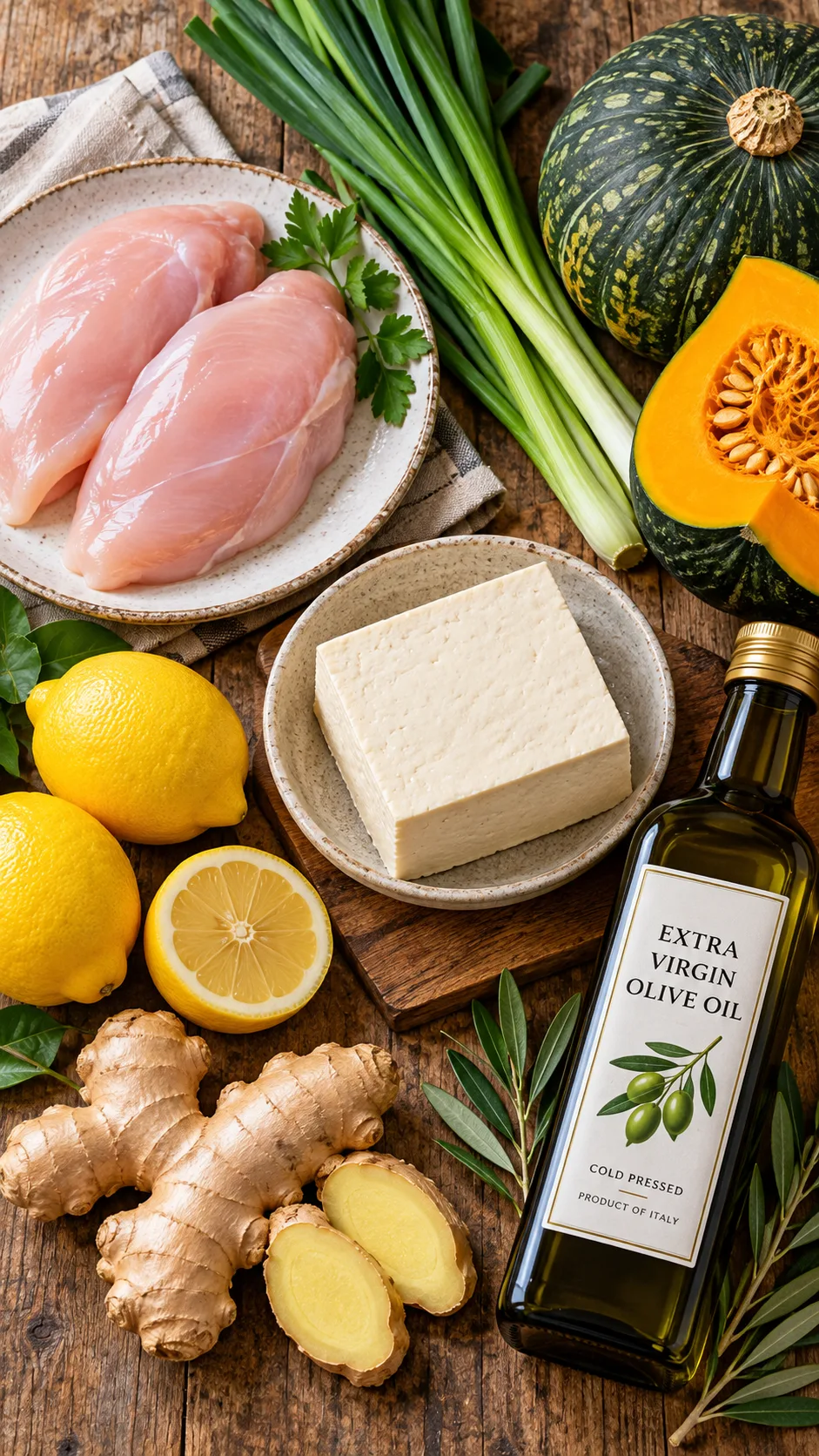
- Unprocessed proteins: Boneless chicken thighs, lean ground beef, fresh salmon fillets, eggs, and extra-firm tofu (water extraction removes the soluble GOS). Plain proteins contain zero carbohydrates, so they carry zero FODMAPs.
- Base carbohydrates: Jasmine rice, brown rice, dry quinoa, rolled oats, and baby red potatoes. These digest smoothly without stressing your stomach.
- Low-fermentation vegetables: English cucumbers, whole carrots, zucchini (limit portions to 65 grams), kabocha squash, baby spinach, oyster mushrooms, and red bell peppers.
- Gut-friendly fruits: Firm green bananas, fresh strawberries, blueberries (stick to 125-gram portions), and naval oranges.
- Clean condiments: Pure maple syrup, Dijon mustard without garlic powder, tamari, gluten-free soy sauce, toasted sesame oil, and apple cider vinegar.
If you want ideas for keeping your routine fresh over the long haul, browse our guide to Sunday meal prep routines that hold up all week.
A two-hour Sunday prep routine
A predictable kitchen flow makes weekly batch cooking realistic over months rather than burning you out on week two. Set aside two hours on Sunday afternoon to cook ten gut-safe meals. Here is a streamlined timeline to run your kitchen efficiently.
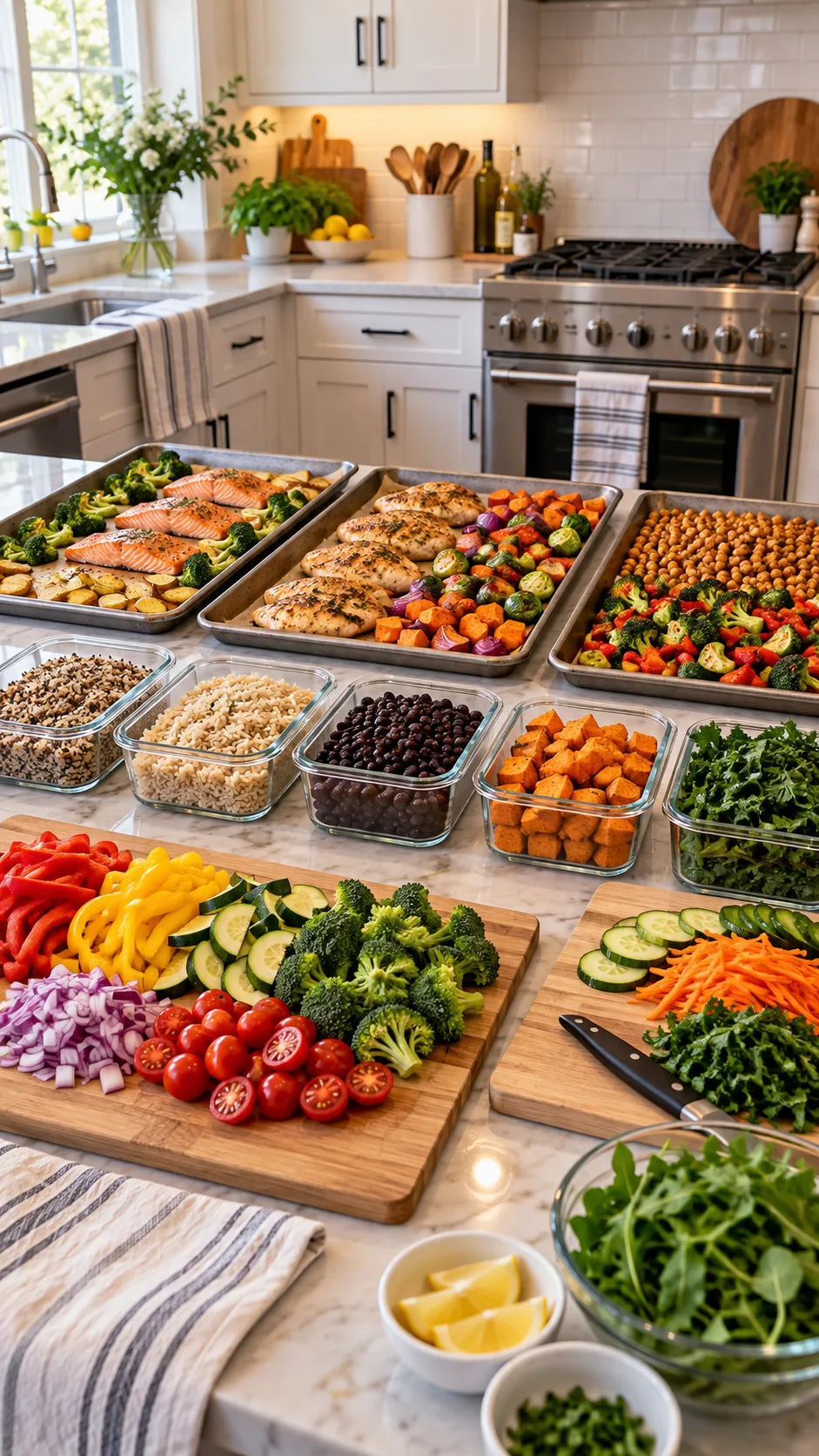
Phase 1: Ovens and starches (Minutes 0 to 30)
Set your oven to 400°F (200°C). Rinse your jasmine rice or quinoa under cold running water to wash away loose surface starch. Start your rice cooker or stovetop pot. Dice your baby red potatoes, toss them with garlic-infused oil, sea salt, and smoked paprika, then get that sheet pan into the oven first since root vegetables take the longest to cook through.
Phase 2: Protein prep and seasoning (Minutes 30 to 60)
Pat raw meat dry with paper towels so the surface browns instead of steaming. Season chicken thighs with salt, cracked pepper, dried oregano, and lemon zest. Mix ground turkey or lean beef with ginger, tamari, and crushed cumin seeds. Roast your chicken on a second baking sheet alongside the potatoes, or brown your ground meat in a wide skillet on the stove.
Phase 3: Vegetable slicing and fast sautés (Minutes 60 to 90)
Slice your produce while the meat cooks. Cut carrots into coins, chop green onion tops, and slice red bell peppers into strips. Sauté the vegetables briefly in sesame oil or garlic-infused oil. Pull them from the heat while they remain crisp. Mushy overcooked vegetables lose their texture, while completely raw vegetables can irritate an already sensitive stomach.
Phase 4: Assembly and cooling (Minutes 90 to 120)
Let all cooked components rest uncovered on the counter for about twenty minutes before putting lids on your containers. Trapping hot steam inside creates excess moisture, thins your seasonings, and encourages spoilage. Add labels to your containers so you can track your rotation throughout the week.
Looking for more dinner ideas that follow this rhythm? Check out our approach to healthy dinner meal prep that stays fresh all week.
Three gut-friendly low FODMAP meal prep recipes
These recipes stay fresh for four days in the refrigerator. They deliver solid nutrition, full flavor, and zero intestinal stress.
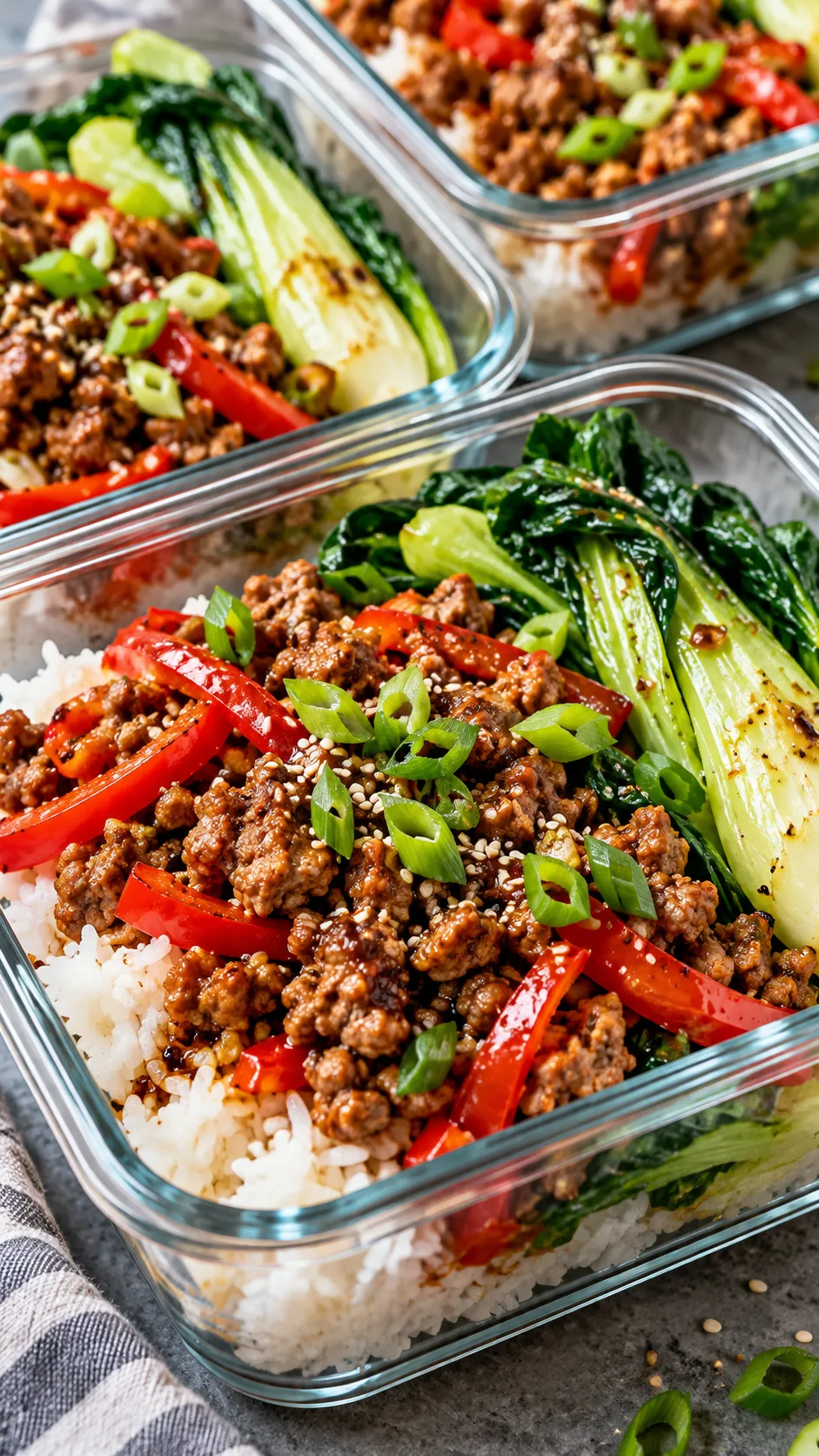
1. Ginger tamari ground turkey bowls (4 servings)
This savory bowl gives you the taste of a stir-fry without hidden onions or mystery oils. Fresh ginger speeds up stomach emptying, which prevents that uncomfortable heavy feeling after lunch.
Ingredients:
- 1.5 lbs 93% lean ground turkey
- 1 tablespoon garlic-infused olive oil
- 2 tablespoons grated fresh ginger root
- 3 tablespoons gluten-free tamari
- 1 tablespoon pure maple syrup
- 1 teaspoon toasted sesame oil
- 2 medium red bell peppers, sliced into strips
- 4 heads baby bok choy, chopped
- 3 cups cooked jasmine rice
- 1/2 cup dark green onion tops, sliced
- 1 tablespoon toasted sesame seeds
Instructions:
- Heat the garlic-infused oil in a wide skillet over medium-high heat. Add the ground turkey and break it apart with a wooden spoon until cooked through (around 7 to 8 minutes).
- Whisk the grated ginger, tamari, maple syrup, and sesame oil in a small bowl. Pour this sauce over the cooked meat and simmer for 2 minutes so the turkey absorbs the liquid.
- Transfer the meat into four storage dishes.
- Add the sliced peppers and bok choy to the hot skillet with a splash of water. Sauté for 3 minutes until tender and crisp.
- Portion the rice and cooked vegetables next to the turkey. Scatter green onion tops and sesame seeds over each dish. Let everything cool before sealing.
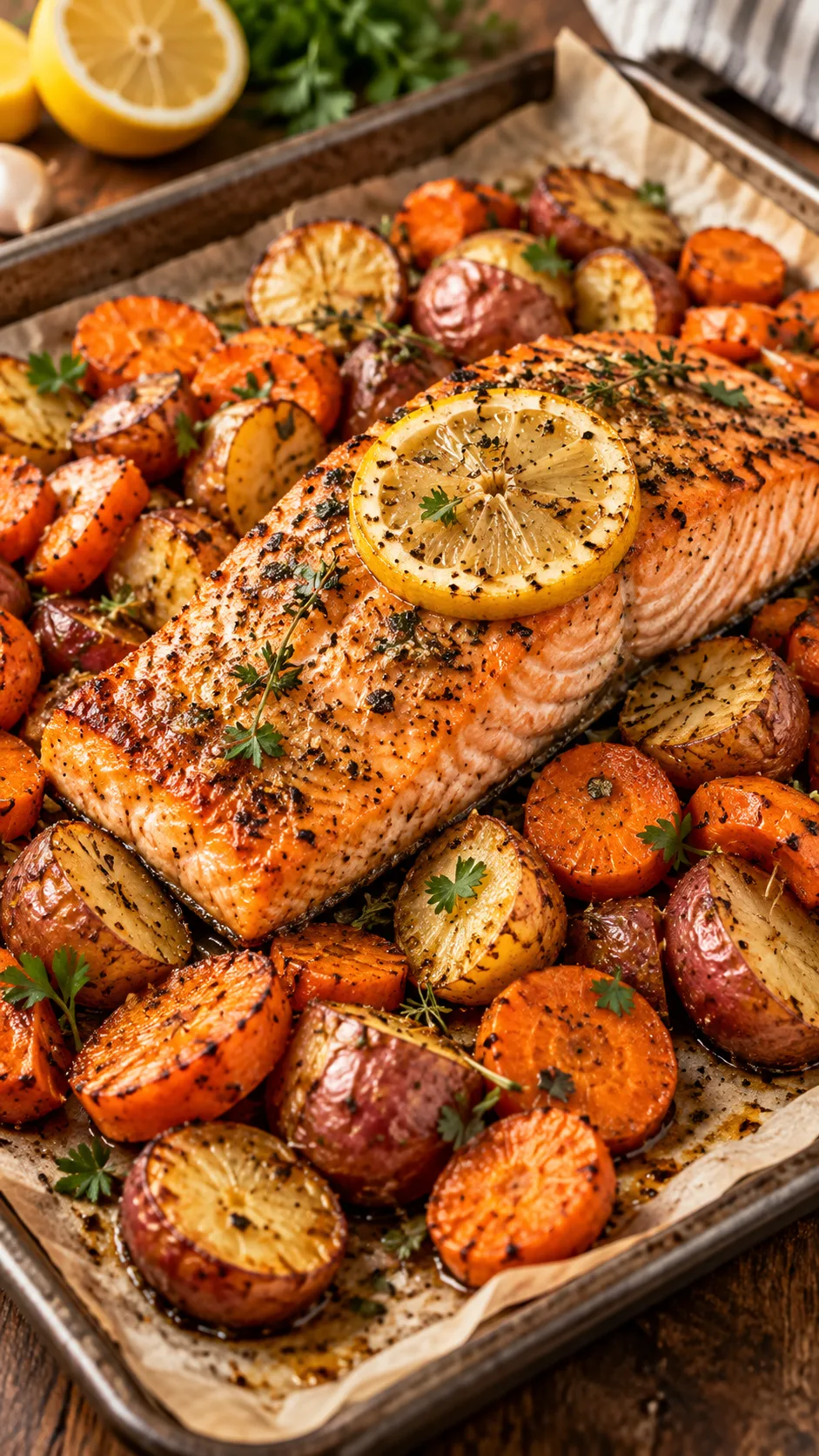
2. Herb-crusted salmon with maple Dijon carrots and baby potatoes (4 servings)
Omega-3 fats help calm bowel irritation. Clinical research from the American College of Gastroenterology shows that lowering baseline gut inflammation eases nerve sensitivity throughout the digestive tract. Pair fresh salmon with low-FODMAP roots for an easy sheet-pan meal.
Ingredients:
- 4 wild salmon fillets (about 5 to 6 oz each)
- 1 lb baby red potatoes, cut into quarters
- 1 lb carrots, peeled and sliced into thick rounds
- 2 tablespoons garlic-infused olive oil
- 1 tablespoon Dijon mustard without onion or garlic powder
- 1 tablespoon pure maple syrup
- 1 tablespoon fresh rosemary, minced
- 1 teaspoon sea salt, divided
- 1/2 teaspoon black pepper
- 1 lemon, cut into rounds
Instructions:
- Set your oven to 400°F (200°C) and cover a large baking pan with parchment paper.
- Toss the potatoes and carrots with 1 tablespoon of garlic-infused oil, half the rosemary, half the salt, and the black pepper. Spread them across the pan and roast for 20 minutes.
- Whisk the Dijon mustard, maple syrup, remaining garlic oil, and remaining rosemary in a small cup. Brush this glaze over the top of each salmon fillet.
- Take the pan from the oven, push the vegetables toward the edges, and set the salmon fillets in the middle. Place a lemon slice on top of each piece of fish.
- Roast for another 12 to 15 minutes until the fish flakes under a fork and the potatoes turn crisp. Divide the food evenly among your meal containers.
3. Golden turmeric chicken quinoa skillet (4 servings)
Turmeric contains curcumin, which helps relax intestinal muscles and reduce abdominal cramps. This one-pan meal holds its texture without turning soggy over four days in the fridge.
Ingredients:
- 1.5 lbs boneless skinless chicken thighs, cut into bite-sized pieces
- 1 cup dry quinoa, thoroughly rinsed
- 2 cups low-FODMAP chicken broth made without onion or garlic
- 1 teaspoon ground turmeric
- 1/2 teaspoon ground cumin
- 1 medium zucchini, diced (keep each serving under 65 grams)
- 2 cups fresh baby spinach
- 1 tablespoon olive oil
- Sea salt and black pepper to taste
Instructions:
- Warm the olive oil in a deep skillet over medium heat. Season the chicken pieces with salt, pepper, turmeric, and cumin. Sear the meat until brown on all sides (about 5 minutes).
- Add the rinsed quinoa and chicken broth to the skillet. Stir well, scraping up the browned bits on the bottom of the pan.
- Bring the broth to a boil, cover the pan with a lid, turn the heat to low, and simmer for 15 minutes.
- Take off the lid, stir in the zucchini and baby spinach, and put the lid back on for 3 minutes so the trapped heat steams the greens.
- Fluff the quinoa with a fork, mix the ingredients together, and distribute the food into four glass containers.
How to prevent FODMAP stacking across your daily menu
Meal prep gives you direct control over your daily FODMAP load. But if you assemble lunch and dinner without tracking how ingredients combine, symptoms can still surface by late afternoon. Compare these two daily meal patterns to see how minor adjustments protect your gut.
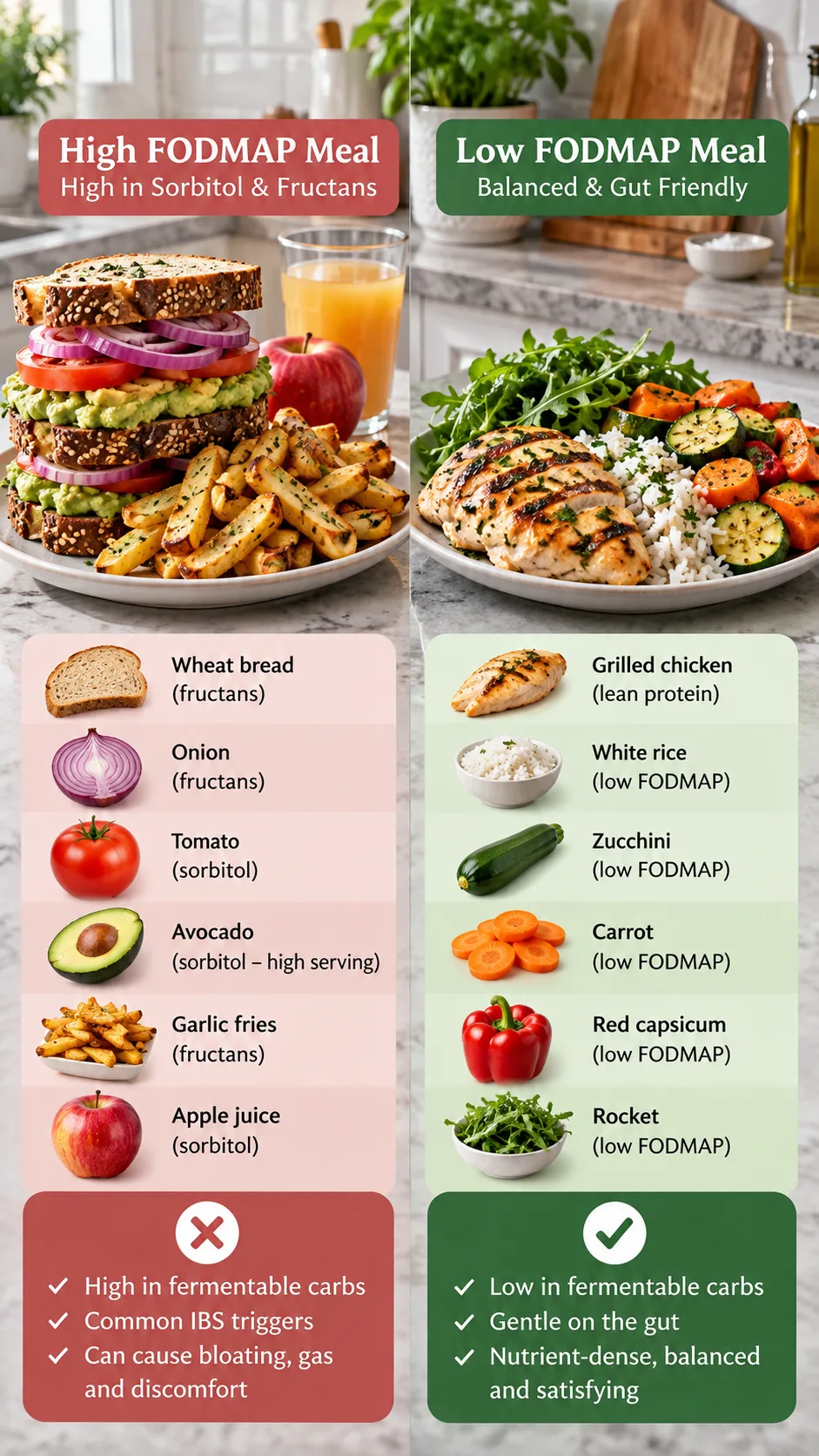
| Meal component | The stacked trigger day | The balanced gut-safe day |
|---|---|---|
| Breakfast | Oatmeal with ripe banana, honey, and almonds (Excess fructose and fructans) | Oatmeal with unripe banana, maple syrup, and pumpkin seeds (Safe) |
| Lunch | Turkey bowl with broccoli, snow peas, and avocado (Stacked sorbitol and GOS) | Ginger tamari turkey with baby bok choy and red bell peppers (Safe) |
| Snack | Handful of cashews with dried cranberries (High GOS and fructans) | Cheddar cheese with rice crackers and fresh strawberries (Safe) |
| Dinner | Salmon with sweet potato mash and asparagus (Stacked fructose and fructans) | Herb-crusted salmon with roasted carrots and baby red potatoes (Safe) |
| Digestion result | Bloating, painful fullness, and abdominal cramps | Calm stomach, normal digestion, and zero pain |
The foods on the trigger day look healthy on paper. Broccoli, avocado, and almonds contain plenty of nutrients, but their sugars overload sensitive intestines. Sticking to the balanced column keeps fermentation low throughout the day.
If you need quick bites to hold you over between meals, look through our collection of meal prep snack ideas that keep you full without setting off digestive issues.
Storage and shelf life guidelines for sensitive guts
Food storage standards matter even more when your digestive system reacts to minor irritants. Aging leftovers accumulate histamines and bacteria that cause cramps similar to a severe FODMAP reaction. Follow these storage guidelines closely:
- Keep poultry and fish to three days: Store cooked salmon or chicken in the fridge for up to three days. Place meals meant for days four and five directly into the freezer once they reach room temperature. Thaw them in the refrigerator overnight before heating.
- Use borosilicate glass containers: Plastic scratches over time, creating tiny crevices where bacteria and old oils collect. Glass containers seal tightly, handle microwave heat without leaching chemicals, and move easily between freezer and oven.
- Pack sauces on the side: Salt and acids pull moisture out of cooked vegetables during storage. Keep dressings and sauces in small glass jars, and pour them over your meal just before you eat.
Troubleshooting midweek IBS flare-ups
Sometimes you follow your prep plan completely and still wake up with a bloated stomach on Thursday. Do not lose confidence in your cooking. Food is only one part of the equation. Clinical specialists at Johns Hopkins Medicine point out that the connection between your brain and gut exerts a strong influence on bowel contractions and pain sensitivity.
Stress changes how quickly food moves through your gut. A tough deadline at work can release stress hormones that cause identical symptoms to eating garlic or wheat. Check these physical habits whenever your stomach acts up unexpectedly:
- Watch your eating speed: Rushing through lunch in ten minutes forces you to swallow air pockets that stretch your digestive tract and feel like painful trapped gas. Chew every bite slowly and give your stomach time to work.
- Shift your water intake: Gulping large glasses of ice water during a meal dilutes stomach acids and alters fluid balance in the small intestine. Sip water between your meals instead of chugging it at lunch.
- Walk for ten minutes after eating: A short, easy walk speeds up stomach emptying and moves gas bubbles along naturally, preventing uncomfortable pressure from building up in one spot.
Taking back control through meal prep
Dealing with irritable bowel syndrome often feels exhausting. One surprise ingredient can drain your energy and ruin your plans for the night. But you do not have to rely on takeout roulette or cross your fingers every time you sit down to eat.
Low FODMAP meal prep gives you control over your workweek. When your fridge holds meals built purely from ingredients your body tolerates, food stops causing dread and goes back to its real job: keeping you energized and comfortable all day long.
