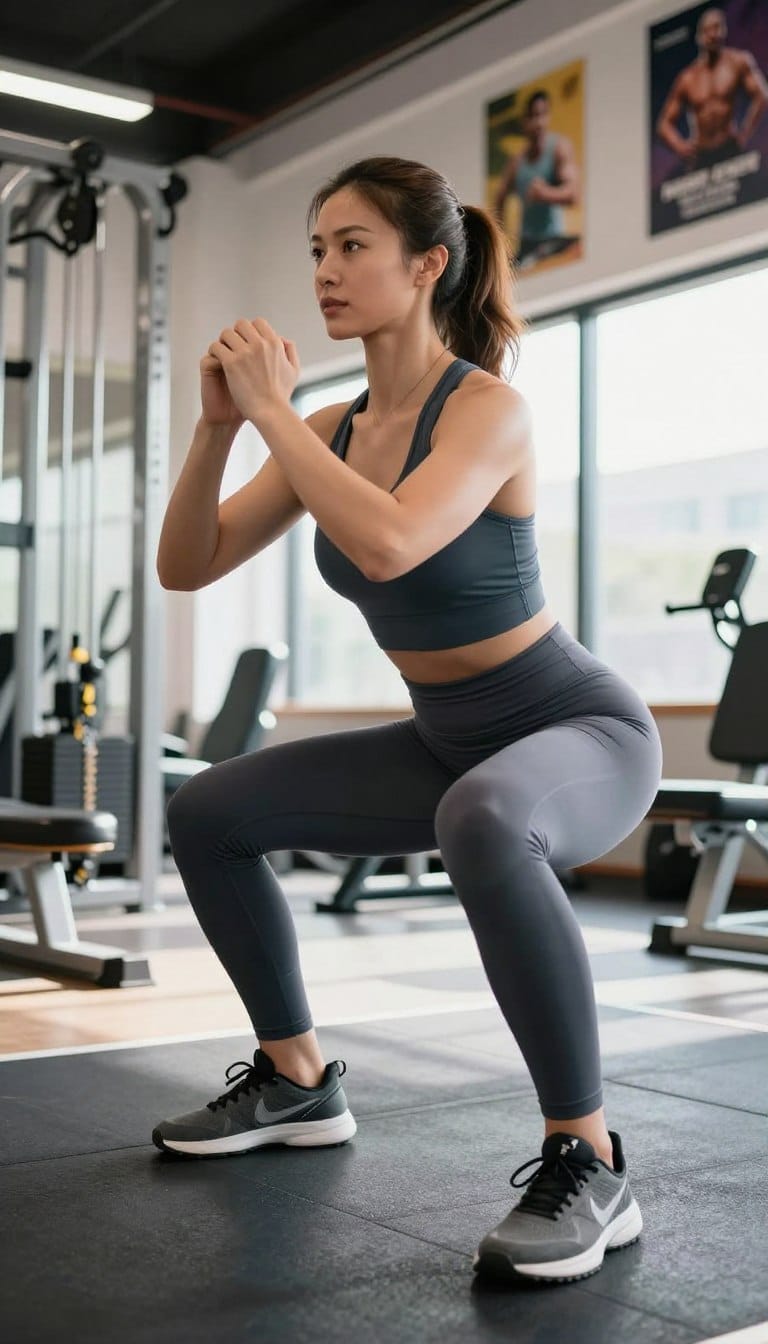
Curious which routine builds real strength without wasting time? This guide shows you how to target your lower body with clear, practical steps that fit your schedule and goals.
Trainer Earnest stresses that building strength in the hamstrings and glutes gives you the definition and function you want. Compound movements are the fastest route to balanced strength and endurance across major muscle groups.
You will learn specific exercises that prioritize form to protect your joints. Each movement is designed to challenge your legs while keeping your body safe and ready for daily activities or intense training.
This short guide combines science and simple programming so you can transform your legs, boost athletic performance, and keep long-term progress on track.
Key Takeaways
- Focus on compound moves to develop balanced strength and endurance.
- Prioritize form to protect joints and target hamstrings and glutes.
- Use structured routines to engage every major lower body muscle.
- Integrate these exercises into your weekly plan for steady progress.
- Follow a safety-first approach to improve performance and longevity.
Why You Should Prioritize Your Leg Day
Treating lower-body days as a priority builds a stronger, more resilient body. Training these large muscle groups is demanding, but that effort pays off across your entire routine.
Big muscles mean big rewards. When you push your legs, you stimulate hormonal responses that help growth all over. That boosts metabolism and helps you burn more calories even after you leave the gym.
Many skip this session because it is tough. Consistent sessions are the only way to create balanced strength and shape. Strong legs improve stability and make other lifts safer and more effective.
Daily life gets easier too. Climbing stairs, carrying groceries, and sprinting for the bus require lower-body power. Focused training builds a foundation that supports sports, runs, and higher-intensity sessions.
- Improves balance and joint support
- Increases calorie burn and metabolic rate
- Creates overall strength that transfers to other movements
Essential Benefits of a Consistent Leg Workout Women Routine
Consistent lower-body training delivers clear, measurable benefits that reach far beyond the gym. When you commit to regular sessions, the biggest muscle groups in your body work together. That raises your metabolic rate and helps build lean muscle over time.
Metabolic Advantages
Training large muscles requires more energy. You burn extra calories during the session and keep a higher resting calorie burn afterward.
Your daily activities become easier when you strengthen these muscles. Improved balance and joint support lower injury risk and help you move confidently.
- Engages major muscle groups to boost metabolism and endurance
- Builds lean muscle that supports joints and improves balance
- Translates directly to better performance in sport and daily tasks
- Focus on compound movements to accelerate strength gains
How to Properly Warm Up for Lower Body Training
Begin your session with a short routine that ignites blood flow and primes your muscles for action.
Start with 5 minutes of light cardio, jog, bike, or brisk walk, to raise your heart rate and move blood into the working areas. This simple step makes your session safer and more effective.
Follow with dynamic moves that target your hips, knees, and feet. Think leg swings, hip circles, and ankle mobility drills. Keep each drill controlled and steady.
- Include foam rolling for tight areas to release tension in the legs.
- Check foot position during stretches to keep balance and stability.
- Spend a few minutes on hip and knee mobility before heavy lifts.
A focused warmup raises muscle temperature and improves range of motion. That lowers injury risk and helps you lift better during the main session.
| Step | Time | Purpose |
|---|---|---|
| Light cardio | 5 minutes | Increase heart rate and blood flow |
| Dynamic mobility | 4-6 minutes | Prime hips, knees, and feet for movement |
| Foam rolling | 2-4 minutes | Release tightness in muscle groups |
| Activation drills | 2-3 minutes | Prepare muscles for heavy training |
Mastering the Squat Movement Pattern
Nailing the squat pattern lets you move more weight safely and improves everyday power.
Start with bodyweight first. If you are new to squats, practice the movement without load before adding a 10kg training bar to your back. This builds a stable position and protects your lower back.
Back Squat Technique
Set your feet shoulder-width apart and keep a straight back. Bend at the hips and knees, lowering until your thighs are parallel to the floor.
Maintain a slight bend in the knees and keep your heels flat as you drive through the hips to stand. Aim for 8 to 10 reps per set to stimulate muscle growth.
Front Squat Variations
Front squats shift the load to your quads. Keep your chest up and elbows high to hold the bar or weight in front of your body.
This position reduces stress on the lower back and helps you focus on quad strength during training. Arm Exercises for Women with No Equipment covers the same topic for women.
Goblet Squat Benefits
Hold a single dumbbell at your chest to learn the pattern and improve balance. Goblet squats teach an upright position and make it easier to feel foot and hip placement.
- Practice movement without weight at first.
- Keep reps in the 8-10 range for growth.
- Focus on form to protect the lower back and train muscles evenly.
Effective Hip Hinge Exercises for Your Posterior Chain
A clean hip hinge teaches you to load the posterior chain safely and effectively. Romanian deadlifts are a core exercise for hamstrings and the lower back. They focus on pushing the hips back while keeping a straight spine.
Keep a slight bend in the knees and push your hips rearward until you feel a deep stretch along the hamstrings. Lower a dumbbell or barbell close to your legs, then drive your hips forward and squeeze your glutes at the top.
Use a feet shoulder-width position for stability. Aim for 3 sets of 10 reps to build strength and improve lower body power. Think mind-muscle connection each rep and control the movement from start to finish.
| Exercise | Primary Focus | Key Cue |
|---|---|---|
| Romanian Deadlift | Hamstrings, glutes, lower back | Hips back • slight bend in knees |
| Single‑leg RDL | Stability, unilateral strength | Keep chest proud • hinge at hips |
| Barbell Deadlift | Total posterior chain, power | Feet shoulder-width • drive hips forward |
Incorporating Lunges for Better Balance and Stability
Lunges teach you to balance under load, making daily movement easier and safer.
The reverse lunge is a top choice when you want improved knee control and less stress on the joints.
Key technique: step back, lower your rear knee until it nears 90 degrees and just brushes the floor. Keep your torso upright and your core engaged.
Reverse Lunge Advantages
- Builds unilateral strength in the quads and glutes while helping balance.
- Railroad-track foot placement keeps hips aligned and reduces wobble.
- Perform 10 reps per side to challenge stability and coordination.
- Progress by holding a dumbbell in each hand to increase resistance safely.
| Benefit | How to cue it | Typical sets/reps |
|---|---|---|
| Joint-sparing pattern | Step back, not forward; control descent | 3 sets • 10 reps per side |
| Unilateral strength | Push through front heel to stand | 2-4 sets • 8-12 reps |
| Balance and gait carryover | Keep feet like railroad tracks; chest tall | Add single-leg holds or tempo reps |
The Role of Unilateral Training in Your Routine
Unilateral training fixes side-to-side imbalances and makes your lower body more resilient. Single‑side moves expose hidden differences in strength and coordination so each limb improves equally.
Bulgarian split squats are a standout exercise for balance, coordination, and stability. Place your back foot on a bench and keep your front knee over the ankle as you descend. Keep your chest tall and core engaged to hold a stable position.
These one‑leg patterns build quads and glutes effectively, even with lighter weight or a single dumbbell at home. You force the working muscle to stabilize, which improves hip control and athletic performance.
- Corrects strength discrepancies between left and right.
- Perform 10 reps per side so both legs get equal attention.
- Great for runners and athletes who need stronger hips and better balance.
Include unilateral exercises for smart training. They boost strength, refine movement patterns, and reduce compensation that can stress the lower back or knees.
Sculpting Your Calves with Targeted Movements
Simple, focused calf training delivers balance and better push-off power.
Isometric calf raises target the gastrocnemius and soleus, the two muscles that shape the lower part of your leg. Stand with feet shoulder-width apart, rise onto your toes, and hold the top position with control.
Keep your body still and focus on the motion of your heels as you lift and lower. Hold the peak contraction for up to 30 seconds to build endurance and size.
Perform 10 controlled reps to work the full range of motion. Add a dumbbell in each hand to increase resistance and drive strength gains.
These moves improve ankle stability, help running mechanics, and reduce common injuries around the foot and back of the ankle.
- Stand tall, chest up, toes forward.
- Lift slowly, squeeze at the top, then lower under control.
- Progress with weight or longer holds for more challenge.
| Movement | Primary Target | Sets • Reps / Hold |
|---|---|---|
| Isometric calf raise | Gastrocnemius • Soleus | 3 sets • 10 reps (30s hold at top) |
| Weighted standing raises | Size and strength | 3-4 sets • 8-12 reps |
| Single-leg raise | Unilateral strength • balance | 2-3 sets • 8-10 reps per side |
How to Choose the Right Dumbbell Weight
Picking the right dumbbell makes each set productive and keeps your form intact. This choice affects how much strength you build and how safe your back and joints stay.

Start where you can perform each movement with control. Prioritize form over heavy loads and only increase weight when your technique stays solid.
Toward the end of a set you should feel tired but not broken. If you breeze through 12-15 reps in under a minute, raise the weight slightly.
- Choose a weight that creates a productive struggle for the last few reps.
- Adjust per exercise, your quads may handle more than your hamstrings or single‑leg moves.
- Track how you feel and change weights based on fatigue and form quality.
| Exercise | Start weight (example) | Goal sets • reps |
|---|---|---|
| Goblet squat | 8-16 kg | 3 • 8-12 reps |
| Romanian deadlift (dumbbell) | 8-20 kg | 3 • 8-10 reps |
| Reverse lunge | 4-12 kg per hand | 3 • 8-10 reps per side |
| Calf raises (weighted) | 4-16 kg | 3 • 10-15 reps |
Consistency beats chasing heavy weights. Use steady progression and small jumps in weight to keep your muscles growing while protecting knees, hips, and feet.
Modifying Exercises When You Lack Equipment
No equipment? No problem, smart substitutions can preserve intensity and form. You can still get a meaningful leg workout at home by using everyday items for resistance and focusing on quality movement.
Use water bottles, canned goods, wine bottles, or heavy books as a dumbbell substitute. Hold them in front for a goblet-style squat or at your sides for loaded walking lunges. Ensure a stable grip and safe weight before you begin.
Prioritize bodyweight versions when needed. Slow the tempo to increase time under tension and make each rep count. That boosts muscle recruitment in your quads and hamstrings without extra equipment.
- Increase intensity by slowing descent or adding pause reps.
- Use single-leg moves for more challenge and better balance.
- Choose safe household items and test stability before loading.
| Gym Tool | Home Swap | How to Use |
|---|---|---|
| Dumbbell | Water bottle / book | Hold at chest for squats |
| Barbell | Backpack with books | Use for hip hinge or split squats |
| Weight plates | Filled jug | Hold for extra resistance on lunges |
Final tip: movement quality beats flashy gear. Keep your position, focus on form, and adjust sets and reps to match the challenge. For a weighted variation, see Complete Upper Body Dumbbell Workout Plan.
Understanding Sets and Reps for Muscle Growth
Sets and reps shape how much stimulus your muscles receive each session. This is the simplest way to control training volume and progress.
For beginners, pick 3 to 5 high-quality exercises per leg session and complete 3 sets of 8-12 reps each. That range hits both strength and hypertrophy without overcomplicating your plan.
Keep sessions short and focused. If your workouts drag past an hour, they often become less productive. Aim for efficient training and solid form on every rep.
Track sets and reps in a journal so you can progressively overload by adding weight, extra reps, or an extra set over time. This steady approach builds strength and muscle while limiting injury risk.
| Goal | Sets | Reps |
|---|---|---|
| Beginner strength & size | 3 | 8-12 |
| Endurance / higher volume | 3-4 | 12-15 |
| Heavy strength focus (squats, deadlifts) | 3-5 | 4-6 |
| Unilateral work (lunges, single-leg RDL) | 2-4 | 8-12 per side |
Final tip: choose a weight that lets you finish the last rep with good form. Prioritize consistency in sets and reps and your body will respond with more strength, size, and better movement.
Frequency and Recovery for Optimal Results
Finding the right rhythm of effort and recovery helps you get stronger without burning out.
Recent research shows little difference between training major muscle groups once per week and three times per week. What matters most is total weekly volume, the sets and reps you complete across the week.
Aim for a plan that lets you train hard while giving muscles time to repair. Prioritize sleep, protein, and steady calories so recovery matches the stress you place on your body.
If you feel unusually sore or fatigued, take an extra rest day. Performance improves when you let tissues heal. Consistency beats sporadic intensity; pick a frequency you can maintain long term.

- Balance training days with 1-2 full rest or active-recovery days per week.
- Track total sets per muscle group, not just session count.
- Adjust volume if sleep, energy, or form suffer.
| Frequency | Weekly sets (per muscle) | Pros | Cons |
|---|---|---|---|
| Once per week | 12-18 sets | More recovery; easier scheduling | Longer sessions; must hit volume |
| Twice per week | 8-14 sets | Balanced recovery and stimulus | Requires planning across days |
| Three times/week | 6-12 sets | Frequent practice of movement patterns | Less recovery between sessions |
Common Form Mistakes to Avoid During Training
Small alignment errors add up slowly, then cause big setbacks. Pay attention to position and tempo so each rep strengthens your body without risk.
Keep your knees tracking slightly outward during a squat to stop them from collapsing in. That simple cue protects joints and reduces strain on connective tissue.
Always hold your chest proud and your back neutral. If your lower back starts hurting, pause and check hip alignment before you continue.
Avoid rushing through reps. Controlled movement targets the correct muscles and keeps the spine and knees safe.
- Plant your feet firmly to create a stable base for every movement.
- Use a sensible dumbbell or load and never sacrifice position for weight.
- Ask a trainer to review your form if you are unsure about a front squat or lunge pattern.
| Common Mistake | Why it matters | Quick Fix |
|---|---|---|
| Knees collapse inward | Raises injury risk and shifts load away from target muscles | Push knees slightly out; cue feet to spread the floor |
| Rounded back | Loads the lumbar spine and reduces strength carryover | Brace core; keep chest up and neutral spine |
| Rushed reps | Limits muscle recruitment and increases form breakdown | Slow the tempo; count each second of descent and ascent |
Perfect form is the foundation of a safe and effective leg workout. Stick with proper technique, and every set and rep will build real strength over the week.
Integrating Cardio and Strength for Efficiency
Pair high-heart-rate moves with strength lifts to save time and build functional power.
The dumbbell swing is a prime example. It blends cardio and strength so you work glutes and hamstrings while your heart rate stays high.
Keep your torso leaned forward at about a 45-degree angle. That position helps you load the posterior chain and protect your back.
Drive from the hips. Keep your core tight and arms straight as you thrust forward. Focus on powerful, controlled reps instead of letting momentum take over.
- Integrating cardio and strength improves heart health and functional power.
- Use swings and similar movements to raise intensity and save time in the gym.
- Maintain correct feet position and a steady hip hinge to protect knees and spine.
- Include these integrated movements each week to boost stamina, strength, and movement quality.
| Move | Primary focus | How to cue |
|---|---|---|
| Dumbbell swing | Posterior chain • cardio | 45° torso • drive hips • tight core |
| Suitcase lunge | Unilateral strength | Feet stable • chest up • controlled reps |
| Goblet squat tabata | Strength + conditioning | Short sets • fast reps • keep position |
Tips for Staying Consistent with Your Fitness Goals
Consistency beats short bursts of intensity. Build a plan you actually enjoy and you will stick with it more weeks than not.
Track progress in the gym so you can see real change. Log sets, reps, and weight to celebrate small wins.
Set small, achievable goals for each session. Short-term targets keep you focused and help you measure growth.
Accept off days. Resting is part of progress, just return to your plan the next day and keep moving forward.
Find a partner for accountability. Training with someone makes sessions more fun and raises the chance you show up.

- Prioritize health and make training a non-negotiable part of your week.
- Listen to your body and reduce intensity when soreness or fatigue appears.
- Consistency yields measurable strength and better muscle definition over time.
| Tip | Why it helps | How to apply this week |
|---|---|---|
| Enjoy your plan | Makes long-term adherence likely | Choose exercises you like and schedule 3 manageable sessions |
| Track progress | Shows improvement and motivates you | Log sets • reps • weight after each session |
| Set small goals | Creates frequent wins | Aim for +1 rep or +2.5% weight each 2 weeks |
| Use a partner | Boosts accountability and fun | Text check-ins or train together once per week |
| Rest smart | Prevents injury and aids recovery | Swap one session for active recovery when sore |
Conclusion
Small, steady steps in your training create the biggest long-term gains. Follow a structured leg workout women plan that prioritizes form and consistency to get there.
Focus on varied exercises that hit every part of your lower body. That keeps training fresh and challenges each muscle group. Track sets, weight, and reps to measure progress.
Always protect your knees and hips by keeping perfect position. Pay attention to your back, hamstrings, and feet as you move. Small adjustments save you from common injuries.
Stay patient, celebrate tiny wins, and keep pushing toward more strength. Thank you for following this guide, now go train with confidence and energy.
FAQ
What is the best lower body routine for beginners?
Start with a balanced mix of squats, hip hinges (like Romanian deadlifts), and lunges. Aim for 2-3 sets of 8-12 reps per exercise using a weight that challenges you but keeps form clean. Include a short dynamic warm-up first and give yourself 48-72 hours of recovery between intense sessions.
How often should you train your legs to see strength and muscle gains?
Train the lower body 2-3 times per week. Use one heavier session focused on strength (lower reps, higher weight) and one higher-rep session for hypertrophy. Track progress by increasing load or reps gradually while monitoring fatigue and recovery.
What warm-up should you do before lifting weights for the lower body?
Spend 5-10 minutes on light cardio to raise heart rate, then move into dynamic mobility drills: leg swings, hip circles, bodyweight squats, and glute activation exercises like banded side steps. Finish with a few warm-up sets of your first main lift at a lighter load.
How do you perform a safe back squat with good technique?
Stand with feet about shoulder-width, toes slightly turned out. Keep your chest tall and your core braced. Push hips back and bend knees until thighs are near parallel, then drive through your heels to stand. Maintain a neutral spine and avoid letting knees collapse inward.
When should you choose a front squat over a back squat?
Choose front squats if you want to emphasize the quads and core while reducing lower-back loading. They’re also helpful if you struggle with forward torso lean during back squats. Use lighter loads until your rack position and wrist mobility feel comfortable.
What are the main benefits of goblet squats?
Goblet squats teach upright posture, improve hip mobility, and strengthen quads and glutes with minimal equipment. They’re ideal for beginners and for finishing a session with a high-quality, controlled movement.
Which hip hinge exercises best target posterior chain muscles?
Romanian deadlifts, kettlebell swings, and single-leg RDLs strongly target hamstrings, glutes, and lower back. Focus on hinging at the hips, keeping a soft knee bend, and maintaining a flat back through the movement.
How do reverse lunges improve balance and stability?
Reverse lunges force you to control a step backward, which challenges hip stabilizers and reduces stress on the knee compared with forward lunges. They build unilateral strength and help correct side-to-side imbalances.
What is unilateral training and why include it in your program?
Unilateral training works one limb at a time, examples are split squats, single-leg deadlifts, and step-ups. It improves balance, fixes asymmetries, and increases core engagement, which translates to stronger bilateral lifts.
How can you target the calves effectively with limited equipment?
Perform standing calf raises on a step or flat ground, and add single-leg reps for intensity. Slow eccentric tempo and full range of motion improve results. Use dumbbells or a backpack for added resistance when needed.
How do you choose the right dumbbell weight for lower-body exercises?
Pick a weight that allows you to complete your target reps with good form and two reps left in reserve. For compound moves like squats and lunges, start moderate and increase by small increments as your technique and strength improve.
What if you don’t have access to gym equipment, how can you modify exercises?
Use bodyweight alternatives and household items as resistance: Bulgarian split squats on a chair, single-leg Romanian deadlifts with a filled backpack, and tempo squats. Focus on range of motion and slow reps to increase difficulty.
What sets and reps best promote muscle growth in the lower body?
For hypertrophy, aim for 3-4 sets of 8-15 reps per exercise with 60-90 seconds rest. Add a heavier day with 4-6 reps for strength and a lighter, higher-rep day for metabolic stress to cover multiple adaptation pathways.
How long should you rest between sessions to recover properly?
Allow 48-72 hours between intense lower-body sessions. Listen to soreness and performance: if your form suffers or your energy is low, add an extra rest day or prioritize active recovery like walking and mobility work.
What common form mistakes should you avoid during lower-body training?
Avoid rounding the lower back, letting knees cave inward, and lifting heels off the floor. Don’t use momentum to complete reps. Keep controlled tempos, braced core, and proper knee tracking over toes to reduce injury risk.
How can you combine cardio with strength training without hindering gains?
Do moderate-intensity cardio on separate days or after strength sessions. Keep high-intensity cardio sessions brief and scheduled away from heavy lifting days when possible. Prioritize strength for performance goals and use cardio to improve conditioning.
What practical tips help you stick to a training routine long-term?
Set realistic, specific goals, schedule sessions like appointments, and vary exercises to keep things fresh. Track small wins, use progressive overload, and find a training buddy or class for accountability.
Which additional keywords relate to this FAQ for SEO?
Include terms such as squats, glutes, hamstrings, quads, deadlifts, dumbbell, sets, reps, mobility, posterior chain, balance, stability, unilateral training, calves, hip hinge, and recovery.