
The Complete Mediterranean Diet Guide
Meal plans, food lists, shopping tips & everything beginners need to start eating the Mediterranean way today.
What is it?
Why the Mediterranean Diet Works
The Mediterranean diet isn’t a rigid “diet”, it’s a sustainable lifestyle inspired by the traditional eating habits of countries bordering the Mediterranean Sea: Greece, Italy, Spain, and Turkey.
It emphasises whole grains, fresh vegetables, legumes, olive oil, and fish, with very little processed food or red meat. Decades of research confirm it reduces the risk of heart disease, type 2 diabetes, and cognitive decline.
Best of all, it’s delicious. No calorie counting, no bland meals, no guilt.
Proven benefits include:
The Foundation
The Mediterranean Diet Food Pyramid
Think of this as your eating hierarchy, the wider the bar, the more often you should eat it.
What to eat
Complete Mediterranean Diet Food List
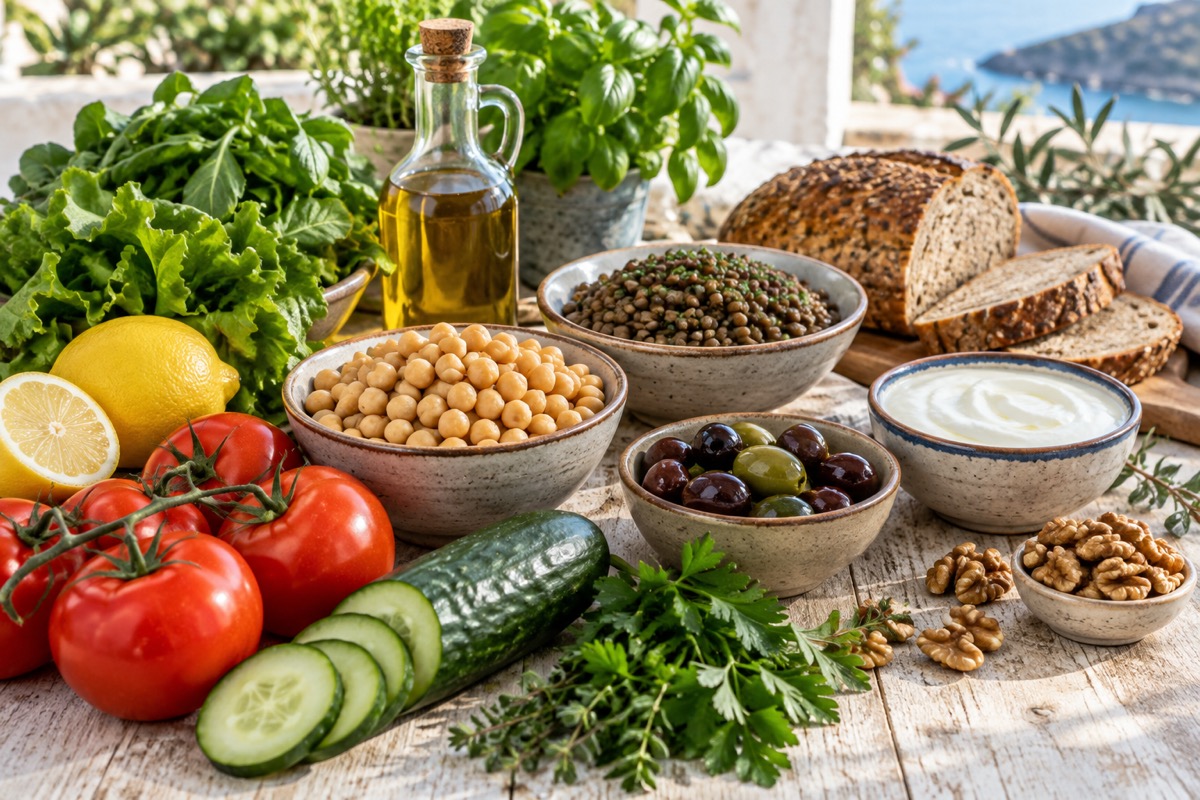
Stock your kitchen with these core ingredients and you’ll always have a Mediterranean meal at your fingertips.
Vegetables
- Spinach, kale, arugula
- Tomatoes, peppers, courgette
- Aubergine, artichokes
- Onions, garlic, leeks
- Broccoli, cauliflower
Fruits
- Figs, dates, apricots
- Citrus: oranges, lemons
- Berries, grapes, pomegranate
- Melon, peaches, plums
- Avocados, olives
Wholegrains
- Farro, bulgur wheat
- Whole wheat bread & pasta
- Brown rice, quinoa
- Oats, barley
- Pita bread (wholemeal)
Legumes
- Chickpeas, lentils
- Cannellini & black beans
- Broad beans, split peas
- Hummus & falafel
- Edamame
Fish & Seafood
- Salmon, sardines, mackerel
- Tuna, trout, sea bass
- Prawns, mussels, squid
- Anchovies, herring
- Cod, halibut
Healthy Fats
- Extra virgin olive oil
- Almonds, walnuts, pistachios
- Pine nuts, cashews
- Sunflower & pumpkin seeds
- Tahini (sesame paste)
Dairy (moderate)
- Greek yoghurt
- Feta, halloumi
- Parmesan, ricotta
- Labneh (strained yoghurt)
- Kefir
Herbs & Spices
- Oregano, basil, thyme
- Rosemary, mint, parsley
- Cumin, turmeric, paprika
- Cinnamon, nutmeg
- Bay leaves, saffron
What to limit
Foods to Avoid or Limit
You don’t need to eliminate everything forever, but reducing these significantly will transform your health.
Sausages, bacon, hot dogs, deli meats high in sodium and preservatives.
White bread, white pasta, pastries and products made with refined flour.
Sodas, fruit juices, sweets, cakes, cookies and sweetened cereals.
Margarine, shortening, anything with “partially hydrogenated oils”.
Fried foods, packaged snacks, commercial baked goods, frozen meals.
Keep beef, pork, and lamb to fewer than 2 portions per month.
Vegetable, soybean, corn, and sunflower oils in large quantities.
If you drink, limit to 1 glass of red wine per day with meals, or skip it.
Start here
7-Day Mediterranean Meal Plan for Beginners
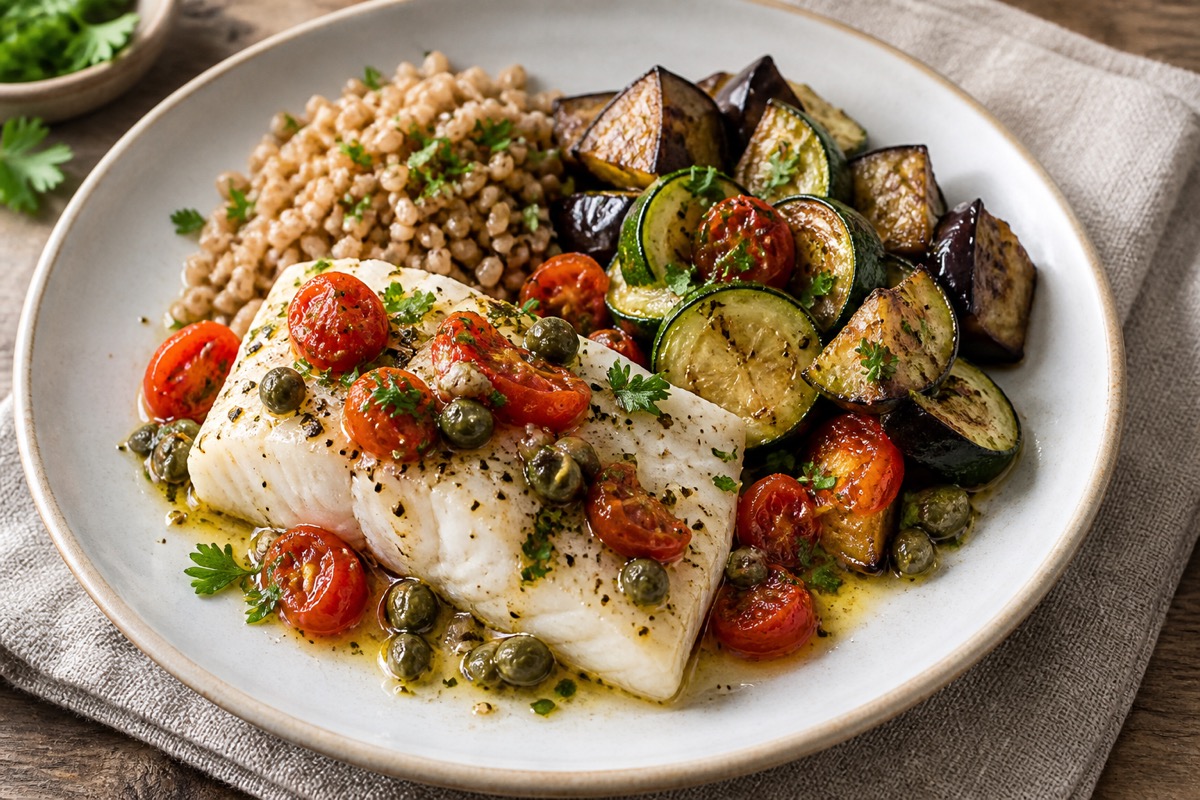
A simple, flavourful week of eating to ease you into the Mediterranean way. Each day totals roughly 1,600-2,000 kcal.
| Day | Breakfast | Lunch | Dinner | Snack |
|---|---|---|---|---|
| Mon | Greek yoghurt with honey, walnuts & berries | Chickpea & cucumber salad with feta and olive oil | Baked salmon with roasted vegetables & quinoa | Handful of almonds & an orange |
| Tue | Whole-wheat toast with avocado & a boiled egg | Lentil soup with crusty wholegrain bread | Grilled sea bass with tabbouleh & tzatziki | Hummus with carrot & celery sticks |
| Wed | Overnight oats with figs, cinnamon & pistachios | Greek salad with olives, tomatoes, feta & pita | Chicken souvlaki with wholemeal pitta & salad | Fresh fruit with a small handful of walnuts |
| Thu | Shakshuka (eggs poached in spiced tomato sauce) | White bean & vegetable minestrone soup | Prawn & tomato pasta with garlic & basil | Greek yoghurt with a drizzle of honey |
| Fri | Smoothie: spinach, banana, almond milk & flax seeds | Tuna & white bean salad with rocket & lemon | Stuffed aubergine (eggplant) with farro & herbs | A small bowl of mixed olives & nuts |
| Sat | Whole-grain pancakes with fresh berries & honey | Fattoush salad with grilled halloumi | Slow-roasted lamb (small portion) with ratatouille | Apple slices with almond butter |
| Sun | Feta & spinach omelette with wholegrain toast | Homemade falafel wraps with hummus & salad | Baked cod with olive oil, capers & cherry tomatoes | A handful of pistachios & dried apricots |
Make it stick
10 Beginner Tips to Start Strong
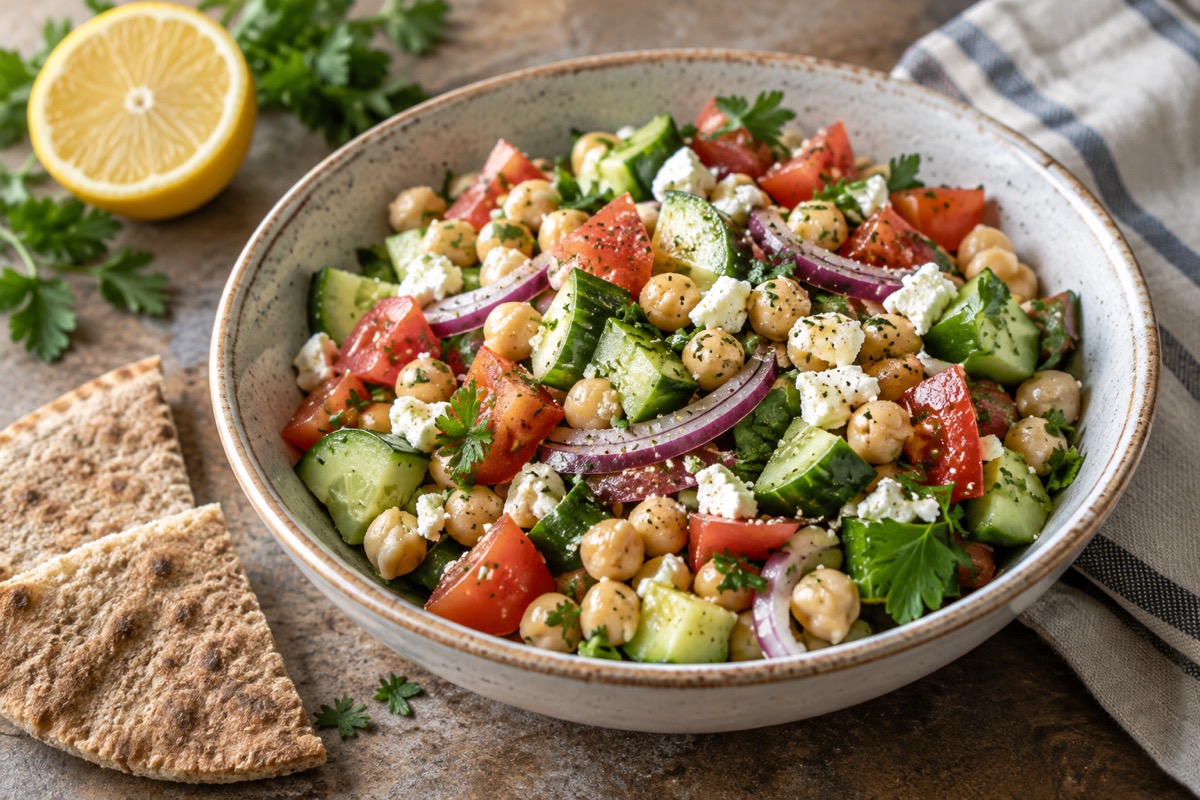
Small changes add up. Here’s how to make the transition easy and enjoyable.
Switch to olive oil
Replace all cooking oils and butter with extra virgin olive oil, this single swap has one of the biggest health impacts.
Build your plate around vegetables
Aim for half your plate to be vegetables or salad at every meal. Protein and grains fill the rest.
Eat fish twice a week
Oily fish like salmon, sardines, or mackerel are the heart of the diet. Tinned fish counts and is budget-friendly.
Snack on nuts, not crisps
Keep almonds, walnuts, or pistachios on hand. A small handful satisfies hunger and delivers healthy fats.
Go wholegrain every time
Swap white bread, pasta, and rice for wholegrain versions. The fibre keeps you fuller and feeds your gut microbiome.
Eat with others
The Mediterranean lifestyle is about shared meals, slow eating, and enjoyment, it’s as much social as it is nutritional.
Use legumes as a protein base
Chickpeas, lentils, and beans are cheap, filling, and packed with protein and fibre. Aim for 3-4 portions per week.
Season with herbs, not salt
Oregano, basil, rosemary, and cumin add incredible flavour without the sodium. Grow a small herb pot on your windowsill.
Batch cook on Sundays
Prepare a big pot of lentil soup or grain salad. Having ready-made Mediterranean food stops you reaching for processed snacks.
Move daily, any movement
Traditional Mediterranean populations walked a lot. Even a 30-minute daily walk supercharges the diet’s benefits.
Grocery guide
Your Mediterranean Diet Shopping List
Print this out and take it to the shops. These staples will keep you stocked for a full week of Mediterranean meals.
🥬 Produce
- Spinach / rocket
- Tomatoes (fresh & tinned)
- Cucumber
- Bell peppers
- Aubergine / courgette
- Red onions, garlic
- Lemons
- Fresh herbs
🍎 Fruit
- Berries (fresh or frozen)
- Oranges
- Figs or dates
- Apples
- Pomegranate seeds
- Dried apricots
🌾 Grains
- Whole-wheat bread
- Wholemeal pitta
- Brown rice
- Quinoa
- Oats
- Farro or bulgur
- Wholegrain pasta
🫘 Protein
- Tinned chickpeas
- Tinned lentils
- White beans
- Salmon fillets
- Tinned sardines/tuna
- Eggs (free-range)
- Chicken breast
🧀 Dairy
- Greek yoghurt
- Feta cheese
- Parmesan
- Halloumi
🫒 Pantry
- Extra virgin olive oil
- Mixed olives
- Hummus
- Almonds & walnuts
- Pine nuts
- Honey (raw)
- Tahini
- Oregano, basil, cumin
Common questions
Mediterranean Diet FAQ
Can I lose weight on the Mediterranean diet?
Yes, though it’s not a crash diet. The Mediterranean diet supports gradual, sustainable weight loss by reducing processed foods and added sugars while keeping you full with fibre, protein, and healthy fats. Studies show it outperforms low-fat diets for long-term weight management.
Is the Mediterranean diet expensive?
It doesn’t have to be. Tinned fish, dried legumes, frozen vegetables, and seasonal produce are all budget-friendly staples. The diet naturally reduces spending on expensive processed food, meat, and takeaways, which often offsets the cost of quality olive oil and fresh fish.
Can vegetarians or vegans follow this diet?
Absolutely. The Mediterranean diet is largely plant-based, fish and dairy are secondary. Vegetarians can rely on eggs and dairy; vegans can thrive on legumes, tofu, nuts, seeds, and the enormous variety of plant foods the diet emphasises.
How much olive oil should I use per day?
Most nutritionists recommend 2-4 tablespoons of extra virgin olive oil per day, used for cooking, drizzling over salads, and dipping bread. While calorie-dense, it’s rich in heart-healthy monounsaturated fats and polyphenols.
Is pasta allowed on the Mediterranean diet?
Yes, but opt for wholegrain pasta and treat it as a side rather than the main event. Traditional Mediterranean portions are modest, served with plenty of vegetables, olive oil, and herbs. Avoid cream-based sauces.
How long before I see results?
Many people notice improved energy and digestion within 1-2 weeks. Measurable health markers like cholesterol, blood pressure, and blood sugar typically improve within 4-8 weeks. Weight loss is gradual, expect 0.5-1 kg per week when combined with regular movement.
Ready to Start Your Mediterranean Journey?
Save this guide, print the shopping list, and make your first Mediterranean meal tonight. Your body will thank you.