
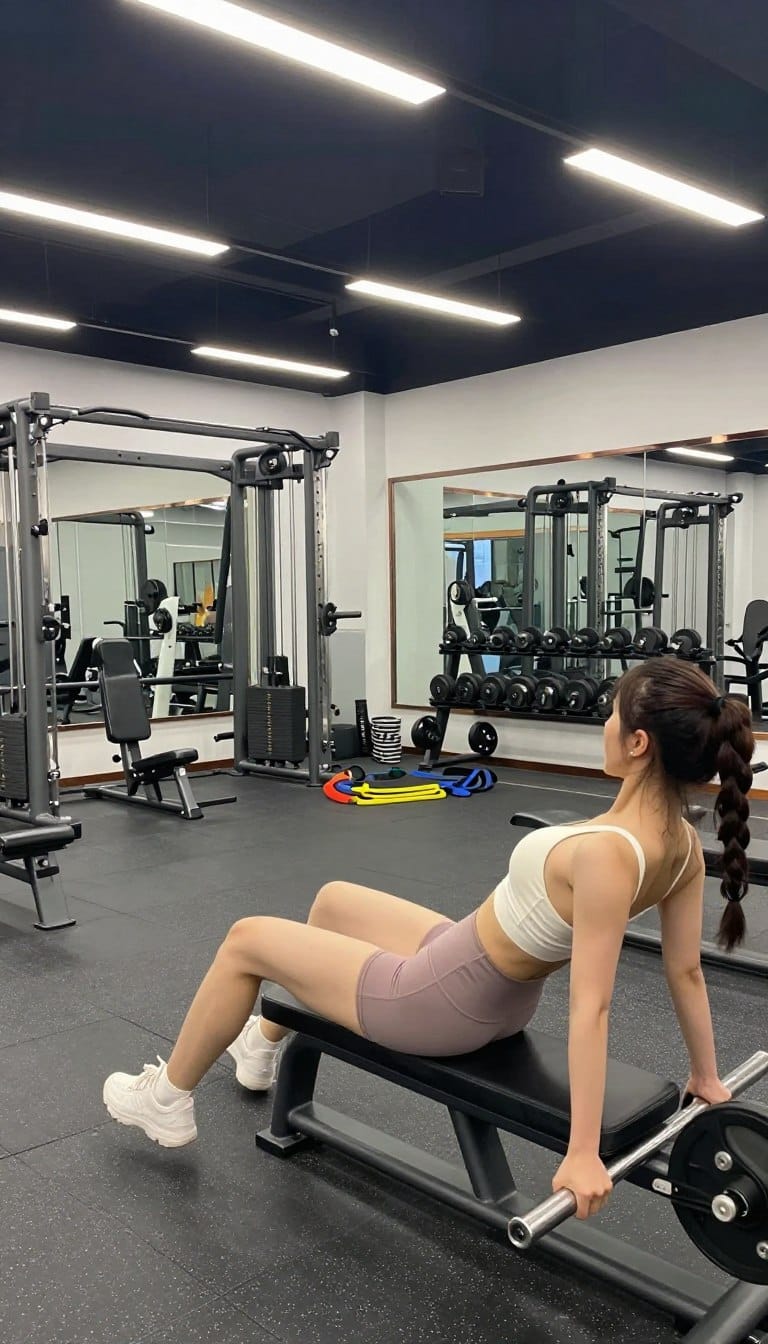
Ever wondered why your lower body can lag even when you train often? You might be missing a simple, focused approach that targets the quads, hamstrings, glutes, and calves together.
Start a consistent routine and you build a stronger, more athletic foundation for everyday life. When you commit, each session hits the four major muscle groups to boost strength, balance, and performance.
Whether you are new or experienced, the right selection of exercises and sensible weight choices will challenge your muscles and help you progress. Our guide gives clear, actionable steps so your time in the gym becomes efficient and purposeful.
Key Takeaways
- Focus on quads, hamstrings, glutes, and calves for balanced strength.
- Consistent training delivers better balance, power, and confidence.
- Choose exercises and weight that match your skill and goals.
- Short, focused sessions make the best use of your time.
- Both beginners and advanced trainees can benefit from progressive plans.
Why Leg Training Matters for Your Fitness Goals
Strong lower-body training fuels overall fitness by improving metabolism and movement efficiency.
Metabolic benefits: Training the largest muscles in your body raises resting calorie burn and helps you build more lean muscle. When you prioritize leg workouts, you also stimulate hormonal responses that support growth and recovery. That boosts overall metabolic rate and helps your body use energy more efficiently.
Athletic performance: Consistent lower-body training improves balance, joint stability, and power. Research from the American Council on Exercise shows better performance and reduced injury risk when you strengthen these major muscle groups.
- Greater strength lets you lift heavier in compound movements.
- Stronger muscles support daily tasks and sports skills.
- Training legs creates a durable foundation for progress across your program.
| Benefit | How it helps | Practical result |
|---|---|---|
| Higher metabolism | More muscle mass increases resting calorie burn | Improved fat loss and energy |
| Improved stability | Stronger joints and connective tissue | Fewer injuries, better balance |
| Better performance | Increased power and force production | Faster lifts and stronger movement |
Understanding Your Lower Body Muscle Groups
Knowing how each lower-body muscle works helps you pick moves that build balanced strength.
Your lower body includes four main muscle groups: quads, hamstrings, glutes, and calves. Each group serves a distinct purpose in movement, posture, and power.
The quads are a powerful, four-headed group on the front of your thighs. They drive knee extension and help you stand, step, and push.
Your hamstrings are a three-headed group at the rear of the upper thigh. They control knee flexion and help stabilize the knee during dynamic moves.
The glutes are the largest and most forceful muscles in the body. They power hip extension, support your pelvis, and protect your lower spine.
- Recognize each group to choose the right exercises for balanced development.
- Targeting muscles individually improves posture and reduces common imbalances.
- Stronger lower-body muscles boost overall strength and day-to-day fitness.
Essential Equipment for Your Leg Workout Gym Routine
Good tools let you push harder, lift smarter, and keep form when fatigue sets in.
Bring the basics: a sturdy lifting belt and straps help you handle heavier weight safely. A belt boosts intra-abdominal pressure for safer compound lifts. Straps keep your grip strong so you can finish key exercises without losing the bar.
Proper shoes and a barbell pad matter more than you think. Stable footwear improves balance and helps you produce force. A pad protects hips and shoulders during heavy hip thrusts or back squats, so you stay comfortable and focused.
- Leg press machine — safe option for progressive overload compared to free-weight squats.
- Barbell pad — reduces contact pain on hips and shoulders.
- Quality footwear — enhances stability and mobility for heavier sets.
- Packing essentials — chalk, tape, and a small towel keep sessions efficient.
Final tip: whether you use a machine or free weights, pack the right accessories so your legs and lower body can train with intensity and good form.
| Item | Primary Benefit | When to Use |
|---|---|---|
| Lifting belt | Improves core support and safety | Heavy compound lifts, sets near max weight |
| Lifting straps | Helps maintain grip on heavy pulls | High-rep or heavy pulling exercises |
| Leg press machine | Safe overload without spinal stress | When you want focused quad and glute loading |
| Barbell pad & footwear | Comfort and stability during thrusts and squats | Every training session for consistency |
Mastering the Romanian Deadlift
The Romanian Deadlift is a cornerstone movement for posterior strength and practical power.
Start with position: stand hip-width apart and grip a barbell overhand in front of your thighs.
Begin the hinge by pushing your hips back, not by bending at the knee first. Keep your spine neutral and the barbell close to your legs. This protects your lower back while activating hamstrings and glutes.
Proper Hinge Mechanics
Focus on a steady tempo and controlled range of motion. Drive the hips back until you feel a deep stretch in the hamstrings, then reverse the movement by squeezing the glutes to stand tall.
- Perform 3 sets of 8–12 reps to build posterior chain strength and muscle.
- Keep the bar path tight to reduce strain and improve leverage.
- Use moderate weight at first; mastering form readies your body for heavier lifts later.
Perfecting Your Back Squat Technique
The back squat earns its reputation by loading multiple muscle groups in one controlled movement.
Set the barbell across your upper back in a stable position. Stand with feet hip-width apart and take a deep breath. Brace your core and keep your chest proud to protect your lower back.
Initiate the descent by bending at the hips and knees. Lower until your thighs are about parallel to the floor. Drive through your heels and squeeze your glutes to return to standing.
- Reps and sets: aim for 4 sets of 6–8 reps to build strength and muscle mass.
- Form cues: keep knees tracking over toes and maintain a full range of motion without rounding the back.
- Progression: master the movement pattern before adding heavy weights to the barbell.
| Common Issue | Fix | Result |
|---|---|---|
| Chest drops forward | Shorten stance, keep gaze forward | Safer lower back and cleaner reps |
| Knees cave in | Use banded cue or wider stance | Better knee tracking and hip stability |
| Shallow depth | Work on hip mobility and tempo | Full strength development across muscles |
Benefits of Front Squats for Quad Development
By placing the barbell on the front deltoids, you force an upright torso and target the quads more directly.
Front squats reduce compressive force on your lower back and knee compared to back squats. That makes this variation a safer choice for many lifters while still building strength.
The front-loaded position shifts the emphasis to the front of your thighs and demands more core stability. Keep your elbows high and the barbell secure on your shoulders.
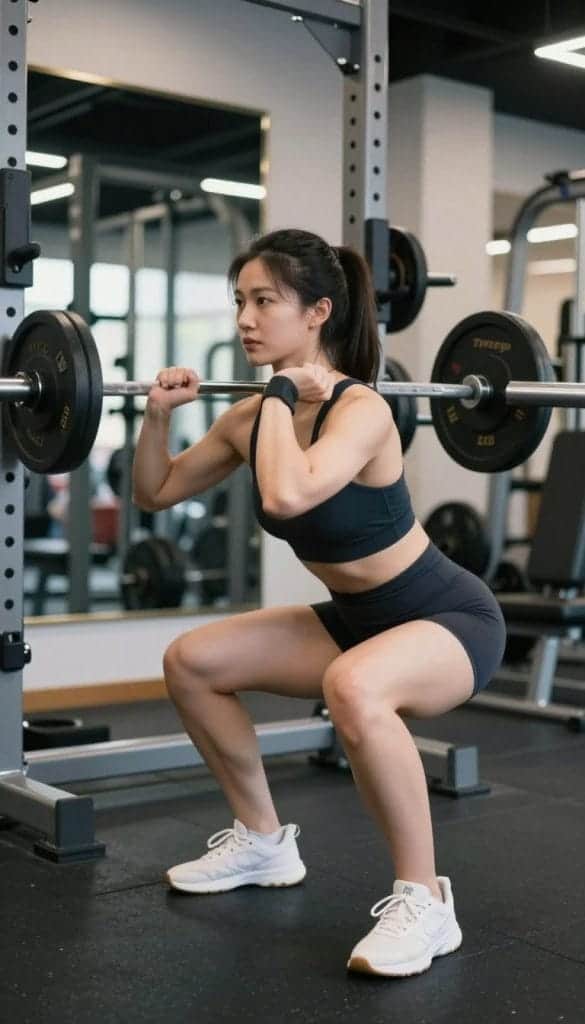
- Place the barbell on front deltoids; retain an upright torso to maximize quad activation.
- Perform 3 sets of 8–12 reps to promote size and lower body definition.
- Use a crossed-arm grip if wrist mobility limits your position.
- The increased core demand improves balance and posture for other exercises.
| Benefit | Why it helps | Practical cue |
|---|---|---|
| Quad emphasis | Front loading shifts torque to the knees and quads | Keep chest up, elbows high |
| Lower back relief | Less spinal compression than back squats | Use moderate weights and focus on form |
| Core engagement | Upright torso forces anti-flexion strength | Brace your core each rep |
Bulgarian Split Squats for Single Leg Strength
The Bulgarian split squat builds single-leg power and fixes side-to-side imbalances that hold back your performance.
This unilateral exercise targets your quads, glutes, and hamstrings while improving balance and core stability. Place one foot on a bench behind you and lower until your front thigh is parallel to the floor to complete a rep.
Because it loads one side at a time, this squat variation improves jumping ability, sprint speed, and maximum lower-body strength more than many bilateral movements.
- Aim for 3 sets of 8–12 reps per side to correct imbalances and build equal strength.
- Hold dumbbells or a barbell to increase weight and intensity as you progress.
- Lean forward slightly to emphasize glutes; stay upright to target quads.
- The single-leg position forces your core to work harder for balance and stability.
| Benefit | How to cue it | Result |
|---|---|---|
| Fixes imbalances | Work each side independently | Even strength and fewer asymmetries |
| Athletic transfer | Use single-leg loading and explosive reps | Better sprint and jump performance |
| Progression | Add dumbbells or barbell | Greater strength and muscle growth |
Using the Hack Squat Machine for Muscle Growth
The hack squat delivers heavy quad loading while keeping your spine supported and safe.
Why use it: the machine guides your path so you can load more weight without stressing your lower back. That makes it ideal when your goal is pure muscle and strength in the quads and glutes.
Set your feet on the platform and press your back firmly into the pad. Keep a controlled tempo and avoid locking your knees at the top. This keeps constant tension on the muscles through the full range.
- Perform 3 sets of 10–15 reps to reach maximum muscle fatigue and growth.
- If there’s no dedicated machine, use a Smith setup to mimic the same movement pattern.
- The guided path lets you focus on contraction rather than balance, which helps overload safely.
| Feature | How it helps | When to use |
|---|---|---|
| Spine support | Reduces lower back strain | Heavy sets and high-volume sessions |
| Guided path | Improves focus on quads and glutes | Learning phase or heavy loading |
| Adjustable foot position | Shift emphasis between quads and hamstrings | Targeting specific muscles or correcting imbalances |
Glute Bridge Variations for Posterior Chain Activation
Priming the glutes with bridges sets the stage for safer, stronger squats and deadlifts.
Why they matter: Bridge variations target your posterior chain to wake up the glute and hamstrings before heavier lifting. You’ll build better muscle recruitment and reduce stress on your lower back.
To perform the basic bridge, lie on your back with knees bent and feet flat. Drive your hips up until your body forms a straight line from shoulders to knees. Squeeze the glutes at the top for maximum activation.
- Do 3 sets of 12–15 reps to prime muscles and improve strength.
- Add a resistance band or hold a dumbbell across the hips to increase intensity.
- Focus on the squeeze at the top to ensure the correct muscles fire during each rep.
| Variation | Reps | Purpose |
|---|---|---|
| Bodyweight bridge | 12–15 | Activation and warm-up |
| Band or weighted bridge | 10–12 | Strength and overload |
| Single-leg bridge | 8–10 per side | Balance and unilateral power |
Hip Thrusts for Maximum Glute Power
To build raw glute strength, few moves match the hip thrust for safe, heavy loading.
Hip thrusts use a greater range of motion than glute bridges, so you can load a barbell and push for real strength gains. This exercise targets the glutes and hamstrings with direct force while sparing the lower back when done right.
Bench Setup
Set a sturdy bench behind you so your shoulder blades rest on the pad. Roll the barbell over your hips and add a pad for comfort.
Keep the bench steady and your core braced. Tuck your chin slightly to avoid overextending the back as you drive upward.
Foot Placement
Place your feet so your shins are vertical at the top of the movement. This position maximizes glute activation and reduces knee strain.
- Perform 3 sets of 8–12 reps to push the muscles to their limit.
- Keep the barbell close to your body and squeeze the glutes at lockout.
| Focus | Key Cue | Benefit |
|---|---|---|
| Bench position | Shoulder blades on pad | Stable base for heavy sets |
| Foot placement | Shins vertical at top | Better glute activation |
| Core and neck | Brace core, chin tucked | Protects lower back |
Single Leg Romanian Deadlifts for Balance
Single-leg Romanian deadlifts force you to stabilize while you load the posterior chain on one limb.
Why do them: this exercise builds stability, strength, and power through your glutes and hamstrings while also engaging the core and lower back. It exposes side-to-side imbalances so you can correct them before they cause trouble.
Stand on one foot with a soft bend at the knee. Hinge at the hips and extend the free leg behind you. Keep a steady gaze on a fixed point to help balance as you lower the weight toward the floor.
- Start with bodyweight or light dumbbells until your form is solid.
- Perform 3 sets of 10 reps per side to build coordination and unilateral strength.
- Control the descent and finish each rep by squeezing the glute at the top.
| Focus | Reps / Sets | Benefit |
|---|---|---|
| Hinge mechanics | 3 x 10 per side | Posterior chain strength and hip stability |
| Balance cue | Light load | Corrects imbalances, protects knee and back |
| Progression | Increase weight slowly | Builds unilateral power for complex movements |
Pro tip: keep the torso long and avoid rounding your back. This simple change improves safety and makes each rep more effective for long-term strength.
Standing Calf Raises for Lower Leg Definition
If you want defined calves, few exercises match the standing calf raise for direct impact.
What it hits: Standing raises target the gastrocnemius and soleus, the two muscles that give your lower limbs shape and power.
Use a dedicated calf raise machine so you can load heavy and control each rep. Place this move at the end of your session to finish strong.

Aim for 4 sets of 20–30 reps. A high-rep range forces a deep burn and full range of motion in stubborn fibers.
- Focus on a slow, controlled descent to feel a full stretch in the calf muscles.
- Experiment with toes pointed in, out, or straight to shift emphasis across the calf head.
- Stay consistent — these muscles respond to frequent, high-volume stimulus.
Try adding this exercise to the end of a lower-body routine for better definition and athletic carryover. In the gym, small, steady progress here pays off visually and functionally.
How to Structure Your Leg Day for Results
Make each session count with a clear plan that balances mobility, heavy lifts, and targeted work.
Warm Up Routine
Start with 5–10 minutes of light cardio and dynamic stretches to increase blood flow. Add drills for hips and ankles so your quads and posterior chain move freely.
Strength Block
Place compound lifts first when you have the most energy. Do 3–4 sets of 6–12 reps for squats or deadlifts to build real strength and lift heavier weight safely.
Accessory Movements
Finish with accessory moves to target weak muscle groups and symmetry. Use a machine for higher reps or include unilateral exercises like lunges and extensions. Aim for clear sets reps—this helps you track progress and recover properly.
- Prioritize compounds at the top of the session for best strength returns.
- Mix movement patterns: extension, flexion, hinge, and plantarflexion.
- Keep the plan consistent so your muscles adapt and grow over time.
Tips for Proper Form and Injury Prevention
Small adjustments in how you move deliver big gains in strength and reduce the chance of setbacks.
Keep form first. Maintaining proper form is the single best way to avoid injury, especially during heavy exercises. Never chase more weight if you lose control of the movement.
Always start with a thorough warm-up before your workout. Prepare joints and muscles so your training stays safe and effective.
- Ask a trainer to watch your technique for exercises like squats or deadlifts if you are unsure.
- Listen to your body; stop immediately if you feel sharp pain and reassess your form.
- Focus on steady tempo and controlled reps rather than speed or extra weight.
- Consistency in form improves muscle activation and speeds progress in fitness.
| Common Issue | Fix | Result |
|---|---|---|
| Rushing reps | Slow tempo, pause at checkpoints | Better muscle control |
| Too much weight | Drop load until technique is solid | Safer training progress |
| Poor alignment | Use cues and lighter sets | Reduced injury risk |
Long-term view: Treat injury prevention as part of your training plan. That approach keeps your legs strong and lets you sustain intensity for years of better fitness.
Recovery Strategies After a Tough Leg Session
Recovery matters as much as the session itself—it’s when your muscles rebuild and adapt.

Refuel fast. Drink a high-quality protein shake within 30 minutes to begin repair and reduce breakdown after heavy sets.
Roll and hydrate. Use a foam roller to ease knots and boost circulation. Drink water throughout the day to help nutrient delivery and flushing of waste.
Do a short static stretch routine for your quads, hamstrings, and glutes to lower soreness and keep mobility for future exercises.
- Prioritize sleep—most adaptation happens while you rest.
- Scale volume and weight the next session based on soreness and training intensity.
- Rotate focused sessions so each muscle group has time to recover fully.
| Action | Timing | Benefit |
|---|---|---|
| Protein shake | Within 30 minutes | Speeds muscle repair |
| Foam rolling | Post-session | Reduces tightness |
| Sleep & hydration | Ongoing | Supports recovery and future fitness |
Conclusion
Treat each session as a building block; consistency and focus stack into meaningful results. Stay consistent, and let controlled effort turn routines into lasting change.
Target every major muscle groups so your legs stay balanced, powerful, and resilient. The right mix of compound work and accessory moves makes progress steady and reliable.
Keep the intensity high when it counts, but respect recovery. Whether you follow a set leg workout at the gym or train at home, your commitment drives your fitness.
Use this guide, stay patient, and enjoy building a stronger, more capable you.