
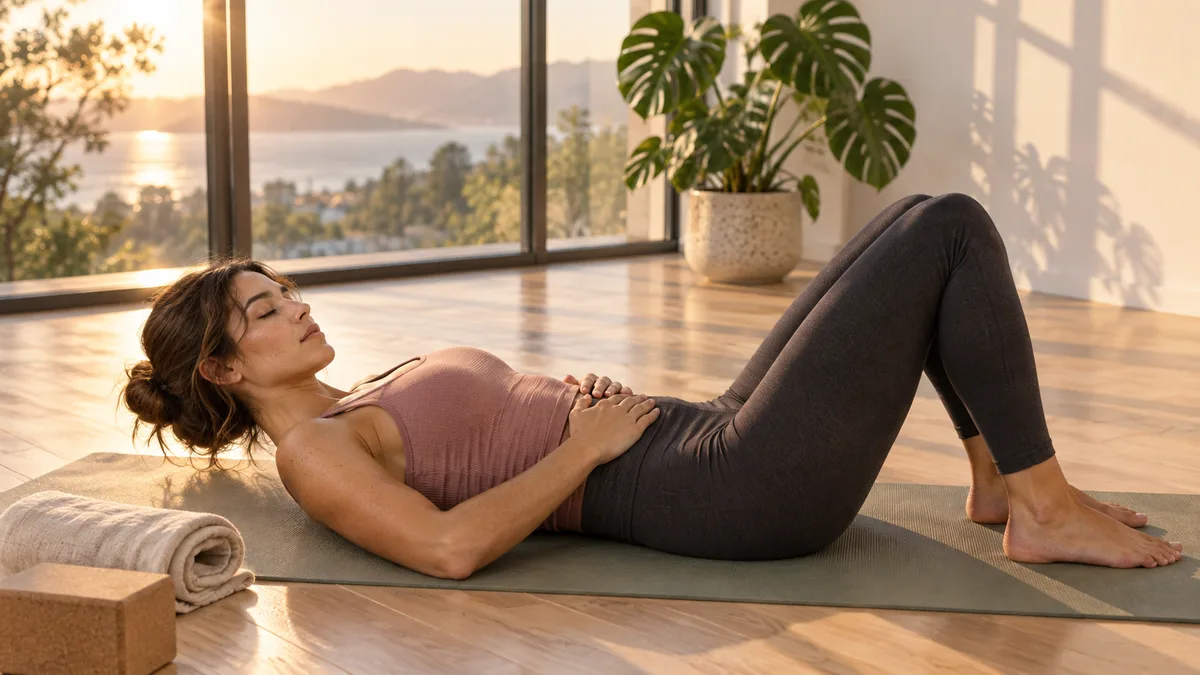
Crunches are not rebuilding your inner core. They never were. If you’ve been grinding out hundreds of crunches hoping to fix that deep instability, that nagging lower back pain, or that post-baby belly that refuses to cooperate, you’ve been chasing a lie wrapped in a six-pack promise.
Your deep core is a completely different system from the superficial “abs” most fitness culture obsesses over. And the piece most people miss? It starts with your pelvic floor. The muscles you can’t see in a mirror are the ones doing the real work: holding your organs in place, stabilizing your spine, and giving you that feeling of inner strength no crunch has ever delivered.
This guide breaks down how to rebuild your inner core from the inside out, using deep core pelvic floor exercises that work. No crunches. No gimmicks. Just smart movement.
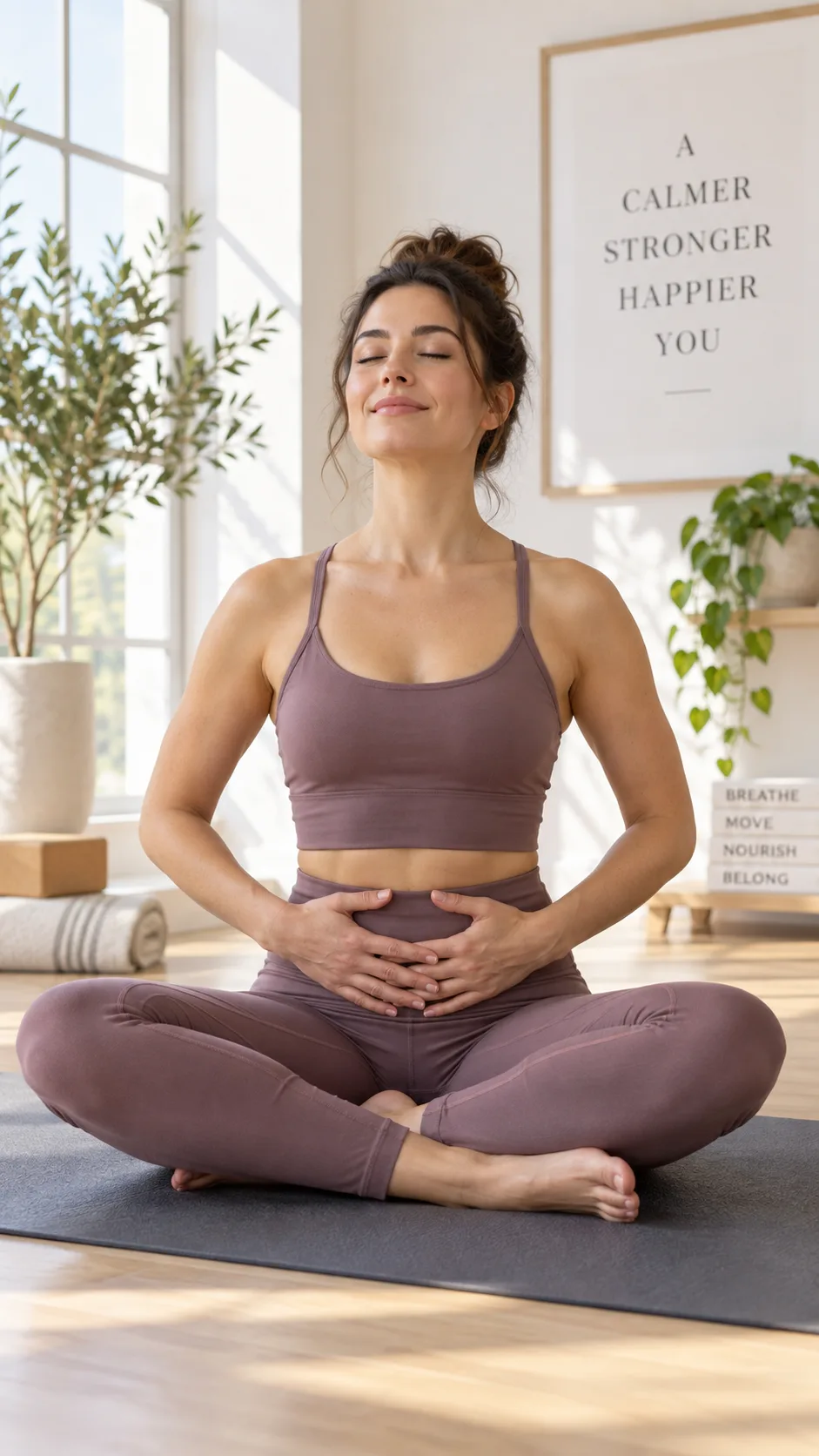
What exactly is your “deep core”?
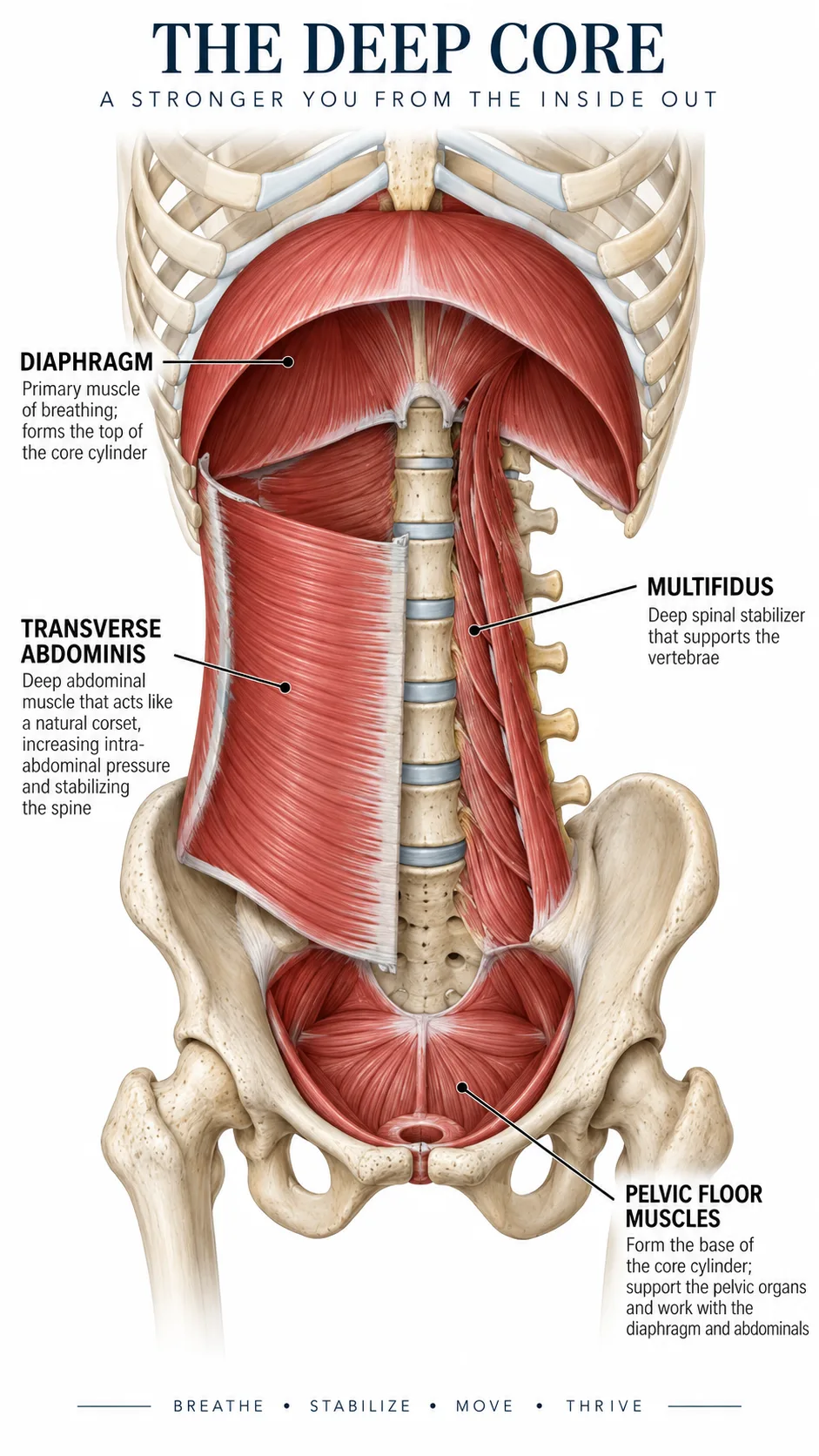
Most people get confused here. When someone says “core,” your brain probably pictures a rectus abdominis, that washboard muscle on the front of your belly. But that’s your outer core. Your deep core is a cylinder of four muscle groups working together like a pressure canister inside your torso.
The four players of your deep core
- Diaphragm, the dome-shaped breathing muscle at the top of the cylinder
- Transverse Abdominis (TVA), the deepest abdominal muscle that wraps around your midsection like a corset
- Multifidus, small but mighty muscles running along your spine
- Pelvic Floor, the hammock of muscles at the bottom of the cylinder, supporting your bladder, uterus, and rectum
These four muscles must work in coordination. When one is weak or dysfunctional, the entire system compensates. That’s when back pain, incontinence, pelvic pressure, and that frustrating “pooch” belly show up. Ever wondered why your abs look fine but your back still kills you? This is probably the reason.
According to the Continence Foundation of Australia, pelvic floor dysfunction affects a significant percentage of women and men, yet most people never learn to properly engage these muscles.
Why crunches are terrible for your inner core
Bold claim, I know. But hear me out. Crunches primarily target the rectus abdominis and obliques. They create intra-abdominal pressure that pushes DOWN on your pelvic floor instead of supporting it. For anyone with pelvic floor weakness, diastasis recti, or postpartum recovery needs, crunches can make things worse.
Think of it this way: imagine squeezing a tube of toothpaste in the middle. The pressure has to go somewhere, and it usually goes down (hello, pelvic floor strain) or forward (hello, abdominal bulging). That’s exactly what happens when you crunch without a functioning deep core system.
Crunches skip the foundation entirely. They train the roof of the house while the basement is flooding. You need to rebuild from the bottom up, starting with your pelvic floor and working outward.
The deep core and pelvic floor connection you need to understand
Your pelvic floor doesn’t work in isolation. It operates as part of a pressure management system alongside your diaphragm and TVA. When you inhale, your diaphragm drops and your pelvic floor gently lengthens. When you exhale, your pelvic floor lifts and your TVA activates. It’s a beautiful, automatic rhythm, when it works correctly.
Pregnancy, surgery, chronic sitting, heavy lifting with poor form, and even stress can disrupt this coordination. The result? Your brain essentially “forgets” how to fire these muscles together. No amount of crunching will retrain that pattern.
This is exactly why learning how to strengthen your pelvic floor properly matters so much before you even think about traditional ab exercises. The deep core pelvic floor connection is the starting point for everything.
7 deep core pelvic floor exercises that rebuild your inner core
Enough anatomy. These moves look deceptively simple, and that’s the point. Deep core work is about precision and connection, not intensity. If you’re sweating buckets, you’re probably doing it wrong 🙂
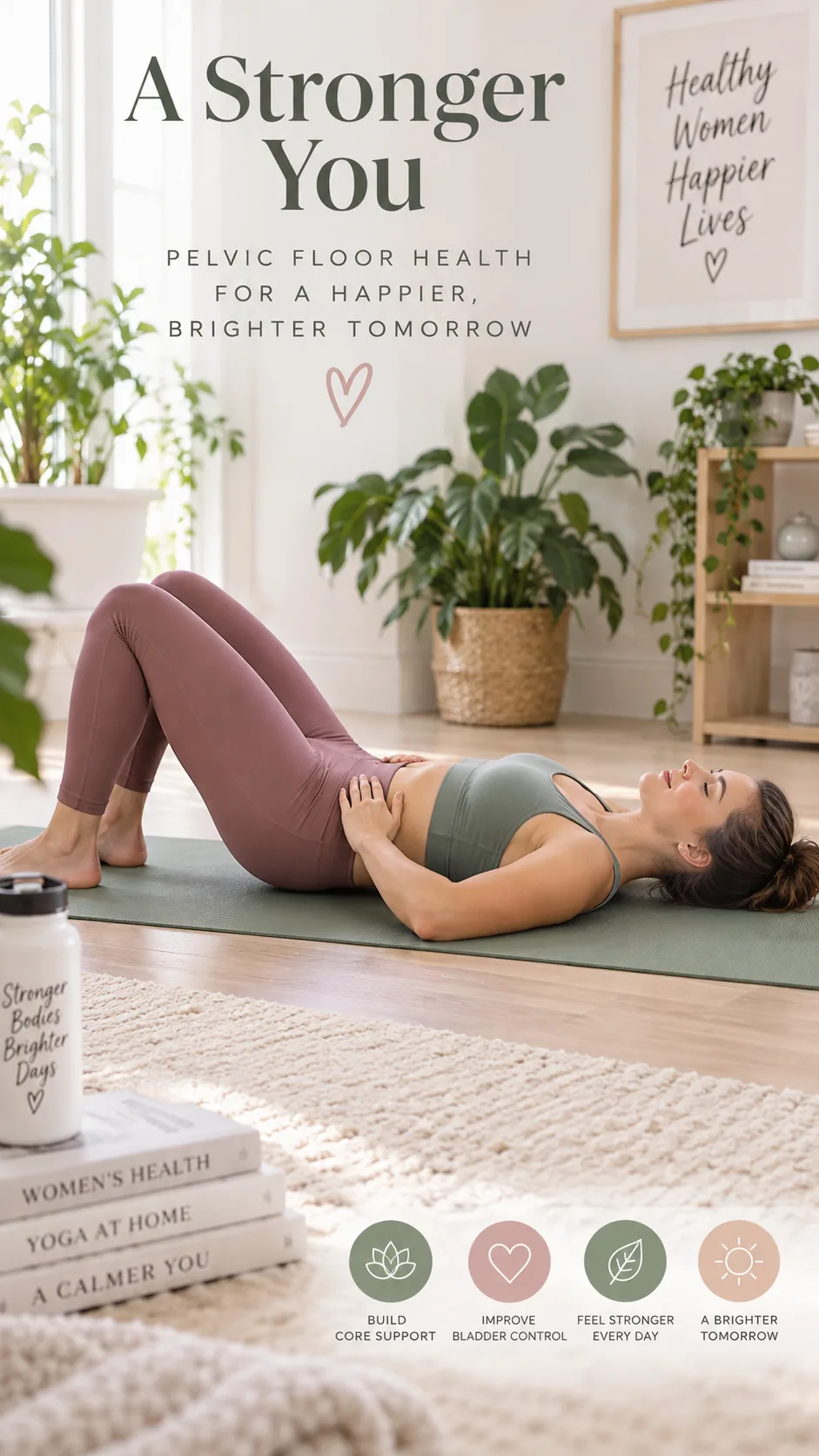
1. Connection breath (diaphragmatic breathing with pelvic floor activation)
This is exercise number one for a reason. Everything builds on this. Skip it and you’re building on sand.
- Lie on your back with knees bent, feet flat on the floor
- Inhale deeply through your nose. Let your ribs expand sideways and feel your pelvic floor gently release downward
- Exhale slowly through your mouth. Draw your pelvic floor up and in (think: stopping the flow of urine + holding back gas, yes, really) while your lower belly naturally draws inward
- Repeat for 10 breaths, 3 sets
This isn’t just breathing. You’re retraining the neurological connection between your brain and your deep core. Research published by the Journal of Orthopaedic & Sports Physical Therapy confirms that diaphragmatic coordination directly impacts pelvic floor function and spinal stability.
2. Pelvic floor lifts (Kegels done right)
Kegels get a bad rap because most people do them wrong: bearing down instead of lifting up, or clenching their glutes and calling it a day. Done correctly, they are surprisingly effective.
- Start in any comfortable position (lying, sitting, or standing)
- On an exhale, gently lift your pelvic floor. Imagine picking up a blueberry with your vaginal muscles (weird imagery, I know, but it works)
- Hold for 5-10 seconds, breathing normally
- Fully release on an inhale
- Perform 10 reps, 3 sets
The FULL release matters just as much as the contraction. A pelvic floor that can’t relax is just as problematic as one that can’t contract. For a complete guide on technique, check out our breakdown of the best pelvic floor exercises for women.
3. Dead bug (modified)
The dead bug is a deep core powerhouse, and it looks ridiculous. Honestly, that makes it more fun. Your neighbors will think you’ve lost it. Worth it.
- Lie on your back, arms reaching toward the ceiling, knees bent at 90 degrees (tabletop position)
- Exhale, engage your pelvic floor and TVA, then slowly extend your RIGHT arm overhead and LEFT leg toward the floor
- Keep your lower back pressed firmly into the mat. Zero arching allowed
- Inhale and return to start. Alternate sides
- 8-10 reps per side, 3 sets
If your back arches off the floor, you’ve gone too far. Scale it back. The moment you lose that core connection, the exercise stops working for your deep core and starts loading your hip flexors instead.
4. Bird dog
Another classic that targets your deep core when you approach it mindfully. Rush through it and you’ll get nothing. Slow down and you’ll feel muscles you didn’t know existed.
- Start on all fours, wrists under shoulders, knees under hips
- Exhale, lift your pelvic floor, extend your RIGHT arm forward and LEFT leg back simultaneously
- Hold for 3-5 seconds. Keep your hips completely level (imagine balancing a cup of coffee on your lower back)
- Return slowly. Alternate sides
- 8-10 reps per side, 2-3 sets
The anti-rotation challenge here forces your multifidus and TVA to fire like crazy. That’s the deep core training crunches will never give you.
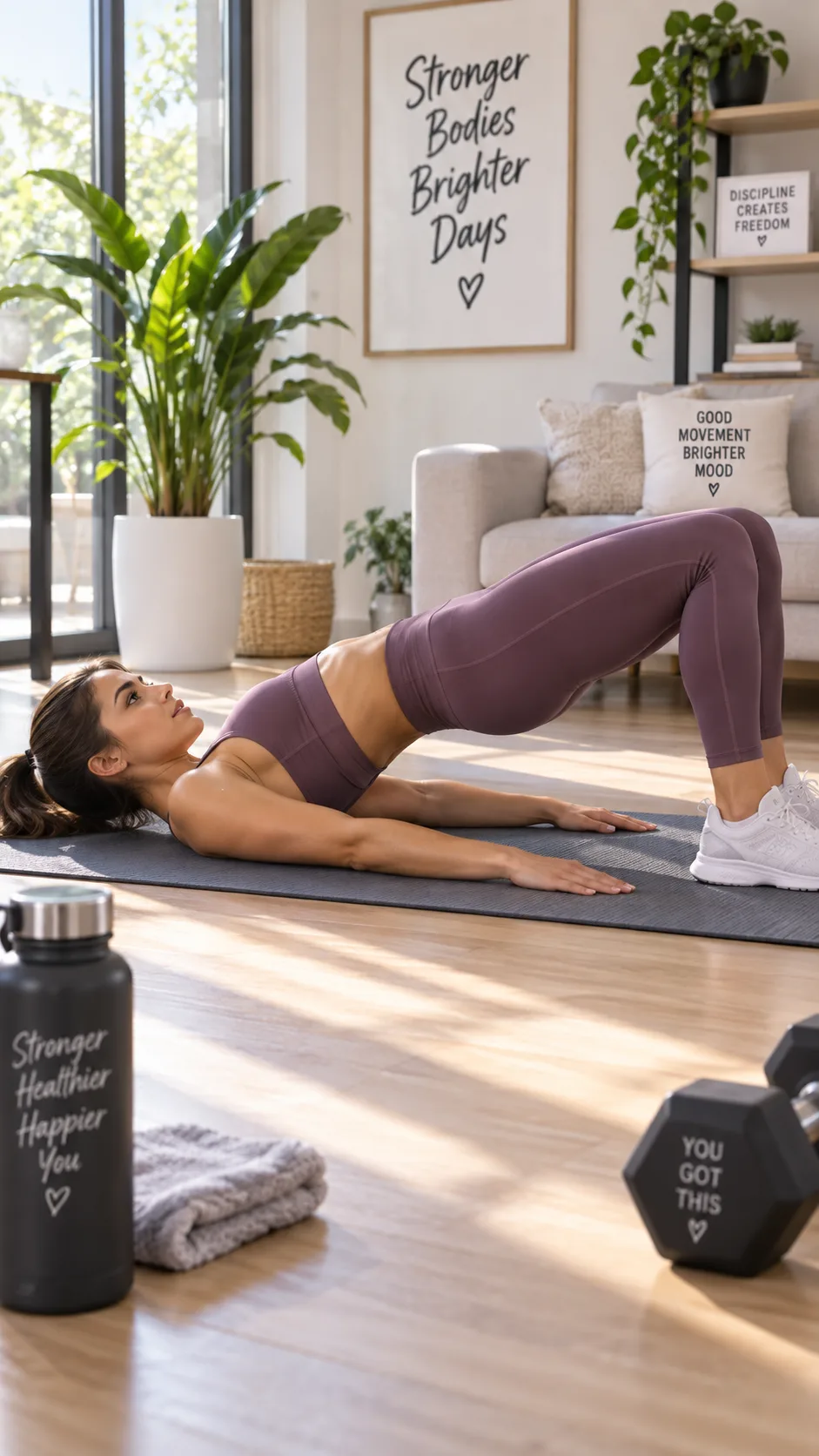
5. Glute bridge with pelvic floor engagement
Bridges are fantastic because they simultaneously strengthen your glutes (which support your pelvic floor from below) and challenge deep core stability.
- Lie on your back, knees bent, feet hip-width apart
- Exhale, engage pelvic floor first, then press through your heels to lift your hips
- Squeeze your glutes at the top. Don’t hyperextend your lower back
- Inhale and lower slowly
- 12-15 reps, 3 sets
If you feel this mostly in your quads or hamstrings, scoot your feet a little closer to your glutes. The pelvic floor engagement cue at the START of the movement is what turns this into a deep core exercise rather than just a glute builder.
6. Side-lying leg lift with core connection
This one sneaks up on you. It looks like a basic inner thigh exercise, but adding the pelvic floor connection turns it into a deep core stabilization challenge that most routines completely ignore.
- Lie on your side, bottom leg extended, top leg bent with foot on the floor in front of you
- Exhale, engage your pelvic floor, and lift your BOTTOM leg 6-8 inches off the floor
- Hold for 3 seconds. Lower with control
- 10-12 reps per side, 2-3 sets
You’ll feel this deep in your inner thigh and pelvic floor at the same time. That’s because the adductor muscles have a fascial connection to the pelvic floor. They’re literally linked. Training them together amplifies the results.
7. Wall sit with breathing focus
Yes, a wall sit. But not the quad-burning torture from gym class. This version focuses entirely on maintaining deep core pressure management under a mild load. It works better than you’d expect.
- Lean against a wall with your thighs roughly parallel to the floor (or higher if needed)
- Place one hand on your lower belly
- Practice your connection breath: inhale to expand, exhale to lift pelvic floor and feel your TVA engage under your hand
- Perform 8-10 breaths per set, 2-3 sets
This exercise teaches your deep core to function under gravity and mild muscular load, exactly what it needs to do in real life when you’re carrying groceries, picking up kids, or just standing in line at the coffee shop.
How to know if you’re engaging your deep core
This is the million-dollar question. Deep core muscles don’t produce visible movement the way a bicep curl does. So how do you know you’re not just lying there breathing and fooling yourself?
Signs you’re doing it right
- You feel a gentle drawing-in sensation below your navel on exhale, not a forceful sucking in
- You can maintain the engagement while breathing normally (if you have to hold your breath, you’re gripping too hard)
- Your outer abs stay relatively soft during the engagement
- You feel a subtle lift in your pelvic floor, not a bearing-down pressure
Red flags that something’s off
- Your belly bulges or domes outward during the exercises
- You feel downward pressure on your pelvic floor
- You’re holding your breath or clenching your jaw
- Your glutes or inner thighs do all the work while your deep core stays quiet
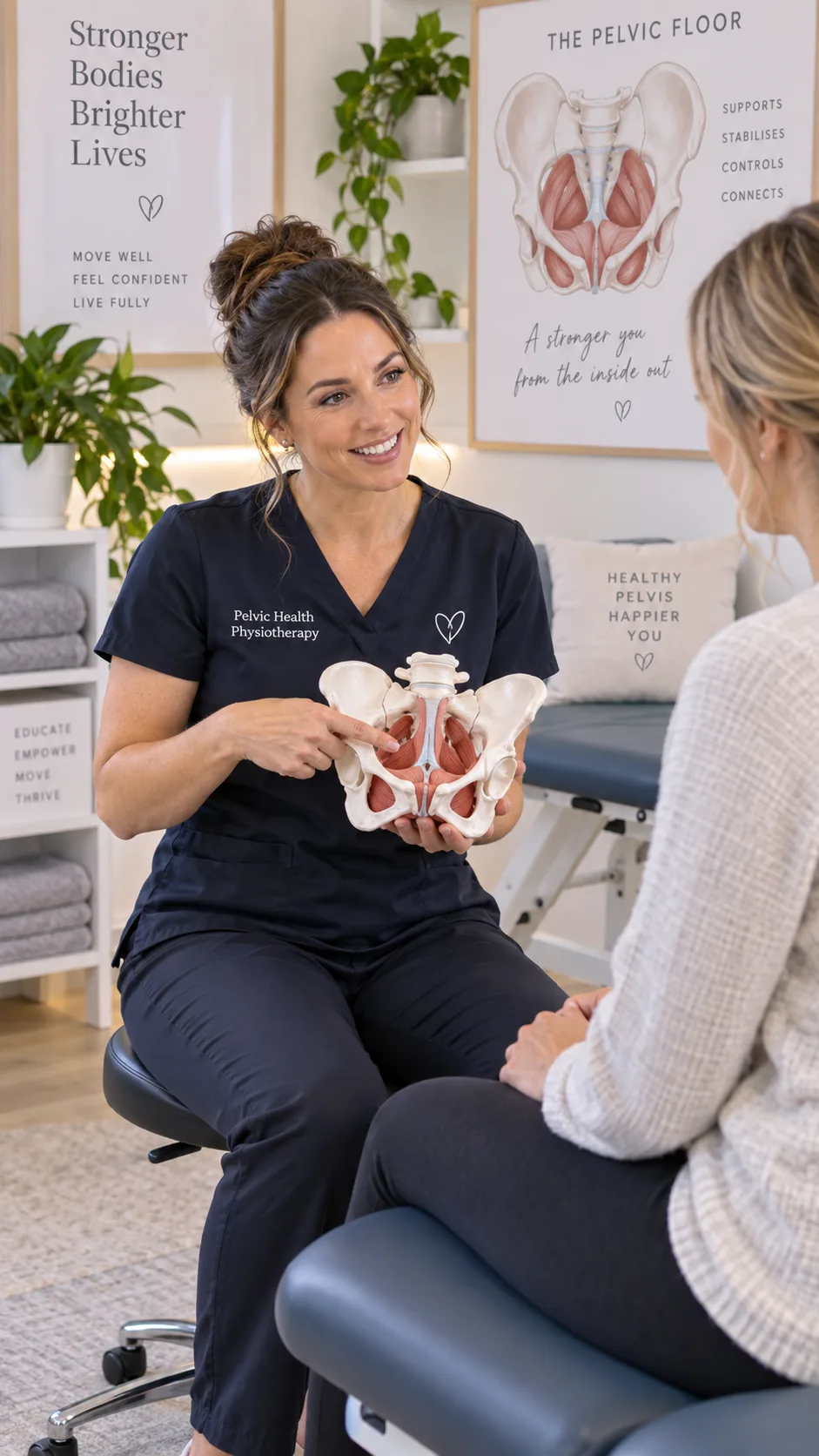
One of the best investments you can make is a single session with a pelvic floor physiotherapist. They can assess whether you’re engaging correctly and catch any dysfunction you might not notice on your own. The Academy of Pelvic Health Physical Therapy maintains a directory to help you find a specialist near you.
Building a weekly routine that sticks
You don’t need an hour a day. In fact, overdoing deep core work can be counterproductive because these muscles fatigue differently than your biceps or quads. Consistency beats intensity every single time here.
Beginner schedule (weeks 1-4)
- Daily: Connection breath, 3 sets of 10 breaths (takes about 5 minutes)
- 3x per week: Pelvic floor lifts + modified dead bug, 2-3 sets each
- Rest days: Focus only on breathing and body awareness
Intermediate schedule (weeks 5-8)
- Daily: Connection breath as a warm-up (2 minutes)
- 4x per week: Full circuit of all 7 exercises, 2 sets each
- Add progressions: Longer holds, slower tempos, resistance bands around knees during bridges
If you’re pregnant or postpartum, your approach should be even more specific. We put together a dedicated guide on pelvic floor exercises during pregnancy that walks you through safe progressions trimester by trimester.
The non-negotiable rule
Quality over quantity. Always. Five perfect reps with real deep core engagement beat 50 sloppy reps every day of the week. Your deep core responds to neuromuscular precision, not brute force. If you feel yourself losing connection, stop, reset, and start again.
Common mistakes that sabotage your deep core progress
I see these all the time, and I’ve made most of them myself during my own core rehab journey. Learn from my mistakes so you don’t waste months spinning your wheels.
- Gripping instead of engaging. There’s a massive difference between gently activating your TVA and white-knuckling your entire midsection. The deep core responds to about 30% of your maximum effort. Think whisper, not scream.
- Forgetting to breathe. If you hold your breath during every rep, you’re creating exactly the kind of pressure mismanagement you’re trying to fix. Breath IS the exercise.
- Skipping the pelvic floor. Doing dead bugs and bird dogs without the pelvic floor connection cue turns them into generic exercises. The coordination is where the real benefit lives.
- Progressing too fast. Your ego wants planks and leg raises by week two. Your deep core needs another month of basics. Listen to your body, not your impatience.
- Only training in one position. Your deep core needs to function lying down, sitting, standing, and during movement. Vary your positions as you progress.

When to expect results (real talk)
I’m not going to sugarcoat this. You won’t feel a massive difference after one session. Deep core pelvic floor exercises rebuild neuromuscular patterns that may have been dysfunctional for years. That takes time.
Here’s a realistic timeline based on consistent practice:
- Week 1-2: Better awareness and connection. You start “feeling” muscles you couldn’t feel before
- Week 3-4: Improved breath coordination. Less lower back tension during daily activities
- Week 6-8: Noticeable improvements in core stability, reduced leaking (if applicable), and better posture
- Month 3+: Significant strength gains. Your deep core starts functioning automatically during movement without conscious effort
The UK’s National Health Service recommends committing to at least 3 months of consistent pelvic floor exercise before evaluating results. That lines up with what I’ve seen work in practice.
Who benefits most from deep core pelvic floor training?
Short answer: almost everyone. But certain groups will notice the most dramatic improvements:
- Postpartum women rebuilding after pregnancy and birth (whether vaginal or cesarean)
- Anyone with chronic lower back pain, since deep core weakness is one of the most overlooked causes
- People experiencing urinary leaking during exercise, coughing, sneezing, or laughing
- Desk workers, because prolonged sitting weakens and shortens pelvic floor muscles over time
- Athletes, especially runners, lifters, and anyone performing high-impact activities
- Men, who have pelvic floors too and benefit enormously from this training
If any of those categories describe you, these exercises aren’t optional. Your deep core is the foundation of every movement you make, and ignoring it has consequences that compound over time.
The bottom line: build from the inside out
Your inner core is not your abs. Your inner core is a coordinated system of deep muscles that requires specific, intentional training. Crunches don’t train it. Sit-ups don’t train it. Planks barely scratch the surface unless you add the breath and pelvic floor connection.
Start with the connection breath. Master it. Then layer on the other six exercises gradually. Be patient with yourself because this is a skill, not just a workout. And if something feels off or you’re not sure you’re engaging correctly, see a pelvic floor physiotherapist. There’s zero shame in getting expert guidance for muscles you literally cannot see.
Your deep core held you together before you even knew it existed. Now it’s time to return the favor and give it the attention it deserves. Skip the crunches. Train smarter. Rebuild from the inside out.
