Did you know a few minutes a day can change how you feel and move? Many people think core training only shapes the midline, but targeted routines also support bladder, uterine, and bowel health. You can build lasting stability with simple, guided moves that fit your life.
This guide gives clear, actionable information so you can start safe, effective practice today. It explains how to strengthen pelvic floor muscles and improve core support with short sessions you can do at home or during a break.
If you have concerns about pelvic health, talk to a healthcare professional to make sure you’re doing these floor exercises correctly. For specialized care or a second opinion, call 210-450-1000 to discuss your needs with experts.
Key Takeaways
- Short, regular sessions can boost core stability and daily comfort.
- Choose guided moves that support bladder, uterus, and bowel function.
- Consult healthcare pros if you feel pain or uncertainty while training.
- Consistency prevents common issues and improves quality of life.
- Call 210-450-1000 for specialized advice or a second opinion.
Understanding the Importance of Your Pelvic Floor
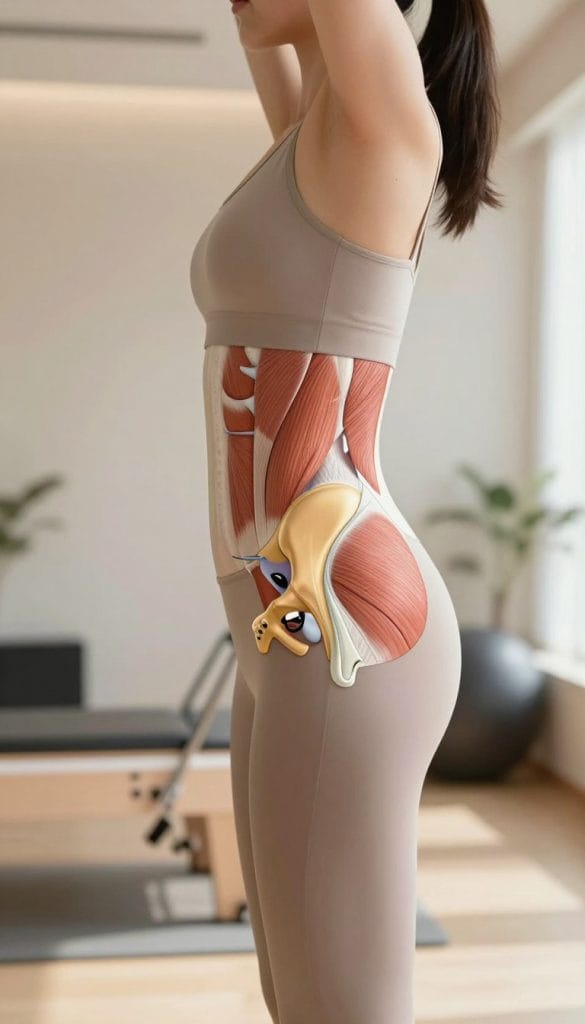
Strong support at the base of your pelvis keeps key organs working well and prevents common leaks. These pelvic floor muscles sit like a sling under your hips. They hold the bladder, uterus, and bowel in place and help with sexual function.
When these tissues are weak, you may notice urine leaks or a sense of heaviness. Weakness can lead to urinary incontinence or prolapse. That is why keeping these floor muscles active matters.
You use this group every time you stop urine flow. Training them is as normal as strengthening any other muscles. Better strength can improve sexual function and reduce discomfort with daily tasks.
- Support organs like the bladder and bowel
- Help control urine and prevent leaks
- Contribute to comfort during intimacy
- Boost long-term pelvic health
| Function | Signs of Weakness | Benefits of Strengthening |
|---|---|---|
| Support organs (bladder, uterus, bowel) | Urine leakage, heaviness, incontinence | Improved control, less leakage, better organ support |
| Assist sexual function | Reduced sensation, discomfort | Improved sexual function and comfort |
| Stabilize core during movement | Reduced core stability, task-related leaks | Greater confidence in daily activities |
How to Identify Your Pelvic Floor Muscle Exercise Group
Start by sensing a small inner lift. Try to imagine stopping urine flow, but do not stop your stream while actually urinating. That mental cue often pinpoints the right support area.
Use gentle tests: you can tighten the same muscles that hold back a bowel movement or passing gas. Sit or lie in a relaxed position so your back and hips stay comfortable. The Best Pelvic Floor Strengthening Exercises for Women covers the same topic for women.
Physical Cues for Identification
- If your buttocks or thighs clench, you are using the wrong group.
- No change in your breath? That’s good, avoid holding it.
- If you feel a subtle lift inside, you’ve likely found the correct spot.
Avoiding Common Muscle Mistakes
Do not tighten your abdomen, legs, or buttocks when you try kegel exercises. That shows other areas are taking over.
| Common Error | What It Feels Like | Quick Fix |
|---|---|---|
| Using buttocks | Hip squeeze or movement while sitting | Relax hips, try lying on your back |
| Holding breath | Short, shallow breathing | Breathe steadily and focus on the inner lift |
| Over-engaging abs | Chest or belly tightness | Place hand on belly; keep it soft while contracting |
If you still struggle, ask a healthcare provider for hands-on guidance and clear information on proper technique.
Effective Workouts to Strengthen Your Pelvic Floor
Start with slow, controlled movement and regular breath. A short routine combining timed holds and whole-body moves helps you target the right area without strain. Below are safe, practical options you can do at home.
Mastering Kegel Contractions
Hold for 5 seconds, release for 5 seconds. Do 10-15 repetitions per set and aim for three sets a day. Focus on a gentle inward lift and avoid tightening your buttocks or thighs.
Utilizing Bridge Pose and Squats
Bridge: lift your hips and hold for 10-15 seconds. Repeat 10-15 times to engage deep support.
Squats: perform three sets of 10-15 reps with chest and back straight. Cue a subtle engagement on the lift to help build core and lower-body strength.

Incorporating Pelvic Tilts and Bird Dog
Pelvic tilts press the lower back into the mat for 10-15 reps to strengthen your abdominals and back. Bird dog helps stability: align wrists under shoulders and knees under hips, then extend opposite arm and leg.
- Breathe steadily; do not hold your breath.
- You can perform many moves while standing or sitting to fit them into your day.
- If you feel pain, stop and contact a healthcare provider.
Integrating Exercises into Your Daily Routine
Make a simple plan so short routines become part of your daily rhythm.
Consistency is the key to long-term health. Aim to perform kegel exercises 2-3 times a day to see real improvements. Short sets add up over time and fit into busy schedules. Arm Exercises for Women with No Equipment covers the same topic for women.
Use phone reminders or apps to prompt you. As you gain confidence, try doing sets while standing, walking, or during breaks at work. Keep your back straight and breathe normally.
- Relax fully for 5-10 seconds between contractions to avoid tension.
- Count out loud if you tend to hold your breath; it helps steady your breath.
- Progress by adding seconds to each hold, but move slowly and listen to your body.
This routine supports bladder control and overall core support when done regularly. The information, last updated on 15 June 2023, stresses building a lifetime habit.

| Tip | How Often | Benefit |
|---|---|---|
| Short daily sets | 2-3 times per day | Improves control and endurance |
| Use apps/reminders | Daily | Helps consistency and habit formation |
| Vary position (standing/sitting) | During the day | Makes practice practical and discreet |
Conclusion
A few minutes of focused practice each day can reduce leaks and boost confidence.
Strengthening your pelvic floor muscles is a lifetime habit that helps prevent urinary incontinence and supports your organs. Stick with short kegel sessions and simple whole-body moves to help strengthen pelvic floor and improve sexual function over time.
Be patient: results may take several weeks. If you feel pain or have questions, contact a healthcare provider at 646-888-5076 or 212-639-2000 for guidance.
Last updated 2023. Listen to your body and use correct technique to maintain long-term pelvic health and daily comfort.
FAQ
How do I know I’m using the right muscles?
To check, try stopping your urine midstream once during a bathroom visit, if you can pause the flow, you’re engaging the correct group. Another cue is feeling a slight lift and inward squeeze around your pelvic area and lower back, not tightening your buttocks or thighs. Stop the urine test after one try and rely on gentle contractions during practice to avoid bladder issues.
How often should I do these workouts to see improvement?
Aim for short sessions three times a day, with 8-12 gentle contractions per set. Include a mix of quick squeezes and longer holds, for example, five fast pulses and five holds of five to ten seconds. Consistency over weeks usually brings noticeable changes in bladder control and core support.
Can these moves help with urine leakage or incontinence?
Yes. Regular practice strengthens the support around your bladder and urethra, which can reduce stress-related leaks and urge symptoms. If leakage continues, consult a healthcare professional for personalized treatment options and to rule out other causes.
Will strengthening this area improve sexual function?
Improving tone and control can enhance sexual sensation and confidence for many people. Stronger control may increase awareness during intimacy and help with orgasms for some. Results vary, so combine these routines with pelvic health guidance if you have specific concerns.
Should I change my breathing or posture while doing them?
Breathe normally and avoid holding your breath. Maintain a neutral spine and relaxed shoulders. Try seated, lying, and standing positions to find what feels best. Good posture helps you isolate the correct muscles without recruiting the abdomen, buttocks, or legs.
Are there exercises to avoid if I have pelvic pain?
If you experience pain, stop the activity and avoid deep squats or intense bridging until you get a professional evaluation. Work with a pelvic health physiotherapist who can tailor safe modifications and gentle techniques suited to your condition.
How long before I notice benefits?
Many people see small improvements in control and awareness within four to eight weeks of consistent practice. Strength and endurance continue to improve over months. Track progress with simple goals like fewer leakage episodes or longer hold times.
Can I do these along with core and butt workouts?
Yes. Combining targeted contractions with core routines like planks or gentle glute strengthening can support overall stability. Focus on coordination so the target area activates first, rather than relying entirely on larger muscle groups.
Is it safe during pregnancy and after childbirth?
Generally, gentle contractions and basic integration into daily routines are safe during pregnancy and postpartum. They can improve recovery and support. Still, get personalized advice from your obstetrician or a pelvic health specialist, especially if you had a complicated delivery.
When should I see a specialist?
See a pelvic health physiotherapist or urogynecologist if you have persistent pain, worsening leakage, bowel changes, or if contractions feel weak despite consistent practice. A professional can assess technique, screen for underlying issues, and recommend biofeedback or guided therapy if needed.