
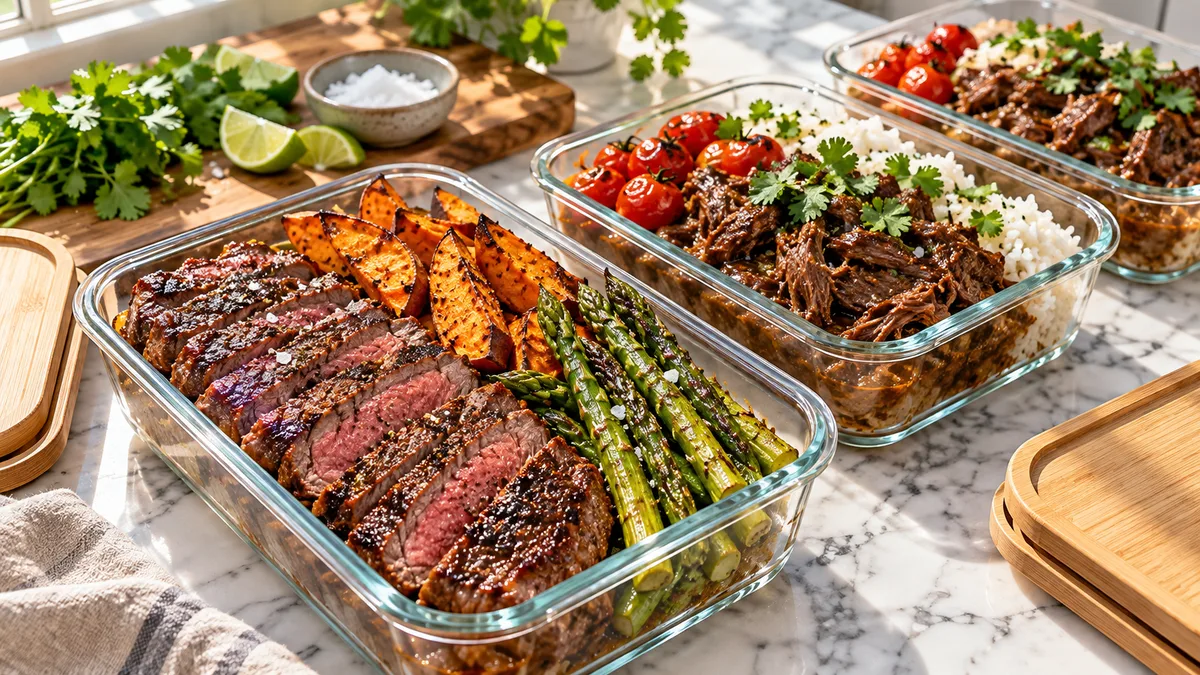
Admit it: you dread opening that plastic container on Wednesday afternoon. You already know what waits inside. Dry, unseasoned chicken breast sits on a pile of cold, limp broccoli. You choke it down for the protein, but you hate every single bite.
Nobody needs to eat like that. Chicken gets all the attention in fitness circles, but beef satisfies hunger far better. A good beef prep stops afternoon sugar cravings, tastes rich, and keeps you full past sunset.
I learned this lesson the hard way five years ago. I spent two straight months eating identical grilled chicken and sweet potatoes until I cracked and ordered two large pepperoni pizzas on a Tuesday night. That burnout forced me to rethink my entire cooking plan. Switching my main protein to beef lifted my energy levels and stopped mindless snacking completely.
If you want to escape bland poultry routines, check out our guide to easy high protein meal prep. In this guide, you will master four flavorful beef recipes, learn why red meat satisfies hunger so well, and pick up kitchen habits that keep Thursday lunch tasting fresh.
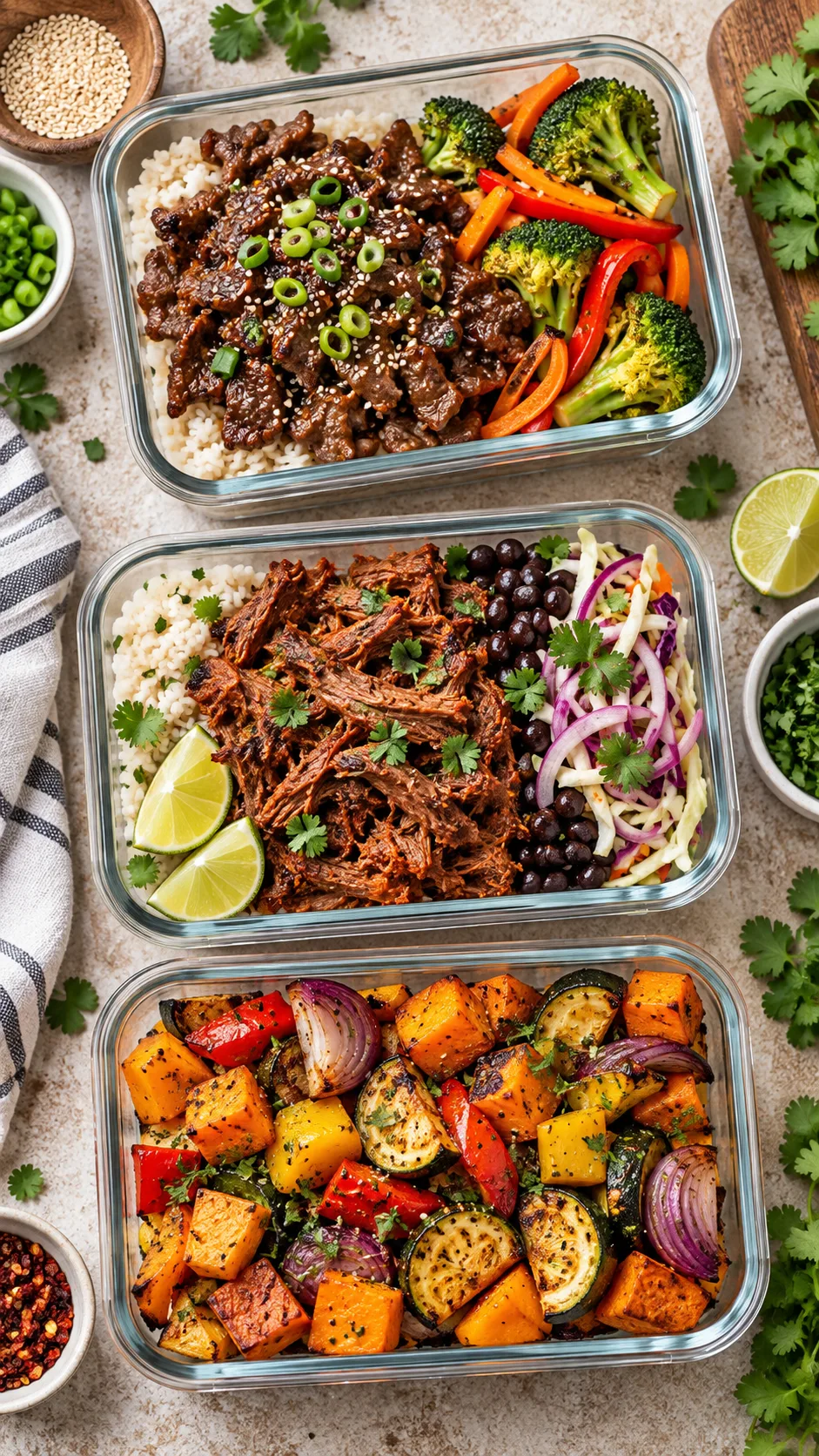
The satiety science: why beef stops midday hunger
A light chicken salad often sends you hunting through office snack drawers by mid-afternoon, while a beef skillet carries you straight to dinner. Nutrient density and fat chemistry explain the difference.
Beef packs a dense supply of bioavailable heme iron, zinc, and vitamin B12. Research from the National Institutes of Health confirms that complete dietary proteins rich in leucine trigger higher releases of fullness hormones like peptide YY and GLP-1. Leucine tells your brain that you ate real food.
Beef also supplies stearic acid, a saturated fatty acid that digests slowly. This steady breakdown stabilizes blood sugar and stops the afternoon energy crash. When you fuel yourself with beef, you stop scouring the pantry for snacks.
The three cardinal rules of beef meal prep
Most home cooks ruin their beef before it even hits the pan. Bad habits turn decent steak into rubber after thirty seconds in the microwave. Follow these three rules to keep your lunches tasting fresh all week.
1. Ditch the ultra-lean packages
Fat carries flavor and protects meat fibers during reheating. If you buy 93/7 or 99% lean ground beef, your food dries out by Tuesday. Pick 85/15 or 90/10 ground beef, or choose cuts with good marbling like chuck roast, flank steak, and tri-tip. Rendering fat coats the meat fibers, so each bite stays juicy on day four.
2. Brown the meat properly
Crowding three pounds of cold meat into an overcrowded pan steams the beef in its own liquid. Boiled grey meat tastes flat. Heat your skillet until it smokes, cook in small batches, and leave the meat alone for three minutes to form a crust. That deep sear locks in savory flavor that holds up after days in the fridge.
3. Pack sauces and cold toppings separately
Warm salsa and wilted herbs ruin prepped food quickly. Store fresh greens, cilantro, sliced scallions, and pickled onions in tiny condiment tubs. Add these toppings only after you reheat your meat. This simple step keeps your lunch crisp and fresh.
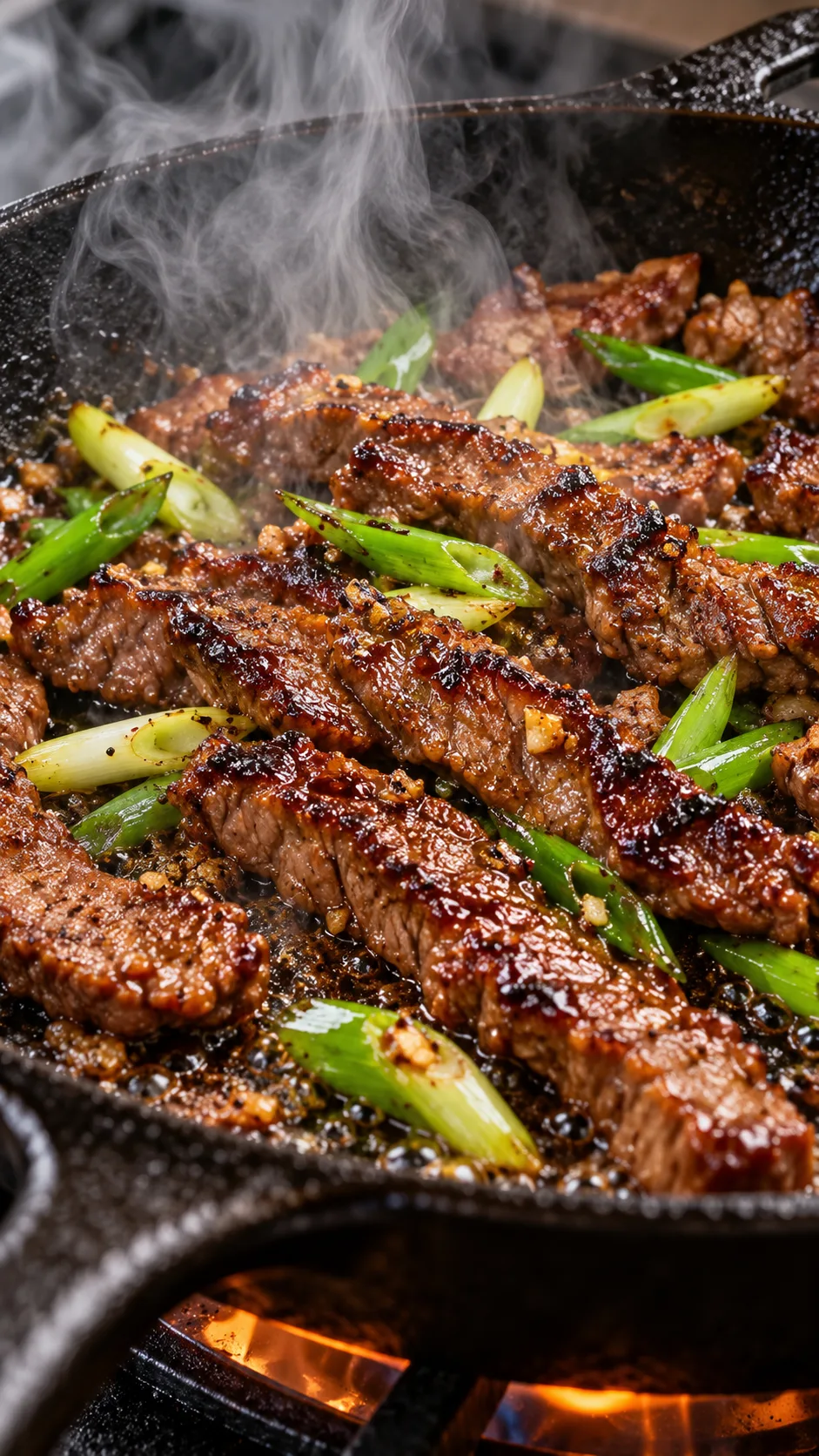
Recipe 1: Korean-style sweet and spicy bulgogi bowls
This recipe balances savory soy, spicy gochujang, and rich sesame. It takes less than 25 minutes from prep to plate, yet rivals your favorite takeout spot. You can use thinly sliced sirloin or quick-cooking ground beef.
The ingredient lineup
- 1.5 lbs flank steak, sirloin sliced thin across the grain, or 85/15 ground beef
- 4 cloves garlic, finely minced
- 1 tablespoon fresh ginger, grated
- 1/4 cup low-sodium soy sauce or tamari
- 2 tablespoons brown sugar or raw honey
- 1 tablespoon gochujang chili paste
- 1 tablespoon toasted sesame oil
- 4 cups cooked jasmine rice or cauliflower rice
- 2 cups steamed snap peas or blanched baby bok choy
- Garnish: Toasted sesame seeds and sliced scallions
Cooking instructions
- Whisk the soy sauce, brown sugar, gochujang, sesame oil, garlic, and ginger together until the sugar dissolves.
- Heat a heavy cast-iron skillet over high heat with a high-smoke-point oil like avocado oil.
- Lay your sliced beef flat across the hot pan. Let the meat sear undisturbed for two minutes to build a char.
- Flip the slices, pour the sauce into the pan, and stir for 60 seconds until the sauce thickens into a glaze.
- Pull the skillet off the burner immediately so the thin meat stays tender.
- Divide the rice and greens between four glass containers, top with the beef, and scatter sesame seeds over the meat.
Want more ideas for your work week? Combine this recipe with our favorite high protein lunch meal prep for the week routines to build a varied rotation.
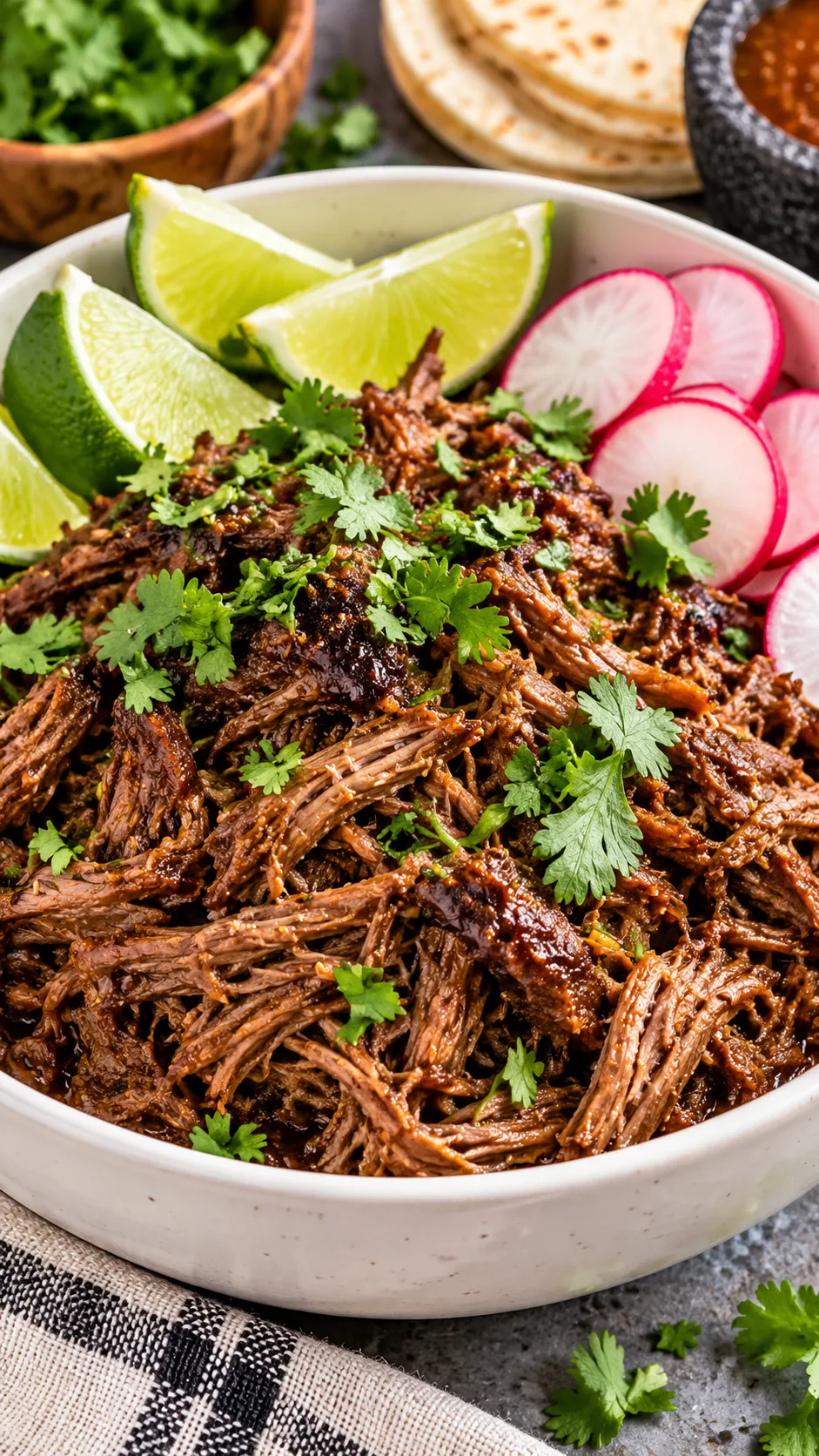
Recipe 2: Slow-cooker chipotle barbacoa shreds
You can recreate tender Mexican barbacoa at home using an inexpensive chuck roast. The slow cooker handles almost all the work while you sleep or take care of errands.
The ingredient lineup
- 3 lbs boneless beef chuck roast, trimmed of hard fat and cut into 3-inch chunks
- 4 whole chipotle peppers in adobo sauce, chopped
- 1/4 cup apple cider vinegar
- 1/4 cup fresh lime juice
- 4 cloves garlic, crushed
- 1 tablespoon ground cumin
- 1 tablespoon dried Mexican oregano
- 1 teaspoon smoked paprika
- 1 cup rich beef bone broth
- 2 bay leaves
Cooking instructions
- Season your beef chunks with coarse salt and black pepper.
- Sear the beef in a hot skillet for two minutes per side until the surface browns deeply.
- Place the seared beef into your slow cooker.
- Puree the chipotles, adobo sauce, vinegar, lime juice, garlic, cumin, oregano, paprika, and broth in a blender until smooth.
- Pour the sauce over the meat and drop in the bay leaves.
- Cover and cook on low for 8 hours (or high for 4.5 hours) until the meat pulls apart easily.
- Discard the bay leaves, move the chunks to a cutting board, and shred the meat with two forks.
- Stir the shredded beef back into the cooking juices so it drinks up the seasoning.
You can pivot this barbacoa across several lunches during the week. Spoon it over cilantro lime rice on Monday, wrap it in warm corn tortillas on Wednesday, and toss it across a romaine salad with avocado on Friday.
Recipe 3: Mediterranean beef and lentil power skillet
Lean ground beef pairs well with earthy brown lentils and Mediterranean spices. The lentils absorb the beef pan juices, stretch your grocery budget, and pack your lunch with fiber and complex carbs.
This single skillet dish keeps you full for hours and ranks among the most practical high-protein lunches you can make.
The ingredient lineup
- 1.5 lbs 90/10 ground beef
- 1 cup brown or green lentils, cooked firm (or 1 drained can of lentils)
- 1 medium red onion, diced
- 2 cups diced zucchini
- 1 pint cherry tomatoes, halved
- 2 teaspoons dried oregano
- 1 teaspoon garlic powder
- 1/2 teaspoon ground cinnamon
- 1/2 cup crumbled feta cheese
- 1/3 cup Kalamata olives, pitted and sliced
Cooking instructions
- Brown the beef in a wide skillet over medium-high heat, breaking it up with a wooden spoon. Pour off excess grease, keeping about a tablespoon in the pan.
- Add the diced onion and zucchini to the skillet with the beef. Cook for four minutes until the squash softens.
- Add the oregano, garlic powder, cinnamon, salt, and black pepper, stirring for one minute.
- Stir in the cooked lentils and cherry tomatoes. Simmer over medium-low heat for five minutes until the tomatoes soften and burst.
- Take the pan off the burner and let the food cool down.
- Distribute the food into four airtight dishes. Scatter crumbled feta and sliced olives over each portion before you close the lids.
Recipe 4: Sesame ginger beef stir-fry
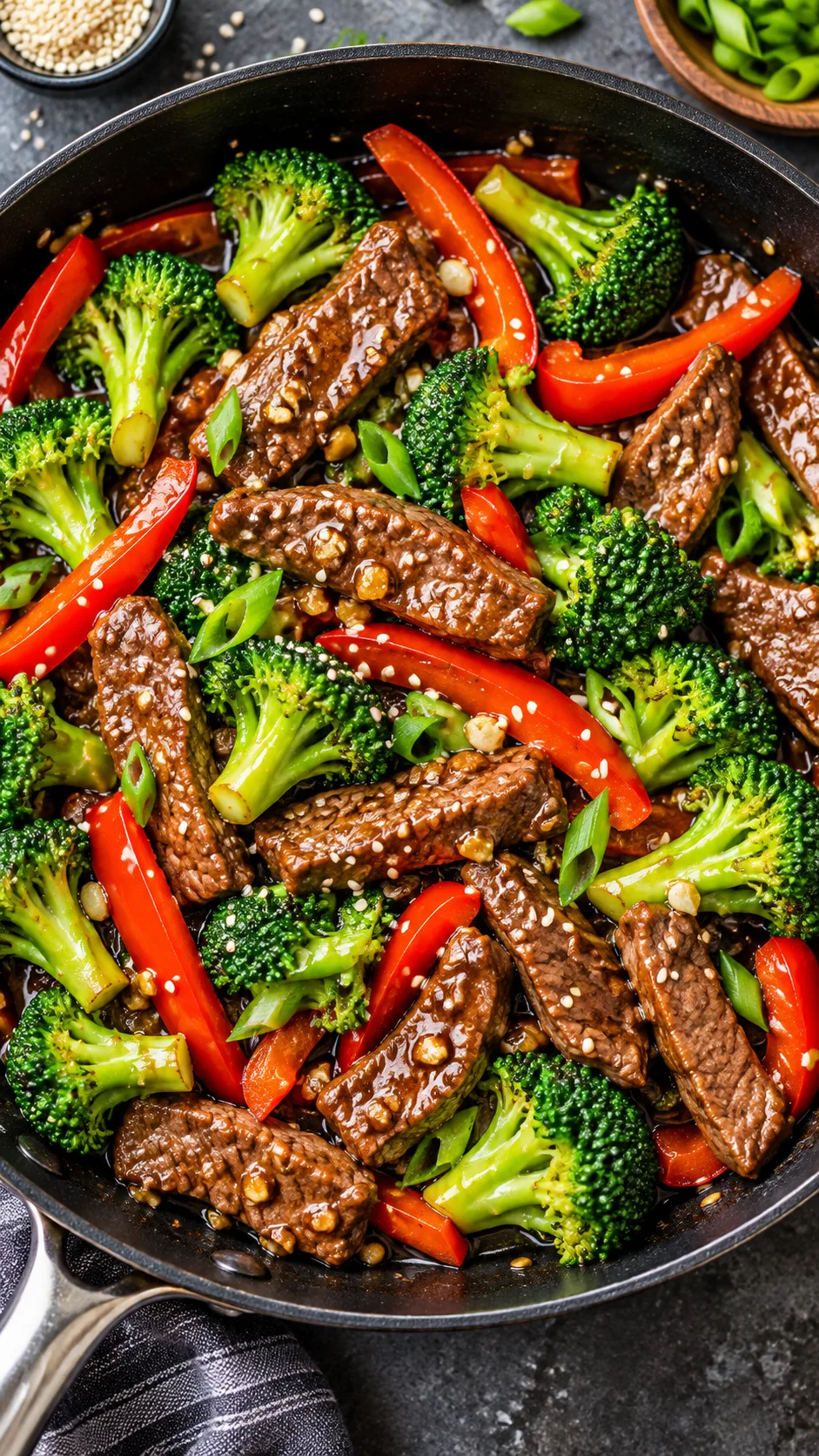
Stir-fry beef often turns tough and rubbery when you save it for later. Chinese home cooks prevent this problem with a method called velveting. Tossing your sliced beef with a little baking soda and cornstarch shields the meat fibers from high heat, so every piece stays soft.
The ingredient lineup
- 1.5 lbs top sirloin or flank steak, sliced into thin strips against the grain
- 1/2 teaspoon baking soda
- 1 tablespoon cornstarch
- 3 tablespoons low-sodium soy sauce, divided
- 2 tablespoons oyster sauce
- 1 tablespoon honey or maple syrup
- 1 tablespoon fresh grated ginger
- 4 cups broccoli florets, cut small
- 1 large red bell pepper, sliced into strips
- 2 tablespoons avocado or cooking oil
Cooking instructions
- Toss the beef strips in a bowl with the baking soda, cornstarch, and one tablespoon of soy sauce. Rest the meat on the counter for 15 minutes.
- Mix the rest of the soy sauce, oyster sauce, honey, ginger, and two tablespoons of warm water in a small cup.
- Pour one tablespoon of oil into your wok or skillet over high heat. Add the broccoli, red pepper, and a splash of water. Cover for two minutes to steam the vegetables until tender-crisp, then transfer them to a plate.
- Add the second tablespoon of oil to the hot pan. Spread the beef strips out across the surface and sear for two minutes without stirring.
- Toss the beef for one more minute until the pink edges vanish.
- Dump the vegetables and sauce mixture into the pan. Toss everything for 60 seconds until the sauce bubbles into a clear glaze.
- Spoon the stir-fry over cooked brown rice or noodles.
Look through our collection of meal prep recipes that keep all week for more batch cooking ideas that protect your schedule.
Watch: Master high-heat beef cooking
Watching someone sear meat in real time will improve your technique fast. This video demonstrates quick wok methods and prep strategies that preserve moisture across multiple days:
Safe storage, reheating, and texture preservation
Poor storage ruins good food fast. Safe handling requires close attention to temperature. The USDA Food Safety and Inspection Service advises eating cooked ground beef and steaks within three to four days of refrigeration.
Use these practices to preserve quality from Sunday evening through Friday afternoon:
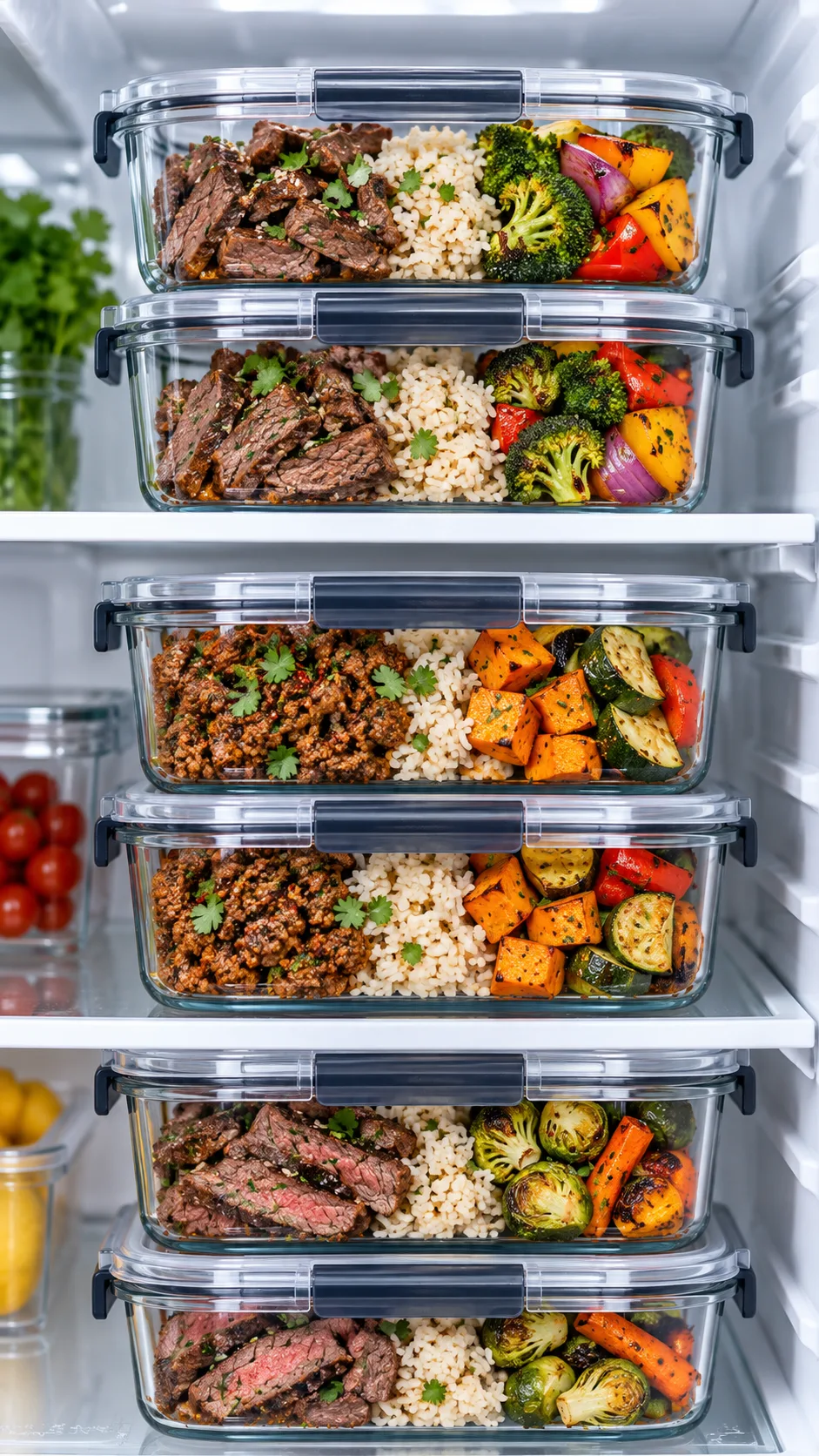
- Cool the meat before sealing: Do not lock hot meat inside plastic or glass containers. Rising steam traps water under the lid, drops moisture over your food, and leaves the meal soggy. Let cooked beef sit on the counter for 30 to 45 minutes, then place containers in the fridge with the lids slightly open before you seal them down.
- Use glass dishes: Plastic containers scratch, pick up beef grease, and release odors when you microwave them. Borosilicate glass dishes with snap lids keep flavors clean and handle repeated dishwasher runs without warping.
- Reheat at half power: Blasting cold beef at full microwave power boils off the moisture inside the meat fibers and creates a rubbery texture. Splash a teaspoon of water or broth over your portion, lay a damp paper towel on top, and heat the dish at 50% power for 2.5 minutes. This approach warms the beef through without overcooking it.
- Freeze your late-week meals: If you cook on Sunday for the entire work week, put your Thursday and Friday portions straight into the freezer. Move them back to the fridge on Tuesday night. They thaw slowly and taste fresh on Thursday afternoon.
Cost management: eating good beef on a budget
Beef costs more than chicken, but smart purchasing keeps your grocery bill manageable.
First, ignore the pre-sliced stew meat and stir-fry trays. Supermarkets charge extra for basic knife work, and those packs often contain tough scraps. Buy a whole chuck roast, top sirloin cap, or flank steak, sharpen your knife, and slice the meat yourself.
Second, pick up ground beef in large three-pound or five-pound tubes. Separate the meat into one-pound bags and freeze the extras. You save several dollars per pound compared to purchasing single shrink-wrapped packages.
Finally, pair beef with secondary proteins like lentils, black beans, or chickpeas. Combining one pound of ground beef with a cup of cooked brown lentils doubles your portions, cuts the cost per meal in half, and adds fiber that stabilizes your appetite.
Weekly prep checklist: 60 minutes to lunch
You do not need to spend half your Sunday sweating over pots and pans. Follow this simple sixty-minute timeline:
- Minutes 0 to 10: Turn on your rice cooker with jasmine rice and wash your vegetables under cold water.
- Minutes 10 to 25: Chop your broccoli, onions, and peppers. Slice your beef cuts against the grain and mix your sauces.
- Minutes 25 to 45: Sear your beef in a hot pan. Cook in batches so the surface stays hot enough to brown the meat.
- Minutes 45 to 55: Cook your vegetables in the remaining pan juices until tender.
- Minutes 55 to 60: Fill your containers, let them cool on the counter, and wash your pans.
One hour on Sunday produces four to five days of filling, protein-rich lunches. You cut restaurant spending, skip junk food cravings, and keep your midday meals satisfying all week long.
