
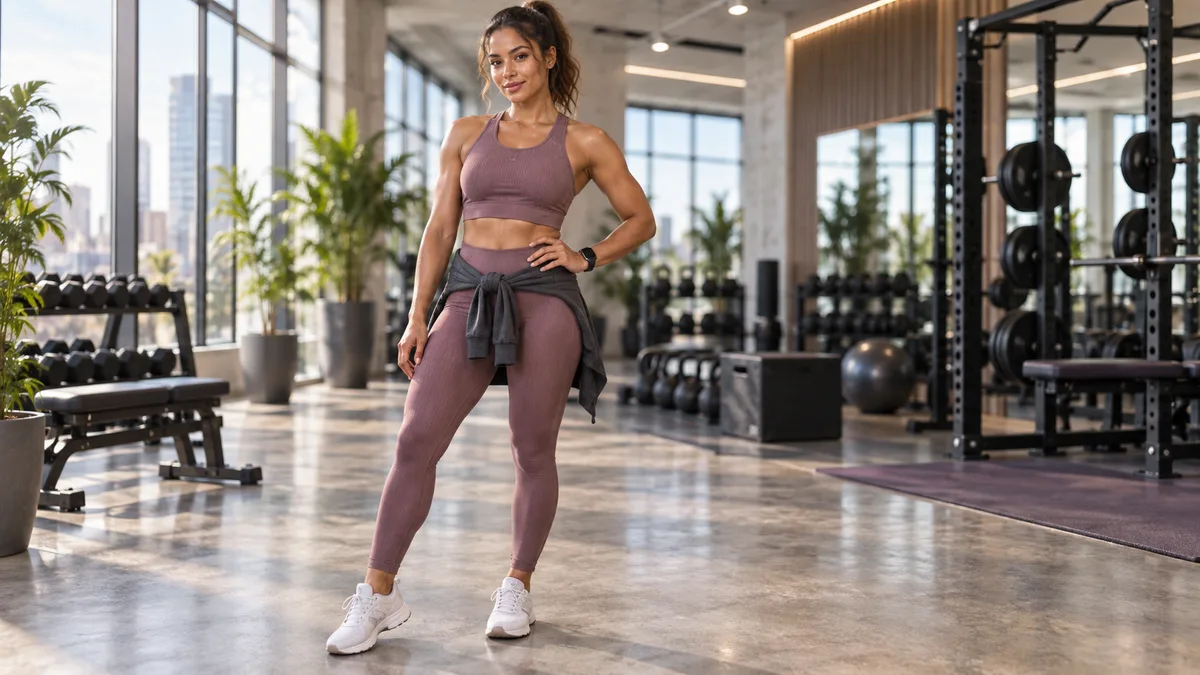
You know that feeling when your outfit is just right and your whole workout shifts because of it? That’s not in your head. What you wear to the gym genuinely affects how you move, how you feel, and whether you even bother showing up. Time to fix your gym wardrobe for good.
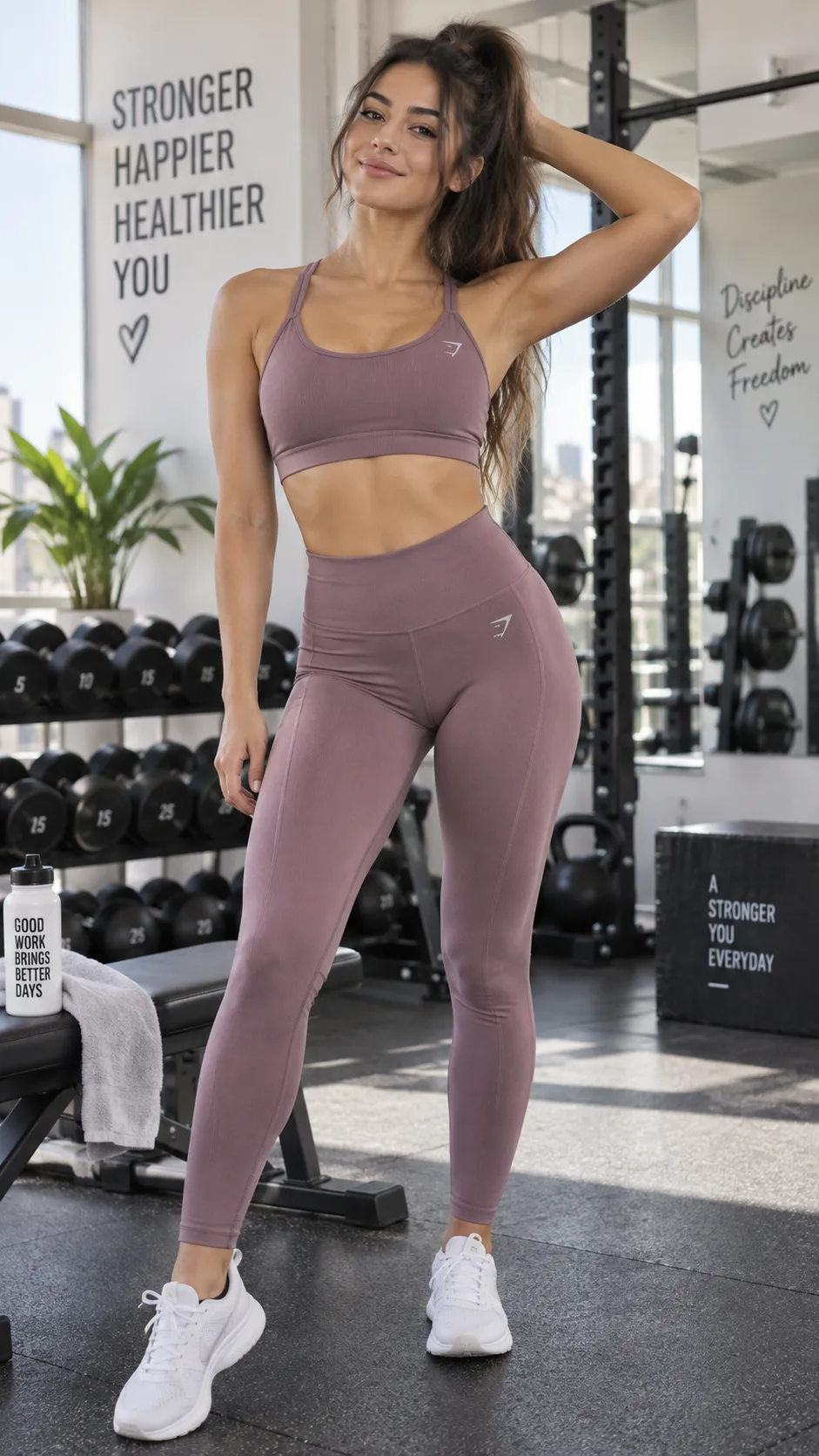
Why your gym outfit matters
Most people skip right past this: performance fabrics exist for a reason. Wearing a cotton t-shirt during a heavy lift means you’re soaking through it by the second set. Wearing ill-fitting leggings during squats means you’re pulling them up every five minutes instead of focusing on form.
Research from ACE Fitness backs this up. Proper athletic wear supports muscle compression, reduces chafe, and improves circulation during exercise. That’s not a marketing claim. It’s physiology.
Beyond function, there’s a psychological angle too. Studies on “enclothed cognition” show that wearing clothes associated with a task sharpens your focus on that task. So yes, putting on a proper gym outfit puts you in a workout mindset. Dress the part, and your brain follows.
The building blocks of a great gym look
Before you build any outfit, you need to understand what pieces do the heavy lifting (pun intended). A great gym wardrobe isn’t about owning everything. It’s about owning the right things.
The sports bra
This is your foundation. Low-impact, medium-impact, and high-impact sports bras are genuinely different products, not just marketing categories. A yoga class calls for something different than a running session. Get at least one of each and match them to your activity.
Look for encapsulation bras for high-impact work (they support each cup individually) and compression-style bras for lower-intensity sessions. Brands like Nike, Lululemon, and Athleta all publish impact ratings on their product pages. Use them.
Leggings vs. shorts
Full-length high-waist leggings work for almost everything: lifting, yoga, HIIT, cycling. They hold you in, cover you fully when you bend, and look polished enough to run errands after. Shorts come into their own for running outdoors and warm-climate cardio, but make sure the inner liner is functional and not decorative.
One pro tip: hold leggings up to the light before you buy. If you can see your hand through them, you’ll see through them when you squat. Opacity matters.
The top
Cropped tanks and fitted long-sleeves are the workhorses here. A moisture-wicking fabric (look for polyester, nylon, or spandex blends, not cotton) keeps you dry and prevents that heavy, soaked feeling mid-session. Racerback cuts give your shoulders full range of motion, which matters more than most people realize for overhead pressing and pulling movements.
Best gym outfit combinations for women
Enough theory. What does a solid gym look really look like? These are the combinations that hold up across real workouts.
For weightlifting and strength training
Weightlifting demands freedom of movement through a full range of motion. You need non-restrictive fits that stay put when you hinge, press, and pull. A solid formula:
- High-waist 7/8 leggings, enough coverage with no bunching at the ankle
- Medium-impact sports bra, enough support without compressing your breathing
- Fitted cropped tank or racerback, tuck-free and stays in place
- Flat-soled training shoes, not running shoes, which have too much heel drop for squats
If you’re doing back exercises at the gym, a racerback top gives you the shoulder mobility you need for rows, pull-downs, and deadlifts. It’s a small detail that makes a real difference when you’re pulling heavy.
For cardio and HIIT
Cardio and HIIT sessions run hot. Prioritize ventilation, support, and zero chafe. A high-impact sports bra is non-negotiable here. Jumping without the right support is a quick route to discomfort. Go with:
- High-impact encapsulation sports bra
- Shorts or biker shorts with a built-in liner
- Lightweight, loose-fitting tank or cropped tee
- Running or cross-training shoes with lateral support
Worth noting: biker shorts under a looser skirt or shorts layer is a trend that solves a real problem. You get coverage, airflow, and zero inner-thigh chafe. Practical and cute.
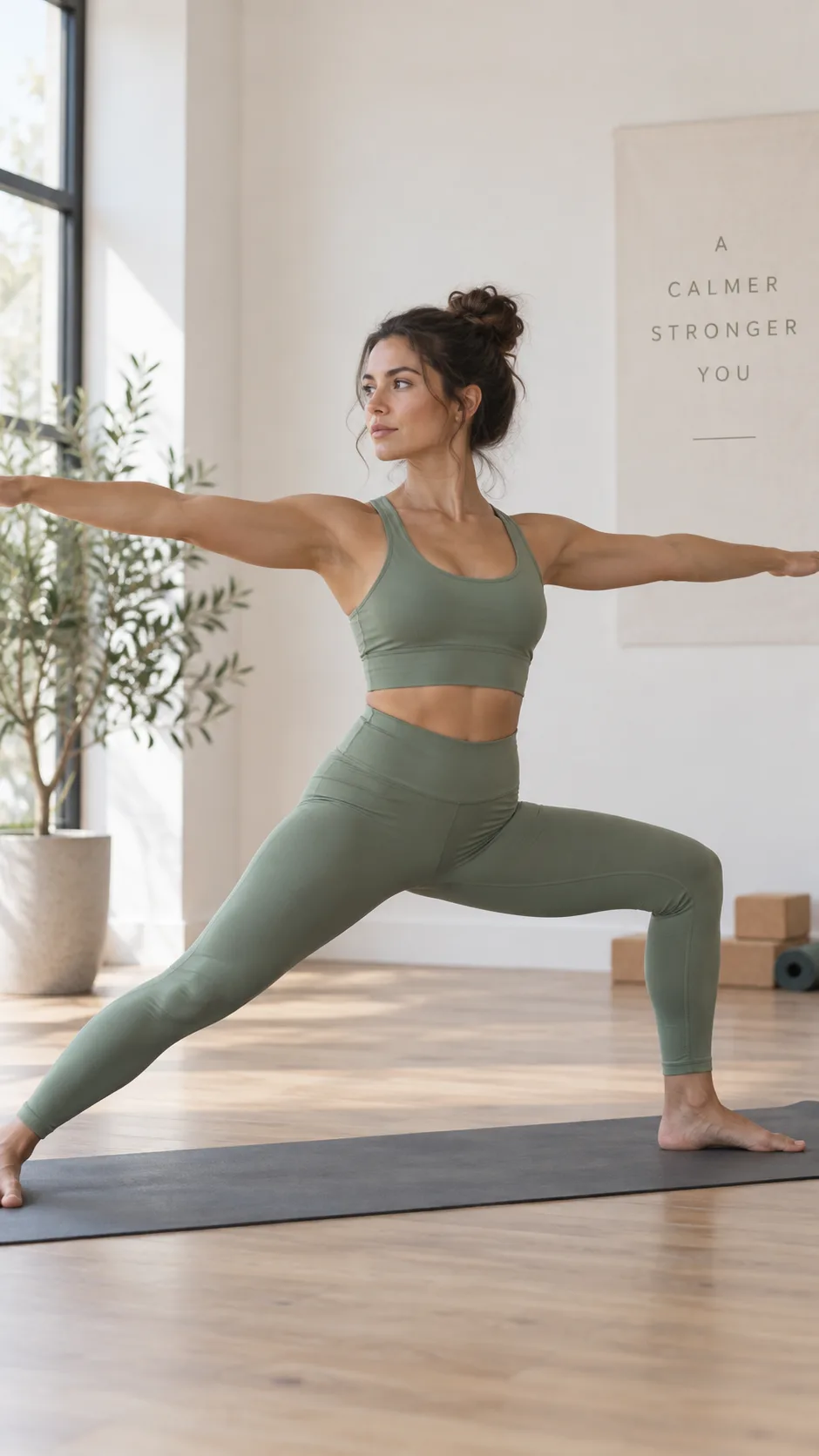
For yoga and Pilates
Yoga calls for a look that stays in place through inversions and holds. You don’t want anything riding up, falling down, or becoming see-through in a downward dog. Stick to:
- Full-length or 7/8 leggings (thick, opaque fabric)
- Low or medium-impact bralette-style sports bra
- Fitted long-sleeve crop top or flowy tank
- Barefoot or grip socks
How to pick fabrics that work for you
Ever wonder why some cheap leggings hold up and others fall apart in three washes? It comes down to the fabric blend. Here’s what the labels mean:
- Nylon-spandex blends: soft, durable, great for leggings and tight-fitting tops. They hold shape over time better than polyester.
- Polyester-spandex blends: the moisture-wicking champion. Dries fast and resists odor better than cotton. Best for cardio and high-sweat sessions.
- Cotton or cotton-blends: comfortable but absorbs sweat like a sponge. Fine for light stretching or yoga, not great for anything intense.
- Bamboo fabrics: soft, naturally antimicrobial, and more sustainable. Showing up in quality athletic wear lines, best for low-to-medium intensity.
Avoid 100% cotton for anything high-intensity. It gets heavy, stays wet, and can cause skin irritation on longer sessions. Check the label before you buy.
Building a gym wardrobe that doesn’t require a second mortgage
An honest take: you do not need to spend $120 on leggings to get a great workout. But you also shouldn’t buy the cheapest option and expect it to last a year of hard use. There’s a middle ground, and it’s where most of us should shop.
Splurge on these
- Sports bras: your chest health is worth it. A well-engineered bra lasts years with proper care.
- Training shoes: cheap shoes cause real problems for joints and posture over time.
- One or two pairs of quality leggings: the difference in durability and performance is real at this price point.
Save on these
- Tanks and tops: Amazon, Target’s All in Motion line, and Old Navy Active all offer solid basics under $25.
- Socks and accessories: grip socks, headbands, and gym bags don’t need a brand name on them.
- Seasonal or trend pieces: if you’re buying a printed set for the aesthetic, go affordable. Trends move fast.
Sites like Nike’s Women’s Training section and SELF’s gym outfit guide regularly update their recommendations with real user testing behind them. Worth bookmarking when you’re shopping around.
The “matching set” debate: worth it or overhyped?
Matching sets have taken over social media for a reason. They look put-together with zero effort. You grab two pieces that already work together, and suddenly you look like you planned your look. That’s the whole appeal.
On the practical side, a matching sports bra and leggings set removes a daily micro-decision and makes getting dressed faster. If the goal is reducing friction between you and the gym, that matters. Do they perform any better? No. Do they make getting ready easier? Genuinely, yes.
My take: owning two or three coordinated sets as the core of your gym wardrobe, then supplementing with separates, is the smartest approach. You always have a “fallback outfit” that looks intentional even when you threw it on in five minutes.
Gym outfit essentials: your core rotation
What does a functional gym wardrobe look like in practice? Here’s a realistic starting point that covers your bases without overcrowding your drawer:
- 3 pairs of leggings: one full-length, one 7/8 or cropped, one shorts option
- 3 sports bras: one low, one medium, one high impact
- 4-5 tops: mix of tanks, fitted tees, and a long sleeve for cooler days
- 2 pairs of training shoes: one for lifting, one for cardio or running
- A gym bag that fits everything: sounds obvious, it isn’t
That’s roughly 12-15 pieces covering every workout scenario you’ll face. You don’t need 30 items in rotation. You need the right 15.
Styling tips to look put-together without trying
Getting ready for the gym shouldn’t feel like a second job. These small tweaks make your outfits look intentional without adding time to your morning:
- Stick to a 2-3 color palette across your gym wardrobe so everything mixes and matches without thinking.
- Tuck just the front of a loose tank into your waistband for a cleaner silhouette.
- Layer a cropped zip-up or hoodie for the commute to the gym, then ditch it when you start warming up.
- Match your shoe color to one element in your outfit because it ties the look together without effort.
- Use a low bun or slick ponytail rather than an elaborate style. It stays put through a whole session.
If you’re building serious strength and need help understanding which exercises to pair with your gym sessions, check out this guide to back workouts for women using weights. It pairs well with the strength training outfit advice above.
What to look for when buying gym clothes online
Buying activewear online is a gamble unless you know what signals to look for. Check these things before you add to cart:
- Fabric composition listed clearly: if the brand doesn’t tell you the blend, skip it.
- Customer photos, not just brand photos: they show how pieces look on real bodies in real lighting.
- Return policy: especially for leggings and sports bras, you need the option to send back what doesn’t fit or doesn’t hold up.
- Size chart with measurements, not just S/M/L: sizing varies wildly across brands.
- Reviews that mention specific activities: “great for yoga” tells you more than “love these.”
The Good Housekeeping guide to women’s workout clothes does solid lab and wear testing if you want a reliable third-party breakdown of specific brands before buying.
Caring for your gym clothes so they last
Here’s something nobody tells you: how you wash your gym clothes matters more than how much you spend on them. Bad washing habits destroy performance fabrics fast.
- Wash in cold water: heat breaks down spandex and elastic fibers.
- Turn inside out before washing: this protects the outer surface and helps remove sweat more effectively.
- Skip the fabric softener: it coats moisture-wicking fibers and kills their performance over time.
- Air dry when possible: tumble drying degrades elastic and shrinks shaped pieces.
- Wash soon after wearing: letting sweat sit sets odors into fabric.
A $40 pair of leggings washed properly will outlast a $100 pair treated carelessly. Simple habits extend the life of your gear by months, sometimes years.
Putting it all together
Great workout outfits for women don’t require a huge wardrobe or a massive budget. They require a small set of well-chosen, well-maintained pieces that match the type of training you do.
Start with a core rotation of three leggings, three sports bras at different impact levels, and four to five tops. Build from there. Choose fabrics intentionally, care for them properly, and match the outfit to the workout. Whether you’re hitting the weights or flowing through yoga, the right gear makes every session easier to start and more effective once you’re in it.
The gym is hard enough. Getting dressed for it shouldn’t be. Build the wardrobe once, maintain it well, and it pays you back in every workout that follows.
