

You don’t need to spend two hours a day, six days a week in the gym to build a physique you’re proud of. That’s a fast track to burnout, not gains. The push pull legs (PPL) workout plan has become one of the most popular training splits for men, and for good reason. It works, it’s efficient, and it won’t make you dread every Monday morning.
I’ve personally run PPL splits for years, and I keep coming back to this framework because it just makes sense. You organize your training around movement patterns instead of arbitrary “chest day” or “arm day” labels. The result? Better recovery, balanced muscle development, and workouts you can finish in under an hour.
Whether you’re a beginner who just graduated from full body routines or an intermediate lifter looking for something structured, this guide lays out everything you need: the science, the schedule, and the actual workouts.
What exactly is a push pull legs split?
The concept sounds almost too simple, and that’s exactly why it works. You divide all your exercises into three categories based on the type of movement you perform:
- Push Day: Chest, shoulders, and triceps. Any exercise where you push weight away from your body.
- Pull Day: Back and biceps. Any exercise where you pull weight toward your body.
- Legs Day: Quads, hamstrings, glutes, and calves. Everything below the belt.
This split creates a natural balance. While your push muscles recover, you train your pull muscles. While both upper body groups recover, you hit legs. It’s like a perfectly timed relay race for your muscle groups. For a deeper breakdown of how PPL programming works, check out our complete PPL split routine for building strength.
Why PPL works so well for building muscle
Optimal training frequency
Research from the Journal of Sports Sciences consistently shows that training each muscle group twice per week produces superior hypertrophy compared to once per week training. A 6-day PPL rotation hits that sweet spot perfectly, because each muscle group gets trained twice every seven days.
But here’s the thing most people miss: you don’t HAVE to run it six days a week. A 3-day PPL rotation (one push, one pull, one legs per week) still delivers solid results, especially for guys with demanding jobs, kids, or, you know, lives outside the gym.
Better recovery than “bro splits”
Ever destroyed your chest on Monday and still felt sore on Thursday? That’s the problem with traditional bodybuilding splits. You annihilate one muscle group with 20+ sets and then don’t touch it again for a week. With PPL, you spread the volume across two sessions, which means less soreness per session and more total weekly stimulus.
Your muscles don’t grow in the gym. They grow during recovery. PPL respects that process instead of fighting it.
Compound movement focus
The PPL structure naturally prioritizes big compound lifts like bench press, rows, squats, and deadlifts. These exercises recruit the most muscle fibers, trigger the greatest hormonal response, and give you the most bang for your time investment. You still add isolation work, but the foundation stays strong.

Choosing your PPL schedule: 3-day vs 6-day
This decision depends on your schedule, recovery capacity, and training experience. Neither option is “wrong.” They just serve different purposes.
The 3-day PPL (beginner or busy schedule)
You train three days per week, rotating through push, pull, and legs. This works brilliantly for beginners or guys who genuinely can’t commit to more sessions. You’ll hit each muscle group once per week with higher volume per session.
Sample weekly layout:
- Monday: Push
- Wednesday: Pull
- Friday: Legs
- Saturday & Sunday: Rest
The 6-day PPL (intermediate or advanced)
This is the classic setup: two full rotations per week. You train each muscle group twice, which maximizes hypertrophy for lifters who can handle the workload. Most guys see their best results with this approach once they’ve built a solid training base.
Sample weekly layout:
- Monday: Push
- Tuesday: Pull
- Wednesday: Legs
- Thursday: Push
- Friday: Pull
- Saturday: Legs
- Sunday: Rest
In my experience, the 6-day split is where the real muscle building happens. But don’t jump into it if you’re only three months into lifting. Earn the volume.
The complete push pull legs workout plan for men
Below you’ll find complete workouts for each training day. I’ve designed these to be finished in 45 to 60 minutes, assuming you rest 60 to 90 seconds between sets for isolation moves and 2 to 3 minutes for heavy compounds. No marathon sessions required.
Push day workout
Your push day targets the chest, anterior delts, and triceps. Start with your heaviest compound movement when you’re freshest, then work toward isolation exercises.
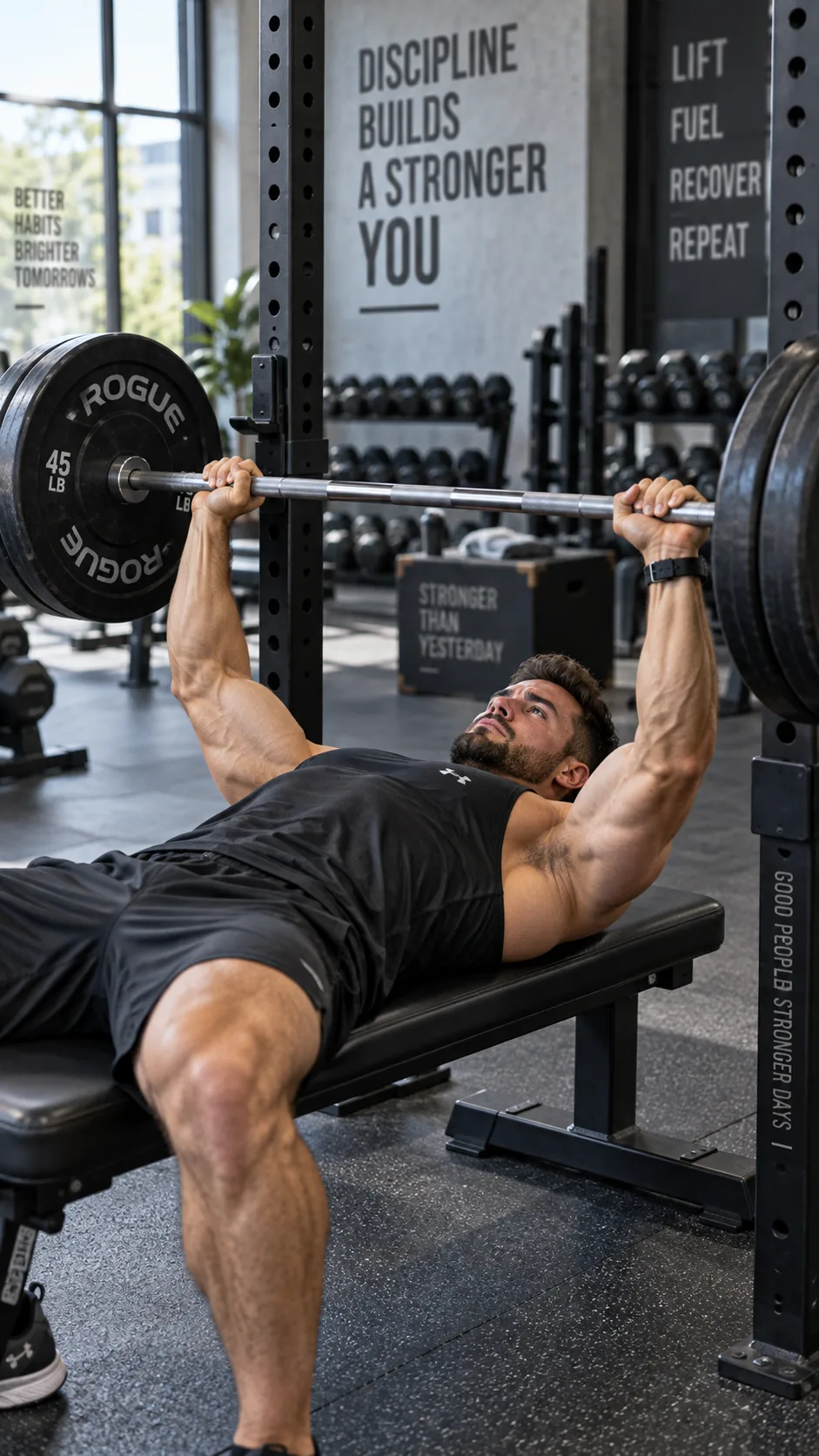
- Barbell Bench Press — 4 sets × 6-8 reps
- Incline Dumbbell Press — 3 sets × 8-10 reps
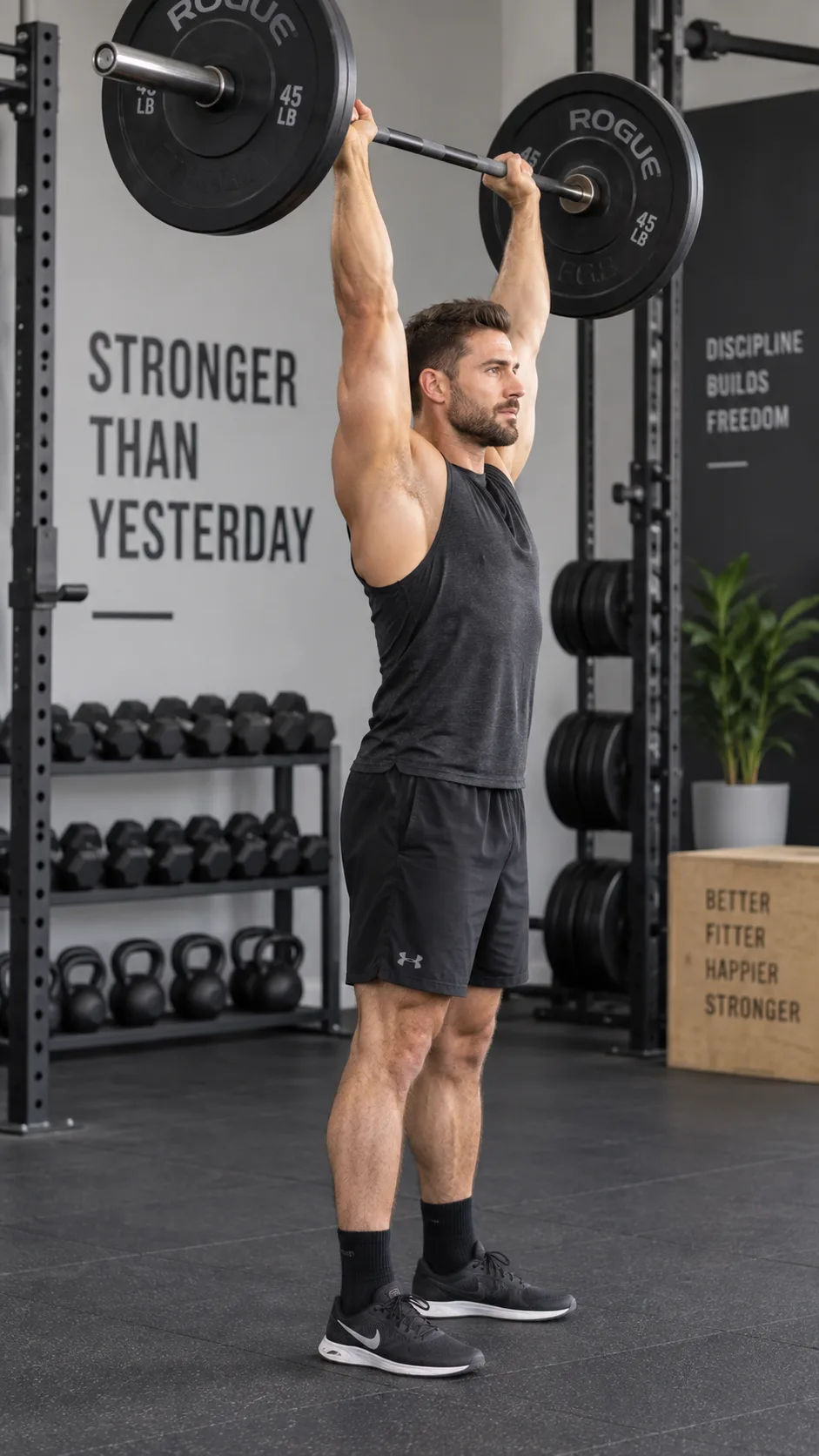
- Overhead Press (Standing or Seated) — 3 sets × 8-10 reps
- Cable Lateral Raises — 3 sets × 12-15 reps
- Tricep Dips or Cable Pushdowns — 3 sets × 10-12 reps
- Overhead Tricep Extension — 2 sets × 12-15 reps
Tip: On your second push day of the week (if running a 6-day split), swap the barbell bench for dumbbell bench and lead with overhead press as your primary compound. This variation prevents overuse injuries and stimulates the muscles differently.
Pull day workout
Pull day covers your entire back, rear delts, and biceps. This session builds the thickness and width that separates someone who lifts from someone who just works out.
- Barbell Rows (or Pendlay Rows) — 4 sets × 6-8 reps
- Lat Pulldowns (or Pull-Ups) — 3 sets × 8-10 reps
- Seated Cable Rows — 3 sets × 10-12 reps
- Face Pulls — 3 sets × 15-20 reps
- Barbell or Dumbbell Curls — 3 sets × 10-12 reps
- Hammer Curls — 2 sets × 12-15 reps
Don’t skip face pulls. Seriously. They balance out all the pressing you do on push day, protect your shoulder health, and build rear delts that make your shoulders look 3D from every angle. They’re the most underrated exercise in any PPL program.
If you want to see how these upper body movements fit into a broader routine, our upper body workout plan guide breaks down pushing and pulling mechanics in more detail.
Legs day workout
Yes, you have to train legs. No, “I play soccer on weekends” doesn’t count. A well developed lower body improves your overall strength, boosts testosterone production, and prevents you from looking like a lightbulb walking around the gym.
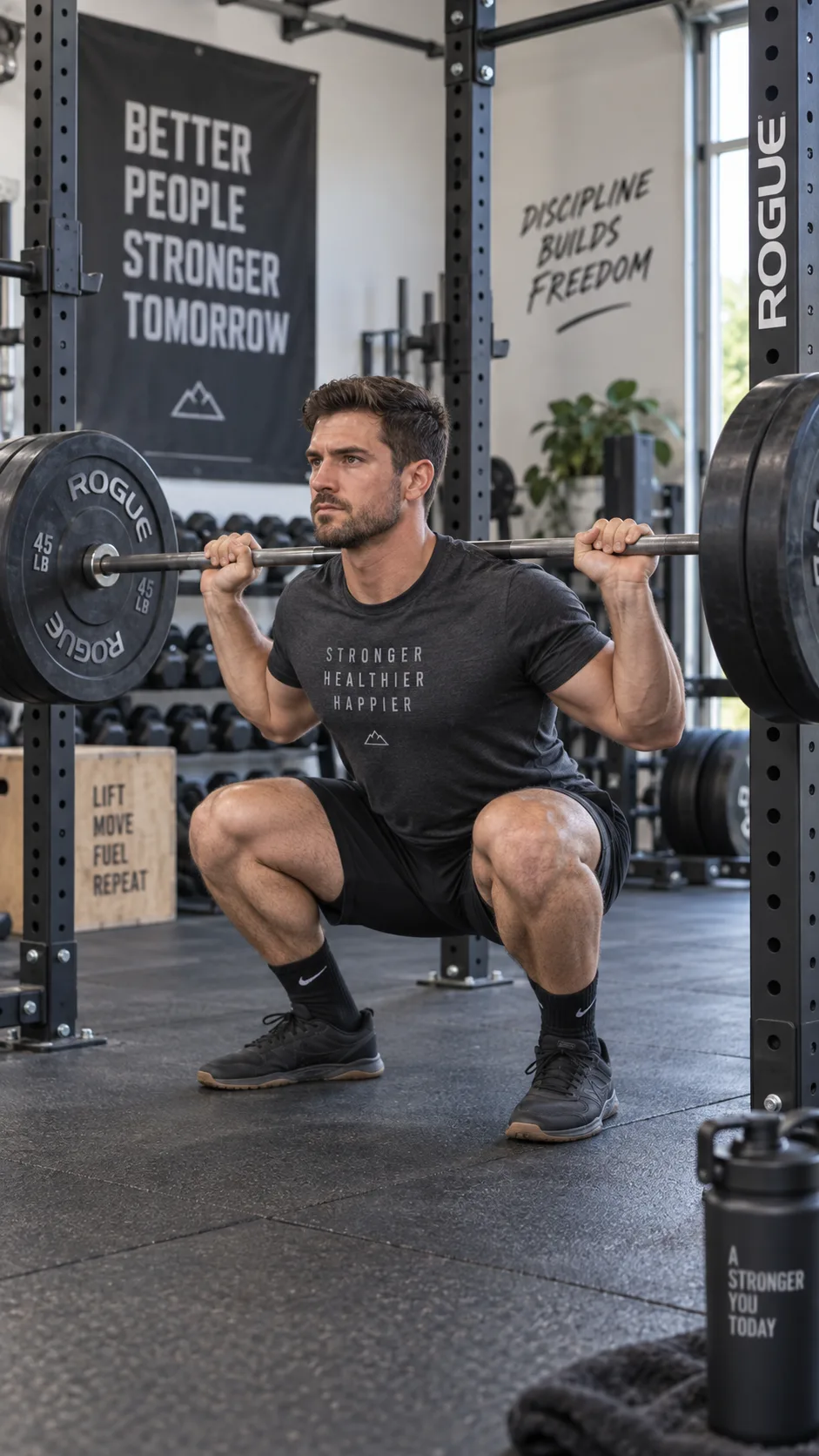
- Barbell Back Squats — 4 sets × 6-8 reps
- Romanian Deadlifts — 3 sets × 8-10 reps
- Leg Press — 3 sets × 10-12 reps
- Walking Lunges — 3 sets × 10-12 reps per leg
- Leg Curls — 3 sets × 12-15 reps
- Standing Calf Raises — 4 sets × 12-15 reps
Pro tip: On your second leg day, lead with Romanian deadlifts or conventional deadlifts instead of squats. This shifts the emphasis from quads to posterior chain (hamstrings and glutes), creating a more balanced lower body over time.
Progressive overload: the non-negotiable rule
Here’s a truth that will save you years of spinning your wheels: the workout plan itself doesn’t build muscle. Progressive overload does. You need to systematically increase the demands you place on your muscles over time. Period.
You can achieve progressive overload several ways:
- Add weight, the classic approach. Add 2.5 to 5 lbs when you hit the top of your rep range.
- Add reps with the same weight before increasing load.
- Add sets to increase total volume incrementally (be careful not to overdo this).
- Improve form by using better range of motion and control with the same weight. That counts as progression too.
Track your workouts in a notebook or an app like Strong. If you’re not tracking, you’re guessing. And guessing doesn’t build muscle. Intention does.
Volume and set recommendations by muscle group
How many sets per week should you aim for? According to Dr. Mike Israetel’s research at Renaissance Periodization, here are evidence-based volume landmarks for hypertrophy:
- Chest: 10-20 sets per week
- Back: 10-20 sets per week
- Shoulders (lateral/rear): 8-16 sets per week
- Quads: 8-18 sets per week
- Hamstrings: 6-16 sets per week
- Biceps: 8-14 sets per week
- Triceps: 6-14 sets per week
- Calves: 8-16 sets per week
The workouts above land right in the middle of these ranges when run as a 6-day split. Start at the lower end if you’re new to this kind of frequency and ramp up over 4 to 6 weeks.
Nutrition: the part most guys get wrong
You can follow the greatest PPL program ever written, but if your nutrition stinks, your results will too. Building muscle requires a caloric surplus (eating more than you burn) and adequate protein. There’s no way around this.
The protein target
Aim for 0.7 to 1 gram of protein per pound of bodyweight daily. A 180-pound man should eat roughly 130 to 180 grams of protein per day. That sounds like a lot until you plan it out. If you need a structured approach to hitting your protein goals, our 130g protein meal plan makes the whole process painless.
Calories for muscle gain
Eat at a surplus of 200 to 400 calories above your maintenance level. This supports muscle growth without excessive fat gain. Use a TDEE calculator to estimate your maintenance calories, then add your surplus on top.
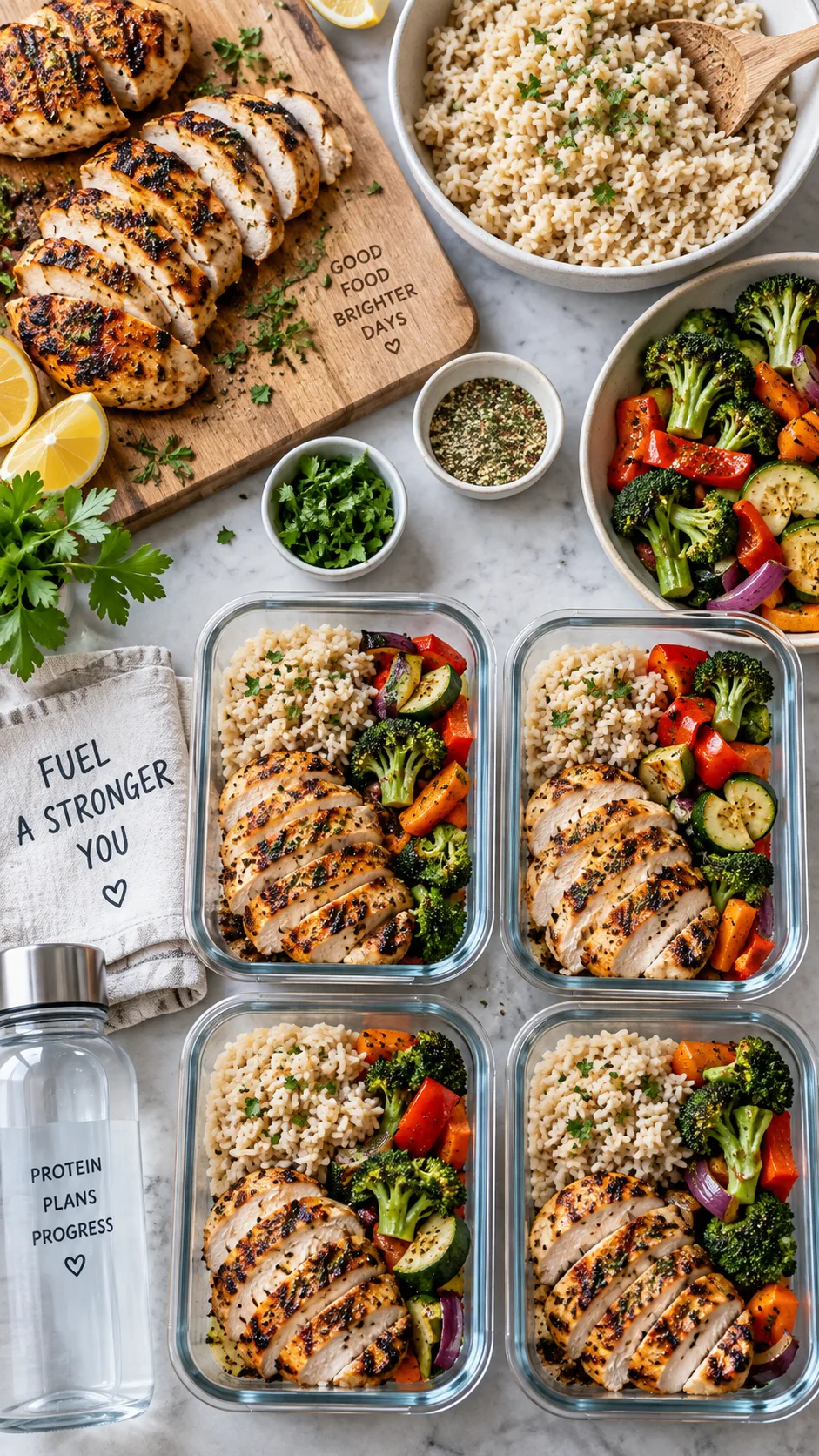
And please, don’t “dirty bulk.” Eating 4,000 calories of pizza and ice cream will just make you fat with slightly bigger arms. Quality food matters. Focus on lean meats, rice, potatoes, eggs, fruits, vegetables, and healthy fats.
Recovery: the third pillar nobody wants to talk about
Training tears your muscles down. Nutrition provides the building blocks. But recovery is where actual growth happens. If you’re sleeping five hours a night and pounding pre-workout to compensate, you’re sabotaging yourself.
Sleep
Get 7 to 9 hours per night. Growth hormone secretion peaks during deep sleep stages. Cutting your sleep short literally cuts your gains short. This isn’t optional. It’s foundational.
Stress management
Chronic stress elevates cortisol, which directly interferes with muscle protein synthesis and promotes fat storage. Find something that helps you decompress: walks, meditation, reading, or just putting your phone down for an hour. Your gains will thank you.
Rest days
Take at least one full rest day per week, even on the 6-day split. Your central nervous system needs time to recover, not just your muscles. If you feel beaten down after 3 to 4 weeks of consistent training, take a deload week where you cut your weights and volume by 40 to 50%.
Common PPL mistakes that kill your progress
I’ve watched guys make these errors for years, and I’ve made most of them myself. Save yourself the trouble:
- Ego lifting on compounds: Bouncing 225 off your chest with your butt flying off the bench does nothing for your chest. Drop the weight, own the rep, feel the muscle work.
- Neglecting pull day intensity: Everyone gets fired up for bench press. Nobody brings the same energy to barbell rows. Your back is the largest muscle group in your upper body. Train it like it matters.
- Skipping leg day (obviously): I shouldn’t have to say this in 2024, but here we are :/
- Too much isolation, not enough compounds: Bicep curls are fun. Barbell rows build biceps AND a massive back. Prioritize compound movements first, always.
- Program hopping: Running a new program every three weeks guarantees mediocre results. Commit to this PPL plan for at least 8 to 12 weeks before switching anything.
How to modify PPL when you only have dumbbells
Don’t have access to barbells? A dumbbell only PPL split works perfectly well. Replace barbell bench with dumbbell bench, barbell rows with single arm dumbbell rows, and barbell squats with goblet squats or Bulgarian split squats. For a full breakdown of dumbbell specific programming, our full body dumbbell workout plan covers every movement pattern you need.
Dumbbells offer some real advantages: greater range of motion, unilateral training to fix muscle imbalances, and more shoulder friendly pressing angles. Don’t think of them as “less than.” They’re a different tool for the same job.
When to expect results (the honest answer)
Here’s the part where I refuse to lie to you. You’re not going to look like Chris Hemsworth in 30 days. Building meaningful muscle takes months and years, not weeks.
That said, here’s a realistic timeline for a natural lifter running a solid PPL program with proper nutrition:
- Weeks 1 to 4: Neurological adaptations. You’ll get stronger because your brain learns to recruit muscle fibers more efficiently. Not much visible change yet.
- Weeks 4 to 12: Noticeable muscle fullness and early hypertrophy. Clothes start fitting differently. People might ask if you’ve been working out.
- Months 3 to 6: Visible, undeniable muscle growth. This is where consistency separates the talkers from the doers.
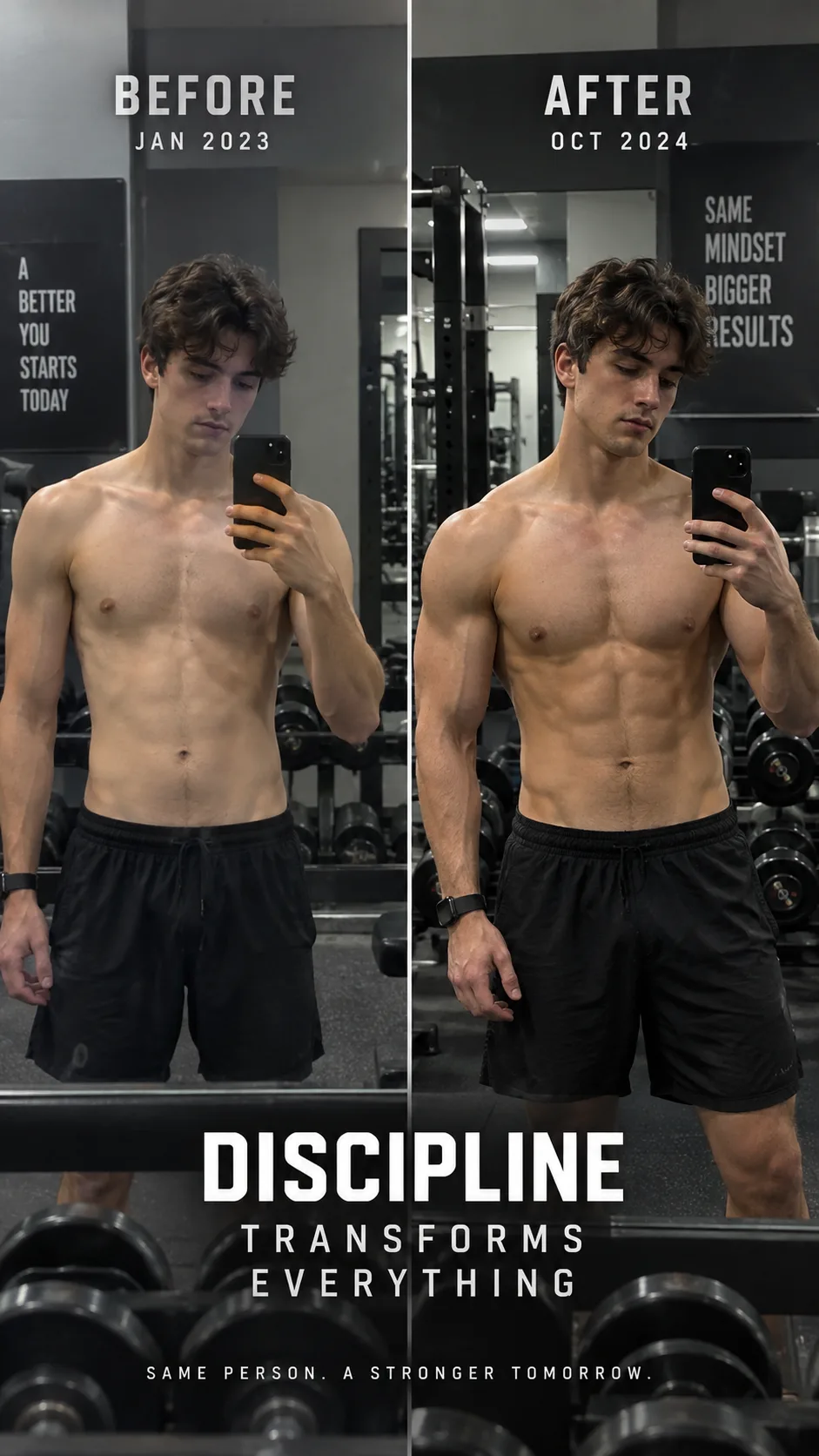
- Months 6 to 12: Significant physique transformation. You’ll genuinely look like a different person if you stayed the course.
The biggest predictor of success isn’t your program, your supplements, or your genetics. It’s showing up consistently, training hard, eating enough protein, and sleeping well, week after week after week.
Final thoughts: keep it simple, keep showing up
The push pull legs workout plan remains one of the most effective, time efficient, and sustainable training splits for men who want to build muscle without turning the gym into a full time job. It organizes your training logically, prioritizes recovery, and scales from three to six days per week depending on your schedule.
Pick your frequency. Follow the workouts above. Track your lifts. Eat enough protein. Sleep like it’s part of your training plan, because it is. Do those things consistently for six months, and you’ll build more muscle than 90% of the people who spend years bouncing between programs and wondering why nothing works.
The best program is the one you’ll actually stick to. And PPL? It’s pretty damn easy to stick to. Now stop reading and go train.
