
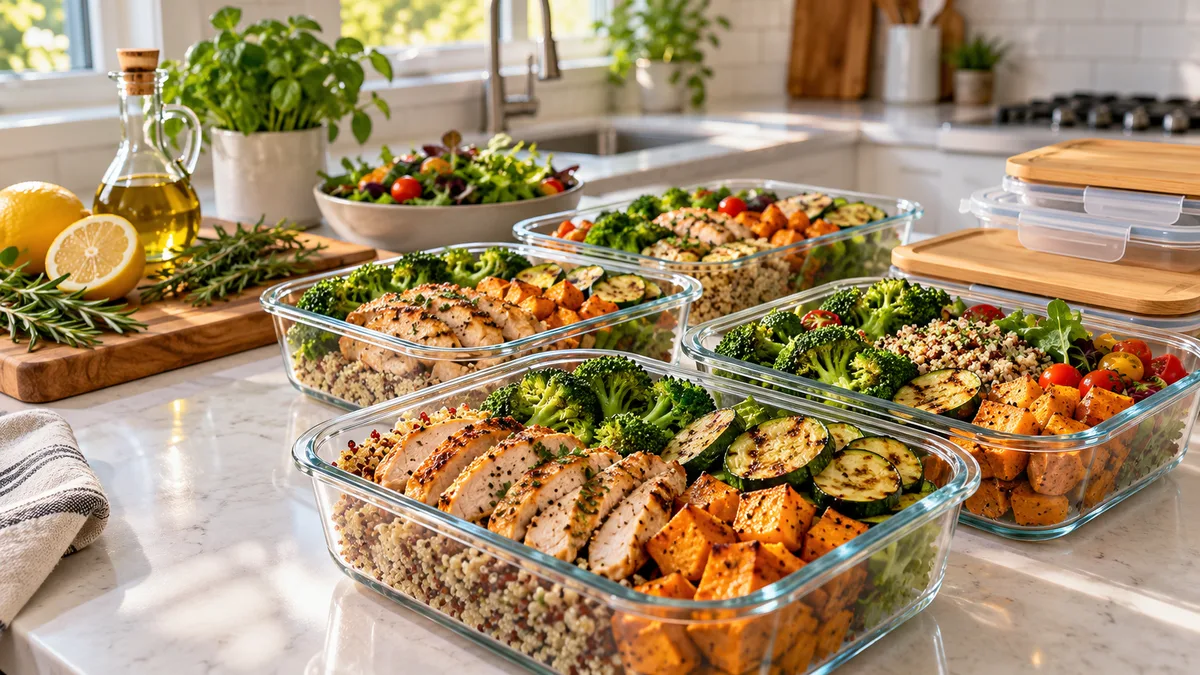
You stand in front of your open refrigerator at 8:45 PM on a Tuesday. Your stomach growls like an angry badger, and your kitchen counter holds exactly one sad celery stalk and a single string cheese. You want pizza. In fact, you would fight someone in the street for a warm loaf of garlic bread. We have all stood in those exact socks, questioning every life choice that led us to an aggressive diet.
Most diet plans fail because they ask you to starve like a medieval peasant while working a corporate desk job. They hand you a sad 1,200-calorie blueprint built around boiled chicken breasts, limp asparagus, dry broccoli, and tiny portion cups that mock your human appetite. Who can survive on that without throwing a temper tantrum by Wednesday afternoon?
Here is the good news: you do not need tiny portions to lose weight. You simply need to understand the physics of stomach stretch receptors, protein leverage, and simple bulk cooking. In this guide, you will learn how to build an entire week of satisfying meals that slash your calories, satisfy your appetite, and take under 90 minutes on Sunday.
The science of satiety: why typical calorie deficits make you miserable
Why do you feel so ravenous on standard diets? The answer comes down to energy density instead of physical food weight. Your stomach contains mechanical stretch receptors called mechanoreceptors. These nerve endings send fullness signals to your brain only when food physically expands your stomach walls.
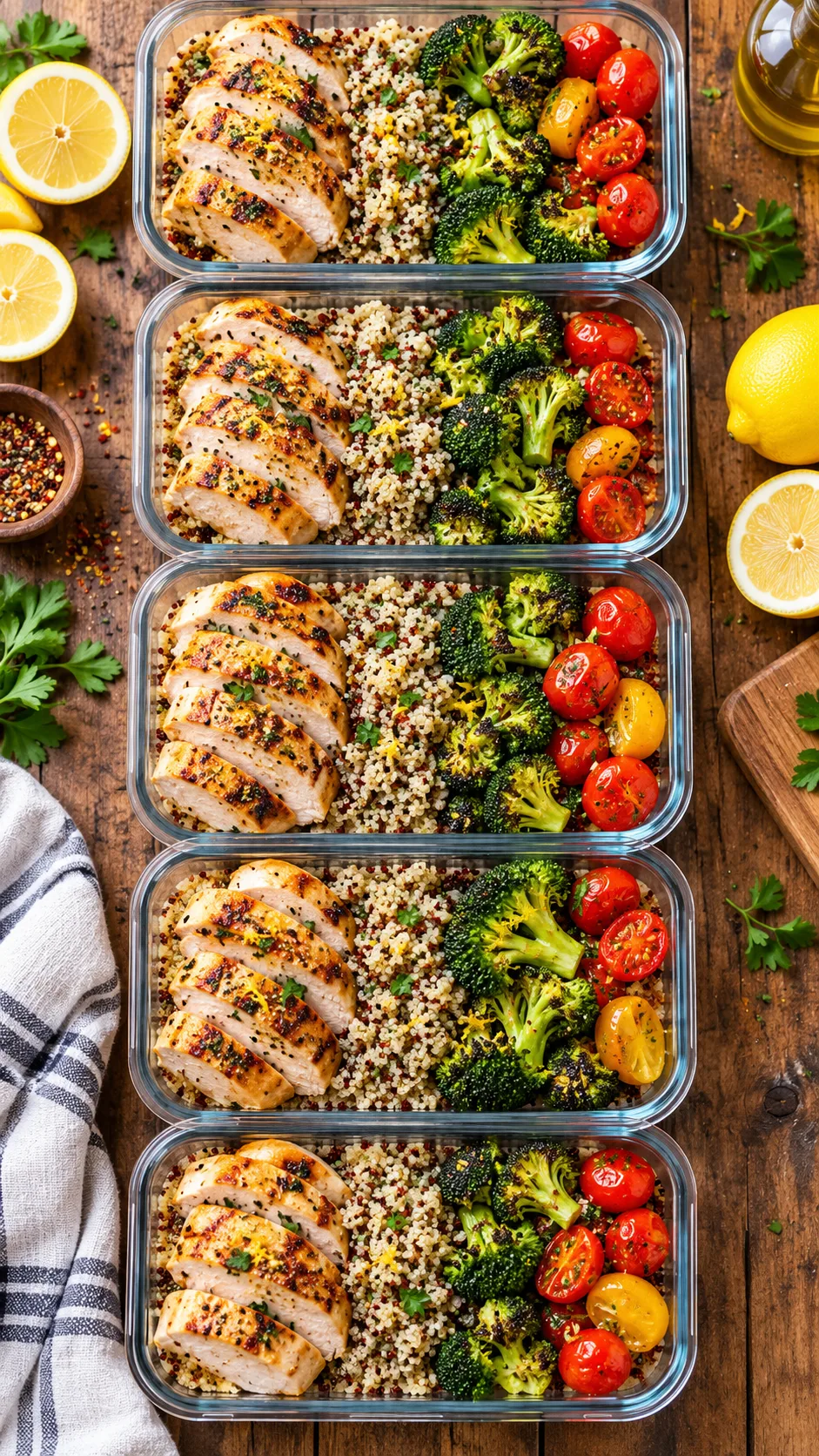
If you eat a 400-calorie blueberry muffin, that dense pastry sits at the bottom of your stomach like a small tennis ball. Your mechanoreceptors stay completely silent. Meanwhile, 400 calories of roasted zucchini, seasoned lean poultry, and cauliflower mash fills your stomach to the brim. The Centers for Disease Control and Prevention (CDC) calls this dietary energy density management: eating a greater volume of food while consuming fewer total calories.
Protein also rules over other macronutrients when it comes to controlling hunger cues. It triggers the release of peptide YY (PYY) and glucagon-like peptide 1 (GLP-1), two potent hormones that suppress appetite for hours. At the same time, protein lowers ghrelin, your body’s main hunger hormone. When you combine high-volume fiber with solid protein, you beat midnight snack cravings before they start.
Crash dieters constantly look exhausted for a simple reason: they slash their food volume in half, which sounds primal starvation alarms in the brain. You can bypass this hormonal panic completely by using low-calorie, high-volume foods that tell your brain you just ate a feast.
The 50/30/20 lazy-volume formula
Forget complex spreadsheets and tedious macro calculators. When you assemble your meal prep containers for a calorie deficit, use this visual framework to guarantee massive volume without calorie bloat:
- 50% non-starchy vegetables: Zucchini, broccoli, cauliflower, cabbage, spinach, bell peppers, green beans, and mushrooms. These foods stretch your stomach for minimal calories.
- 30% lean protein: Chicken breast, 93/7 or 99/1 ground turkey, extra-lean ground beef, egg whites, shrimp, tofu, and non-fat plain Greek yogurt. Aim for at least 30 to 40 grams of protein per container.
- 20% smart starches and flavor fats: Sweet potatoes, red potatoes, black beans, quinoa, avocado slices, and light olive oil dressings. This portion gives your brain steady glucose and great mouthfeel.
If you want high-protein comfort foods, explore our complete guide to calorie deficit meal prep for detailed nutritional breakdowns. This exact ratio in your containers keeps your lunch under 450 calories while yielding nearly a pound of food. You read that correctly: a full pound of food.
The 75-minute Sunday blueprint: cook once, eat all week
Nobody wants to spend Sunday afternoon scrubbing pans. Complicated recipes with dozens of steps lead straight to kitchen burnout. Instead, streamline your prep with the batch-and-assemble method. You avoid cooking separate gourmet meals; you simply roast ingredients on wide sheet pans and assemble them like a high-speed salad bar.
Grab two large baking sheets, a sharp chef’s knife, and your containers. Set a kitchen timer for 75 minutes, put on your favorite podcast, and execute these four steps.
Step 1: The sheet pan vegetable blitz (minutes 0 to 25)
Preheat your oven to 425°F (220°C). Chop three heads of broccoli, four medium zucchini, and three bell peppers into bite-sized pieces. Spread them across your largest baking sheet lined with parchment paper. Spray them lightly with avocado oil (a quick two-second spray adds barely 15 calories), and sprinkle generously with garlic powder, smoked paprika, sea salt, and black pepper. Roast for 25 minutes until the edges turn crispy and golden brown.
Step 2: Quick starch prep (minutes 25 to 40)
Skip boiling potatoes on the stove. Wash five small yellow potatoes, poke holes in them with a fork, and microwave them on high for 7 minutes until tender. If you prefer rice, load your rice cooker with one cup of dry jasmine rice and one cup of low-sodium chicken bone broth for deeper flavor and extra protein. Once finished, dice the potatoes and split them evenly across your prep containers.
Step 3: Lean protein cooking (minutes 40 to 60)
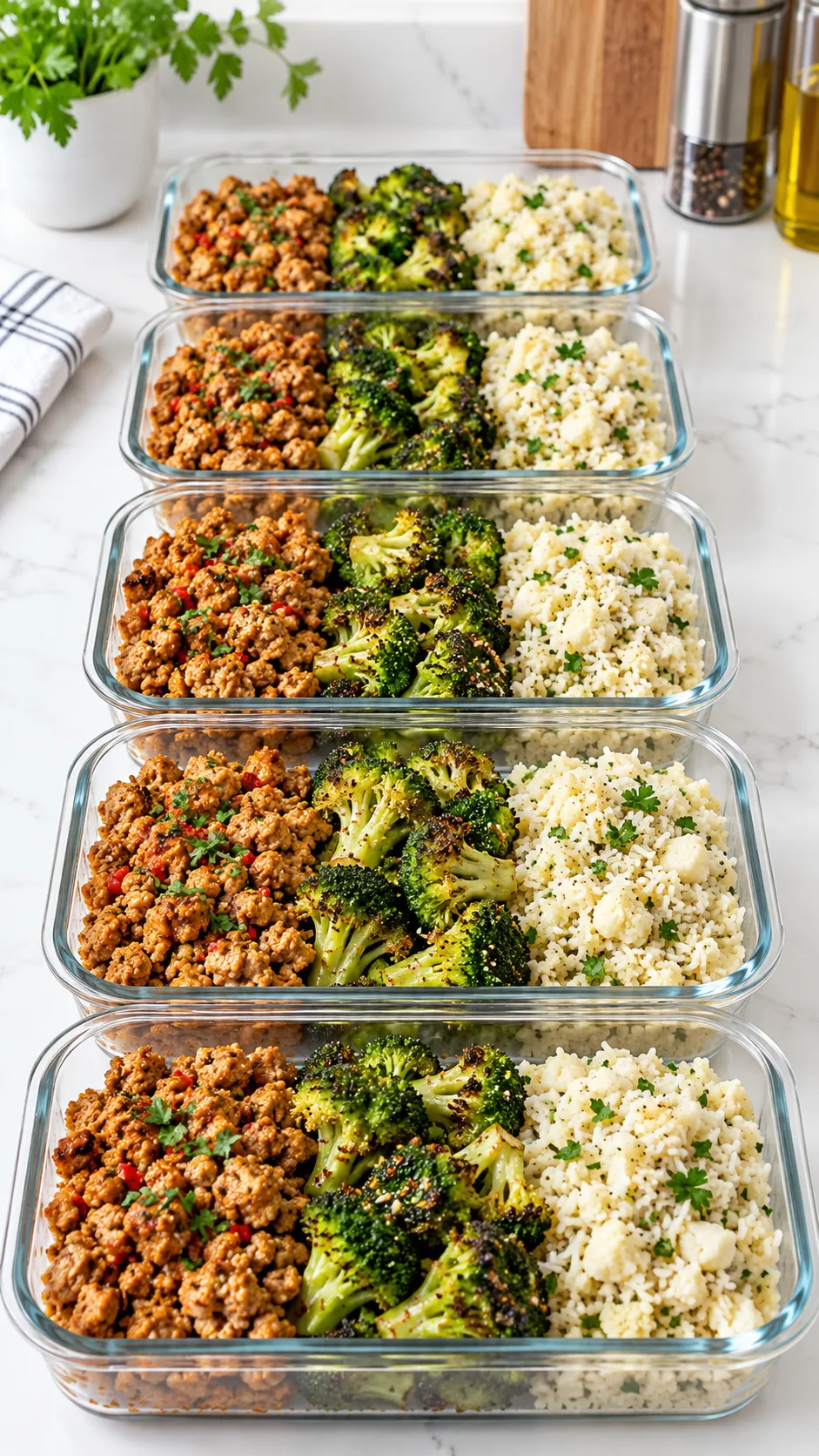
Heat a wide nonstick skillet over medium-high heat. Drop in two pounds of lean ground turkey or ground chicken. Brown the meat and break it apart with a wooden spatula. Add a packet of low-sodium taco seasoning or mix your own blend of cumin, onion powder, chili powder, and oregano. For more ways to cook this cheap protein base, check out our guide on ground turkey meal prep. Once the meat finishes browning, remove the skillet from the heat.
Step 4: The 50/50 volume rice blend (minutes 60 to 75)
Use our most reliable volume trick: microwave a bag of frozen riced cauliflower for four minutes. Dump the hot cauliflower rice straight into your cooked jasmine rice and fold them together. You just doubled your carbohydrate volume while cutting the calories per cup in half. Your mouth perceives the comforting texture of real rice, while your stomach gets the light caloric load of a vegetable. Divide the hybrid rice, roasted vegetables, and seasoned meat across five airtight glass containers.
The 5-day meal plan that keeps you full
What does a full day of eating look like with this formula? You do not need to survive on black coffee and hope. Here is a realistic daily routine totaling roughly 1,550 to 1,650 calories with over 140 grams of muscle-preserving protein.
-
Breakfast: high-protein whipped berry oatmeal (380 calories | 34g protein)
Cook 1/2 cup of rolled oats in 1 cup of unsweetened almond milk. Whisk in one scoop of vanilla whey or casein protein powder right as the oatmeal finishes cooking. Top with 1/2 cup of fresh blueberries and 2 tablespoons of liquid egg whites (stirred in during cooking for thick, creamy volume). This warm bowl keeps you satisfied until noon. -
Lunch: mega-volume turkey fiesta bowl (440 calories | 42g protein)
Grab one of your Sunday prep containers. Reheat your 50/50 cauliflower jasmine rice, spiced ground turkey, and charred bell peppers. Top with two tablespoons of salsa and one tablespoon of light sour cream. If you need more midday ideas, browse through these fresh meal prep lunch ideas to ditch overpriced takeout salads. -
Afternoon snack: Greek yogurt crunch bowl (210 calories | 22g protein)
Mix 3/4 cup of non-fat Greek yogurt with a pinch of cinnamon and zero-calorie monk fruit sweetener. Add sliced strawberries and 10 grams of chopped almonds. This quick snack knocks out afternoon sweet cravings before you leave your desk. -
Dinner: crispy air-fryer chicken with roasted vegetables (480 calories | 46g protein)
Season 6 ounces of chicken tenderloins with Italian herbs and garlic salt. Air-fry at 390°F for 10 minutes until crisp and juicy. Pair the chicken with your prepped roasted broccoli and diced yellow potatoes, then sprinkle nutritional yeast over the top for a savory kick without heavy cheese calories.
Notice how much chewing that day requires? That detail matters. High-fiber whole foods require heavy chewing, which naturally slows your pace. Slower eating gives your brain the 20 minutes it takes to register fullness signals, as researchers at Harvard T.H. Chan School of Public Health point out.
High-volume tricks: double your portions without extra calories
Imagine doubling your food volume without sending your calorie tracker into a panic. You can do this easily once you learn how kitchen fillers work. Smart volume eaters rely on vegetables that absorb sauces and take on the flavors of surrounding ingredients.
Consider cremini mushrooms. Sliced mushrooms contain just 15 calories per cup. When you brown mushrooms with ground beef, they soak up the beef juices and seasonings like tiny sponges. Chop them fine and replace 30% of your ground meat with sautéed mushrooms. You will cut hundreds of calories from your weekly prep, save cash at the grocery store, and nobody at your dinner table will notice the difference.
Here are our favorite low-calorie volume expanders to keep in your pantry:
- Shredded green and red cabbage: Sauté shredded cabbage directly into stir-fries and taco fillings. It adds satisfying crunch and mild sweetness for just 22 calories per cup.
- Zucchini ribbons: Shave zucchini into thin ribbons with a vegetable peeler. Toss them straight into warm marinara sauce right before you serve your meal.
- Bone broth for pan deglazing: Instead of splashing two tablespoons of cooking oil (240 pure fat calories) into your pan to prevent sticking, pour in two tablespoons of rich chicken bone broth (10 calories). You get great flavor without the fat bomb.
- Spaghetti squash: Roast half a spaghetti squash on Sunday. Scrape the warm strands into your pasta dishes to double your portion size without heavy flour noodles.
Big flavor without the calorie trap: spices and sauces
Many diet meals taste like dry cardboard because people assume healthy cooking must stay bland. Dieters quit after four days of joyless chewing. Worse, when cravings finally hit, they pour creamy store-bought dressings that dump 250 hidden calories over their plate.
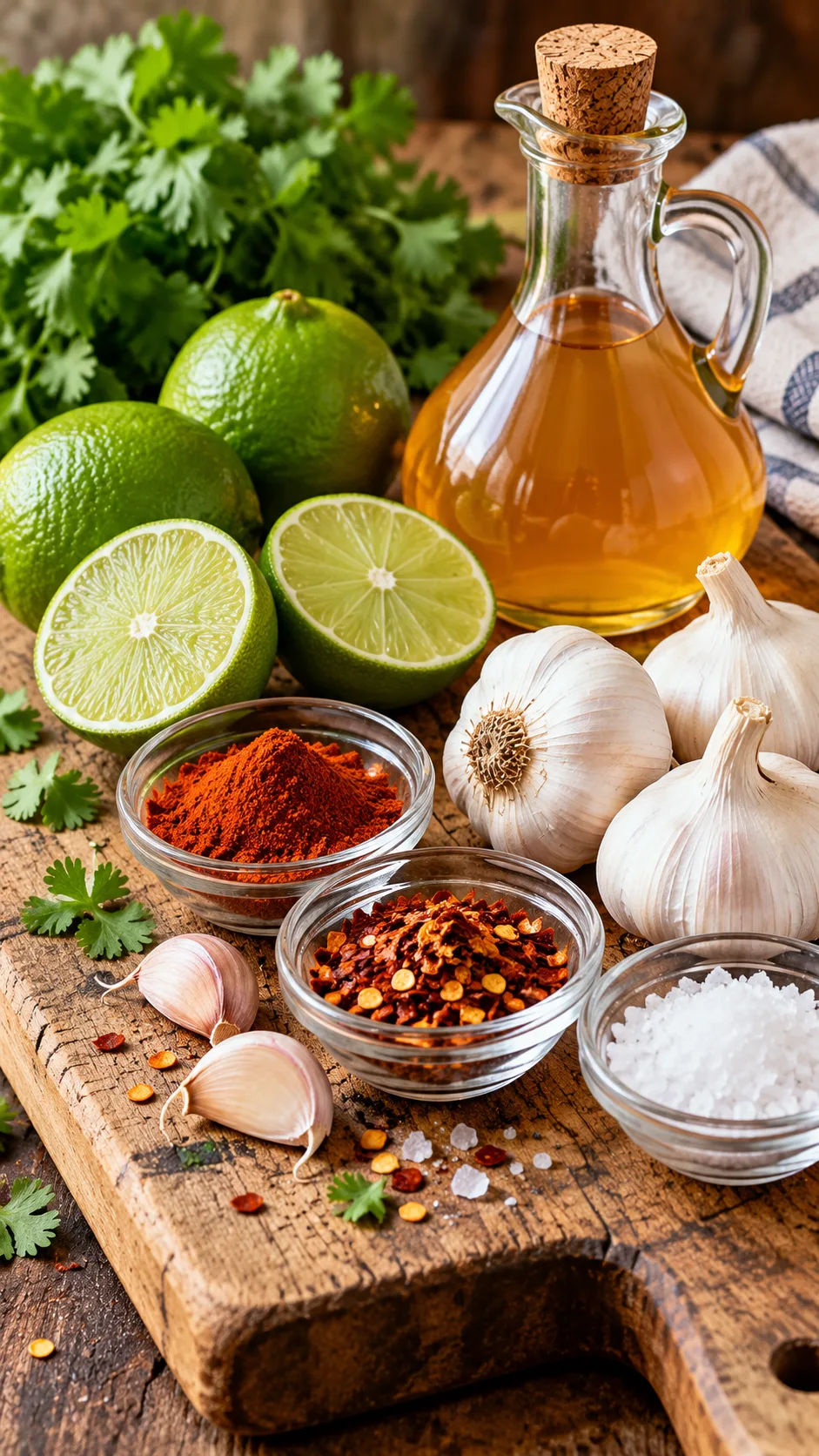
Stop wrecking your deficit with heavy oils. Instead, pack your spice rack with bold seasonings. Your palate naturally craves acidity, salt, umami, and heat. Hit those sensory targets, and your brain stops begging for melted cheese.
Stock up on rice vinegar, apple cider vinegar, and fresh limes. Acid cuts straight through the dryness of reheated chicken. Keep hot sauces, sriracha, and smoked chipotle powder on hand. A study from the National Institutes of Health (NIH) suggests that capsaicin (the compound that gives chili peppers their heat) can subtly boost fat oxidation and moderate appetite swings.
Mix our favorite universal lazy deficit dressing directly inside your prep containers:
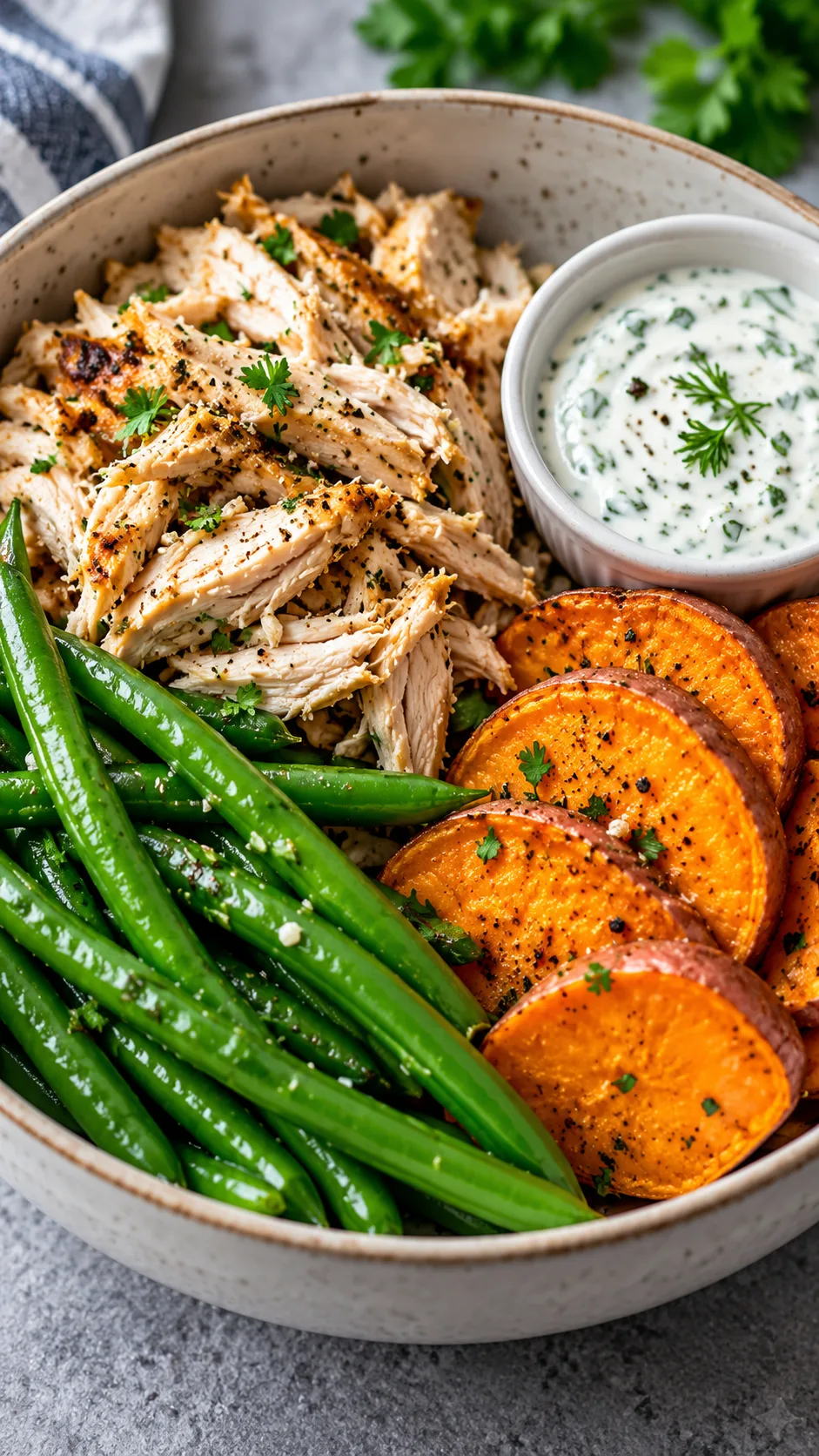
Whisk 1/2 cup of non-fat Greek yogurt, 1 tablespoon of Dijon mustard, 2 tablespoons of fresh lemon juice, 1 minced garlic clove, a pinch of dill, salt, and black pepper. This sauce delivers over 12 grams of protein and carries barely 80 calories. Pour it over greens, hot potatoes, or shredded chicken without second thoughts.
Storage and reheating tactics: avoid rubbery chicken
Few things kill weight loss motivation faster than chewing through dry, rubbery chicken breast on a cold Thursday afternoon. Meal prep failure rarely comes from weak willpower; poor food storage usually causes it. Follow these steps to keep meals tasting fresh on day five.
First, buy high-borosilicate glass prep containers with snap-lock lids. Plastic containers soak up odors, turn orange from tomato sauce, and heat unevenly in office microwaves. Glass containers heat food evenly, keep vegetables crisp, and last for years without trapping grease.
Second, never reheat your meals with the lid completely off. Lay a damp paper towel over the container before running the microwave. The trapped steam rehydrates your chicken and fluffs your cauliflower rice blend. Microwave at 70% power for two minutes instead of blasting 100% power for sixty seconds. That single adjustment protects meat juices and prevents that awful rubbery texture.
Third, keep sauces separate until you eat. Liquid turns crisp vegetables into soggy mush. If you pour dressing over roasted broccoli on Sunday night, you will eat sulfurous paste by Wednesday. Pack sauces in small 1-ounce silicone cups and pour them on only after reheating.
Three calorie deficit meal prep traps to avoid
Even experienced cooks make preventable mistakes during weekly prep. Protect your deficit by avoiding these three common errors:
- Eyeballing cooking oils: You pick up the olive oil bottle and give the skillet a quick pour. That brief tilt often dumps three tablespoons: an extra 360 hidden calories. Use a measuring spoon or an oil mister so you know your exact intake.
- Prepping single-note flavors: Do not season five identical containers with lemon pepper chicken and expect to stay sane by Thursday. Keep your bulk protein base neutral, then switch up the seasonings: taco spices on two bowls, curry powder on another, and garlic herb on the rest. Variety prevents diet boredom.
- Cutting carbs to zero: Eliminating every starch causes glycogen depletion, brain fog, and fierce evening sugar cravings. Keep slow-digesting starches like red potatoes and black beans in your 20% plate zone to fuel workouts and keep your energy steady.
Frequently asked questions about calorie deficit meal prep
How long can I safely store prepped meals in the fridge?
Cooked poultry, lean beef, and roasted vegetables stay fresh for three to four days if you keep your fridge at or below 40°F (4°C). If you prep for all five workdays, slide Wednesday through Friday’s meals into the freezer as soon as they cool on Sunday. Move them back to the fridge 24 hours before you eat them, and they will thaw evenly.
Can I meal prep if I hate eating the same thing every day?
Yes. Use a buffet prep method instead of boxing individual bowls. Roast two proteins (such as ground turkey and flank steak) alongside two vegetables on Sunday. Store them in separate large glass dishes. Each night, combine different portions with hot sauce, low-carb wraps, or baked potatoes. You get daily variety while still cooking only once.
What if I feel hungry two hours after lunch?
When genuine hunger hits that fast, you almost certainly missed your protein or fiber target. Check your portions. Did you hit 35 grams of protein and 8 grams of fiber? If not, pack a cup of raw baby spinach and three extra ounces of chicken breast in your container tomorrow.
Stop starving and start prepping
Sustained fat loss requires consistency rather than heroic suffering. When you stock your week with prepped meals packed with lean protein, fiber, and smart volume expanders, you quiet the hunger alarms that sabotage most diets. You also save five hours of cooking every week, eliminate daily decision fatigue, and skip expensive emergency takeout.
Do not order another greasy delivery bag out of desperation this week. Pull out two baking sheets, buy simple high-volume ingredients, and spend 75 minutes setting up your week. Fill your fridge with food that satisfies your appetite, and enjoy how simple fat loss feels when you stay completely full.
