
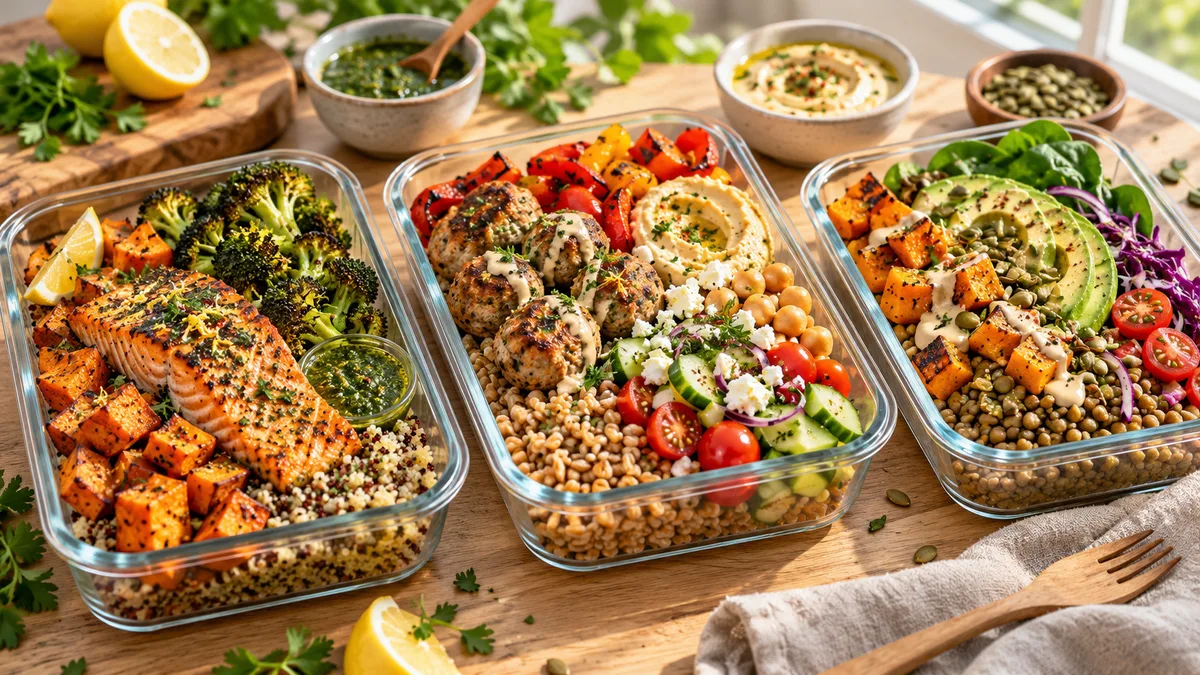
You know that heavy 2:15 PM slump. Your eyelids turn to lead, your focus dissolves, and suddenly that stale donut in the breakroom looks like an award-winning pastry. You ate lunch ninety minutes ago, yet your stomach rumbles anyway.
You probably tried to do the responsible thing. You packed a plastic container with dry, unseasoned chicken breast, steamed broccoli, and half a cup of cold brown rice. You chewed through rubbery poultry with pure discipline, and you received nothing in return: zero fullness, zero enjoyment, and an immediate craving for potato chips.
I lived that dry chicken routine for two years during my early office days. I blamed my willpower, but human biology explains the crash. Your lunch failed because it lacked the macronutrient balance that stabilizes blood sugar and triggers fullness hormones. Put an end to miserable chicken preps and build weekday lunches that keep you fueled until dinner.
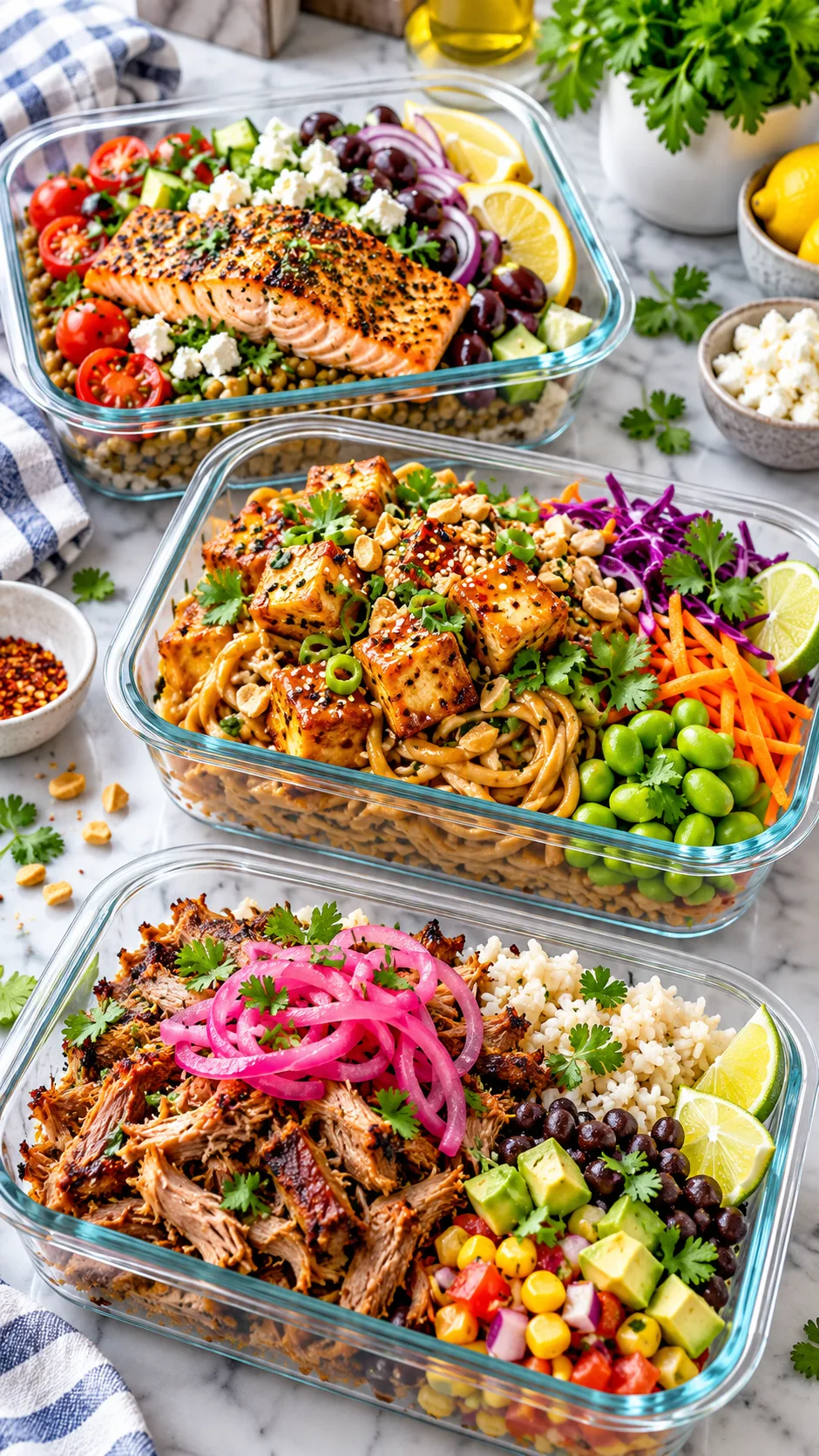
Why your current lunch leaves you starving by 1:47 PM
A massive salad or a standard deli sandwich leaves you ravenous before your afternoon meeting starts because of rapid gastric emptying and blood sugar spikes.
When you eat a lunch loaded with refined carbohydrates or plain greens without enough fat and fiber, your digestive tract converts those carbs into glucose in minutes. Your pancreas pumps insulin into your bloodstream to clear that sugar. That sudden insulin spike crashes your blood glucose levels below baseline, triggering an emergency release of ghrelin, your primary hunger hormone. Your brain demands fast fuel, even if you just ate 600 calories.
Plain boiled chicken breast creates its own problem. Lean protein triggers peptide YY (a hormone that creates satiety), but pure lean protein without dietary fat leaves the stomach remarkably fast. Research from the Harvard T.H. Chan School of Public Health shows that the source and package of your protein, specifically when combined with complex fats and plant fiber, regulates long-term metabolic fullness far better than isolated lean protein alone.
If you want steady stamina that carries you past 2:00 PM without brain fog, build your meals around three core components:
- 30 to 40 grams of bioavailable protein: This amount stimulates muscle protein synthesis and keeps ghrelin down for four to five hours.
- 8 to 12 grams of soluble fiber: Fiber forms a gel matrix in your gut, slowing carbohydrate digestion and feeding beneficial fatty acids in your microbiome.
- 12 to 20 grams of healthy fats: Fats trigger cholecystokinin (CCK), a hormone that signals your vagus nerve to turn off physical hunger cues.
Miss any of these components, and your appetite catches up to you before mid-afternoon. Life is far too short to spend your workdays daydreaming about vending machine candy bars.
The 5 non-negotiable rules for lunches that last
Before you cook, memorize these five rules. These habits ensure your meal preps stay fresh for four days in the fridge and taste great on Thursday afternoon.
- Ditch monotonous textures: Soft food sends weak satisfaction signals to your brain. Mix creamy elements with distinct crunch: add toasted pumpkin seeds, crisp pickled onions, or roasted cabbage wedges.
- Use real culinary acids: Lemon juice, apple cider vinegar, and fermented pickles cut through heavy fats and wake up refrigerated food without adding empty calories.
- Dress only the sturdy greens: Kale, shredded Brussels sprouts, and lentils taste better after marinating in vinaigrette for two days. Delicate greens turn to mush, so keep them out of multi-day batch preps.
- Rely on pulses and seeds: Lentils, chickpeas, and chia seeds deliver steady protein alongside high amounts of fiber. For more affordable, plant-forward meal ideas, explore our guide to cheap high protein meal prep.
- Use leakproof glass containers: Plastic containers absorb oils, leach chemicals during reheating, and hold refrigerator odors. Borosilicate glass heats evenly and keeps textures intact.
7 satiating lunch preps (that ditch the plain chicken)
These seven recipes pack easily, reheat cleanly (or taste great cold), and keep you completely full until your evening commute.
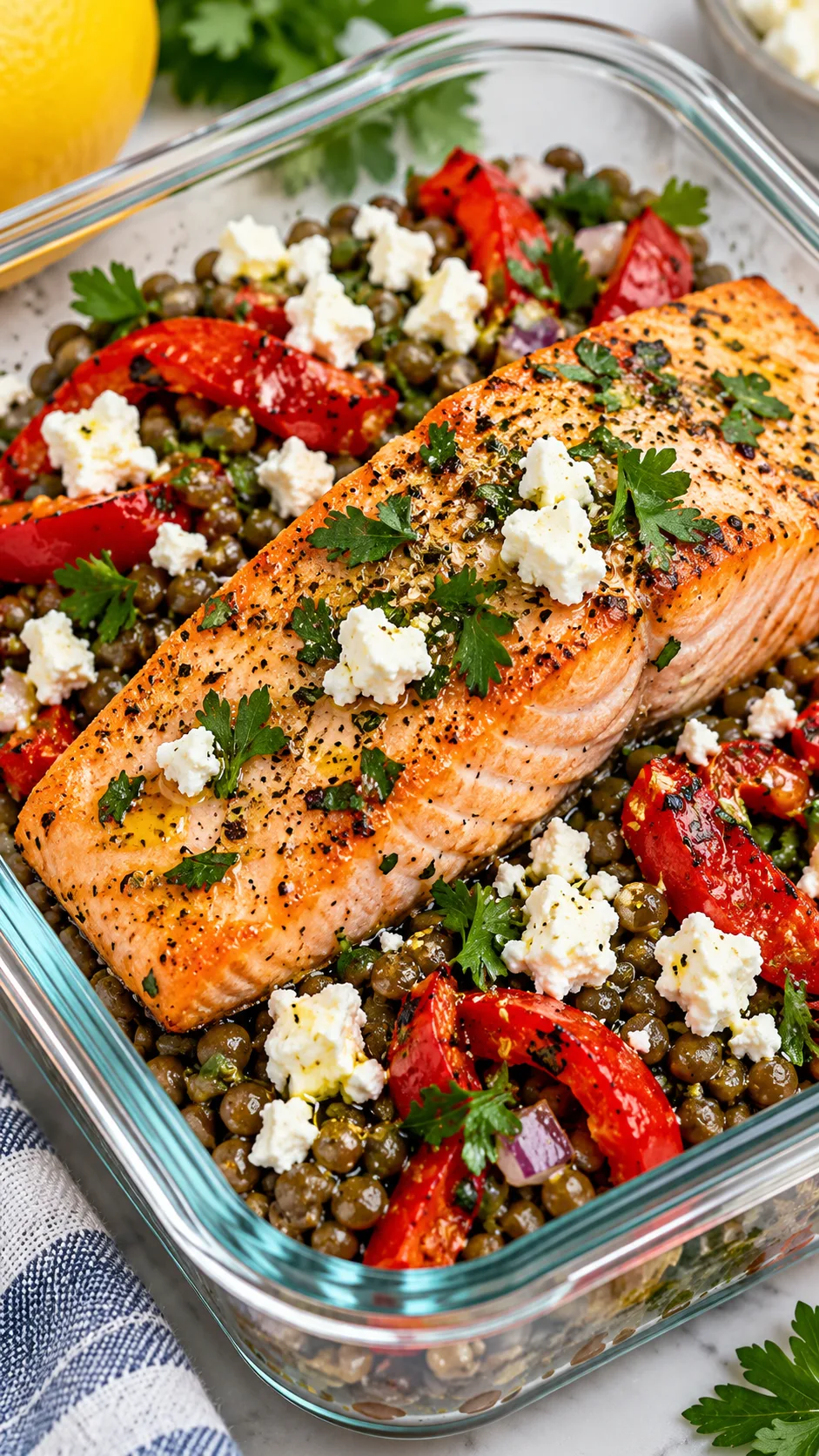
1. Mediterranean salmon and French green lentil bowls
Salmon supplies omega-3 fatty acids and complete protein, while French green lentils (lentilles du Puy) hold their firm texture for days without softening into mush.
Macros per serving (Makes 4): 540 Calories | 38g Protein | 14g Fiber | 22g Fat
- Base: 1 cup dry French green lentils cooked in vegetable broth with a bay leaf.
- Protein: 1.5 lbs wild salmon fillets, seasoned with oregano, garlic powder, and paprika, roasted at 400°F (200°C) for 12 minutes.
- Vegetables: Diced Persian cucumbers, halved cherry tomatoes, and thinly sliced Kalamata olives.
- Dressing: Whisk 3 tablespoons extra virgin olive oil, 2 tablespoons red wine vinegar, 1 minced garlic clove, and dried oregano.
Toss the warm lentils directly into the dressing so they absorb the vinegar and olive oil. Flake the cooked salmon over the lentils once cooled, then top with cucumbers and olives. This meal requires no reheating; eat it chilled or at room temperature for the best flavor.
2. Slow-cooker pork carnitas with black beans and citrus slaw
Pork shoulder offers rich flavor and deep satiety at half the price of beef. Slow cooking breaks down connective tissue into gelatin, which coats your stomach and promotes lasting fullness.
Macros per serving (Makes 4): 580 Calories | 42g Protein | 12g Fiber | 24g Fat
- Protein: 2 lbs boneless pork shoulder, seasoned with cumin, Mexican oregano, salt, orange juice, and sliced onions. Cook on LOW for 8 hours, shred, then broil for 4 minutes until the edges turn crisp.
- Fiber: 1 can black beans, rinsed and simmered with ground cumin and fresh lime juice.
- Slaw: Shredded green cabbage, thinly sliced radishes, fresh cilantro, and lime juice (pack this in a separate small container).
Reheat the carnitas and beans together in the microwave for 90 seconds. Dump the cool, crunchy slaw over the hot meat right before eating. The sharp contrast in temperature and texture makes every bite satisfying.
3. Crispy baked tempeh and sweet potato peanut bowls
If you think plant-based lunches leave you hungry, try tempeh. Tempeh packs more protein and fiber than tofu because makers ferment the entire soybean. Research from the National Institutes of Health shows that whole legumes and fermented soy stimulate gut satiety peptides far better than processed meat substitutes.
Macros per serving (Makes 4): 510 Calories | 31g Protein | 11g Fiber | 21g Fat
- Protein: Two 8-ounce packages of tempeh, cubed, steamed for 5 minutes, tossed in tamari, and baked at 400°F for 20 minutes until golden.
- Carbohydrate: 2 medium sweet potatoes, cubed and roasted with chili powder.
- Sauce: Whisk 1/3 cup natural peanut butter with 2 tablespoons warm water, 1 tablespoon soy sauce, 1 tablespoon maple syrup, 1 tablespoon lime juice, and 1 teaspoon grated ginger.
- Greens: 4 cups chopped dinosaur kale, massaged with a teaspoon of sesame oil.
Kale never wilts into slime under thick dressings. Resting in this peanut sauce tenderizes the leaves over three days while preserving a firm bite.
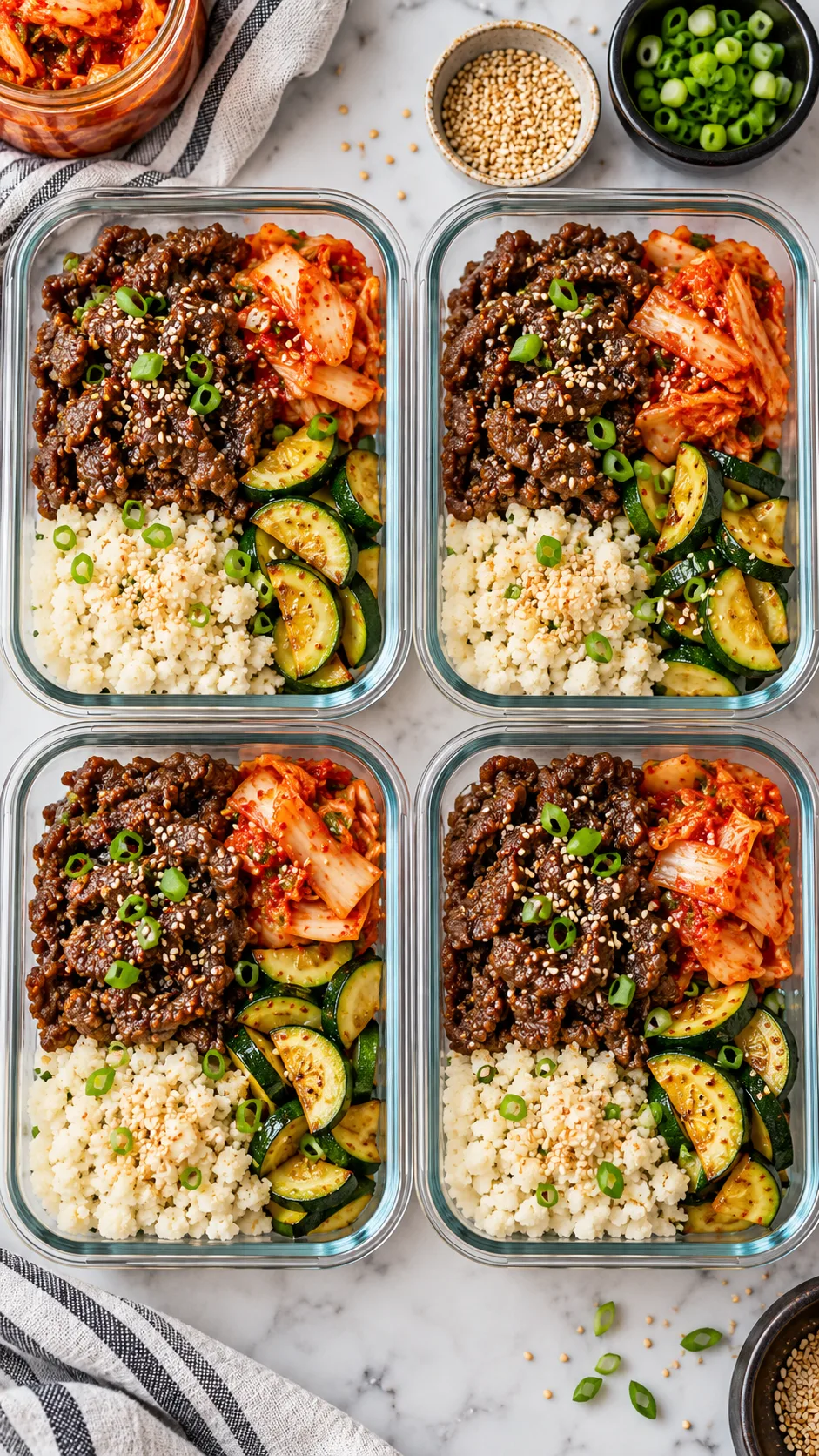
4. Korean ground beef and kimchi cauliflower rice skillet
Lean ground beef (90/10) supplies rich amounts of heme iron, zinc, and B vitamins. Pairing it with spicy, fermented kimchi supports gut bacteria and adds deep umami flavor. For more midday options, explore our lunch meal prep for the week recipes.
Macros per serving (Makes 4): 490 Calories | 39g Protein | 8g Fiber | 18g Fat
- Protein: 1.5 lbs lean ground beef browned with minced ginger, garlic, coconut aminos, and a splash of toasted sesame oil.
- Base: Sauté 1 bag of riced cauliflower alongside 1 cup of cooked brown jasmine rice (this 50/50 blend lowers calories while keeping authentic rice texture).
- Ferment: 1 cup of chopped Napa cabbage kimchi stirred into the skillet during the final 60 seconds of cooking.
- Crunch: Sliced scallions and English cucumber ribbons.
This bowl satisfies comfort food cravings without causing an afternoon slump. The acidity of the kimchi cuts through the rich beef, refreshing your palate with every bite.
5. Greek lemon-oregano meatballs with whipped feta dip
Boredom disappears the moment you pack Mediterranean whipped feta in your lunchbox. Ground turkey or lean ground lamb creates tender meatballs that stay moist for four days in the fridge.
Macros per serving (Makes 4): 530 Calories | 36g Protein | 9g Fiber | 26g Fat
- Meatballs: Mix 1.5 lbs ground meat with 1 egg, 1/4 cup almond flour, 2 tablespoons dried oregano, the zest of one lemon, and 3 minced garlic cloves. Bake at 400°F for 18 minutes.
- Whipped feta: Blend 6 ounces Greek sheep milk feta with 1/3 cup plain Greek yogurt, 1 tablespoon olive oil, and 1 tablespoon lemon juice in a food processor until smooth.
- Grain salad: Cook 1 cup whole wheat orzo or quinoa; toss with diced roasted red peppers, chickpeas, and chopped flat-leaf parsley.
Scoop the cold whipped feta straight from your container and drag the warm meatballs through it. You get fat, protein, and bright acid in every mouthful.
6. Spanish chickpea, chorizo, and charred spinach stew
If you prefer hot, comforting lunches during cold months, Spanish stews offer steady fuel. Spanish dry-cured chorizo infuses the broth with smoky paprika oil, turning simple chickpeas into a deeply flavorful meal.
Macros per serving (Makes 4): 520 Calories | 28g Protein | 15g Fiber | 20g Fat
- Aromatics: Brown 4 ounces of diced dry Spanish chorizo in a heavy pot so it releases its red, paprika-scented oil.
- Legumes: Add 2 cans of drained chickpeas, 1 diced yellow onion, 3 minced garlic cloves, and 1 tablespoon ground smoked Spanish pimentón.
- Broth: Pour in 3 cups low-sodium bone broth and simmer for 25 minutes until the chickpeas soften and absorb the fat.
- Greens: Stir 6 packed cups of baby spinach into the broth right before turning off the heat.
Bone broth adds collagen peptides and body without heavy cream. This meal tastes even better on day three because the chickpeas absorb the seasoned oil as they rest in the fridge.
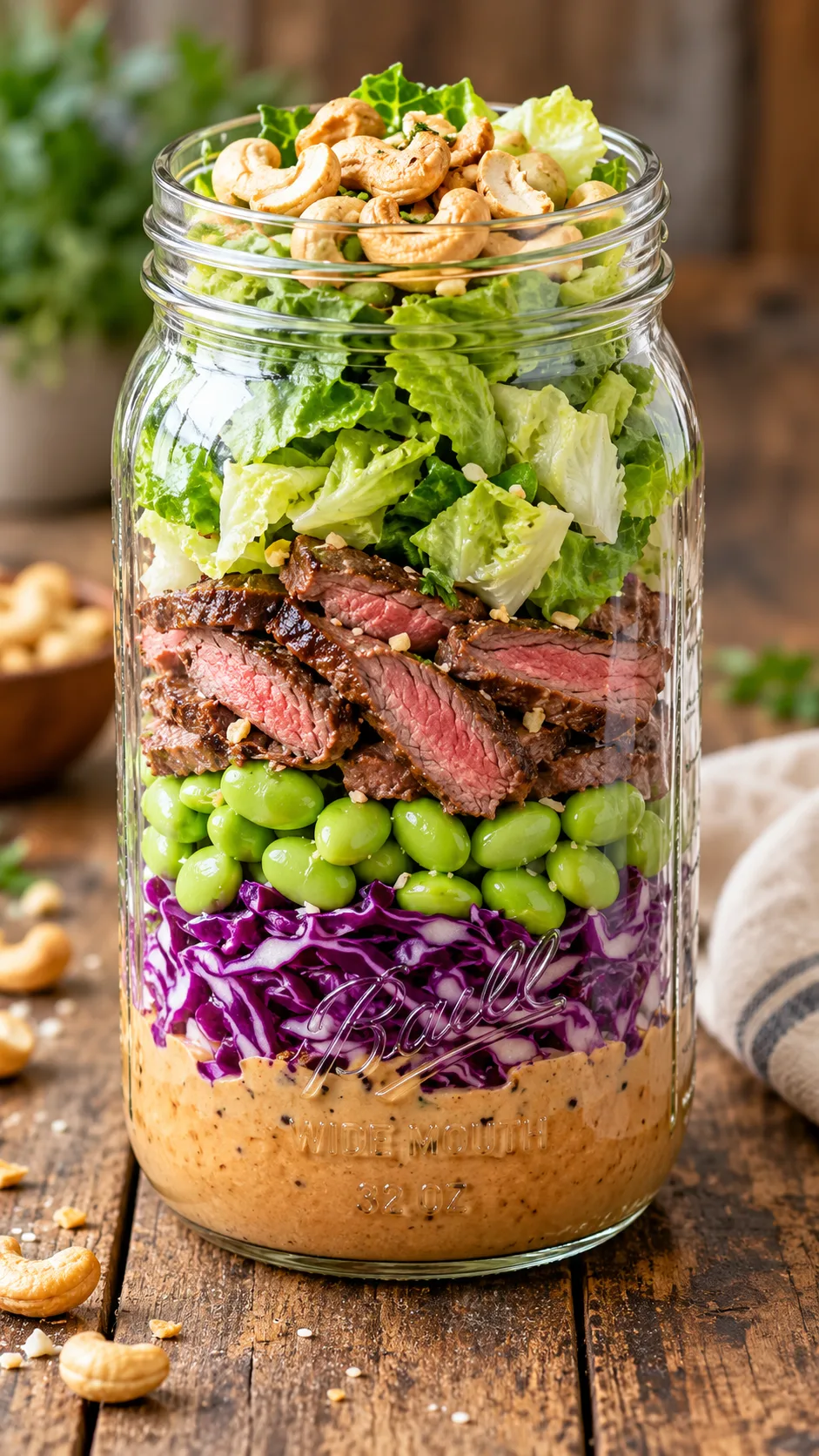
7. Mason jar Thai steak and edamame crunch salad
Salads get an unfair reputation for leaving people hungry an hour later, mostly because people eat iceberg lettuce with watery dressings. This jar salad packs dense edamame, purple cabbage, and flank steak into a crisp, filling lunch.
Macros per serving (Makes 4): 540 Calories | 41g Protein | 10g Fiber | 22g Fat
Layer your ingredients inside a 32-ounce wide-mouth mason jar from bottom to top so the greens stay crisp:
- Bottom layer (dressing): 2 tablespoons almond butter mixed with lime juice, soy sauce, and sriracha.
- Second layer (sturdy vegetables): Shredded red cabbage and matchstick carrots (they can soak in dressing without wilting).
- Third layer (plant protein): 1/2 cup shelled edamame.
- Fourth layer (steak): 4 ounces grilled flank steak, sliced thinly across the grain.
- Top layer (greens and nuts): Chopped romaine lettuce, fresh mint, and roasted cashews.
When lunchtime arrives, dump the contents upside down into a wide bowl. The dressing coats the crisp greens immediately. You get fresh greens without any soggy mess.
Smart batch cooking: Prep 4 days in under 60 minutes
Nobody wants to spend their entire Sunday standing over a hot stove. Fast meal prep relies on cooking multiple items at the same time, not cooking individual components one by one.
If you want faster kitchen routines, read our complete guide to meal prep recipes that actually last all week. Follow this simple 60-minute multi-rack plan:
- Minutes 0 to 10 (Preheat and chop): Preheat your oven to 400°F (200°C). Bring a pot of water or broth to a boil on the back burner for your grains or lentils. Dice your sweet potatoes and slice your vegetables on a large cutting board.
- Minutes 10 to 15 (Load sheet pan 1): Toss sweet potatoes, chickpeas, or broccoli with olive oil, salt, and spices. Spread them across Sheet Pan 1 and place it on the bottom oven rack.
- Minutes 15 to 20 (Load sheet pan 2): Place your proteins (seasoned salmon, meatballs, or tempeh cubes) on Sheet Pan 2. Drop grains or lentils into your boiling pot.
- Minutes 20 to 35 (Hands-off cooking): Slide Sheet Pan 2 into the oven. Set a timer. While the oven finishes the cooking, blend your sauces (peanut dressing, whipped feta, or vinaigrettes) in a blender. Wash your cutting board and knives immediately.
- Minutes 35 to 45 (Assembly line): Remove the proteins and vegetables from the oven. Drain your cooked grains. Line up your four glass meal prep containers in a row on the counter.
- Minutes 45 to 60 (Divide and chill): Divide proteins, grains, and vegetables evenly across the containers. Store dressings in separate small containers. Let containers vent steam for 10 minutes, seal with airtight lids, and place them on the coldest shelf in your refrigerator.
Storage secrets: Say goodbye to sogginess and rubbery textures
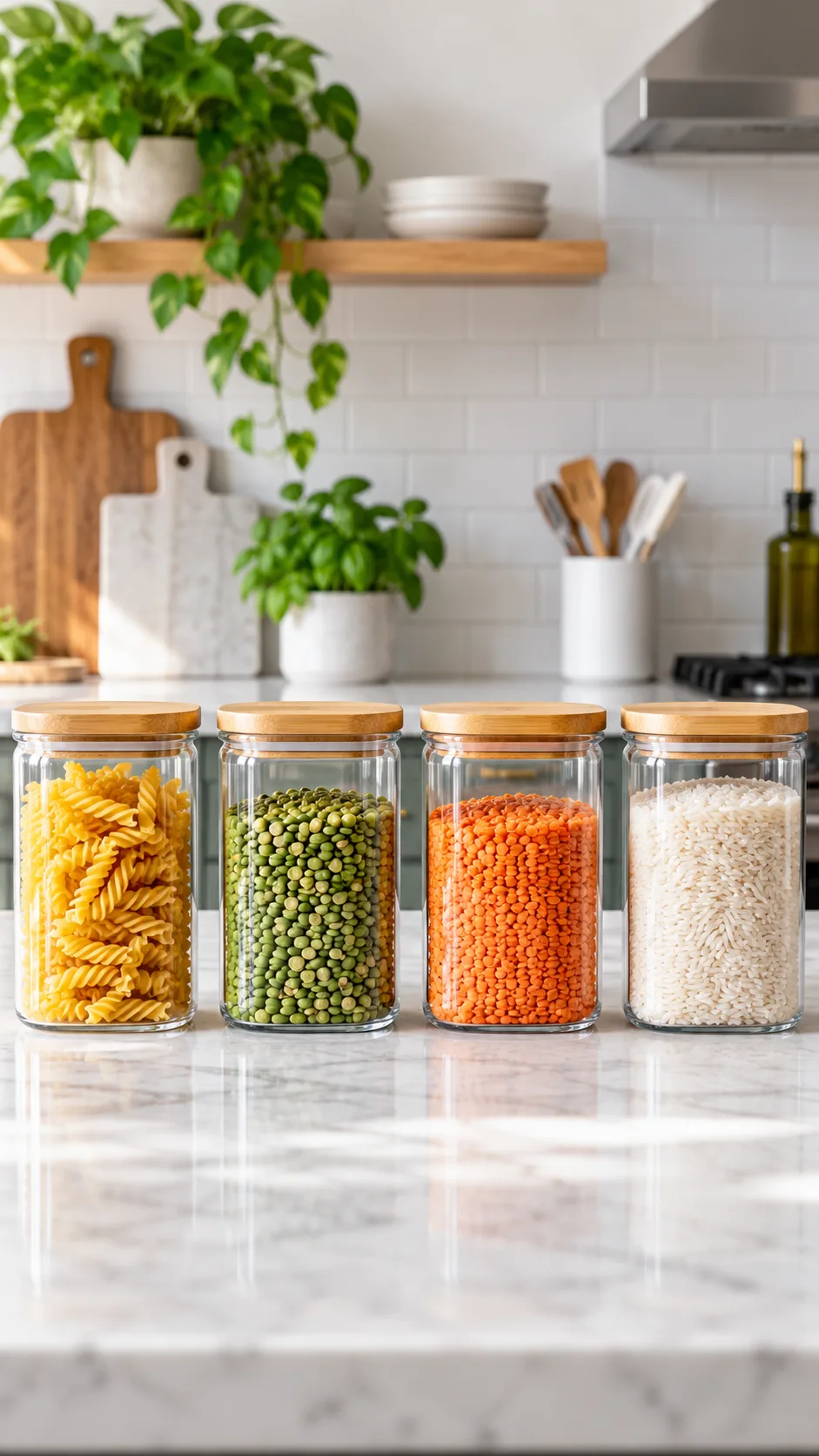
Few things disappoint like pulling a prepped meal from the fridge only to find a rubbery, tasteless block. Basic storage mistakes ruin far more lunches than bad seasoning ever will.
First, never seal hot food inside an airtight container. Hot food traps steam inside the box. That condensation drips back down onto roasted vegetables and proteins, turning crisp edges into mush. Let your cooked food rest uncovered on the counter for 15 minutes before closing the containers.
Second, try the microwave ice cube trick. When reheating grains like brown rice, farro, or quinoa, place a single ice cube on top of the food and drape a damp paper towel over the bowl. Microwave on 70 percent power for two minutes. The ice cube does not melt right away. Instead, it generates steam that fluffs dry starches back to life. Discard any leftover ice chunk before eating.
Finally, store your food at the right temperature. According to storage guidelines from the USDA Food Safety and Inspection Service, keeping cooked meals chilled below 40°F (4°C) preserves food quality and prevents bacterial growth for up to four full days. Keep olive oil vinaigrettes at room temperature if they solidify in the fridge, or pack them in separate 2-ounce silicone cups.
Frequently asked questions
Can I freeze these meal preps for later in the month?
You can freeze the Greek meatballs, Spanish chickpea stew, and slow-cooker carnitas for up to three months. Avoid freezing the salads, whipped feta dip, cucumbers, or cooked fish. Freezing breaks down cellular walls in fresh produce and dairy, leaving you with a watery mess once thawed.
How do I hit 35 grams of protein without meat or protein powder?
Combine high-protein plant staples. One cup of cooked French green lentils delivers 18 grams of protein. Add 1/2 cup of shelled edamame (9 grams) and 2 tablespoons of hemp seeds (6 grams) stirred into your dressing. That combination delivers 33 grams of whole-food plant protein along with rich amounts of fiber.
Will seafood smell awful when I reheat it at the office?
Heating salmon in an office microwave will win you zero friends. Instead, choose seafood preps that taste great cold or at room temperature. The Mediterranean salmon and lentil bowl tastes fantastic straight from the fridge because the vinegar cuts through the rich, chilled salmon fat.
Is it safe to eat cooked rice four days after making it?
Yes, as long as you cool the rice quickly after cooking. Bacillus cereus spores can multiply in starches left sitting at room temperature. Spread hot cooked rice across a flat baking sheet so it cools fast, pack it into an airtight container within an hour, and store it in the coldest part of your fridge for up to four days.
Stop chewing cardboard: Reclaim your afternoon
You do not need to endure dry chicken breasts, limp greens, or bland food to stay energized and lean. Punishing your tastebuds does not build discipline. It just sends you sprinting toward the breakroom snacks when 2:30 PM stress sets in.
Real workday energy comes from smart nutrition: dense protein, slow-digesting fiber, satisfying fats, and seasonings that make food worth eating. Pick two recipes from this list today. Buy the groceries, line up your glass containers, and spend one hour setting up your week. When mid-afternoon rolls around, you will feel full, focused, and free from the vending machine run.
