
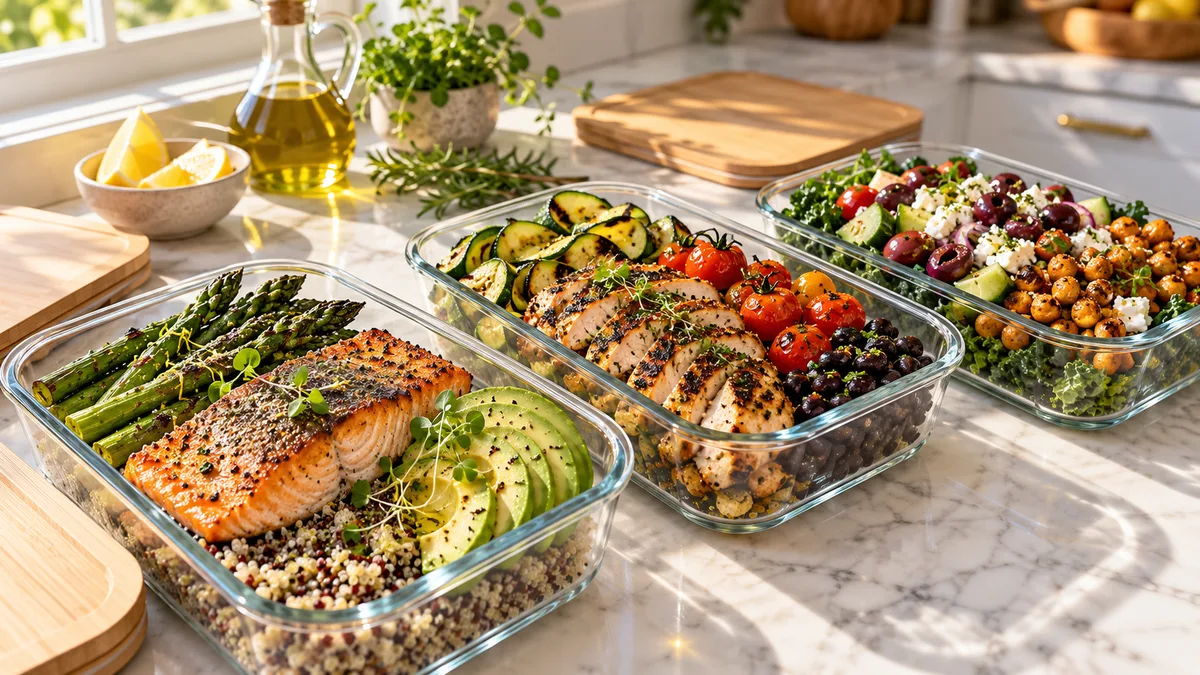
Nobody wants to eat steamed broccoli and unseasoned chicken breast for five days straight. When a doctor diagnoses you with diabetes or prediabetes, panic usually sets in. You might think food will never taste fun again. Throw that grim thought out the window. Eating for steady blood sugar does not sentence you to bland meals.
Managing glucose levels requires a practical approach. You need meals rich in lean protein, quality fats, and complex, fiber-packed carbohydrates that slow digestion. When you prep meals ahead, you reclaim hours during the workweek and keep your blood sugar steady. People who maintain healthy diets consistently rely on one core habit: they plan and cook ahead of time.
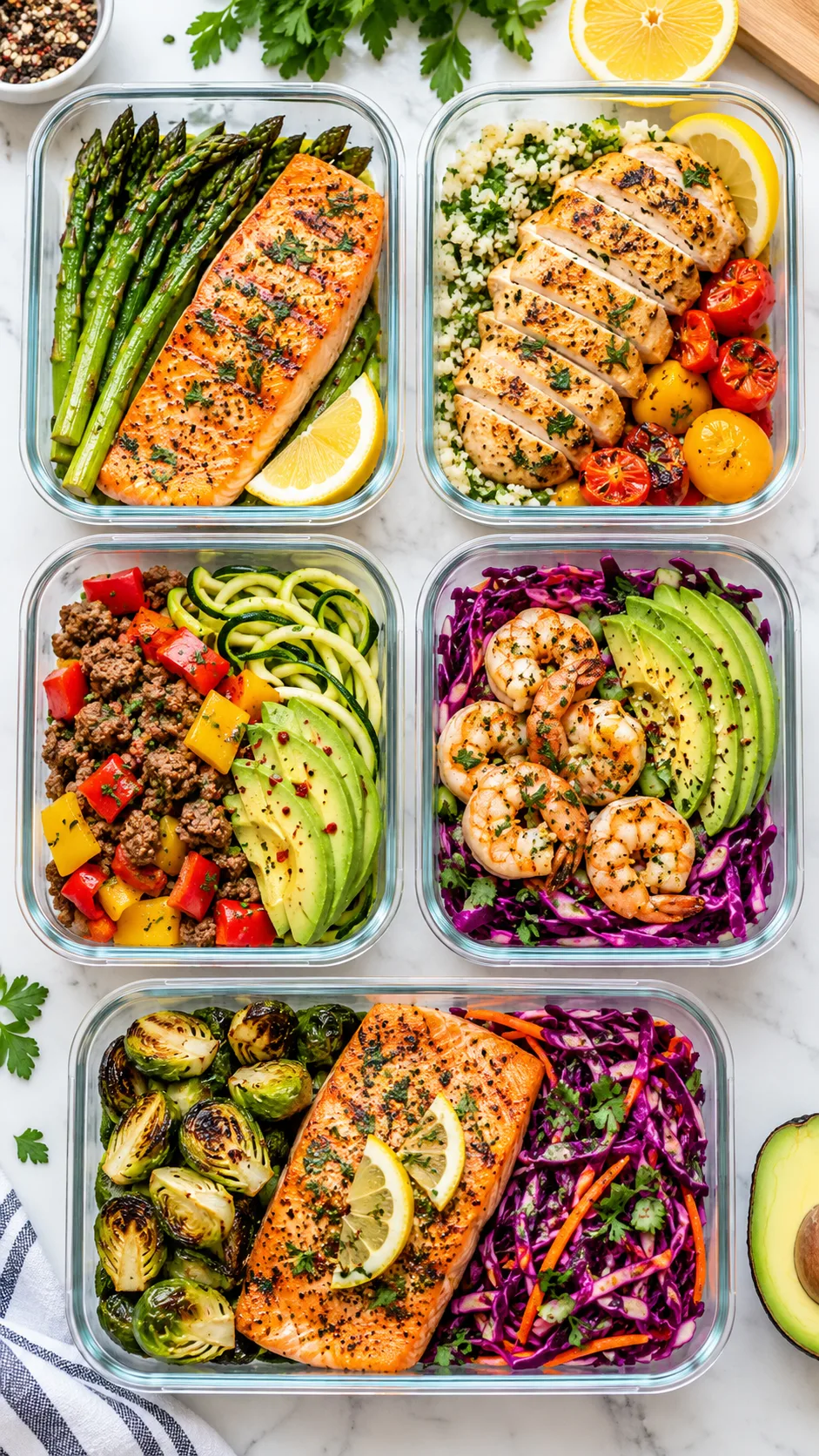
Cooking five days of lunch on a Sunday afternoon spares you from the midday drive-thru run. If you want a complete roadmap to set up your week, check out our guide to The Stress-Free, Easy Meal Plan for Diabetics Type 2. You can control your blood sugar and still eat fantastic food. Grab your apron and start cooking.
The golden rules of diabetic meal prep (why most diets fail)
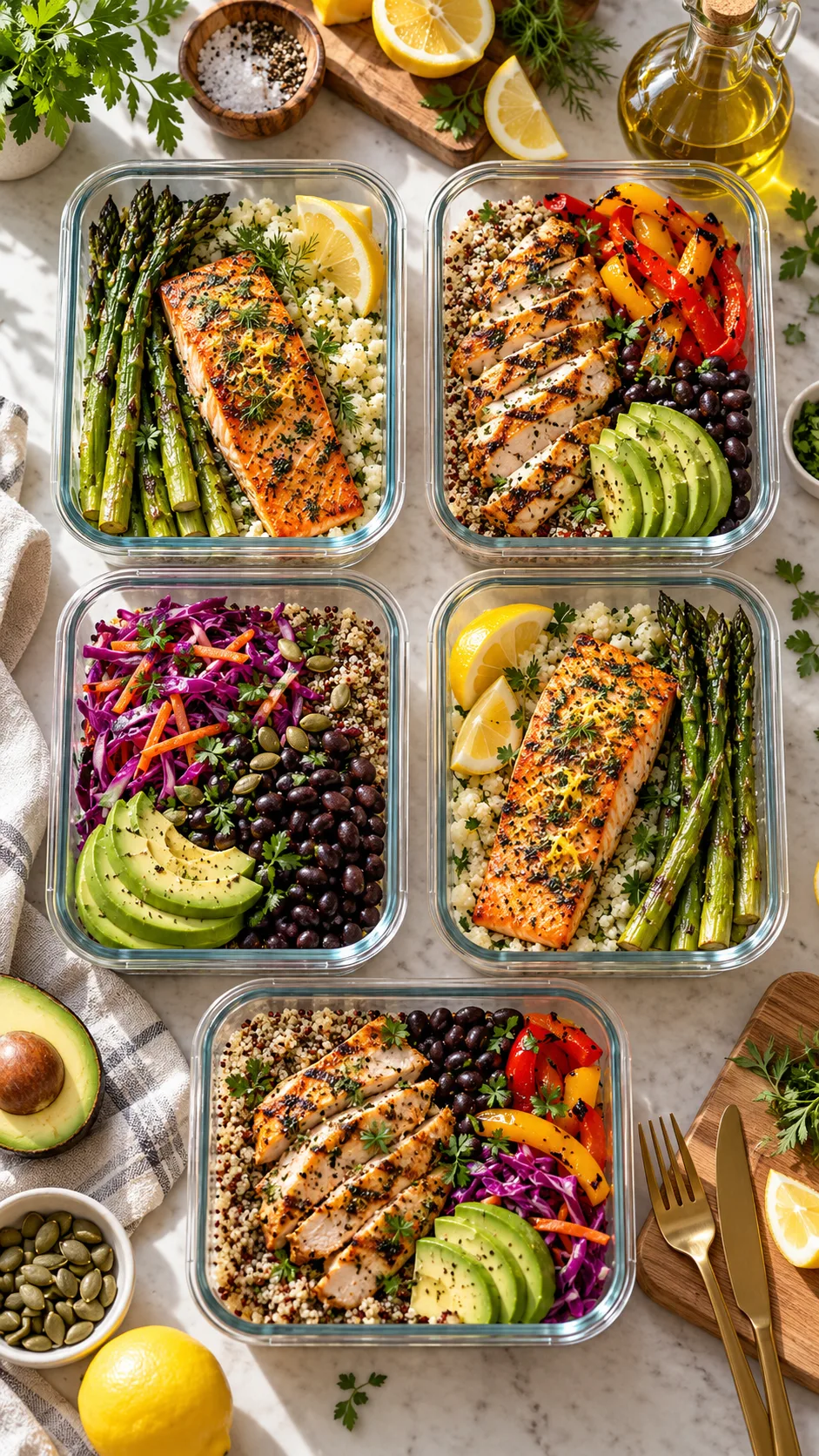
Most diet plans fail because people build meals on pure deprivation. You cut out every carbohydrate, run out of energy within three days, and raid the pantry at midnight. Instead of cutting carbs to zero, you need to construct balanced plates.
The American Diabetes Association promotes the Diabetes Plate Method because it delivers reliable results without obsessive calorie counting. You do not need to weigh every single bite on a kitchen scale. Follow these basic rules every time you batch-cook:
- Fill half your plate with non-starchy vegetables: Spinach, bell peppers, broccoli, zucchini, and asparagus supply vitamins and volume without spiking your glucose.
- Dedicate a quarter of your plate to lean protein: Chicken breast, tofu, eggs, lean beef, and wild salmon slow down gastric emptying, preventing rapid glucose spikes.
- Reserve the remaining quarter for high-fiber carbs: Quinoa, lentils, black beans, and sweet potatoes give you steady energy without a sugar crash.
- Add healthy fats generously: Extra virgin olive oil, avocados, chia seeds, and walnuts improve insulin sensitivity and keep you full between meals.
Looking for more meal ideas that keep hunger away until dinner? Browse our favorite Low Carb Meal Prep That Keeps You Full All Week to expand your recipe list.
10 blood-sugar-friendly recipes that taste incredible
These ten recipes keep well for four days in the refrigerator without turning soggy. Cook them in batches, stack them in airtight glass containers, and save yourself from weekday cooking stress. These meals taste so rich and satisfying that the rest of your family will gladly eat them too.
Sheet pan lemon herb salmon with charred asparagus and cauliflower rice
Salmon supplies generous amounts of omega-3 fatty acids, which combat inflammation and support heart health. Pairing flaky roasted salmon with tart lemon juice, crisp asparagus, and seasoned cauliflower rice gives you dinner in under 25 minutes.
Ingredients: Four 6-oz wild salmon fillets, two bunches trimmed asparagus, one head cauliflower (riced), three cloves minced garlic, two tablespoons extra virgin olive oil, juice and zest of one lemon, one teaspoon dried dill, sea salt, and black pepper.
Prep instructions: Toss the riced cauliflower with one tablespoon of olive oil, salt, and pepper, then spread it across one half of a large rimmed baking sheet. Place the asparagus and salmon fillets on the other half. Whisk together the remaining olive oil, garlic, lemon juice, lemon zest, and dill, then brush the marinade over the salmon and asparagus. Bake at 400°F (200°C) for 15 minutes until the salmon flakes easily with a fork.
Storage tip: Divide the contents into four glass containers. Store them in the fridge for up to three days. To reheat without drying out the fish, microwave at 70 percent power for 90 seconds.
Chipotle pulled chicken mason jar salads
Nobody likes a soggy salad. Mason jars fix that issue cleanly. When you pour the dressing into the bottom and place your tender greens at the very top, the lettuce stays crisp all week.
Ingredients: Two pounds cooked chicken breast (shredded), one cup black beans (rinsed and drained), one cup roasted corn, two diced bell peppers, four cups chopped romaine lettuce, half a cup pumpkin seeds (pepitas), and half a cup chipotle-lime vinaigrette (olive oil, lime juice, adobo sauce, cumin).
Prep instructions: Pour two tablespoons of vinaigrette into the bottom of four wide-mouth 32-ounce mason jars. Layer your firm ingredients next: diced bell peppers, black beans, and roasted corn. Pack the shredded chipotle chicken on top of the beans. Finish the jars with the chopped romaine lettuce and pumpkin seeds. Seal the lids tightly.
Storage tip: Store the jars upright in your refrigerator for up to five days. When you want lunch, invert the jar and dump the contents into a wide bowl.
Cheesy ground turkey and zucchini skillet casserole
This dish delivers the comforting flavors of lasagna without the refined pasta noodles that drive blood sugar skyward. Lean ground turkey supplies protein while sliced zucchini absorbs the garlic tomato sauce.
Ingredients: 1.5 pounds lean ground turkey (93/7), three medium zucchinis (sliced into half-moons), one jar (24 oz) no-sugar-added marinara sauce, one diced yellow onion, three cloves minced garlic, one cup shredded part-skim mozzarella cheese, one tablespoon Italian seasoning.
Prep instructions: Brown the turkey with the diced onion and garlic in a deep skillet over medium-high heat. Drain any excess liquid, then stir in the Italian seasoning, salt, and marinara sauce. Add the sliced zucchini and simmer for eight minutes until the squash softens. Sprinkle the mozzarella over the top, cover the skillet with a lid, and let the cheese melt.
Storage tip: Allow the skillet to cool completely before scooping portions into four containers. Reheat in the microwave for two minutes; zucchini maintains its texture remarkably well.
Greek spinach, feta, and egg muffin cups
Hectic mornings often disrupt good eating habits. These portable egg muffins eliminate morning stress. Eggs supply complete protein and choline, which help stabilize your blood sugar from the moment you wake up. For more morning recipes, read our Breakfast Bowls Meal Prep: High-Protein Recipes.
Ingredients: Ten large eggs, half a cup unsweetened almond milk, two cups baby spinach (chopped), half a cup crumbled feta cheese, half a cup diced sun-dried tomatoes (oil-drained), half a teaspoon dried oregano, salt, and black pepper.
Prep instructions: Whisk the eggs, almond milk, oregano, salt, and pepper in a mixing bowl. Lightly coat a 12-cup muffin tin with olive oil spray. Distribute the chopped spinach, sun-dried tomatoes, and crumbled feta cheese across the cups. Pour the egg mixture over the vegetables and cheese. Bake at 375°F (190°C) for 20 minutes until the centers firm up and the tops turn light brown.
Storage tip: Place two muffins into each meal container. They stay fresh for five days in the fridge, or you can wrap them individually in parchment paper and freeze them for up to two months.
Sesame ginger beef and broccoli with edamame
Skip the salty takeout counter down the street. This stir-fry delivers all the savory flavor of Chinese takeout without the sticky cornstarch syrup glaze that disrupts your blood sugar.
Ingredients: 1.5 pounds flank steak (sliced thin against the grain), four cups fresh broccoli florets, one cup shelled edamame, three tablespoons coconut aminos (or low-sodium soy sauce), one tablespoon sesame oil, one tablespoon fresh grated ginger, two cloves minced garlic, one tablespoon toasted sesame seeds.
Prep instructions: Whisk the coconut aminos, sesame oil, ginger, and garlic in a small bowl. Heat a wok over high heat with a splash of avocado oil. Sear the flank steak for three to four minutes until browned, then move the meat to a plate. Add the broccoli florets and shelled edamame to the pan with two tablespoons of water; cover and steam for three minutes. Return the steak to the pan, pour the sauce over the mixture, and toss for two minutes until the sauce coats the ingredients. Scatter toasted sesame seeds over the top.
Storage tip: Divide into four containers alongside cauliflower rice or a half-cup scoop of brown rice. Reheat in a skillet or microwave for two minutes.
Creamy Tuscan garlic chicken with wilted kale
Good diabetic food does not mean dry food. A sauce made with cream, garlic, and bone broth adds deep flavor while keeping net carbs near zero.
Ingredients: Two pounds boneless, skinless chicken thighs, three cups roughly chopped lacinato kale, one cup cherry tomatoes (halved), three cloves garlic (crushed), three-quarters cup heavy cream (or full-fat canned coconut milk), half a cup chicken bone broth, one teaspoon paprika, sea salt, and cracked black pepper.
Prep instructions: Season the chicken thighs with paprika, salt, and pepper. Sear the chicken in a hot skillet with olive oil for five minutes on each side until fully cooked (165°F internal temperature), then transfer to a plate. In the same skillet, cook the garlic and cherry tomatoes for two minutes. Pour in the broth and heavy cream, bringing the mixture to a simmer. Add the kale and stir until it wilts into the sauce. Return the chicken thighs to the pan to coat them.
Storage tip: Pack one thigh and a generous scoop of greens and sauce into each container. This sauce tastes even richer by day three in the fridge.
Mediterranean chickpea and avocado power salad
If you need a fresh, meatless lunch that keeps hunger away, this recipe delivers. Chickpeas supply resistant starch, a form of dietary fiber that feeds your gut bacteria and improves long-term glucose tolerance according to research from the Harvard T.H. Chan School of Public Health.
Ingredients: Two cans (15 oz each) chickpeas (rinsed and drained), two Persian cucumbers (diced), one cup halved kalamata olives, one cup diced red onion, one cup fresh chopped parsley, two firm avocados (diced), two tablespoons extra virgin olive oil, juice of two whole lemons, one teaspoon sumac, salt to taste.
Prep instructions: Mix the chickpeas, cucumbers, olives, red onion, and parsley in a large bowl. Whisk the olive oil, lemon juice, sumac, and salt in a small dish, then pour the dressing over the salad and toss. Add the diced avocado last, folding it gently into the salad so it keeps its shape.
Storage tip: The lemon juice keeps the avocado green for up to three days. Store the salad in an airtight container with a piece of parchment paper pressed against the top surface to block air exposure.
Thai peanut turkey lettuce wrap bowls
These deconstructed wrap bowls give you all the savory, nutty flavor of a lettuce wrap without requiring you to roll anything up at your desk during lunch.
Ingredients: 1.5 pounds lean ground turkey, two cups shredded purple cabbage, one cup shredded carrots, half a cup chopped green onions, one-third cup all-natural peanut butter (no added sugar), two tablespoons low-sodium tamari, one tablespoon lime juice, one teaspoon sriracha, one teaspoon grated ginger, warm water to thin.
Prep instructions: Brown the ground turkey in a skillet over medium heat, seasoning lightly with black pepper. In a small bowl, whisk the peanut butter, tamari, lime juice, sriracha, ginger, and two tablespoons of warm water until smooth. Place a base of shredded cabbage and carrots into each container. Top with warm ground turkey, green onions, and a pour of peanut sauce.
Storage tip: Store the sauce in separate small cups if you want to keep the raw vegetables extra crunchy. Pour the sauce over the bowl right after you reheat the meat.
Cajun roasted shrimp with garlic spaghetti squash
Shrimp packs pure protein with zero carbohydrates and almost zero fat. Pair spicy Cajun shrimp with tender spaghetti squash strands for a high-volume meal that barely affects your glucose monitor.
Ingredients: 1.5 pounds large peeled and deveined raw shrimp, one large spaghetti squash, two tablespoons melted butter or ghee, two tablespoons Cajun seasoning, three cloves minced garlic, two tablespoons fresh chopped parsley, one lemon cut into wedges.
Prep instructions: Cut the spaghetti squash in half lengthwise, remove the seeds, brush with olive oil, and roast cut-side down at 400°F (200°C) for 35 minutes. Once tender, scrape the flesh with a fork into noodle-like strands, then toss them with melted butter, minced garlic, and parsley. Coat the raw shrimp in the Cajun seasoning on a baking sheet. Roast the shrimp for six to eight minutes until pink and firm.
Storage tip: Lay down a bed of garlic spaghetti squash in your containers and place five or six shrimp on top. Squeeze fresh lemon over the dish right before you eat.
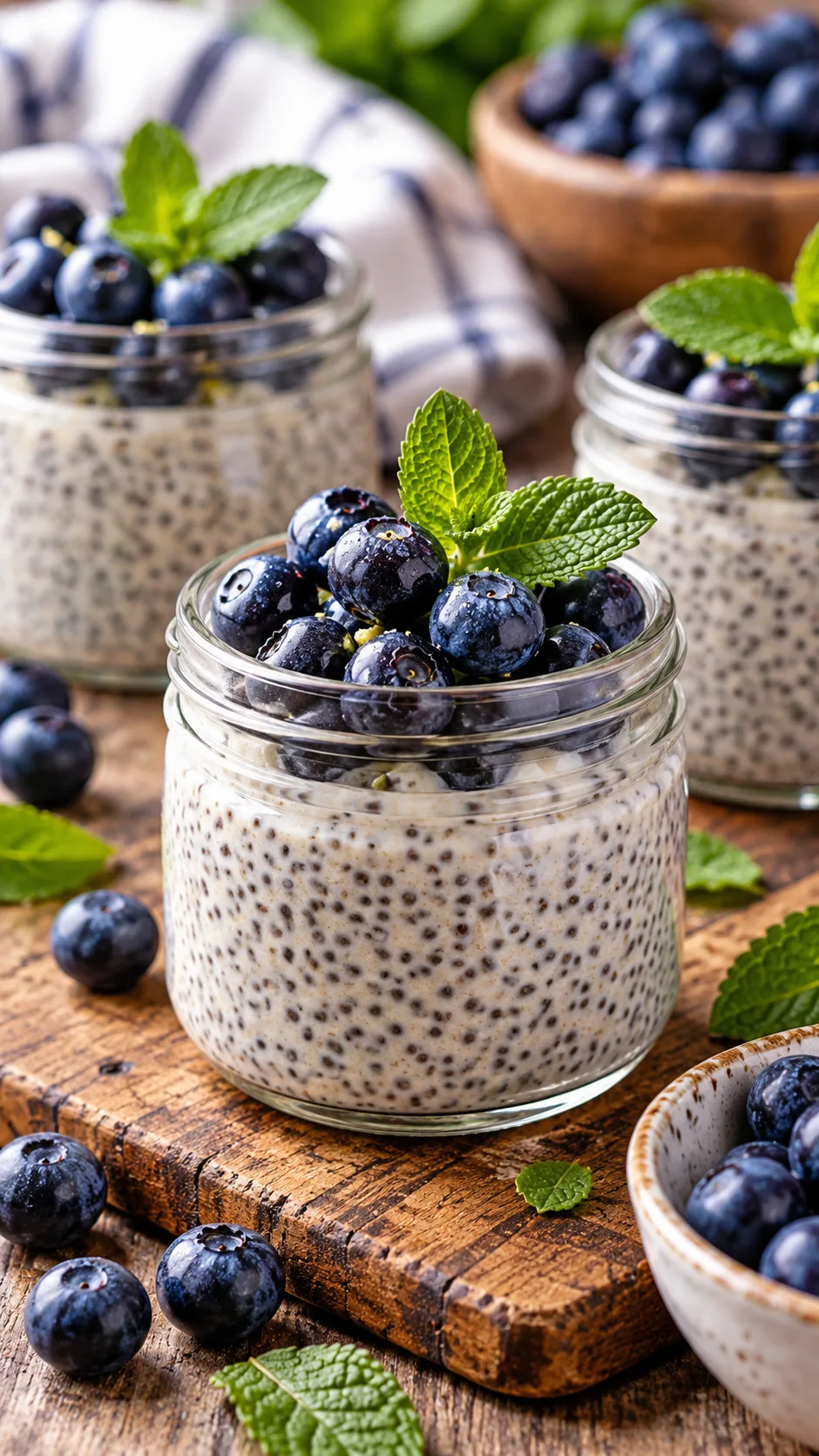
High-protein vanilla chia berry pudding
Everyone wants something sweet after a long workday. Chia seeds absorb liquid quickly, turning almond milk into a thick pudding packed with soluble fiber. This breakfast or dessert bowl keeps your continuous glucose monitor completely flat.
Ingredients: Half a cup black chia seeds, two cups unsweetened vanilla almond milk, one scoop vanilla whey isolate protein powder, one teaspoon pure vanilla extract, one cup fresh wild blueberries or raspberries.
Prep instructions: Whisk the protein powder into the almond milk until it dissolves completely. Add the chia seeds and vanilla extract, whisking well. Let the bowl sit on the counter for ten minutes, then whisk again to break up any seed clusters. Pour the mixture into four small jars. Top each jar with a quarter cup of berries. Chill in the refrigerator for at least four hours so the pudding thickens.
Storage tip: These jars stay fresh in the fridge for six full days. Eat them cold straight from the jar.
Learn how to prep diabetic meals on video
Watching someone cook makes meal prep much simpler. This video tutorial shows you how to prep diabetic meals efficiently, slice ingredients quickly, and manage portion sizes so you save time during the week:
Smart storage and safety rules for meal prep success
Nothing spoils a good routine like food poisoning or dried-out leftovers. Follow these basic safety guidelines to protect your food and keep your meals tasting fresh.
Invest in high-quality glass containers
Plastic containers absorb oils, retain odors from old meals, and warp when heated. Pick up a set of borosilicate glass meal prep containers with snap-locking lids. Glass moves safely from the freezer to the oven or microwave, and it maintains food flavor better than plastic.
Master the refrigerator cool-down rule
Never lock hot, steaming food into a sealed container inside your fridge. Trapped steam raises the internal temperature of your refrigerator, pushing nearby items into unsafe bacterial ranges. The CDC Food Safety Guidelines recommend cooling cooked food down toward room temperature within two hours before sealing and chilling your portions.
Know your storage timelines
Different proteins spoil at different rates. Use these storage guidelines to keep your food safe and tasty:
- Cooked seafood: Three days in the refrigerator. Eat your fish and shrimp by Wednesday night.
- Poultry and lean ground meats: Four days in the refrigerator.
- Vegetarian and bean dishes: Five days in the refrigerator.
- Freezer backup: Freeze meals in airtight bags for up to three months.
How to handle sudden blood sugar spikes and snack cravings
When four o’clock arrives and somebody brings pastries to the office, you need an immediate strategy to resist temptation.
First, drink sixteen ounces of cold water. Mild dehydration concentrates blood sugar levels and often mimics feelings of hunger. Second, take a brisk ten-minute walk outside or through the hallways. Moving your muscles pulls glucose out of your bloodstream directly without requiring extra insulin production. A short walk consistently lowers glucose readings quickly.
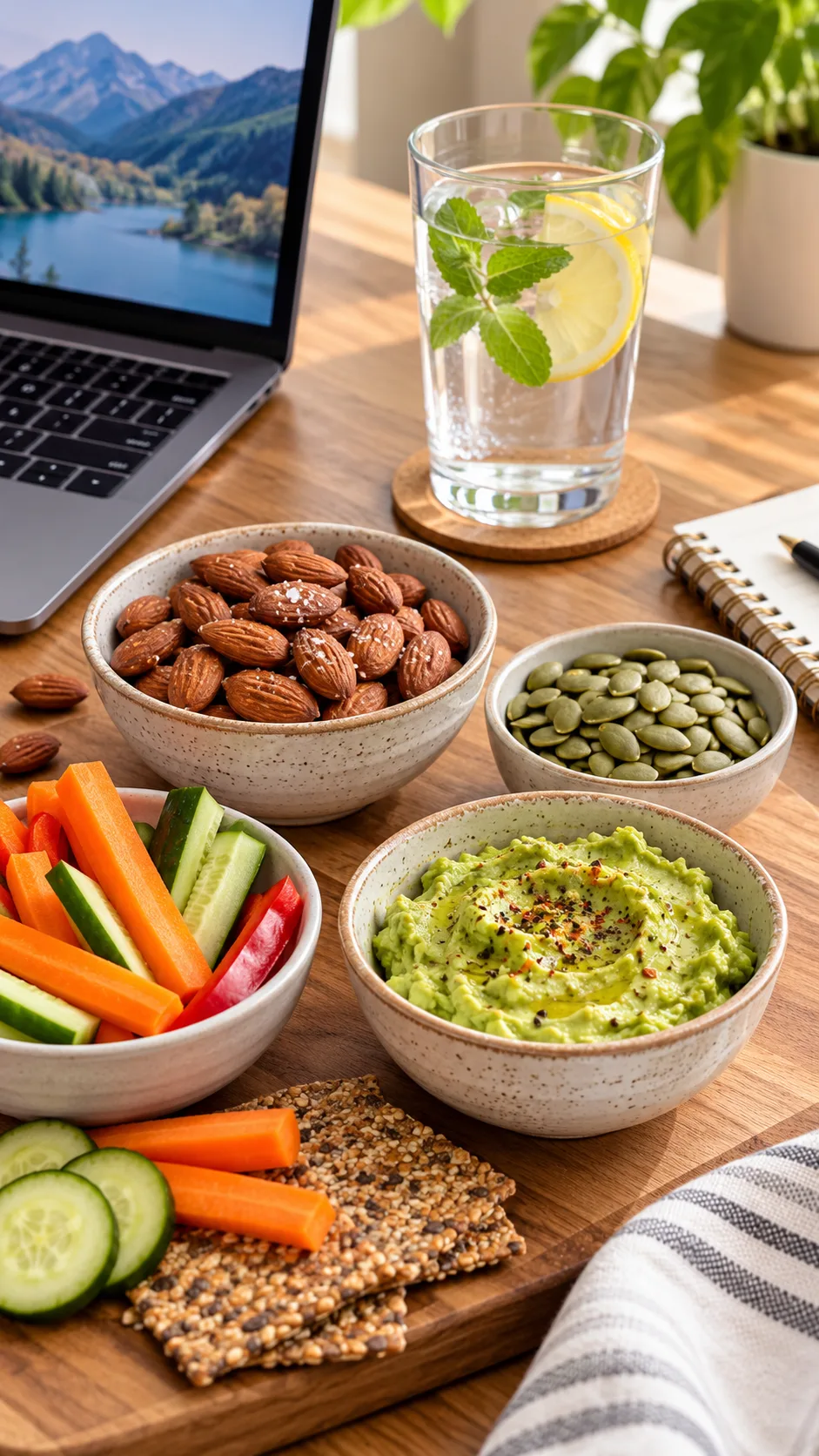
Keep reliable snacks nearby so you never rely on office vending machines. Stock these foods in your desk or car:
- Dry-roasted almonds or macadamia nuts
- Single-serve squeeze packs of almond butter
- Beef or turkey jerky without added sugar
- Roasted edamame or pumpkin seeds
Take control of your plate today
Managing diabetes does not require you to eat plain chicken every day or spend all weekend cooking. Focus on lean proteins, good fats, and high-fiber vegetables to build meals that sustain your energy and keep your blood sugar steady.
Pick just two recipes from this list for this upcoming weekend. Buy some glass containers, grab your groceries, and spend an hour getting your lunches ready. Your blood sugar and your schedule will thank you all week long.
