

You stepped on the scale, and the numbers dropped. But when you look in the mirror, do you see a softer, less-toned version of yourself? Many people on GLP-1 medications like Ozempic, Wegovy, or Mounjaro celebrate rapid weight loss but ignore a silent, muscle-wasting problem.
You might lose precious muscle tissue alongside that stubborn fat. Luckily, a structured High-Protein GLP-1 Meal Plan prevents this issue and helps you sculpt a lean, strong physique. Let us explore how you can feed your muscles while the medication handles your appetite.
The GLP-1 Muscle Trap: Why You Need More Protein
How do these revolutionary medications work? GLP-1 receptor agonists mimic natural hormones to slow down your digestion and tell your brain that you feel full. Because you eat significantly less food, your body searches for alternative energy sources.
If you do not eat enough protein, your body happily burns your muscles for fuel. Experts call this body recomposition nightmare the “muscle trap,” but you can easily avoid it. I noticed a massive drop in my own strength during my first month on Semaglutide because I neglected my protein intake. Do not make the same mistake!
Losing muscle lowers your metabolic rate. A slower metabolism means you must eat even fewer calories to keep the weight off in the long run. By prioritizing protein, you protect your active muscle tissue and keep your metabolic furnace burning hot.
How Much Protein Do You Actually Need?
Standard dietary guidelines suggest a meager 0.8 grams of protein per kilogram of body weight. Forget that recommendation immediately because it will not save your muscle mass during a steep caloric deficit. When you eat a highly restricted diet, you must raise your protein targets.
Aim for 1.6 to 2.2 grams of protein per kilogram of body weight (about 0.7 to 1.0 grams per pound of target body weight). If your target weight is 150 pounds, you should aim for roughly 150 grams of protein daily. Does that sound like a massive chore? IMO, it feels daunting at first, but smart planning simplifies the entire process. 🙂
- Calculate your target weight in pounds or kilograms.
- Match that number in grams of protein for your daily goal.
- Divide this total across three meals and two snacks.
The 7-Day High-Protein GLP-1 Meal Plan

We designed this meal plan to maximize nutrient density without triggering the nausea or bloating that sometimes accompanies GLP-1 medications. Feel free to swap days or repeat your favorite meals.
Day 1
- Breakfast: 3 scrambled egg whites, 1 whole egg, and 50g of smoked salmon on one slice of sprouted grain toast. (35g protein)
- Lunch: 150g grilled chicken breast, mixed baby greens, cucumbers, and a light lemon-tahini dressing. (45g protein)
- Snack: 1 cup of low-fat cottage cheese with a handful of fresh blueberries. (28g protein)
- Dinner: 180g baked cod, roasted asparagus spears, and 100g of cooked quinoa. (40g protein)
Day 2
- Breakfast: High-protein smoothie with 1 scoop of whey isolate, 1 cup of unsweetened almond milk, half a banana, and 1 tablespoon of chia seeds. (35g protein)
- Lunch: Turkey lettuce wraps using 150g of lean ground turkey, diced water chestnuts, and low-sodium soy sauce. (38g protein)
- Snack: 150g of 0% Greek yogurt with a scoop of collagen peptides stirred in. (35g protein)
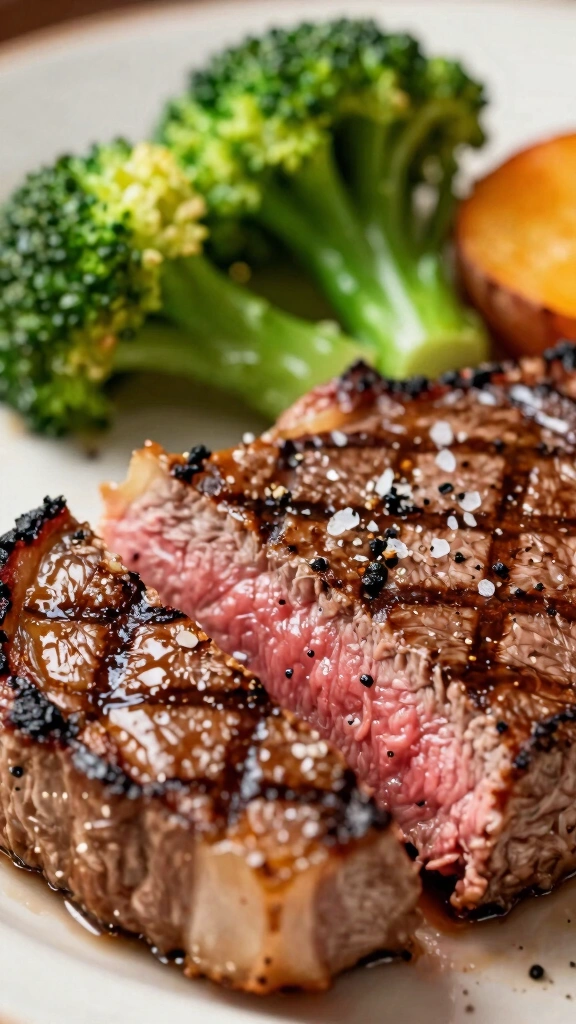
- Dinner: 150g grilled top sirloin steak, steamed broccoli florets, and a small baked sweet potato. (48g protein)
Day 3
- Breakfast: 1 cup of high-protein tofu scramble with spinach, tomatoes, and nutritional yeast, served with two turkey bacon strips. (32g protein)
- Lunch: Tuna salad made with one can of water-packed tuna, 1 tablespoon of light avocado oil mayonnaise, celery, and whole-wheat crackers. (36g protein)
- Snack: One grab-and-go ready-to-drink protein shake (look for options with less than 2g of sugar). (30g protein)
- Dinner: 180g air-fried salmon fillet, stir-fried zucchini noodles, and a light pesto sauce. (42g protein)
Day 4
- Breakfast: Overnight oats made with 1/2 cup of rolled oats, 1 scoop of vanilla casein protein powder, and 1 cup of ultra-filtered milk. (40g protein)
- Lunch: Shredded chicken breast salad (150g chicken) with light Greek yogurt dressing, grapes, and celery. (44g protein)
- Snack: 2 hard-boiled eggs and a handful of baby carrots. (13g protein)
- Dinner: 150g grilled shrimp skewers, bell peppers, onions, and half a cup of brown rice. (36g protein)
Day 5
- Breakfast: 2 protein pancakes (made with oat flour and protein powder) topped with warm, mashed strawberries. (30g protein)
- Lunch: Deli roast beef roll-ups (150g roast beef) with Swiss cheese slices and mustard, wrapped in large romaine leaves. (42g protein)
- Snack: 1 cup of edamame pods sprinkled with sea salt. (17g protein)
- Dinner: 180g baked pork tenderloin, roasted Brussels sprouts, and mashed cauliflower. (46g protein)
Day 6
- Breakfast: 1 cup of egg white bites baked with spinach and red peppers, plus one slice of turkey bacon. (28g protein)
- Lunch: Chicken breast bowl with 150g chicken, black beans, salsa, and a small scoop of guacamole. (45g protein)
- Snack: High-protein meat stick or premium beef jerky (check labels for low sugar). (15g protein)
- Dinner: 180g pan-seared sea scallops, asparagus, and half a cup of wild rice. (38g protein)
Day 7
- Breakfast: French toast made with sprouted bread dipped in egg whites, topped with a scoop of Greek yogurt. (32g protein)
- Lunch: Large green salad topped with 150g of grilled salmon and a light vinaigrette. (38g protein)
- Snack: 1 scoop of whey protein powder blended with water and ice. (25g protein)
- Dinner: Lean ground beef stir-fry (150g of 93% lean beef) with broccoli, mushrooms, and ginger-garlic sauce. (40g protein)
Smart Strategies to Hit Your Daily Targets
When GLP-1 medications suppress your appetite, eating large plates of food feels like a chore. How do you bypass this constant fullness? You must adapt your eating style to match your new digestive speed.
First, prioritize protein at the start of every meal. Eat your chicken, fish, or tofu before you touch the rice, potatoes, or vegetables. If your stomach runs out of space, you at least secured the vital macronutrients first.
Second, liquid nutrition becomes your best friend. A high-quality whey or plant-based protein shake slides past a suppressed appetite much easier than a heavy plate of meat. Keep a low-sugar protein shake in your fridge for emergencies. FYI, drinking your calories via high-quality protein shakes does not hinder your weight loss as long as you keep sugar levels low.
Third, eat smaller meals more frequently. Do not force yourself to eat three massive meals if you feel full after three bites. Instead, eat five or six small, protein-dense snacks throughout the day to reach your target without feeling sick.
The Role of Resistance Training
Eating protein acts as the raw material, but your body needs a physical reason to build and retain muscle. You must lift weights! If you only cut calories and take your weekly injection, your body will shed fat and muscle at the same rate.
Strength training sends a loud, clear signal to your brain: “Do not burn this muscle for fuel, we are actively using it!” You do not need to live in the gym to get results. Try these simple rules to maximize your workouts:
- Focus on compound movements: Squats, deadlifts, chest presses, and rows recruit the most muscle fibers and yield the best results.
- Lift weights three times per week: Focus on progressive overload by gradually increasing the weight or repetitions over time.
- Prioritize recovery: Rest at least 48 hours between training the same muscle groups.
Common Pitfalls to Avoid
Do not make these classic mistakes on your GLP-1 and high-protein journey. Keep these warnings in mind to stay healthy and reach your goals:
- Neglecting hydration: High-protein diets require extra water to help your kidneys process the waste products. Drink at least three liters of water daily.
- Forgetting dietary fiber: High-protein diets can cause constipation, a side effect that GLP-1 medications already worsen. Eat plenty of leafy greens, chia seeds, and berries.
- Ignoring sleep quality: Your body synthesizes protein and repairs muscle tissue while you sleep. Aim for seven to eight hours of quality sleep every single night.
- Consuming sneaky sugars: Many protein bars contain as much sugar as a chocolate bar. Always read the nutritional label before buying.
Frequently Asked Questions
Can I build muscle while in a calorie deficit on Wegovy?
Yes. We call this process body recomposition. If you consume adequate protein and stimulate your muscles through resistance training, your body will burn stored fat for energy while using dietary protein to repair and grow muscle tissue.
What if I cannot tolerate protein shakes due to nausea?
If whey protein shakes upset your stomach, try clear whey isolate, which has a juice-like consistency. Alternatively, focus on whole foods like egg whites, cod, or tofu, which digest easily and rarely trigger nausea.
Do I need to avoid carbs entirely?
Absolutely not! Carbohydrates fuel your workouts and help transport protein into your muscles. Choose complex carbohydrates like quinoa, sweet potatoes, and oats instead of sugary, refined options.
Build Your Dream Body Safely
Losing weight on GLP-1 medication does not mean you have to sacrifice your strength or settle for a soft, weak physique. By committing to a structured high-protein meal plan and lifting weights consistently, you ensure that every pound you lose comes from pure fat. Start tracking your daily protein intake today, feed your muscles, and watch your body transform into its strongest version yet.
