
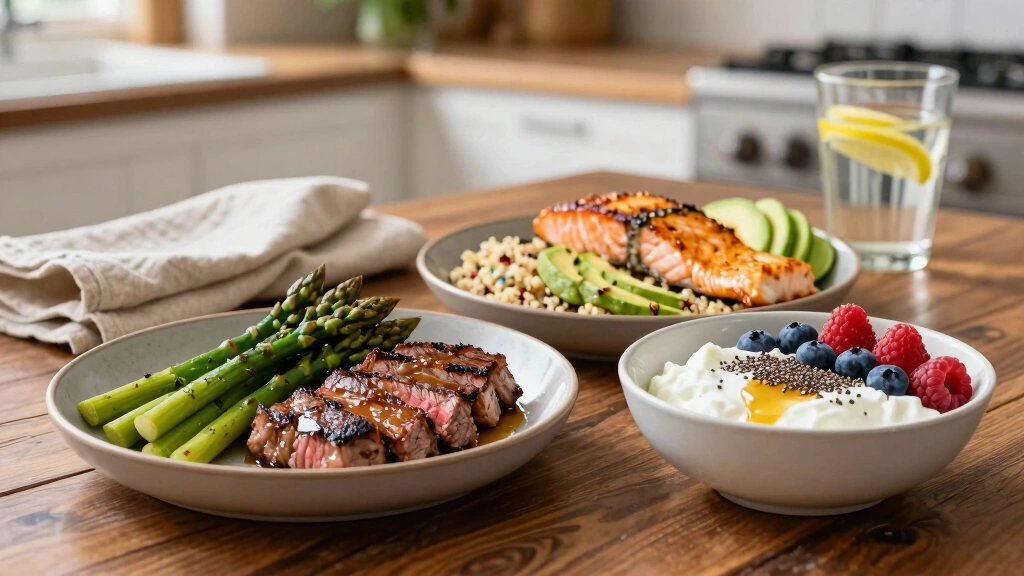
Stop choking down dry, tasteless chicken breasts and chalky protein shakes. You deserve better than a boring diet. You want a 150 grams of protein meal plan that satisfies your taste buds while building muscle, right?
Let’s face it: most fitness advice makes high-protein eating look like a punishment. I remember my first attempt at hitting this target years ago. I tried to chew my way through a mountain of unseasoned turkey breasts, and FYI, my stomach still holds a grudge. 🙂 Luckily, you do not have to repeat my tragic mistakes.
Why 150 Grams of Protein Matters
Why do trainers constantly preach about this specific number? Is 150 grams of protein some magical threshold?
Well, not exactly, but it is an excellent target for active individuals. When you lift weights, run, or perform any intense exercise, you create micro-tears in your muscle fibers. Your body requires amino acids, the building blocks of protein, to patch up these tiny tears. This repair process makes your muscles bigger, stronger, and more resilient.
If you weigh between 150 and 180 pounds, aiming for 150 grams of protein daily hits the absolute sweet spot. Even if you weigh more or less, this target provides a solid foundation for body recomposition. Body recomposition means you lose fat while simultaneously building lean muscle mass. Who would say no to that?
Additionally, protein keeps you full. It stimulates the release of satiety hormones like peptide YY and GLP-1. At the same time, it reduces your levels of ghrelin, the infamous hunger hormone. So, if you constantly fight mid-day cravings, increasing your protein intake will solve your problem.
The Math: Designing Your Meal Structure
Do not try to eat all 150 grams in one massive meal. Your digestive system will protest, and you will feel sluggish for hours.
Instead, distribute your protein intake across four or five eating windows. How do we do this?
Consider a highly effective meal structure:
- Breakfast: 35 grams of protein
- Lunch: 40 grams of protein
- Afternoon Snack: 30 grams of protein
- Dinner: 45 grams of protein
Doesn’t that sound manageable? Breaking it down into four distinct feeding windows makes the entire process feel effortless. You will never feel like you are stuffing your face.
The Complete 150 Grams of Protein Meal Plan
Here is a full day of delicious, high-protein eating. You can adjust the portion sizes based on your daily calorie needs, but these ratios will keep your protein high.
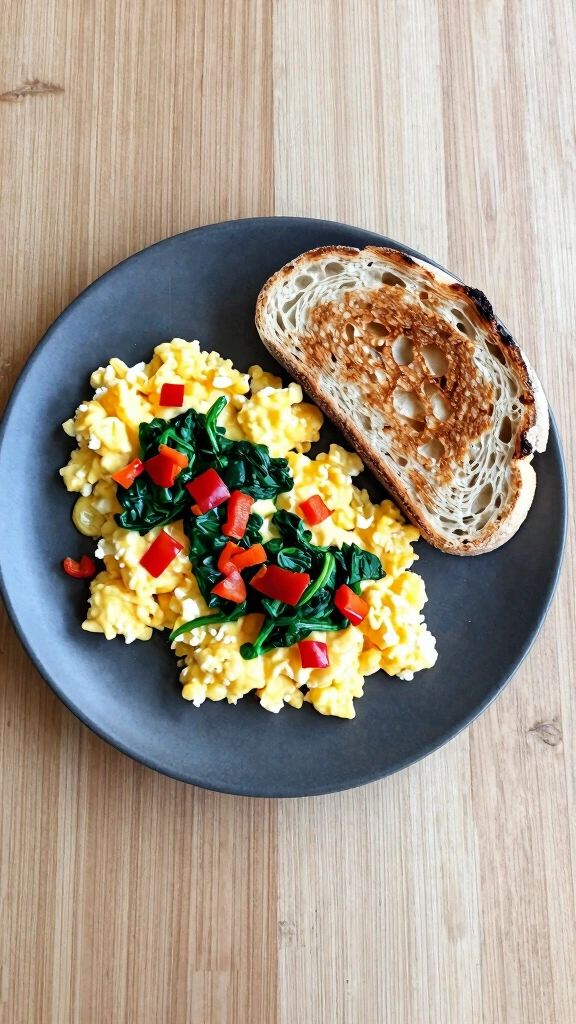
Breakfast: The Fluffy Cottage Cheese Scramble (Approx. 38g Protein)
Start your day with a mix of whole eggs, liquid egg whites, and cottage cheese. Yes, cottage cheese! If you stir a scoop of cottage cheese into your scrambled eggs, they become incredibly creamy and fluffy.
- 3 large whole eggs (18g protein)
- 1/2 cup liquid egg whites (13g protein)
- 1/4 cup low-fat cottage cheese (7g protein)
- 1 cup of fresh spinach and chopped peppers for micronutrients
Whip everything together in a bowl, pour it into a hot skillet with some olive oil spray, and scramble until fluffy. Pair this with a slice of toasted sprouted-grain bread for extra fiber and complex carbohydrates.
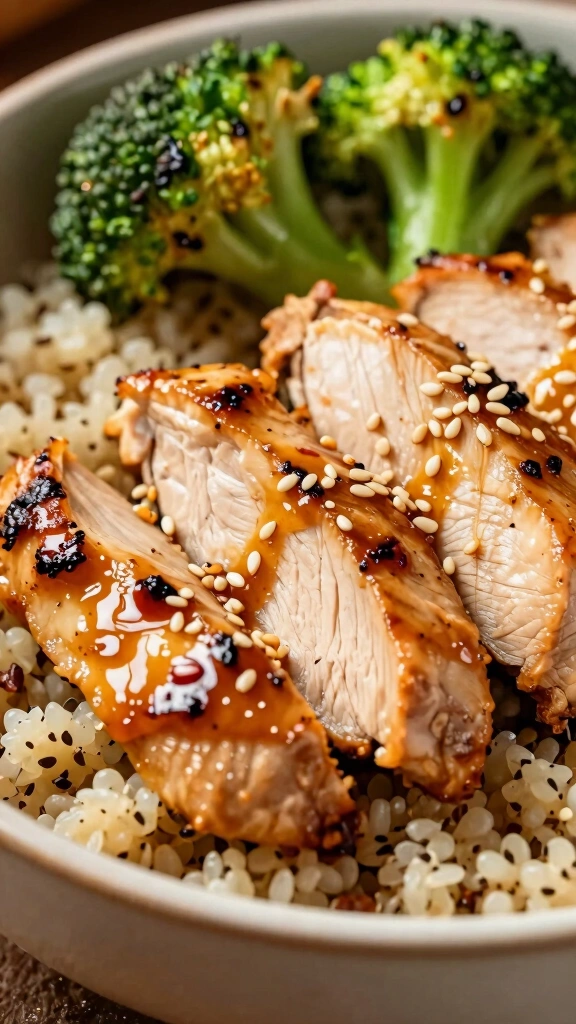
Lunch: Sweet Chili Chicken and Quinoa Bowl (Approx. 42g Protein)
Skip the boring meal prep and try this savory chicken bowl instead. Chicken breast does not have to taste dry if you cook it correctly and use a little sauce.
- 5 ounces of grilled chicken breast (43g protein)
- 1 cup of cooked quinoa (8g protein)
- 1 cup of roasted broccoli
- 1 tablespoon of sweet chili sauce for flavor
Cook the chicken breast in a skillet with garlic powder, onion powder, and a pinch of sea salt. Measure out one cup of cooked quinoa and one cup of steamed broccoli. Place the quinoa and broccoli in a meal-prep container, slice the chicken, lay it on top, and drizzle the sweet chili sauce over the entire dish.
Afternoon Snack: Berry Protein Yogurt Pudding (Approx. 32g Protein)
When the 3 PM slump hits, skip the vending machine chips. This sweet treat will satisfy your sugar cravings while packing a major protein punch.
- 1 cup of non-fat Greek yogurt (22g protein)
- 1/2 scoop of vanilla whey protein powder (12g protein)
- 1/2 cup of fresh blueberries
- 1 teaspoon of chia seeds
Scoop the Greek yogurt into a bowl, add the protein powder, and stir the mixture slowly until the powder completely dissolves. This creates a thick, pudding-like consistency that tastes like dessert. Top the yogurt pudding with your fresh blueberries and chia seeds.
Dinner: Garlic Butter Sirloin Steak and Sweet Potato (Approx. 45g Protein)
You survived the workday, so treat yourself to a hearty steak dinner. Beef contains highly bioavailable iron and zinc, which support your energy levels.
- 6 ounces of lean sirloin steak (48g protein)
- 1 medium baked sweet potato
- A generous side of roasted green beans
Heat a heavy cast-iron skillet over high heat. Season your sirloin steak with salt and cracked black pepper, then sear it for three to four minutes per side. During the last minute of cooking, toss in a teaspoon of grass-fed butter and a smashed garlic clove to baste the steak. Serve the steak with your sweet potato and roasted green beans.
Alternative Meals to Switch Things Up
To keep your diet interesting, you need variety. Here are three alternative high-protein meals you can swap into your schedule.
Option 1: The Ultimate Tuna Salad Sandwich (Approx. 40g Protein)
Drain one can of white albacore tuna. Mix the tuna in a bowl with one tablespoon of avocado oil mayonnaise, one teaspoon of Dijon mustard, and diced celery for crunch. Spread the mixture onto two slices of high-protein sprouted bread. Add a leaf of romaine lettuce and a slice of tomato for a quick lunch.
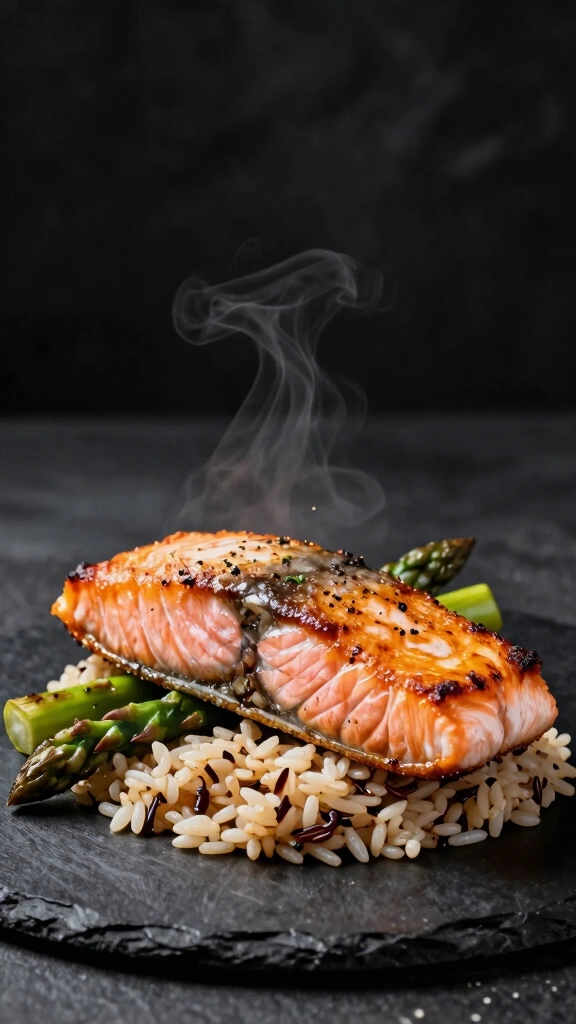
Option 2: Honey Mustard Salmon Bowl (Approx. 45g Protein)
Bake a six-ounce salmon fillet at 400 degrees Fahrenheit for 12 to 15 minutes. While the fish bakes, cook a half-cup of jasmine rice. Toss two cups of fresh baby spinach in a bowl, place the warm rice and baked salmon over the spinach so it wilts, and drizzle a tablespoon of low-calorie honey mustard dressing over the top.
Option 3: Plant-Based Tempeh Stir-Fry (Approx. 38g Protein)
Crumble six ounces of organic tempeh into a hot skillet. Saute the tempeh with minced ginger, garlic, and two cups of mixed stir-fry vegetables like bell peppers, snap peas, and carrots. Add two tablespoons of low-sodium tamari or soy sauce, and serve this flavorful stir-fry over a bed of high-protein edamame pasta.
The Ultimate Grocery List for Protein Density
Print this grocery list or save it to your phone before you head to the store. Having these ingredients on hand guarantees your success.
- Lean Animal Proteins: Skinless chicken breast, lean turkey breast, and lean ground beef (93/7 or leaner).
- Fresh & Frozen Seafood: Wild-caught salmon, shrimp, and canned tuna.
- Dairy & Eggs: Organic eggs, liquid egg whites, Greek yogurt, and cottage cheese.
- Grains & Vegetables: Sprouted-grain bread, quinoa, jasmine rice, sweet potatoes, broccoli, spinach, and asparagus.
- Supplements: Whey protein isolate or a high-quality plant-based protein powder.
Always read the nutrition labels at the grocery store. Some “high protein” snacks contain more sugar and fat than actual protein. Don’t fall for the marketing traps!
How to Prep Your Meals Like a Pro
Meal prep takes the guesswork out of your week. If you keep healthy, pre-portioned meals in your fridge, you will not reach for fast food.
Spend two hours on Sunday grilling chicken, baking potatoes, and roasting vegetables. Store your meals in airtight glass containers to keep them fresh. If you want to visualize how to meal prep a high-protein week easily, watch this great tutorial:
This video will show you exactly how to organize your cooking process. Once you establish a routine, meal prep will feel like second nature.
Three Tips to Make Hitting 150g of Protein Easier
Are you struggling to hit your target? These three life hacks will save your sanity.
1. Drink Your Whey
If you cannot stomach another solid meal, drink a shake. Mixing a scoop of protein powder with water or almond milk takes less than two minutes. It gives you an easy 25 to 30 grams of protein on the go.
2. Double Your Portions
When you cook dinner, cook double the meat. Eat half tonight and pack the other half for tomorrow’s lunch. This simple habit saves you hours of cooking time every single week.
3. Keep Canned Tuna Handy
Canned tuna acts as a lifesaver when you run out of fresh groceries. One simple can yields about 30 grams of lean protein. Keep a few cans in your pantry for emergencies.
How to Track Your Progress Correctly
Do not just eyeball your portions. If you want to guarantee you hit 150 grams of protein, you must track your food. Buy a cheap digital kitchen scale.
Weigh your meats raw whenever possible, as nutrition labels typically display raw weights. Download a user-friendly food tracking app like MyFitnessPal or Cronometer. Input your meals at the start of the day so you have a roadmap. If you wait until 9 PM to log your food, you will likely realize you still need 60 grams of protein before bed. Nobody wants to drink three protein shakes right before sleep!
Common Pitfalls to Avoid
While chasing your protein goals, watch out for these common traps:
- Ignoring Fiber: If you only eat meat and dairy, your digestive tract will stall. Make sure you eat plenty of fibrous vegetables, berries, and whole grains to keep things moving.
- Neglecting Hydration: A high-protein diet places extra work on your kidneys. Drink at least three liters of water daily to help your body process the protein efficiently.
- Falling for “Protein” Candy Bars: Many commercial protein bars contain as much sugar and fat as a regular candy bar. Read the nutrition label carefully. Look for bars that offer at least 20 grams of protein for under 250 calories.
Vegetarian and Vegan High-Protein Alternatives
Can you hit 150 grams of protein on a plant-based diet without eating meat? Absolutely.
While plant proteins generally contain fewer amino acids per gram than animal proteins, you can easily reach your target by combining different sources. Seitan ranks as the king of plant-based protein, offering a massive 25 grams of protein per three-ounce serving. Tempeh and extra-firm tofu also provide excellent, versatile bases for stir-fries and bowls.
Additionally, incorporate high-protein grains like spelt and amaranth, and load up on legumes like lentils and black beans. If you struggle to hit your target with whole foods alone, invest in a high-quality vegan protein powder. Look for a blend of pea and brown rice protein, which provides a complete amino acid profile.
Frequently Asked Questions About a 150 Grams of Protein Diet
Will eating 150 grams of protein damage my kidneys?
No, science does not support this myth for healthy individuals. If you have pre-existing kidney disease, you should consult your doctor. Otherwise, your kidneys can easily handle 150 grams of protein, provided you drink enough water.
Can I hit 150 grams of protein without supplements?
Yes, you can absolutely reach this target through whole foods alone. Eggs, chicken, beef, fish, and Greek yogurt provide plenty of protein. However, protein powder makes the process much more convenient and cost-effective, especially on busy days.
Should I eat this much protein on rest days?
Yes, you should maintain your protein intake on rest days. Your muscles do not just grow during your workouts. In fact, most muscle repair and growth happen while you rest. Keep your protein high every day to support this continuous recovery process.
What happens if I eat too much protein?
Your body will either burn the excess protein for energy or store it as fat, just like any other macronutrient. Consuming slightly more protein than you need will not harm you, but it might crowd out other essential nutrients like healthy fats and carbohydrates. Maintain balance in your diet.
Tailoring the Meal Plan to Your Specific Goals
For Muscle Growth (Bulking)
If your goal involves packing on serious muscle mass, you need a calorie surplus. Keep your protein at 150 grams, but increase your portion of carbohydrates and healthy fats. For example, add more rice to your lunch bowl, eat an extra slice of toast at breakfast, or drizzle extra virgin olive oil over your dinner vegetables.
For Fat Loss (Cutting)
If you want to shed body fat while preserving your hard-earned muscle, you must create a calorie deficit. Keep your protein high at 150 grams, but reduce your intake of fats and carbohydrates. Swap the whole eggs for extra egg whites, choose leaner cuts of meat like turkey breast, and replace your rice with cauliflower rice.
Summary
Hitting 150 grams of protein does not require you to live in the kitchen or eat bland foods. By breaking your target down into manageable meals, prioritizing whole foods, and utilizing a few smart shortcuts, you can hit your goals with ease.
Are you ready to build some serious muscle? Grab your skillet, prep your meals, and watch your body transform!
