
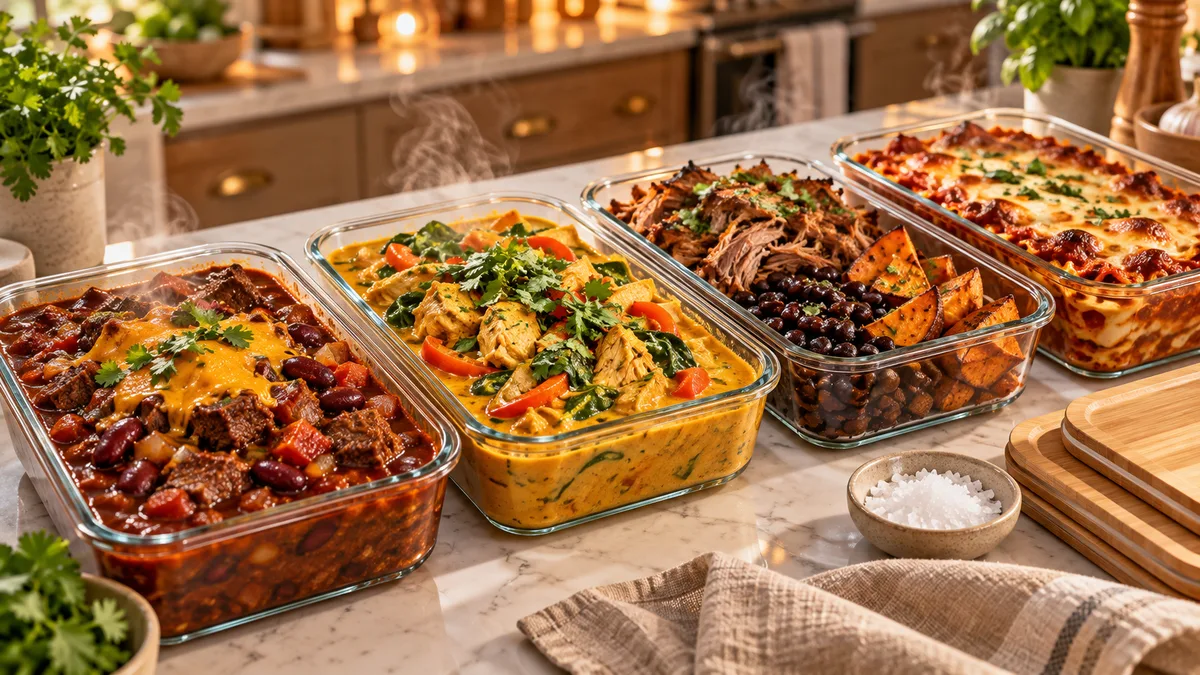
You open your refrigerator on Thursday night, exhausted, hungry, and ready to collapse. You pull a plastic container out from the back shelf and stare at dry, gray chicken breast surrounded by limp broccoli. Most cooks know this exact frustration. Bad meal prep ruins good intentions.
Standard meal plans fail because they ask you to cook delicate foods that turn to rubber after forty-eight hours. You do not need to endure miserable desk lunches or depressing dinners. Certain meals break that pattern: they improve as they sit in your fridge.
I stopped cooking plain grilled chicken years ago. Now, I lean entirely into dishes that harness food chemistry over several days. Here is the science behind flavor melding, along with five simple recipes that peak right around Day 4.
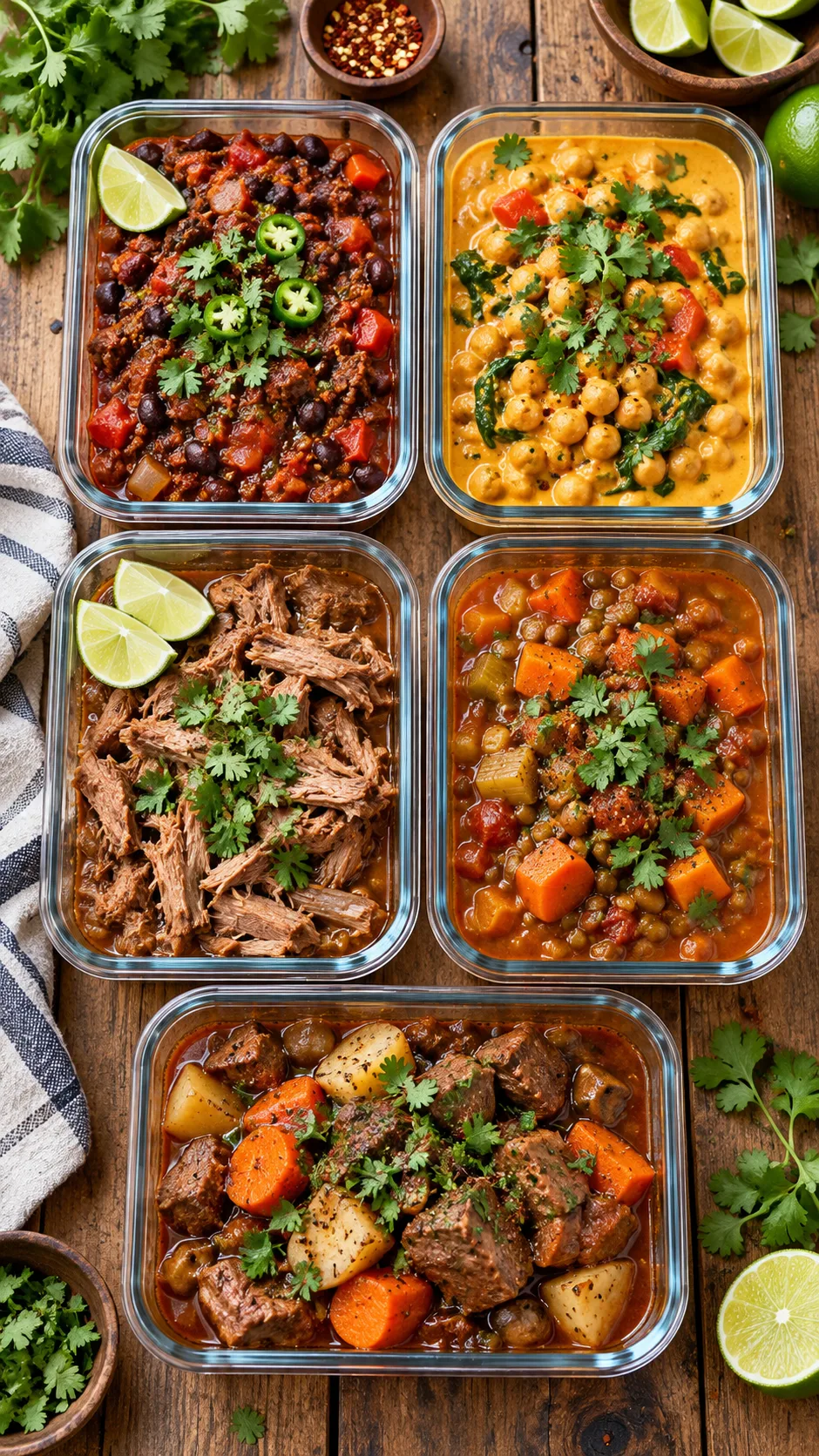
The secret science: why some meals peak on Day 4
Sunday chili always tastes twice as rich on Wednesday night. You are not imagining things. Chemistry alters these dishes while you sleep.
When you cook stews, braises, and rich sauces, several specific reactions happen over a few days in your refrigerator:
- Aromatic infusion: Onions, garlic, chiles, and dried spices contain fat soluble flavor compounds. These compounds take 24 to 72 hours to dissolve into the cooking fats and broth. Over time, the dish develops a unified flavor profile instead of harsh, separate flavor spikes.
- Protein tenderization and gelatin setting: Tough cuts of meat contain dense connective tissue called collagen. Slow cooking breaks that collagen down into gelatin. As the dish cools, the gelatin absorbs the cooking liquid, which plumps the meat and thickens the sauce. The team at Serious Eats shows that collagen-rich cuts survive reheating far better than lean chicken or pork.
- Acid mellowing: Sharp acids (such as tomatoes, vinegar, or citrus juice) react with other ingredients over time. Sugars and fats soften that sour edge, turning a sharp sauce into a smooth, balanced meal.
Instead of fighting time, let it do the work in your kitchen. If you love this low-effort cooking style, check out our guide to meal prep recipes that last all week for more practical kitchen ideas.
Three rules for lazy-proof meal longevity
You cannot toss any random casserole into the fridge and expect a miracle on Thursday. Keep your food safe and appetizing by following three basic practices.
1. Ditch plastic containers for glass
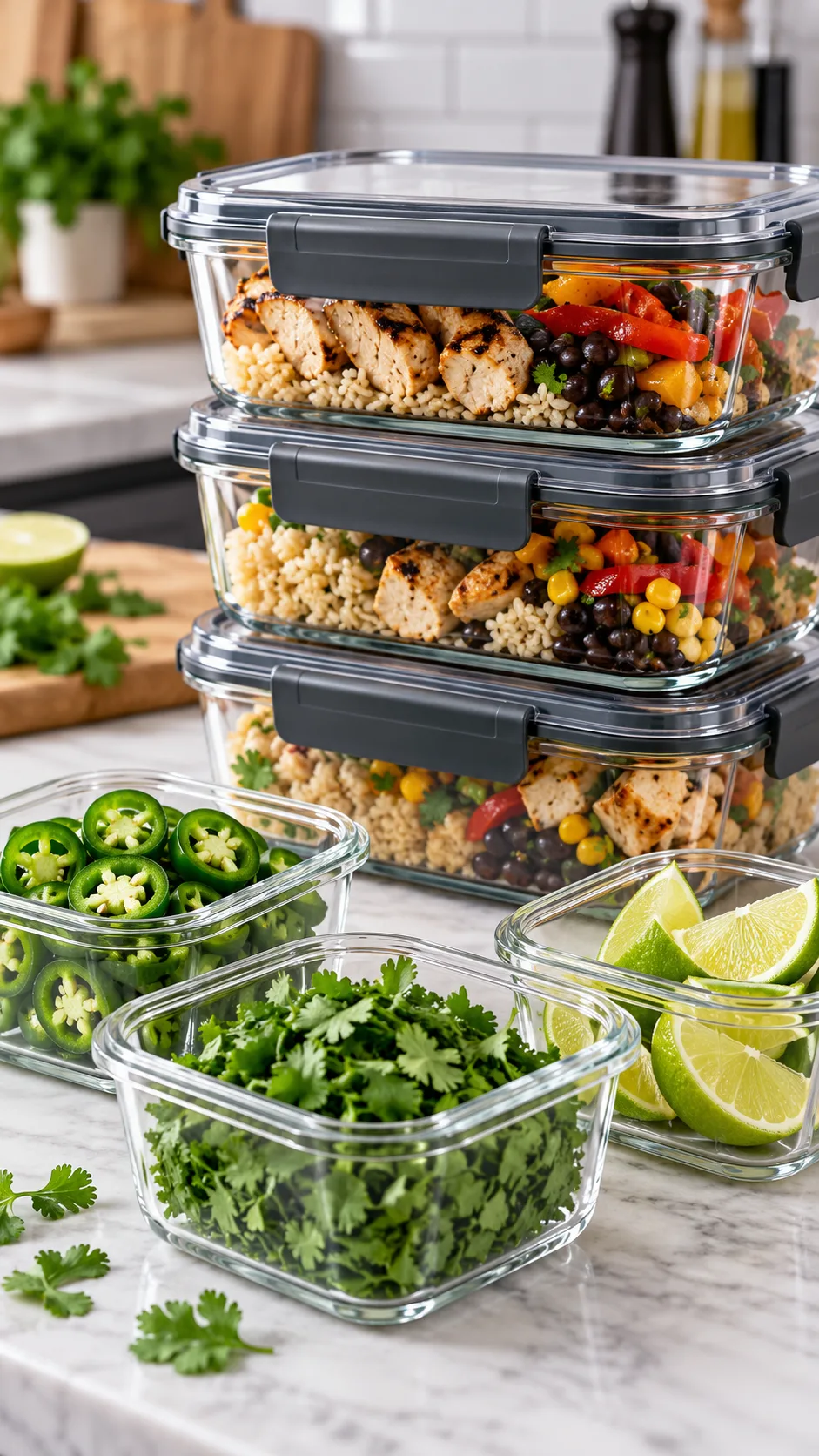
Plastic containers absorb old odors, warp in the microwave, and let oxygen seep into your meals. Buy glass containers with snap-locking lids instead. Glass holds in aromas and maintains a tight seal against oxygen.
2. Cool food quickly
Never shove a steaming Dutch oven straight onto your refrigerator shelf. A hot pot warms the entire fridge, which pushes nearby milk and meat into unsafe temperatures. Portion hot food directly into shallow glass dishes instead. Leave the lids cracked for twenty minutes, then seal the containers and put them in the fridge. The USDA Food Safety and Inspection Service advises cooling cooked foods within two hours to stop bacteria from multiplying.
3. Pack fresh garnishes separately
Slimy cilantro and brown avocado ruin a great braised meat bowl instantly. Keep fresh herbs, cheese, pickled onions, and lime wedges in small individual tubs. Add them cold right after you reheat your main dish. That crisp, cold topping against the hot food makes your dinner feel freshly cooked.
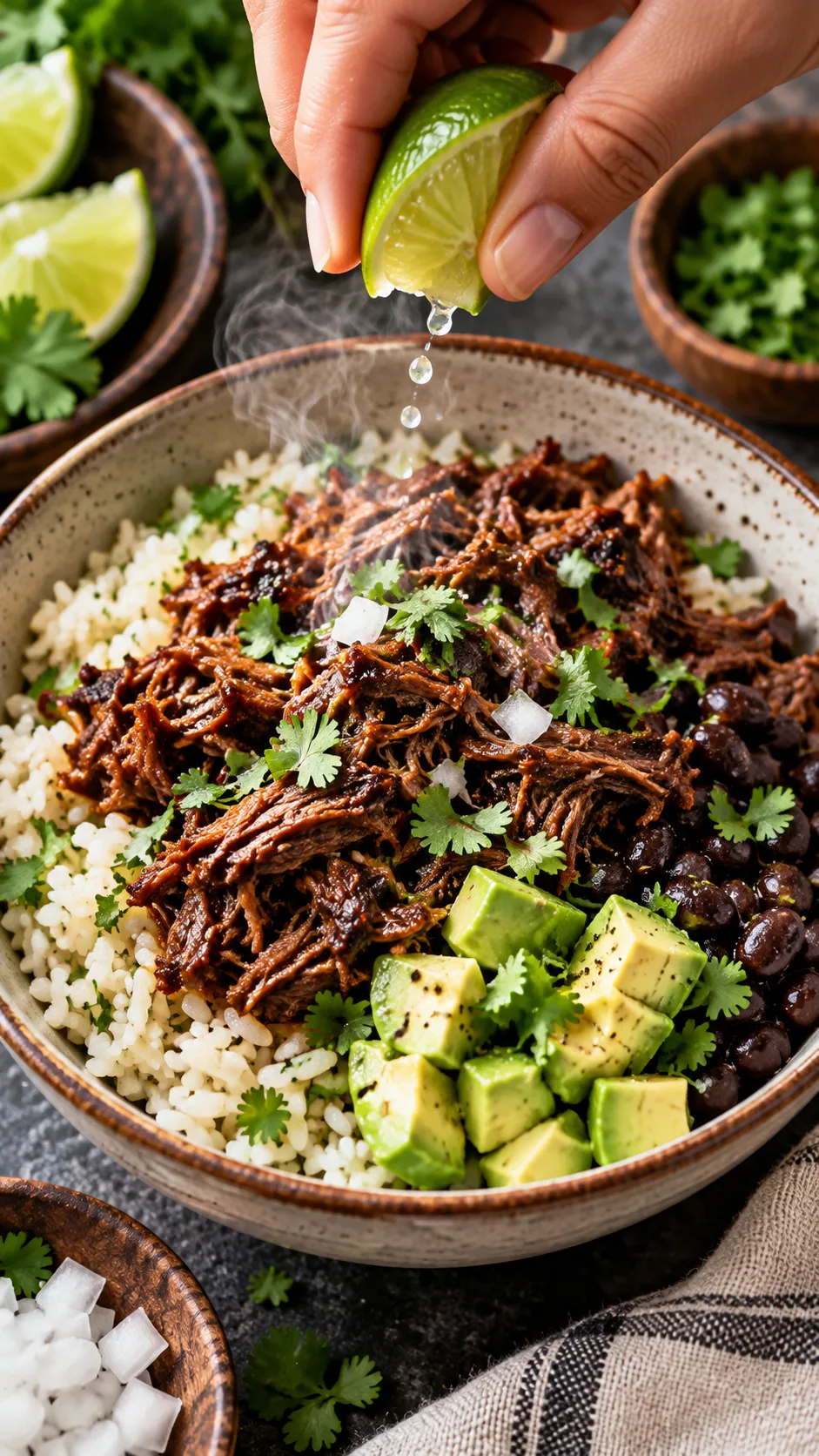
1. Slow-cooker chipotle beef barbacoa
Beef chuck roast contains thick ribbons of fat and connective tissue. Six hours of gentle heat transforms this tough cut into tender, shreddable strands. By Day 4, the smoky adobo peppers seep through every bite.
Ingredients
- 3 pounds beef chuck roast, cut into large 3-inch chunks
- 4 cloves garlic, smashed
- 2 chipotle peppers in adobo sauce, minced (plus 2 tablespoons adobo sauce)
- 1 cup beef bone broth
- 1 tablespoon ground cumin
- 1 tablespoon dried Mexican oregano
- 1 teaspoon ground cloves
- Juice of 2 fresh limes
- 2 bay leaves
- 1.5 teaspoons kosher salt and 1 teaspoon coarse black pepper
Preparation (no searing required)
- Place the beef chunks into your slow cooker.
- Whisk the broth, chipotles, adobo sauce, garlic, cumin, oregano, cloves, lime juice, salt, and pepper in a bowl. Pour the liquid over the beef.
- Tuck the bay leaves under the meat.
- Cover the cooker and run it on low for 7 to 8 hours (or high for 4 to 5 hours) until you can pull the meat apart with a fork.
- Shred the beef in its cooking liquid, throw away the bay leaves, and divide the meat and juices into glass containers.
Why it improves on Day 4: The beef drinks up the spiced adobo juices while resting in the fridge. Reheat the meat in a dry skillet for three minutes to crisp the outside edges while keeping the centers juicy.
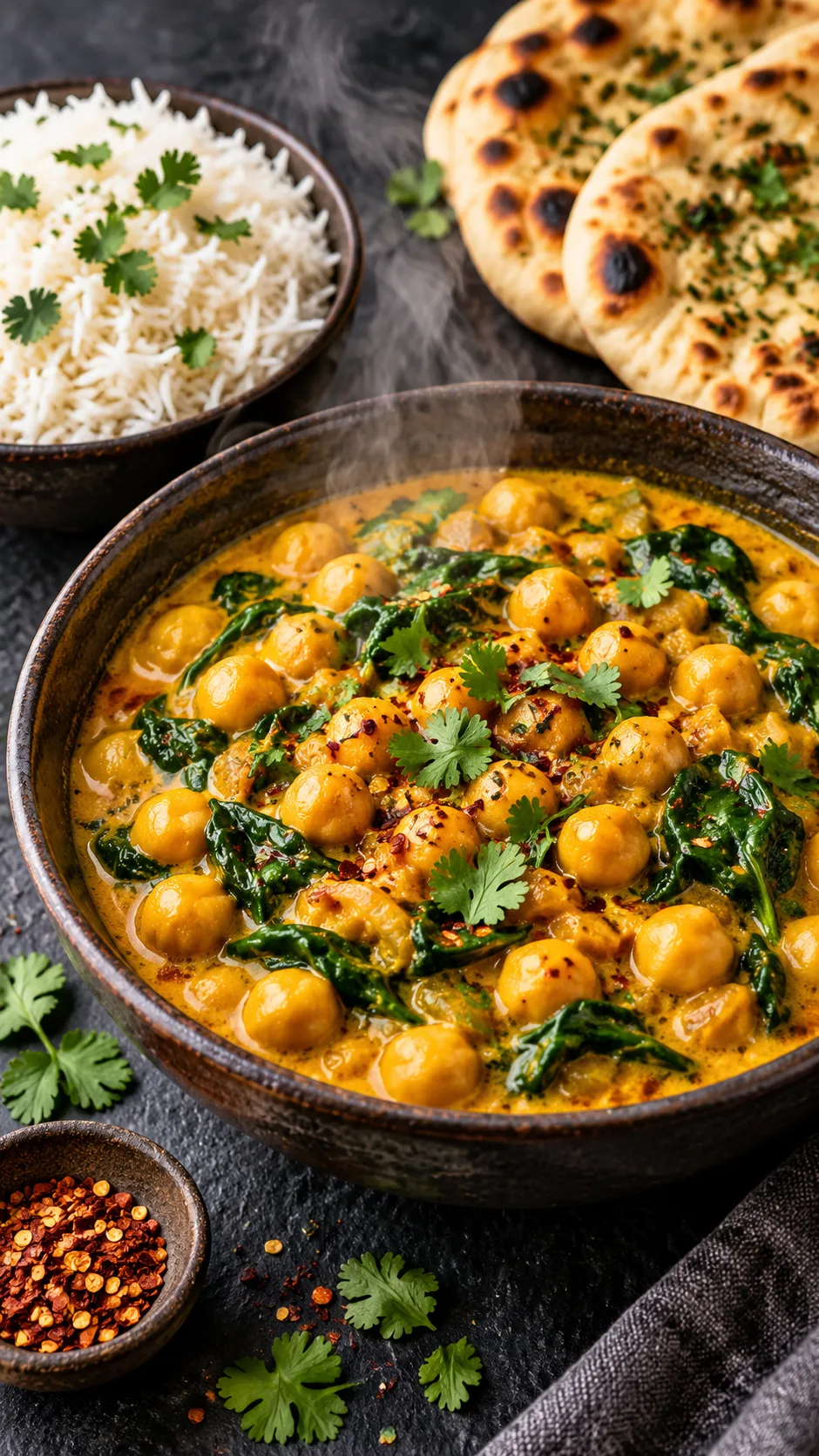
2. Golden coconut chickpea curry
Plant proteins excel at meal prep because they never dry out or turn rubbery. This curry blends hearty garbanzo beans, rich coconut milk, and earthy turmeric. The chickpeas act like sponges, soaking up the spiced sauce until they burst with flavor. If you cook often with beans, check out our collection of 19 chickpea recipes for extra inspiration.
Ingredients
- 2 cans (15 ounces each) chickpeas, drained and rinsed
- 1 can (13.5 ounces) full-fat coconut milk
- 1 can (14.5 ounces) fire-roasted diced tomatoes
- 1 large yellow onion, diced
- 4 cloves garlic, minced
- 1 tablespoon freshly grated ginger
- 1.5 tablespoons yellow curry powder
- 1 teaspoon ground turmeric
- 1 teaspoon garam masala
- 4 cups fresh baby spinach
- 2 tablespoons coconut oil or olive oil
- 1 teaspoon fine sea salt
Preparation
- Heat the oil in a deep skillet over medium heat. Sauté the diced onion for five minutes until translucent.
- Stir in the garlic, ginger, curry powder, turmeric, and garam masala. Cook for one minute until fragrant.
- Pour in the fire-roasted tomatoes, coconut milk, and chickpeas. Scrape the pan bottom to loosen any stuck spices.
- Bring the liquid to a simmer, lower the heat, and simmer uncovered for 15 minutes to thicken the sauce.
- Stir in the baby spinach during the last two minutes until it wilts. Remove the pan from heat and mix in the salt.
Why it improves on Day 4: Coconut milk smooths out the raw bite of the garlic and ginger over several days. The sauce thickens into a rich gravy that coats rice cleanly. It tastes far richer on Thursday than it does fresh from the stove.
3. Smoky Tuscan white bean and sausage stew
Thin soups often turn watery after a day or two in the fridge. This stew avoids that trap because you mash a portion of the cannellini beans directly into the broth. That trick creates a thick, creamy texture without any dairy.
Ingredients
- 1 pound sweet or spicy Italian sausage (bulk or removed from casings)
- 2 cans (15 ounces each) cannellini beans, rinsed and divided
- 1 medium yellow onion, diced
- 2 large carrots, cut into thin coins
- 2 stalks celery, sliced
- 4 cloves garlic, minced
- 4 cups low-sodium chicken broth
- 1 bunch lacinato kale, stems removed and leaves roughly chopped
- 1 teaspoon dried thyme
- 1/2 teaspoon red pepper flakes
- 1/4 cup freshly grated Parmesan cheese (for finishing)
Preparation
- Brown the sausage in a heavy pot over medium-high heat, breaking it into bite-sized pieces with a wooden spoon for about six minutes. Transfer the sausage to a plate, leaving the rendered fat in the pot.
- Add the onion, carrots, and celery to the pot. Cook for five minutes until the vegetables soften.
- Stir in the garlic, thyme, and red pepper flakes. Cook for one minute until fragrant.
- Pour in the chicken broth and one can of whole beans.
- Mash the second can of beans thoroughly in a bowl using a fork. Stir the mashed beans and the cooked sausage back into the pot.
- Bring the stew to a boil, then lower the heat. Simmer for 15 minutes.
- Stir in the chopped kale and simmer for another five minutes until tender. Cool the stew before packaging.
Why it improves on Day 4: The sausage continues to release fennel and paprika oils into the bean broth. The kale softens into the broth without turning mushy, producing a thick, comforting bowl by midweek.
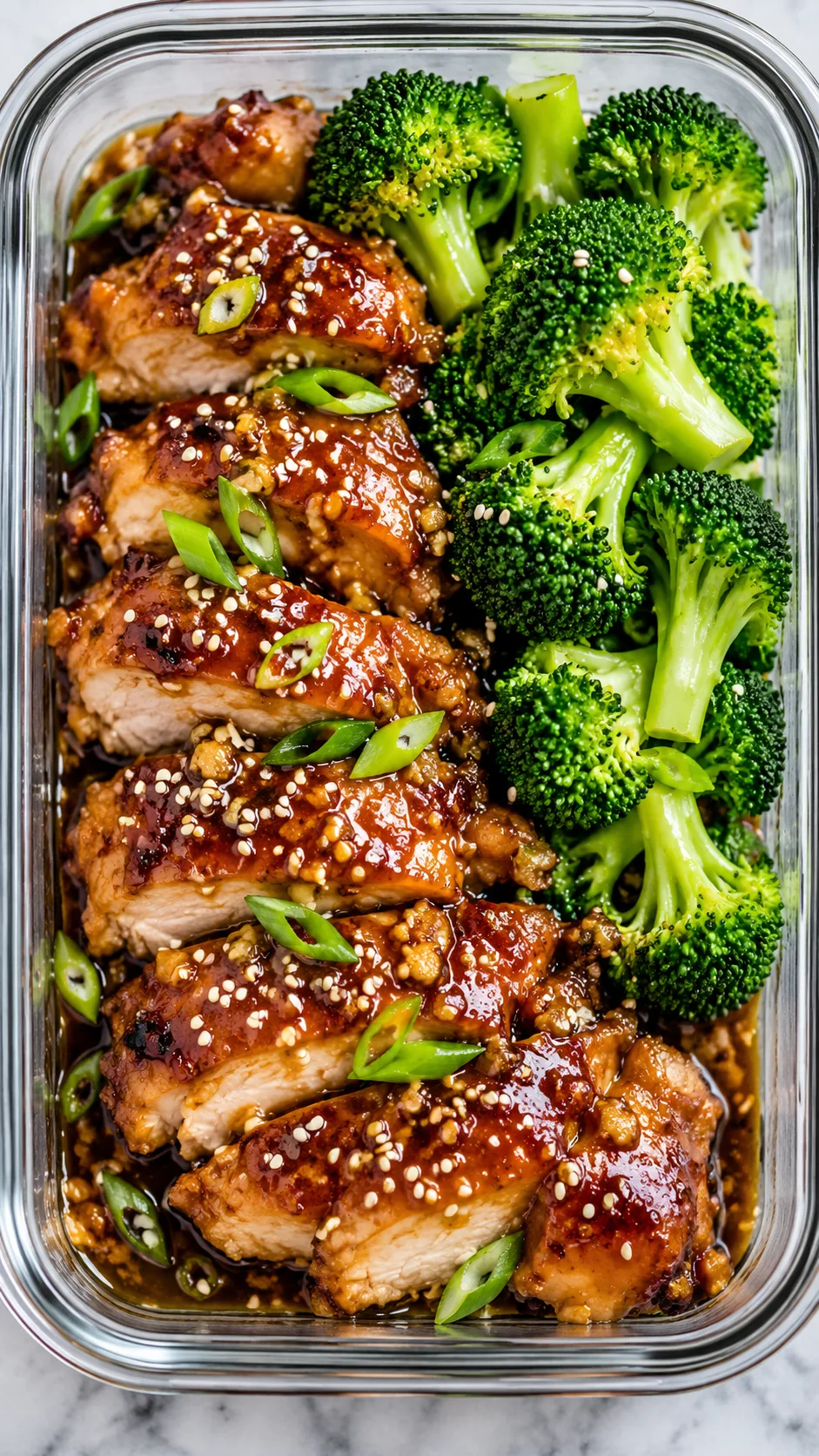
4. Braised sesame ginger chicken thighs
Skip the boneless chicken breasts unless you enjoy chewing on dry rubber. Chicken thighs contain more fat and sturdy muscle fibers that stay juicy when you reheat them. This braise delivers deep savory flavors that intensify as the days pass.
Ingredients
- 2 pounds boneless, skinless chicken thighs, trimmed of excess fat
- 1/3 cup low-sodium tamari or soy sauce
- 1/4 cup pure maple syrup or honey
- 2 tablespoons toasted sesame oil
- 2 tablespoons rice vinegar
- 2 tablespoons fresh ginger, finely grated
- 4 cloves garlic, grated or crushed
- 1 tablespoon chili-garlic sauce (like Sambal Oelek)
- 1 tablespoon cornstarch mixed with 2 tablespoons cold water
- Toasted sesame seeds and sliced green onions for Day 4 garnish
Preparation
- Preheat your oven to 375°F (190°C). Arrange the chicken thighs in an even layer in a 9×13-inch glass baking dish.
- Whisk the tamari, maple syrup, toasted sesame oil, rice vinegar, ginger, garlic, and chili sauce in a bowl. Pour the mixture over the chicken.
- Bake uncovered for 30 minutes until the meat registers an internal temperature of 165°F (74°C).
- Pour the pan juices into a small saucepan over medium heat. Whisk in the cornstarch slurry and simmer for two minutes until the sauce thickens.
- Pour the sauce back over the chicken thighs. Let the meat cool, slice it into strips, and submerge it in the glaze for storage.
Why it improves on Day 4: Chilled chicken thighs draw the marinade straight into the meat fibers. The ginger loses its raw heat and melds with the sweet soy glaze, leaving every piece tender and savory.
5. Sweet potato and black bean turkey chili
Ground turkey chili often turns dry and crumbly. Diced sweet potatoes fix that flaw completely. While the chili rests in your fridge, starches from the potatoes seep into the broth and balance the chili powder with natural sweetness.
Ingredients
- 1.5 pounds lean ground turkey (93/7 blend)
- 2 medium sweet potatoes, peeled and diced into 1/2-inch cubes
- 1 can (15 ounces) black beans, rinsed and drained
- 1 can (28 ounces) crushed tomatoes
- 1 large red onion, diced
- 1 red bell pepper, diced
- 3 tablespoons chili powder
- 1 tablespoon ground cumin
- 1 tablespoon unsweetened cocoa powder (the secret flavor builder)
- 1 teaspoon garlic powder
- 1.5 cups chicken broth
- 1 teaspoon salt and 1/2 teaspoon black pepper
Preparation
- Heat olive oil in a large Dutch oven over medium heat. Brown the ground turkey with the salt and pepper for about seven minutes, breaking up large pieces.
- Add the onion, bell pepper, and sweet potato cubes. Cook for five minutes until the onion softens.
- Add the chili powder, cumin, cocoa powder, and garlic powder. Stir for one minute to toast the spices.
- Stir in the crushed tomatoes, chicken broth, and drained black beans.
- Bring the pot to a boil, turn the heat to low, cover, and simmer for 25 to 30 minutes until a fork easily pierces the sweet potatoes.
- Take the pot off the heat and let the chili rest uncovered for 10 minutes before you divide it into containers.
Why it improves on Day 4: The unsweetened cocoa powder builds a rich, mole-like foundation as it reacts with the acidic tomatoes. The sweet potatoes soften and hold the chili spices without falling apart.
If you want more dinners that pack serious flavor without hours at the stove, browse our favorite quick & easy healthy dinners for your weekly rotation.
Watch: batch cooking that keeps food flavorful
Professional cooks rely on specific systems to prepare large quantities of food without burning out. This video explains efficient batch cooking methods that keep meals tasting fresh for days:
How to reheat food without that leftover taste
Many people notice an odd, metallic taste when they reheat cooked meat in an office microwave. Food scientists call this reaction warmed over flavor. It occurs when fatty acids oxidize during a second round of heat. You can avoid this taste by following three simple practices:
1. Add moisture before heating
Never reheat cold meals in a dry microwave. Splash a tablespoon of water, broth, or coconut milk across the food first. Cover the container with a damp paper towel. The towel traps steam and warms the dish evenly without drying out the ingredients.
2. Drop your microwave power to 70%
Stop reheating food on full power. Running the microwave at 100% turns the edges to rubber while leaving the center cold. Set the power level to 70% and extend the cooking time by 45 seconds. The gentle heat warms the meal throughout while keeping sauces and meats tender.
3. Add fresh acid before eating
Cold storage dulls high flavor notes. Before you dig into reheated chili, curry, or chicken, add a squeeze of fresh lime juice, a few drops of vinegar, or a pinch of coarse salt. That quick hit of acid sharpens the whole dish and makes it taste freshly made.
Frequently asked questions
How long can I safely store cooked meat in the fridge?
The U.S. Department of Health & Human Services states that cooked meat and poultry stay safe for three to four days at 40°F (4°C) or lower. If you plan to eat these dishes after Day 4, pack single servings into your freezer on Day 2 and defrost them overnight in the fridge before reheating.
Can I freeze these recipes?
You can freeze all five of these meals. The sauces and braising liquids shield the meats and vegetables against freezer burn. Keep them in sealed freezer containers for up to three months. Avoid freezing recipes with raw dairy or delicate greens, since freezing breaks down their texture.
Do I have to chop everything on Sunday?
You do not need to spend your entire weekend chopping vegetables. Take advantage of store shortcuts like pre-diced onions, peeled garlic, and canned beans. Because these recipes rely on long simmering times and bold spices, packaged prep ingredients work cleanly without hurting the taste.
Reclaim your weeknights
Meal prep should never force you to eat dry chicken and rubbery vegetables. When you choose recipes centered on sturdy braises, robust spices, and beans, time works in your favor.
Start with one recipe from this list for your next week of dinners. Grab your glass storage containers, heat your pot, and let the ingredients meld together. When you sit down to a hot, rich dinner on Thursday after five minutes of reheating, you will never return to dry chicken breasts.
