
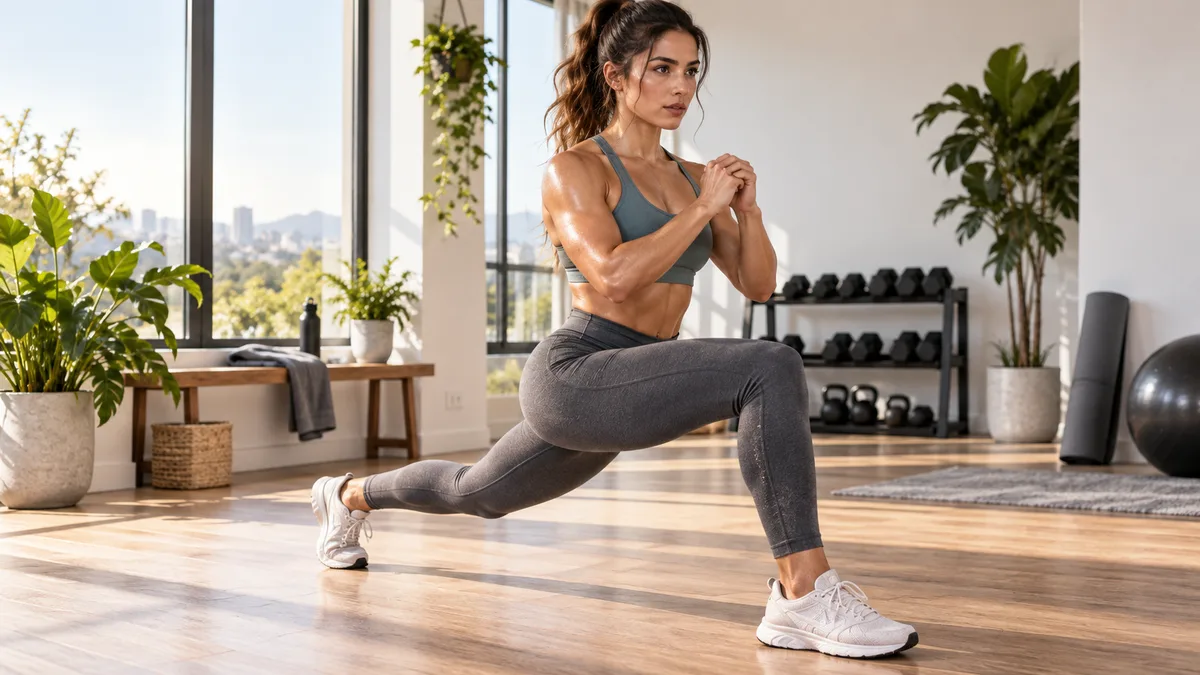
Your legs and glutes make up the largest muscle group in your body, yet most people treat leg day like an afterthought. A few half-hearted squats, some lazy lunges, and a silent prayer to the fitness gods. Sound familiar? If you want a lower body that looks and feels strong, you need a routine built with intention, not just sweat.
This isn’t another cookie-cutter workout list you’ll screenshot and forget. I’m breaking down a complete toned legs and glutes workout that targets every angle, fires up muscles you didn’t know you had, and makes every single rep count. Whether you train at home or hit the gym, this routine adapts to you.
Why Most Leg and Glute Workouts Fall Short
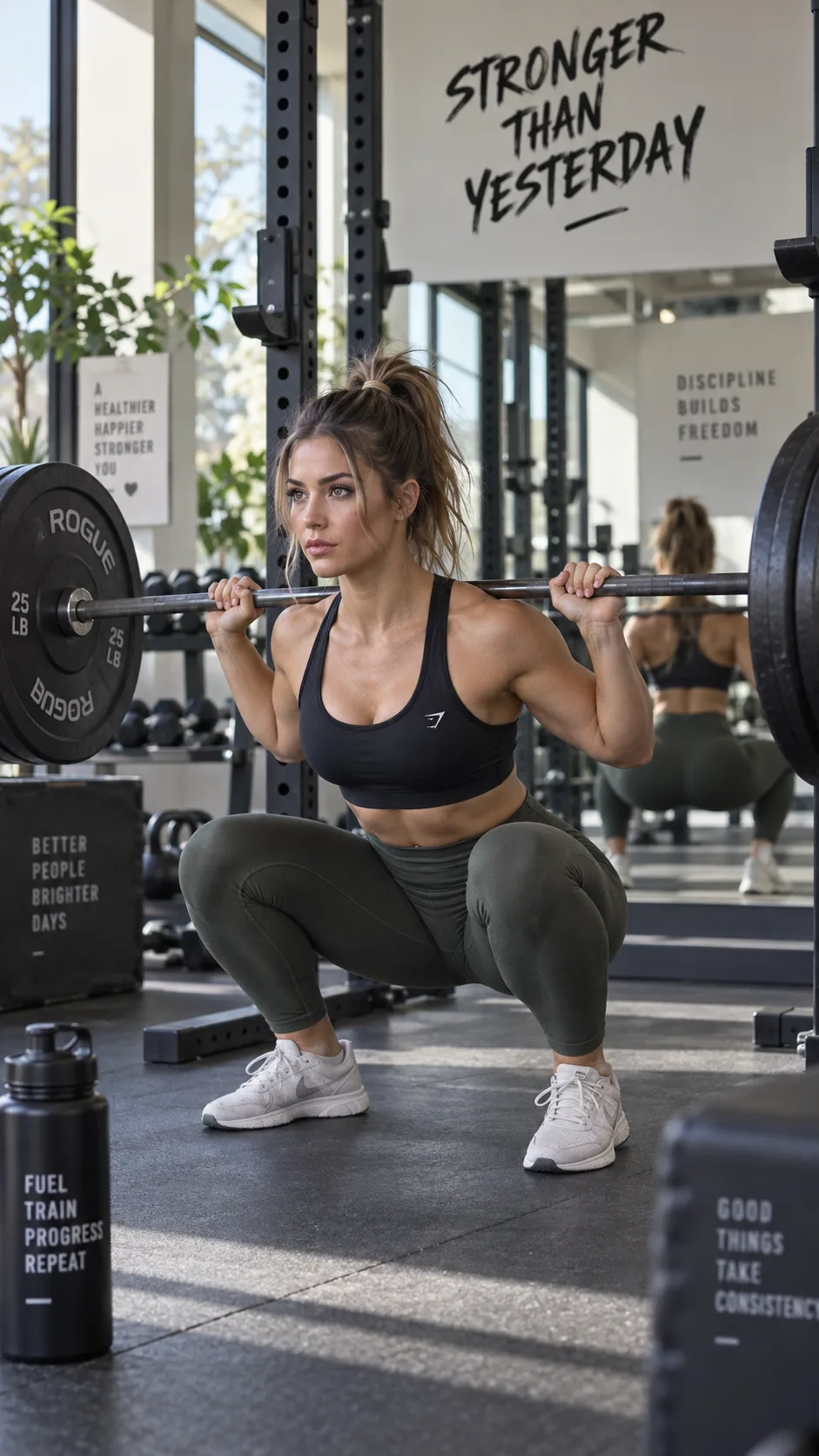
Most leg workouts fail because they rely on volume over quality. People crank out 50 bodyweight squats, feel a burn, and assume they’ve done something productive. A burn doesn’t always equal growth. Your muscles need progressive tension, proper activation, and enough variety to hit all three glute muscles, not just the gluteus maximus everyone obsesses over.
The gluteus medius and minimus handle hip stability, lateral movement, and that rounded “shelf” look people chase. Ignore them, and you end up with a flat side profile no matter how many squats you do. That’s why a well-structured legs and glutes sculpting routine hits multiple planes of motion, not just up and down.
Research from the American Council on Exercise confirms that exercises like hip thrusts and single-leg movements activate glute muscles significantly more than traditional squats alone. So if squats are your entire game plan, you’re leaving results on the table.
The Warm-Up You Shouldn’t Skip (Seriously, Don’t)
I know. Warming up feels pointless when you’re fired up and ready to lift. But glute activation before your main workout is the difference between your glutes doing the work and your quads hijacking every movement. Five minutes. That’s all it takes.
Glute Activation Circuit (2 Rounds)
- Banded Glute Bridges: 15 reps. Place a resistance band just above your knees, squeeze at the top for two seconds, and lower with control.
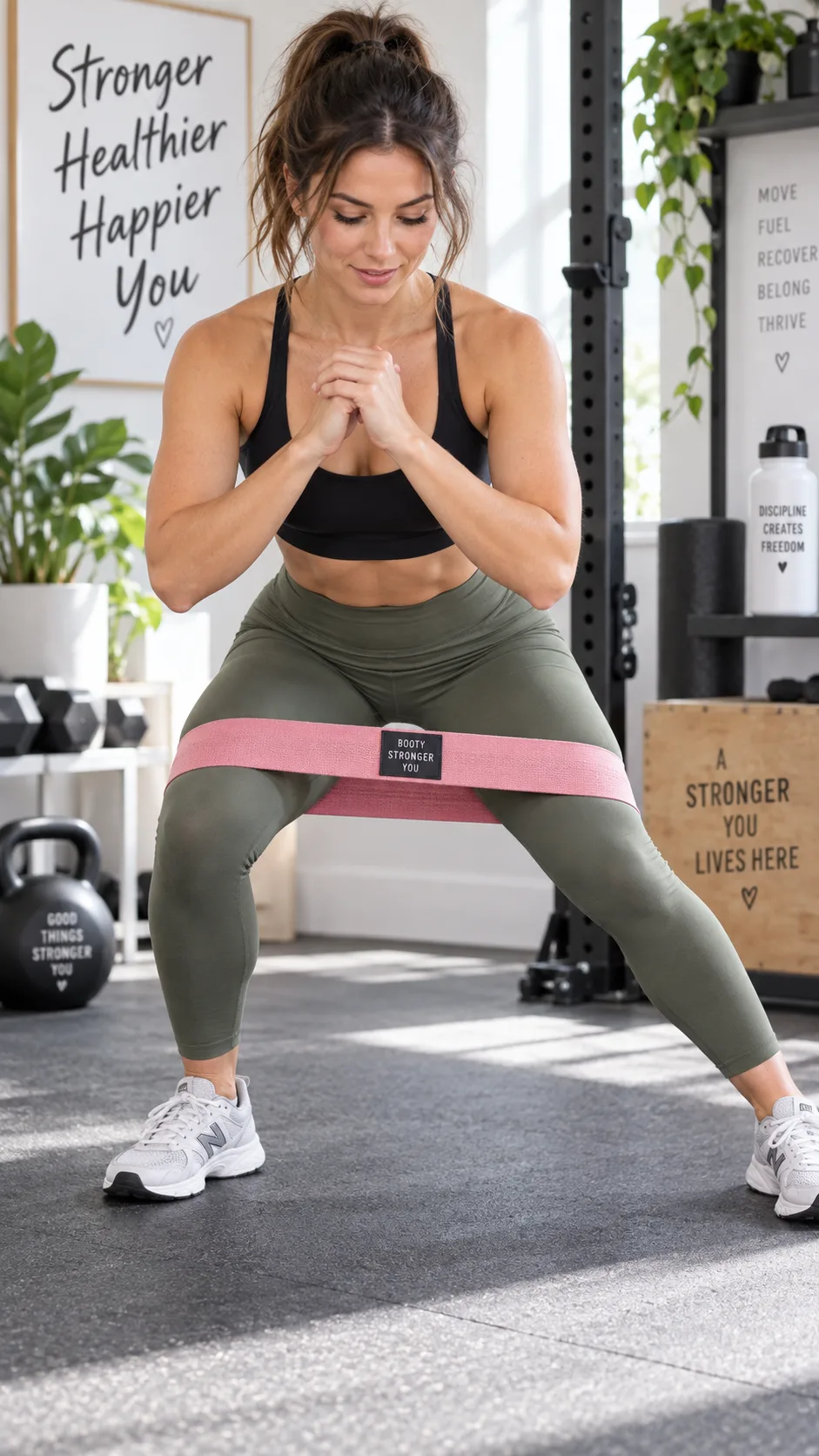
- Lateral Band Walks: 12 steps each direction. Stay low in a quarter squat and keep tension on the band the entire time.
- Fire Hydrants: 12 reps per side. Slow and deliberate. If you’re swinging your leg around like a dog at a hydrant, you’re doing it wrong.
- Bodyweight Single-Leg Glute Bridges: 10 per side. This one exposes imbalances fast.
If you own a resistance band, this warm-up becomes ten times more effective. The band forces your glutes to engage against lateral resistance, which wakes up those smaller stabilizer muscles before you load them with heavier work.
The Main Toned Legs and Glutes Workout
Here’s the full routine. It combines compound lifts for strength with isolation exercises for targeted sculpting. You can use dumbbells, barbells, or machines, whatever you have access to. The magic is in the execution, not the equipment.
Rest 60 to 90 seconds between sets for compound movements and 45 to 60 seconds for isolation work. Keep a timer. Your phone already has one, so no excuses 🙂
1. Barbell Hip Thrusts — 4 Sets of 10-12 Reps
The hip thrust is the undisputed king of glute exercises. Nothing else loads your glutes through their full range of motion with this much direct tension. Set your upper back against a bench, roll a barbell over your hips (use a pad unless you enjoy bruises), and drive through your heels.
The main cue? Squeeze your glutes at the top like you’re cracking a walnut between them. Don’t hyperextend your lower back. Your ribs should stay stacked over your pelvis. If you’re arching like a gymnast, you’ve gone too far.
2. Bulgarian Split Squats — 3 Sets of 10 Per Leg
Ah, the Bulgarian split squat. The exercise everyone loves to hate. You’ll prop your rear foot on a bench behind you, hold dumbbells at your sides, and lower into a deep lunge until your front thigh hits parallel. These absolutely torch your quads and glutes simultaneously.
Single-leg exercises force each side to carry its own weight, which eliminates the compensation patterns that bilateral movements allow. Your weaker leg can’t hide behind the stronger one. Fair warning: walking normally the next day becomes optional.
3. Romanian Deadlifts (RDLs) — 4 Sets of 10
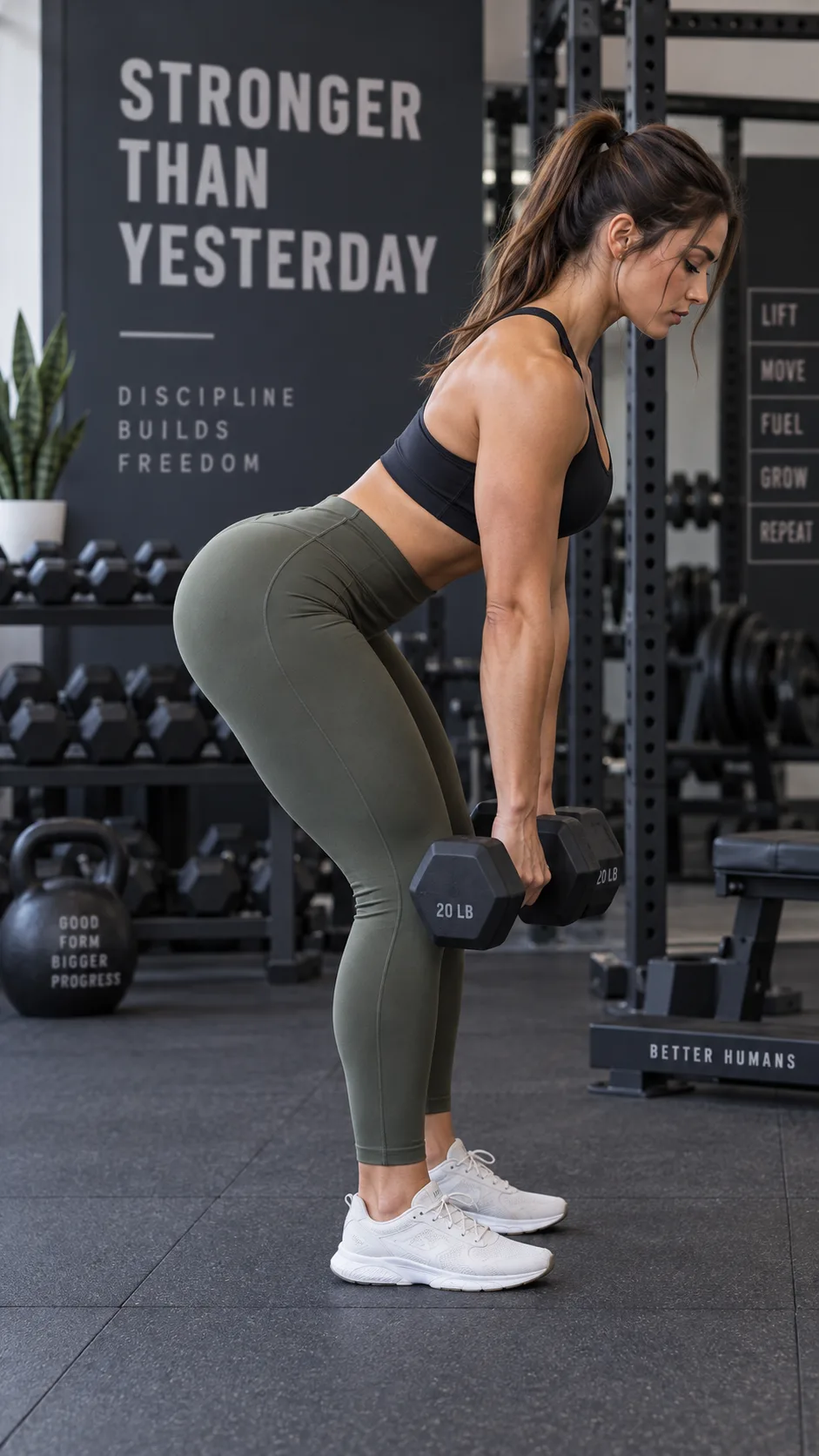
RDLs target your hamstrings and glutes through a hip-hinge pattern that most people need more of. Hold a barbell or dumbbells in front of your thighs, push your hips back like you’re closing a car door with your butt, and lower the weight along your legs until you feel a deep stretch in your hamstrings.
Keep the weight close to your body. It should practically graze your shins. A common mistake? Rounding the lower back. If your back rounds before the weight reaches your knees, you’ve gone too deep for your current flexibility. Meet your body where it is today.
4. Goblet Squats — 3 Sets of 12
Hold a dumbbell or kettlebell at your chest, drop into a deep squat, and drive back up. Goblet squats keep your torso upright, which shifts more emphasis onto your quads and glutes compared to a barbell back squat. They’re also fantastic for reinforcing proper squat mechanics.
Can’t hit depth? Elevate your heels on small weight plates. This reduces the ankle mobility demand and lets you sink deeper without your heels lifting. It’s not cheating. It’s smart training.
5. Cable Kickbacks — 3 Sets of 15 Per Leg
Attach an ankle strap to a low cable, face the machine, and extend your leg straight behind you. This isolates the glute max beautifully. The cable provides constant tension throughout the entire range of motion, which dumbbells and bodyweight can’t match.
Control the movement. If you’re swinging your leg with momentum, drop the weight. IMO, this exercise separates people who train their glutes from people who just think they train their glutes.
6. Walking Lunges — 3 Sets of 12 Per Leg
Walking lunges combine strength, balance, and coordination into one functional movement. Grab dumbbells, take a long stride forward, lower your back knee toward the ground, then step through into the next rep. Longer strides emphasize glutes; shorter strides hit quads harder.
If you want a challenge, try deficit walking lunges by stepping onto a low platform. The extra range of motion creates a deeper stretch and stronger contraction in your glutes. You can also check out this complete leg day routine for more lunge variations and sequencing ideas.
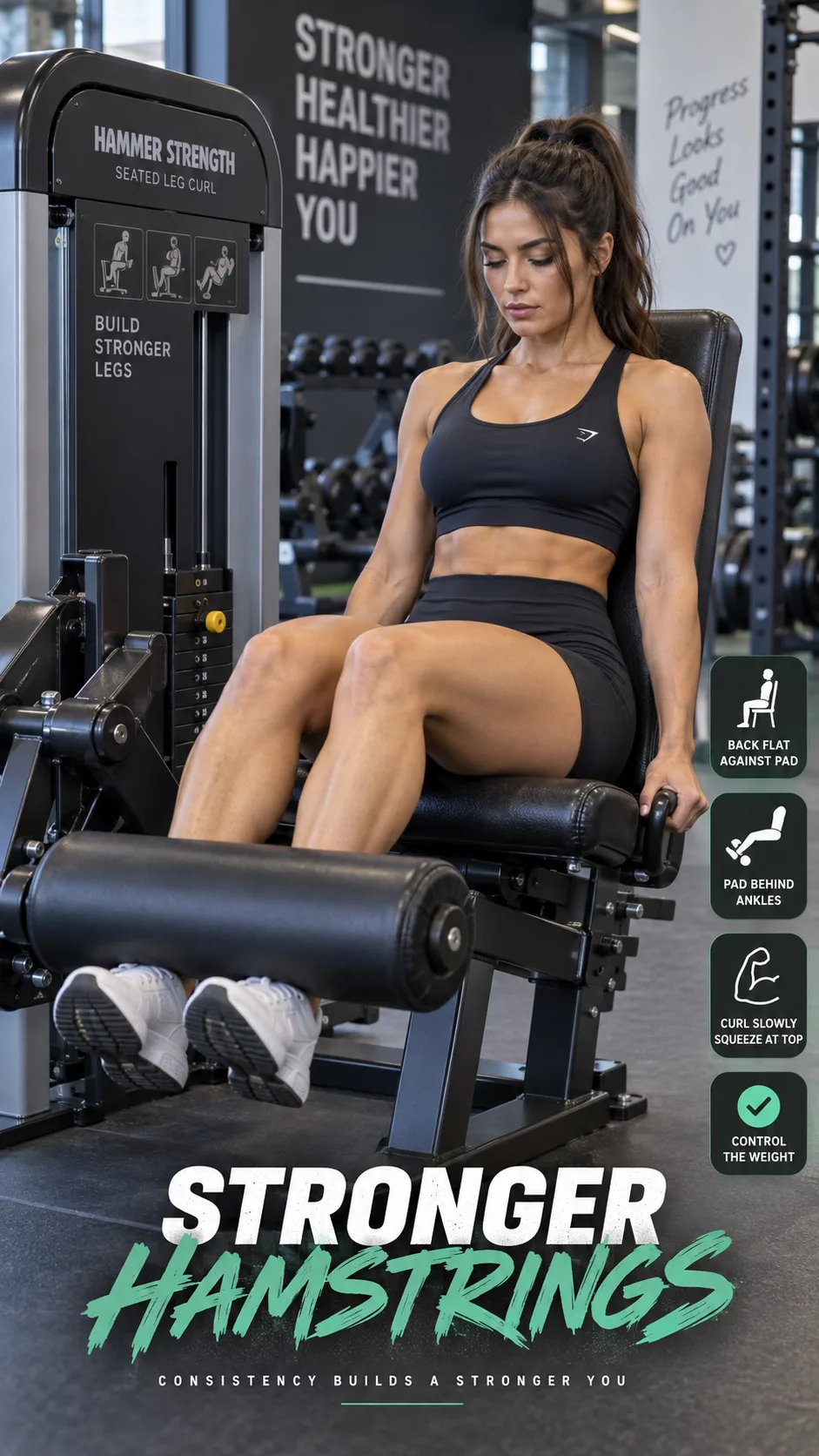
7. Seated Leg Curls — 3 Sets of 12
Your hamstrings need direct attention too. Strong hamstrings support knee health, improve your deadlift, and create that defined look on the back of your legs. Seated leg curls isolate the hamstrings without taxing your lower back, making them a solid finisher after heavy compound work.
Squeeze at the bottom of each rep for a one-second hold. This eliminates momentum and ensures your hamstrings, not your calves, handle the load.
How to Structure This Workout Into Your Week
You don’t need to train legs every single day. Recovery is where the actual muscle building happens. Your training creates the stimulus; rest creates the result. The Journal of Sports Sciences recommends training each muscle group at least twice per week for optimal hypertrophy.
A smart weekly split looks like this:
- Day 1: Full legs and glutes workout (this routine)
- Day 2: Upper body or rest
- Day 3: Active recovery, walking, yoga, or light stretching
- Day 4: Glute-focused session (hip thrusts, kickbacks, abductions)
- Day 5: Upper body
- Days 6-7: Rest or light activity
If you follow a 3-day split, slot this routine into your lower body day and supplement with a lighter glute activation session mid-week. Two quality sessions per week will outperform six mediocre ones every time.
Progressive Overload: The Non-Negotiable Principle
Ever wonder why some people look exactly the same after a year of training? They never progress. They lift the same weights, do the same reps, and expect different results. That’s not training. That’s cardio with extra steps.
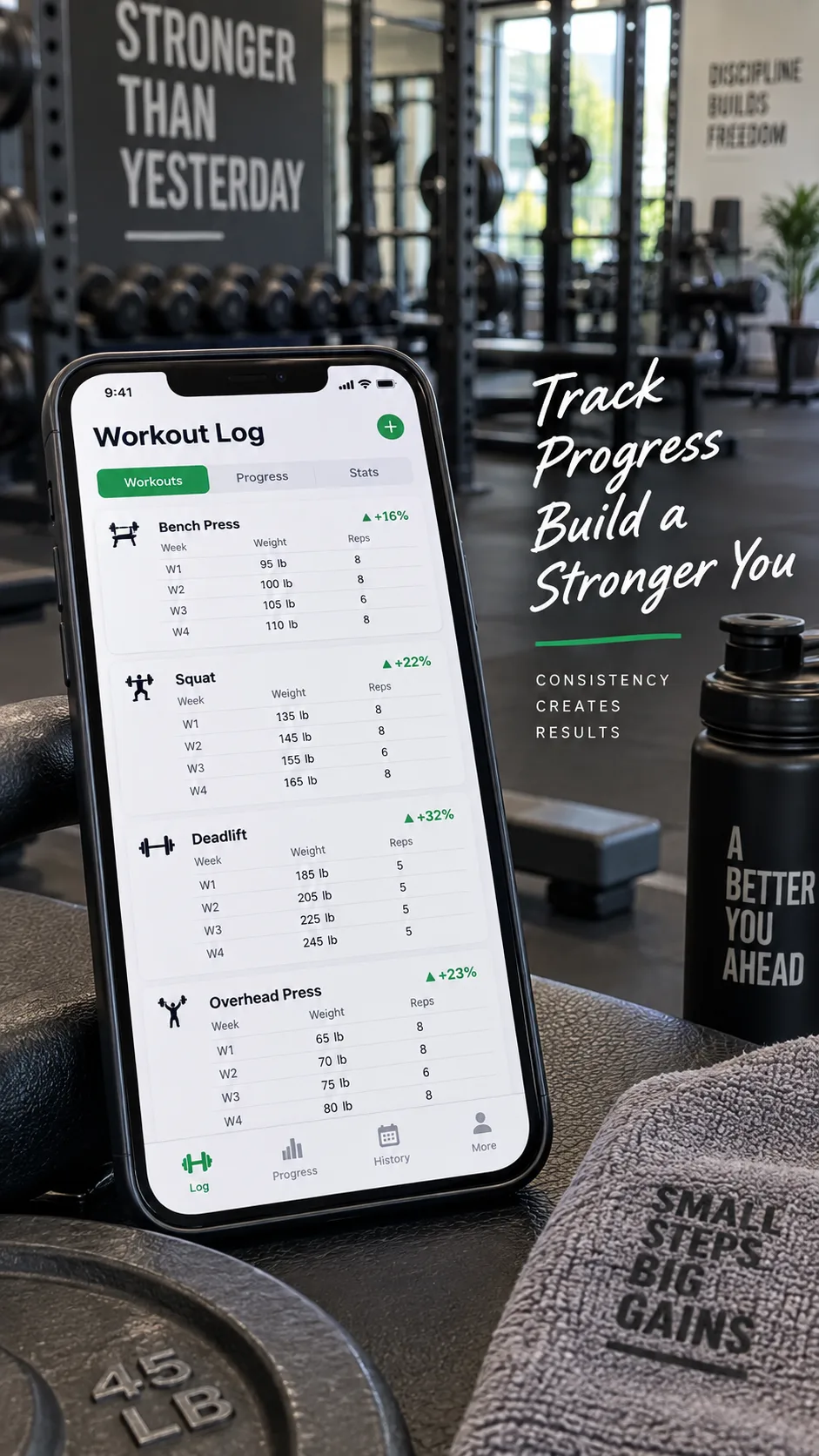
Progressive overload means systematically increasing the demand on your muscles over time. You achieve this by adding weight, adding reps, adding sets, slowing the tempo, or cutting rest periods. You don’t need to do all of these at once. Move just one variable forward each week.
Track your workouts. Write down your weights and reps. A simple notes app works fine. If you squatted 60 lbs for 10 reps last Tuesday, aim for 60 lbs for 11 to 12 reps this week, or bump the weight to 65 lbs and hit 8 to 9 reps. Small, consistent jumps create massive results over months. Curious about when you’ll see those results? The timeline might surprise you.
Nutrition: You Can’t Out-Train a Bad Diet
I hate to break it to you, but your glute workout means very little if your nutrition doesn’t support it. Muscle needs protein to repair and grow. The general recommendation from the International Society of Sports Nutrition is 1.6 to 2.2 grams of protein per kilogram of body weight daily for people focused on muscle building.
That translates to roughly 0.7 to 1 gram per pound of body weight. For a 140-pound person, that’s about 100 to 140 grams of protein per day. Chicken, fish, eggs, Greek yogurt, tofu, lentils. Pick your favorites and spread them across your meals.
Carbs matter too. Your muscles run on glycogen during intense training, and glycogen comes from carbohydrates. Cutting carbs and then wondering why your leg workouts feel terrible? That’s your answer. Eat enough to fuel your sessions and recover properly.
Common Mistakes That Kill Your Lower Body Progress
I’ve watched people make these mistakes for years. Here’s what to avoid:
- Squatting too heavy with terrible form. Your ego doesn’t build muscle. Mechanical tension does. Drop the weight and own every inch of the movement.
- Skipping single-leg work. Bilateral exercises alone create imbalances. Your dominant leg will compensate for your weaker side, and the gap will widen over time.
- Neglecting hamstrings. A quad-dominant lower body looks unbalanced and increases your risk of knee injuries. RDLs and leg curls aren’t optional.
- Not eating enough. You cannot sculpt muscle that doesn’t exist. If toning is your goal, you still need adequate calories and protein to build the muscle underneath.
- Training through pain. Sharp, shooting pain during an exercise isn’t “pushing through.” It’s a warning. Discomfort and effort are normal. Actual pain is your body telling you to stop.
At-Home Modifications for Every Exercise
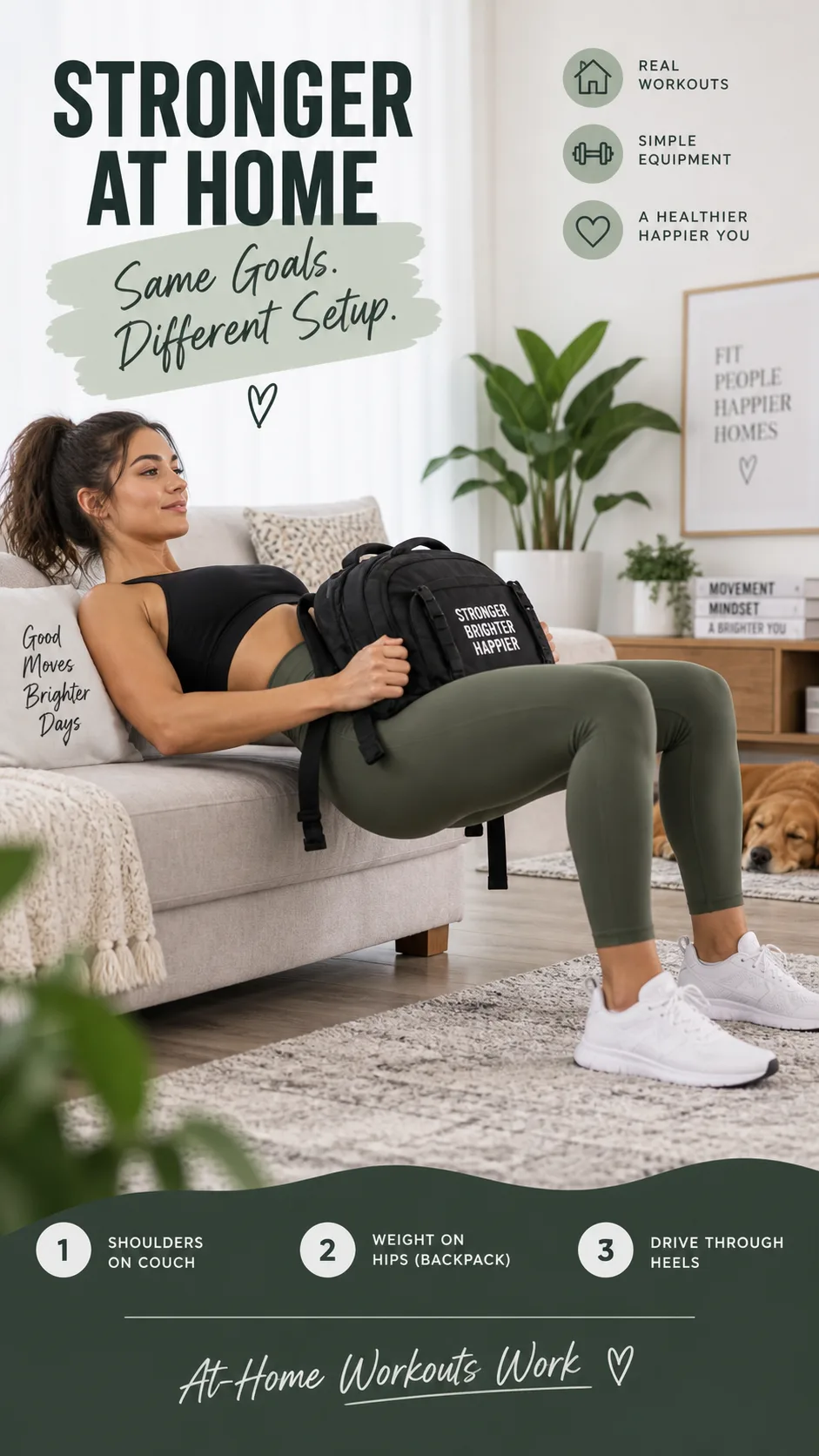
No gym? No problem. Here’s how to modify each movement for a home leg and glute workout using minimal equipment:
- Hip Thrusts: Use your couch as a bench and a heavy backpack or loaded duffel bag for resistance.
- Bulgarian Split Squats: A sturdy chair replaces the bench. Hold water jugs or loaded bags for weight.
- RDLs: A pair of dumbbells, kettlebells, or resistance bands looped under your feet work well.
- Goblet Squats: Any heavy object you can hold at your chest: a large water jug, a heavy book bag, a toddler (kidding, mostly).
- Cable Kickbacks: Swap for banded kickbacks using a long loop resistance band anchored to a door or table leg.
- Walking Lunges: These need zero modification. Your body weight plus dumbbells or jugs will do.
- Leg Curls: Use a stability ball hamstring curl or a towel slide on a hardwood floor.
The exercises change slightly, but the principles stay identical: control, tension, progressive overload, and consistency. Your muscles don’t know whether you’re in a fancy gym or your living room. They only respond to the stimulus you provide.
How Long Before You See Results?
You won’t wake up with a transformed lower body after one week. Visible changes typically start showing around the 6 to 8 week mark if you’re training consistently, eating enough protein, and progressively overloading. You’ll feel differences much sooner. Stronger on the stairs, easier movement, better balance. These show up within the first two weeks.
Take progress photos every two weeks under the same lighting and angles. The mirror lies to you daily because changes happen gradually. Photos don’t lie. Neither does your strength log. When your hip thrust jumps from 95 lbs to 135 lbs, your glutes have grown. Period.
Putting It All Together
A toned legs and glutes workout doesn’t need to be complicated. It needs to be intentional. Activate your glutes before you train. Hit compound movements first while you’re fresh. Follow up with isolation work for targeted sculpting. Track your progress. Eat enough protein. Rest properly. Repeat.
The routine in this article gives you everything you need, from warm-up to final set. The only variable left is whether you show up and do the work. Your glutes are waiting. Stop giving them half-effort workouts and start making every rep count.
Now go train. Your future self and your favorite jeans will thank you.
