

You cannot scroll through your social media feed lately without seeing these two names. Ozempic and Mounjaro dominate headlines, dinner party conversations, and doctor office waiting rooms. But which one actually deserves a spot in your fridge?
My friend Sarah recently stood in her local pharmacy, completely overwhelmed by the choice between these two weekly injections. She called me in a panic, asking which medication would actually help her lose weight and control her blood sugar without making her miserable. I spent hours analyzing clinical trials and medical data to help her make sense of the noise.
If you find yourself in the same situation, take a deep breath. We will break down the science, the side effects, the costs, and the real-world results of the ultimate weight loss showdown: Mounjaro vs Ozempic.
The Basics: What Are Mounjaro and Ozempic?
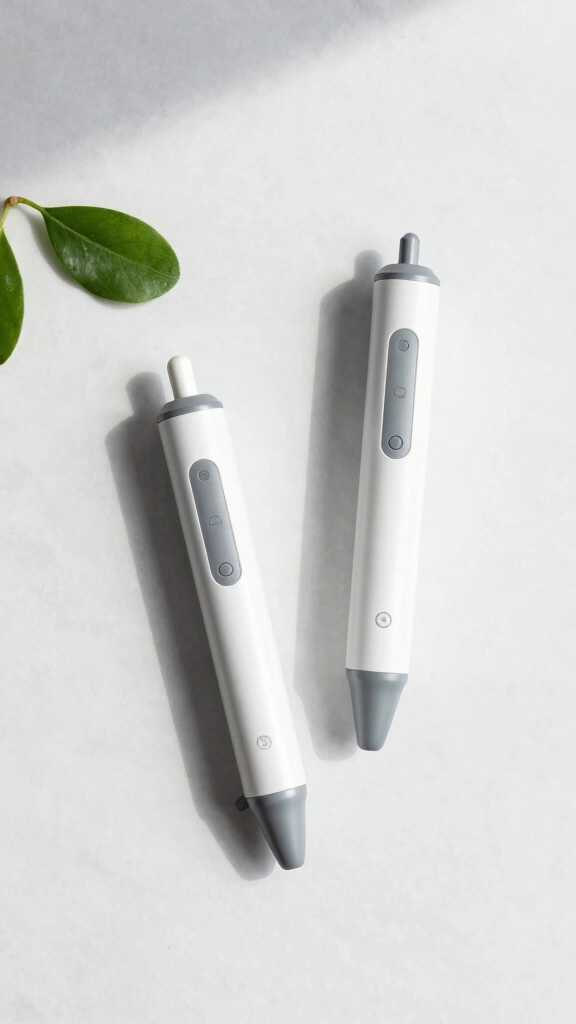
Before we compare their performance, we must understand what these medications actually do. Both drugs belong to a class of medications that mimic natural gut hormones. However, they do not work in the exact same way. FYI: while doctors prescribe both for weight loss, the FDA originally approved them to treat Type 2 diabetes.
Ozempic: The Semaglutide Pioneer
Novo Nordisk manufactures Ozempic. The active ingredient, semaglutide, mimics a hormone called Glucagon-Like Peptide-1 (GLP-1). Whenever you eat, your body naturally releases GLP-1 to signal fullness to your brain.
Ozempic amplifies this signal. It slows down stomach emptying, which keeps you full for a longer period. It also prompts your pancreas to release more insulin when your blood sugar rises. The FDA approved Ozempic in 2017, making it the veteran in this matchup.
Mounjaro: The Dual-Action Heavyweight

Eli Lilly developed Mounjaro. The active ingredient, tirzepatide, represents a newer class of medication. Unlike Ozempic, Mounjaro targets two different gut hormones: GLP-1 and Glucose-Dependent Insulinotropic Polypeptide (GIP).
Why does GIP matter? GIP works alongside GLP-1 to improve how your body processes sugar and fat. Scientists believe this dual action creates a synergistic effect. It enhances insulin secretion and reduces appetite even more effectively than GLP-1 alone. The FDA approved Mounjaro in 2022, and it quickly challenged Ozempic’s dominance. Tirzepatide vs Semaglutide covers the same topic from another angle.
The Head-to-Head Battle: How Do They Compare?
Now, Consider the details that you actually care about. How do these two injections compare when it comes to shedding pounds and managing your health?

1. Weight Loss Effectiveness
Do you want to know which drug helps you lose more weight? Clinical data provides a clear winner. Mounjaro consistently outperforms Ozempic in weight loss studies.
Consider the numbers. The SURMOUNT clinical trials studied the effects of tirzepatide (Mounjaro). Participants taking the highest dose of Mounjaro lost an average of up to 20.9% of their body weight over 72 weeks. For a 230-pound adult, that equals almost 48 pounds.
In contrast, the STEP clinical trials evaluated semaglutide (the active ingredient in Ozempic). Participants taking the highest dose of semaglutide lost an average of around 15% of their body weight over 68 weeks. While a 15% weight loss still represents a massive achievement, it falls short of Mounjaro’s results.
2. Blood Sugar Control (A1C Reduction)
Both medications excel at lowering A1C levels in people with Type 2 diabetes. However, Mounjaro takes the lead here as well.
In a direct head-to-head study called the SURPASS-2 trial, researchers compared different doses of Mounjaro directly against a 1 mg dose of Ozempic. The results showed that:
- Mounjaro lowered A1C levels by up to 2.3%.
- Ozempic lowered A1C levels by an average of 1.86%.
- More patients on Mounjaro reached a healthy target A1C of under 5.7% compared to those on Ozempic.
If you struggle to manage your blood sugar, Mounjaro offers a slightly stronger tool to achieve your goals.
Understanding Side Effects and Safety
You cannot get something for nothing. Both medications cause side effects, and they feel remarkably similar. Because both drugs slow down your digestive system, your gut will likely complain at first. Zepbound Side Effects covers the same topic from another angle.
Common Side Effects
Most patients experience mild to moderate side effects, which usually improve as the body adjusts to the medication. These include:
- Nausea and vomiting
- Diarrhea or severe constipation
- Stomach pain and bloating
- Heartburn and acid reflux
- Fatigue and headaches
Does one drug cause worse side effects than the other? Surprisingly, the clinical trials show very similar rates of gastrointestinal issues. However, because Mounjaro operates as a stronger drug, some patients report more intense nausea during dose increases.
Serious Risks
Both manufacturers include a black box warning on their packaging. This warning highlights a potential risk of thyroid C-cell tumors, based on animal studies. You must avoid both medications if you have a personal or family history of Medullary Thyroid Carcinoma (MTC) or Multiple Endocrine Neoplasia syndrome type 2 (MEN 2).
Other rare but serious risks include pancreatitis, kidney injury, gallbladder disease, and severe allergic reactions. Always discuss these risks with your healthcare provider before starting either treatment.
How Do You Take Them? (Dosages and Injection Pens)
Both treatments require a weekly subcutaneous injection. You inject the medicine into your abdomen, thigh, or upper arm on the same day each week. However, the physical design of the injection pens differs significantly.
- The Ozempic Pen: Ozempic uses a multi-dose pen. You attach a new disposable needle to the pen each week, dial your specific dose, and inject. One pen usually lasts for a full month. This design allows you to adjust your dose easily if your doctor recommends a slower increase.
- The Mounjaro Pen: Mounjaro uses a single-dose autoinjector pen. Each pen contains exactly one dose. You simply pull off the cap, place the pen against your skin, and press the top button. The needle remains hidden inside the pen before and after use. IMO, this makes the injection process much less intimidating if you dislike needles.
Which pen design do you prefer? If you hate handling needles, the Mounjaro autoinjector offers a smoother experience. If you like to minimize plastic waste, you might prefer the multi-dose Ozempic pen.
Cost and Insurance: The Reality Check
This is where things get complicated. These medications cost a significant amount of money without proper insurance coverage. Without insurance, you can expect to pay between $900 and $1,200 per month for either drug.
Insurance coverage depends heavily on your specific plan and your diagnosis. Most insurance companies readily cover both Ozempic and Mounjaro if you have a Type 2 diabetes diagnosis.
If you want these medications solely for weight loss, you will face steeper hurdles. Insurance companies frequently deny coverage for Ozempic and Mounjaro when patients use them off-label for weight loss.
Fortunately, the pharmaceutical companies offer sibling medications specifically approved for weight loss. Eli Lilly sells tirzepatide under the brand name Zepbound for weight management. Novo Nordisk sells semaglutide under the brand name Wegovy. Insurance plans cover weight-loss-specific drugs more frequently, though coverage still varies widely.
Comparing Wegovy and Zepbound: The Weight Loss Siblings
Because the FDA approved Ozempic and Mounjaro primarily for Type 2 diabetes, you might find yourself prescribed Wegovy or Zepbound instead. Do not worry; you are getting the same active ingredients.
Wegovy contains the exact same drug as Ozempic (semaglutide). However, Wegovy reaches a higher maximum dose (2.4 mg) than Ozempic (2.0 mg). This higher dose optimizes the medication for weight loss.
Zepbound contains the exact same drug as Mounjaro (tirzepatide) and shares the same dosing schedule. If your insurance plan covers weight loss medications, your doctor will likely prescribe Wegovy or Zepbound instead of Ozempic or Mounjaro.
The Verdict: Which One Should You Choose?
We have compared the science, the weight loss percentages, the side effects, and the pens. How do you choose the right one for your body?
Choose Mounjaro (or Zepbound) if:
- You want to maximize your potential weight loss.
- You need the strongest possible tool to lower your A1C.
- You dislike seeing the needle during your weekly injection.
- Your insurance plan covers tirzepatide.
Choose Ozempic (or Wegovy) if:
- Your insurance covers semaglutide but denies tirzepatide.
- You want a medication with a longer track record of safety and real-world use.
- You prefer the flexibility of a multi-dose dial-up pen.
- You experience fewer side effects on a single-hormone medication.
Ultimately, your doctor will guide you to the best decision for your unique medical history. Both medications represent a massive leap forward in metabolic health and obesity treatment. Whichever you choose, prepare yourself for a healthier lifestyle, better portion control, and a much quieter relationship with food.
Have you tried either of these medications? Talk to your doctor today to discover if Mounjaro or Ozempic fits your wellness journey.
