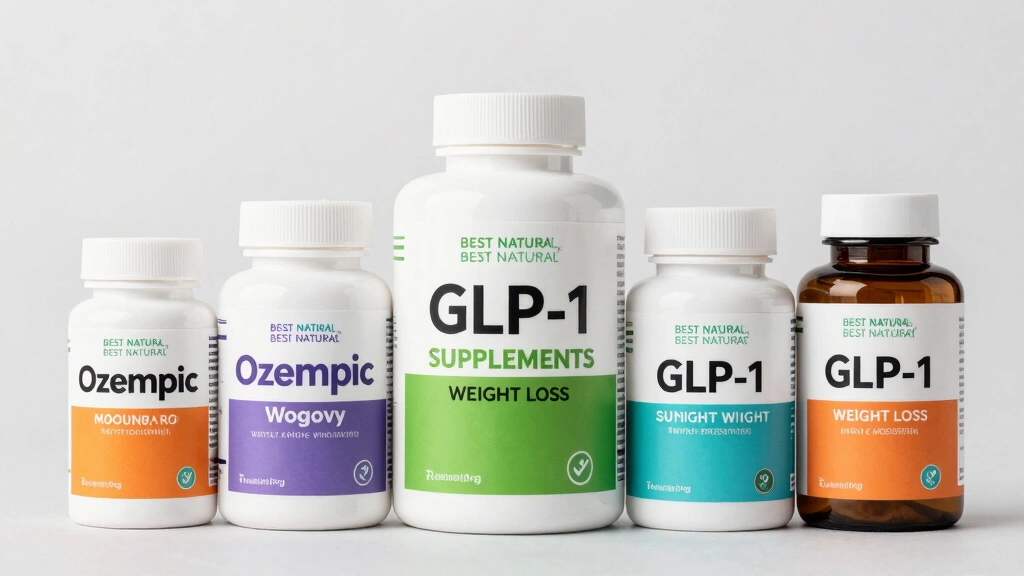
You want to shed some extra pounds, but you do not want to inject yourself with expensive prescription drugs. You probably see stories about Ozempic, Wegovy, and Mounjaro everywhere you look. These blockbuster medications mimic GLP-1, a hormone that signals fullness to your brain. Unfortunately, they cost a small fortune, require frequent doctor visits, and often trigger unpleasant side effects like nausea and muscle loss.
What if you could boost this exact same hormone using natural alternatives instead? Fortunately, certain dietary supplements can stimulate your body’s natural GLP-1 production. Today, we will explore the best natural GLP-1 supplements that actually support weight loss without a prescription. We will skip the marketing hype and focus on the scientific facts, real-world results, and practical tips.
Understanding GLP-1: The Body’s Natural Appetite Controller
Before we look at the supplements, let us explain how this hormone works. Your gut cells release Glucagon-Like Peptide-1 (GLP-1) when food enters your digestive tract. This hormone performs three critical tasks to control your weight.
First, it slows down gastric emptying. This means food stays in your stomach longer, keeping you physically full. Second, it interacts with your brain to shut down constant food cravings, often called “food noise.” Finally, it prompts your pancreas to release insulin, which clears sugar from your bloodstream.
Ever wondered why some people naturally stop eating after a small meal? They likely produce high amounts of GLP-1. By boosting your own GLP-1 production, you can gain control over your appetite without relying on synthetic drugs.
The Top Natural GLP-1 Supplements You Can Buy Over the Counter
You do not need a doctor to write a script for these natural alternatives. Let us examine the top options that science supports.
1. Berberine: The Plant Extract with Metabolic Power

Many health enthusiasts call berberine “Nature’s Ozempic.” This yellow-colored compound comes from several plants, including goldenseal and barberry. Berberine works by activating an enzyme called AMPK (adenosine monophosphate-activated protein kinase). Scientists often call AMPK the body’s metabolic master switch. When you activate AMPK, your body burns fat more efficiently and improves insulin sensitivity.
Additionally, berberine directly stimulates the secretion of GLP-1 in your intestinal L-cells. IMO, this supplement offers the most powerful natural alternative to prescription medications. I tried berberine last year when my carbohydrate cravings got out of hand. Within ten days, I noticed a significant decrease in my desire for sweets. I did not experience a miracle transformation overnight, but the supplement made calorie restriction feel much easier.
Take 500 milligrams of berberine three times daily, about thirty minutes before your main meals. Because berberine has a short half-life, you must distribute your doses throughout the day to keep blood levels stable.
2. Akkermansia Muciniphila: The Next-Generation Probiotic
Your gut microbiome contains trillions of bacteria that influence your weight, metabolism, and mood. One specific bacterium, Akkermansia muciniphila, plays a critical role in GLP-1 production. Akkermansia lives in the mucus layer of your gut. It feeds on this mucus and stimulates your gut lining to produce more L-cells. Because L-cells produce GLP-1, more L-cells translate directly to higher hormone levels.
Clinical studies show that overweight individuals usually have very low levels of Akkermansia. Conversely, lean individuals host abundant populations of this microbe. Until recently, you could not buy this bacterium in a bottle because it dies in the presence of oxygen. Fortunately, supplement companies recently developed specialized manufacturing techniques to keep Akkermansia alive in capsule form. Add this probiotic to your morning routine to rebuild your gut lining and naturally trigger GLP-1 release.
3. Yerba Mate: The Appetite-Crushing Tea
If you prefer drinking your supplements, yerba mate deserves your attention. This traditional South American herbal tea contains a rich blend of polyphenols, saponins, and xanthines. Research demonstrates that yerba mate increases GLP-1 levels in the blood. It also stimulates another satiety hormone called peptide YY (PYY). Together, these hormones tell your brain that you do not need more food.
Yerba mate also provides a smooth energy boost. Unlike coffee, it rarely causes the jitters or energy crashes. You can brew loose-leaf yerba mate tea at home or buy standardized yerba mate leaf extract in capsules. Drink a cup in the morning or early afternoon to keep your afternoon cravings at bay.
4. Psyllium Husk and Glucomannan: The Soluble Fiber Giants
Do not overlook simple, budget-friendly options. Soluble fibers like psyllium husk and glucomannan offer incredible weight-loss benefits. When you mix these fibers with water, they form a thick, gel-like substance in your digestive tract. This gel stretches your stomach walls, which activates stretch receptors. These receptors immediately signal your brain to release GLP-1.
Glucomannan comes from the root of the konjac plant and can absorb up to fifty times its weight in water. Psyllium husk works similarly but costs even less. Take these fibers with a large glass of water about thirty minutes before you eat. The gel will fill your stomach, reduce your portion sizes, and slow down your digestion. Natural Ozempic Tea Recipe covers the same topic from another angle.
FYI: Always drink plenty of water when taking soluble fiber, otherwise you might experience constipation. 🙂
5. Green Tea Extract (EGCG)
Green tea extract contains high concentrations of epigallocatechin gallate (EGCG). This potent antioxidant does more than just fight free radicals; it also preserves your body’s GLP-1. An enzyme called dipeptidyl peptidase-4 (DPP-4) breaks down GLP-1 in your bloodstream very quickly. EGCG acts as a natural DPP-4 inhibitor. By blocking this enzyme, green tea extract allows GLP-1 to circulate in your body for a longer period. This prolonged activity extends your feelings of fullness after meals. Look for green tea extracts standardized to contain at least 50% EGCG for the best metabolic results.
Natural GLP-1 Supplements vs. Prescription Medications
Let us compare these natural options with prescription drugs so you can make an informed choice.
| Feature | Natural GLP-1 Supplements | Prescription GLP-1 Drugs |
|---|---|---|
| Cost | Low ($20 – $60 per month) | High ($900 – $1,300 per month) |
| Access | No prescription required | Doctor prescription required |
| Side Effects | Mild digestive changes | Nausea, vomiting, muscle loss, gastroparesis |
| Method | Daily capsules or tea | Weekly subcutaneous injections |
| Potency | Moderate, steady support | Extremely high, rapid weight loss |
If you want a safe, affordable path to weight loss, natural supplements offer a clear advantage. If you need to lose a massive amount of weight rapidly and can afford the high cost, prescriptions might suit you better.
Dietary Strategies to Boost GLP-1 Production
Do not rely solely on pills. You can design your diet to maximize your body’s natural GLP-1 release. Your gut L-cells respond directly to the nutrients you consume. Certain foods trigger a much stronger hormone release than others.
Consume More Healthy Fats
Monounsaturated and polyunsaturated fats trigger the release of GLP-1 much better than refined carbohydrates. Add these healthy fats to your meals:
- Extra virgin olive oil
- Avocados
- Wild-caught salmon and sardines
- Walnuts and almonds
Prioritize Dietary Protein
Protein digests slowly and stimulates several satiety hormones at once, including GLP-1 and PYY. Eat a high-protein breakfast containing eggs, Greek yogurt, or whey protein. This simple habit will set a positive tone for your appetite throughout the day.
Eat Fermentable Prebiotic Fibers
Your gut bacteria ferment prebiotic fibers into short-chain fatty acids (SCFAs) like acetate, propionate, and butyrate. These SCFAs bind to receptors on your L-cells and stimulate GLP-1 secretion. Focus on foods like garlic, leeks, onions, asparagus, chicory root, and oats to feed your beneficial microbes.
Safety, Side Effects, and Smart Tips
Although natural GLP-1 supplements do not require a prescription, you must still treat them with respect. Active substances change your body’s chemistry.
First, check with your physician before starting any new supplement regimen, especially if you take medication for diabetes or high blood pressure. Berberine, for instance, lowers blood sugar. If you combine it with insulin or metformin, your blood sugar might drop too low.
Second, buy your supplements from reputable brands. The FDA does not regulate supplements as strictly as pharmaceuticals. Look for products that undergo third-party testing by organizations like USP, NSF, or ConsumerLab.
Finally, practice patience. Prescription drugs force weight loss by overriding your biology. Natural supplements work with your body, which takes time. Give these natural options at least eight to twelve weeks to show real results.
Take Control of Your Hunger Naturally
You do not need needles or expensive monthly bills to support your weight loss goals. By using natural GLP-1 supplements like berberine, Akkermansia, yerba mate, and soluble fiber, you can naturally manage your appetite. Combine these supplements with a high-protein diet, healthy fats, and regular exercise to amplify your progress.
Start by picking one or two supplements that match your lifestyle. Track your progress, stay consistent, and enjoy a healthier relationship with food.