
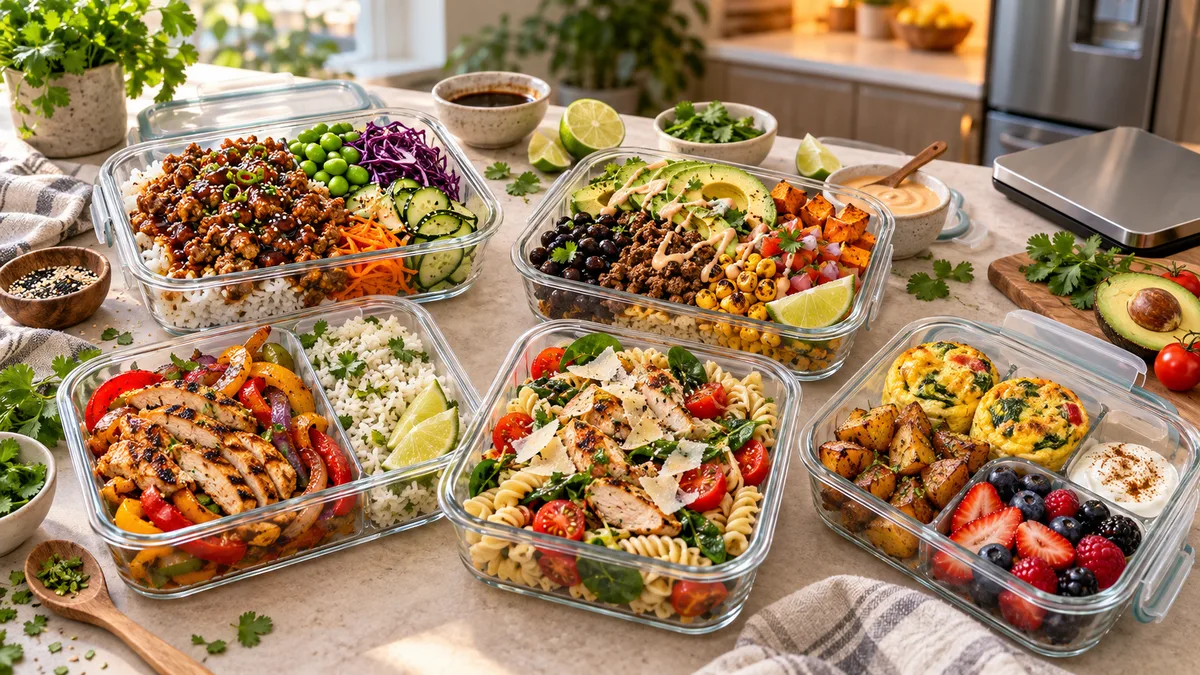
You open your fridge on a Tuesday evening after a long shift at work and spot five identical plastic containers. Inside sits unseasoned ground turkey next to soggy boiled broccoli. You shut the door, pull out your phone, and drop thirty dollars on takeout instead.
Too many lifters treat macro tracking like a prison sentence. They spend all Sunday boiling bland chicken breast and weighing plain rice down to the gram. By Thursday, they ditch the whole plan.
Prepping your macros does not demand misery or military discipline. A flexible, flavor-first system helps you hit your protein targets, maintain your energy, and enjoy what you eat. As our guide on healthy meal prep for the week shows, sustainable routines beat rigid perfection every time.
Throw out the old bodybuilder tropes and build a prep system that fits your real schedule.
Why traditional macro prep fails (and how we fix it)
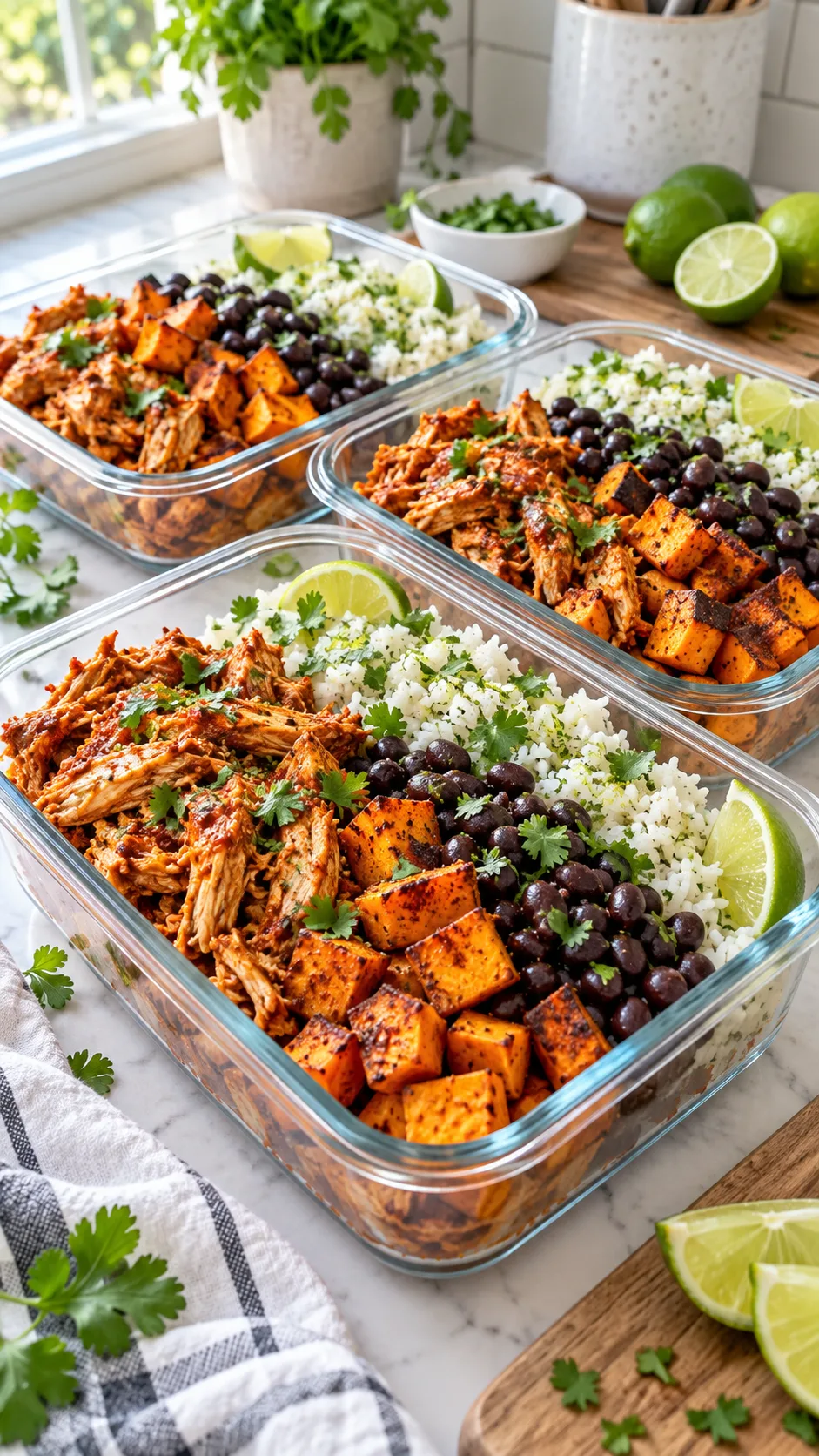
Why do so many people hate macro tracking? Standard fitness dogma tells you to assemble complete meals in massive batches. By day four, that container of chicken, sweet potatoes, and asparagus smells sulfurous and turns into mush.
Your palate needs variety and texture. Eating the same chicken bake for six straight lunches will kill your willpower faster than an uphill sprint.
Fix this by dropping recipe batching in favor of the Component Method. Instead of building five clone meals on Sunday, cook versatile base ingredients in bulk:
- Two lean protein sources: seasoned poultry, lean beef, or plant-based staples.
- Two complex carbohydrate bases: roasted potatoes, whole grains, or beans.
- One or two fiber-dense vegetables: roasted broccoli or crisp raw greens.
- Two distinct zero-or-low-fat sauces: chimichurri, spicy yogurt sauce, or barbecue.
This setup lets you build burrito bowls on Monday, Greek salad bowls on Tuesday, and stir-fries on Wednesday, using the exact same components. You save hours in the kitchen, cut your cleanup time, and avoid food boredom.
The macro blueprint: protein, carbs, and fats demystified
Before firing up the stove, establish what your body requires. Macronutrients consist of protein, carbohydrates, and fats. Each nutrient serves a specific purpose to fuel muscle and control hunger.
1. Protein: the non-negotiable foundation
Protein repairs tissue and demands more energy to digest than carbs or fat. Clinical findings in the Journal of the International Society of Sports Nutrition recommend 1.4 to 2.0 grams of protein per kilogram of body weight daily for active people. Protein also stimulates satiety hormones, which stops mid-afternoon cravings.
2. Carbohydrates: your high-performance fuel
Carbohydrates provide glucose, the main energy source for your brain and working muscles. Cutting carbs completely brings flat gym sessions and brain fog. Choose high-fiber, slow-burning carbs that keep your blood sugar steady all day.
3. Healthy fats: hormones and satiety
Dietary fats support hormone production, maintain cell walls, and absorb fat-soluble vitamins (A, D, E, and K). Research from the Harvard T.H. Chan School of Public Health suggests choosing monounsaturated and polyunsaturated fats over saturated options to protect heart health. Fats pack 9 calories per gram (compared to 4 calories per gram for protein and carbohydrates), so small measuring errors quickly skew your total calories.
The 90-minute Sunday game plan
Nobody wants to lose their entire weekend to the kitchen. This workflow finishes a full week of food in 90 minutes because you run multiple cooking stations at once.
- Minutes 0 to 10: Set your station. Heat your oven to 400°F (200°C). Fill a large pot with salted water and bring it to a boil. Pull your meat, cutting board, and chef’s knife onto the counter.
- Minutes 10 to 25: Roast the vegetables. Cut sweet potatoes into half-inch cubes. Dice bell peppers and red onions. Spread everything across two parchment-lined baking sheets. Spray with olive oil, sprinkle with salt and smoked paprika, and slide both pans into the oven.
- Minutes 25 to 45: Cook the proteins. Drop seasoned chicken breasts into your air fryer or onto another sheet pan. Brown your lean ground beef in a wide cast-iron skillet on the stovetop.
- Minutes 45 to 60: Boil the grains. Pour brown jasmine rice, quinoa, or lentil pasta into the boiling water. Set a timer so you avoid overcooking your starches.
- Minutes 60 to 75: Mix your sauces. While your proteins rest, whisk together high-flavor sauces using plain Greek yogurt, citrus juice, Dijon mustard, and herbs.
- Minutes 75 to 90: Cool, weigh, and pack. Let the food reach room temperature so steam does not ruin the texture. Portion everything into glass containers, write out the macros if you track them closely, and pack your fridge.
4 ridiculously easy macro-balanced recipes
These four core recipes hold up well in the fridge, reheat cleanly, and keep hunger away. You can also mix them with options from our guide to lunch meal prep for the week to expand your rotation.
1. Slow cooker honey chipotle shredded chicken
This sweet and smoky chicken works in burrito bowls, over greens, or wrapped in a warm tortilla. You dump the ingredients into the slow cooker and walk away.
- Yield: 5 servings
- Macros per serving: 295 Calories | 42g Protein | 14g Carbs | 6g Fat
Ingredients:
- 2.5 lbs boneless, skinless chicken breasts
- 1 can (7 oz) chipotle peppers in adobo sauce (pureed or finely minced)
- 3 tbsp pure honey
- 1 tbsp garlic powder
- 1 tbsp ground cumin
- 1/2 cup low-sodium chicken broth
- Juice of 2 fresh limes
- 1 tsp sea salt
Instructions:
Place the raw chicken breasts directly into the base of your slow cooker. Whisk the adobo puree, honey, garlic powder, cumin, chicken broth, lime juice, and salt in a bowl until blended. Pour the sauce directly over the meat. Cover and cook on LOW for 5 to 6 hours or on HIGH for 3 hours. Shred the chicken using two forks right in the cooking juices so the meat reabsorbs the liquid. Log your raw portions using data from FoodData Central for reliable macro numbers.
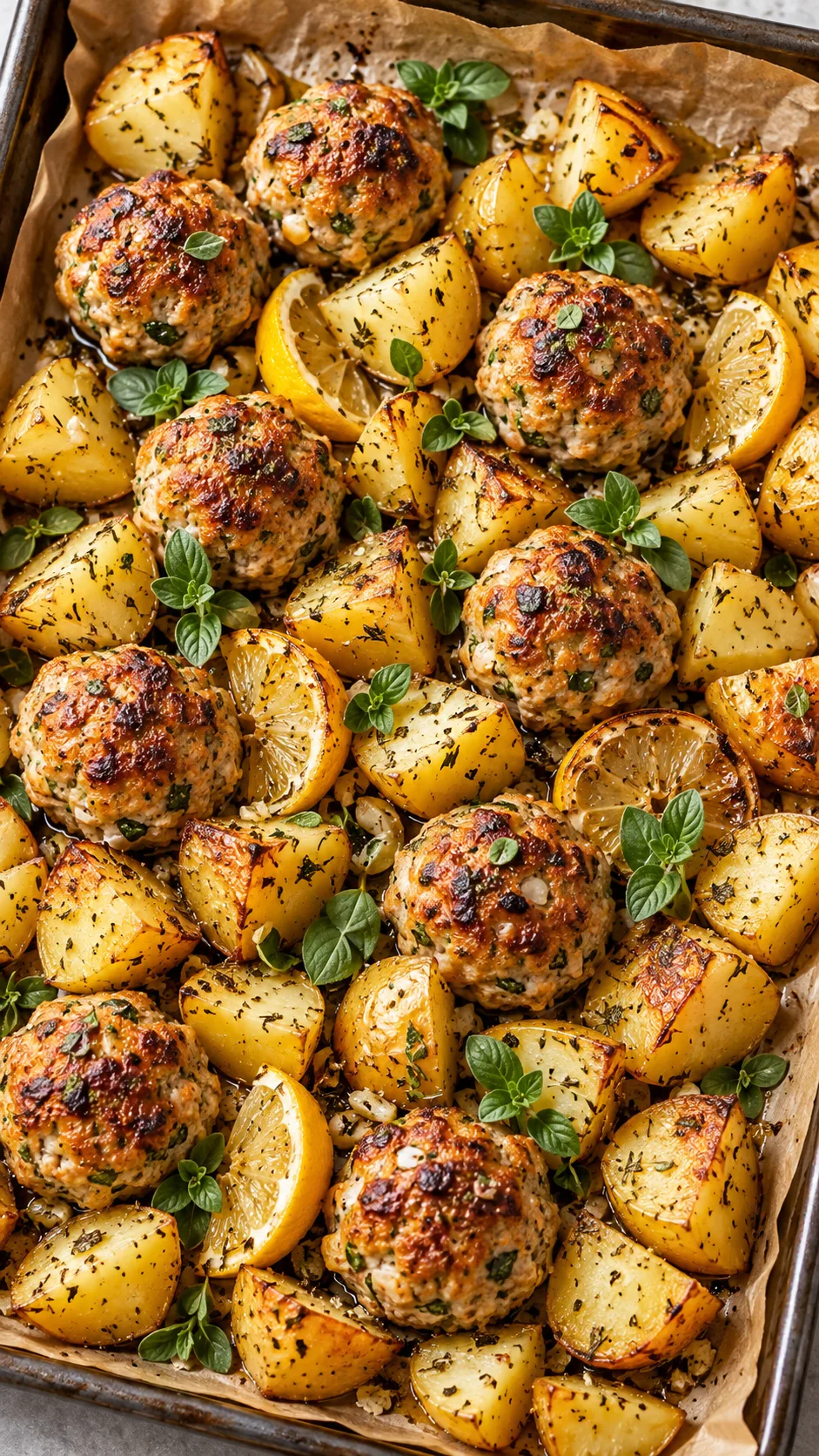
2. Sheet pan Greek turkey meatballs with lemon-herb potatoes
Lean ground turkey dries out fast, but blending fat-free Greek yogurt into the meat keeps it juicy without adding extra fat calories.
- Yield: 4 servings (4 large meatballs per serving)
- Macros per serving: 410 Calories | 38g Protein | 36g Carbs | 12g Fat
Ingredients:
- 1.5 lbs 93/7 lean ground turkey
- 1/3 cup plain 0% Greek yogurt
- 1/3 cup panko breadcrumbs
- 2 cloves garlic, finely minced
- 2 tbsp fresh oregano (or 1 tbsp dried)
- 1.5 lbs baby Yukon gold potatoes, quartered
- 1 tbsp extra virgin olive oil
- Juice and zest of 1 large lemon
- Salt and black pepper to taste
Instructions:
Heat your oven to 400°F (200°C). Toss the quartered potatoes with olive oil, lemon juice, half the oregano, salt, and black pepper on a rimmed baking sheet. Roast the potatoes alone for 15 minutes. In a mixing bowl, combine the ground turkey, Greek yogurt, breadcrumbs, minced garlic, lemon zest, the remaining oregano, and salt. Roll the mix into 16 meatballs. Pull the pan from the oven, push the potatoes to the sides, and place the meatballs in the center. Roast for another 18 to 20 minutes until the meat registers 165°F (74°C) on an instant-read thermometer and the potatoes turn golden.
3. High-protein creamy buffalo mac & cheese
You can eat comfort food while hitting fat loss goals. Blending low-fat cottage cheese with hot sauce and sharp cheddar creates a rich cheese sauce without roux or heavy cream.
- Yield: 4 hearty servings
- Macros per serving: 465 Calories | 44g Protein | 48g Carbs | 9g Fat
Ingredients:
- 8 oz chickpea pasta or high-protein elbow macaroni
- 16 oz 2% low-fat cottage cheese
- 1/2 cup Frank’s RedHot buffalo sauce
- 1/2 cup shredded extra sharp cheddar cheese
- 1 lb cooked, shredded skinless chicken breast
- 1 tsp garlic powder
- 1 tsp onion powder
Instructions:
Boil the pasta in salted water according to the package directions, drain, and set aside. Add the cottage cheese, buffalo sauce, garlic powder, and onion powder to a high-speed blender. Puree on high for 60 seconds until the mixture turns silky smooth with zero curds remaining. Pour the sauce into a warm pot over low heat, stir in the shredded cheddar cheese until melted, then fold in the drained pasta and cooked chicken breast. Stir until the sauce coats every noodle evenly.
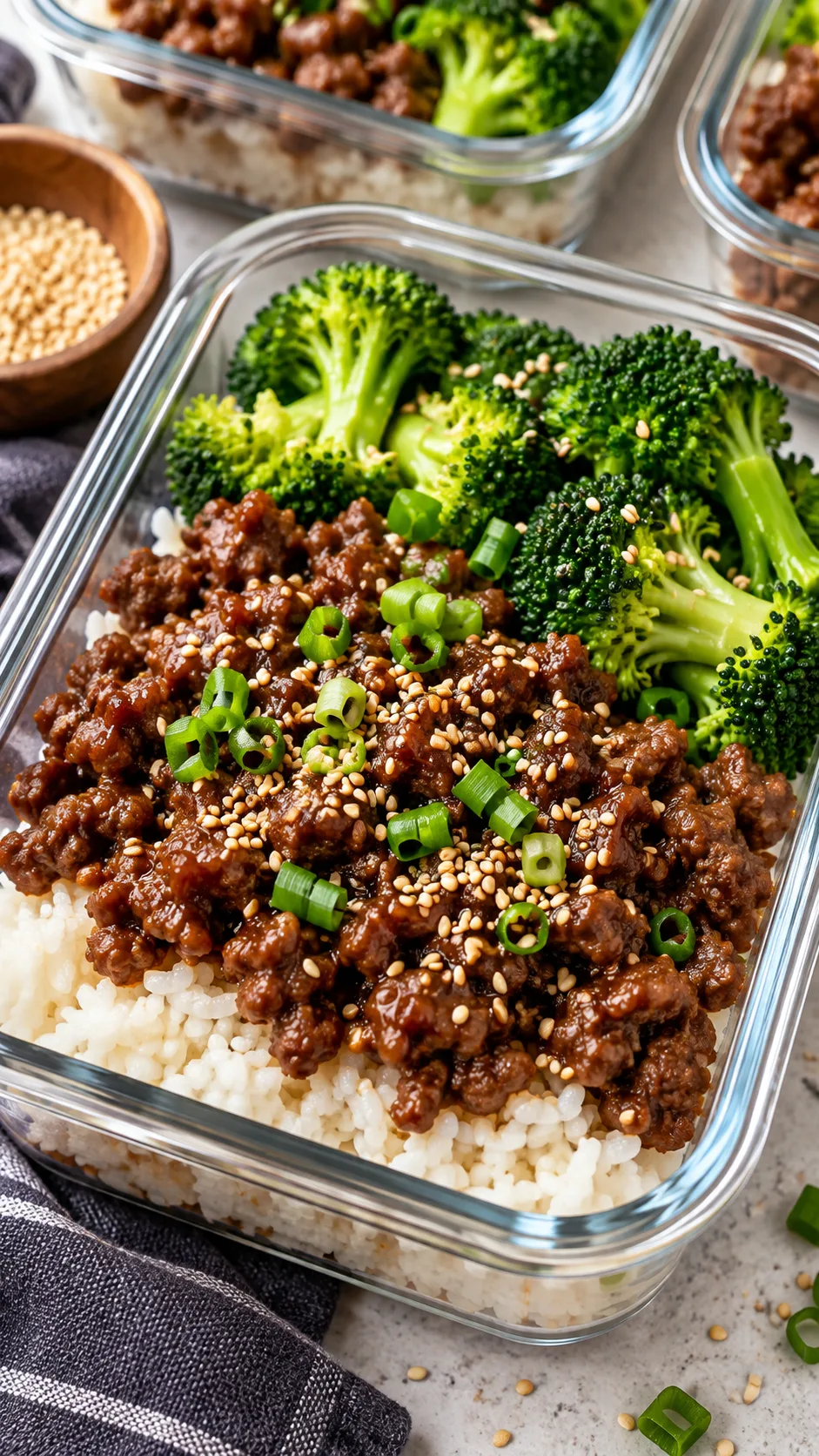
4. 20-minute Korean beef and jasmine rice bowls
This high-heat skillet meal comes together in minutes. Lean beef provides bioavailable iron and zinc, while coconut aminos and fresh ginger mimic takeout flavor.
- Yield: 4 servings
- Macros per serving: 435 Calories | 36g Protein | 45g Carbs | 11g Fat
Ingredients:
- 1.25 lbs 96/4 extra-lean ground beef
- 1/4 cup low-sodium soy sauce or coconut aminos
- 2 tbsp brown sugar replacement (such as golden monk fruit)
- 1 tbsp sesame oil
- 1 tbsp fresh grated ginger
- 3 cloves garlic, minced
- 3 cups cooked white jasmine rice
- 4 cups raw broccoli florets, steamed
- Sliced scallions and sesame seeds for garnish
Instructions:
Heat a skillet over medium-high heat. Add the ground beef and break it up with a spatula until browned, which takes about 6 to 7 minutes. Whisk the soy sauce, monk fruit sweetener, sesame oil, ginger, and garlic in a small cup. Pour this sauce over the beef, reduce the heat to medium-low, and simmer for 3 minutes until the glaze coats the meat. Divide the rice, steamed broccoli, and glazed beef across four containers. Top with sliced scallions and sesame seeds.
The mix-and-match “macro matrix”
If you dislike following strict recipes step by step, build your meals with this modular table. Pick an item from each row, season it how you like, and assemble your meal in minutes.
- Lean Proteins (Aim for 30 to 45g): Chicken tenderloins, 96/4 ground beef, cod fillets, canned tuna, extra-firm tofu, egg whites with whole eggs.
- Smart Carbohydrates (Aim for 35 to 55g): Baby red potatoes, mashed sweet potatoes, quinoa, basmati rice, black beans, rolled oats, whole-wheat pita bread.
- Fiber-Dense Greens (Unlimited volume): Roasted zucchini spears, steamed green beans, chopped kale, shaved Brussels sprouts, air-fried cauliflower florets.
- Precision Fats (Aim for 8 to 15g): Extra virgin olive oil, Hass avocado, walnuts, raw almonds, feta crumbles.
Women looking for tailored macro strategies can explore our high protein meal plan for women for clear calorie and portion targets.
Sauces and flavor hacks: kill the monotony
Dry food ruins a diet fast. Commercial dressings often hide high-fructose corn syrup and cheap soybean oils that push you over your daily calories. Keep these three homemade sauces ready to add flavor without blowing your numbers:
The 60-second garlic herb ranch
Whisk 1 cup of fat-free plain Greek yogurt with 2 tablespoons of water, 1 tablespoon of apple cider vinegar, a packet of ranch seasoning, and fresh dill. This gives you a thick dip packing 24 grams of protein per cup with almost zero fat.
Spicy sriracha lime dip
Mix 1/2 cup of light mayonnaise, 1/4 cup of sriracha, 2 tablespoons of lime juice, and a pinch of salt. This sauce adds creaminess to lean turkey or rice bowls while capping fat at 4 grams per generous tablespoon.
Sweet ginger soy glaze
Simmer 1/2 cup of low-sodium tamari with 3 tablespoons of powdered erythritol, 1 teaspoon of garlic chili paste, and 1/4 teaspoon of xanthan gum for 2 minutes. The sauce turns glossy and thick, coating your meat in bold flavor for under 15 calories per serving. You will not miss bottled teriyaki sauce.
How to adjust your portions for fat loss vs. muscle gain
Generic meal plans fail because your energy requirements change when your goals shift. You do not need brand-new recipes when moving from a cut to a mass phase. Instead, you scale your carbs and fats while holding your protein intake steady.
Protein stays consistent across both phases:
- For fat loss: Eat 1.0 gram of protein per pound of target body weight to preserve muscle mass. Lower your carbohydrate portions to 25 to 40 grams per meal. Use cooking spray rather than poured oils, and eat high-volume vegetables like cucumbers and leafy greens to fill your plate.
- For muscle gain: Keep protein at 0.8 to 1.0 gram per pound. Raise your carbs to 60 to 90 grams per meal by increasing your rice, pasta, or potato portions. Add calorically dense fats like raw nuts, nut butter, and olive oil to hit a calorie surplus without overloading your stomach with excess fiber.
Storage, freezing, and reheating rules that work
Few things ruin prep faster than opening a foul container on Thursday. Follow these food safety and storage rules to keep your food appetizing all week long:
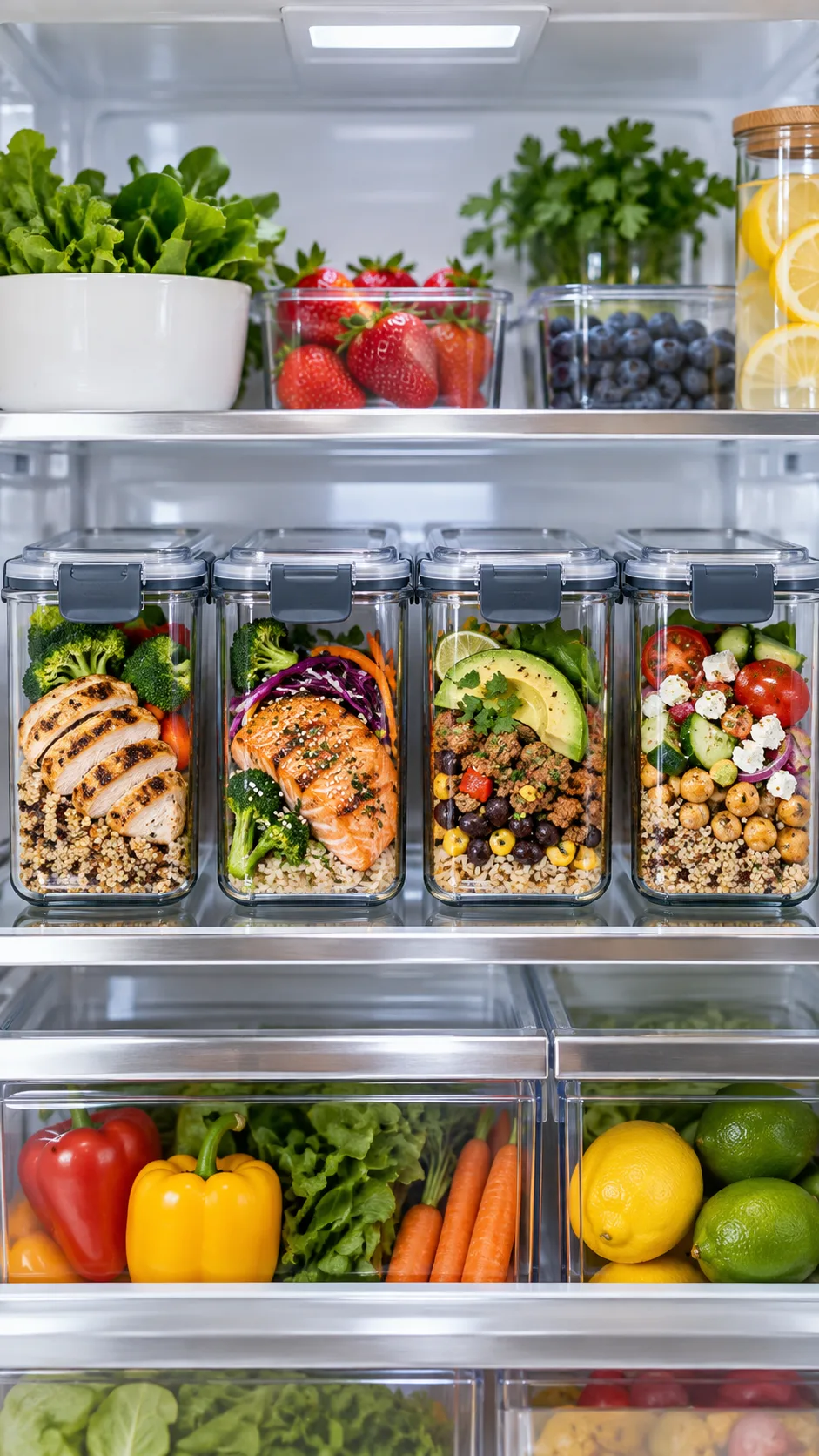
- Buy airtight glass containers with locking lids: Plastic tubs absorb smells, stain from tomato sauces, and heat unevenly. Borosilicate glass conducts heat evenly, cleans easily in the dishwasher, and does not leach chemicals.
- Cool your food before sealing: Never snap lids onto warm food. Trapped steam condenses on the plastic, pools at the bottom, and turns your roasted vegetables into mush. Let containers sit at room temperature for 20 minutes before shutting them tight.
- Follow the 4-day rule: Cooked meat and poultry stay safe in the fridge for 3 to 4 days. Keep meals for Monday through Wednesday chilled, but put Thursday and Friday portions in the freezer right away. Move those frozen meals to the fridge on Wednesday night so they thaw safely overnight.
- Reheat with moderate power: Stop blasting meals on high power for 3 minutes. Set the microwave to 70 percent power for 2 minutes, drape a damp paper towel over the bowl to trap steam, and stir the contents halfway through.
Wrapping it up: put your week on autopilot
Prepping macros does not require culinary school or exhausting weekend sessions. It relies on a simple, repeatable routine. When you batch versatile staples, cook tender proteins, and whip up low-calorie sauces, hitting your numbers feels easy.
Stop overthinking the process. Pick two recipes from this list, buy your groceries, and execute your first 90-minute session this Sunday. When you lock down your weekly nutrition, your afternoon crashes fade, cravings disappear, and your gym results follow.
