

Could a week of smarter meals truly change your heart health? You might be surprised how much one week can shift your blood markers and energy.
The National Heart, Lung, and Blood Institute notes that cholesterol is a waxy substance in every cell. Knowing that helps you see why food choices matter for your heart and for LDL levels.
This guide shows simple swaps to help lower cholesterol while keeping calories steady. You’ll focus on fiber, vegetables, lean protein, fish rich in omega-3 fatty acids, and cutting saturated fat from breakfast and snack options.
By making small changes to foods and fats across each day, you can support long-term heart health. Use the 7-day menu as a blueprint to manage blood markers and keep your meals satisfying.
Key Takeaways
- Understand how daily foods affect your heart and blood markers.
- Small changes can help lower cholesterol and reduce saturated fat.
- The 7-day plan boosts fiber, protein, fish, and vegetables.
- Watch calories and choose nutrient-dense foods for lasting results.
- These steps aim to lower LDL and support overall health.
Understanding How Cholesterol Affects Your Heart
Too much cholesterol in the blood can quietly increase stress on your heart. You need a clear view of what each particle does so you can make better choices.
What LDL and HDL do
The Role of LDL and HDL
LDL, often called “bad” cholesterol, ferries cholesterol through your blood. When LDL builds up, it forms plaque that narrows arteries and raises your risk of heart disease.
HDL works the other way. It moves cholesterol back to the liver where it is processed and removed. That scavenging action helps protect your heart.
Risks of High Cholesterol
Dr. Romit Bhattacharya of Mass General Brigham notes many Americans carry two to five times the cholesterol their body needs. That excess raises the chance of coronary artery disease.
Managing daily calories and fat intake and adopting a heart-healthy lifestyle cut your overall risk. Small changes reduce the odds of serious disease over time.
| Particle | Function | Impact on Health |
|---|---|---|
| LDL | Transports cholesterol to tissues | Can form plaque; increases heart disease risk |
| HDL | Returns cholesterol to the liver | Helps remove excess and protects arteries |
| Balanced Levels | Moderate LDL, higher HDL | Lower overall risk and healthier blood flow |
Core Principles of a Low Cholesterol Diet Plan
Follow clear limits to make steady progress. Aim to keep saturated fat under 7% of your daily calories. That target helps prevent excess LDL from building in your arteries.
Try to consume less than 200 mg of cholesterol per day. This number, combined with calorie control, has a measurable effect on your blood lipid profile and heart health.
Use a structured approach like the Therapeutic Lifestyle Changes. It offers practical tips to help lower cholesterol through smarter food choices and consistent lifestyle changes.
- Limit saturated fat and refined foods.
- Track calories so you meet nutrient needs without excess.
- Choose whole foods that support long-term health.
| Target | Daily Goal | Why it matters |
|---|---|---|
| Saturated fat | <7% of calories | Reduces LDL formation |
| Dietary cholesterol | <200 mg | Improves blood lipid numbers |
| Consistent changes | Daily habit focus | Prevents long-term buildup |
Choosing Healthier Fats for Your Kitchen
Small swaps in your pantry can cut saturated fat without shrinking flavor. Start by looking at the fats you cook with and the spreads you use each day.
Swapping Saturated Fats for Unsaturated Oils
Replace butter and lard with liquid oils like olive or canola when you sauté or finish a dish. Dr. Romit Bhattacharya suggests this switch because these oils provide unsaturated fats that support healthy blood markers.
Choose lean meat and avoid deep-fried or processed foods to limit saturated fat. Add a small handful of nuts for polyunsaturated fats that help your heart more than solid fats do.
Swap full-fat dairy for zero-fat or plant-based alternatives to reduce total fat intake. Remember, even healthy oil is high in calories, so use small amounts when cooking or dressing salads.
| Fat Source | Health Note | Calories per tbsp |
|---|---|---|
| Butter | High in saturated fat; raise LDL | 102 |
| Olive oil | High in monounsaturated fats; heart-friendly | 119 |
| Canola oil | Good omega-3 and omega-6 balance | 120 |
| Nuts (olive/almond) | Provide polyunsaturated fats and fiber | 160 (per oz) |
Increasing Soluble Fiber Intake
Soluble fiber works in your gut like a sponge, trapping cholesterol before it enters your bloodstream. The National Heart, Lung, and Blood Institute recommends 10 to 25 grams of soluble fiber each day to get those benefits.
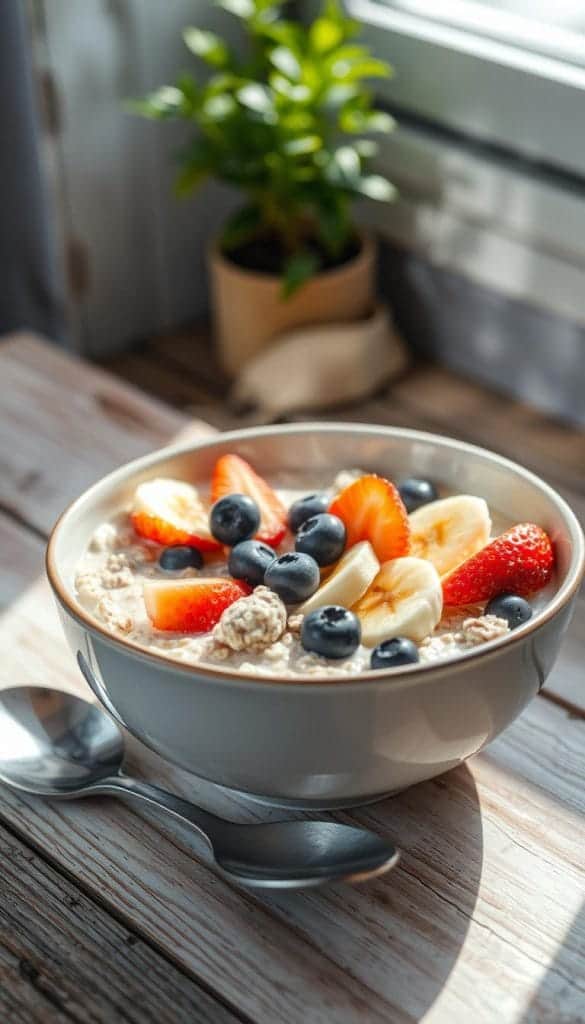
Start your breakfast with oatmeal or whole grains to add soluble fiber and stay full longer. Swap a refined roll for whole-grain bread or add berries and nuts to boost both fiber and protein.
Include beans and lentils at lunch or dinner. A cup of cooked beans can add several grams toward your daily goal and helps stabilize blood sugar while you manage calories and fat.
- Aim for 10-25 g of soluble fiber daily.
- Choose oats, barley, beans, and whole-grain bread.
- Consider supplements only if whole foods fall short, and track total calories.
Small changes, a bowl of oats, a side of lentils, or a slice of whole-grain bread, can help lower cholesterol and support long-term health.
| Food | Typical Soluble Fiber (g) | Why it helps |
|---|---|---|
| Oatmeal (1 cup cooked) | ~2-4 | Fills you and traps cholesterol |
| Beans (1 cup cooked) | ~3-6 | Boosts fiber and stabilizes blood sugar |
| Whole-grain bread (1 slice) | ~1-2 | Adds steady fiber without many calories |
Incorporating Lean Proteins and Fish
Adding the right proteins and seafood can shift your daily meals toward heart-friendly choices. Choose sources that help manage cholesterol and keep your plate satisfying.
Benefits of Omega-3 Fatty Acids
Omega-3 fatty acids from fish such as salmon and mackerel support healthy blood function.
The American Heart Association recommends eating fish high in omega-3 fatty acids at least twice a week. These fatty acids may lower your risk of heart disease and help reduce irregular heart rhythms.
Selecting Lean Meat Cuts
When you buy meat, look for labels with “round,” “loin,” or “sirloin.” Trim visible fat before cooking and use small portions.
- Replace red meat with chicken or turkey breast to cut saturated fats.
- Watch calories by choosing lean cuts and cooking with olive or canola oil.
Embracing Meatless Meals
Plan one meatless day per week or swap a daily serving for beans, tofu, or lentils. Plant proteins add fiber and can help lower cholesterol levels.
| Protein | Why to choose it | Tip |
|---|---|---|
| Salmon | High in omega-3 fatty acids; supports heart health | Aim for 2 servings weekly |
| Chicken breast | Lean protein with fewer saturated fats | Trim fat; grill or bake |
| Tofu/Beans | Plant protein; adds fiber and fewer calories | Use in soups and salads |
The Role of Fruits and Vegetables
Fresh fruits and crisp vegetables boost vitamins and fiber, making them go-to picks for quick, filling snacks. You can lean on these foods to keep calories in check and add volume to meals without extra fat.
Aim to fill half your plate with non-starchy vegetables at lunch and dinner. For breakfast, choose whole fruits rather than juices so you get fiber and fewer added sugars.

Add nuts to salads or use a small drizzle of vegetable oil when cooking greens to enhance flavor without adding cholesterol. A small handful of nuts also adds healthy fat and a protein boost.
Beans and legumes are an easy way to increase protein and fiber in soups, salads, or as a side. These foods are naturally low in cholesterol and help you feel full longer. High Protein Meal Plan applies the same idea to meal planning.
- Pick whole fruits instead of processed snack bars or sweet drinks.
- Use beans to bulk up meals while keeping calories reasonable.
- Season vegetables with herbs and a touch of oil to make them more satisfying.
| Choice | Benefit | Quick Tip |
|---|---|---|
| Whole fruits | Add fiber; limit added sugars | Eat with breakfast or as a snack |
| Non-starchy vegetables | Lower calories; high volume | Fill half your plate |
| Beans & legumes | Protein + fiber; low in cholesterol | Add to salads and soups |
Smart Snacking and Beverage Choices
What you sip and nibble between meals affects your energy, your calories, and your heart health. Choose water or sugar-free beverages to avoid insulin spikes that can signal higher cholesterol production.
Keep sodium under 2,300 mg per day to help control blood pressure. Pick raw nuts or fresh fruit as a quick snack instead of processed items that hide saturated fat and salt.
Check nutrition labels on dairy and fish so you don’t exceed your daily limits for fat and calories. If you drink alcohol, stick to no more than two drinks a day for men and one for women.
- Eat breakfast and snacks at the table. This helps you notice fullness and avoid overeating.
- Prefer whole foods for snacks, they add fiber and steady your blood sugar.
- Choose beverages that keep calories low and support overall heart health.
| Choice | Why it helps | Quick tip |
|---|---|---|
| Raw nuts | Healthy fats, protein, lower urge to snack | Measure portions: a small handful |
| Water / sugar-free drink | No added calories; limits insulin response | Flavor with lemon or mint |
| Fresh fruit | Fiber and vitamins; low in added fat | Pair with yogurt for protein |
Simple Tips for Your Weekly Meal Prep
Meal prep lets you control ingredients so you can reduce saturated fat and ease weekday choices. Spend a few hours on a weekend to cook soups, grains, and proteins that make healthy eating simple during the week.
Cook stews or soups a day ahead and refrigerate them. Once chilled, you can lift hardened fat from the top and toss it, which lowers total fat and calories per serving.
Keep whole grains like oatmeal and brown rice ready for quick breakfast bowls. These grains add fiber and save you time on busy mornings.

- Use a rack to drain fat when roasting meat to cut saturated fat in your weekly plan.
- Puree fruits or vegetables to replace some oil in baking and boost nutrition in snacks.
- Always keep whole-grain bread and a healthy cooking oil on hand for quick, balanced meals and a smart snack.
Balancing Your Plate for Long-Term Success
Balance on your plate makes healthy choices easy to repeat every day. Follow Dr. Romit Bhattacharya’s simple rule: fill one-quarter of your plate with lean protein and half with colorful vegetables.
Make whole grains, healthy fats, and fiber-rich foods the other quarter. Adding oatmeal, nuts, or fish at least a few times a week keeps meals satisfying and helps manage your calories.
Use smaller plates and keep a short notebook to track what you eat each day. That simple habit helps you spot patterns and avoid extra snack portions or hidden fat in processed dairy or fried meat.
These steady changes support your heart and help keep blood markers such as ldl in check. Over time, this approach creates a sustainable plan for better overall health.
| Plate section | What to choose | Why it helps |
|---|---|---|
| Half | Vegetables | Volume with few calories |
| Quarter | Lean protein | Supports muscle and satiety |
| Quarter | Grains, nuts, or healthy fats | Adds fiber and steady energy |
Conclusion
, Small daily choices add up and can shape your heart health more than you might expect.
Adopting a low cholesterol diet can be a powerful way to reduce your risk of disease and protect your heart. By making steady changes to the foods you eat and the fats you use, you can lower cholesterol levels and cut your long-term risk.
Each day brings a new chance to choose meals that save calories, boost fiber, and limit saturated fat. With a clear plan and simple lifestyle changes, you can enjoy tasty meals while improving your health and lowering your chance of heart disease.
FAQ
What changes can help lower your cholesterol in a week?
You can cut back on saturated fats, replace butter or lard with olive or canola oil, choose whole grains like oats and barley, add beans and lentils, and eat fatty fish such as salmon twice a week. Small swaps and consistent meals often show results in short-term cholesterol checks when paired with exercise.
How does soluble fiber help your heart health?
Soluble fiber binds to cholesterol in your digestive tract and helps remove it before it enters your bloodstream. Foods high in soluble fiber include oats, apples, oranges, peas, and barley. Aim to include a serving at breakfast and one more during the day.
Which fats should you avoid and which should you use?
Limit saturated fats from red meat, full-fat dairy, and palm oil. Avoid trans fats found in some packaged baked goods. Use unsaturated oils like extra virgin olive oil and canola oil, and include sources of omega-3 fatty acids such as walnuts and fatty fish.
Are eggs and dairy off-limits if you want to reduce cholesterol?
You don’t have to eliminate them. Choose low-fat or reduced-fat dairy and limit egg yolks to a few per week if your levels are high. Egg whites and egg substitutes still give you protein without increasing your risk much.
How much fish should you eat for heart benefits?
Aim for two servings of fatty fish per week. Salmon, mackerel, sardines, and trout provide omega-3 fatty acids that help lower triglycerides and may reduce heart disease risk.
What snacks support better cholesterol numbers?
Choose nuts like almonds or walnuts, fresh fruit, raw vegetables with hummus, or air-popped popcorn. These options offer fiber, healthy fats, and lower added sugars and refined carbs than typical snack foods.
Can losing weight improve your blood lipid profile?
Yes. Losing even 5-10% of your body weight often improves LDL and triglycerides and raises HDL. Combine portion control, whole foods, and regular activity for steady results.
Do whole grains really make a difference?
Yes. Whole grains such as whole-wheat bread, brown rice, quinoa, and oats contain fiber and nutrients that help lower LDL levels and support overall heart health compared with refined grains.
How should you read labels to avoid hidden unhealthy fats?
Check Nutrition Facts for saturated fat and trans fat totals, and read ingredients for hydrogenated oils. Look for foods with 0g trans fat and low saturated fat per serving, and choose items with whole-food ingredients first.
Are plant-based proteins effective for lowering cholesterol?
Absolutely. Beans, lentils, tofu, and tempeh replace higher-fat animal proteins and add soluble fiber and plant sterols, which help lower LDL when eaten regularly.
How much exercise do you need to help manage cholesterol?
Aim for at least 150 minutes per week of moderate aerobic activity, like brisk walking, plus strength training twice weekly. Exercise helps raise HDL and lower LDL and triglycerides.
Should you take supplements like omega-3 or plant sterols?
Supplements can help in some cases, especially omega-3s for triglycerides and plant sterols for LDL. Talk with your healthcare provider before starting supplements to confirm doses and avoid interactions with medications.
Will quitting smoking affect your cholesterol?
Yes. Quitting smoking improves HDL levels and overall cardiovascular health quickly. Stopping also reduces inflammation and the risk of heart disease over time.
How often should you check your cholesterol levels?
Most adults should test every 4-6 years if results are normal. If you have risk factors, existing high numbers, or are taking medication, your doctor may recommend testing more often.
What are simple meal-prep tips to support better numbers?
Batch-cook whole grains and beans, portion nuts and fruits for snacks, roast a pan of mixed vegetables, and pre-portion lean proteins or fish. Having ready-to-eat, healthy choices reduces impulse eating of higher-fat foods.
