
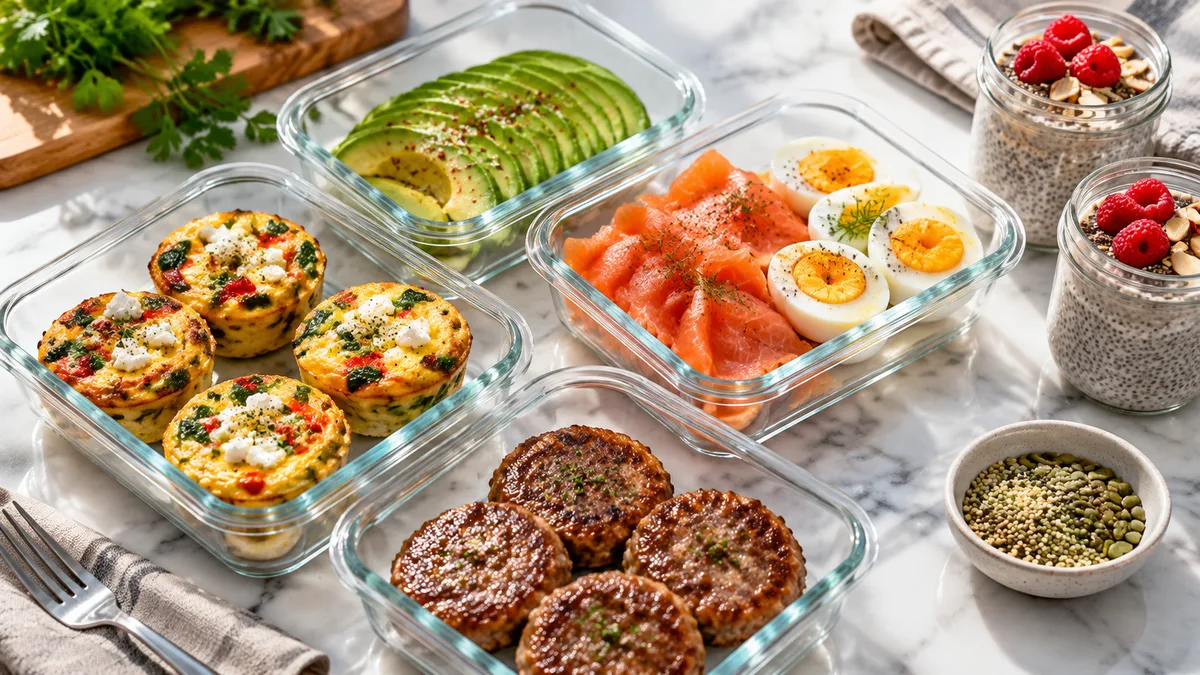
You grab a bagel or a sweetened granola bar at 7:30 AM, telling yourself it will give you energy for the morning. By 10:15 AM, your stomach roars and your brain feels foggy. Most people repeat this cycle every work week without realizing why it happens.
High-carb breakfasts dump glucose into your bloodstream fast, forcing a sharp insulin spike followed by an immediate energy crash. If you want steady energy, sharp focus, and zero stomach growls before lunch, prioritize two simple metrics: high protein and low net carbs. Prepping these meals ahead of time means you eat well even when you roll out of bed ten minutes before leaving the house.
This guide delivers eight practical breakfast prep recipes. Each portion packs 25 to 42 grams of protein and keeps net carbs under 10 grams, keeping you out of the office snack bin until lunch arrives.
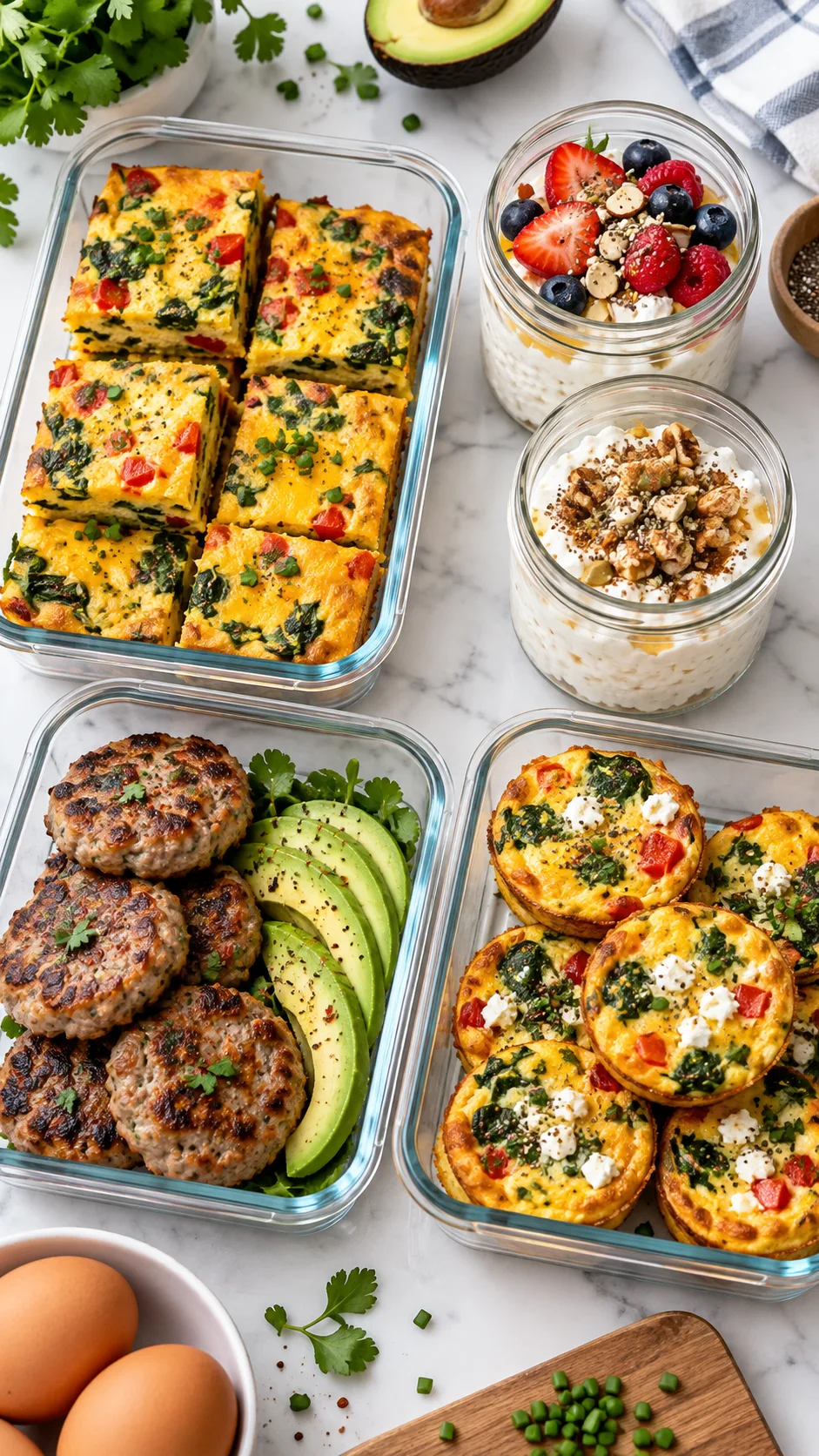
The science of satiety: why high-protein, low-carb breakfasts work
A 400-calorie bowl of oatmeal often leaves you hungry two hours later, while a 400-calorie portion of eggs and steak keeps you full into the afternoon. Your gut hormones control this difference.
When you eat bioavailable dietary protein, your gastrointestinal tract releases satiety hormones like peptide YY (PYY) and glucagon-like peptide-1 (GLP-1). Protein also suppresses ghrelin, your primary hunger hormone. Clinical research in the American Journal of Clinical Nutrition shows that high-protein breakfasts lower total food cravings and reduce late-night snacking compared to carb-heavy options.
Refined carbohydrates trigger a surge of insulin to clear sugar from your blood. That fast drop in circulating glucose signals your brain to search for more fuel right away. By keeping net carbs low, you stabilize blood sugar. Your metabolism uses steady energy from dietary fats and amino acids, preventing the familiar 10:00 AM crash so you can focus on your morning work.
If you want to maintain this balance throughout the day, pair these recipes with The No-Nonsense High Protein Low Carb Meal Plan for Real Results.
The 4 rules of low-carb breakfast meal prep
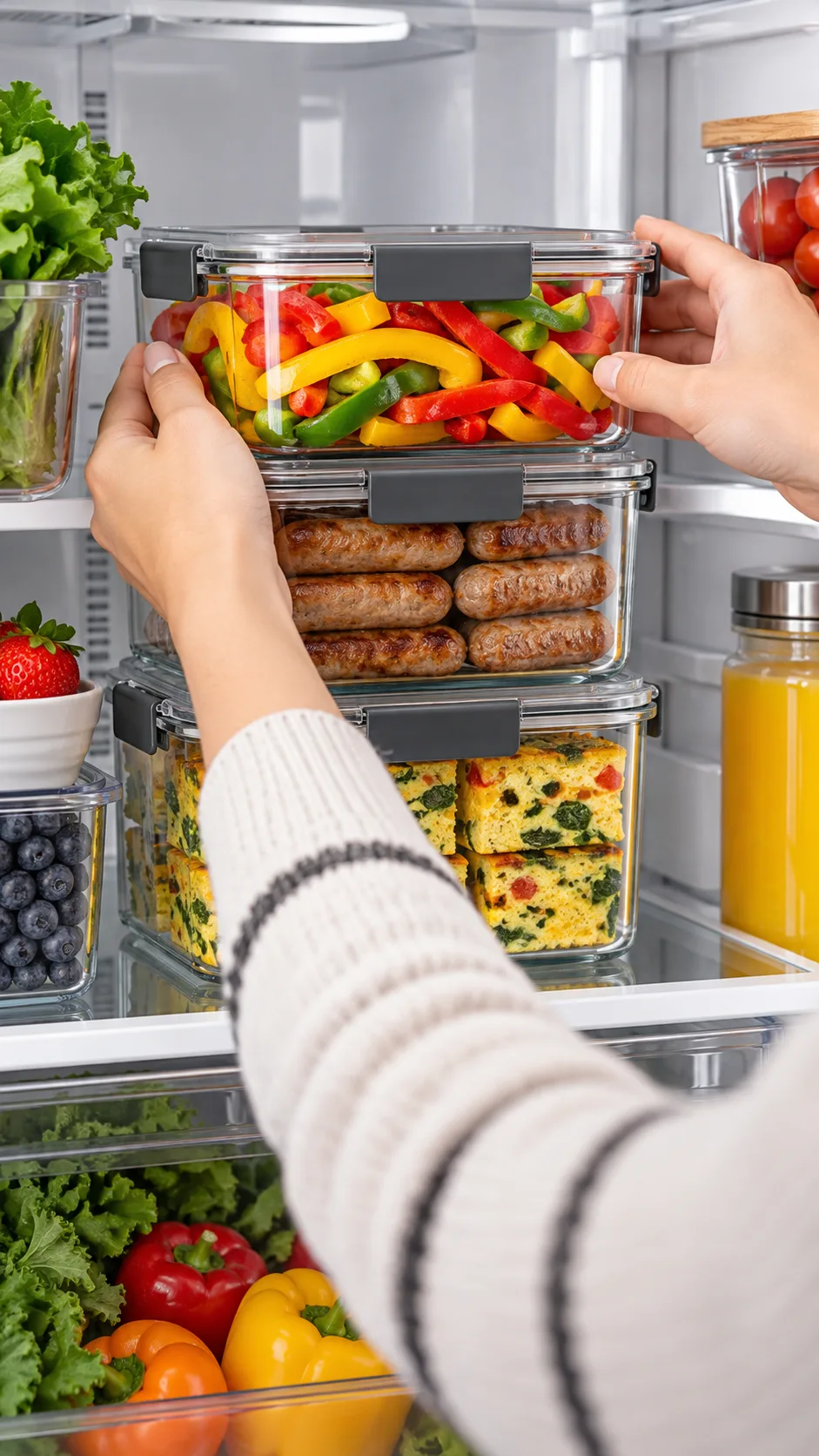
Rubbery eggs and soggy meats ruin any morning routine. Follow these four basic kitchen habits to keep your prepped food fresh all week long:
- Use borosilicate glass containers: Plastic containers absorb odors, stain easily, and warp in the dishwasher. Borosilicate glass withstands rapid temperature swings, heats food evenly, and preserves clean flavors.
- Underbake your eggs slightly: When making frittatas or egg bites for reheating, pull them from the oven while the center still jiggles slightly. Overcooked eggs release water and turn rubbery inside the microwave.
- Separate fats and wet toppings: Pack sliced avocado, salsa, sour cream, and hot sauce in small separate jars. Add these cold toppings after you reheat the main meal to keep textures distinct.
- Cool everything before sealing: Trapped heat creates condensation inside sealed containers. That moisture falls back onto your eggs and meats, turning them wet and soft. Leave cooked food on the counter for 20 minutes before snapping on the lids.
To streamline your routine across the whole week, read our practical guide on How to Meal Prep for the Week Like a Pro.
8 satisfying high-protein low-carb breakfast recipes
These eight recipes bring distinct flavors and hearty textures to your morning table. Cook them on Sunday, stack the glass boxes in your fridge, and simplify your mornings.
1. Starbucks-style Gruyère and bacon egg bites
Commercial coffee shop egg bites taste rich, but daily runs to the drive-through get expensive quickly. This home oven method recreates that velvety texture using a blender and a simple hot-water bath.
- Protein: 28g per serving (2 large bites)
- Net Carbs: 3g
- Prep Time: 10 minutes | Bake Time: 30 minutes
- Main Ingredients: 8 large pasture-raised eggs, 1 cup whole-milk cottage cheese, 1 cup shredded Gruyère cheese, 6 slices cooked thick-cut bacon (crumbled), salt, black pepper, and garlic powder.
Add the eggs, cottage cheese, salt, pepper, and garlic powder to a high-speed blender. Blend on high for 30 seconds until the batter turns frothy. Stir the shredded Gruyère cheese into the batter with a spoon. Spray a silicone muffin pan with avocado oil, divide the crumbled bacon across the cups, and pour the egg batter over the top.
Set the muffin tin inside a deep roasting pan. Pour boiling water into the roasting pan until the liquid reaches halfway up the exterior of the muffin cups. Bake at 300°F (150°C) for 30 to 35 minutes until the centers set. The rising steam protects the eggs from dry heat, keeping them silky.
2. Spicy turkey sausage and cheddar sheet pan frittata
Sheet pan bakes let you prep an entire workweek of breakfasts in one pan. Lean turkey sausage and sharp cheddar deliver rich flavor without excess carbohydrates.
- Protein: 34g per square
- Net Carbs: 4g
- Prep Time: 15 minutes | Bake Time: 25 minutes
- Main Ingredients: 12 large eggs, 1 lb ground lean Italian turkey sausage, 1 cup diced bell peppers, 2 cups chopped baby spinach, 1.5 cups shredded sharp cheddar, 1/4 cup unsweetened almond milk, 1 tsp smoked paprika.
Brown the turkey sausage in a skillet over medium heat, breaking the meat into small bits. In a mixing bowl, whisk the 12 eggs with the almond milk, smoked paprika, salt, and black pepper. Line a 9×13-inch rimmed baking dish with parchment paper.
Scatter the browned sausage, bell peppers, and spinach evenly across the dish. Pour the whisked egg mixture across the meat and vegetables, then scatter the shredded cheddar over the surface. Bake at 375°F (190°C) for 22 to 25 minutes until the edges turn light golden brown. Cut the bake into six squares and pack them into glass containers.
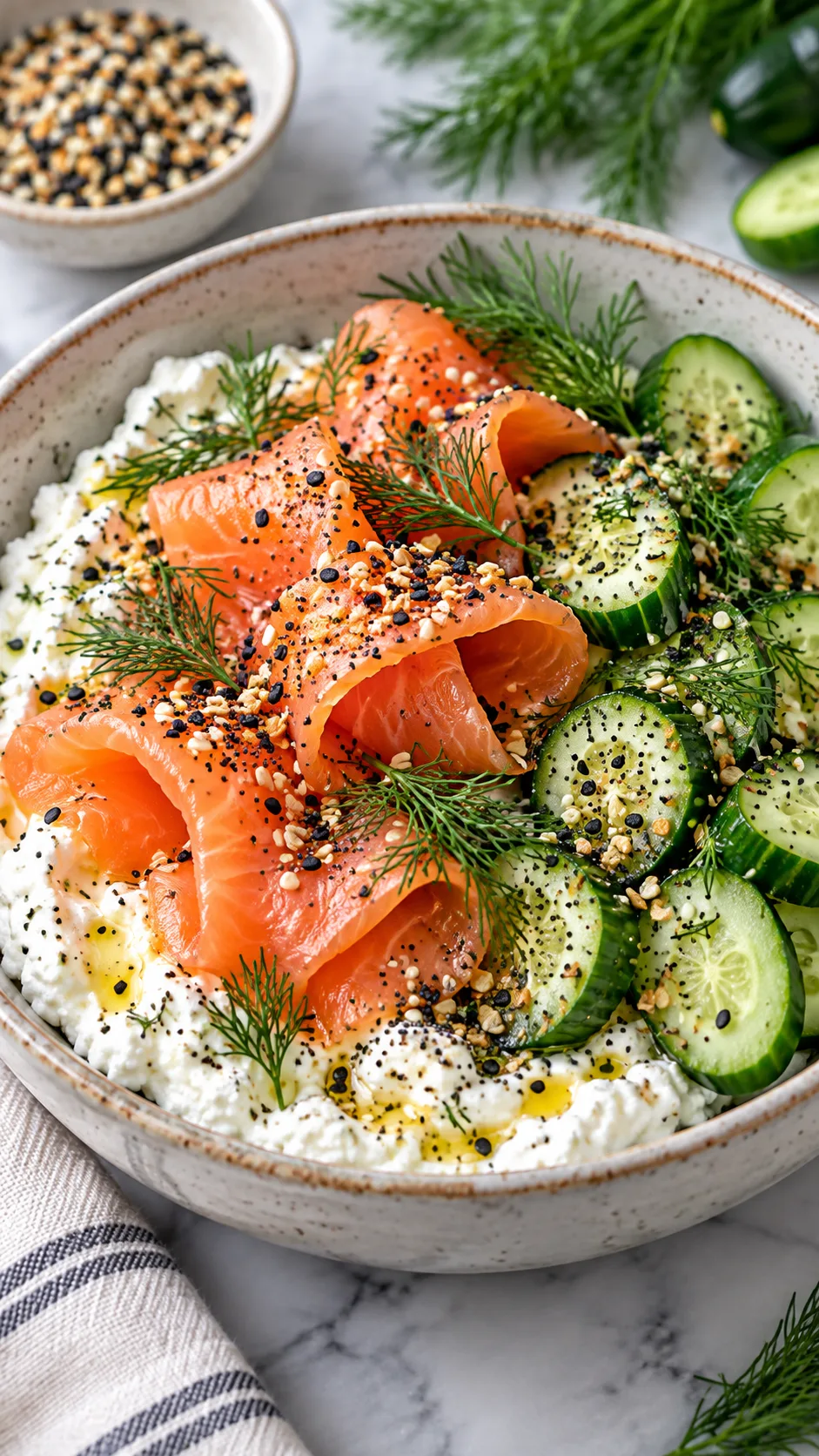
3. Whipped cottage cheese and smoked salmon bowls
Whole-milk cottage cheese packs an exceptional amount of protein per ounce. Puréeing cottage cheese in a food processor removes the curds, creating a smooth spread with the consistency of whipped cream cheese.
- Protein: 36g per bowl
- Net Carbs: 5g
- Prep Time: 10 minutes (no cooking needed)
- Main Ingredients: 1 cup 4% cottage cheese, 4 oz cold-smoked salmon, 1/2 English cucumber (sliced thin), 1 tbsp capers, 1 tbsp fresh chopped dill, 1 tsp everything bagel seasoning.
Process the cottage cheese in a food processor or blender for 60 seconds until smooth and light. Spoon the mixture into the bottom of your meal prep bowls. When you prepare to eat, lay the cold-smoked salmon on top alongside cucumber slices, capers, fresh dill, and bagel seasoning. This recipe requires zero morning cooking and tastes clean and savory.
4. Freezer-friendly low-carb breakfast burritos
Low-carb tortillas contain abundant dietary fiber, which pulls the net carb count down to 3 or 4 grams per wrap. These burritos freeze cleanly and crisp up fast inside an air fryer.
- Protein: 32g per burrito
- Net Carbs: 6g
- Prep Time: 20 minutes | Cook Time: 15 minutes
- Main Ingredients: 5 low-carb tortillas (4g net carbs or fewer), 8 large scrambled eggs, 1/2 lb spiced ground pork or beef, 1 cup shredded pepper jack cheese, 1/4 cup roasted green chiles.
Scramble the eggs in a pan over medium-low heat until soft (remove them before they dry out). Brown your ground meat in a separate pan and drain any excess grease. Let all cooked fillings cool to room temperature before assembling so steam does not soften the wraps.
Lay out the tortillas and distribute the scrambled eggs, meat, green chiles, and pepper jack down the center of each wrap. Fold the sides inward, roll the tortillas into tight cylinders, and wrap each burrito in parchment paper and aluminum foil. Store them in the freezer for up to two months. On busy mornings, remove the foil and warm the burrito in an air fryer at 360°F for 10 minutes for a crisp shell and hot filling.
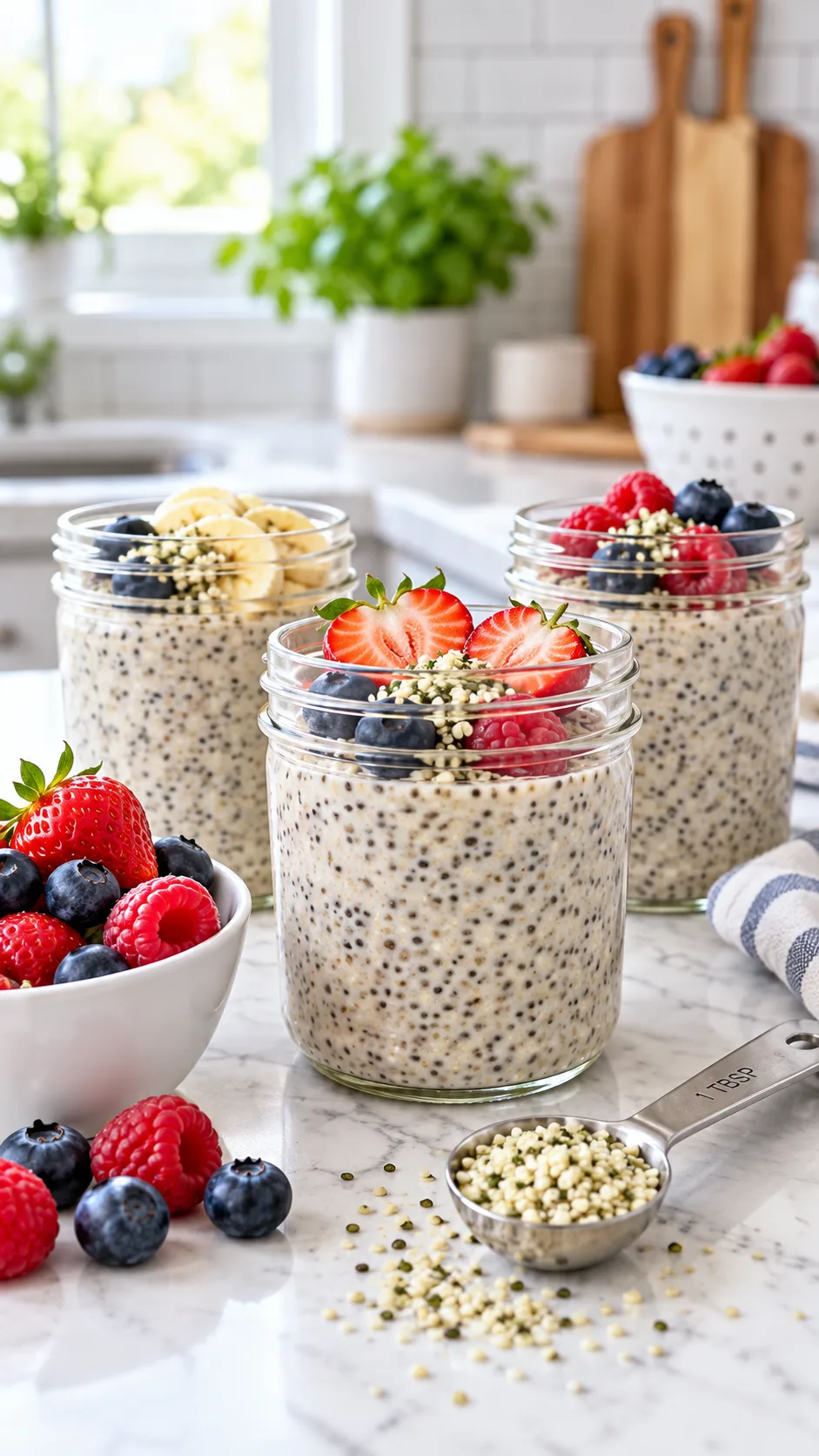
5. Hemp heart and chia seed jars
If you enjoy the ease of overnight oats but dislike the blood sugar spike from grains, try a base of chia seeds and hemp hearts. These seeds create a thick pudding rich in omega-3 fats, fiber, and complete protein.
- Protein: 31g per jar
- Net Carbs: 4g (plus 14g dietary fiber)
- Prep Time: 10 minutes | Chill Time: 4 hours
- Main Ingredients: 3 tbsp raw shelled hemp hearts, 2 tbsp black chia seeds, 1 scoop vanilla whey isolate, 3/4 cup unsweetened almond milk, 1 tbsp unsweetened almond butter, pinch of cinnamon.
Whisk the whey protein powder into the almond milk inside a glass jar until smooth. Stir in the hemp hearts, chia seeds, cinnamon, and almond butter. Close the lid tightly and place the jar in the refrigerator for at least four hours.
The chia seeds drink up the milk and thicken into a dense pudding, while the hemp hearts offer a soft, nutty bite. Top the pudding with a few fresh raspberries or toasted walnuts right before serving. For more morning recipes that reduce digestive strain, check out our list of 11 Anti-Inflammation Breakfasts.
6. Sheet pan steak fajita breakfast hash
Breakfast does not require eggs. Lean flank steak provides creatine, bioavailable iron, and high-density protein that suppresses hunger until early afternoon.
- Protein: 42g per serving
- Net Carbs: 7g
- Prep Time: 15 minutes | Bake Time: 18 minutes
- Main Ingredients: 1.5 lbs flank steak (cut thin against the grain), 2 bell peppers (sliced), 1 red onion (sliced), 1 zucchini (diced), 2 tbsp avocado oil, 2 tsp chili powder, 1 tsp cumin, 1 tsp garlic powder, salt, and fresh lime.
Toss the sliced peppers, onion, and zucchini with one tablespoon of avocado oil and half the spice mix. Spread the vegetables on a wide baking sheet and roast at 400°F (200°C) for 10 minutes. While the vegetables cook, coat the sliced steak with the remaining oil and seasonings.
Remove the baking sheet, move the vegetables toward the edges, and place the steak strips down the middle of the tray. Switch the oven to broil on high and cook for 5 to 7 minutes until the steak browns along the edges. Divide the meat and vegetables into four containers and squeeze fresh lime juice over each portion before serving.
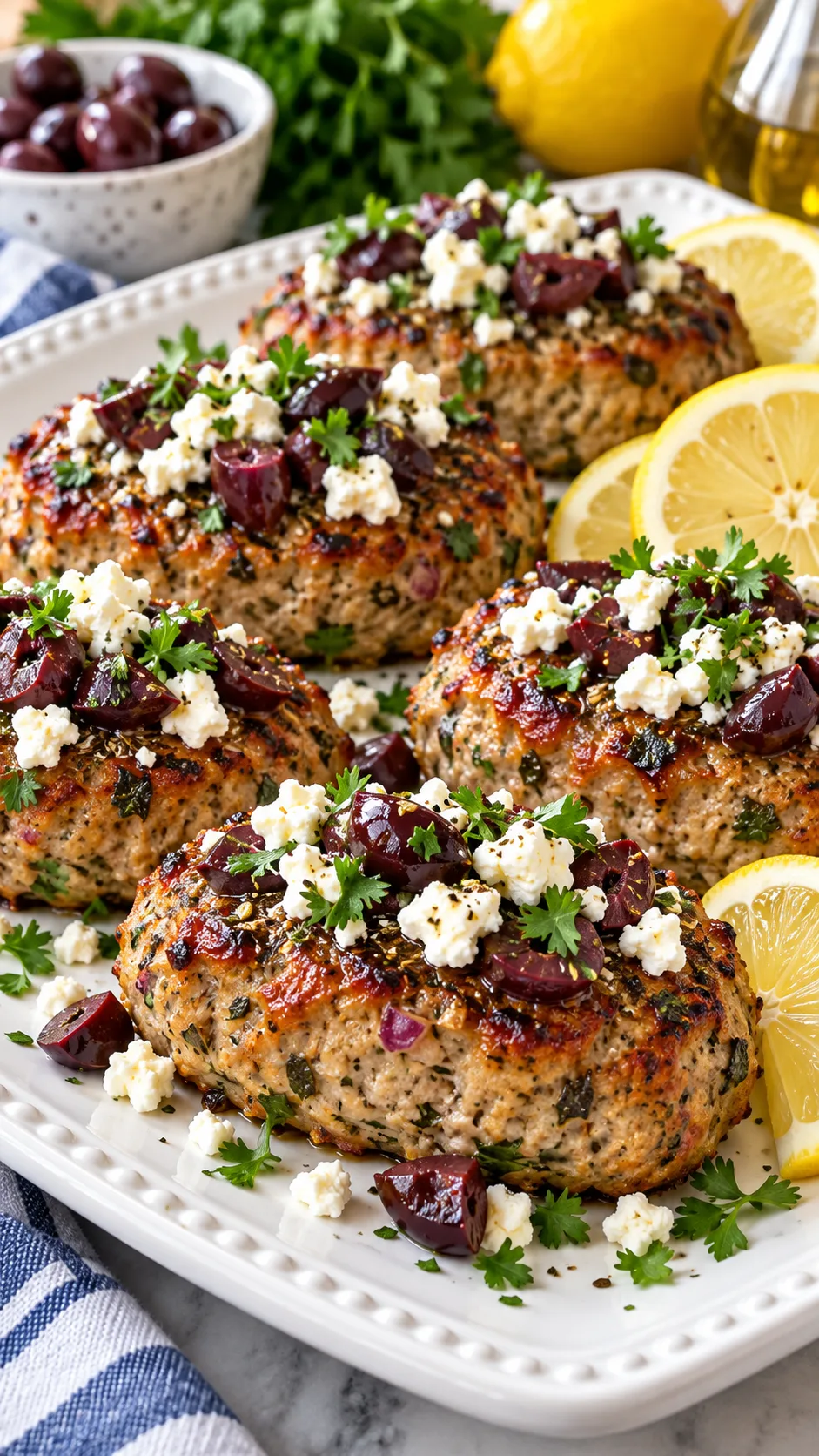
7. Mediterranean turkey and feta mini meatloaves
Savory breakfasts open up great variety. In many cultures around the Mediterranean, breakfast features spiced ground meats, brined cheeses, and olives. These compact loaves pack dense protein into portable portions.
- Protein: 38g per serving (2 mini loaves)
- Net Carbs: 3g
- Prep Time: 15 minutes | Bake Time: 25 minutes
- Main Ingredients: 1.5 lbs 93/7 lean ground turkey, 1/2 cup crumbled feta cheese, 1/3 cup drained sun-dried tomatoes, 1/4 cup diced kalamata olives, 1 egg, 2 cloves minced garlic, 1 tbsp dried oregano, salt, and black pepper.
Combine the ingredients in a large bowl. Mix gently by hand until combined, stopping before you overwork the poultry. Form the meat into eight small oval loaves and set them onto a parchment-lined baking sheet.
Bake at 375°F (190°C) for 22 to 25 minutes until an internal probe reads 165°F (74°C). Pack two loaves per container with fresh arugula or cucumber slices. You can eat them hot from the toaster oven or cold straight from the fridge.
8. Greek yogurt protein crunch bowls
For mornings when you want something sweet and cold, plain strained Greek yogurt provides a massive dose of casein and whey protein. Skip the flavored supermarket tubs, which hide heavy loads of cane sugar or corn syrup.
- Protein: 39g per bowl
- Net Carbs: 8g
- Prep Time: 5 minutes
- Main Ingredients: 1 cup plain Greek yogurt, 1/2 scoop vanilla protein powder, 1 tbsp raw pumpkin seeds, 1 tbsp sliced almonds, 1 tsp chia seeds, 3 drops liquid monk fruit sweetener.
Stir the protein powder and monk fruit sweetener into the plain Greek yogurt until completely smooth. Scoop the yogurt into glass containers. In small snack bags, combine the pumpkin seeds, almonds, and chia seeds.
Keep the seed topping dry until you eat. Mixing nuts and seeds into wet yogurt days in advance leaves them soggy. Scatter the topping over the yogurt right before you eat to preserve that crisp crunch.
Visual inspiration: batch breakfast prep in action
Seeing a batch-cooking workflow helps you organize your cutting board and sheet pans efficiently. This video shows how to knock out multiple low-carb morning portions in under an hour:
How to reheat your food without ruining textures
Blasting cooked protein at maximum microwave power for several minutes dries out lean meat and turns eggs rubbery. Use this reference table to keep your food moist and flavorful:
4 meal prep mistakes that ruin low-carb breakfasts
Avoid these common kitchen missteps so your meals stay appetizing and keep you full until noon:
1. Relying on processed snack bars and meal replacements
Packaged low-carb snack bars lean heavily on synthetic soluble fibers, sugar alcohols, and industrial binders. These ingredients frequently trigger bloating, cramps, and gas. Build your meal prep foundation on whole food sources: eggs, poultry, Greek yogurt, beef, nuts, and seeds.
2. Freezing raw watery vegetables
Never freeze raw vegetables that carry high moisture content, such as zucchini, mushrooms, and tomatoes. Water expands during freezing and destroys the plant cell walls. When you thaw the food, that water pools in your container and ruins the eggs. Sauté watery vegetables in a dry pan first to cook off the liquid before freezing.
3. Skipping dietary sodium
When you cut dietary carbohydrates, lower circulating insulin prompts your kidneys to excrete sodium and water rapidly. Reviews on ketogenic diets from the National Library of Medicine show that replacing electrolytes prevents morning lethargy, muscle cramps, and headaches. Season your breakfast eggs and meats generously with sea salt.
4. Storing prepped food past the safe window
Cooked egg, beef, and poultry dishes remain safe in a refrigerator set below 40°F (4°C) for up to four days, according to guidelines from the USDA Food Safety and Inspection Service. If you prep a full week of food on Sunday, freeze Thursday and Friday’s containers immediately. Transfer them to your refrigerator on Wednesday evening so they thaw safely.
Your 5-day breakfast rotation schedule
Rotating textures and flavors throughout the week prevents diet fatigue. Try this five-day plan:
- Monday: Spicy Turkey Sausage and Cheddar Sheet Pan Frittata (A warm, savory start to the work week).
- Tuesday: Whipped Cottage Cheese and Smoked Salmon Bowl (Cold, creamy, and ready to eat immediately).
- Wednesday: Sheet Pan Steak Fajita Hash (Hearty iron and protein to push through midweek tasks).
- Thursday: Starbucks-Style Gruyère and Bacon Egg Bites (Warm for 60 seconds in the microwave and take them on the road).
- Friday: Low-Carb Crispy Breakfast Burrito (Crisped in the air fryer to finish out the week).
Frequently asked questions
How many grams of protein do you need at breakfast to stay full?
Target at least 30 grams of protein. This quantity provides sufficient leucine to trigger muscle protein synthesis and releases gut hormones that suppress appetite. If you carry more muscle mass or lift weights early in the morning, increase that breakfast target to 40 or 45 grams.
Can you eat whole eggs every morning on a low-carb diet?
Yes. Nutrition research shows that dietary cholesterol in whole eggs does not adversely impact heart disease risk in healthy adults. Whole eggs supply choline for nervous system function, lutein for vision, and highly digestible protein. Rotating between eggs, Greek yogurt, and turkey keeps your meals interesting.
What if you practice intermittent fasting and skip breakfast?
Use these recipes as your first meal when your eating window opens at midday. Breaking a fast with high protein and minimal carbs prevents the sharp insulin spike and heavy afternoon fatigue that follows carb-heavy meals. These containers also double as quick dinners on evenings when you lack time to cook.
Take charge of your morning routine
You do not need to settle for chalky protein bars or battle the mid-morning sugar crash from office doughnuts. Prepping high-protein, low-carb breakfasts gives you reliable energy and keeps your focus locked on your work until lunchtime.
Pick two recipes from this guide for your upcoming prep day. Buy your ingredients, dedicate 45 minutes on Sunday to cook, and fill your refrigerator with meals that work for you.
