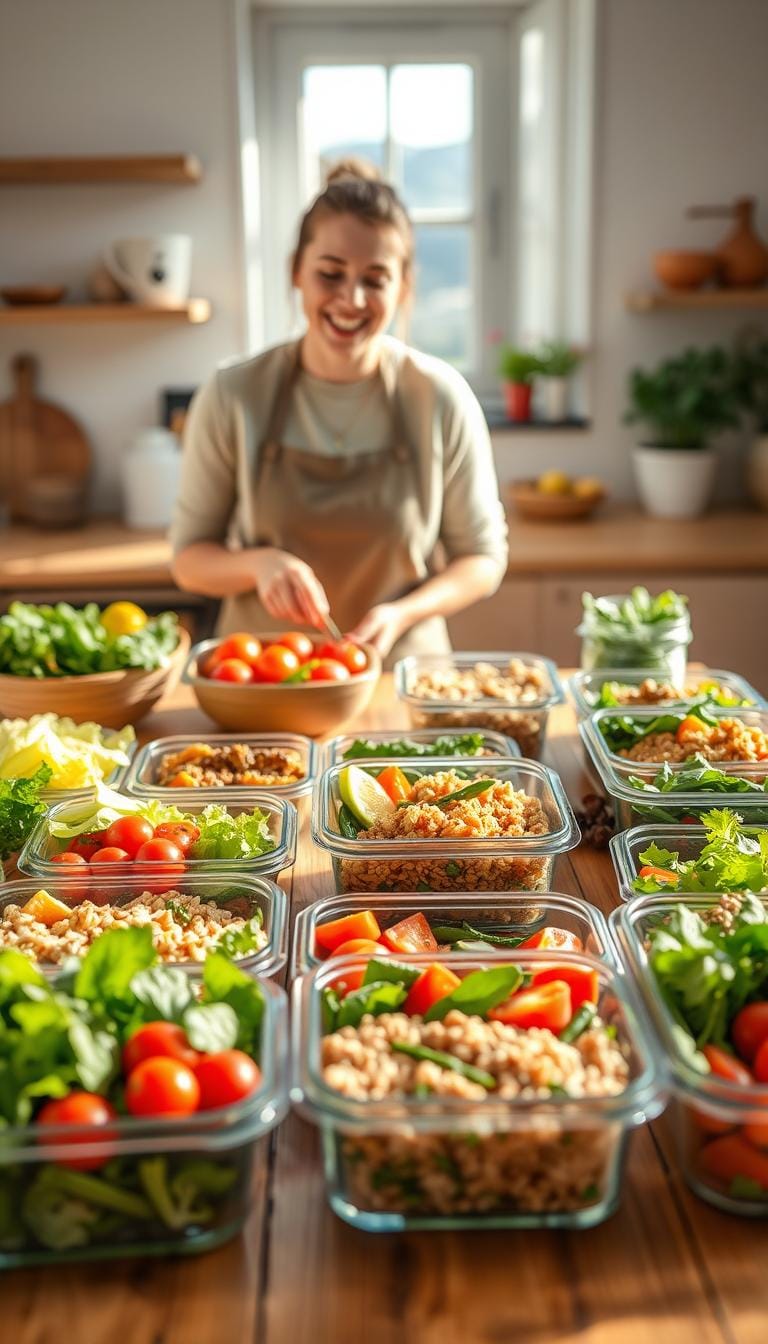
Do you ever wonder if a small shift in shopping and prep could cut food costs and make it easier to hit nutrition goals?
You can save money and eat better by following a clear plan that fits busy days. Recent figures show weekly food costs near £31 per person, so smart shopping matters.
This guide gives a simple structure that supplies about 1,500 calories per day, five portions of fruit and veg daily, and more than 30g of fiber. It also shows how to use staples and fresh ingredients to cut waste and prep time.
Whether you cook for one or a family of four, these recipes and a tidy shopping list make it easy to enjoy protein-rich dinners, useful leftovers, and basic salads without stress.
Key Takeaways
- Save money: plan and shop with a clear grocery list.
- Daily structure hits calorie and fiber targets for weight goals.
- Prep smart to reduce waste and speed up busy evenings.
- Recipes use pantry staples plus fresh foods to stay flexible.
- Protein-focused dinners and leftover ideas keep nutrition steady.
The Benefits of Planning Your Weekly Menu
When you set a simple menu for the coming days, shopping and cooking feel easier. A short planning session cuts stress and gives you clear steps to follow each day.
Organizing your meals in advance also trims waste. The average American family of four throws away about $1,500 of uneaten food every year. That is money you can keep by sticking to a plan.
- You stay on budget and avoid pricey takeout on busy nights.
- You ensure variety so each dinner includes good protein and produce.
- Having ingredients ready saves time and keeps portions steady.
| Benefit | What it saves | How it helps you |
|---|---|---|
| Less waste | Up to $1,500/year | Lower grocery bills and fewer trips to the store |
| Better choices | Healthier intake | Balanced meals and steady energy |
| Time saved | Minutes per day | Faster dinners and easier evenings |
Commit to a simple meal plan and you gain control over your food, your spending, and your routine. Small planning sessions make big differences.
Essential Strategies for Healthy Meal Plans for the Week
When you match recipes to what’s in season, you lower costs and get better taste without extra effort. A short plan makes shopping simple and keeps cooking fast. Use staples and a few fresh items to cover most days.
Seasonal Eating
Buy vegetables and fruit that are in season. They cost less and taste better. Seasonal produce also packs more nutrients into each bite.
Tip: plan dinners around a market pick, then add a simple protein like canned sardines in tomato sauce or leftover roast chicken.
Meatless Options
Swap one dinner per week to a plant-forward dish. Black beans or a lentil soup give fiber and protein without high cost.
Try a frittata or a green salad dressed with olive oil for a quick, filling option. Eggs and canned fish are cheap proteins you can rely on.
- Seasonal buys: fresher taste, lower cost, more nutrition.
- Meatless nights: save money and add fiber with beans or lentils.
- Pantry staples: olive oil, spices, tins of sardines, and eggs simplify planning.
| Protein | Portion | Benefit |
|---|---|---|
| Sardines (120g tin) | 1 tin | Convenient, affordable protein in tomato sauce |
| Black beans | 1 cup | High fiber, meatless option |
| Eggs | 2 eggs | Versatile, low-cost protein |
Mastering the Art of Grocery Shopping
A purposeful shopping list turns chaotic store visits into quick, budget-friendly trips.
Start by checking your pantry and fridge so you do not buy duplicate ingredients. A short inventory saves both money and time. Easy Meal Plans for the Week applies the same idea to meal planning.
Keep one clear shopping list that matches your meal plan. That list helps you avoid impulse buys and stay within your budget.
Buy staples in bulk when prices are low. Canned beans, rice, oats, and olive oil cut costs and let you pull quick meals together.
- Shop off-peak hours to move faster and spot better deals.
- Update your shopping list during the week so you never run out of key ingredients.
- Focus on essentials to shorten trips and save time for other tasks.
| Tip | Benefit | Quick action |
|---|---|---|
| Inventory check | Avoid duplicates | 5-minute scan before you leave |
| Buy staples in bulk | Lower unit cost | Choose shelf-stable items |
| Keep list updated | Smoother meals all week | Add items as you run out |
Smart Ways to Reduce Food Waste
A little planning and a good freezer routine mean fewer tossed foods and more ready-to-eat dinners.
Use simple freezing habits to lock in freshness and cut food waste fast. Portion extras into single servings and label each pack with date and contents.
Freezing Techniques
Flash-freeze fruits or proteins on a tray before bagging. This keeps textures separate and makes it easy to pull single portions.
Store sauces and cooked grains in small containers. Freeze soups flat in freezer bags so they stack and thaw quickly.
- Freeze leftovers in meal-sized portions to avoid reheating too much at once.
- Rotate frozen foods by date so older packs get used first.
- Plan when you will eat leftovers so nothing sits unused past its prime.
Benefit: These steps protect flavor, extend shelf life, and keep your budget intact. Treat your freezer as a backup kitchen and you will waste less food and save money over time.
Incorporating Protein and Fresh Produce
Pairing solid protein sources with vibrant produce makes each dinner more filling and nutritious.
Start simple: choose chicken, canned fish, or beans as a base. A 220g portion of new potatoes adds a starchy side that pairs well with fish or chicken.
Use olive oil to sauté vegetables like broccoli and leafy greens. That quick step brings out flavor and adds useful fats to your plate.
Add beans to a soup or toss them into a salad to boost fiber. More fiber supports weight loss goals and helps you feel satisfied between meals.
- Keep milk and eggs on hand for fast protein-rich snacks or breakfasts.
- Pair protein with broccoli and other vegetables at dinner to get vitamins and keep calories steady.
- Rotate ingredients so you use fresh produce before it wilts and reduce waste.
Focus on whole ingredients and simple combos. With a clear plan, eating well across the week becomes easy and affordable.
How to Prep Ingredients for Success
Set aside one afternoon to turn raw ingredients into quick, ready-to-eat bites that cut evening stress. A short session of washing, chopping, and simple cooking makes daily assembly fast and reliable.

Designating a Prep Day
Pick a single prep day and stick to it. Wash and chop vegetables, portion snacks, and hard-boil eggs. Using one dozen eggs during this session gives you frittatas, topped salads, and quick snacks all week.
Batch Cooking
Cook larger pots of soup, rice, or a sauce and freeze portions. That way you have ready-made bases to build a simple dinner or a quick lunch from leftovers.
Multi-Tasking
Roast a tray of chicken while you blister peppers and straighten a salad. Use your oven and stovetop together to cut total active cooking time.
Quick checklist to save time:
- Chop vegetables and store in airtight boxes.
- Label portions of protein and sauces with dates.
- Reserve one container of cooked grains to pair with proteins.
| Task | Setup | Benefit |
|---|---|---|
| Prep day | 2 hours on weekend | Reduced nightly cooking time |
| Batch soup | Large pot, freeze portions | Quick lunches and easy dinners |
| Multi-task roast | Oven + salad prep | Efficient use of time and heat |
Good planning and a few simple techniques let you build varied meals with less effort. This approach helps you save time and keep tasty options on hand. Healthy Meal Planning Ideas for Clean Eating applies the same idea to meal planning.
Balancing Your Budget and Nutrition
Stretching one grocery dollar into several dinners takes a few smart choices at the shop.
Buy a 4-5 lb whole chicken. Roast it once and use the meat across dinner, sandwiches, and packed lunches. A whole bird delivers more servings per dollar than cut parts.
Create a clear shopping list before you leave. Prioritize beans, seasonal produce, and pantry staples you buy in bulk. This keeps your food costs steady and your plates varied.
Compare unit prices across brands and stores. Choose affordable protein sources and swap costly items when needed to protect your budget without cutting nutrition.
- Stretch the chicken into at least three meals.
- Use beans as a cheap, filling side or mix-in.
- Buy rice, oats, and canned goods in bulk.
| Item | Why buy | How it saves |
|---|---|---|
| Whole chicken (4-5 lb) | Versatile protein | Multiple dinners, sandwiches, stock from bones |
| Beans (canned/dry) | High fiber, low cost | Bulk servings, side or main boost |
| Staples (rice, oats) | Long shelf life | Lower unit cost when bought in bulk |
Creative Ways to Use Leftovers
Leftovers can become your week’s smartest shortcuts when you know how to remix them. A short reuse plan saves money and cuts food waste without extra effort.

Reinventing Meals
Turn a single roast into several quick dishes. Shred leftover chicken and add it to a bright salad with lemon and olive oil. Or simmer bones and veg into a simple soup that stretches across a few days.
Use black beans from last night’s dinner to make a spicy wrap or to bulk up a salad. Swap a plain sauce for a zesty dressing and your plate feels new.
- Save time: plan one reuse idea when you cook.
- Cut waste: turn scraps into stock or a mixed-vegetable hash.
- Stay flexible: change flavors with herbs, spices, or a new sauce.
| Leftover | New dish | Quick tip |
|---|---|---|
| Chicken | Soup or salad | Add fresh greens at serving |
| Roasted vegetables | Wrap or bowl | Toss with a tangy dressing |
| Black beans | Lunch taco | Warm with cumin and lime |
Tips for Storing Your Food Properly
A tidy fridge and pantry cut spoilage and make each day of cooking simpler. Place milk on a middle shelf where temperature stays steady. Keep fresh broccoli in a crisper drawer wrapped in a loose paper towel.
Use clear, airtight containers so you can see ingredients at a glance. Label containers with dates to follow a smart shopping list and avoid guesswork.
Store oils and olive oil away from heat and light to stop off flavors. Keep staples like rice, pasta, and canned foods in sealed bins to protect them from pests.
- Portion cooked foods into single-serve boxes to save time and cut waste.
- Chill new grocery items quickly to preserve texture and taste.
- Rotate items so older packs get used first.
| Item | Best spot | Why it helps |
|---|---|---|
| Milk | Middle shelf | Even temperature keeps it fresh longer |
| Broccoli | Crisper drawer | Keeps humidity ideal and prevents wilting |
| Olive oil & staples | Pantry shelf | Cool, dark storage reduces spoilage and protects your budget |
Spending a little prep time to store groceries right protects your ingredients and stretches your budget. This makes your meal plan easier to follow all week.
Adapting Recipes to Your Lifestyle
Tailoring recipes to fit how you live makes eating well less of a chore and more of a rhythm. Start by picking a simple recipe you enjoy and swap one or two ingredients to match your schedule or tastes.
If mornings are rushed, hard-boiled eggs or a protein-packed soup you froze on prep day save time and keep your day on track.
Use chicken, beans, or canned fish as quick protein options. Add vegetables and a simple salad to round out meals without extra work.

Planning around favorite ingredients helps you stay motivated. Change portions to aim for weight goals or to fit family dinners. Reuse leftovers as a base for a new dinner to save money and reduce waste.
| Adaptation | Quick swap | Benefit |
|---|---|---|
| Speed | Pre-chopped vegetables | Cut prep time |
| Budget | Bulk eggs or canned beans | Lower grocery cost |
| Variety | New spice mix | Fresh flavor without new ingredients |
Keep adjusting as life changes. Small shifts in prep and recipes preserve your health goals while saving time and money.
Conclusion
An easy routine of batch cooking and smart shopping can free time and protect your grocery budget.
Start small. Pick seasonal produce, set a short prep session, and reuse leftovers with fresh spices. These steps cut waste and stretch dollars while keeping dinners varied.
Consistent planning saves minutes each day and reduces stress during busy nights. You gain more control over taste, portions, and spending.
Try one change this month: roast a large protein, freeze portions, or swap a costly item for beans. Small moves add up and help you enjoy better food without extra work or cost.
FAQ
How do I start planning meals for a busy week?
Begin by listing your available cooking time, preferred proteins like chicken or beans, and fresh produce you enjoy. Pick three simple recipes, one sheet-pan dinner, one soup, and one salad, and build other dishes around those proteins and flavors. Use a shopping list organized by aisle to save time and money.
Can I save money while keeping nutrition strong?
Yes. Buy staples such as olive oil, eggs, milk, and rice in bulk, choose seasonal vegetables, and lean proteins on sale. Plan dinners that create intentional leftovers for lunches, and use canned black beans or frozen broccoli to cut costs without sacrificing nutrients.
What’s the fastest way to reduce food waste?
Schedule a prep session to trim, blanch, and store ingredients. Freeze extra portions in labeled containers, turn wilted vegetables into soup, and repurpose cooked grains into grain bowls. Clear labelling and portioning keeps things usable and prevents spoilage.
How do I fit higher protein into every day?
Add a serving of protein to each plate, grilled chicken, canned tuna, eggs, or a scoop of black beans. Mix proteins into salads, stir-fries, and soups. Batch-cook chicken breasts or legumes at the start of the week so you can add them to meals in minutes.
What are smart freezer techniques to preserve ingredients?
Cool cooked foods before freezing, use airtight containers or freezer bags, and portion into single or family servings. Freeze sauces flat in bags to save space and defrost quickly. Label with date and contents to rotate older items first.
How can I adapt recipes to dietary needs or weight goals?
Swap ingredients for your targets, use olive oil sparingly, choose lean cuts of meat, or increase vegetables for lower calorie density. Swap creamy sauces for tomato-based ones and replace white rice with whole grains. Track portions and tweak recipes incrementally.
What’s the best way to shop when pressed for time?
Prepare a tightly grouped shopping list by aisle, buy frozen vegetables and pre-chopped produce when needed, and choose versatile proteins like chicken and eggs. Stick to a plan to avoid impulse buys and check for grocery pickup or delivery options.
How do I turn leftovers into new dishes?
Reinvent last night’s roast into tacos, salads, or grain bowls. Chop leftovers and toss with a fresh sauce or vinaigrette, or blend proteins into soups. Leftover vegetables can be sautéed with eggs for a quick scramble.
How should I store different foods to extend freshness?
Keep leafy greens in a crisping drawer with a paper towel, store mushrooms in a paper bag, and keep tomatoes at room temperature until ripe. Refrigerate cooked proteins and dairy promptly in airtight containers and use clear labels to track dates.
What prep habits save the most time during the week?
Designate one prep day to wash, chop, and portion vegetables, cook grains, and roast a protein. Batch-cook sauces and dressings, and assemble grab-and-go containers for breakfasts and lunches. These small routines cut daily cooking time significantly.