
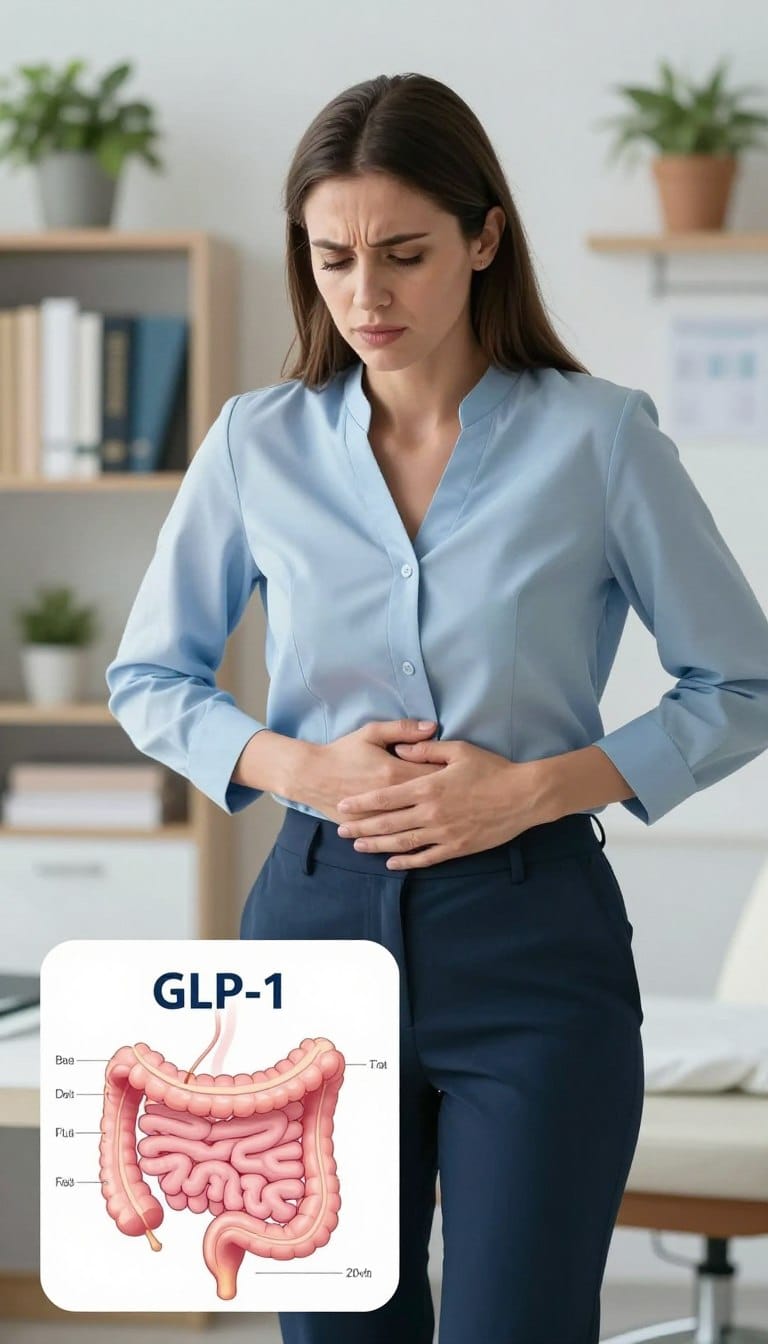
You did the research, made the call, and now you are starting a new medication to help with weight loss. That mix of hope and worry is normal. Many people feel relief at progress and fear when the body reacts with nausea, constipation, or stomach discomfort.
Understanding why these side effects happen can calm anxiety and help you manage symptoms before they become painful. Your body is adjusting to changes in digestion, and gentle steps can make daily life easier.
If pain or severe discomfort affects your routine, reach out to your doctor. Simple tweaks in what you eat, how you take medication, and your daily habits often ease gas and other effects so you can keep moving toward your goals.
Key Takeaways
- You may face digestive side effects like nausea, constipation, and gas when starting treatment.
- Knowing why symptoms occur helps you manage them without panic.
- Small diet and timing changes often reduce discomfort quickly.
- Contact your doctor if pain or severe symptoms limit daily activities.
- Managing side effects is part of a steady, successful weight loss journey.
Understanding GLP-1 Bloating and Digestive Changes
When you begin treatment, your body may change how it handles food and blood sugar. These medications — including Semaglutide (Ozempic, Wegovy), Tirzepatide (Mounjaro, Zepbound), Liraglutide (Saxenda, Victoza), and Dulaglutide (Trulicity) — affect appetite and digestion.
Most people see reduced hunger and often eat 25–50% fewer calories. That drop in intake, plus slowed gastric emptying, can trigger symptoms like nausea, diarrhea, or constipation.
Knowing common side effects helps you set expectations. Amy-Sarah Marshall noted on April 2, 2025, that while these drugs aid weight loss and blood control, they commonly produce digestive effects you should monitor.
- Watch how your stomach feels after meals.
- Track appetite changes and stool patterns.
- Tell your clinician if symptoms limit daily life.
| Medication | Typical Digestive Effect | When It Starts | What to Watch |
|---|---|---|---|
| Semaglutide (Ozempic/Wegovy) | Nausea, constipation | First weeks | Hydration, smaller meals |
| Tirzepatide (Mounjaro/Zepbound) | Diarrhea, nausea | Early dosing | Fiber balance, meds timing |
| Liraglutide / Dulaglutide | Appetite change, stomach discomfort | Initial dose increases | Track blood sugar and digestion |
Why Your Body Reacts to GLP-1 Medications
A slower stomach can change how food breaks down, which explains several common digestive effects.
The Role of Gastric Emptying
These hormone-like medications slow gastric emptying, says Dr. Rebecca Dawson, D.O., at Inspira Bariatrics and Weight Management Mullica Hill.
This change helps control your blood sugar and appetite and supports weight loss. But it also means food stays in your stomach longer, which can cause nausea or general discomfort for some people.
Understanding Sulfur Burps
When food sits too long, bacteria and digestion can release sulfur gases. That creates foul-smelling or sulfur burps that many report as a troubling side effect.
If you get frequent, severe, or foul burps with nausea, pain, or vomiting, your doctor may rule out a rare condition called gastroparesis.
- Slow digestion can cause gas, sulfur burps, and mild stomach discomfort.
- Most symptoms improve as your body adjusts to the medication and lower food intake.
- Seek care if symptoms are severe or affect daily life.
| Effect on Digestion | Common Symptom | When to Call Your Doctor |
|---|---|---|
| Slower gastric emptying | Nausea, fullness | Persistent vomiting or weight loss not intended |
| Increased stomach gas | Sulfur burps, gas | Foul-smelling burps with severe pain |
| Altered appetite | Reduced hunger, changes in food intake | Dehydration or inability to eat for days |
Managing Your Daily Nutrition and Portion Sizes
Planning the size and timing of your meals helps you avoid common side effects and keeps energy steady.
Aim for three small meals and healthy snacks. Smaller portions throughout day help your stomach process the nutrient content and support steady blood sugar.

When you start glp-1 medications, you will feel full faster. Focus on nutrient-dense foods and smaller portions so you meet vitamin and calorie needs without heavy meals.
- Eat modest meals and a light snack between meals to stabilize blood sugar.
- Space food evenly so digestion has time to work and to reduce uncomfortable effects.
- Don’t skip meals even if you aren’t very hungry; your body still needs fuel for weight loss.
| Meal | Example Portion | Why it helps |
|---|---|---|
| Breakfast | Greek yogurt + fruit | Protein keeps sugar steady |
| Lunch | Salad with lean protein | High nutrient content, smaller portions |
| Snack | Handful of nuts | Stops large meals and supports digestion |
Foods to Limit for Better Gut Comfort
What you eat can change how your gut reacts to medication, so choose foods that calm, not irritate.

Identifying Common Trigger Foods
Fried, spicy, or acidic foods often irritate the stomach and can worsen side effects like nausea or fullness. Cut back on heavy fried meals and very spicy sauces while your body adjusts.
High-sugar or high-carb foods feed rapid fermentation in the gut. This can increase gas and contribute to bloating during your weight loss plan.
Too much fiber at once can also cause discomfort. Gradually increase fiber so your gut adapts without extra gas.
- Avoid carbonated drinks; the bubbles add pressure and make fullness worse.
- Limit greasy, hard-to-digest items so you stay on track with medication and weight goals.
- Pay attention to nutritional content so you can spot which foods trigger symptoms and adjust your meals.
Tip: Keep a short food log for a week. You’ll see patterns quickly and figure out what to avoid.
Hydration and Fiber Strategies
Sipping water steadily across the day helps keep stools regular and reduces common digestive side effects.
Drink water before, during, and after meals to support digestion. When you eat less food, dehydration can sneak up and worsen constipation. Small, steady sips work better than large gulps.
Include gentle fiber sources like apples, celery, beans, and leafy vegetables. These foods add bulk and help move things through your gut without forcing large meals.

Many people find that pairing increased fiber with regular water intake cuts the gas and constipation that can come with glp-1 medications. Start fiber slowly and spread it across the day so your system adapts.
- Tip: Add a small fruit or raw veg at each meal to reach fiber goals.
- Tip: Aim for consistent water throughout day — goal-based reminders help.
Lifestyle Habits to Support Digestion
Simple daily habits ease many common side effects and help your digestion adapt to treatment. Small shifts in how you eat, sit, and move can reduce stomach discomfort and support steady blood sugar.
The Importance of Eating Slowly
Eat with intention. Chew each bite thoroughly and pause between forkfuls so your body can register fullness and appetite signals.
Why it helps: slower eating lowers nausea risk and prevents overeating. Choose softer, well-cooked foods when your stomach feels sensitive.
Staying Upright After Meals
Remain seated or take a gentle walk rather than lying down after meals. Gravity helps move food and reduces uncomfortable side effects.
Try to wait at least 30 minutes before reclining to ease digestion and limit reflux or fullness.
Incorporating Gentle Movement
A short, brisk walk after a meal can help regulate blood sugar and speed digestion. Light movement also reduces gas and aids weight loss efforts.
- Keep walks to 10–20 minutes after meals.
- Avoid intense exercise right after eating; choose gentle motion.
- Spread activity across the day to support digestion and energy.
Bottom line: these habits work well with glp-1 medications. Give your body time, and build a routine that supports digestion and your weight loss goals each day.
When to Consult Your Healthcare Provider
If your gut symptoms change suddenly or become hard to manage, contact your healthcare team.
Persistent or severe side effects — such as ongoing nausea, intense abdominal pain, or diarrhea — deserve prompt attention. These signs may mean your body needs a medication adjustment or extra testing.
Dr. Rebecca Dawson, D.O. notes that vomiting, severe bloating, or an inability to keep food down can signal complications that require medical care.
Never stop a medication on your own. Your doctor can change the dose, suggest different meal timing, or look for other causes so your weight loss treatment stays safe.
- Call your doctor if symptoms are persistent or cause significant discomfort.
- Seek immediate care for severe pain, high fever, or repeated vomiting.
- Keep a short log of symptoms and foods to help your clinician pinpoint triggers.
| Symptom | When to Contact | Possible Action |
|---|---|---|
| Persistent nausea | More than several days or worsens | Adjust medication timing or dose |
| Severe abdominal pain | Sudden or intense pain | Immediate evaluation; imaging or labs |
| Diarrhea or vomiting | Dehydration signs or cannot tolerate food | Medical care, rehydration, treatment change |
Navigating Common Side Effects During Treatment
Start by watching how your meals affect symptoms so you can make small, useful changes quickly.
Side effects like nausea, diarrhea, and constipation are common when taking glp-1 medications for weight loss and blood sugar control. These drugs mimic a natural hormone in the gut and brain. That helps appetite but can change digestion and cause stomach discomfort for some people.
Work with your care team to tweak meals, timing, and activity. Simple shifts — smaller portions, gentler foods, and steady fluids — often cut symptoms fast.
- Note which foods trigger nausea or loose stools.
- Eat slowly and space meals to ease digestion.
- Tell your doctor if pain, severe nausea, or dehydration occurs.
| Symptom | Quick action | When to call |
|---|---|---|
| Nausea | Small bland meals, sip water | Persistent for days |
| Constipation | Add water and gentle fiber | Severe pain or no stool for days |
| Diarrhea | Hydrate, avoid high-fat foods | Signs of dehydration |
Most people adjust with time. Keep your doctor in the loop so your treatment meets your goals safely.
Conclusion
You can balance the benefits of treatment with everyday comfort. Most side effects ease as your body adapts. Focus on portion control, steady hydration, and gentle habits to reduce common symptoms.
Be patient with the process. Small routine changes make the side effects less frequent and less intense. Keep tracking meals and how you feel so you spot patterns early.
If discomfort persists, talk with your healthcare provider. They can adjust medications or timing to help. Stay consistent with your weight loss plan while being kind to your body — that balance leads to safer, more lasting results.