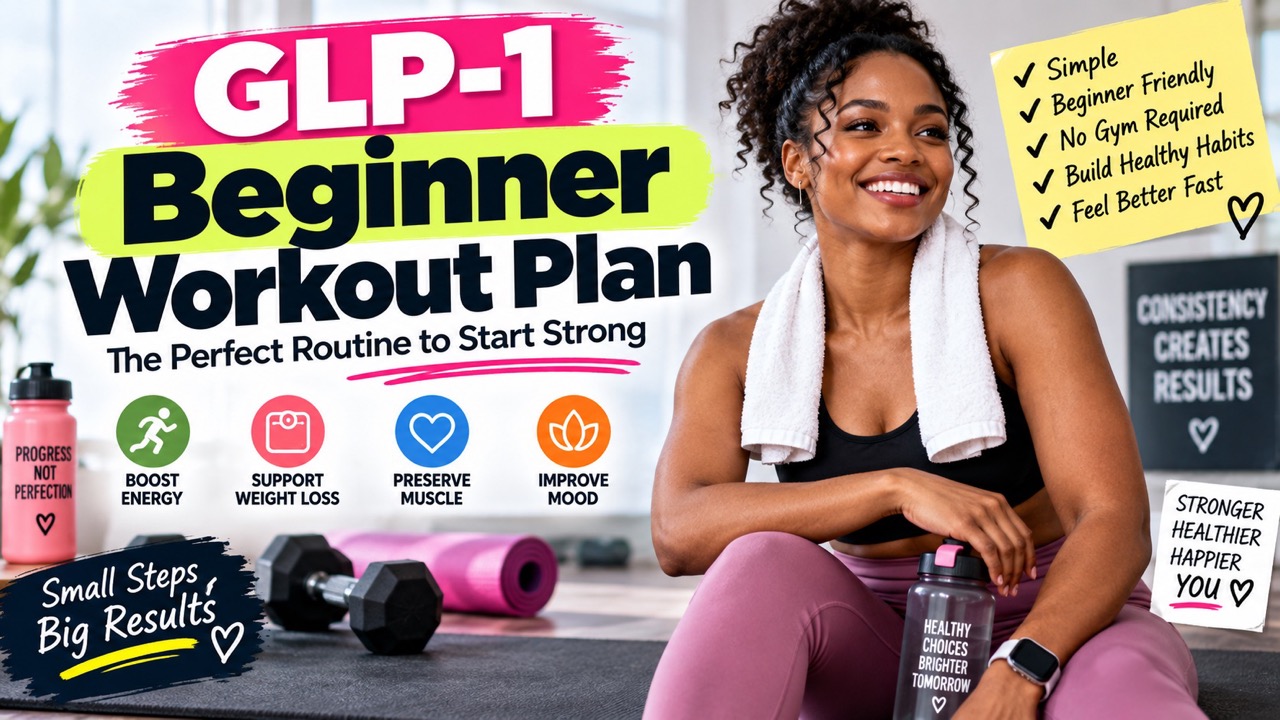
You might feel both hopeful and uncertain right now, ready to change your body but worried about losing muscle as the scale drops. That fear is real. Research shows 20-50% of weight lost on certain medications can come from lean mass, so protecting muscle is important.
This short routine helps you keep strength while you lose weight. It fits into busy days, works at the gym or at home, and helps manage appetite and energy swings. The plan focuses on simple exercises that reduce the risk of muscle and mass loss.
You’ll get clear steps to protect your metabolism and make steady progress toward your goals. With consistent activity and a solid program, you can enjoy real results without feeling overwhelmed.
Key Takeaways
- Protect lean muscle during weight loss to support long-term results.
- The routine adapts to your fitness level and daily time limits.
- Simple exercises help manage appetite and energy throughout the day.
- Combining regular activity with medications lowers the risk of losing muscle mass.
- Consistency matters more than complexity for steady progress.
Why Strength Training Matters During GLP-1 Treatment
Protecting your muscle matters more than you might think. Muscle is metabolically active, so the more you keep, the more calories you burn at rest. That helps steady your energy and keeps daily tasks easier.
The Role of Muscle in Metabolism
Muscle drives calorie burn. Even small gains in muscle raise your resting calorie needs. That makes weight control easier over time.
Preserving muscles also helps your heart, blood sugar, and overall fitness. You don’t need high intensity to get benefits. Consistent, sensible training is what counts.
Preventing Lean Mass Loss
Research shows 20-50% of weight lost on certain medications can be lean mass. Without regular strength training, you face a higher risk of losing important muscle and strength.
- Use resistance moves to keep mass and maintain strength.
- You can do effective strength training at home; the gym is optional.
- Focus on steady training rather than extreme intensity to protect your health.
Bottom line: Make strength a habit. It lowers the risk of unnecessary muscle loss and supports safer, more sustainable weight loss.
Understanding the GLP-1 Beginner Workout Approach
Small, consistent training sessions send the right signals to protect muscle during weight loss.
Focus on consistency, not long hours. You don’t need heavy weights or marathon sessions to keep strength. Short, regular strength training does the job.
Choose a routine that fits your time and goals. Add resistance moves two to three times weekly to support muscle mass while your weight shifts.
- Keep sessions short and guided so they are easy to repeat.
- Mix simple resistance sets with light cardio for overall fitness.
- Progress by improving form and slightly raising strength, not by long sessions.
| Session Type | Time | Primary Purpose | Key Benefit |
|---|---|---|---|
| Resistance circuit | 20-30 min | Preserve muscle mass | Maintains strength with low time cost |
| Guided bodyweight | 15-20 min | Build movement patterns | Easy to repeat at home |
| Light cardio + bands | 20 min | Support fitness and recovery | Boosts endurance without mass loss |
| Recovery mobility | 10-15 min | Improve joint comfort | Reduces soreness and helps consistency |
By keeping your routine manageable, you make progress toward your fitness goals without burning out. This approach helps many people keep muscle and feel stronger as their weight changes while on medications.
Essential Exercises for Muscle Preservation
Simple, targeted moves keep your strength steady as your weight changes. These exercises focus on building or holding muscle with short sessions you can do at home or in the gym.
Bodyweight Movements
Bodyweight Movements
Use squats, lunges, push-ups, and glute bridges to stimulate major muscle groups.
You can scale reps and sets to match your level.
Using Resistance Bands
Using Resistance Bands
Bands add safe, progressive resistance for rows, presses, and leg work.
They let you challenge muscles without heavy equipment.
Incorporating Light Weights
Incorporating Light Weights
When you make steady progress, add light dumbbells or kettlebells.
This helps your body adapt and build lean mass over time.

| Type | Examples | Session Time | Primary Benefit |
|---|---|---|---|
| Bodyweight | Squats, lunges, push-ups | 90 sec-24 min | Builds foundational muscle without a gym |
| Resistance bands | Band rows, band deadlifts | 5-20 min | Safe progressive resistance |
| Light weights | Dumbbell presses, goblet squats | 10-24 min | Encourages lean mass and strength gains |
- These types of movements help keep your calorie burn higher by preserving muscle mass.
- Short, consistent sessions fit into busy days and support steady progress.
Managing Energy Levels and Physical Comfort
When fatigue or nausea hits, small shifts in activity help you stay consistent. These side effects are common with some medications, so plan your routine around how you feel each day.
Listening to Your Body
Start sessions with a quick check-in: mood, hunger, and overall energy. If you feel drained, scale back intensity or shorten the session.
Low-impact options like gentle strength sets or light cardio keep your heart and muscles active without overtaxing you.

- If energy is low, choose a 10-20 minute gentle session instead of pushing hard.
- Swap heavy lifts for bodyweight moves or band work to protect muscle and mass.
- Use rest days to focus on mobility, sleep, and nutrition so training stays sustainable.
- Celebrate small wins, every bit of exercise helps your weight and strength goals.
| Situation | Suggested Session | Benefit |
|---|---|---|
| Low energy | 10-15 min light strength or walk | Maintains muscle and boosts mood |
| Moderate energy | 20 min mixed resistance + mild cardio | Builds strength without burnout |
| High energy | 30 min focused strength or interval cardio | Improves fitness and supports weight goals |
Bottom line: Protect your health first. Adjust training to match daily energy so you keep making steady progress without injury or undue strain.
Creating a Sustainable Weekly Routine
Plan short, repeatable sessions across the week to keep your body strong while you lose weight.
Most people do best with brief sessions of 5-15 minutes, completed two to four times per week. That schedule protects muscle and supports steady progress without taking too much time.
Set realistic goals for your strength training so you can keep showing up. Schedule sessions like appointments and treat them as non‑negotiable parts of your week.
Build flexibility into your routine to match daily energy. On low days, do a simple 5-10 minute strength set. On higher-energy days, extend to 15 minutes or add a short cardio finisher. Easy High-Protein GLP-1 Meals to Preserve Muscle While You Lose Weight covers the same topic from another angle.
- Consistency over intensity: regular training preserves strength more reliably than occasional long sessions.
- Progress in small steps: increase minutes or load slowly as your fitness level improves.
- Make it practical: choose moves that fit your environment so exercise stays easy to do.

| Frequency | Duration | Primary Goal |
|---|---|---|
| 2 times/week | 10-15 minutes | Maintain strength during weight loss |
| 3 times/week | 5-15 minutes | Build steady progress and habit |
| 4 times/week | 5-15 minutes | Increase fitness and support long-term goals |
Nutrition and Recovery for Optimal Results
Fueling your body right makes each training session count toward lasting change.
Aim for 0.6-0.8 grams of protein per pound of body weight to support muscle repair after strength training. This helps recovery and keeps your calorie burn steady.
Time meals and stay hydrated to limit nausea, a common side effect for people on GLP-1 medications. Small, frequent meals often keep appetite steady and energy consistent during the week.
Make rest days part of your routine. Recovery allows muscles to heal and makes your resistance sessions more productive.
- Protein supports repair and helps preserve mass during weight loss.
- Hydration and meal timing reduce nausea and improve energy for exercise.
- Consistent strength training plus good nutrition protects heart and blood sugar.
| Focus | Action | Benefit |
|---|---|---|
| Protein | 0.6-0.8 g per lb body weight | Muscle repair and stronger strength gains |
| Hydration & meals | Small meals; drink regularly | Less nausea, steady energy for workouts |
| Recovery | Planned rest days each week | Better performance and reduced injury risk |
Note: Trials like STEP 4 show weight can return if medication stops, so build habits that support lasting results.
Conclusion: Staying Strong for the Long Term
To keep gains and health, make small, repeatable actions part of daily life. Treat consistency as a habit you protect, not an occasional push.
Integrating brief strength sessions helps preserve muscle during weight loss and lowers the risk of unwanted loss as you change your weight. Pairing this plan with glp-1 medications makes the approach more effective.
Focus on steady progress: short workouts, good sleep, and balanced meals. Your health is the priority, so listen to your body and adjust when needed.
Stay patient and persistent. These choices protect your metabolism, support better blood and sugar control, and help you keep results for years to come.
FAQ
What is the best way to start a strength training routine while on GLP-1 medications?
Begin with low‑impact resistance sessions two to three times per week, focusing on major muscle groups: legs, back, chest, shoulders and core. Use bodyweight, resistance bands, or light dumbbells to learn movement patterns. Keep sessions 20-40 minutes, progress intensity gradually, and prioritize proper form to reduce injury risk and support metabolism.
How do you protect lean mass when losing weight with medication?
Prioritize regular resistance training, eat adequate protein (about 0.6-0.8 grams per pound of body weight), and schedule rest days for recovery. Strength sessions signal your body to preserve muscle even as calories drop. Include compound lifts like squats and rows and keep progression steady to maintain strength and muscle mass.
Can you combine cardio with resistance training, and how often?
Yes. Combine moderate cardio (walking, cycling, or swimming) three times weekly with two to three resistance sessions. Keep cardio 20-40 minutes to support heart health and calorie burn without compromising recovery. On heavy lifting days, do shorter, low‑intensity cardio or save it for separate days.
What types of exercises work best for muscle preservation?
Compound movements deliver the most benefit: squats, lunges, deadlifts, push‑ups, rows, and overhead presses. Add bodyweight moves and resistance band patterns for joint‑friendly options. Light weights with higher reps or moderate weights with lower reps both help when matched to your fitness level and recovery.
How should you adjust training when appetite and energy change?
Reduce session length and intensity during low‑energy days. Focus on mobility, light resistance, or walking. On higher‑energy days, increase load or volume. Track patterns so you can plan heavier sessions when you expect better appetite and energy, and use nutrition and naps to support tougher workouts.
Is protein timing important for muscle maintenance while using medication?
Spread protein evenly across meals to support muscle protein synthesis, aim for 20-40 grams per meal depending on body size. A post‑training snack or meal with both protein and carbohydrates helps recovery and replenishes glycogen, supporting future workouts and energy balance.
How quickly will you see strength or size changes after starting a program?
Most people notice neuromuscular improvements and better coordination within 2-4 weeks. Visible muscle tone and measurable strength gains typically appear after 6-12 weeks with consistent training, adequate protein, and progressive overload in your sessions.
Are resistance bands effective if you can’t access a gym?
Yes. Bands provide variable resistance, work stabilizer muscles, and let you perform rows, presses, squats and hip hinges at home. They’re portable and safe, making them an excellent tool to maintain or build muscle when gym equipment isn’t available.
How should you progress intensity safely over time?
Increase one variable at a time: add a small amount of weight, add a set, or increase reps by 1-3 per exercise each week. Or shorten rest periods slightly. Track workouts so you can follow gradual overload while avoiding sudden jumps that raise injury risk.
What role does sleep and recovery play in your plan?
Sleep is important. Aim for 7-9 hours nightly to support muscle repair, hormone balance, and appetite regulation. Include rest days, active recovery like walking or yoga, and post‑workout protein to maximize results and reduce fatigue.
Will resistance training affect blood sugar or other health markers?
Strength training improves insulin sensitivity and can help regulate blood sugar. It also supports cardiovascular health and physical function. If you have diabetes or other conditions, monitor values closely and coordinate changes with your healthcare provider when starting or intensifying exercise.
How long should a typical weekly routine last for noticeable changes?
Commit to at least 8-12 weeks of consistent training, 2-4 sessions per week, alongside sensible nutrition. With adherence, you should see improved strength, better body composition, more energy, and easier daily activity within that timeframe.
Should you change your plan if you hit a plateau?
Yes. Vary exercises, adjust volume or load, change rep ranges, or swap modalities (free weights, bands, machines). Also reassess nutrition, sleep, and stress. Small, strategic changes break plateaus without derailing long‑term progress.