
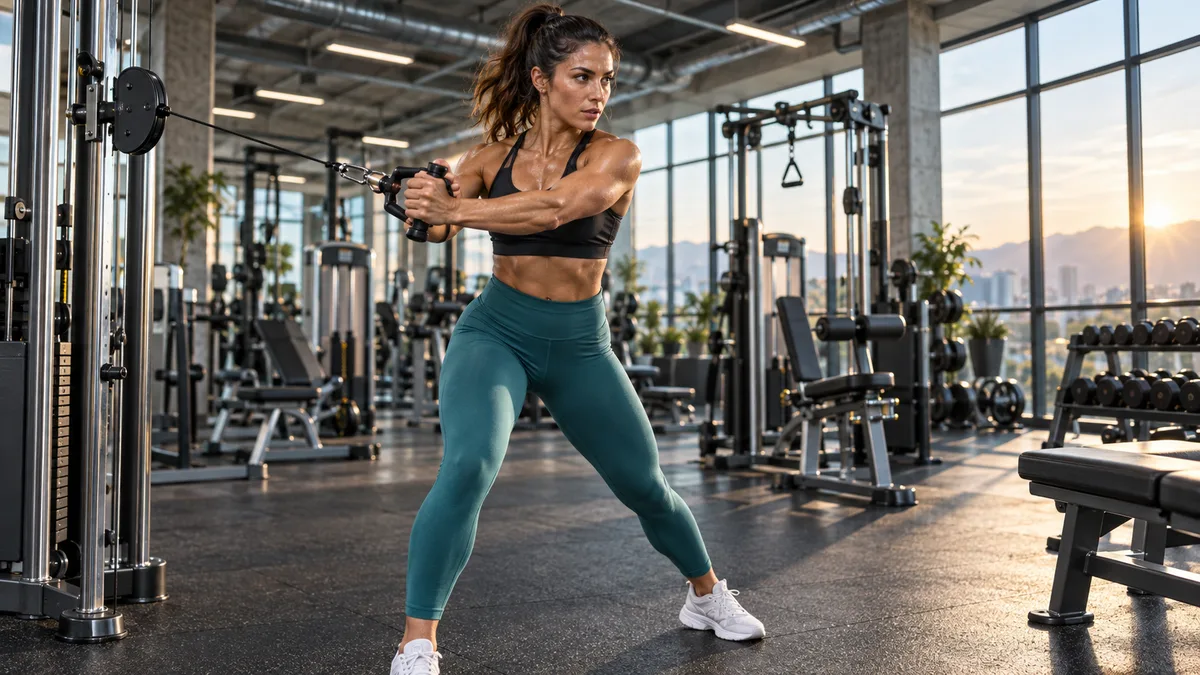
If you’ve ever laid on the floor doing crunch after crunch, staring at the ceiling, questioning every life decision that led you here, you’re not alone. Crunches are boring. They’re repetitive. And frankly, they barely scratch the surface of what your core actually needs.
Here’s the good news: your gym is packed with machines that can torch your abs faster, more effectively, and with way less neck pain. You just need to know which ones to use and how to use them properly.
I spent years ignoring most of the core workout gym machines at my local gym because they looked intimidating or I simply didn’t know what they did. Big mistake. Once I started incorporating them into my routine, I noticed real, visible changes within weeks, not months.
So here are seven gym machine moves that’ll build you a stronger, more functional core without a single traditional crunch in sight.
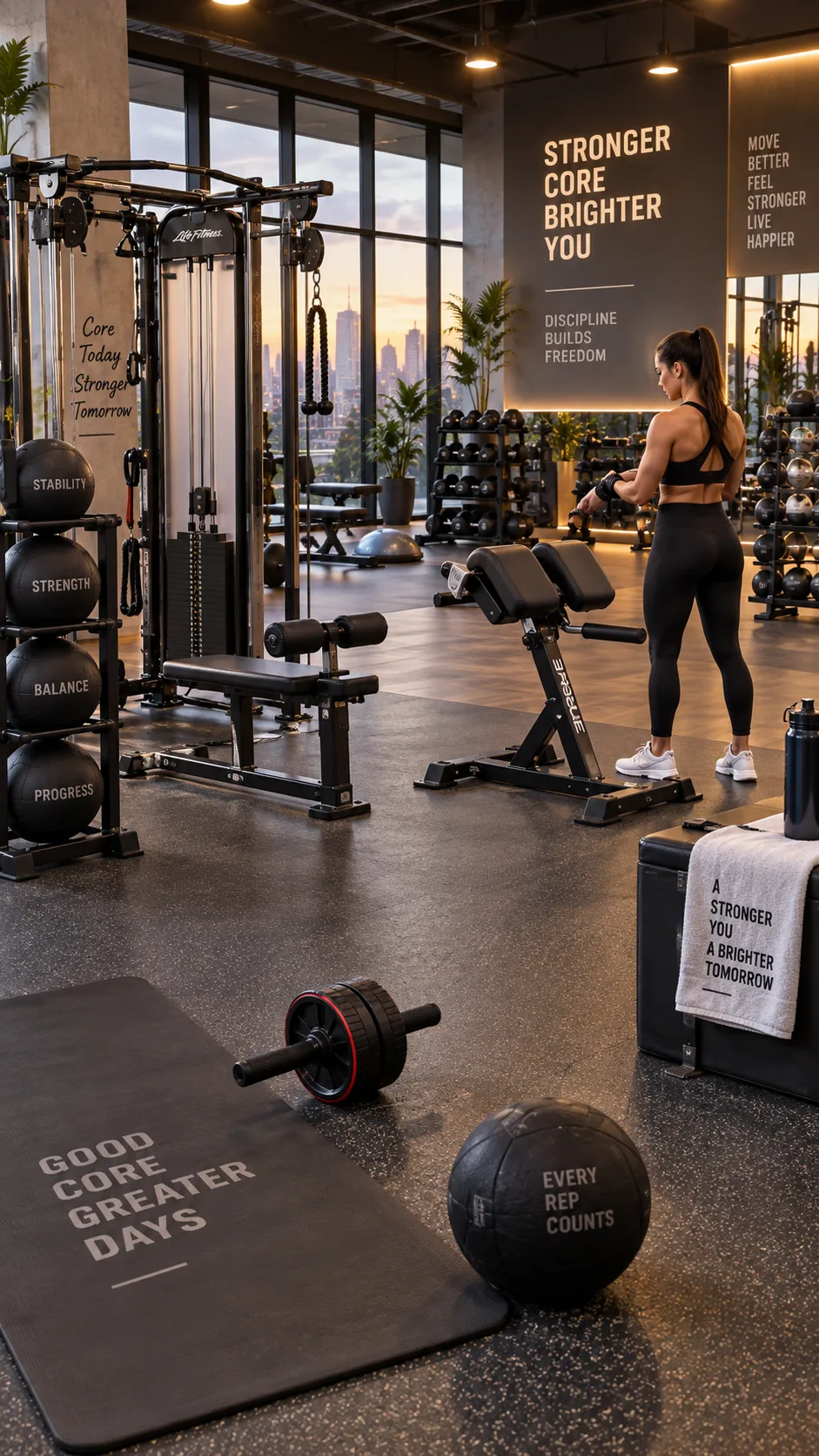
Why your core needs more than crunches
Your core isn’t just your “six-pack muscles.” It’s a complex system of muscles wrapping around your entire midsection: your rectus abdominis, obliques, transverse abdominis, and even your lower back muscles. Crunches only target a fraction of that system, and they do it through a very limited range of motion.
Research published by the American Council on Exercise (ACE) found that many common ab exercises rank surprisingly low in muscle activation compared to exercises that use resistance and rotation. Core workout gym machines let you load these movements progressively, which is exactly how muscles grow stronger.
Think about it: you wouldn’t train your chest with only bodyweight push-ups forever, right? So why treat your abs any differently?
The problem with crunch dependency
Crunches primarily work through spinal flexion, repeatedly curling your spine forward. Do enough of them, and you’re asking for lower back issues. Dr. Stuart McGill, a leading spine biomechanics researcher from the University of Waterloo, has extensively documented how repeated spinal flexion under load can contribute to disc problems over time.
Machines give you the ability to train your core through rotation, anti-rotation, flexion, and stabilization, all the movement patterns your abs actually need to function in real life. That’s the kind of well-rounded training that builds a genuinely strong midsection.
The 7 best core workout gym machine moves
Each of these moves targets your core from a different angle, and together they form a complete ab training toolkit. If you want even more ideas, check out these abs workout routines at the gym for additional core-building moves.
Move #1: Cable woodchop
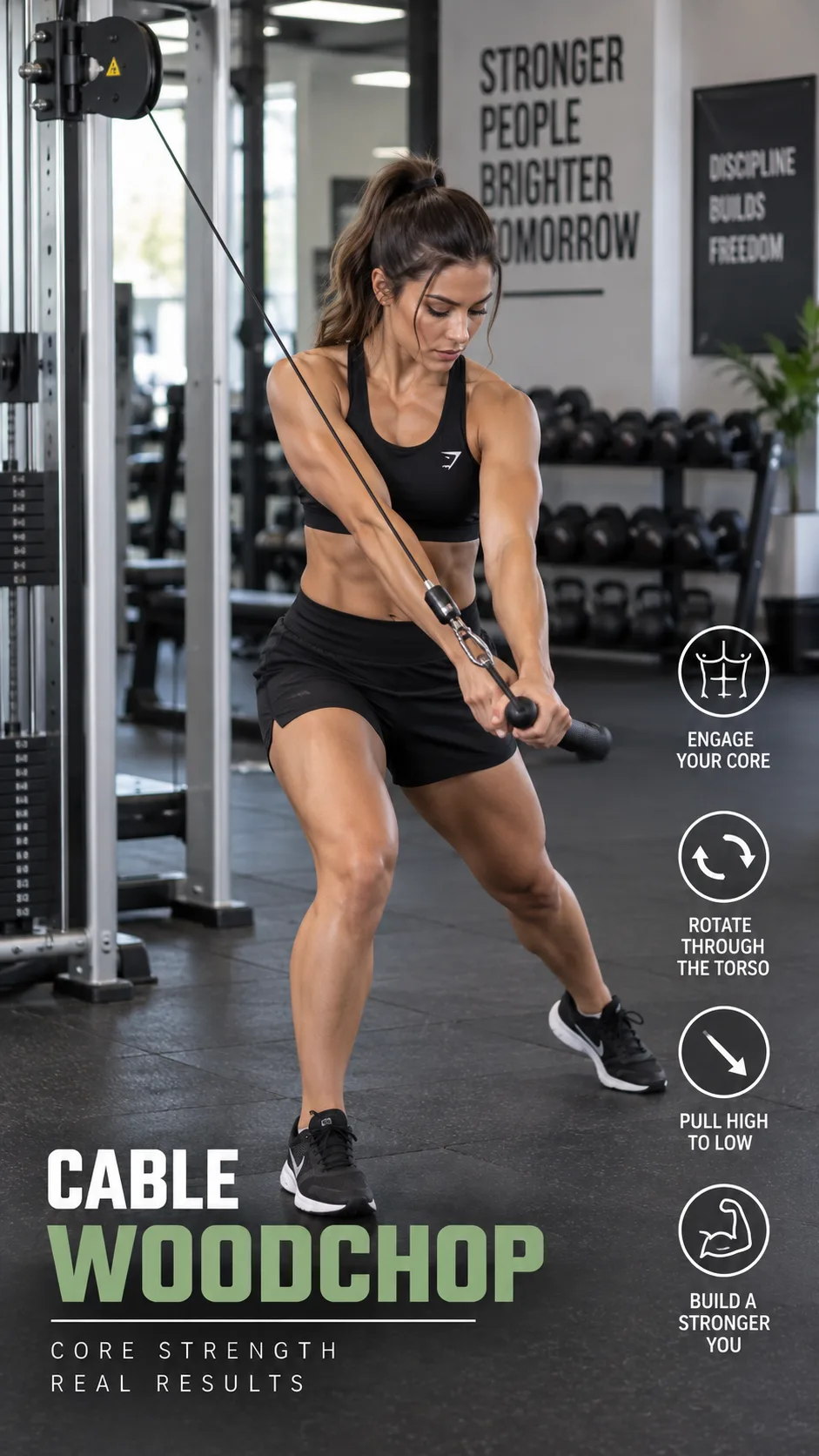
The cable woodchop is an absolute game-changer for your obliques. You set the cable pulley high, grab the handle with both hands, and rotate diagonally across your body from high to low (or low to high for the reverse variation).
Why it works so well: This move trains rotational power, which your core uses constantly. Throwing, swinging, even just twisting to grab something off a shelf. The cable machine provides constant tension throughout the entire range of motion, something crunches simply can’t do.
- Sets/Reps: 3 sets of 12-15 per side
- Tip: Keep your arms relatively straight and drive the rotation from your hips and core, NOT your arms
- Common mistake: Using too much weight and turning it into an arm exercise
Move #2: Cable Pallof press
Ever heard of anti-rotation training? The Pallof press is the gold standard. You stand perpendicular to the cable machine, hold the handle at your chest, and press it straight out in front of you. That’s it. Sounds easy until the cable tries to twist your entire body sideways.
Your core has to fight like crazy to keep you stable. This is exactly the type of functional strength that protects your spine during everyday activities and heavy lifts. In my opinion, this is the single most underrated core exercise in any gym.
- Sets/Reps: 3 sets of 10-12 per side, with a 2-second hold at full extension
- Tip: Stand tall, brace your core, and resist the rotation. That resistance IS the exercise
- Progression: Try the Pallof press with a step-out for an added stability challenge
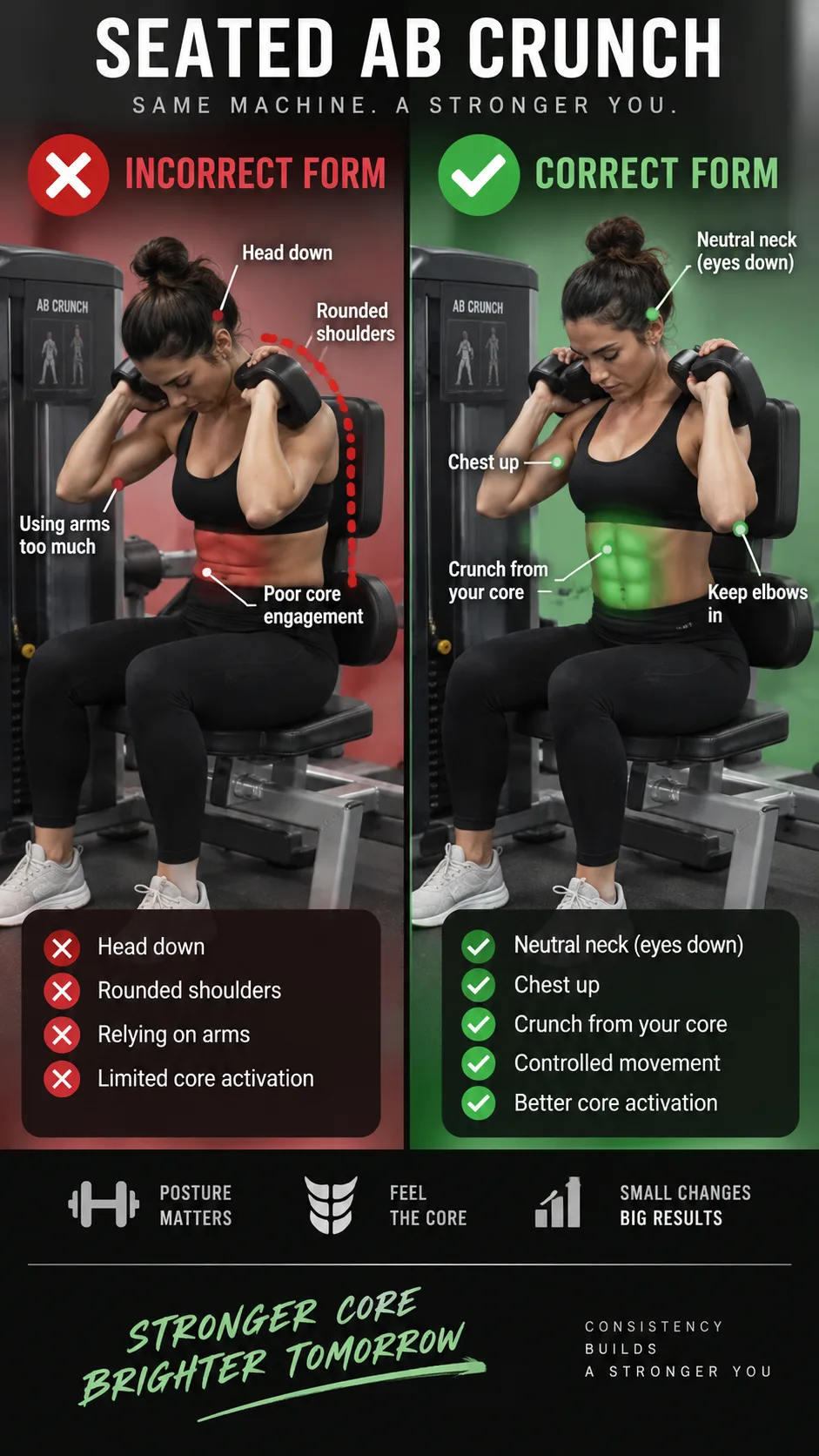
Move #3: Ab roller machine (crunch machine done right)
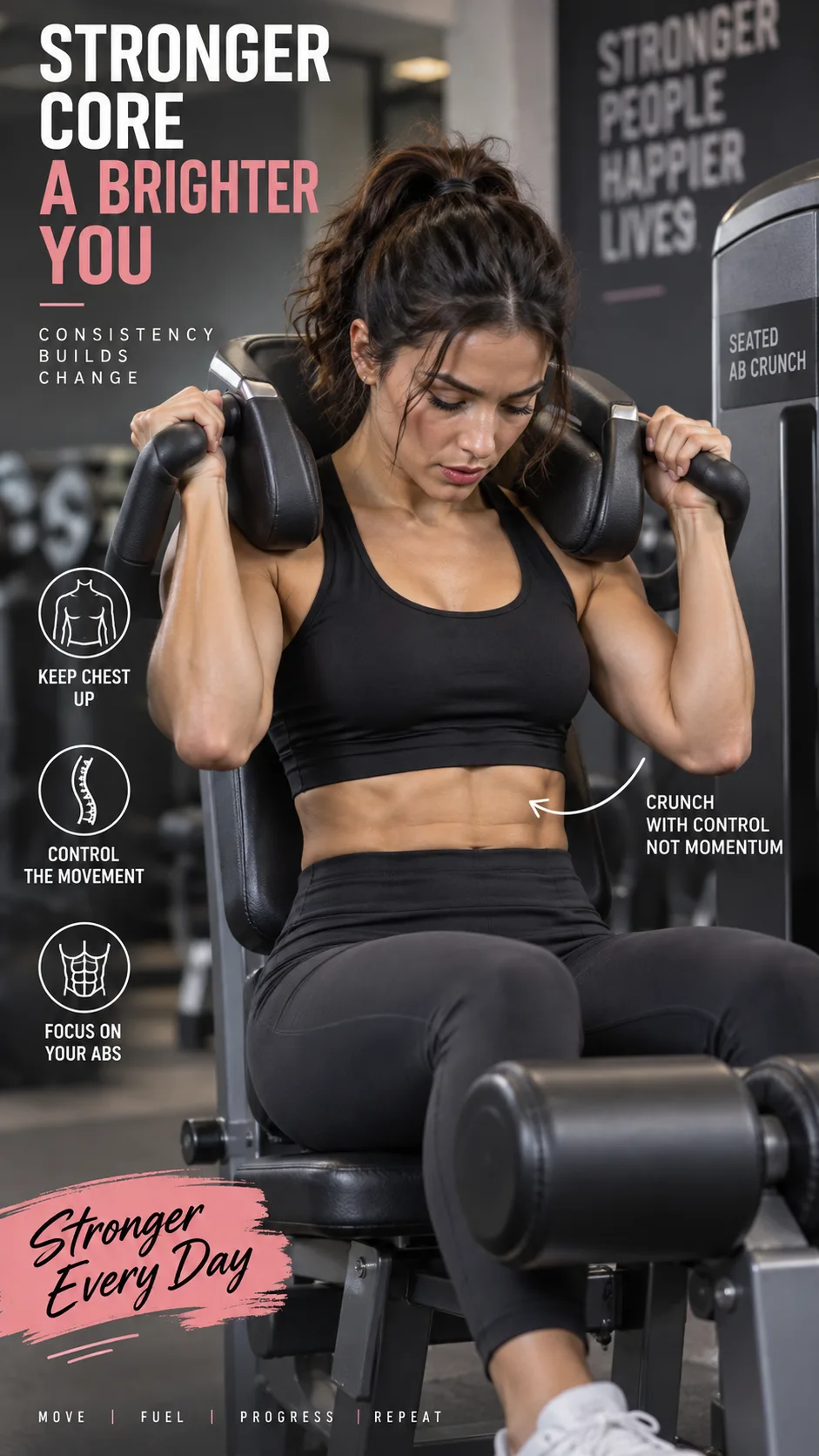
Wait, didn’t I just trash crunches? Here’s the thing: the seated ab crunch machine actually addresses most of the problems with floor crunches. It supports your lower back, lets you add progressive resistance, and guides you through a controlled range of motion.
The catch is using it correctly. Most people load it up way too heavy and use momentum to yank themselves forward. Don’t be that person. Use a moderate weight, squeeze at the bottom, and control the movement back up.
- Sets/Reps: 3 sets of 15-20 with controlled tempo
- Tip: Exhale forcefully as you crunch down. This activates your transverse abdominis
- Warning: If you feel this in your hip flexors more than your abs, you’re doing it wrong
Move #4: Captain’s chair leg raise
The captain’s chair (that frame with the back pad and arm rests) has been sitting in your gym this whole time, quietly being one of the most effective core machines available. The ACE study I mentioned earlier actually ranked captain’s chair leg raises among the top exercises for rectus abdominis activation.
You brace yourself on the arm pads, let your legs hang, and raise your knees toward your chest. Simple? Yes. Easy? Absolutely not, especially when you do them slowly.
- Sets/Reps: 3 sets of 12-15
- Tip: Curl your pelvis upward at the top of the movement. Don’t just lift your knees
- Advanced variation: Straighten your legs for a hanging straight-leg raise to really light things up
Move #5: Cable kneeling crunch
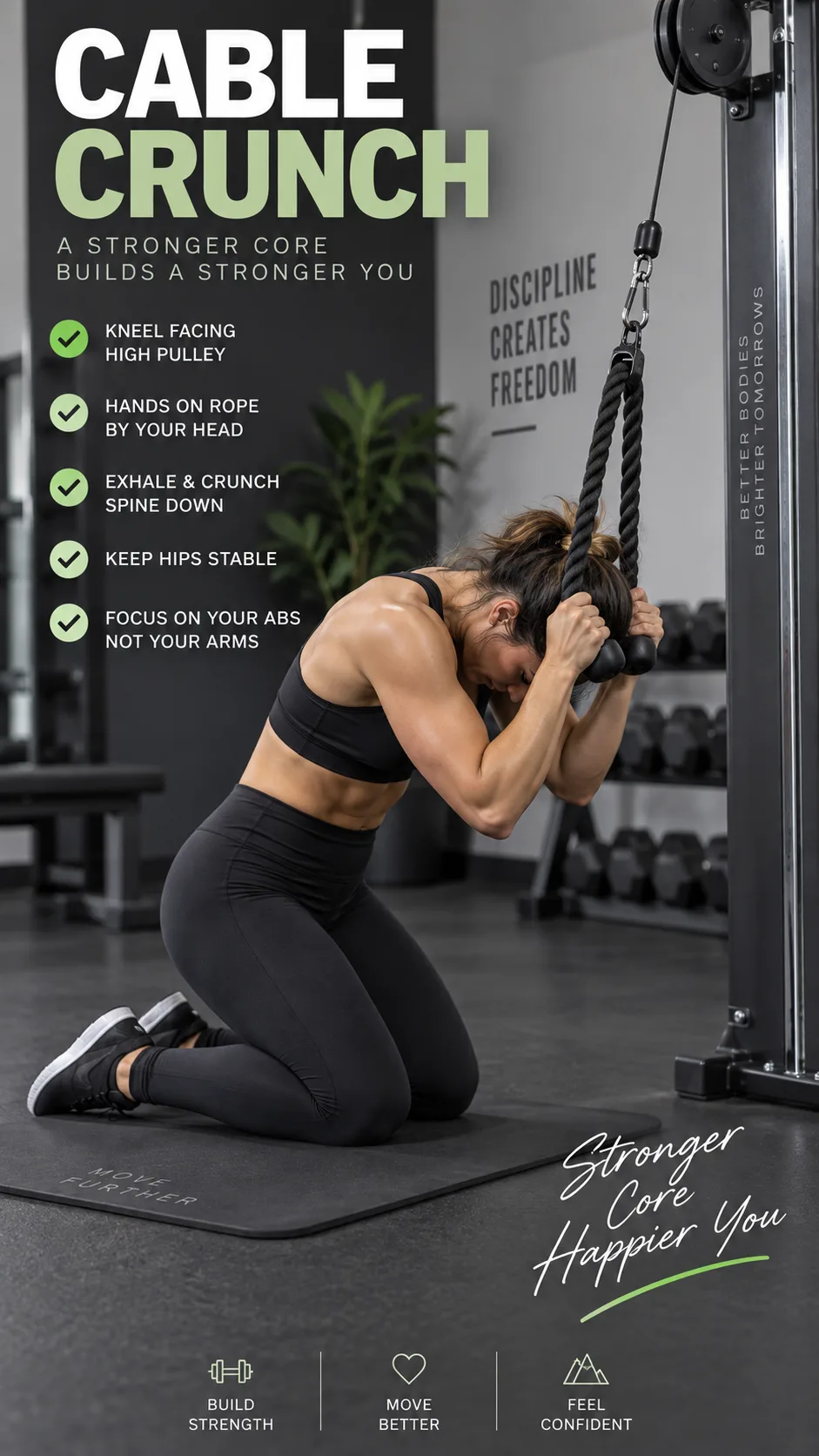
This one is a staple for a reason. You kneel in front of a high pulley, grab the rope attachment, and crunch downward by contracting your abs, not by pulling with your arms. When done right, the kneeling cable crunch delivers intense rectus abdominis engagement with adjustable resistance.
I’ll be honest: I did this exercise wrong for about two years before someone showed me the proper technique. The difference was night and day. The secret? Think about bringing your rib cage toward your pelvis, not your head toward the floor.
- Sets/Reps: 3 sets of 15-20
- Tip: Lock your hips in place. All movement should come from your midsection curling
- Common mistake: Sitting back onto your heels instead of crunching through your abs
Move #6: Torso rotation machine
Some people dismiss the torso rotation machine as useless. Those people are usually using it wrong. When you sit down, brace properly, and rotate against resistance with CONTROL, this machine hits your internal and external obliques beautifully.
The trick is going light and slow. This isn’t about whipping your torso back and forth like a washing machine. Think deliberate, tension-filled rotation with a squeeze at the end of each rep. Your obliques will be screaming, and that’s exactly what you want.
- Sets/Reps: 3 sets of 12-15 per side
- Tip: Keep your lower body completely locked in. Only your upper torso should rotate
- Bonus: This builds rotational strength that directly transfers to sports like golf, tennis, and baseball
Move #7: Landmine anti-rotation press
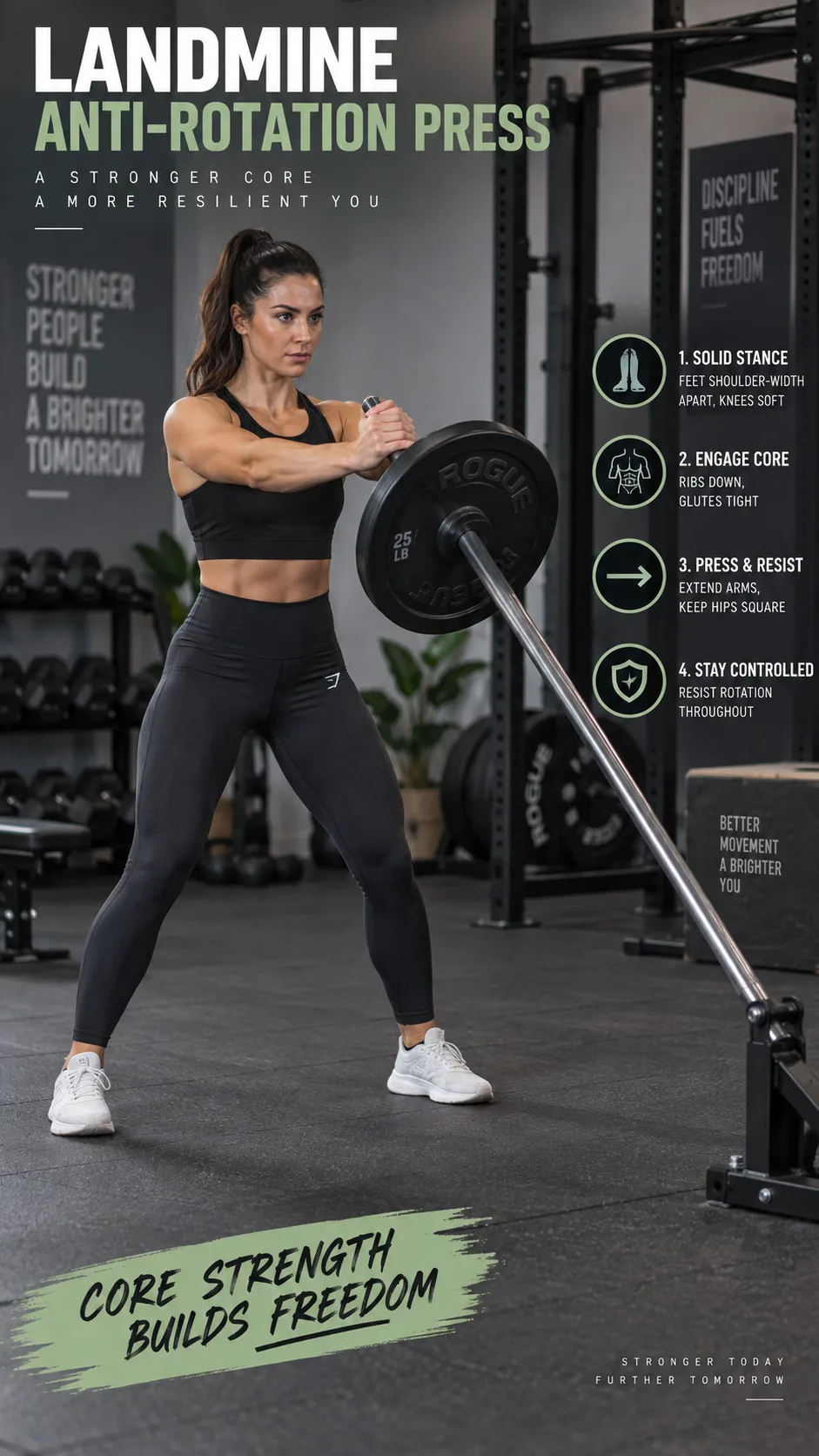
Okay, the landmine setup isn’t technically a “machine,” but most gyms have a landmine attachment, and this exercise is too good to leave off the list. You load one end of a barbell into the landmine pivot, grab the other end at chest height, and press it forward while resisting lateral rotation.
This combines anti-rotation, pressing power, and full-body stabilization into one seriously efficient movement. It’s challenging, it looks cool (let’s be real, that matters a little), and it builds functional core strength that carries over to practically everything.
- Sets/Reps: 3 sets of 8-10 per side
- Tip: Stagger your stance slightly for better balance
- Progression: Add a rotation at the top to turn it into a landmine press with twist
How to program these moves into your routine
You don’t need to do all seven exercises in every workout. That would take forever, and your abs would probably stage a revolt. Instead, pick 2-3 core workout gym machine exercises per session and rotate through them across the week.
Here’s a simple framework that works:
- Push/Pull Days: Add 2 core machine moves at the end of your main workout (10-15 minutes)
- Dedicated Core Day: Combine 3-4 of these moves into a 20-minute ab circuit once a week
- Superset Style: Pair a core machine move between sets of your main lifts to save time
For more structured programming ideas, you’ll find these gym-based core move routines helpful for building a balanced weekly plan.
Sample weekly core split
| Day | Core Exercises | Focus |
|---|---|---|
| Monday | Cable Woodchop + Pallof Press | Rotation & Anti-Rotation |
| Wednesday | Captain’s Chair + Kneeling Cable Crunch | Flexion & Lower Abs |
| Friday | Torso Rotation + Landmine Press | Obliques & Stabilization |
Common mistakes to avoid on core machines
Even the best core workout gym machines won’t help if you’re making these errors. I’ve seen (and personally committed) every single one of these:
- Going too heavy: Your ego doesn’t live in your abs. Use a weight that lets you FEEL the contraction, not just survive the rep.
- Rushing through reps: Speed kills results on core machines. Slow, controlled reps with deliberate squeezes produce way more activation.
- Forgetting to breathe: Exhale on the exertion phase. This isn’t just about comfort, it’s biomechanics. Proper breathing engages your deep core muscles.
- Ignoring the eccentric: The lowering phase of each rep matters just as much. Fight gravity on the way back. Don’t let the weight stack slam down.
- Only training the “front”: Your obliques and lower back muscles need love too. A balanced core prevents imbalances and reduces injury risk.
Do core machines actually work? Results and reality
Short answer: yes. But here’s the reality check. No machine will give you visible abs if your nutrition isn’t dialed in. You’ve probably heard “abs are made in the kitchen,” and while that’s a slight oversimplification, body fat percentage plays the biggest role in whether your abs show or not.
What core workout gym machines DO give you is genuine strength, thickness, and definition in your abdominal muscles. They let you progressively overload your core the same way you’d progressively overload a bench press or squat. The National Strength and Conditioning Association (NSCA) confirms that progressive resistance training remains the most effective method for building muscular strength and hypertrophy.
So will these machines build stronger abs? Without question. Will they magically reveal a six-pack while you eat pizza every night? You already know the answer to that one.
Quick FAQ: Core workout gym machines
How often should I train core on machines?
Two to three times per week gives most people excellent results. Your abs recover faster than bigger muscle groups, but they still need rest. Leave at least 24-48 hours between intense core sessions.
Can beginners use these machines safely?
Absolutely. Most core machines guide your movement path, which actually makes them SAFER than many free-weight core exercises for beginners. Start light, focus on form, and gradually increase resistance as you get comfortable.
Should I do core machines before or after my main workout?
After. Your core stabilizes you during compound lifts like squats and deadlifts. If you fatigue your abs first, you compromise your stability on those big movements, and that’s a recipe for injury.
Are machines better than free-weight core exercises?
Neither is universally “better.” Machines offer controlled, progressive resistance. Free weights and bodyweight exercises challenge stability more. The smartest approach combines both.
Build a core that actually works
Here’s what it comes down to: if you’ve been grinding through hundreds of crunches and wondering why your core still feels weak, it’s time to change your approach. Core workout gym machines give you the resistance, variety, and progressive overload your abs need to grow genuinely stronger.
Pick three or four moves from this list, add them to your weekly routine, and commit to proper form over heavy weight. Within a few weeks, you’ll feel the difference in your lifts, your posture, and yes, in the mirror.
Your abs have been waiting for something better than crunches. Give them what they deserve.
