
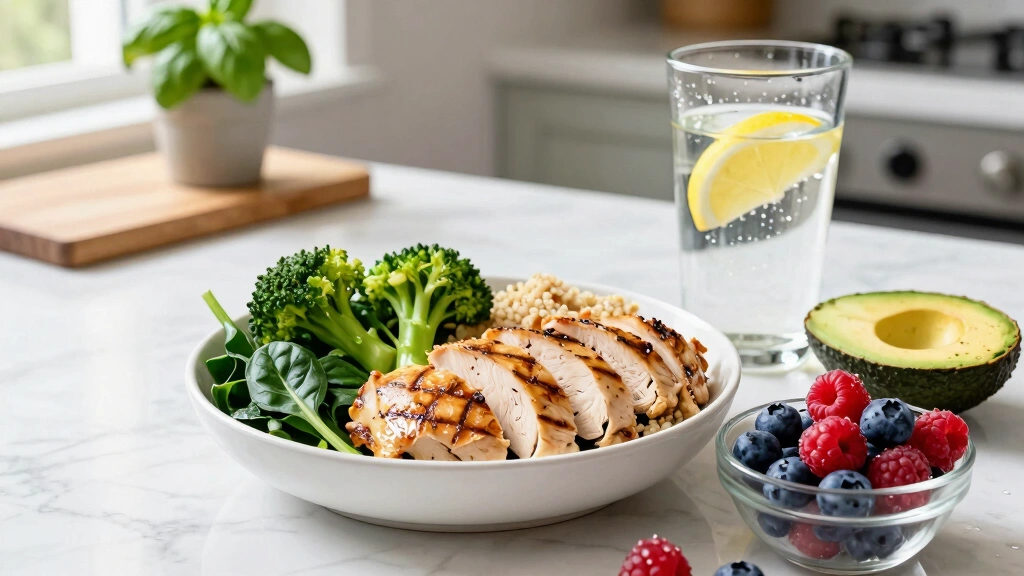
So, you finally took the plunge and started your Semaglutide journey. Perhaps you want to manage your blood sugar, or maybe you want to shed those stubborn pounds that refuse to budge. Either way, you hold a highly powerful tool in your hands. But here is the cold, hard truth: this medication does not work in a vacuum.
Do you think you can live on fast food and carbonated sodas while the weekly injection does all the heavy lifting? Think again! If you try that, your digestive system will likely launch a full-scale rebellion. IMO, eating the right foods makes the difference between an easy weight-loss journey and a miserable week on the bathroom floor. 🙂
Let’s talk about the best foods to eat while taking Semaglutide so you can maximize your results, protect your lean muscle, and keep the nasty side effects far away.
Why Your Diet Matters More Than Ever Now

Semaglutide mimics the GLP-1 hormone in your body. This hormone performs two major jobs: it tells your brain that you are full, and it slows down the rate at which your stomach empties food. Because food sits in your stomach longer, you feel satisfied on much smaller portions.
But this slow digestion also creates a major challenge. If you fill your stomach with greasy, heavy, or highly processed foods, they will sit there and ferment. Ever wondered why some people experience intense nausea, acid reflux, or sulfur burps on this medication? That happens because they ate foods that their stomach struggled to break down.
To get the best results, you must cooperate with the medication. You need nutrient-dense, easily digestible foods that nourish your body without overloading your sluggish stomach. Prioritize quality over quantity every single day.
Lean Proteins: The Holy Grail of Semaglutide Success
When you eat less food, your body looks for alternative energy sources. If you do not consume enough protein, your body will break down your muscle tissue instead of fat. You want to lose fat, NOT the muscle that keeps your metabolism firing! Keeping your muscle mass high ensures you do not end up with a “soft” look after weight loss.
Lean protein also stabilizes your blood sugar and keeps you full for hours. Because Semaglutide reduces your appetite, you must make every bite count. Focus on packing high-quality protein into every single meal.
Top Lean Protein Sources to Add to Your Grocery Cart

- Chicken and Turkey Breast: These skinless meats offer pure protein with very little fat, making them easy on your sensitive stomach.
- White Fish and Wild Salmon: Fish digest quickly and provide essential omega-3 fatty acids that fight inflammation.
- Egg Whites and Whole Eggs: Eggs provide the perfect balance of amino acids and healthy fats.
- Greek Yogurt and Cottage Cheese: These dairy options offer high protein alongside gut-friendly probiotics, but choose low-fat versions to avoid nausea.
- Tofu and Tempeh: Excellent plant-based protein options that digest easily and absorb flavor beautifully.
How much protein do you actually need? Try to aim for at least 25 to 30 grams of protein per meal. If you struggle to eat that much solid food, a high-quality whey or plant-based protein shake can save the day.
Fiber-Rich Foods for a Smooth Digestive System
Constipation is one of the most common complaints among Semaglutide users. When the medication slows your digestive tract, everything stalls. You can avoid this uncomfortable situation by eating the right types of fiber.
However, you must exercise caution here. If you suddenly dump massive amounts of fiber into a slow digestive system, you will experience painful gas and bloating. Introduce fiber gradually and pair it with plenty of water.

Smart Fiber Choices to Keep Things Moving
- Oatmeal and Chia Seeds: These contain soluble fiber, which absorbs water and creates a smooth gel in your digestive tract.
- Berries (Raspberries, Blackberries, Blueberries): These fruits offer high fiber, low sugar, and plenty of antioxidants.
- Non-Starchy Vegetables: Spinach, zucchini, cucumbers, and asparagus provide essential vitamins without bloating your stomach.
- Lentils and Beans: Eat these in small portions to get a powerful dose of fiber and plant protein.
Check out this helpful video guide that explains how to structure your diet to prevent common medication side effects.
Remember, fiber acts like a broom for your digestive system. But a broom cannot sweep without a little water to wash the dust away. Let’s talk about hydration next.
Hydration and Electrolytes: Your Daily Shield
Do you feel a dull headache or sudden fatigue since starting Semaglutide? You probably need more water. The medication reduces your thirst signals along with your hunger signals. If you do not actively remind yourself to drink, you will quickly experience dehydration.
Dehydration worsens nausea, causes headaches, and stalls your weight loss. You should aim to drink at least 80 to 100 ounces of water daily. CRITICAL TIP: do not drink huge gulps of water during your meals. That fills your stomach too quickly and leaves no room for actual food. Sip water consistently throughout the day instead.
Upgrade Your Hydration Game
- Add Electrolytes: Drink one glass of water with an electrolyte packet daily to maintain your sodium, potassium, and magnesium levels.
- Sip Bone Broth: Warm bone broth provides hydration, collagen, and easy-to-digest protein all at once.
- Drink Herbal Teas: Ginger and peppermint teas soothe the stomach lining and reduce morning nausea.
FYI: if you dislike plain water, throw in some cucumber slices or fresh mint leaves to make it more appealing.
Healthy Fats in Moderation
Your body needs fats to absorb vitamins and produce hormones. However, fat takes a very long time to digest. Since Semaglutide already slows down your stomach, eating too much fat will make you feel like you swallowed a heavy brick.
You do not need to avoid fats completely. Instead, focus on small portions of healthy, unsaturated fats. Treat fats as a garnish rather than the main event of your meal.
Best Sources of Healthy Fats
- Avocados: Eat a quarter of an avocado with your eggs for a dose of potassium and monounsaturated fat.
- Nuts and Seeds: A small handful of almonds or walnuts provides quick energy and brain-boosting nutrients.
- Olive Oil: Drizzle a single teaspoon of extra virgin olive oil over your vegetables instead of using heavy butter.
Foods You Should Avoid Like the Plague
Let’s get real for a moment. You can technically eat anything on Semaglutide, but some foods will make you regret your life choices. I learned this when I ate a slice of greasy pepperoni pizza during my second week on the medication. I spent the entire night battling heartburn and nausea. Learn from my mistakes! Easy High-Protein GLP-1 Meals to Preserve Muscle While You Lose Weight covers the same topic from another angle.
Avoid these foods if you want to keep your sanity and protect your stomach:
- Deep-Fried Foods: French fries, fried chicken, and donuts will sit in your stomach for hours and trigger severe nausea.
- Sugary Treats and Sodas: High-sugar foods cause rapid spikes and drops in blood sugar, which triggers dizziness and fatigue.
- Carbonated Beverages: Sparkling water and sodas introduce gas into your digestive system, leading to painful bloating and burping.
- Highly Processed Fast Food: These foods contain sodium and preservatives that irritate your stomach lining.
- Alcohol: Semaglutide changes how your body processes alcohol, which can lead to rapid intoxication, low blood sugar, and terrible hangovers.
If you crave something sweet, reach for a piece of fruit or a low-sugar protein bar instead of a candy bar. Your body will thank you for the swap.
How Semaglutide Alters Your Relationship with Food
If you struggled with constant cravings in the past, you know all about “food noise.” That nagging voice in your head constantly suggests snacks, sweets, or late-night fast food runs. Semaglutide quietens this noise almost overnight.
Suddenly, you do not think about food 24/7. This mental freedom feels amazing, but it also presents a new challenge. Because you do not feel hungry, you might forget to eat entirely.
Skipping meals will crash your metabolism and leave you feeling exhausted. You must establish a structured eating schedule even when your appetite disappears. Treat food as fuel for your journey rather than a response to cravings.
Common Dietary Mistakes People Make on Semaglutide
Many people fall into common traps when they start their medication. Avoid these mistakes to keep your progress on track and protect your body.
First, do not rely on meal replacement shakes for all your nutrition. While these shakes offer convenience, your body needs solid food to keep your digestive tract functioning properly. Whole foods provide natural fibers and micronutrients that shakes simply cannot replicate.
Second, do not cut out carbohydrates entirely. Your brain and muscles need complex carbs for energy. Instead of white bread and sugary pastries, choose sweet potatoes, brown rice, and quinoa.
Finally, do not ignore mild symptoms. If you feel slightly nauseous, adjust your diet immediately. Reduce your portion sizes, cut out fats, and drink more ginger tea before the symptoms worsen.
A Simple Day of Eating on Semaglutide
Sometimes you just want a simple plan to follow. Here is a sample meal plan that delivers high protein, moderate fiber, and minimal stomach irritation.
Breakfast
Eat three scrambled egg whites with a handful of spinach, served with half a cup of cooked oatmeal topped with fresh raspberries. Drink a large glass of water with lemon.
Lunch
Enjoy a grilled chicken breast salad with mixed greens, cucumbers, and a light vinaigrette dressing. Add a quarter of an avocado for healthy fats.
Afternoon Snack
Consume one cup of low-fat Greek yogurt with a sprinkle of chia seeds, or a scoop of protein powder blended with unsweetened almond milk and half a banana.
Dinner
Bake some cod or wild salmon served with steamed broccoli and half a cup of quinoa. Keep the seasoning simple to avoid heartburn.
Evening Routine
Sip a warm cup of peppermint tea to settle your stomach before you go to bed. This routine ensures you sleep comfortably without acid reflux.
Top Tips to Maximize Your Semaglutide Journey
Eating the right foods is only half the battle. You also need to change how you eat. Implement these simple habits to ensure the best results on your journey:
- Stop Eating Before You Feel Stuffed: The brain takes a few minutes to receive the fullness signal from your gut. Stop eating when you feel 80% full.
- Chew Your Food Thoroughly: Digestion starts in the mouth. Help your slow stomach by breaking down your food as much as possible before you swallow.
- Eat Smaller, More Frequent Meals: If three large meals feel too heavy, split your food into five small snacks throughout the day.
- Keep a Food Journal: Write down what you eat and how it makes you feel. This practice helps you identify your personal trigger foods quickly.
The Final Verdict
Semaglutide offers an incredible opportunity to reclaim your health and reach your weight loss goals. But remember, the medication acts as a tool, not a miracle cure. You must feed your body the right nutrients to build a healthy, sustainable lifestyle.
Focus on lean proteins, gentle fibers, and plenty of water. Avoid the greasy, sugary traps that lead to nasty side effects. Take control of your nutrition today, support your body, and watch your hard work pay off!
