
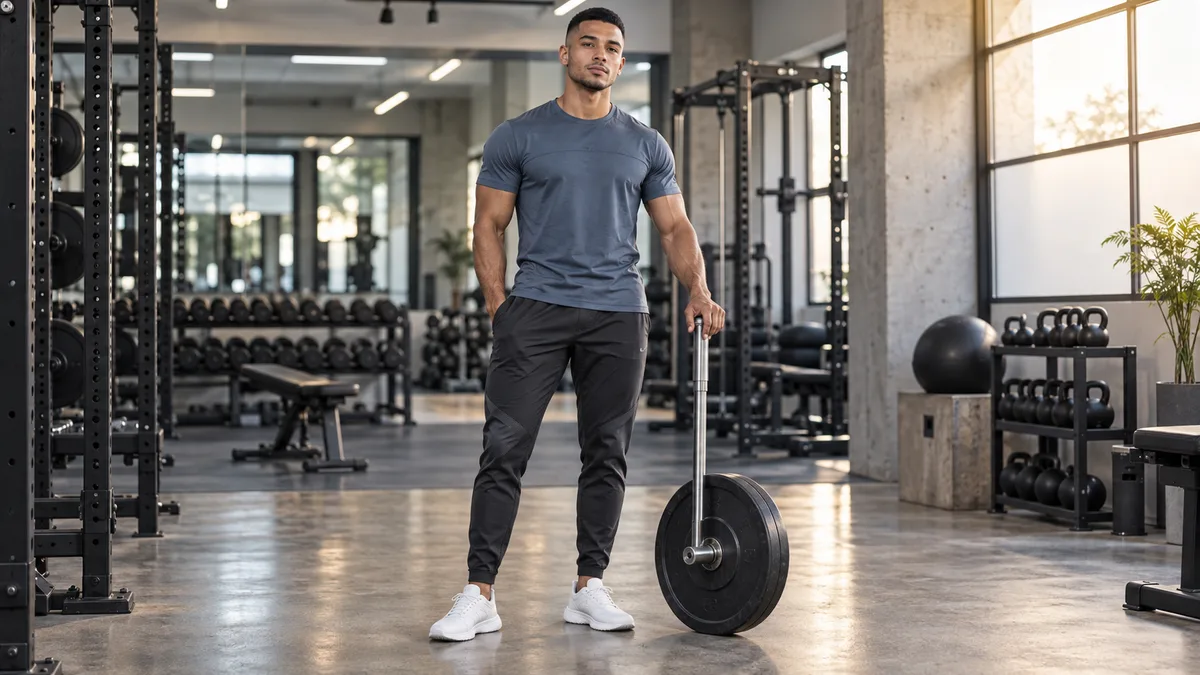
You’ve seen that guy at the gym. The one who looks like he got dressed in the dark using clothes from three different decades. Baggy basketball shorts from 2004, a cotton tee that’s practically transparent from overwashing, and shoes that belong on a construction site. That guy trains hard, sure. But looking like a deflated laundry basket while doing it? Completely optional.
Here’s the thing: you can absolutely look sharp in the gym AND train without feeling like you’re wrapped in cling film. The right gym wear for men moves with you, wicks sweat, handles heavy compounds, and still makes you look like you actually planned your outfit. Wild concept, right?
I spent years grabbing whatever ratty shirt was closest to my bed before heading to train. Then one day I caught my reflection mid-deadlift and thought, “Who let this person in here?” That was the wake-up call. Since then, I’ve tested dozens of brands, fabrics, and fits, and I’m going to share everything that actually works.
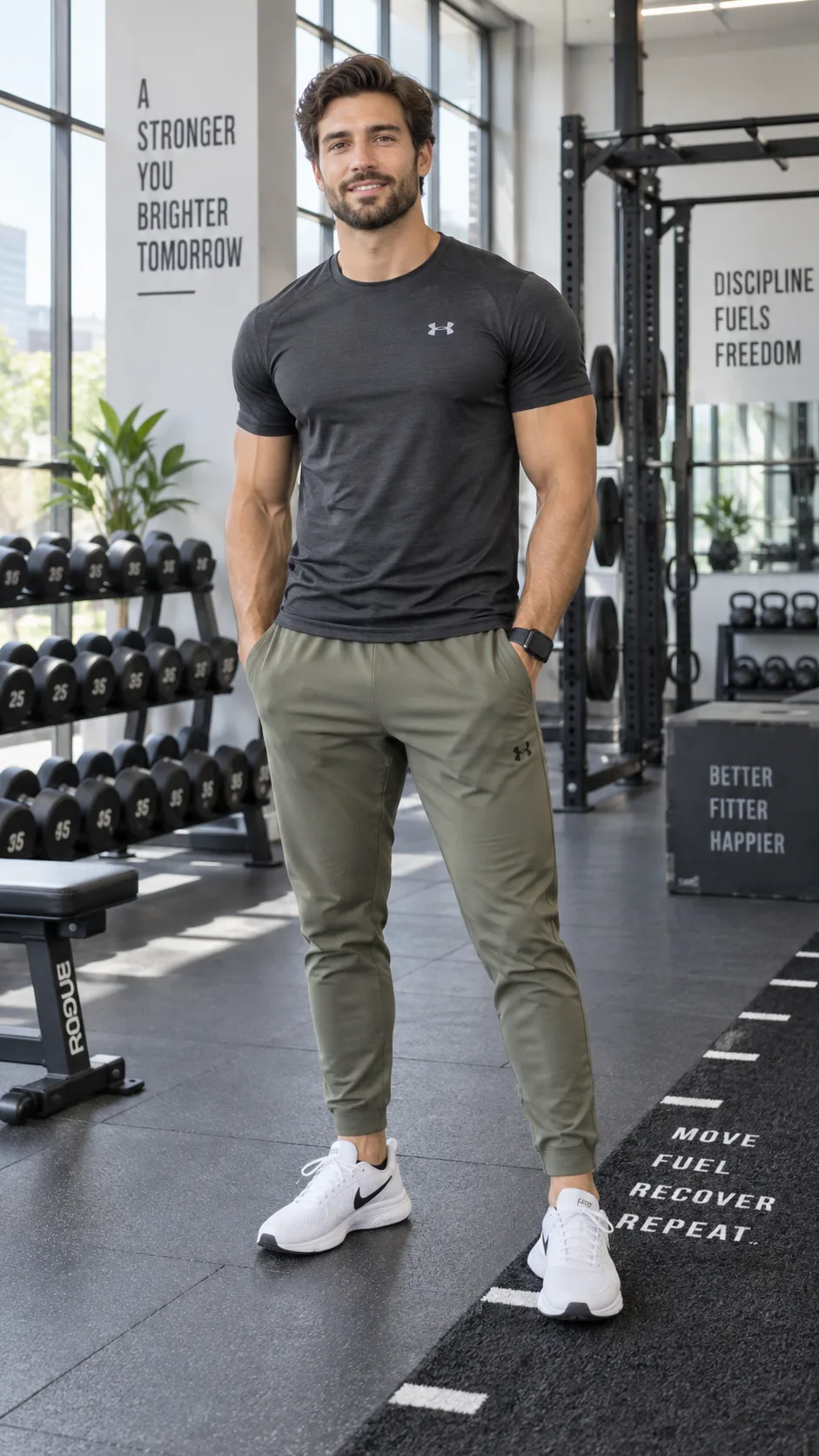
Why your gym outfit matters (beyond vanity)
Let’s kill the myth that caring about your workout outfit makes you superficial. Performance and aesthetics aren’t enemies. They’re best friends who happen to share a locker.
The psychology of looking good while training
Research from the Journal of Experimental Social Psychology coined the term “enclothed cognition,” meaning what you wear directly affects your psychological state and performance. Wearing gym clothes that make you feel confident can genuinely help you push harder.
Think about it. When you throw on a perfectly fitted tank and your favorite training shorts, you FEEL different. You stand taller. You approach that PR with a bit more swagger. It’s not magic. It’s psychology, and it’s well-documented.
Function first, style second (but both matter)
Nobody’s suggesting you sacrifice range of motion for aesthetics. The whole point of great mens workout outfits is that they deliver BOTH. A shirt that looks clean but restricts your overhead press is just a fashion crime with extra steps.
The golden rule: if it limits your movement, ditch it. No outfit is worth a compromised training session.
The pieces every guy needs in his gym wardrobe
Building a solid gym wardrobe doesn’t require a second mortgage. You need a handful of versatile, well-made pieces that mix and match effortlessly. Here’s your starter kit:
- Performance T-Shirts (3-4 minimum), moisture-wicking, four-way stretch, slim but not skin-tight
- Tapered Training Joggers (2 pairs), slim through the leg, flexible waistband, zippered ankles are a bonus
- Athletic Shorts (2-3 pairs), 7-inch inseam hits the sweet spot for most guys; built-in liner optional but clutch
- Tank Tops or Stringers (2), for upper body days when you want full shoulder freedom
- A Quality Training Hoodie (1), lightweight, breathable, perfect for warm-ups and cool-downs
- Proper Training Shoes, this is where you absolutely cannot compromise
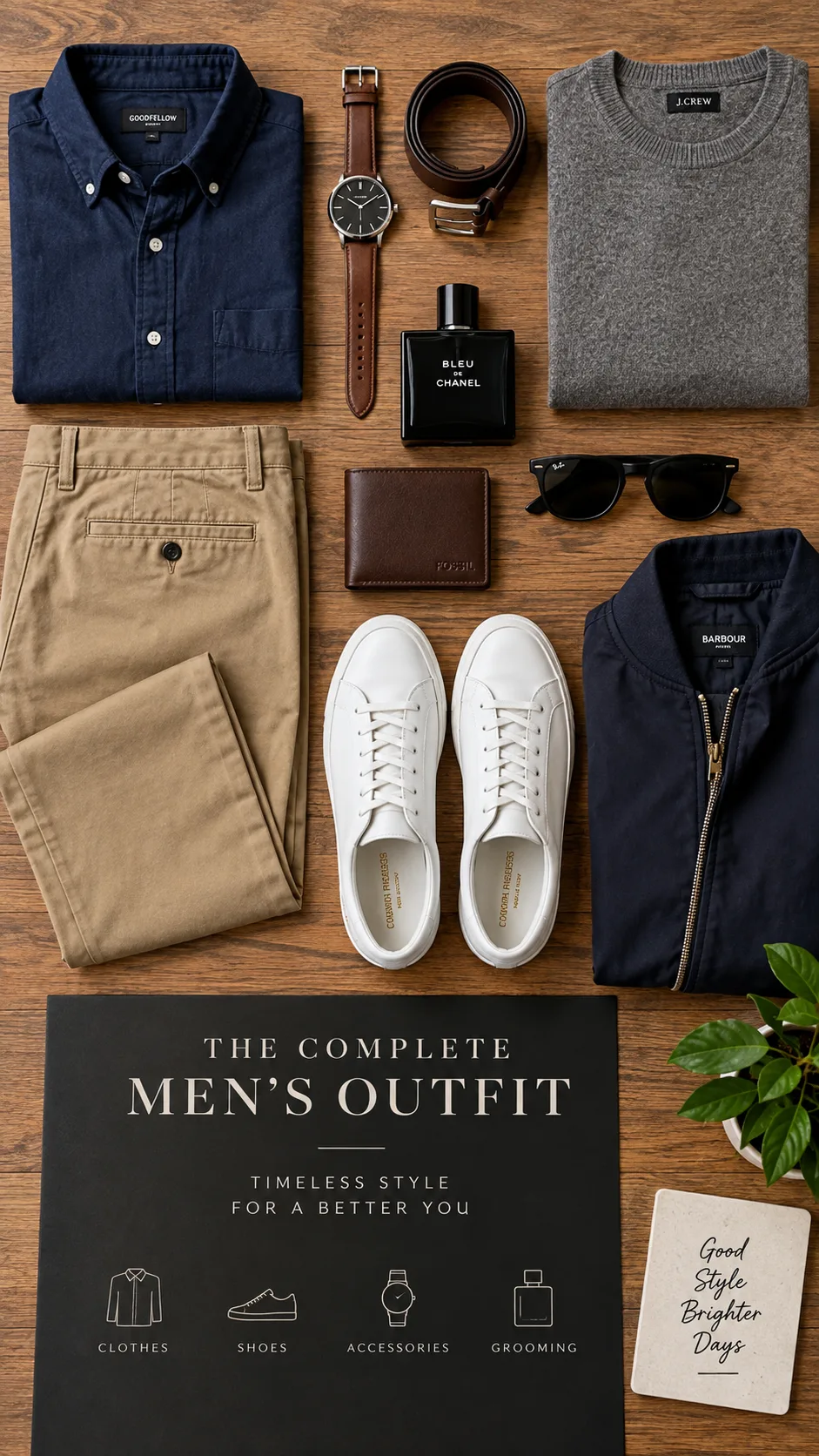
Fabric: the factor nobody talks about enough
You can nail the fit, crush the color coordination, and still end up miserable if you pick the wrong fabric. Fabric is everything. It determines whether you finish your workout feeling fresh or like you just emerged from a swamp.
Fabrics that work
- Polyester blends, lightweight, quick-drying, holds shape wash after wash. The workhorse of gym wear.
- Nylon, incredibly durable, smooth against skin, excellent for shorts and joggers.
- Merino wool blends, surprising pick, but merino regulates temperature beautifully and resists odor like a champ.
- Spandex/Elastane (mixed in), you want 5-15% in the blend for that four-way stretch that lets you squat deep without worry.
Fabrics to avoid
- 100% cotton, absorbs sweat, gets heavy, clings to your body, takes forever to dry. Hard pass for intense sessions.
- Thick fleece, save it for the couch. You’ll overheat within minutes.
- Non-stretch denim, I really hope I don’t need to explain this one. (Yes, I’ve seen people squat in jeans. No, it didn’t end well.)
FYI, most premium gym brands list their fabric composition on the product page. Read it. That 30 seconds of research saves you from buying a shirt that turns into a wet towel after your first set of burpees.
Fit guide: how your gym clothes should sit on your body
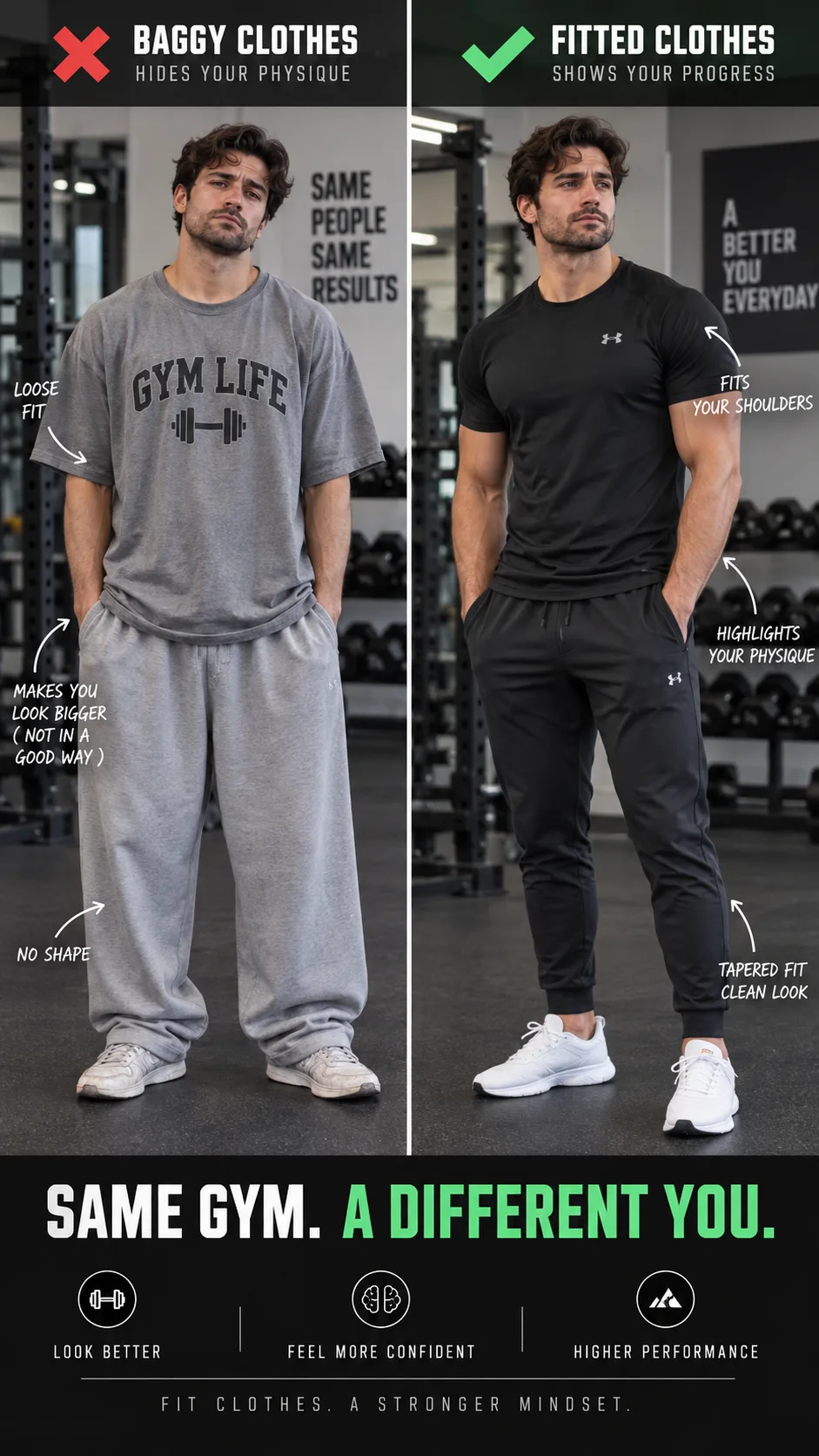
Fit might be the single most important factor in looking sharp at the gym. Too tight and you look like you’re borrowing your younger brother’s clothes. Too loose and you lose all structure. The sweet spot exists, and it’s surprisingly easy to find.
Tops: t-shirts and tanks
Your gym t-shirt should skim your body without compressing it. The sleeve should hit mid-bicep (not riding up into your armpit). The hem should fall just below your belt line, long enough to stay tucked during movements, short enough that it doesn’t billow out like a sail.
For tank tops, the armhole matters more than anything. You want it wide enough for airflow and shoulder mobility, but not so wide that you’re flashing your entire ribcage to the person on the bench next to you. There’s a fine line between “athletic” and “questionable.”
Bottoms: shorts and joggers
Tapered joggers have become the gold standard for men’s gym wear, and they’ve earned it. They give you room through the quads (where you need it for squats and lunges) while narrowing at the ankle for a clean silhouette. Look for an elastic or drawstring waist. You want zero fuss when it’s time to train.
For shorts, the 7-inch inseam works for most body types. If you’ve got longer legs or prefer showing more quad, go 5-inch. The main thing is that the shorts shouldn’t ride up during leg exercises or bunch uncomfortably at the hip crease.
Color coordination without overthinking it
You don’t need a degree in color theory to put together a solid gym outfit. You just need to follow a few dead-simple principles.
The neutral base strategy: Start with neutral bottoms (black, charcoal, navy, or dark grey). These go with literally everything. Then add a top in either a matching neutral or a single accent color. Done. You look coordinated, intentional, and like someone who has their life somewhat together.
Color combos that always work
- Black joggers + forest green tee
- Charcoal shorts + white performance tank
- Navy joggers + light grey t-shirt
- Black shorts + deep burgundy or rust-colored top
- Dark grey joggers + black hoodie (the ultimate “I’m serious about this” look)
What to avoid: head-to-toe neon, clashing patterns, or matching your entire outfit to your shoes like it’s 2012. Keep it simple, keep it clean. Your muscles do the talking. Your clothes just set the stage.
Brands that nail the balance between style and performance
Not all gym wear brands understand that men want to look good AND move freely. These brands consistently deliver on both fronts, across various price points.
Premium tier
- Lululemon, their men’s training line has exceptional fabrics and tailored fits. The ABC (Anti-Ball Crushing) technology in their shorts and joggers is genuinely game-changing. Pricey? Yes. Worth it? Also yes.
- Nike Training, specifically their Dri-FIT line. Consistent quality, great fits across body types, and the styling is always on point without being flashy.
- Under Armour, their HeatGear and ColdGear lines adapt to different training environments brilliantly. The compression fits are excellent for guys who prefer that locked-in feel.
Mid-range picks
- Gymshark, they basically invented the “Instagram gym look” and they’ve refined it considerably. The Vital and Apex lines offer great stretch and modern fits at reasonable prices.
- ASRV, if you want that sleek, minimalist aesthetic with technical fabrics, ASRV nails it. Their shorts and joggers are particularly strong.
- Alphalete, a strong contender in the performance-meets-style category, with cuts that flatter athletic builds.
Budget-friendly options
- Amazon Essentials / CRZ Yoga (Men’s), genuinely solid for the price. You won’t get the same longevity as premium brands, but for building out a rotation, they’re perfectly serviceable.
- Target’s All in Motion, surprisingly well-made, great fits, and you can grab a full outfit for under $40.
Outfit ideas for different training styles
What you wear should match HOW you train. A heavy powerlifting session demands different gear than a HIIT circuit or a yoga flow. Here’s how to dress for each:
Heavy lifting (squats, deadlifts, bench)
Go with tapered joggers or fitted shorts paired with a slightly looser performance tee. You need full range of motion in the hips and shoulders. Flat-soled shoes (like Converse Chuck Taylors or dedicated lifting shoes) complete this look perfectly. A lifting belt adds both function and a rugged aesthetic.
HIIT and cardio sessions
Lightweight is the name of the game here. Shorter shorts (5-7 inch) with a breathable tank or moisture-wicking tee keep you cool when your heart rate skyrockets. Choose fabrics with maximum breathability. You’ll be sweating buckets, and your clothes need to handle it.
Functional training and CrossFit
You’re jumping, climbing, flipping tires, and doing things that would confuse your grandparents. Durable, flexible shorts with a reinforced waistband and a fitted tee that won’t snag on equipment work best. Cross-training shoes with lateral support are non-negotiable here.
Yoga and mobility work
Ever tried deep hip stretches in stiff shorts? It’s miserable. Opt for joggers with maximum stretch or even fitted athletic pants. A soft, flexible long-sleeve or a simple tee rounds out the look. Keep it minimal. This is about flow, not flash.

Common mistakes that make gym outfits look (and feel) terrible
Knowing what TO do is only half the battle. Avoiding these common pitfalls keeps you looking sharp and training effectively:
- Wearing clothes that are too small to “show off”, compression wear is one thing. Squeezing into a medium when you’re clearly a large is another. Your seams are screaming. Stop it.
- Ignoring the shoes, running shoes for deadlifts, dress shoes for… wait, is that actually happening? (Yes. I’ve witnessed it.) Match your footwear to your training style. It affects both performance and injury risk.
- Wearing old, faded, pilled clothing, there’s a difference between “well-loved” and “should’ve been retired three years ago.” If it’s pilling, transparent, or has permanent stains, it’s done.
- Over-accessorizing, a watch, maybe a headband or wrist wraps for function. That’s it. You’re not walking a runway. Leave the chains in the locker.
- Neglecting the underwear situation, nobody talks about this enough. Performance boxer briefs with moisture-wicking fabric and a supportive fit make a HUGE difference in comfort, especially during leg-heavy sessions. GQ’s guide to workout underwear is worth a read.
Taking care of your gym clothes so they actually last
Quality gym wear isn’t cheap, so treating it right extends its lifespan dramatically. A few habits make all the difference:
- Wash in cold water, hot water breaks down elastic fibers and moisture-wicking treatments faster.
- Skip the fabric softener, it coats performance fabrics and kills their moisture-wicking ability. Use a sport-specific detergent instead.
- Air dry whenever possible, the dryer is the number one killer of stretchy gym wear. Hang dry your favorites and they’ll thank you with months of extra life.
- Don’t leave sweaty clothes in your gym bag, bacteria and odor build up fast. Wash or at least air out your gear as soon as you get home.
I learned the fabric softener lesson the hard way. My favorite training shorts went from silky-smooth to weirdly water-resistant in about three washes. They repelled sweat instead of absorbing it. Not the vibe.
The gym-to-street crossover: outfits that work beyond the weight room
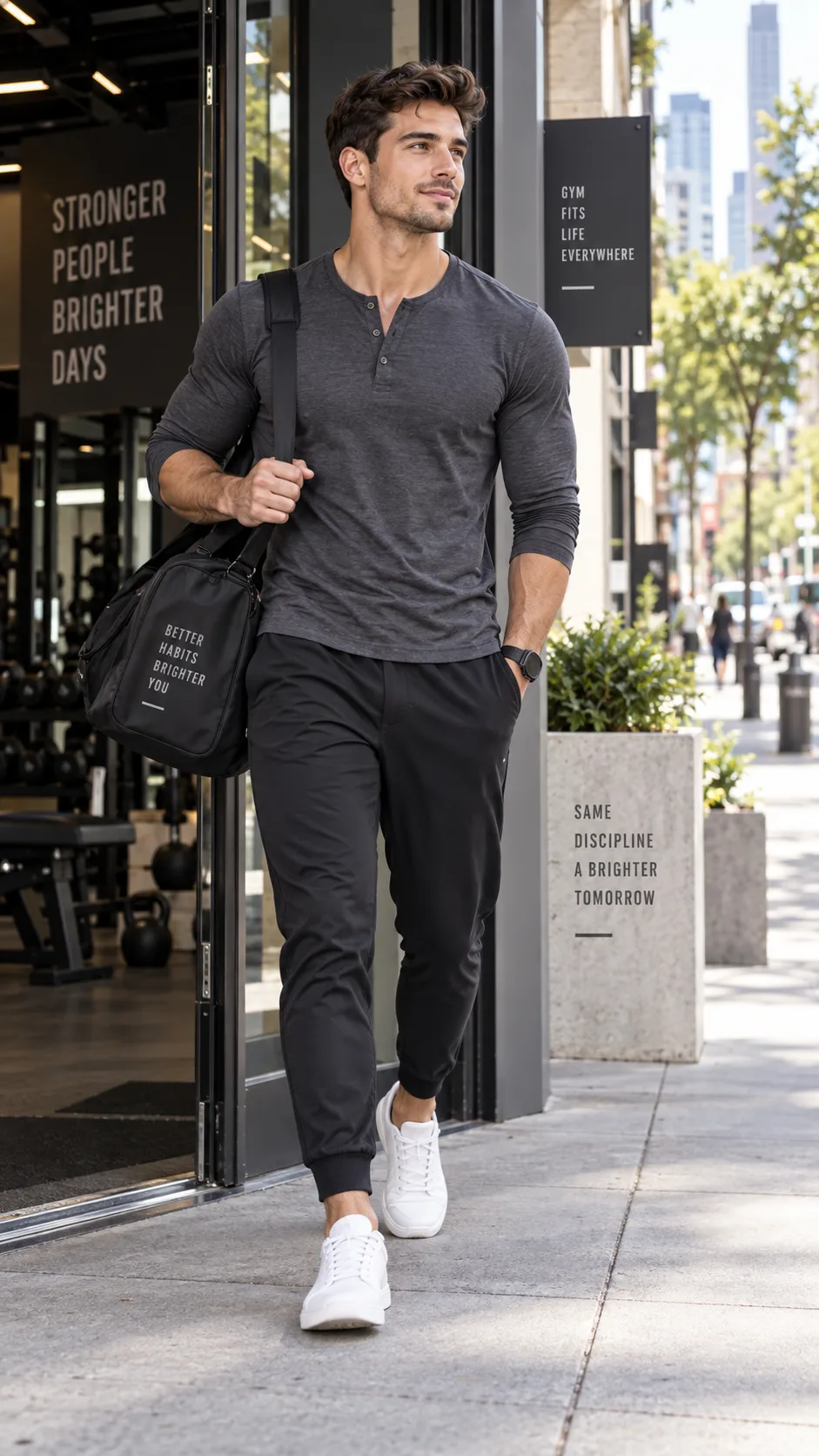
One of the best things about modern men’s gym wear is how seamlessly it transitions to everyday life. A clean pair of tapered joggers with a fitted performance tee and quality sneakers? That’s a coffee run outfit. That’s a grocery store outfit. That’s honestly a casual Friday outfit at some offices.
What matters most is choosing pieces with minimal branding and clean lines. A giant logo screams “I just came from the gym.” Subtle, tonal branding says “I’m an active person who also knows how to dress.” There’s a big difference.
If your partner is looking for similar versatility, check out our guide to cute, no-fuss gym looks for women that follow the same philosophy of style meeting function. Great workout outfits for women follow surprisingly similar principles: fit, fabric, and function above everything else.
Building your gym wardrobe on a budget
Not everyone can drop $80 on a single pair of training shorts, and that’s totally fine. Here’s a realistic approach to building a sharp gym wardrobe without going broke:
- Start with basics in neutral colors. Black and grey pieces mix with everything, so fewer items go further.
- Invest in one premium piece. Pick the item you use most (probably joggers or shorts) and buy the best version you can afford. Go budget on the rest.
- Shop end-of-season sales. Nike, Under Armour, and Gymshark all run significant sales quarterly. Set calendar reminders.
- Rotate your pieces. Three well-chosen outfits rotated properly will outperform and outlast ten cheap ones worn randomly.
In my experience, a solid starter gym wardrobe should cost between $150-$250 total. That gets you enough variety to train 4-5 days per week without repeating outfits (or doing laundry every two days).
Final thoughts: look good, train hard, keep it simple
Putting together sharp mens workout outfits isn’t about impressing anyone else at the gym. It’s about showing up as the best version of yourself, inside and out. When you feel good in what you’re wearing, you train with more confidence, more intensity, and more consistency.
The formula is stupidly simple: choose performance fabrics that breathe and stretch, nail the fit so nothing restricts your movement, stick to a clean color palette, and take care of your gear so it lasts. That’s it. No complicated style rules. No expensive wardrobe overhaul required.
Now stop reading, pick out something that makes you feel like a weapon, and go crush your next session. Your workout outfit should be the easiest part of your training day, not the thing holding you back.
