

You just changed your shirt for the fourth time today, and it is only 10:00 AM. Spit-up covers your shoulder, your baby is screaming, and you feel completely exhausted. If this sounds familiar, you probably have a baby dealing with reflux. Honestly, it feels like a never-ending cycle of laundry and tears, for both of you.
Many mothers do not realize that their own diet directly impacts their baby’s comfort. What you eat passes into your breastmilk and can irritate your baby’s sensitive digestive system. By adjusting your food choices, you can dramatically reduce your baby’s painful symptoms. Let us explore the ultimate breastfeeding diet for a reflux baby so you can both get some peace.
Before we start, remember that every baby behaves differently. My own firstborn spit up constantly, and I had to cut out my beloved morning latte for three months. IMO, it was totally worth it to get a happy, pain-free baby back. 🙂
Understanding Reflux in Breastfed Babies
Why does reflux happen in the first place? Ever wondered why babies spit up so much compared to adults? The answer lies in their anatomy.
Babies possess an immature lower esophageal sphincter (LES). This tiny muscle acts as a gatekeeper between the stomach and the esophagus. In infants, this gatekeeper often relaxes when it should stay closed. Consequently, stomach acid and milk flow backward, causing pain and irritation.
While most babies outgrow this issue by their first birthday, the daily struggle remains tough. Silent reflux presents an even trickier challenge. With silent reflux, the baby swallows the stomach contents back down instead of spitting them out. You will notice choking noises, arching backs, and unexplained crying during or after feeds.
The Prime Suspects: Foods to Avoid While Breastfeeding a Reflux Baby
You do not need to starve yourself, but you must identify potential triggers. Certain proteins and compounds travel from your digestive tract directly into your breastmilk. Here are the top offenders you should temporarily remove from your plate.
- Cow’s Milk Protein: Dairy is the number one culprit behind reflux in breastfed babies. Cow’s milk proteins can irritate the infant gut lining, causing inflammation and acid reflux. This means you must avoid milk, cheese, butter, yogurt, and hidden dairy ingredients like whey.
- Soy Products: Many babies who react to dairy also react to soy. The protein structure of soy closely resembles dairy protein. Check your food labels carefully, as manufacturers hide soy lecithin and soy oil in almost all processed foods.
- Caffeine: Your morning coffee might rescue your sanity, but it destroys your baby’s digestion. Caffeine relaxes the lower esophageal sphincter, which allows stomach acid to creep upward. Limit or eliminate coffee, energy drinks, and black tea.
- Citrus and Acidic Foods: Tomatoes, oranges, lemons, and grapefruits contain high acid levels. These foods can alter the pH level of your breastmilk and irritate your baby’s throat.
- Spicy Foods and Garlic: Strong spices can alter the taste of your milk and irritate your baby’s stomach. If you love spicy curry, you might want to tone down the heat for a few weeks.
- Cruciferous Vegetables: Broccoli, cabbage, cauliflower, and Brussels sprouts cause excess gas. Gas pressure in the baby’s abdomen pushes stomach acid upward, worsening reflux symptoms.
What to Eat Instead: Your Safe Breastfeeding Diet Plan
Now that you know what to avoid, you might wonder what you can actually eat. Do not worry; you will not have to live on air and water. You need nutrient-dense, soothing foods to keep your energy up while protecting your baby’s tummy.
Focus on whole, unprocessed foods that digest easily. A clean diet reduces inflammation in your body and keeps your breastmilk free from common allergens.
Excellent Foods for Your Shopping List:
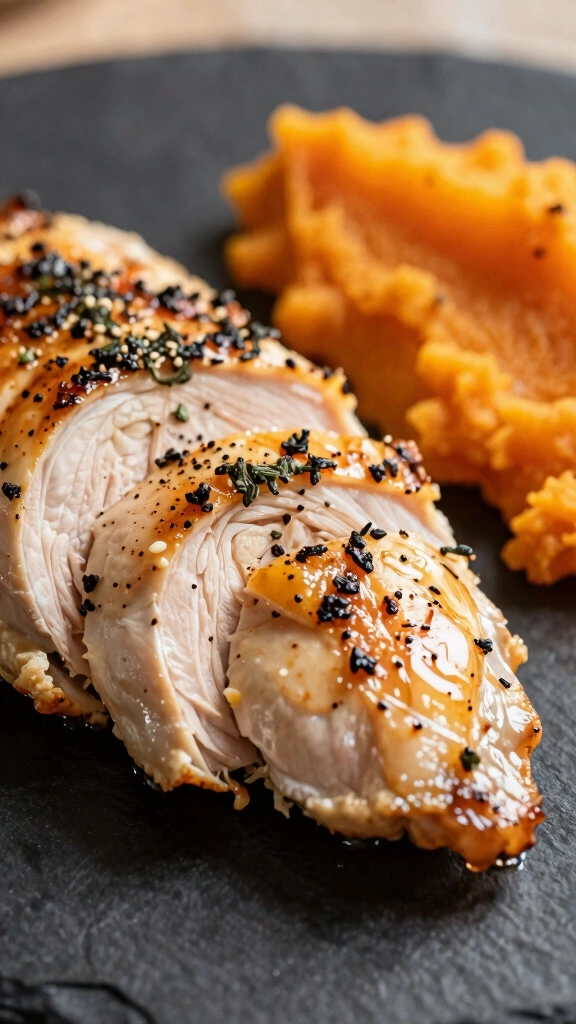
- Lean Proteins: Chicken breast, turkey, pork loin, and wild-caught salmon provide essential amino acids without irritating the gut.
- Healthy Carbohydrates: Oats, brown rice, sweet potatoes, and quinoa sustain your energy levels and support a healthy milk supply.
- Gentle Vegetables: Zucchini, carrots, spinach, and sweet potatoes offer vital vitamins without causing painful gas.
- Healthy Fats: Avocados, olive oil, and coconut oil support your baby’s brain development and keep you feeling full.
- Calcium Alternatives: Almond milk, oat milk, and dark leafy greens supply the calcium you lose by cutting out dairy.
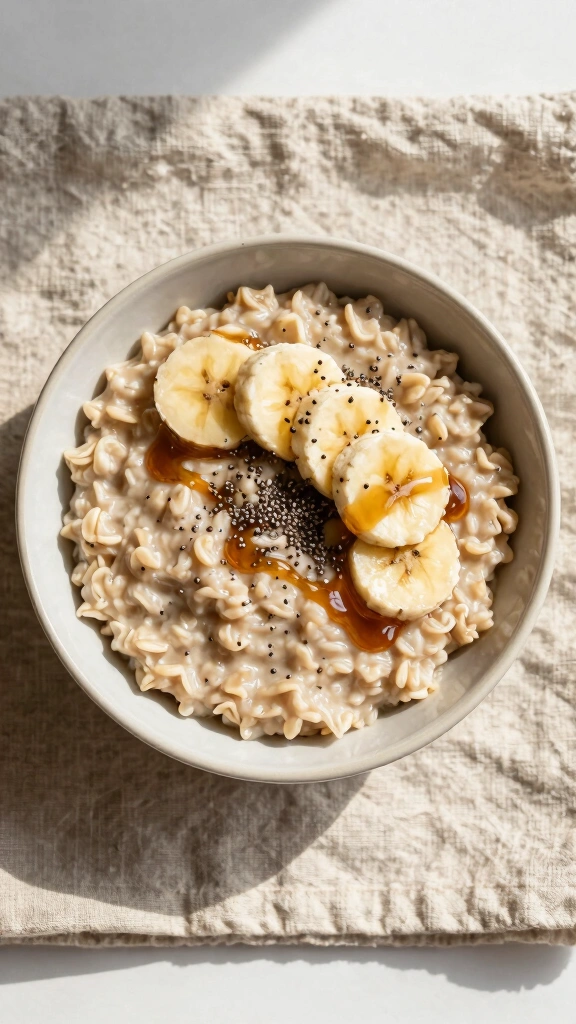
FYI, oats act as a natural galactagogue, which means they boost your milk supply. A warm bowl of oatmeal with sliced bananas and a splash of almond milk makes the perfect breakfast for a reflux-safe lifestyle.
How to Run a Successful Elimination Diet
How do you figure out which food causes your baby’s pain? You must run a systematic elimination diet. Haphazardly cutting out foods will only stress you out and leave you hungry.
First, eliminate the top suspect: dairy. Remove all dairy products from your meals for at least two to three weeks. Why so long? It takes up to two weeks for cow’s milk proteins to leave your body and your baby’s system completely. Keep a detailed food and symptom diary during this period.
If your baby’s symptoms improve, you have found the culprit! If the symptoms persist, move on to the next suspect: soy. Keep repeating this process until you notice a happier, calmer baby. Once your baby’s gut heals, you can slowly reintroduce foods one at a time to test their reaction.
What if you accidentally eat dairy during the diet? Do not panic. Just drink plenty of water, feed your baby as usual, and resume the diet immediately. One slip-up will not ruin all your hard work. :/
Meal Ideas for a Reflux-Friendly Week
Planning meals without dairy, soy, or excess spice feels intimidating at first. Let us make this simple with a quick, three-day meal plan that keeps your breastmilk clean and your stomach full.
Day 1
Breakfast: Oatmeal cooked in almond milk, topped with sliced bananas and a handful of pumpkin seeds.
Lunch: Grilled chicken breast over a bed of spinach, carrots, and cucumbers, dressed with olive oil and sea salt.
Dinner: Baked salmon, roasted sweet potatoes, and steamed zucchini.
Day 2
Breakfast: Scrambled eggs (if your baby tolerates eggs) with avocado slices on gluten-free toast.
Lunch: Turkey lettuce wraps with sliced cucumber and a side of quinoa salad.
Dinner: Ground turkey stir-fry with carrots and zucchini, served over jasmine rice (use coconut aminos instead of soy sauce!).
Day 3
Breakfast: A green smoothie containing spinach, frozen banana, avocado, and unsweetened oat milk.
Lunch: Leftover turkey stir-fry from night two (always cook once and eat twice to save time!).
Dinner: Slow-cooked chicken breast with carrots and potatoes in a savory bone broth.
Beyond Diet: Fast Relief Tips for Reflux Babies
Dietary changes require time to show results. What can you do right now to ease your baby’s discomfort? Combine your dietary adjustments with these proven feeding techniques to maximize relief.
Keep your baby upright for at least 20 to 30 minutes after every single feed. Gravity acts as your best friend here, keeping the milk down in the stomach where it belongs. Avoid putting your baby in a swing or bouncer immediately after eating, as the slouched position compresses their stomach.
Try paced bottle feeding if you pump, or use feeding positions that keep the baby’s head higher than their tummy. Feed your baby smaller amounts more frequently. Overfeeding fills the stomach to maximum capacity, which forces the sphincter open and triggers reflux.
Lastly, burp your baby frequently during feeds. Do not wait until the very end. Burp your baby after every ounce from a bottle, or when you switch breasts. Trapped air bubbles carry stomach acid up with them when they finally escape.
Conclusion
Managing a baby with reflux requires patience, dedication, and a lot of laundry detergent. By modifying your breastfeeding diet and eliminating common triggers like dairy and soy, you can help soothe your baby’s irritated digestive tract. You do not have to struggle through this alone. Track your meals, pay attention to your baby’s cues, and consult a pediatric dietitian or lactation consultant if you feel stuck.
Hang in there, mama. This challenging phase will pass, and soon you will enjoy peaceful feeds and spit-up-free shirts once again.
