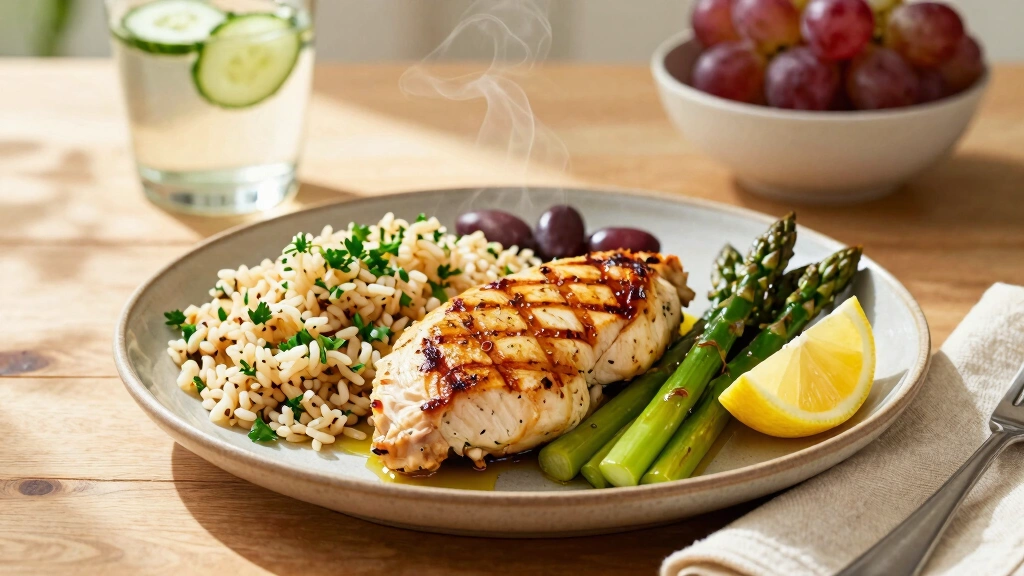
So, your doctor handed you a kidney diagnosis, and now you think you must eat cardboard for the rest of your life. I totally get it. When my uncle first heard the words “chronic kidney disease,” he looked at his plate of steamed broccoli like it was a prison sentence. We all love doctors, but their dietary advice handouts look like they came from a photocopy machine in 1985.
Fortunately, you can still enjoy delicious, satisfying meals while protecting your kidneys. The internet makes a kidney diet meal plan sound like absolute torture, but it does not have to be that way. This guide simplifies your nutrition so you can eat well and protect your health without losing your mind.
Why Your Kidney Diet Meal Plan Matters More Than You Think

Think of your kidneys as your body’s personal recycling plant. Every single minute, these two bean-shaped organs filter toxins out of your blood. When they slow down, waste products build up and make you feel terrible. A proper kidney disease diet takes the heavy burden off these vital organs.
By choosing the right foods, you stop damage before it gets worse. Have you ever wondered why food acts as the best medicine here? Unlike your liver, your kidneys cannot regenerate easily once they suffer damage. Your daily fork choices act as a shield to protect your remaining kidney function.
The Infamous Trio: Sodium, Potassium, and Phosphorus
Before we build your menu, we must address the three troublemakers. You will hear these terms at every doctor visit, so let’s break them down simply.
1. Sodium (The Silent Pressure Cooker)

Sodium hides everywhere, especially in processed foods. It causes fluid buildup in your body, which raises your blood pressure. High blood pressure damages your kidney filters faster than almost anything else. IMO, ditching the salt shaker represents the hardest but most rewarding step you can take. Focus on fresh herbs and lemon juice to bring your food to life instead.
2. Potassium (The Heart Rhythm Regulator)
Your body needs potassium to keep your muscles working. However, weak kidneys struggle to remove extra potassium from your blood. High potassium levels can actually stop your heart, which is obviously not ideal. You need to swap high-potassium foods like bananas and avocados for low-potassium champions like apples and berries. High Protein Clean Eating Meal Plan for Real People applies the same idea to meal planning.

3. Phosphorus (The Bone Robber)
Healthy kidneys balance phosphorus and calcium in your blood. When kidneys fail, phosphorus builds up and steals calcium from your bones. This process leaves you with weak, brittle bones and painful joints. Packaged foods and dark sodas contain artificial phosphorus additives, which your body absorbs very easily. Skip these processed items to keep your bones strong.
Why the Right Protein Matters for Kidney Health
Protein presents a tricky challenge on a renal diet. Your body needs protein to build muscles and repair tissue. However, digesting protein creates waste products that your kidneys must filter out. Eating too much protein forces your kidneys to work overtime.
On the flip side, eating too little protein can cause muscle loss and fatigue. Most renal dietitians recommend high-quality, lean proteins in controlled portions. Talk to your doctor to determine your specific daily protein target, as stages of kidney disease require different amounts.
Your Simple, Delicious 3-Day Kidney Diet Meal Plan
Let’s put this knowledge into action with a simple 3-day meal plan. I selected these meals because they taste great and keep your kidneys happy. Remember to discuss your specific portion sizes with a renal dietitian.
Day 1: Light and Fresh
Let’s start your week with simple, clean flavors that do not overload your system.
- Breakfast: Eat a warm bowl of steel-cut oats. Top the oats with fresh blueberries and a splash of almond milk.
- Lunch: Toss a grilled chicken breast salad. Use romaine lettuce, cucumbers, and red bell peppers, then drizzle it with olive oil and fresh lemon juice.
- Dinner: Sear a salmon filet in a pan. Serve it with white rice and steamed green beans, and season the salmon with garlic powder and dill.
- Snack: Munch on a crisp red apple.
Day 2: Savory and Satisfying
You do not have to skip hearty meals just because you are watching your kidney health.
- Breakfast: Scramble two egg whites with diced bell peppers and onions. Serve them with one slice of toasted sourdough bread.
- Lunch: Roll up sliced turkey breast, lettuce, and cranberry sauce in a low-sodium flour tortilla.
- Dinner: Cook lean pork chops in olive oil. Pair them with roasted cauliflower florets and a small side of white pasta.
- Snack: Enjoy a bowl of fresh strawberries.
Day 3: Comfort Food Classics
End your three-day cycle with comforting foods that feel like a treat.
- Breakfast: Make French toast using white bread and egg whites. Cook the bread in a pan with a little butter and top it with a dash of cinnamon.
- Lunch: Mix low-sodium canned tuna, celery, and a light mayonnaise. Serve this tuna salad on a bed of fresh spinach leaves.
- Dinner: Stir-fry lean beef with carrots, broccoli florets, and snap peas in sesame oil. Serve the mixture over white rice.
- Snack: Eat half a cup of sweet red grapes.
Smart Grocery Swaps to Save Your Sanity
Do you feel overwhelmed by the thought of grocery shopping? Don’t worry. You only need to make a few simple swaps to transform your pantry. This quick reference guide helps you navigate the grocery store aisles: Ditch the Cardboard Cereal covers the same topic from another angle.
- Ditch the Brown Rice: Choose white rice instead. While brown rice is healthy for average folks, it contains too much phosphorus for kidney patients.
- Ditch the Bananas: Grab berries or grapes. These fruits contain far less potassium, saving your heart from extra stress.
- Ditch the Garlic Salt: Buy garlic powder. You get all the rich flavor without any of the dangerous sodium.
- Ditch the Dark Sodas: Sip on clear sodas or water flavored with lemon. Dark sodas contain chemical phosphorus additives that damage your kidneys quickly.
- Ditch the Canned Beans: Choose fresh or dry lentils (soaked thoroughly). If you must use canned beans, rinse them under cold water for at least one minute to wash away the excess sodium.
Watch: How to Meal Prep for Kidney Health
Ready to take control of your kitchen? Watch this helpful video to learn how to prepare kidney-friendly meals at home without stress.
How to Read Nutrition Labels Without Losing Your Mind
Grocery store labels often try to trick you. They scream “low fat” or “organic” on the front, but the ingredient list tells a different story. When you manage kidney disease, you must look beyond the marketing hype.
Turn the package over and find the nutrition facts panel immediately. Check the serving size first, as companies often split small packages into multiple servings to hide high numbers. Look closely at the sodium line, aiming for items with less than 140 milligrams per serving.
Next, scan the ingredient list for the letters “PHOS.” Food manufacturers use phosphorus additives to preserve color and flavor in packaged goods. If you see ingredients like “dicalcium phosphate” or “sodium acid pyrophosphate,” put the package back on the shelf.
Don’t Fear the Fats: Choosing the Right Oils
People often overlook healthy fats when they start a renal diet. Because you need to limit protein and certain carbohydrates, healthy fats must step up to supply your daily energy. However, you should choose your fats wisely to protect your heart health.
Olive oil remains the gold standard for kidney-friendly cooking. It contains anti-inflammatory properties and healthy monounsaturated fats. You can also use avocado oil for high-heat cooking, like sautéing vegetables.
Avoid butter and lard, as saturated fats clog your arteries and stress your cardiovascular system. Remember, your heart and kidneys work as a team, so protecting one helps the other.
How to Handle Fluid Restrictions Without Going Crazy
Sometimes, doctors restrict your fluid intake along with your diet. This step prevents fluid buildup in your lungs and ankles. But how do you survive the day when you feel constantly thirsty?
First, try sucking on ice chips instead of gulping water. Ice chips last longer and satisfy your thirst with less liquid. You can also chew sugar-free gum or suck on hard sour candies to stimulate saliva production. Finally, track your daily intake with a dedicated water bottle so you never exceed your limit.
Dining Out on a Kidney Diet: Yes, It is Possible
You do not have to lock yourself in your house just because you have kidney disease. You can still enjoy restaurants with friends if you follow a few basic rules. Always ask your server for plain grilled meats.
Chefs love to coat meats in salty marinades, so specify that you want yours cooked without salt. Order all sauces, dressings, and gravies on the side so you control the portion size. Finally, choose restaurants that cook meals from scratch because they can easily customize your plate.
Take Charge of Your Kidney Health Today
Transitioning to a kidney diet meal plan feels intimidating at first. You might make a few mistakes, and that is completely okay 🙂 Just focus on making small, consistent changes every day.
Cook fresh meals at home, watch your portion sizes, and read food labels carefully. Your kidneys will thank you for the extra support, and you will feel much more energetic. Talk to a registered renal dietitian today to customize this plan for your specific stage of kidney health.