

You sit in the dark at 2:00 AM, rocking a tiny, screaming human. Your baby’s stomach feels rock-hard, and they keep pulling their tiny legs up to their chest in obvious discomfort. Standard baby gas can turn a peaceful night into a stressful marathon. Many new moms immediately blame themselves and search for answers. Did that spicy taco from yesterday cause this tiny earthquake in your baby’s tummy? Let us look at how your breastfeeding diet affects your gassy baby, and how you can bring peace back to your household.
Do you feel like you need a degree in biochemistry just to feed your child? Rest assured, you do not. With a few simple tweaks to your daily menu, you can identify the food culprits and soothe your little one’s digestive system. Let us separate the myths from the facts.
Does Your Breastfeeding Diet Actually Cause Baby Gas?
First, take a deep breath. You did not break your baby. In fact, newborns have incredibly immature digestive systems. They process milk and formula for the very first time, which naturally creates air bubbles in their tiny guts. Most infants swallow air when they cry, feed too quickly, or nurse with a poor latch.
However, science shows that certain proteins and compounds from your meals do pass into your breast milk. These molecules can irritate your baby’s sensitive gut lining. FYI, a mother’s blood absorbs nutrients from her digestive tract, and then the body uses those nutrients to create breast milk. Therefore, whatever you eat can potentially influence your baby’s comfort level. :/
But does this mean you must live on plain chicken and white rice forever? Absolutely not. You should only eliminate foods if you notice a direct connection to your baby’s discomfort. Let us identify the actual troublemakers in your pantry.
The Top Foods to Cut from Your Breastfeeding Diet for a Gassy Baby
If you suspect your diet causes your baby’s fussiness, you should look at these common triggers first. Do not eliminate everything at once because you need your strength. Start with the most likely culprits.
1. Cow’s Milk Protein (The Number One Suspect)

Cow’s milk protein sensitivity causes a huge percentage of baby colic and gas. When you consume milk, cheese, yogurt, or butter, the cow’s milk proteins enter your bloodstream and your breast milk. Your baby’s gut may struggle to break down these complex proteins. Remember, this differs from lactose intolerance. Babies rarely suffer from lactose intolerance, but they frequently react to cow’s milk protein. Try cutting all dairy for two weeks to see if your baby transforms into a happy, smiling angel.
2. Soy Products
Many babies who react to dairy also react to soy. Food manufacturers often use soy as a filler in processed foods, so check your labels carefully. If you cut dairy but still see no improvement, look at your soy intake next. Try replacing soy sauce and tofu with alternative seasoning and protein options.
3. Excess Caffeine
We know you survive on coffee right now to get through the day. However, excess caffeine can accumulate in your baby’s system. Babies process caffeine much slower than adults. Limit your daily intake to one or two cups of coffee, or swap them for herbal teas. High doses of caffeine can stimulate your baby’s bowels, leading to gas and restlessness.
4. Cruciferous Vegetables
Broccoli, cabbage, Brussels sprouts, and cauliflower have a bad reputation. These vegetables contain complex sugars that cause gas in *your* gut. Surprisingly, this gas does not travel through your blood into your breast milk. But the soluble fibers and proteins can sometimes trigger a reaction in highly sensitive babies. Pay attention to how your baby acts after you eat a big bowl of roasted broccoli.
5. Spicy and Acidic Foods
Do you love hot sauce and citrus fruits? Your baby’s stomach might not share your passion. Strong spices and highly acidic fruits like oranges, lemons, and tomatoes can irritate the infant gut. If you notice your baby fussing after your Tuesday night curry, you might want to tone down the heat for a few weeks. Breastfeeding Diet to Increase Milk Supply covers the same topic from another angle.
What to Eat Instead: Your Safe-List Foods
Now that we removed the potential triggers, what *can* you actually eat? You need nutrient-dense meals to maintain your energy and milk supply. Focus on these gut-friendly foods to keep both you and your baby happy.
- Oatmeal and Brown Rice: These whole grains provide excellent energy and digest easily without causing gas.
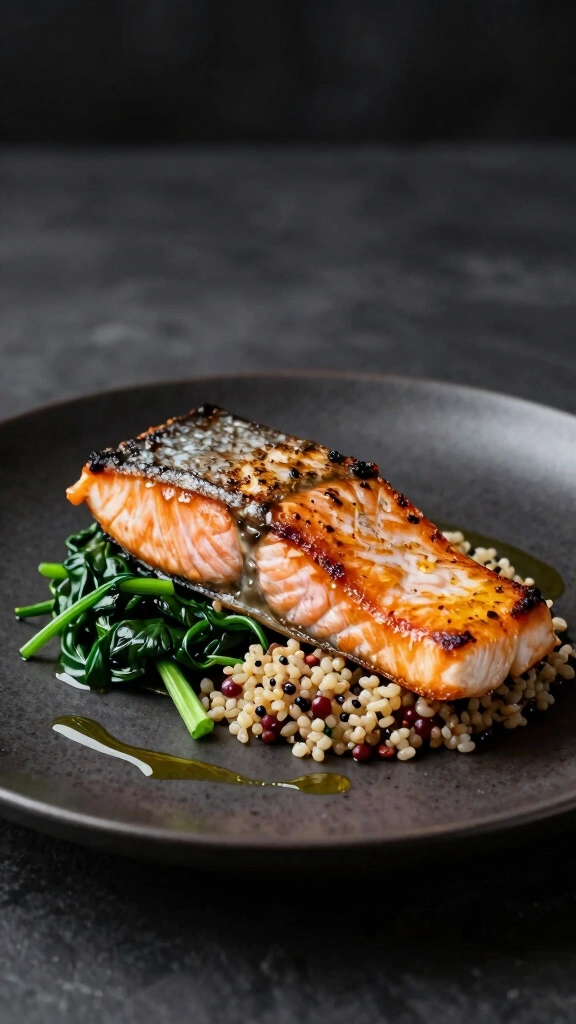
- Lean Proteins: Chicken breast, turkey, and wild-caught fish give you the necessary building blocks for healing and milk production.
- Cooked Root Vegetables: Sweet potatoes, carrots, and squash offer rich vitamins and digest smoothly.
- Healthy Fats: Avocados and olive oil support your baby’s brain development and keep you feeling full.
- Probiotic-Rich Foods: Coconut milk yogurt or fermented vegetables can improve your own gut health, which indirectly benefits your baby.
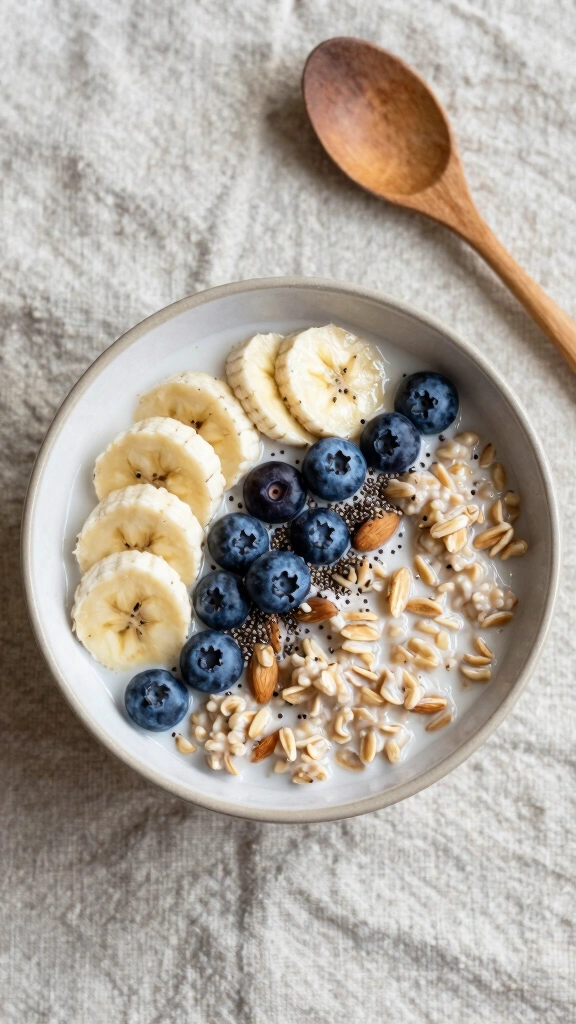
IMO, a warm bowl of oatmeal with a sliced banana and a spoonful of almond butter makes the perfect gas-safe breakfast. 🙂 It fills you up, supports your lactation, and keeps your baby’s tummy happy.
How to Identify Triggers: The Elimination Diet Strategy
Do not guess which food causes the issue. Use a systematic approach to save your sanity. Keep a simple food diary on your phone or in a notebook. Record everything you eat and drink, alongside your baby’s fussiness levels. Look for patterns over a three-to-five-day period.
If you suspect dairy, eliminate it completely for at least ten to fourteen days. Cow’s milk proteins can take up to two weeks to fully leave your system and your baby’s body. If your baby’s gas disappears, you have found the culprit! If you see no change after two weeks, dairy probably did not cause the problem. You can safely welcome cheese back into your life and test the next food group.
How to Soothe a Gassy Baby Instantly
While you wait for your dietary changes to work, you can use physical techniques to relieve your baby’s discomfort. Try the “bicycle legs” technique by gently moving your baby’s legs in a pedaling motion toward their chest. This physically pushes trapped air out of their digestive tract. You can also rub their tummy in a clockwise direction to help the gas move along.
Warm baths and tummy time also work wonders for trapped bubbles. Watch this helpful video tutorial to learn the best massage techniques for a gassy infant:
Other Factors to Consider Beyond Diet
Did you change your diet completely, but your baby still passes gas like a grown adult? Other culprits might be at play here. Sometimes a fast milk letdown causes babies to gulp air during feeds. If your milk sprays out quickly, try reclining while you nurse. This position forces your milk to flow uphill, which slows down the stream and reduces air swallowing.
Additionally, a poor latch can cause your baby to swallow air. Consult a certified lactation consultant to check your baby’s latch. A few simple adjustments can completely eliminate the air bubbles without you changing a single meal. Do you use bottles occasionally? Make sure you use a slow-flow nipple to prevent gulping.
Key Takeaways for Tired Moms
- Start with dairy: Remove cow’s milk products first, as they cause the most issues.
- Keep a diary: Track food intake and baby reactions to find patterns.
- Patience is key: Give elimination diets at least two weeks to show results.
- Seek professional help: Talk to a pediatrician or lactation consultant if you feel overwhelmed.
You are doing an amazing job. Remember, this fussy phase will pass as your baby’s digestive tract matures. Soon, you will both enjoy peaceful nights and happy mornings once again.
