
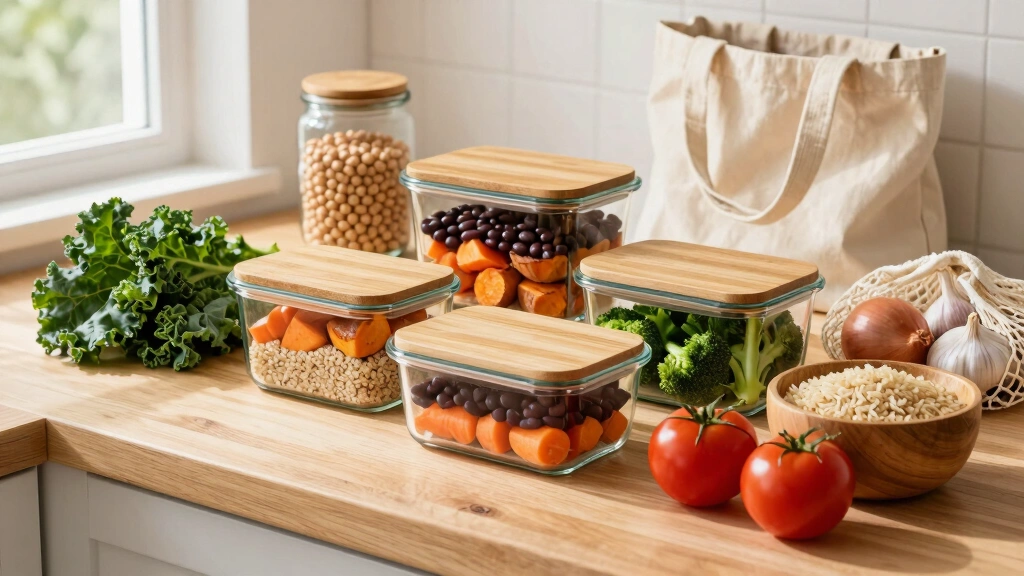
Look at your last grocery receipt. Did you buy gold-plated avocados? Probably not, yet the total price still made you gasp. You want to eat clean, but you also want to keep your money in your bank account.
Fortunately, you can achieve both goals easily. You do not need to choose between your health and your savings. With a few smart adjustments, you can master budget meal planning healthy habits and eat delicious, nutrient-dense foods every day.
Let us bust the myth that healthy eating requires a massive budget. Ready to transform your grocery shopping and meal prep forever?
The Shocking Truth About Eating Clean on a Budget
We often associate nutritious food with premium price tags. Marketing campaigns convince us that we need expensive superfoods, exotic berries, and organic labels to live a healthy life. IMO, this remains one of the biggest lies in the food industry.
I once spent eighteen dollars on a tiny jar of raw, stone-ground, artisanal almond butter. My wallet cried for a week, and guess what? It tasted exactly like standard, three-dollar peanut butter. Do you really need organic goji berries to stay healthy? Absolutely not.
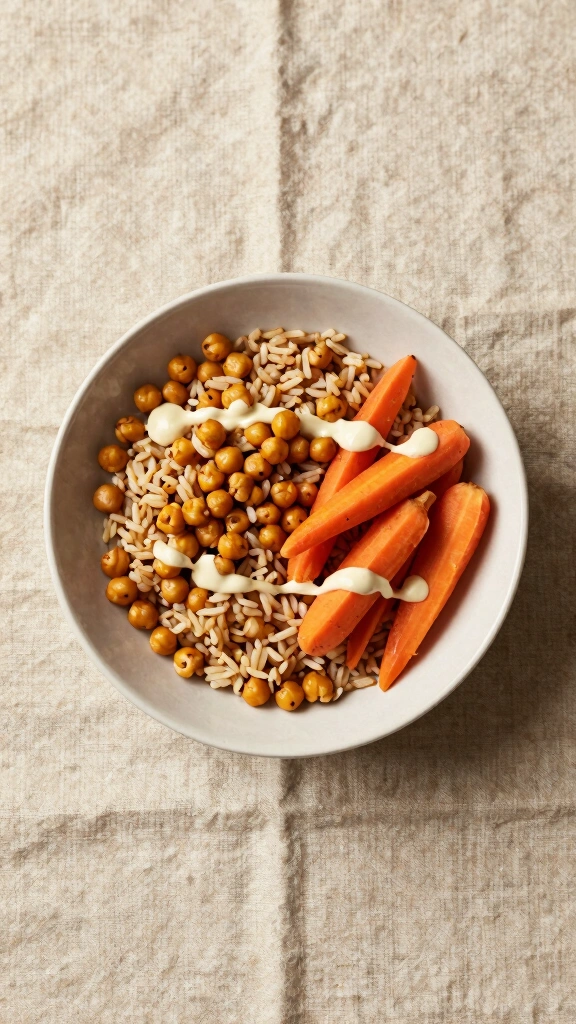
Whole, unprocessed foods actually cost very little. Dry beans, brown rice, bananas, and carrots cost pennies per serving. You can easily feed your body premium nutrients while keeping your bank account happy. You just need a solid game plan before you walk through the supermarket doors.
The Core Principles of Healthy Budget Meal Prep
1. Build Around Cheap Staples
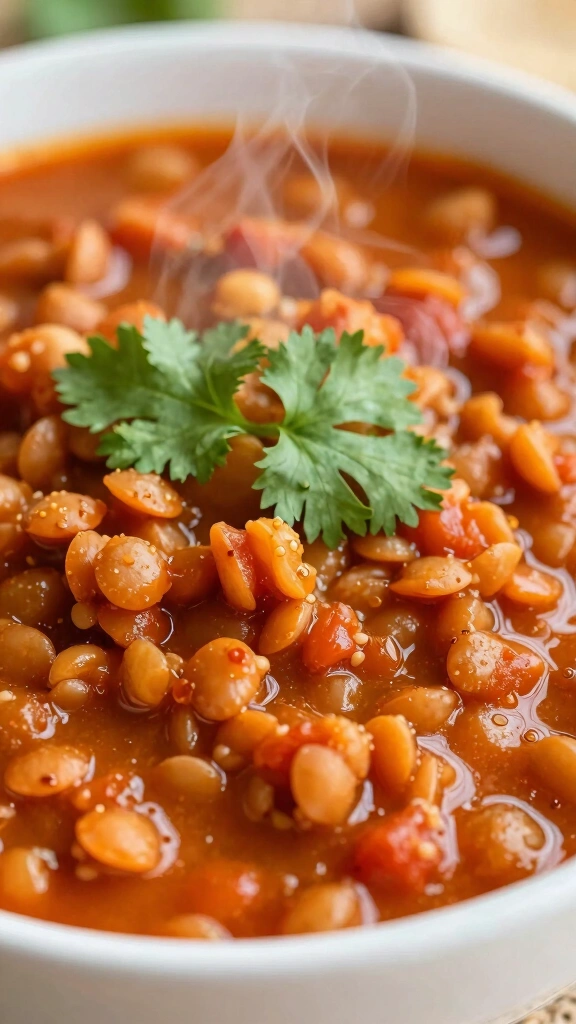
Base your weekly meals on affordable, nutrient-rich ingredients. Dry lentils, chickpeas, oats, brown rice, and canned tomatoes should form the foundation of your pantry. These items shelf-stable, highly versatile, and packed with fiber and protein. They keep you full for hours and prevent mid-day snack cravings.
2. Ditch the Brand Loyalty
Your local supermarket hides the best deals. Stores deliberately place the priciest brands at eye level to tempt you. Look at the very top and very bottom shelves to find cheaper store-brand alternatives. Compare the ingredient lists; you will usually find identical ingredients for half the price.

3. Embrace the Freezer Aisle
Who actually enjoys throwing away a bag of slimy, unused spinach? Fresh produce rots quickly, leading to wasted food and money. FYI, manufacturers freeze fruits and vegetables at peak ripeness, which locks in all their vitamins and minerals. Buying frozen vegetables allows you to use only what you need and store the rest for later.
How to Build Your First Healthy Budget Meal Plan
Success starts at home, long before you grab a shopping cart. Follow this step-by-step process to plan your week efficiently.
- Inventory your kitchen: Open your cabinets, look inside your fridge, and check your freezer. Build your meals around the ingredients you already own to reduce waste.
- Check the weekly sales: Look at your grocery store’s digital flyers. Plan your proteins and fresh vegetables around whatever items carry a discount that week.
- Draft a simple menu: Choose recipes that share overlapping ingredients. If a recipe calls for half a head of cabbage, find another recipe to use the remaining half.
- Write a strict shopping list: Stick to your list like glue when you enter the store. Never shop on an empty stomach, as hunger destroys your budget and leads to impulse buys.
Ever wondered why this simple routine works so well? It removes decision fatigue. When you know exactly what you will cook, you avoid the temptation of ordering expensive, greasy takeout.
Three Ultra-Cheap, Nutritious Recipes to Try Today
You do not need gourmet culinary skills to cook healthy meals. These three simple recipes deliver high nutrition for under two dollars per serving.
The Ultimate Savory Lentil Stew
This comforting stew packs fiber, plant-based protein, and essential minerals. It tastes even better the next day after the flavors merge.
- Sauté one chopped onion, two carrots, and two garlic cloves in a large pot.
- Add one cup of rinsed brown lentils and four cups of vegetable broth.
- Stir in one can of diced tomatoes, one teaspoon of cumin, and one teaspoon of smoked paprika.
- Simmer the mixture on low heat for 35 minutes until the lentils soften.
Spicy Peanut Tofu Stir-Fry
Tofu offers an incredibly cheap source of complete protein. It absorbs flavors beautifully and crisp up nicely in a hot pan.
- Press one block of firm tofu to remove excess water, then cut it into bite-sized cubes.
- Pan-fry the cubes in a splash of oil until they turn golden brown.
- Toss in two cups of frozen mixed vegetables and cook for five minutes.
- Whisk together two tablespoons of peanut butter, one tablespoon of soy sauce, and a splash of warm water, then pour it over the stir-fry.
Golden Turmeric Chickpea Stew
Canned chickpeas offer massive health benefits for pennies. This warm, golden stew will brighten up your meal prep routine.
- Heat a splash of oil in a pot and cook one chopped onion with a tablespoon of grated ginger.
- Add one teaspoon of turmeric, half a teaspoon of black pepper, and two drained cans of chickpeas.
- Pour in one can of light coconut milk and simmer the stew for fifteen minutes.
- Stir in a few handfuls of fresh spinach right before serving until it wilts.
Pro Hacks to Minimize Waste and Maximize Flavor
How do you keep budget meals from tasting boring? Spices rescue bland ingredients. Invest in garlic powder, onion powder, chili flakes, and cumin. A simple shake of spices transforms cheap beans and rice into a flavorful culinary masterpiece.
Additionally, master the art of food storage. Keep your leafy greens fresh by wrapping them in a dry paper towel inside a sealed container. The paper towel absorbs excess moisture and extends the shelf life of your greens by a week. Store your potatoes and onions in separate cupboards, as storing them together causes them to spoil faster.
Finally, cook in large batches. Double your recipes on Sunday and store individual portions in the freezer. You will thank yourself on Thursday night when you feel too tired to cook from scratch.
Common Mistakes to Avoid
Many beginners fail at healthy budget meal planning because they fall into predictable traps. Avoid these three common mistakes:
- Buying in bulk without a plan: A giant bag of spinach costs less per ounce, but it still wastes money if you throw half of it away. Buy bulk quantities only for non-perishable goods like grains and beans.
- Purchasing pre-cut convenience items: Supermarkets charge triple the price for pre-chopped onions, washed lettuce, and sliced mushrooms. Buy the whole vegetables and spend five minutes chopping them yourself.
- Overcomplicating the menu: Do not try to cook five brand-new, complex recipes every week. Stick to three simple base meals and rotate them to keep things manageable.
Start Your Healthy Budget Journey Today
Healthy budget meal planning does not require miracle skills. It simply requires a little strategy, a willingness to cook, and a smart shopping list. Start with one or two changes this week, like swapping one meat meal for a lentil dish, and watch your bank account grow. You can feed your body premium nutrients without going broke. Take control of your kitchen, cook delicious food, and enjoy the savings! 🙂
