Semaglutide before and after 1 month photos can be motivating, but the first month is usually the beginning of the journey rather than the final reveal. Some people notice quick appetite changes, less snacking, smaller portions, and a few pounds down. Others need more time for dose increases, side effects to settle, and habits to become consistent.
This article includes one-month and early semaglutide transformation examples with direct image URLs. The goal is to show what early progress can look like while keeping expectations realistic: semaglutide results vary, and treatment should be medically supervised.
Elite DOC Patient – Front View Early Semaglutide Progress
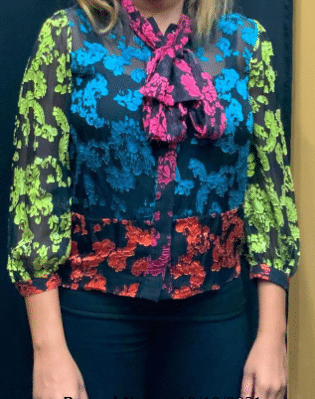

This front-view Elite DOC example uses separate before and after images to show a clear waist and torso change. For a one-month reader, the main takeaway is that progress photos are helpful because early improvements can be subtle and easier to see side by side than in the mirror day to day.
Elite DOC Patient – Side View Early Semaglutide Progress


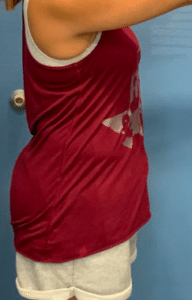
The side-view comparison makes abdominal changes easier to notice. In the first month of semaglutide, some people feel full sooner and snack less, and those small behavior changes may start showing through the stomach and side profile before the scale moves dramatically. Ozempic Before and After 1 Month offers another look at the same one-month stage. The Best Meals to Eat While on Ozempic for Faster, Easier Weight Loss covers the same topic from another angle.
Elite DOC Patient – Early Semaglutide Waist Change

This early semaglutide example shows visible change through the waist and hips. It helps set expectations for month one: the result may not be a complete transformation yet, but the first signs can be encouraging when medication, meals, hydration, and movement are aligned.
Rilie Nall – One-Month Momentum Toward 3-Month Progress
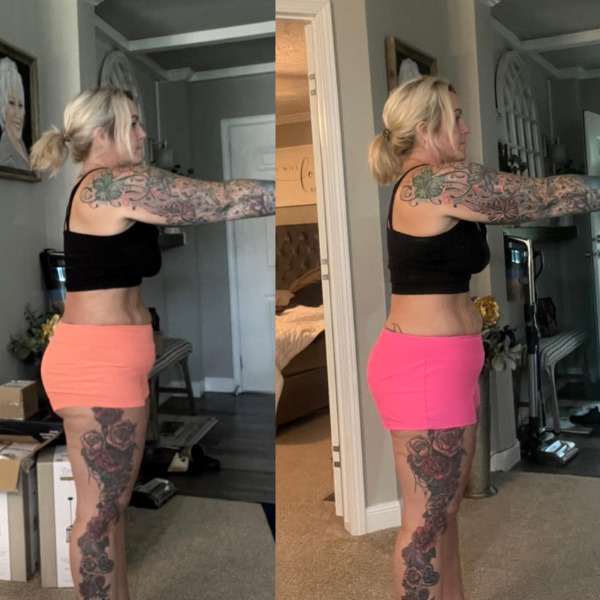
Rilie Nall reported losing about 6 pounds in her first month on semaglutide, then continued to lose more by month three. This photo shows her later progress, but her story is useful for one-month readers because it shows how a modest first month can still build into a much more visible transformation.
What Can You Expect After 1 Month On Semaglutide?
After one month, many people are still on a starter dose. That means the biggest change may be appetite control rather than dramatic weight loss. You may feel full faster, snack less often, or find it easier to stop eating before you feel overly full. Semaglutide Before and After examines the same topic from another angle. Semaglutide Tips to Get Better Results, Fewer Side Effects & More Energy covers the same topic from another angle.
Visible results depend on starting weight, dose schedule, nutrition, hydration, activity, sleep, and side effects such as nausea or constipation. A slower first month does not automatically mean semaglutide is not working.
Tips For Better First-Month Semaglutide Results
- Follow your prescriber’s dosing instructions exactly.
- Eat smaller meals slowly, especially if nausea appears.
- Prioritize protein and fiber when tolerated.
- Drink enough water and ask your clinician about constipation early.
- Take photos at the start, week 4, and then monthly after that.
- Track appetite, waist size, energy, and clothing fit, not just scale weight.
- Do not increase your dose without medical guidance.
Final Thoughts
These semaglutide before and after 1 month examples show that early progress can be visible, but it is often subtle. Month one is mostly about building momentum: learning how your appetite changes, managing side effects, and creating habits that make later results easier to sustain.
Medical note: This article is for educational purposes only and is not medical advice. Talk with a licensed healthcare professional before starting, stopping, or changing semaglutide, Ozempic, Wegovy, or any other medication.
Sources
- FancyMeds – Semaglutide Before and After 1 Month
- Stoneridge Wellness and Aesthetics – Semaglutide Before and After
- Injectco – Semaglutide Before and After Results
- Elite DOC Health and Beauty – Semaglutide Gallery
- Moms Do Wellness – ReflexMD Semaglutide Review
What one month can and cannot show
One month is an early checkpoint in semaglutide treatment, not a reliable forecast of a person’s eventual result. Prescribers often begin with a lower dose and increase it gradually when appropriate, so the first weeks may reflect adjustment and tolerability more than the medicine’s full longer-term effect. Appetite, fluid balance, food intake, gastrointestinal symptoms and starting body size can all influence an early scale change.
Before-and-after photographs cannot show whether the medicine was prescribed, the dose taken, other health conditions, changes in diet or activity, or whether the images were captured under comparable conditions. They should not be used to predict an individual outcome. A slower or faster change than the examples does not by itself prove that treatment is working or failing.
Useful information to review with a prescriber
- Dates, dose schedule and any missed doses.
- Average weight trend rather than one isolated measurement.
- Appetite, meal tolerance, hydration and bowel symptoms.
- Energy, strength and ability to complete normal activities.
- Any side effects, new medicines or changes in health.
Do not increase, reduce or stop semaglutide based on a social-media result. Seek prompt medical advice for severe or persistent abdominal pain, repeated vomiting, inability to keep fluids down, symptoms of dehydration, or another serious concern. Treatment decisions belong with the clinician who knows the indication, medical history and complete medicine list.