

You stare at the tiny orange-capped needle on your kitchen counter. Your heart beats a little faster. You wonder, “Did I actually sign up to poke myself with this every single week?”
I remember my own first time. I stared at that tiny glass vial for twenty minutes, terrified that I would mess up the math and accidentally inject a horse-sized dose. The internet did not help, either, since it felt like reading a foreign language filled with confusing medical jargon.
Do not worry. We will demystify this process together. By the time you finish reading this guide, you will feel like an absolute pro at managing your compound semaglutide dosing.
What is Compound Semaglutide Anyway?
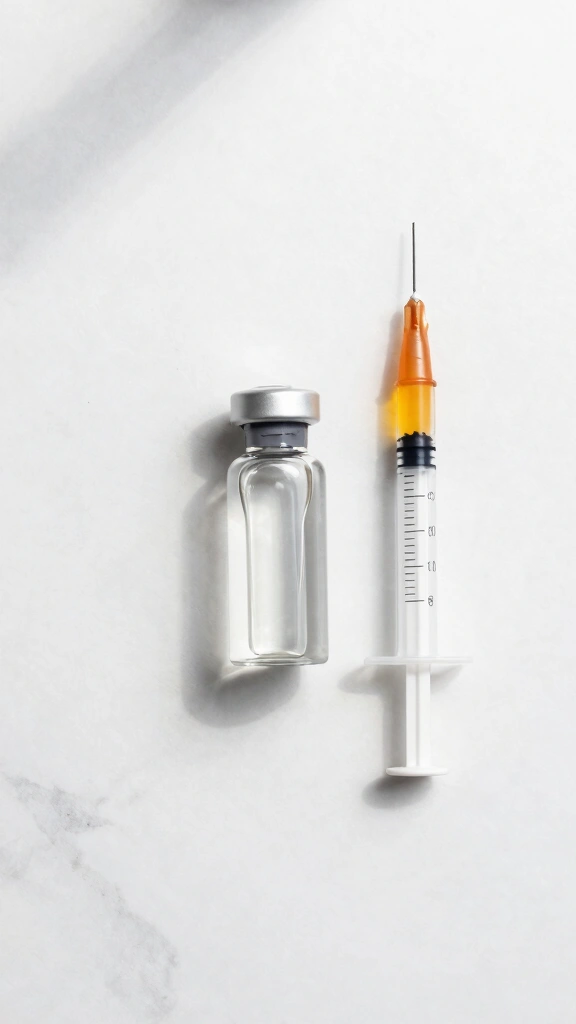
Before we talk numbers, we must understand what sits inside your vial. Brand-name drugs like Ozempic and Wegovy use a molecule called semaglutide. However, manufacturer shortages and high prices often block people from getting these medications.
Enter state-licensed compounding pharmacies. These specialized pharmacies mix the active ingredient, semaglutide, into customized formulas. COMPARE THIS to buying a custom-tailored suit instead of one off the rack.
Pharmacies often mix compound semaglutide with vitamin B12 or L-carnitine. These additions help reduce side effects and boost your energy levels. FYI, these compound versions require a prescription from a licensed healthcare provider, just like the brand-name versions. 🙂
The Standard Compound Semaglutide Dosing Schedule
Your body needs time to adapt to this medication. If you take too much too soon, you will spend your week hugging the bathroom floor. Doctors call this slow-introduction process titration.
Ever wondered why this slow process works so well? It allows your digestive system to adjust to the slowed gastric emptying that semaglutide causes. Here is the typical four-month escalation schedule that most clinics use:
- Weeks 1 to 4 (The Introduction Phase): You inject 0.25 mg once per week. This tiny dose wakes up your receptors without shocking your system.
- Weeks 5 to 8 (The Step-Up Phase): You increase your dose to 0.5 mg once per week. You will likely start noticing reduced food cravings here.
- Weeks 9 to 12 (The Active Phase): You bump the dose up to 1.0 mg once per week. Many users find their weight-loss sweet spot at this level.
- Weeks 13 to 16 (The Advanced Phase): You move to 1.7 mg once per week if your progress stalls.
- Month 5 and Beyond (Maintenance): You reach the maximum dose of 2.4 mg once per week, but only if you actually need it.
Always listen to your body during this journey. If a dose works well and you do not experience hunger, you do not have to increase it just because the calendar tells you to. Talk to your doctor about staying on a lower dose longer if you still see good results.
The Ultimate Trap: Milligrams (mg) vs. Units

Let us address the single biggest point of confusion for new users. Milligrams do not equal Units. If you confuse these two, you will run into trouble very quickly.
Think of it this way: milligrams (mg) measure the weight of the actual medicine, while units measure the volume of liquid inside your syringe. The connection between the two depends entirely on the concentration of your specific vial.
Let us look at a common example to make this crystal clear:
- Your vial label reads: 2.5 mg per 1 mL.
- Your syringe holds 100 Units (which equals 1 mL of liquid).
- Therefore, 10 units on your syringe contain 0.25 mg of semaglutide.
- To get a 0.5 mg dose, you must draw the liquid up to the 20-unit mark.
IMO, you should always write down your specific unit number on a sticky note and place it right on your medication box. This simple trick prevents late-night brain fog mistakes. :/
How to Draw and Inject Your Dose Correctly
Now, let us walk through the physical injection process. Keep your cool, wash your hands thoroughly, and find a quiet space with good lighting.
First, gather your supplies: your vial, a fresh insulin syringe, and two alcohol prep pads. Wipe the rubber top of the vial with one alcohol pad to kill any lingering bacteria.
Next, pull the plunger of your syringe down to the exact unit mark your doctor prescribed. You are filling the syringe with air first. Push the needle straight down through the rubber stopper, and inject that air into the vial. This simple action prevents a vacuum from forming inside the glass bottle.
Flip the vial upside down with the needle still inside. Pull the plunger back down to your target unit line. If you spot any tiny air bubbles, gently tap the side of the syringe to send them to the top, then push them back into the vial.
Finally, select your injection site. The most popular spots include the fat on your stomach (stay at least two inches away from your belly button), the front of your thigh, or the back of your arm. Wipe the skin with your second alcohol pad, let it dry, pinch the skin slightly, and push the needle straight in at a 90-degree angle. Push the plunger down slowly, wait five seconds, and pull the needle out.

Pro-Tips for Minimizing Side Effects
Semaglutide works wonders for appetite control, but it can sometimes upset your stomach. Fortunately, you can manage these side effects easily with a few lifestyle tweaks.
First, rotate your injection sites every single week. If you inject in your left thigh this week, use your right thigh or your stomach next week. Many users swear that injecting in the thigh reduces nausea compared to abdominal injections.
Second, stay ahead of dehydration. Semaglutide naturally dampens your thirst signals along with your hunger signals. Drink plenty of water throughout the day, and consider adding electrolyte packets to your water on injection day.
Lastly, eat small, protein-rich meals. Large, fatty meals will sit in your stomach for a long time, which leads to indigestion and acid reflux. If you feel full, stop eating immediately, even if you only ate three bites.
Common Mistakes You Must Avoid
When it comes to compound semaglutide dosing, a few simple mistakes can derail your progress. Avoid these common traps to stay safe and get the best results:
- Sharing needles: Never, under any circumstances, reuse a needle or share one with anyone else.
- Rushing the process: Do not jump to a higher dose early just because you think you can handle it.
- Skipping doses: If you miss a dose by more than five days, consult your doctor before taking your next injection. You might need to drop down in dosage to avoid severe nausea.
- Improper storage: Store your vial in the middle of your refrigerator. Do not put it in the freezer or the door shelves, where temperatures fluctuate constantly.
Wrapping Up Your Journey
Using compound semaglutide does not have to feel scary or overwhelming. You simply need to understand your specific concentration, master the difference between milligrams and units, and follow your titration schedule closely. You control the pace of this journey, and you can adjust it to fit your body’s unique needs.
Speak with your healthcare provider if you ever feel confused about your dose. They can help you calculate the exact lines on your syringe so you can inject with complete confidence. Take a deep breath, trust the process, and take control of your health goals today!