
Compounded semaglutide before and after photos are popular because people want to know whether a lower-cost or pharmacy-made version can create the same kind of weight-loss changes they see with Ozempic or Wegovy. The honest answer is that public photos rarely prove whether a person used brand-name semaglutide or compounded semaglutide, so the transformations below should be viewed as real semaglutide-related examples, not proof that every result came from a compounded product.
That distinction matters. FDA-approved Ozempic and Wegovy are reviewed for quality, safety, and effectiveness, while compounded semaglutide is not FDA-approved. Compounded medications may be appropriate in specific situations when prescribed and prepared properly, but the FDA has warned about dosing errors, unapproved salt forms, and quality concerns. Use these photos for motivation, then talk with a licensed clinician before starting or changing any GLP-1 medication.
1. 35-44 Woman: 3-Month Semaglutide + Body-Composition Support
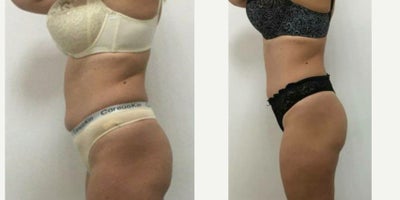
This 3-month transformation shows a visible shift through the waist and side profile. The record includes semaglutide alongside body-composition treatment, so it is best read as a combined-plan example rather than medication alone. For readers considering compounded semaglutide, the takeaway is realistic: steady appetite control and consistent habits usually matter more than expecting an overnight change.
2. 45-54 Woman: 3-Month Semaglutide Transformation
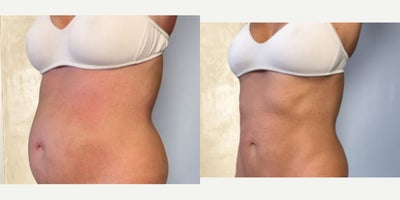
This before and after gives a helpful look at what the third month can start to reveal. The body looks more streamlined from the side, especially around the midsection. If someone is using compounded semaglutide through a legitimate prescriber and pharmacy, this kind of progress is still shaped by dose, nutrition, protein intake, movement, sleep, and follow-up care. High-Protein GLP-1 Meal Plan applies the same idea to meal planning.
3. 18-24 Woman: 3-Month Semaglutide Weight-Loss Result
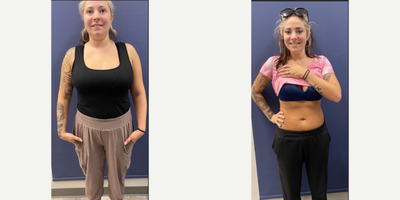
This 3-month example is one of the stronger short-timeline transformations. The source record notes a change from 132.8 pounds to 108.4 pounds, along with continued weight training. That detail matters because semaglutide can help reduce appetite, but the best-looking results often come from protecting muscle while losing fat.
4. 25-34 Woman: 4-Month Ozempic/Semaglutide Reference
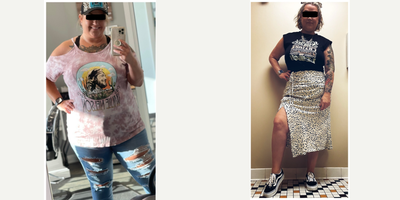
This four-month reference is useful for anyone comparing compounded semaglutide progress against brand-name semaglutide stories. The change is clearer than most early photos, with a leaner overall frame. It also shows why many people need several months before their results look dramatic in pictures.
5. 35-44 Woman: 6-Month Ozempic/Semaglutide Front View
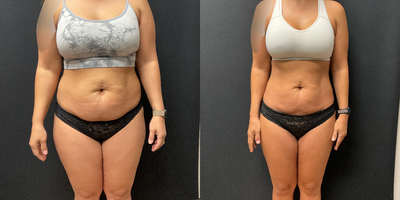
This longer timeline shows what can happen when the early appetite-control phase turns into months of consistency. The record describes a 30-pound loss over six months. For compounded semaglutide readers, it is a reminder that the label on the vial is not the whole story; the quality of the pharmacy, dose accuracy, and medical supervision matter. GLP-1 Appetite Loss covers the same topic from another angle.
6. 25-34 Woman: 6-Month Ozempic/Semaglutide Transformation
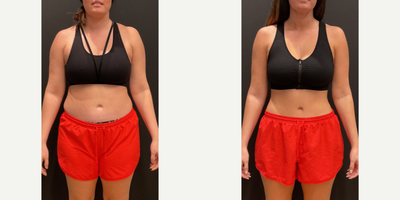
This transformation shows a much more obvious body change after a longer runway, with the record describing a 40-pound loss in six months. It helps set expectations for compounded semaglutide: some people see early movement on the scale, but the photo-worthy transformation often comes from staying consistent through month four, five, and six.
7. 45-54 Man: 7-Month Semaglutide Reference
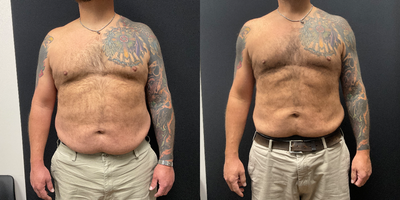
This male transformation adds a helpful perspective because GLP-1 results do not all look the same. The record notes a 45-pound loss over seven months. Whether someone is prescribed brand-name or compounded semaglutide, the safer goal is steady progress with enough protein, resistance training where appropriate, and regular check-ins to manage side effects and dosing.
What to Know Before Choosing Compounded Semaglutide
The safest path is to confirm exactly what you are receiving, who prescribed it, which pharmacy compounded it, what dose you should take, and how to measure that dose correctly. Be cautious with offers that do not require a real medical evaluation, products sold as research chemicals, or formulas that use semaglutide sodium or semaglutide acetate instead of the same active ingredient used in approved medications.
Sources
RealSelf semaglutide before and after photo gallery
FDA: Concerns with unapproved GLP-1 drugs used for weight loss
FDA: Dosing errors associated with compounded injectable semaglutide products

Leave a Reply
You must be logged in to post a comment.