
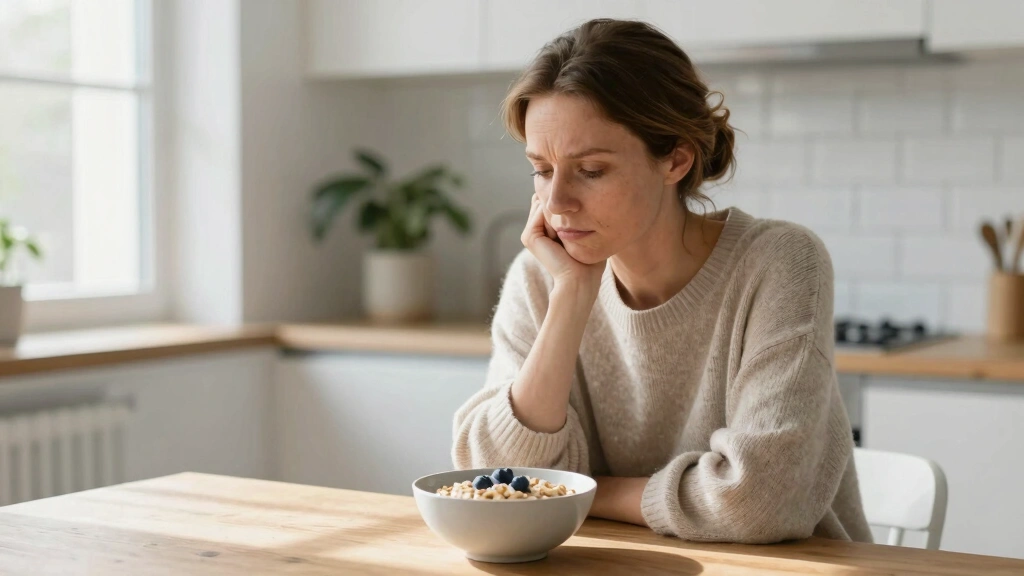
So, you took the plunge. You started your GLP-1 journey, whether through Ozempic, Wegovy, or Mounjaro. But now you face a strange reality: your stomach feels completely different, the thought of your favourite burger makes you recoil, and you have no idea what to put on your plate. How do you feed a body that suddenly rejects the very idea of food?
I remember my first week on a GLP-1 agonist. I stared at a simple bowl of oatmeal as if it were an alien life form. That familiar “food noise” in my brain simply vanished overnight. While that mental quiet felt like a miracle, it also left me incredibly confused about my daily nutrition. You cannot simply stop eating, after all. Your body still needs fuel, vitamins, and structure to lose weight safely.
Do not panic. I designed this comprehensive GLP-1 food plan to guide you through every twist, turn, and bout of mild nausea. Let us build a menu that works with your medication, not against it. Ready to transform your relationship with food?
Stage 1: The Initiation (Weeks 1 to 4)

Your body undergoes a massive physiological shift during these first four weeks. The GLP-1 medication slows your stomach emptying down to a crawl. Naturally, this sudden change might trigger some mild nausea, acid reflux, or fatigue. Your main goal during this phase involves comfort, hydration, and gentle transition.
Navigating the Early Nausea
How do you survive the first month without losing your mind? You keep your food incredibly simple and bland. Avoid heavy, greasy, and highly spiced meals because your sluggish stomach will simply reject them. Instead, stock your kitchen with dry toast, clear broths, crackers, and ginger tea.
IMO, ginger acts as a total lifesaver during these initial weeks. 🙂 Eat small, frequent meals throughout the day instead of forcing yourself to consume three massive feasts. If you feel full after three bites, stop eating. Listen to your body’s new signals immediately.
NEVER Ignore Your Hydration

Dehydration sneaky-attacks many GLP-1 users. Because you lose your appetite, you naturally forget to drink water. This neglect leads to headaches, fatigue, and severe constipation. Aim for at least two to three litres of water daily.
You can also sip on electrolyte drinks to keep your mineral levels steady. Keep a reusable water bottle next to you at all times. If plain water bores you, toss in some lemon slices or cucumber to make it more appealing.
Stage 2: Finding Your Rhythm (Weeks 5 to 12)
By week five, your body usually adapts to the medication. The initial nausea subsides, and you can focus on building a sustainable, nutrient-dense diet. Now, you must focus on the most critical nutrient of all: PROTEIN.

The Absolute Magic of Protein
Why do experts place so much emphasis on protein during a GLP-1 diet? When you lose weight rapidly, your body burns both fat and muscle tissue. If you do not consume enough protein, you will lose precious muscle mass. This loss slows down your metabolism and leaves you looking depleted rather than fit.
Target at least 1.2 to 1.6 grams of protein per kilogram of body weight daily. If you weigh 80 kilograms, aim for around 100 grams of protein. How do you hit this number when your appetite remains small? You prioritise protein at every single meal.
Use this quick list of high-quality protein sources to build your Wegovy meal plan:
- Skinless chicken breast or turkey: Low in fat, incredibly high in pure protein.
- Greek yogurt (0% fat): Offers a creamy texture, probiotics, and easy digestion.
- Tofu and tempeh: Excellent plant-based protein options that feel light on the stomach.
- Eggs and egg whites: Highly bioavailable protein that you can prepare in minutes.
- Whey or plant protein powder: A convenient way to drink your nutrients when chewing feels like a chore.
Fiber: Keep Your Digestive Tract Moving
Let us talk about the elephant in the room: constipation. Because GLP-1 medications slow down your digestion, waste moves through your colon at a sluggish pace. If you do not consume enough fiber, you will pay a painful price.
Load your plate with leafy greens, chia seeds, oats, and berries. Raspberries and blackberries contain massive amounts of fiber with very little sugar. However, increase your fiber intake slowly. If you flood your system with fiber overnight, you will experience painful gas and bloating.
Stage 3: The Long Game (Month 3 and Beyond)
You have mastered the basics, survived the initial side effects, and established your protein routine. Now you need to create a lifestyle that you can maintain for years. This stage focuses on balance, food quality, and mindless habits.
Balancing Healthy Fats and Carbohydrates
Do not fear carbohydrates. Your brain and muscles run on glucose, so you still need them to function. However, swap simple carbs (white bread, sugary cereals, pastries) for complex carbohydrates. Sweet potatoes, quinoa, brown rice, and lentils digest slowly and prevent energy crashes.
Incorporate healthy fats in moderation. Avocados, extra virgin olive oil, walnuts, and wild-caught salmon support your hormone health and keep your skin glowing. Remember, fats contain high calories, and since your stomach capacity remains small, a little goes a very long way.
| Food Category | What to Choose | What to Limit |
|---|---|---|
| Carbohydrates | Quinoa, oats, sweet potatoes, berries | White bread, pastries, sugary soda |
| Proteins | Chicken, fish, tofu, egg whites, Greek yogurt | Fatty bacon, fried chicken, salami |
| Fats | Avocado, olive oil, almonds, chia seeds | Margarine, heavy cream, deep-fried food fats |
Practice Mindful Eating Without Hunger
Ever wondered why GLP-1 medications work so well? They remove the constant, obsessive thoughts about food. While this mental peace feels incredibly liberating, it can also lead to under-eating. If you go all day without eating, you will experience severe fatigue and nutritional deficiencies.
Establish a regular eating schedule. Set reminders on your phone if you constantly forget to eat lunch. View food as medicine and strength. Focus on nutrient density rather than volume.
Foods to Avoid on Your GLP-1 Journey
Some foods simply do not mix well with GLP-1 medications. If you consume these, prepare for severe stomach upset, cramping, and bathroom emergencies. Avoid these main offenders to keep your journey smooth:
- Ultra-processed foods: Fast food, greasy burgers, and chips sit in your stomach for hours. They will trigger acid reflux and nausea.
- Carbonated beverages: Fizzy water, diet sodas, and beer fill your stomach with excess gas. This leads to immediate, painful bloating.
- Excessive alcohol: Alcohol irritates your stomach lining. It can also cause sudden drops in blood sugar when combined with GLP-1s.
- High-sugar treats: Large amounts of refined sugar can trigger dumping syndrome. You will feel sweaty, shaky, and exhausted.
Frequently Asked Questions
Can I drink coffee on a GLP-1 medication?
Yes, you can drink coffee, but proceed with caution. Many users find that coffee tastes different or causes acid reflux after starting their medication. Limit your intake to one cup in the morning, and avoid loading it with sugary syrups and heavy cream.
What should I do if I experience severe constipation?
First, increase your daily water intake immediately. Second, add a scoop of soluble fiber or a magnesium supplement to your evening routine. If the issue persists for more than three days, contact your doctor for medical advice.
Do I need to take supplements on this plan?
Because you eat less food, you might miss out on essential micronutrients. Many doctors recommend a high-quality multivitamin, vitamin D, and omega-3 fish oil. Speak to your healthcare provider to tailor a supplement plan to your bloodwork.
Embrace Your New Relationship With Food
A GLP-1 food plan does not require starvation or misery. Instead, it invites you to fuel your body with intention, quality, and respect. You finally have the tools to quiet the mental chatter and focus on true nutrition. Take your time, prioritize your protein, drink your water, and watch your body transform. You have got this!