

Did a nasty case of typhoid knock you off your feet? You probably feel like a deflated balloon right now. I remember my own battle with this stubborn bug, and trust me, staring at a plate of bland food did not spark joy. But your body needs fuel to defeat those pesky Salmonella Typhi bacteria. How do you feed yourself without making your protesting stomach even angrier?
Let’s design a simple, effective typhoid diet plan to get you back on your feet quickly. You do not need exotic ingredients or complicated recipes. You just need a strategic approach to soothe your gut and rebuild your energy.
Why Your Diet Plan is Your Secret Weapon
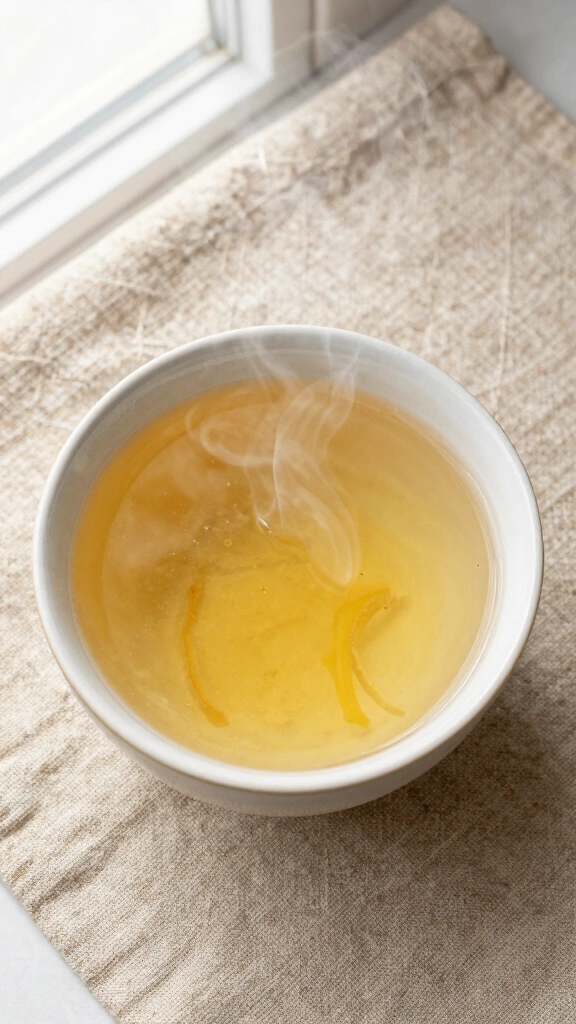
Salmonella bacteria attack your digestive tract and cause intense inflammation. A single poor food choice can trigger painful cramps, severe diarrhea, or worse. On the flip side, the right foods soothe your gut lining and speed up your recovery process.
Think of your stomach as a construction site after a storm. Do you want to throw heavy bricks at the workers, or do you want to give them light, easy-to-use materials? Easy-to-digest nutrients help your body rebuild tissues without wasting precious energy on heavy digestion.
Did you know that typhoid drastically saps your energy reserves? The fever burns calories at a rapid rate. You need a strategic plan to replenish lost calories, proteins, and electrolytes without overloading your sensitive stomach.
Phase 1: Keep It Liquid and Light
During the first few days of high fever, your digestive system practically goes on strike. Do not force heavy solid meals down your throat. Focus entirely on hydration and easy nutrient absorption.
Here is what you should consume during this initial phase: High Protein Meal Plan applies the same idea to meal planning.
- Coconut Water: This natural wonder provides important electrolytes like potassium and sodium. IMO, it is the absolute MVP of this phase. 🙂
- Fresh Fruit Juices: Choose strained juices like orange or grape, but skip the pulp for now to avoid excess fiber.
- Barley Water: This traditional remedy eases stomach irritation and provides light, clean energy.
- Clear Vegetable Broth: A warm broth delivers essential minerals and keeps dehydration at bay.
Make sure you drink small sips throughout the day. Gulping down large amounts of liquid can trigger nausea. Ever wondered why simple sips work so well? They prevent your stomach from stretching too quickly.
Phase 2: Transitioning to Soft Foods
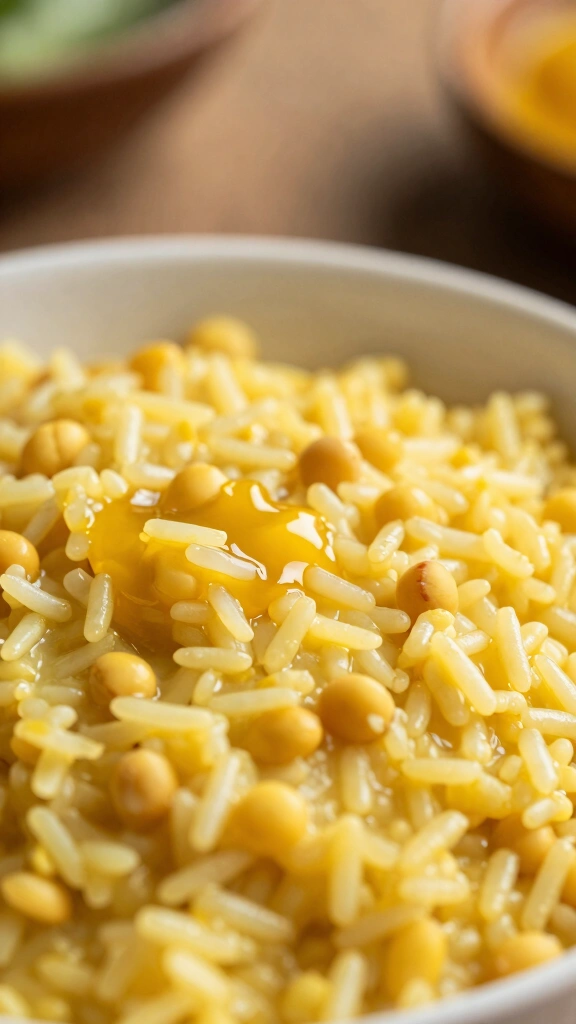
Once your fever subsides, your appetite will slowly return. But do not celebrate with a double cheeseburger just yet! You still need to treat your digestive system with extreme care.
Transition to soft, low-fiber foods that require minimal effort to digest. Carbohydrates should be your best friend during this phase. They provide quick energy without stressing your intestines.
Top Soft Foods for Typhoid Recovery
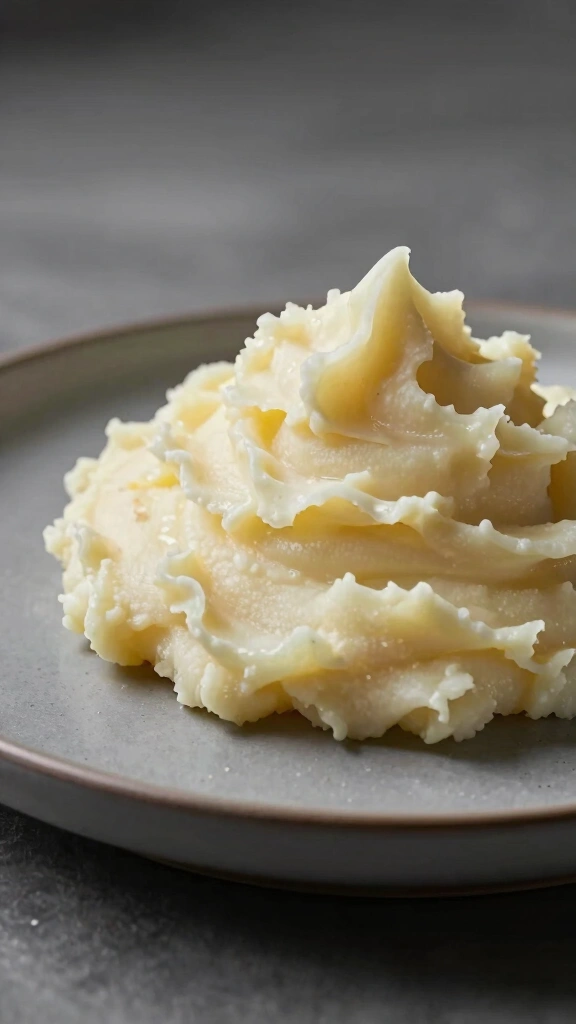
- Mashed Potatoes: Boil them thoroughly and mash them without skins. They offer clean, easily digestible calories.
- White Rice and Moong Dal Khichdi: This classic comfort food provides a perfect balance of carbs and light protein.
- Bananas: Bananas pack plenty of potassium and help firm up loose stools.
- Boiled Apples: Stewed or boiled apples make a fantastic, soothing snack because boiling breaks down the tough plant fibers.
How long should you stay on this soft diet? Listen to your body, but generally stick to these foods for at least a week after your fever drops.
Foods to Avoid Like the Plague
Some foods will set your recovery back by days. You must ruthlessly cut them from your plate until you fully recover.
First, banish high-fiber foods. Fiber forces your intestines to work overtime, which you absolutely do not want right now. Keep raw vegetables, whole grains, and heavy oats off the menu.
Second, stay away from spicy and oily dishes. Chili powder, pepper, and deep-fried snacks will irritate your raw stomach lining. Do you really want to trigger acid reflux on top of typhoid? I didn’t think so.
Here is a quick blacklist for your kitchen:
- Raw salads and broccoli: These vegetables pack too much tough fiber.
- Deep-fried items: Heavy grease slows down your digestion.
- Spices like chili and mustard: These ingredients irritate your stomach lining.
- Carbonated drinks and caffeine: They dehydrate you and cause uncomfortable bloating.
- Heavy dairy products: Butter and heavy cream strain your gut.
A Simple 7-Day Typhoid Diet Plan Chart
This sample chart offers a structured guide for your recovery weeks. Always check if your body tolerates these changes before moving to the next stage. Full Liquid Diet Food List covers the same topic from another angle.
| Day | Breakfast | Lunch | Dinner |
|---|---|---|---|
| Days 1-2 | Strained orange juice + Coconut water | Clear vegetable broth + Barley water | Warm rice water with a pinch of salt |
| Days 3-4 | One banana + Well-cooked thin rice porridge | Soft mashed white rice with moong dal | Mashed potatoes + Warm vegetable soup |
| Days 5-7 | Soft boiled egg (if your stomach tolerates it) + Toast | Well-cooked rice with fresh curd + Boiled carrots | Soft paneer + Well-cooked rice and dal |
If a particular food makes you feel bloated or nauseous, drop it immediately. Return to the liquid phase for a meal or two until your stomach settles.
Protein: The Building Block You Can’t Ignore
Severe fever burns through your body’s protein stores. Your muscles suffer as a result, which explains that wet-noodle feeling in your limbs. You must consume clean, easy proteins to rebuild your strength.
Avoid heavy meats like steak or pork. Instead, rely on soft paneer, tofu, and well-cooked eggs. If you eat meat, choose boiled chicken breast and shred it finely to help your stomach digest it easily.
Yellow moong dal also offers a fantastic, low-fat source of protein. Ensure you cook it until it becomes completely mushy.
Important Rules for Safe Food Preparation
How you prepare your food matters just as much as what you eat. Salmonella spreads through contaminated food and water. You must maintain strict hygiene standards to prevent reinfection or spreading the bug to your family.
First, boil all drinking water. Keep the water at a rolling boil for at least one full minute before you cool it. Do not trust normal tap water, even if you use a basic filter.
Second, wash your hands thoroughly with soap and warm water before touching any food. If you are preparing food for a patient, sanitize your cooking space daily.
Third, serve all meals hot. Freshly cooked food kills off remaining bacteria. Do not leave food sitting at room temperature for hours.
Frequently Asked Questions
Can I eat curd during typhoid?
Yes, curd or yogurt works wonders during typhoid. It contains healthy probiotics that support your struggling gut bacteria. Just ensure the curd is fresh, homemade, and not too sour.
Why do I feel so weak even after the fever stops?
Typhoid drains your body’s energy reserves and depletes muscle mass. Your body takes time to rebuild these tissues. Patience is key here; do not rush the recovery process.
Can I drink milk?
Skip heavy whole milk during the acute phase of the illness. It can cause gas and diarrhea. Once you feel better, you can introduce diluted skimmed milk slowly.
Getting Back Your Bounce
Recovering from typhoid requires time, rest, and a gentle diet plan. Listen to your gut and do not rush back to your spicy favorites. By eating clean, soft, and hydrating foods, you give your body the best tools for a speedy recovery.
Stay hydrated, get plenty of rest, and follow your doctor’s antibiotic schedule. You will beat this bug in no time!
