

So, you finally decided to take control of your metabolic health. You hold that shiny new Tirzepatide box in your hands, but the tiny print on the package insert looks like ancient hieroglyphics. How much do you actually inject? When do you step up the dose? And why does the schedule look so slow?
Do not panic. Dosing this medication does not require a medical degree, even if it feels intimidating at first. We created this ultimate week-by-week Tirzepatide dosage guide to answer your questions, ease your mind, and prep you for the journey ahead.
We will walk you through the standard titration schedule, explain what happens to your body at each step, and share some hard-earned tips to keep side effects at bay. Let’s clear up the confusion so you can focus on your health goals.
What Exactly Is Tirzepatide?
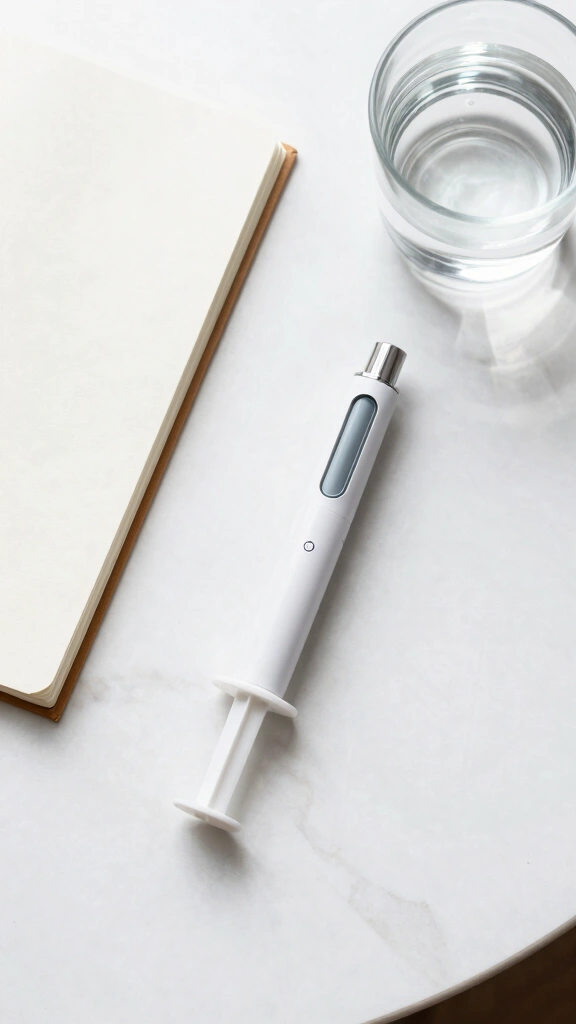
Before you stick a needle in your skin, you should know what you are putting into your body. Tirzepatide is a dual GIP and GLP-1 receptor agonist. Eli Lilly developed this molecule, selling it under the brand names Mounjaro for type 2 diabetes and Zepbound for weight loss.
Unlike older medications that target only one hormone receptor, Tirzepatide targets two. It mimics your body’s natural gut hormones to regulate blood sugar, slow down digestion, and signal your brain that you feel full. IMO, this dual-action mechanism makes it a massive game-changer for metabolic health. 🙂
Because this drug affects your digestive system so deeply, you cannot just start with the maximum dose. You must ease your body into it. If you take too much too soon, your stomach will launch a full-scale rebellion.
The Ultimate Tirzepatide Dosage Chart
Doctors prescribe Tirzepatide on a strict four-week escalation schedule. This slow step-up process allows your gastrointestinal tract to adapt to the hormone levels. The table below outlines the standard protocol that healthcare providers use.
Keep in mind that you do not necessarily have to reach the 15.0 mg dose. Many patients find their sweet spot at 5.0 mg or 10.0 mg and stay there for months. You should always discuss dose changes with your doctor before altering your routine. Easy High-Protein GLP-1 Meals to Preserve Muscle While You Lose Weight covers the same topic from another angle.
Week-by-Week Guide: What to Expect at Each Dose

Every person reacts to Tirzepatide differently. However, clinical data and patient experiences point to a general timeline of what you will feel during the process.
Weeks 1 to 4: The 2.5 mg Initiation Dose
Think of the 2.5 mg dose as the handshake. It introduces the medication to your receptors without overwhelming them. Eli Lilly designed this starter dose purely for safety and tolerability, not for therapeutic effect.
Do some people lose weight during these first four weeks? Absolutely. But do not panic if you lose nothing at all. Right now, your body is simply building tolerance. You might experience mild nausea, a dry mouth, or slight fatigue as your brain learns to ignore the constant urge to snack.
Weeks 5 to 8: The 5.0 mg Step-Up
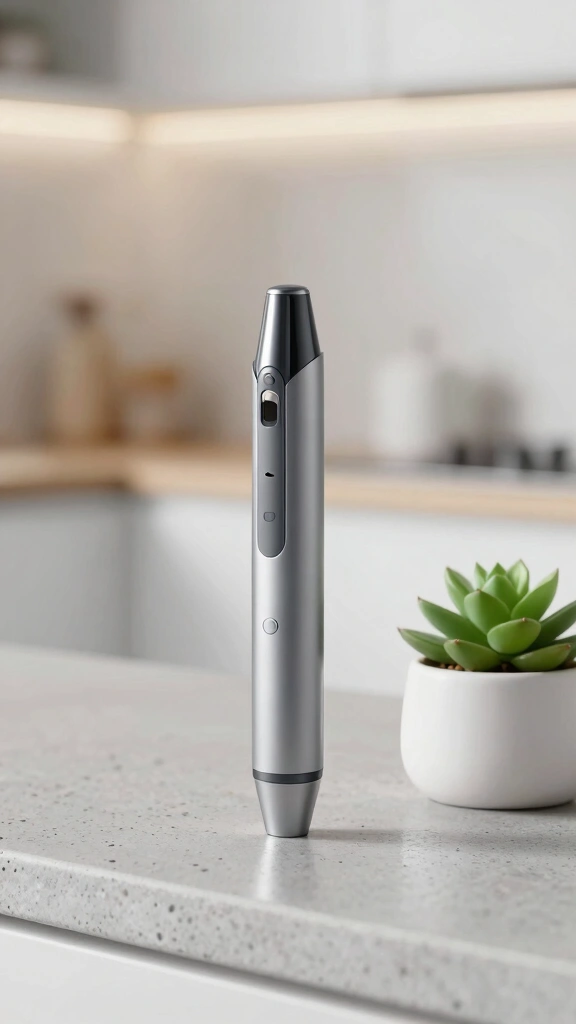
During week five, you double the dose to 5.0 mg. This level represents the first actual therapeutic dose for weight loss and blood sugar management. You will likely notice a significant drop in “food noise”, that annoying mental voice that constantly tells you to eat.
Expect some digestive changes here. Because Tirzepatide slows stomach emptying, you will feel full on much smaller portions. If you overeat at this stage, your stomach will remind you immediately through bloating, gas, or nausea.
Weeks 9 to 12: The 7.5 mg Intermediate Dose
If your weight loss stalls on 5.0 mg, your doctor may transition you to 7.5 mg. This dose helps patients push past early plateaus. Many users find that their sweet spot lies right here, balancing strong appetite suppression with manageable side effects.
Make sure you drink plenty of water during this month. Dehydration can mimic drug side effects, making you feel weak, dizzy, or constipated. Keep electrolytes handy to support your system.
Weeks 13 to 20: The 10.0 mg and 12.5 mg Doses
At 10.0 mg and 12.5 mg, you enter the high-dose territory. Patients with severe insulin resistance or significant weight loss goals often need these strengths to sustain progress. By this point, your body should tolerate the medication well, but you may still feel a wave of tiredness on the day after your injection. The Best High-Protein Snacks for GLP-1 Users to Stay Full Between Meals covers the same topic from another angle.
Week 21 and Beyond: The 15.0 mg Maximum Maintenance Dose
The road ends at 15.0 mg. Clinical trials show that patients lose the most weight at this strength, but it also carries the highest risk of gastrointestinal distress. You will maintain this dose for as long as you need to achieve or sustain your health targets.
How to Inject Tirzepatide Safely
Self-injecting can feel terrifying the first time. Thankfully, the single-dose pens make the process incredibly simple and virtually painless. Follow these five steps to ensure a smooth injection:
- Choose your site: You can inject into your abdomen (at least two inches from your belly button), your thigh, or the back of your upper arm. Rotate your injection site every single week to prevent hard lumps from forming under your skin.
- Prep the skin: Wash your hands with warm water and soap. Wipe your chosen injection site with an alcohol swab and let it air dry completely.
- Unlock the pen: Pull the base cap off the pen. Do not touch the needle tip. Twist the top lock ring to the unlock position.
- Position and press: Place the clear base flat against your skin. Push the top button down and hold it. You will hear a loud click when the injection starts.
- Listen for the second click: Keep holding the pen against your skin. You will hear a second click about 5 to 10 seconds later, indicating the injection completed. Remove the pen and discard it safely.
Do you prefer morning or night injections? Many patients inject Tirzepatide on Friday nights before bed. This schedule allows them to sleep through any immediate nausea and handle the peak effects over the weekend.
Managing Common Tirzepatide Side Effects
We cannot sugarcoat it: you will likely experience some side effects on this journey. Because Tirzepatide slows your entire digestive tract, your body must adapt to a new operational speed. Here is how you can fight back against the most common issues:
Quick Tips to Fight Nausea & Indigestion:
- Avoid high-fat, greasy, and fried foods, which sit in your stomach longer and cause reflux.
- Eat slowly and stop eating the very second you feel slightly full.
- Sip ginger tea or chew peppermint gums to soothe your stomach lining.
- Eat small, frequent meals rather than three large meals a day.
Constipation also plagues many users. Since your digestion slows down, your colon absorbs more water from your food, leading to hard stools. You can prevent this by consuming plenty of dietary fiber, drinking a gallon of water daily, and taking a daily magnesium supplement if your doctor approves.
Mistakes to Avoid on Your Dosing Journey
When you start a new medication, you want fast results. But rushing this process can land you in the emergency room. Avoid these common blunders to keep your journey safe and successful.
Do not skip steps on the dosage chart. You might feel tempted to jump from 5.0 mg to 10.0 mg to speed up weight loss. Do not do this. Rushing the titration schedule will likely trigger severe vomiting, dehydration, and intense stomach pain.
Do not force yourself to eat huge portions. Your body is learning to survive on less. Listen to your hunger cues. If you try to finish a massive plate of food out of habit, you will likely regret it a few hours later when the nausea sets in.
Do not forget your protein intake. When your appetite drops, you will eat less food overall. If you do not prioritize protein, your body will burn muscle tissue for energy instead of fat. Focus on lean meats, Greek yogurt, eggs, and protein shakes to protect your lean mass.
Frequently Asked Questions
What should I do if I miss a dose?
If you miss a dose of Tirzepatide, administer it as soon as you remember within 4 days. If more than 4 days have passed, skip the missed dose completely and take your next dose on your regularly scheduled day. Never take two doses within 3 days of each other.
Can I stay on the 2.5 mg dose permanently?
While the 2.5 mg dose is an initiation dose, some highly sensitive individuals lose weight successfully on it for months. If you continue to see progress and your blood sugar remains stable, your doctor may allow you to stay at this level. However, most patients eventually need to step up to maintain results.
How long does Tirzepatide stay in your system?
Tirzepatide has a half-life of approximately 5 days. This means it takes about 25 to 30 days for the medication to clear from your body completely after your very last injection.
Does Tirzepatide require refrigeration?
Yes. You must store your unused pens in the refrigerator between 36°F and 46°F (2°C to 8°C). You can keep your active pen at room temperature (up to 86°F or 30°C) for up to 21 days, but you must throw it away if it remains unrefrigerated longer than that.
Patience Is Your Greatest Asset
Ultimately, Tirzepatide is a tool, not a magic wand. The week-by-week titration schedule exists to protect your body and ensure you can tolerate the medication over the long haul. Do not rush the process, even if your weight loss seems slow during the first month.
Focus on building healthy habits, eating nutritious foods, and staying hydrated. If you follow the dosage chart and work closely with your doctor, you will set yourself up for incredible, sustainable success. You’ve got this!
