So, the hormone roller coaster finally stopped, but now you face a new reality. Your body changed the rules of the game overnight, didn’t it?
My close friend Sarah called me last month in a total panic. She still ate her usual salads and walked her dog daily, yet her favorite jeans refused to button. “What did I do wrong?” she asked me over the phone.
I told her the truth: she did absolutely nothing wrong. Welcome to life after menopause, where your hormone levels drop and your metabolism takes an unannounced vacation. But do not despair. You do not have to accept weight gain, fatigue, and brain fog as your permanent roommates. A targeted post menopausal diet can help you reclaim your energy, protect your bones, and feel comfortable in your skin again. Consider how you can feed your body for this vibrant new chapter.
Why Does Menopause Change the Nutritional Rules?

During this phase of life, your ovaries stop producing estrogen and progesterone. This shift does far more than just end your monthly cycle. Estrogen regulates your metabolism, cholesterol levels, and bone density. When these hormone levels plunge, your body changes how it handles calories.
For starters, you lose muscle mass more quickly. Since muscle burns more calories than fat, a loss of muscle slows your metabolic engine. Suddenly, your body stores fat around your abdomen rather than your hips and thighs. Have you noticed this shift yourself?
Furthermore, menopause increases your risk for heart disease and osteoporosis. Therefore, we must focus on nutrient-dense foods that support your heart, strengthen your bones, and stabilize your blood sugar. You cannot rely on the same eating habits that worked in your twenties and thirties.
The Core Pillars of a Winning Post Menopausal Diet
You do not need a restrictive, miserable diet to get results. Instead, you should add specific, nutrient-rich foods to your daily meals. Consider the absolute must-haves for your grocery list.
1. Phytoestrogens: Nature’s Hormone Balance

Can plants actually mimic your hormones? Yes, they can. Phytoestrogens are plant-based compounds that weakly bind to estrogen receptors in your body. They can ease hot flashes and support your cardiovascular health.
To get these benefits, eat whole soy foods like edamame, tofu, and tempeh. Flaxseed also packs a massive phytoestrogen punch. Grind some flaxseeds and sprinkle them onto your morning oatmeal or yogurt. FYI, always buy ground flaxseed because your body cannot digest whole flaxseeds.
Let’s address the elephant in the room: is soy safe? For years, conflicting headlines scared women away from soy products. However, modern research shows that moderate soy consumption does not increase your risk of breast cancer. In fact, soy provides high-quality protein and supports cardiovascular health. Choose minimally processed soy like organic tofu and edamame, and avoid highly processed soy protein isolates.
2. Calcium and Vitamin D for Bone Protection
Estrogen decline accelerates bone loss, which can lead to osteoporosis. To keep your bones strong, you need 1,200 milligrams of calcium daily. Have you checked your intake lately?
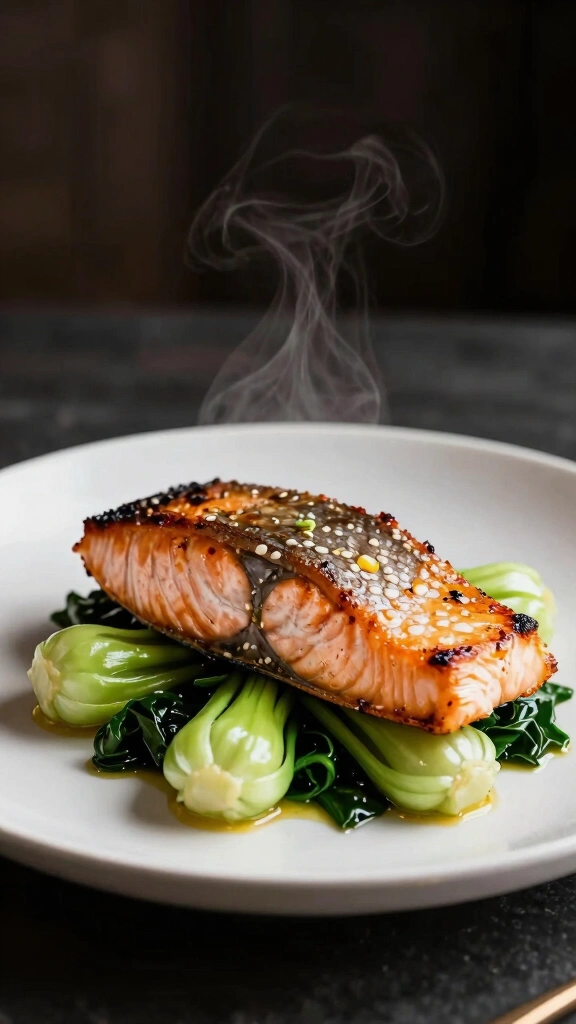
While dairy products like yogurt and cheese offer plenty of calcium, you can also find this mineral in other sources. Try canned salmon with the bones, dark leafy greens like kale and bok choy, and fortified plant milks. Always pair your calcium with Vitamin D to ensure your body absorbs it properly.
3. High-Quality Protein to Protect Muscle
If you want to maintain a fast metabolism, you must eat enough protein. Protein preserves your lean muscle mass and keeps you full for hours, which prevents mindless snacking.
Aim for 25 to 30 grams of protein per meal. Excellent options include grass-fed beef, skinless chicken breast, wild-caught fish, eggs, lentils, and black beans. Eat protein at breakfast to curb mid-morning cravings and maintain stable energy levels throughout the day.
Why does muscle mass matter so much? Muscle tissue acts as your body’s primary calorie burner. When you lose muscle, you lower your metabolic rate, which makes weight management incredibly difficult. Furthermore, muscle protects your joints and improves your balance. You do not need to lift massive weights like a bodybuilder to reap these benefits. Simple bodyweight exercises, resistance bands, or light dumbbells will stimulate muscle growth and preserve your strength.
4. Heart-Healthy Fats
Since heart disease risk rises after menopause, you must protect your blood vessels. Omega-3 fatty acids reduce inflammation and lower your triglycerides, keeping your cardiovascular system in top shape. Low Cortisol Diet covers the same topic from another angle.
Incorporate extra virgin olive oil, avocados, walnuts, and fatty fish into your diet. Swap butter for olive oil when you cook. Your heart will thank you for making this simple switch.
Nurturing Your Gut Microbiome
Did you know that your gut bacteria play an important role in estrogen metabolism? Scientists call this specific group of gut bacteria the estrobolome.
A healthy estrobolome helps your body process and recycle estrogen. When your gut health suffers, your body struggles to balance its remaining hormones. To support your gut, you must feed these beneficial bacteria with prebiotic and probiotic foods.
Prebiotics act as food for your gut microbes. Eat plenty of garlic, onions, leeks, asparagus, and bananas to keep them happy. Probiotics, on the other hand, introduce helpful live bacteria into your system. Incorporate fermented foods like kefir, kimchi, sauerkraut, and kombucha into your weekly routine. A happy gut improves digestion, strengthens your immune system, and helps regulate your weight.
Foods to Limit (Keep the Peace with Your Body)
You do not have to banish your favorite foods forever. However, you should consume certain items with caution. Some foods can worsen hot flashes, promote weight gain, and disrupt your sleep.
Consider the main foods that you should limit:
- Refined Carbohydrates and Added Sugars: White bread, pastries, and sodas spike your blood sugar. These spikes cause energy crashes and encourage your body to store belly fat. Choose whole grains like quinoa, brown rice, and oats instead.
- High-Sodium Foods: Excess salt causes water retention and raises your blood pressure. Read food labels carefully and choose low-sodium options when you buy packaged goods.
- Alcohol and Caffeine: Many women report that red wine or a late-afternoon coffee triggers intense hot flashes. IMO, limit your caffeine intake to the morning and save alcoholic beverages for special occasions.
A Realistic 3-Day Sample Meal Plan
Let’s make this practical. Here is a simple, three-day meal plan that supports your post menopausal body. It balances proteins, healthy fats, and complex carbohydrates to keep your energy high.
Day 1
- Breakfast: Two eggs scrambled in olive oil with spinach and feta, plus one slice of sprouted-grain toast.
- Lunch: A large mixed greens salad with grilled salmon, walnuts, and a lemon-tahini dressing.
- Dinner: Grilled chicken breast, roasted Brussels sprouts, and half a baked sweet potato.
Day 2
- Breakfast: Plain Greek yogurt with fresh blueberries, ground flaxseed, and a drizzle of raw honey.
- Lunch: A quinoa bowl containing black beans, avocado, diced tomatoes, cilantro, and a lime-olive oil dressing.
- Dinner: Sautéed tofu, broccoli, bell peppers, and snap peas with a low-sodium soy sauce over brown rice.
Day 3
- Breakfast: Oatmeal with almond milk, chia seeds, protein powder, and sliced strawberries.
- Lunch: A turkey breast wrap inside a whole-wheat tortilla with spinach, cucumbers, hummus, and tomatoes.
- Dinner: Baked cod with a side of asparagus and a wild rice pilaf.
Hydration: Your Secret Weapon
Did you know that menopause affects your body’s hydration levels? Lower estrogen levels make your tissues drier, which can cause dry skin, dry eyes, and joint stiffness.
Water also supports your digestion and helps your kidneys flush out waste. Drink at least 8 to 10 glasses of water daily. If you find plain water boring, add fresh cucumber slices, mint leaves, or a squeeze of lime to your glass. 🙂
Essential Lifestyle Habits for Success
You cannot rely on diet alone to navigate this transition. Your daily habits can multiply the benefits of your post menopausal diet and speed up your results.
Prioritize Strength Training
While cardio exercises keep your heart healthy, strength training protects your bones and muscles. Lift weights or use resistance bands at least twice a week. Muscle tissue burns more calories than fat tissue, so building muscle will boost your resting metabolic rate.
Manage Stress and Cortisol
Chronic stress releases cortisol, a hormone that encourages fat storage around your midsection. Cortisol also triggers cravings for sugary, high-fat foods. Practice daily stress-relief techniques like deep breathing, yoga, or walking in nature.
Protect Your Sleep
Sleep disruption is a common menopause symptom, yet poor sleep alters your hunger hormones. When you lack sleep, your body produces more ghrelin (the hunger hormone) and less leptin (the fullness hormone). Establish a soothing bedtime routine and keep your bedroom cool to combat night sweats.
Embrace Your Fresh Start
Your post-menopausal years represent a fresh start, not the end of your vitality. By adjusting your eating habits, you can take control of your health, boost your energy, and minimize uncomfortable symptoms. Remember, this transition does not require absolute perfection.
Focus on making small, nourishing changes each day, and your body will thank you. Which nutritious food will you add to your plate tonight?