
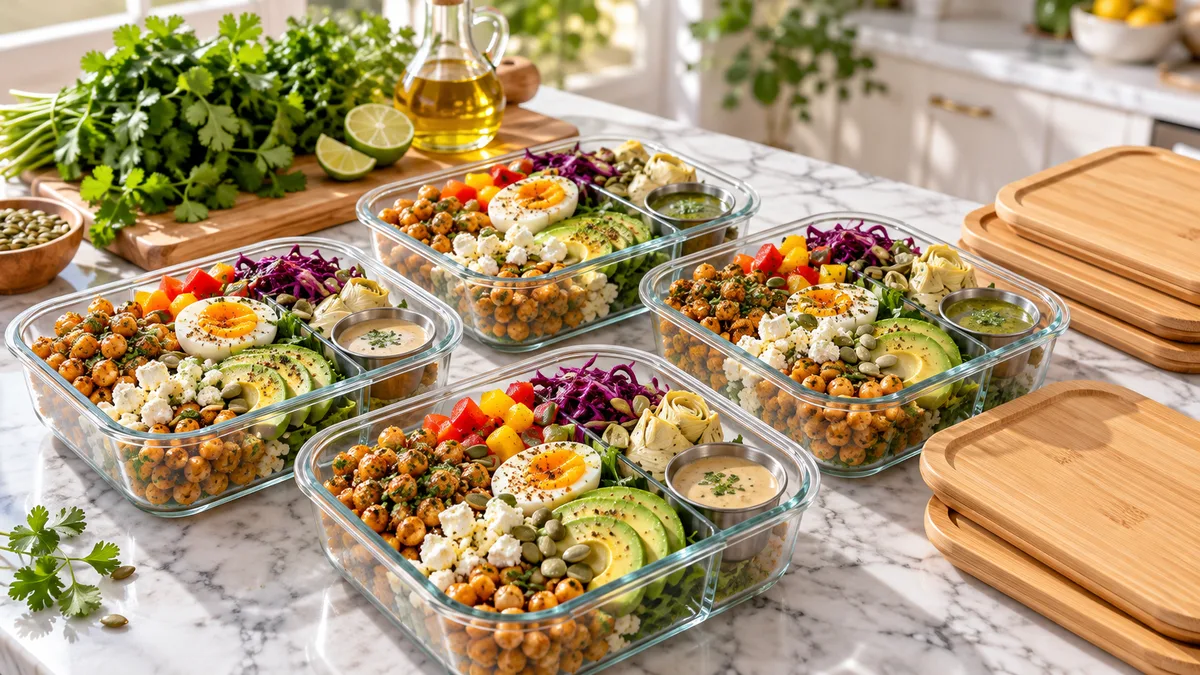
You survived a grueling workweek, and the last thing you want on Sunday afternoon is to sweat over a hot stove. Nobody wants to spend three hours boiling chicken breasts, scraping crusty sheet pans, and heating up a small kitchen. Yet every time you pack a standard green salad for work, you end up raiding the break room at 2:30 PM for stale crackers. Limp lettuce leaves just do not fuel an adult through an eight-hour shift.
Most no-cook meal prep guides fail because they mistake plain vegetables for a complete meal. When lunch lacks staying power, you abandon your routine by Tuesday. You can skip the oven, leave the burners off, and still assemble lunches that stave off hunger for five hours.
I switched to a zero-cooking prep system during a heatwave two summers ago, and weekday lunches finally became effortless. When you build meals around direct proteins, healthy fats, and dense plant fibers, you can pack a full workweek of satisfying food in 45 minutes flat.
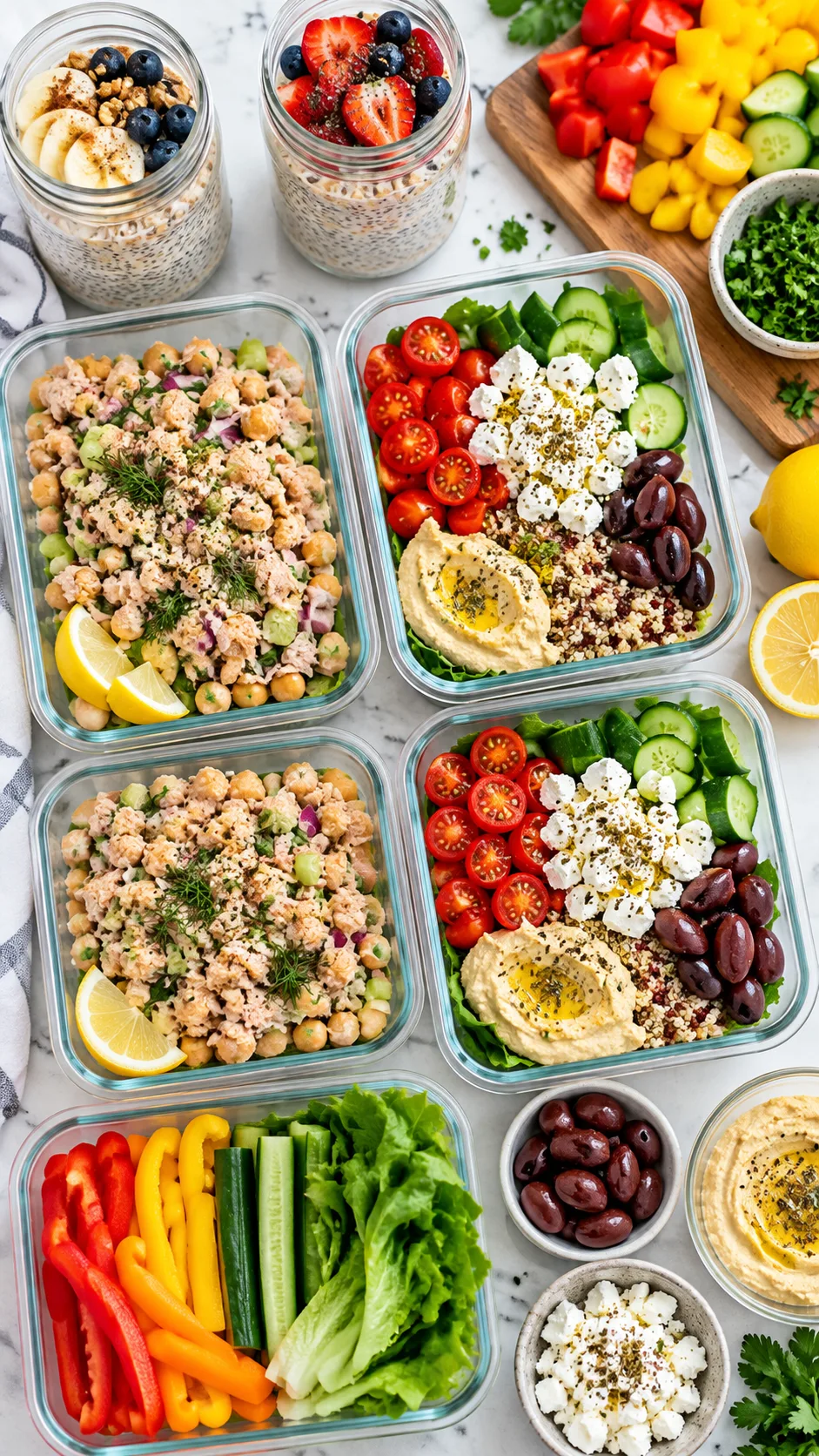
The satiety formula: Why most no-cook meals fail
A massive garden salad leaves your stomach growling within an hour for a simple physiological reason: volume alone does not create fullness. A bowl of watery greens and fat-free dressing stretches your stomach walls briefly, but your digestive tract clears that liquid volume rapidly.
To stay satisfied until dinner, your food must trigger specific hormones in your gut. Your body releases peptide YY and GLP-1 when a meal delivers substantial dietary protein and viscous soluble fiber. The Harvard T.H. Chan School of Public Health notes that dietary protein triggers these fullness signals far better than refined carbohydrates.
Fats act as a brake pedal for your stomach. They slow gastric emptying, which prompts your digestive tract to process food steadily over hours rather than dumping sugar into your bloodstream. To build containers that carry you through the week, structure each meal around four components:
- Anchor protein (25 to 35 grams): Canned fish, Greek yogurt, edamame, firm tofu, cottage cheese, or pre-cooked poultry.
- Viscous fiber (8 to 12 grams): Canned beans, chia seeds, avocado, raspberries, and crunchy cruciferous vegetables like shaved cabbage.
- Slow-burning fats (15 to 20 grams): Extra virgin olive oil, tahini, pumpkin seeds, hemp hearts, and walnuts.
- Hydrating crunch: Cucumbers, bell peppers, celery, and radishes to satisfy your natural desire to chew.
When you combine these elements, you eliminate the mid-afternoon energy slump and skip the trip to the vending machine.
The powerhouse pantry: Ingredients that require zero heat
A fast meal prep routine relies on a deliberate pantry. You do not need culinary school credentials to drain a can of chickpeas or slice a cucumber. You only need staples that deliver solid nutrition straight from the package.
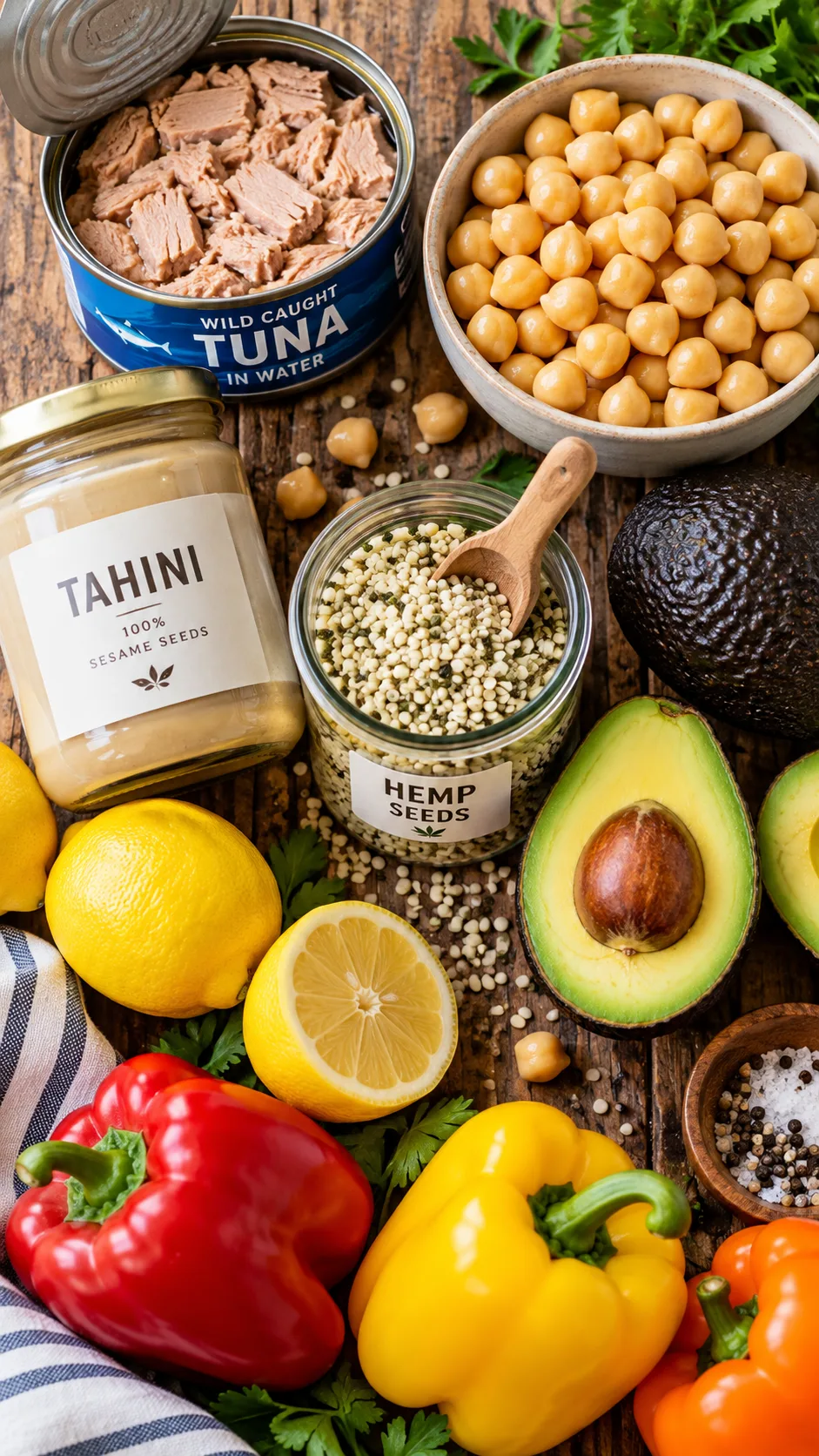
Zero-cooking proteins
Skip the frying pan and rely on these convenient, high-yield protein sources instead:
- Canned wild albacore tuna and salmon: These options provide up to 30 grams of protein per tin along with omega-3 fatty acids.
- Plain Greek yogurt and cottage cheese: A single cup of low fat cottage cheese supplies 28 grams of casein protein, which digests slowly and holds hunger off for hours.
- Canned lentils and chickpeas: Legumes combine plant protein with prebiotic fiber. Rinse them under cold water to wash away excess sodium.
- Shelled edamame: Buy them thawed in produce aisles or thaw frozen edamame overnight in your refrigerator. One cup yields 18 grams of complete plant protein.
- Rotisserie chicken: Pull the meat from the bone on Sunday. You avoid turning on your oven while securing tender, seasoned meat for days.
If you want a structured routine with specific protein targets, our high protein meal plan covers macronutrient balance in depth.
Unsung fiber champions
Leave the fragile butter lettuce at the market. Tender greens wilt into brown sludge by Wednesday. Instead, pick robust produce that holds its crunch all week:
- Shredded red and green cabbage: Cabbage resists moisture better than tender salad greens. It stays crisp for seven days, even beneath thick vinaigrettes.
- Persian cucumbers: These cucumbers contain minimal seed pulp and very little excess water, which prevents containers from turning soggy.
- Hearts of palm and artichoke hearts: Canned varieties add firm texture, gut-friendly fiber, and a bright flavor to grain-free bowls.
- Chia seeds: These seeds soak up twelve times their weight in liquid and expand in your stomach to prolong fullness. Research from the Cleveland Clinic confirms that viscous fibers help stabilize blood sugar throughout the day.
The 45-minute Sunday system: How to prep without making a mess
A cluttered kitchen ruins motivation faster than a difficult recipe. To make this habit stick, set up your work area like an assembly line. Grab five wide-mouth quart mason jars, three shallow glass containers, and a sharp chef’s knife.
Prep ingredients in order of moisture. Chop dry produce first, rinse and drain canned goods second, and mix dressings last. This sequence keeps your cutting board clean and leaves only a few tools to wash at the end.
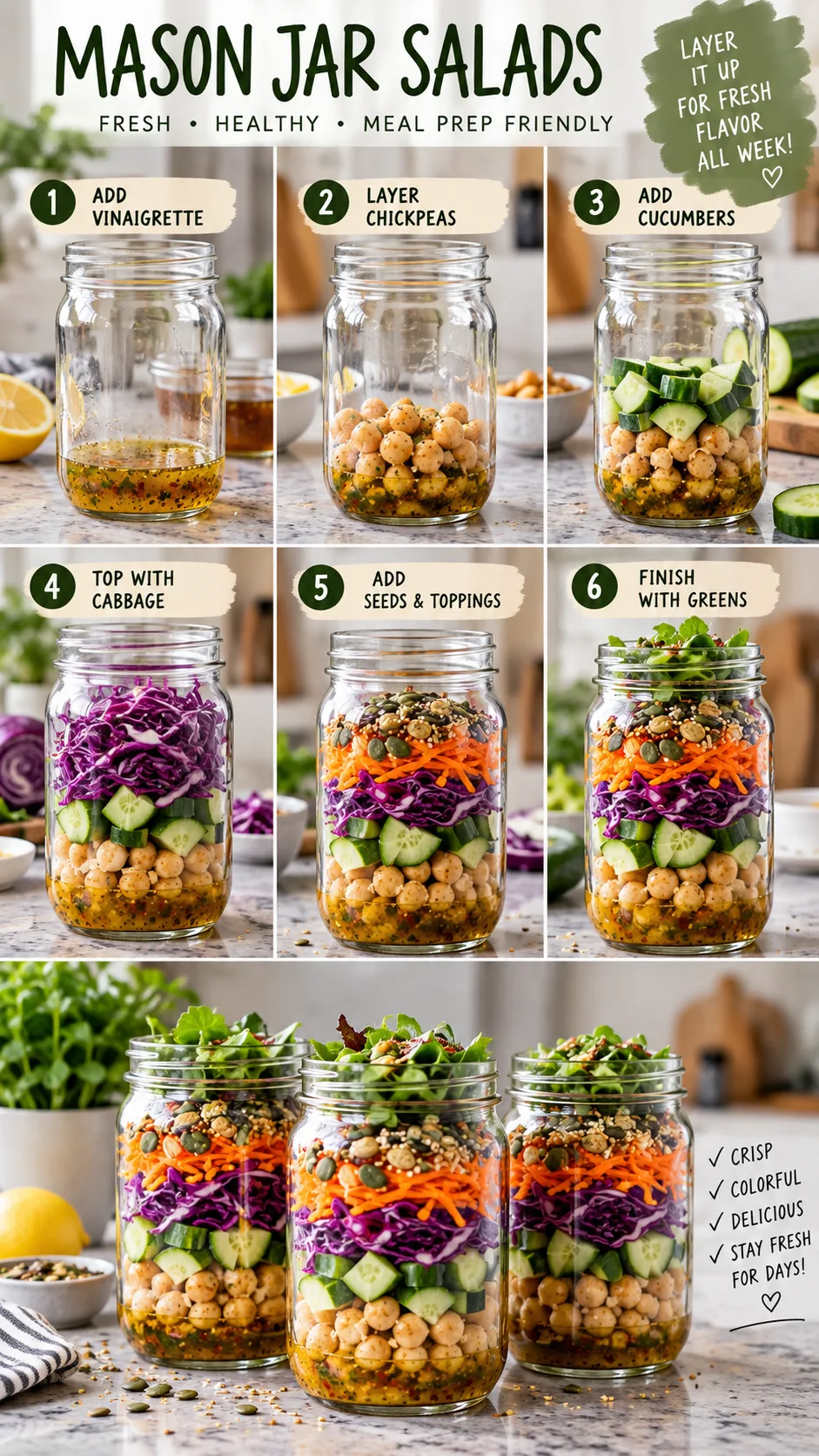
Mason jars keep ingredients crisp because they allow vertical stacking. Pour dressings into the bottom of the jar first. Place firm ingredients like cucumbers, carrots, and chickpeas directly into the dressing so they marinate during the week. Add proteins in the middle tier. Pack tender herbs and greens at the top, safely away from the liquid.
For more kitchen schedules, read our guide to easy healthy meal prep for the week to streamline your weekend routine.
The full week no-cook menu: 5 days of hearty recipes
These five balanced meals require zero heat or kitchen appliances. You can build every single one in less than an hour on Sunday, giving you lunches that carry you through demanding workdays.
1. Mediterranean tuna and white bean crunch jars
This combination turns canned pantry items into an Italian salad. The cannellini beans soak up the lemon vinaigrette, softening into a rich texture by midweek.
- The protein: 1 can wild albacore tuna packed in olive oil plus 1/2 cup rinsed cannellini beans (about 34g protein).
- The base: 1/2 cup diced Persian cucumbers, 1/4 cup halved cherry tomatoes, 2 tablespoons sliced Kalamata olives, and 1/4 cup chopped pickled pepperoncini.
- The greens: 1 cup tightly packed baby arugula.
- The dressing: 1 tablespoon extra virgin olive oil, 1 tablespoon fresh lemon juice, 1/2 teaspoon dried oregano, a pinch of sea salt, and cracked black pepper.
Assembly: Whisk the dressing in the base of your quart jar. Drop in the olives, pepperoncini, tomatoes, and cucumbers. Add the drained cannellini beans, then flake the tuna over them. Pack the baby arugula into the top and tighten the lid. At lunchtime, dump the jar into a wide bowl and toss.
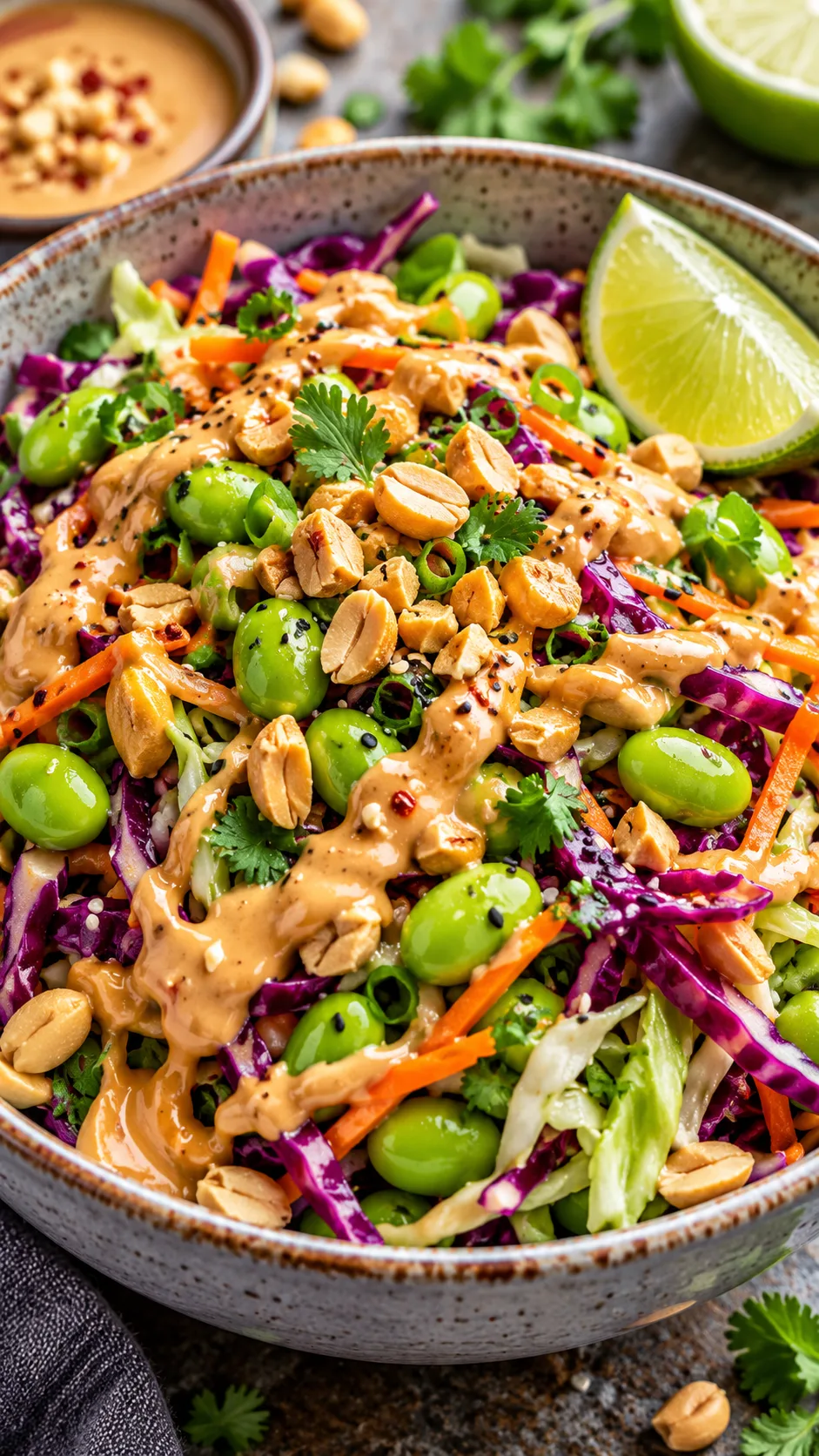
2. Spicy peanut and edamame cabbage bowls
Shredded cabbage forms the foundation for this bowl. It stays crisp for days while holding a smooth peanut sauce packed with healthy fats.
- The protein: 1 cup shelled edamame (thawed) plus 2 tablespoons raw hemp hearts (about 28g protein).
- The base: 2 cups finely shredded green and purple cabbage, 1/2 cup grated carrots, 1/3 cup sliced red bell pepper, and 2 tablespoons chopped fresh cilantro.
- The crunch: 2 tablespoons roasted salted peanuts.
- The no-cook sauce: 2 tablespoons smooth peanut butter, 1 tablespoon low-sodium tamari, 1 teaspoon pure maple syrup, 1 teaspoon toasted sesame oil, 1 tablespoon lime juice, and warm water to thin.
Assembly: Whisk the sauce ingredients in a small bowl with a fork until smooth, then store it in a small leakproof cup. Toss the cabbage, carrots, bell pepper, cilantro, edamame, and hemp hearts together in a meal container. Scatter the roasted peanuts over top. Pour the dressing over the vegetables right before you eat.
3. Zesty southwest black bean and turkey roll-ups
When you want sandwich flavors without soggy bread, raw collard leaves or high-fiber tortillas make sturdy wraps for savory fillings.
- The protein: 4 ounces sliced low-sodium deli turkey breast plus 1/3 cup rinsed black beans (about 30g protein).
- The base: 1/4 cup drained fire-roasted canned corn, 2 tablespoons diced red onion, and 1/4 cup shredded Monterey Jack cheese.
- The spread: 1/2 mashed avocado mixed with a splash of lime juice and garlic powder.
- The wrap: 2 large whole-wheat high-fiber tortillas or washed collard leaves with the thick center stems shaved flat.
Assembly: Spread the mashed avocado across the center of each wrap. Layer the sliced turkey over the avocado, then add the black beans, corn, red onion, and cheese. Roll each wrap tightly, cut across diagonally, and wrap snugly in parchment paper. The mashed avocado acts like glue, holding the fillings in place with every bite.
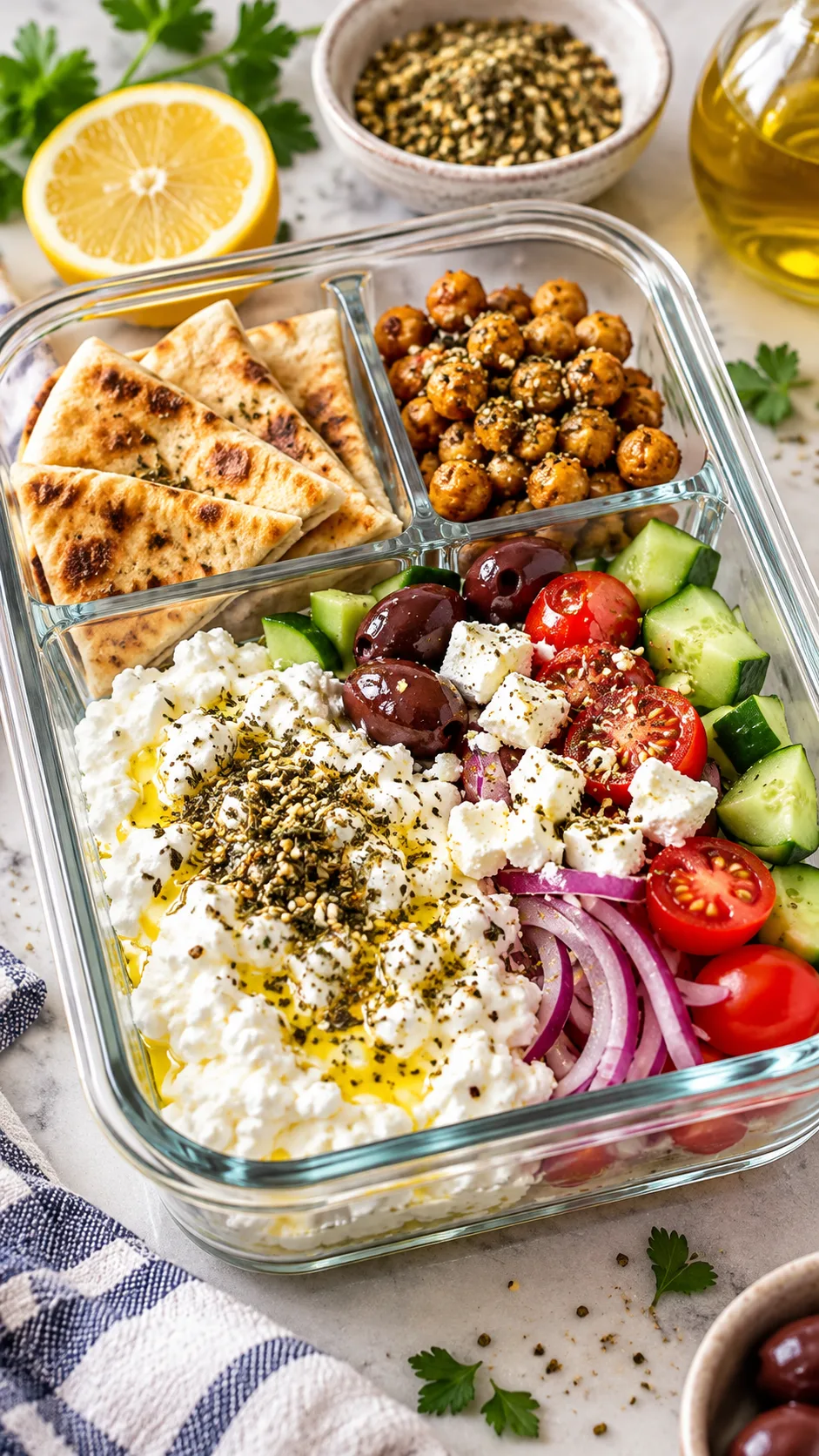
4. Greek mezze cottage cheese power plate
Savory cottage cheese tastes remarkably like whipped feta dip when you pair it with briny olives and raw vegetables.
- The protein: 1 cup cottage cheese (2% or whole milk) plus 2 tablespoons shelled pumpkin seeds (about 31g protein).
- The base: 1 cup diced English cucumber, 1/2 cup drained marinated artichoke hearts, 1/4 cup crumbled sheep’s milk feta cheese, and 6 pitted Kalamata olives.
- The seasoning: 1 teaspoon za’atar spice blend, 1 tablespoon extra virgin olive oil, and fresh cracked black pepper.
- The sides: 1 whole-wheat pita cut into wedges, or bell pepper slices for a grain-free option.
Assembly: Spoon the cottage cheese into the main compartment of a divided prep box. Season the surface with za’atar spice and a drizzle of olive oil. Place the cucumbers, artichoke hearts, feta, olives, and pumpkin seeds into the smaller compartments. Dip your vegetables or pita wedges directly into the seasoned cheese.
5. High-protein berry chia overnight oats
Meal prep works just as well for breakfast. Making breakfast ahead saves you from morning drive-through runs that drain your wallet. Rolled oats soften in cold liquid overnight, requiring zero stove time.
- The protein: 3/4 cup plain nonfat Greek yogurt plus 1 scoop unsweetened vanilla protein powder (about 36g protein).
- The fiber: 1/2 cup rolled oats plus 1 tablespoon black chia seeds.
- The liquid: 1/2 cup unsweetened almond milk or soy milk.
- The toppings: 1/2 cup frozen wild blueberries and 1 tablespoon almond butter.
Assembly: Mix the oats, chia seeds, protein powder, Greek yogurt, and milk in a pint mason jar until smooth. Top with the frozen blueberries. As the berries thaw in your refrigerator during the week, their juice seeps down through the oats, sweetening the jar without refined sugar.
If you want to stretch your grocery budget on whole foods, browse our collection of cheap meal plans for systems that keep grocery bills under $50 a week.
The science of crispness: How to keep food fresh for 5 days
Nothing ruins lunch faster than opening a storage container and smelling soggy greens. You can prevent spoiled produce by controlling moisture inside your containers.
Moisture cuts the shelf life of prepped meals in half. Dry your produce thoroughly after washing. Spin greens in a salad spinner twice, then spread them across clean dish towels to dry completely before you cut them. Packing damp vegetables into sealed containers accelerates rot.
The USDA Food Safety and Inspection Service advises keeping refrigerator temperatures below 40°F (4°C) to stop bacteria from multiplying. Many home refrigerators run several degrees warmer than their digital displays claim. Hang an inexpensive thermometer on your center fridge shelf to verify that dairy, cold cuts, and prepped jars stay at a safe temperature.
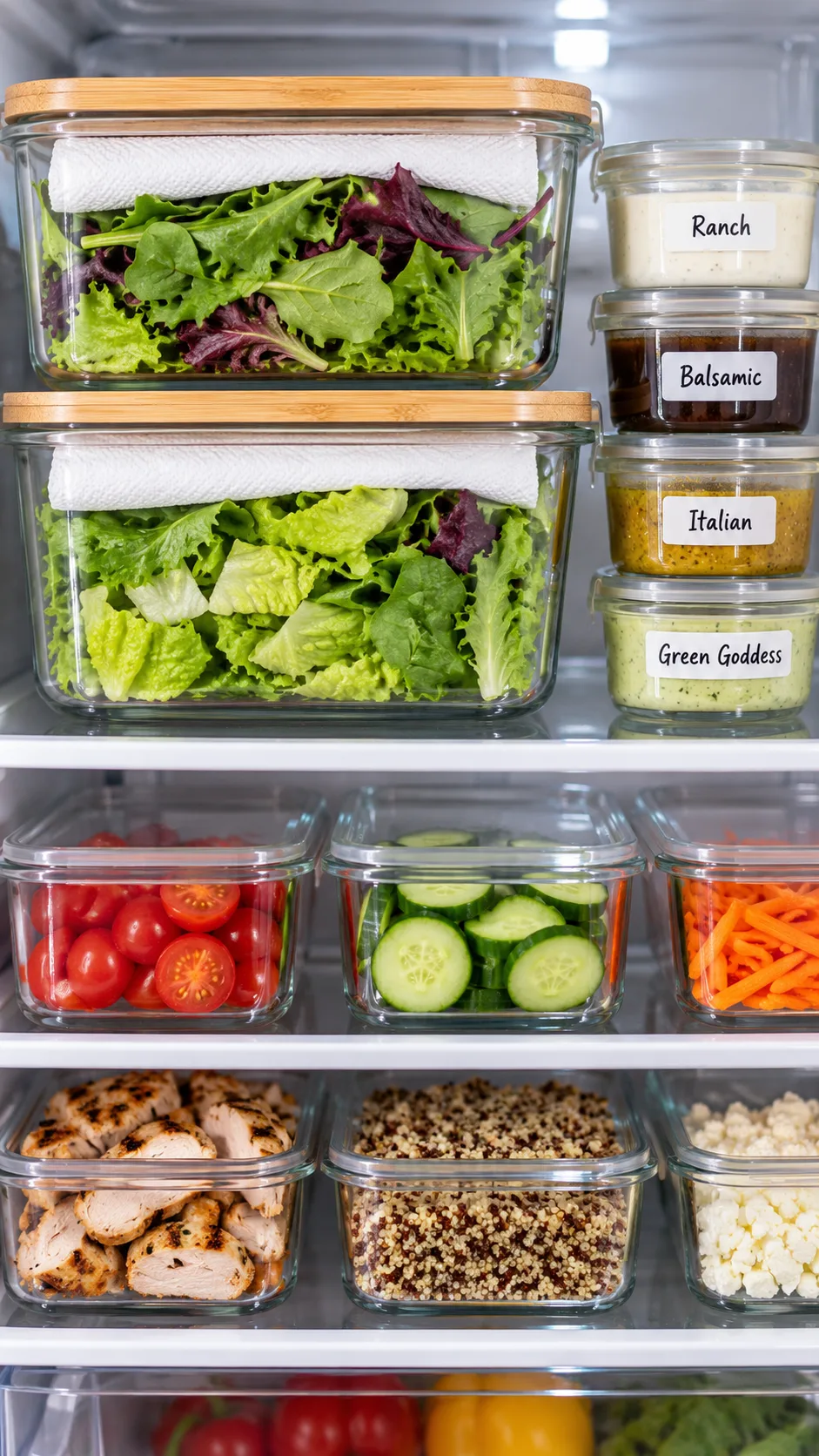
- Use a dry paper towel: Fold a dry paper towel and lay it over salad greens inside each storage container. The paper towel absorbs moisture that condenses on the container lid, keeping leaves crisp for up to six days.
- Salt at lunchtime, not on Sunday: Salt draws liquid out of plant cells through osmosis. When you salt cucumbers or tomatoes during weekend prep, you wake up to an inch of cloudy water in your bowl by Tuesday. Sprinkle salt onto your lunch right before you eat.
- Store dressings separately: Pack vinaigrettes in small stainless steel cups with silicone lids. Keeping acid away from vegetables until lunchtime prevents mushy greens.
- Soak raw onions in vinegar: Raw red onions develop a harsh, sulfurous bite when stored in a refrigerator for several days. Soak chopped onions in lemon juice or red wine vinegar for ten minutes before packing them. The acid softens their bite and preserves their crispness.
Troubleshooting flavor fatigue: 3 no-cook sauces to rescue boring meals
Eating similar meals all week can wear on your appetite. When lunches taste identical every afternoon, takeout orders quickly follow. You do not need five completely separate menus to stay interested. Three quick dressings can completely shift the flavor of basic ingredients.
Whisk these simple sauces in jars and keep them in your refrigerator door:
1. 60-second creamy lemon tahini
Tahini supplies a rich sesame base full of calcium and healthy fats. Whisk 3 tablespoons of sesame tahini with 2 tablespoons of warm water, 1 tablespoon of lemon juice, 1 minced garlic clove, and a generous pinch of sea salt. The mixture stiffens at first, but brisk whisking yields a pale, smooth dressing that turns canned beans and raw broccoli into a rich meal.
2. Everyday sun-dried tomato chimichurri
When you want sharp herbs and acid, mix a handful of minced flat-leaf parsley with 1/4 cup olive oil, 2 tablespoons red wine vinegar, 2 tablespoons chopped sun-dried tomatoes in oil, and 1/2 teaspoon red pepper flakes. This herb sauce cuts straight through rich proteins like canned tuna and sliced roast beef.
3. Creamy chipotle Greek yogurt sauce
Skip store-bought ranch dressings made with cheap seed oils. Stir 1/2 cup of plain Greek yogurt with 1 tablespoon of adobo sauce from canned chipotles, 1/2 teaspoon garlic powder, 1/2 teaspoon onion powder, and a squeeze of fresh lime juice. This smoky spread adds extra protein and livens up black beans and wraps.
Your stress-free grocery gameplan
Take this shopping list straight to the grocery store. It skips specialty health food stores entirely, using items you can find at any standard supermarket or discount grocer.
| Produce Aisle | Pantry & Canned Goods | Dairy & Deli |
|---|---|---|
| 1 head green cabbage | 2 cans wild albacore tuna | 32 oz plain Greek yogurt |
| 1 container baby arugula | 2 cans cannellini beans | 16 oz 2% cottage cheese |
| 1 pack Persian cucumbers | 1 can black beans | 1 block sheep’s milk feta |
| 2 red bell peppers | 1 bag rolled oats | 1/2 lb sliced roast turkey |
| 1 bag whole carrots | 1 bag chia seeds & hemp hearts | 1 pack shelled edamame |
| 3 ripe lemons & 2 limes | Jar of Kalamata olives | Shredded Monterey Jack |
This entire cart costs roughly $55 to $65, depending on where you shop. When a single takeout salad costs upwards of $18, packing your own lunches preserves your grocery budget.
Take back your free time
Feeding yourself well should never feel like an exhausting second job on the weekend. Sustainable habits fit comfortably into busy schedules without forcing you to roast sheet pans of dry chicken that you dread eating by Thursday.
When you focus on no-cook lunches built around solid protein, dense fiber, and healthy plant fats, you reclaim your Sunday afternoons. You start your week organized and calm, carrying lunches that keep you full and alert until your workday ends.
Clear your counter, open a few cans of beans and tuna, chop a head of crisp cabbage, and pack your containers. Your weekday self will thank you at lunchtime.
