
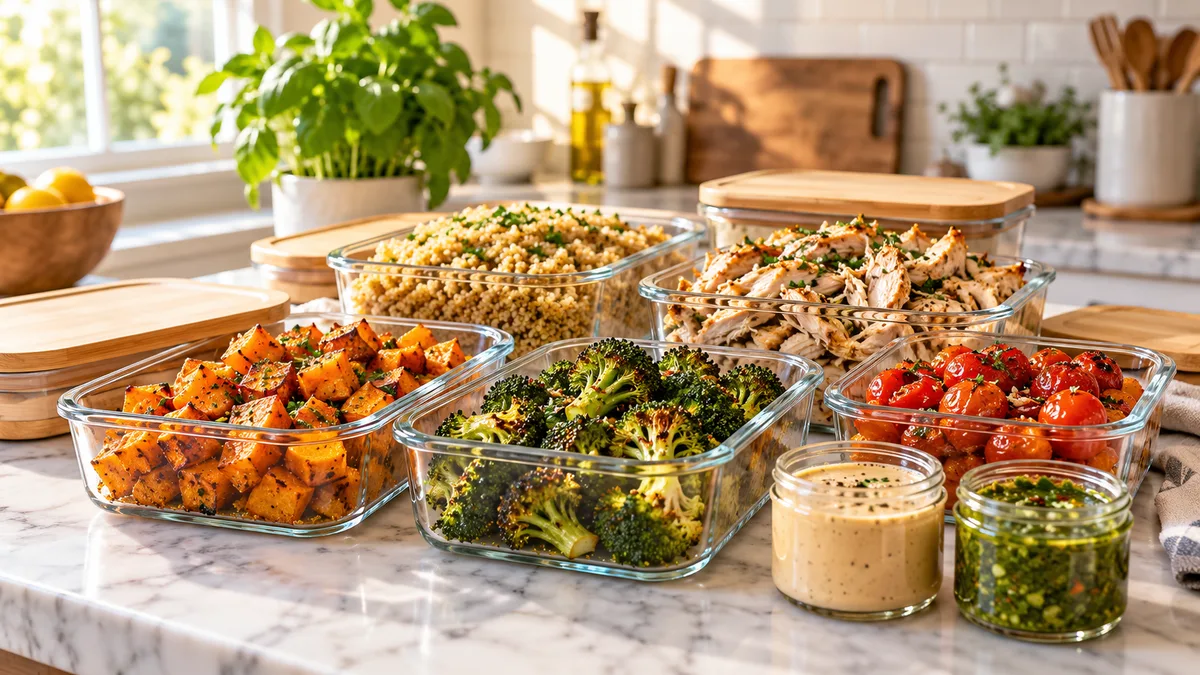
You know the Sunday ritual. You buy forty dollars worth of fresh produce with total optimism. Then you spend four grueling hours chopping, sauteing, and packing identical portions of dry chicken breast into matching plastic containers. By Wednesday afternoon, you despise those containers. By Friday, you order takeout while your rubbery broccoli rots in the back of the fridge.
Why do we punish ourselves like this? Traditional meal prep feels like an unpaid second job. It turns your weekend into an industrial assembly line and punishes you with five days of boring, repetitive lunches.
You do not need five hours in the kitchen to eat well Monday through Friday. You do not even need to chop an onion. Welcome to lazy meal prep: a practical framework that feeds you every day without eating up your sanity or your Sunday afternoon.
The traditional meal prep scam (why you always quit)
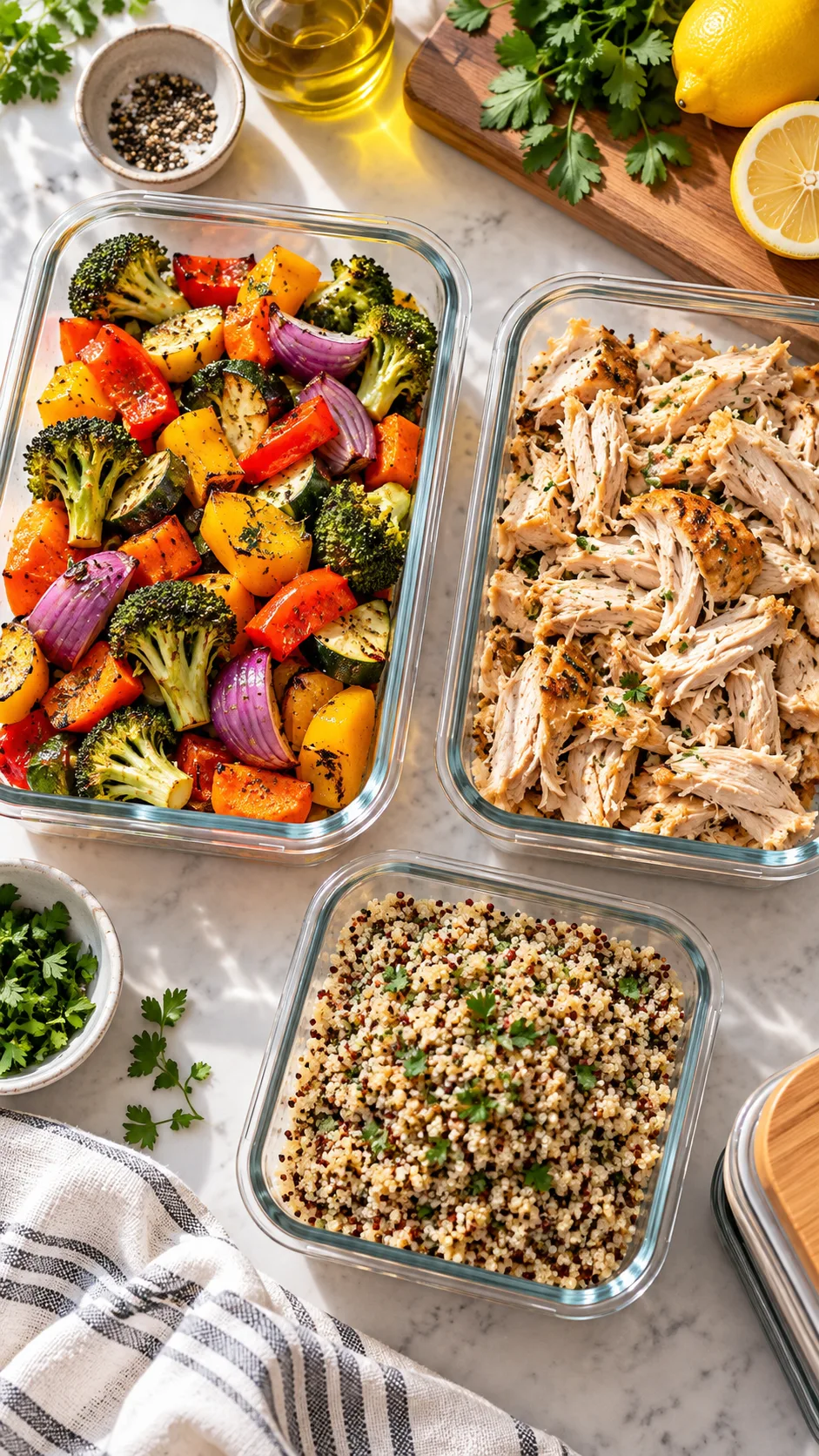
Standard batch cooking sets you up to fail. Fitness influencers love to display twenty-one identical meals stacked inside sleek glass bins. Those photos look sharp on social media, but real life shatters the fantasy within three days.
First, food fatigue destroys your motivation. Humans want variety. When Tuesday lunch tastes identical to Monday lunch, Monday dinner, and Tuesday breakfast, your brain revolts. You want different textures, fresh salt, and real crunch. You abandon your prepped chicken and sprint to the nearest taqueria.
Second, physics ruins your food. Cooked meals break down in the fridge. Steamed broccoli turns to sulfurous mush by day four. Cooked chicken breast dries out and develops a stale refrigerator taste. Without good sauces and sturdy ingredients, leftovers turn into dry cardboard.
Finally, cleanup ruins your weekend. Nobody wants to spend Sunday night scrubbing sheet pans, stockpots, cutting boards, and twenty plastic lids. You need a system that cuts your active cook time, drops cleanup to five minutes, and lets you assemble different plates each night.
The component prep revolution: stop making full recipes
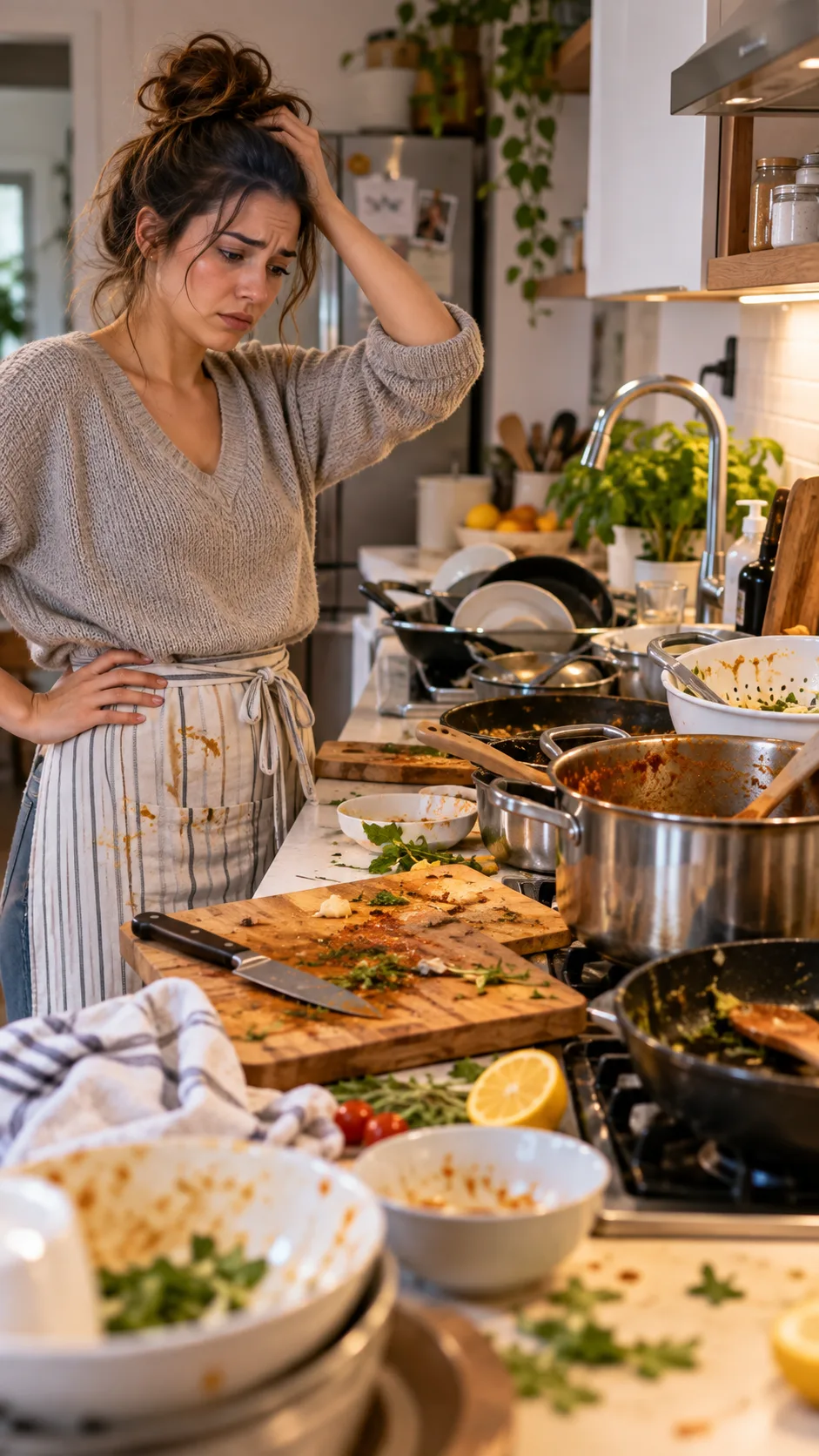
Restaurant kitchens feed hundreds of people every evening without cooking every single meal from scratch on the spot. Line cooks do not bake dozens of individual casseroles on Sunday. Instead, they prep components. They wash greens, roast base starches, sear proteins, and mix dressings.
When an order tickets prints, the cook grabs a handful of base ingredients, tosses them in a pan with a flavorful sauce, and plates a hot meal in four minutes. This exact method powers lazy meal prep.
Stop locking yourself into four portions of one rigid recipe. Stock a flexible fridge buffet instead. Build building blocks. This setup gives you control. If you want a burrito bowl on Monday, Mediterranean flatbread on Tuesday, and peanut noodles on Wednesday, you draw from the same base components without cooking three separate recipes.
If you want to build your week around whole foods without fussy steps, our guide to an unprocessed food diet shares practical ideas for these staples.
The 3-2-1 lazy formula explained
Forget culinary degrees and complicated spreadsheets. Memorize one simple ratio: The 3-2-1 Formula. When you hit the grocery store, fill your cart using this breakdown:
- 3 ready proteins: One hands-off cooked protein, one store-bought shortcut protein, and one pantry protein.
- 2 versatile carbohydrates: Grains, potatoes, or noodles that you can reheat in sixty seconds.
- 1 bold sauce: A dressing or condiment that completely changes the profile of your meal.
Grab two bags of pre-washed greens and zero-prep vegetables alongside these staples. That completes the entire framework. You do not spend your afternoon slicing carrots into matchsticks. You buy them pre-shredded, or you grab baby carrots that require zero knife work.
The zero-effort grocery haul: let the store do the labor
Purists might look down on pre-chopped produce and prepared proteins. Let them peel squash for two hours. You want high nutrition and minimal friction. Choose the easier route.
Level 1: Store-bought shortcuts
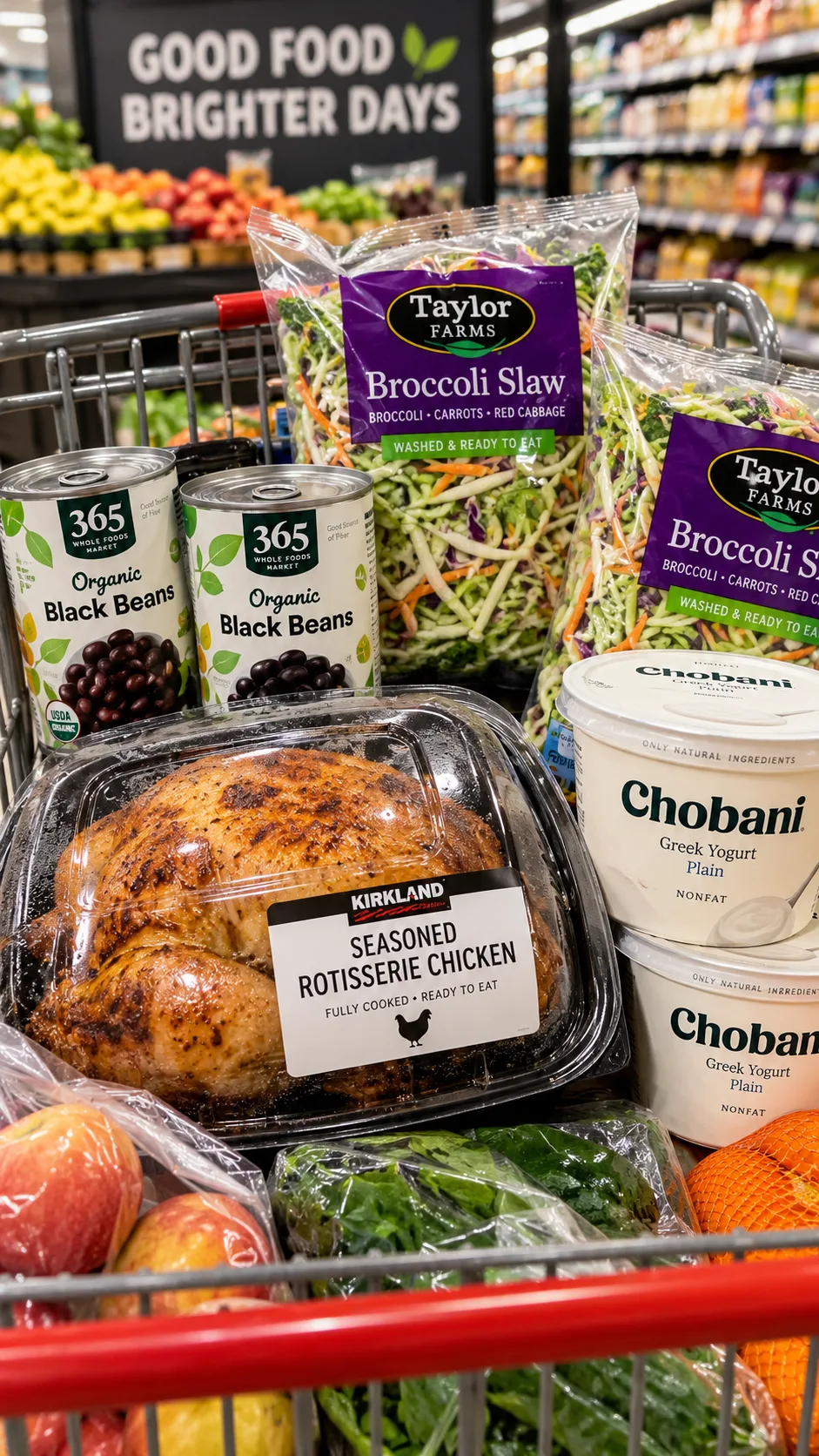
Modern supermarkets sell brilliant convenience foods that wipe out eighty percent of your kitchen chores. Buy these without hesitation:
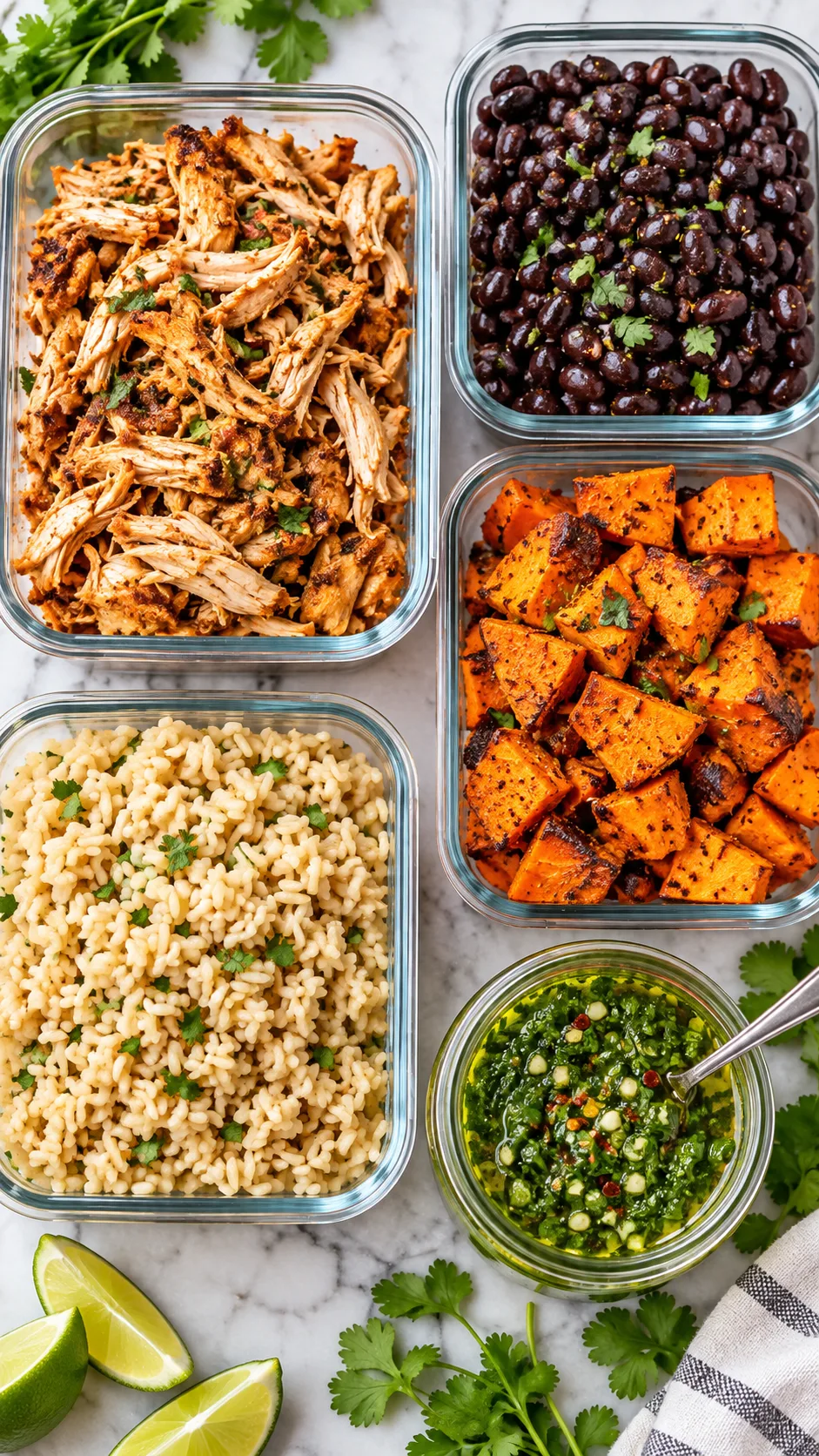
- Rotisserie chicken: The undisputed champion of quick meals. Buy one hot, strip the meat from the bones while it stays warm, and pack it into a container. You just secured four days of juicy meat in four minutes.
- Microwave grain pouches: Companies pack brown rice, quinoa blends, and wild rice into ready-to-heat bags. Ninety seconds in the microwave delivers tender grains without a single dirty pot.
- Pre-washed baby spinach and arugula: Skip the salad spinner. Pop open the plastic tub, grab two generous handfuls, and throw them straight into your bowl.
- Slaw mixes: Broccoli slaw and shredded cabbage hold their crunch for days longer than loose greens. They bring immediate texture to stir-fries, tacos, and grain bowls without turning limp.
- Canned beans: Black beans, chickpeas, and cannellini beans offer quick fiber and protein. Rinse them under cold water, and they go directly onto your plate.
Level 2: High-protein staples that require zero cooking
Protein keeps you satisfied throughout the workday and protects muscle mass. Read our guide on high-protein meal prep strategies to see how aiming for twenty to thirty grams per meal stabilizes your energy and appetite.
Keep these zero-cook proteins in your regular rotation:
- Plain Greek yogurt or skyr: Provides twenty grams of protein per cup. Sweeten it with berries and honey for breakfast, or stir in lemon juice and garlic powder for a savory dinner crema.
- Cottage cheese: Blend it into creamy sauces, fold it into scrambled eggs, or eat it straight with cherry tomatoes and cracked pepper.
- Canned tuna and salmon: Packs dense protein, healthy omega-3 fats, and years of shelf life. Drain the can, flake the fish with a fork, and spread it over greens or rice.
- Pre-cooked hard-boiled eggs: Grab a bag of peeled eggs from the deli aisle to save time. Two eggs supply twelve grams of whole protein immediately.
The 45-minute sheet pan sprint
If you prefer warm, roasted meals over cold grocery shortcuts, run the 45-Minute Sheet Pan Sprint once a week. This routine uses two baking sheets, one cutting board, and zero constant monitoring.
Line your large rimmed baking sheets with heavy aluminum foil or parchment paper. Foil eliminates pan scrubbing. You crumple it up and throw it away when you finish, saving ten minutes of scraping baked-on grease.
The hands-off roasting blueprint
Preheat your oven to 400°F (200°C). Divide your food across two pans:
- Pan one (carbohydrates): Cut two large sweet potatoes or a bag of baby potatoes into bite-sized chunks. Toss them on the foil with a tablespoon of olive oil, salt, garlic powder, and smoked paprika. Spread them into a flat layer.
- Pan two (vegetables and protein): Empty two bags of pre-cut broccoli florets or trimmed green beans on one side. Place four chicken breasts, chicken thighs, or thick slices of extra-firm tofu on the other side. Season the food with oil, salt, and dried herbs.
Slide both pans into your oven and set a timer for twenty-five minutes. Leave the kitchen. Read a book, fold laundry, or relax on the couch. When the timer rings, take out the pans. Check the meat with an instant-read thermometer (poultry needs 165°F for food safety). Let the food cool, transfer the ingredients into containers, and trash the foil. Kitchen cleanup done.
Want simple ways to season plain poultry? Explore our favorite chicken meal prep recipes for quick marinades that bring real flavor to simple cuts.
The secret weapon: sauces (the “1” in 3-2-1)
Plain chicken and brown rice will bore you to tears by Wednesday. Sauces prevent that burnout. A single batch of good dressing completely transforms your base ingredients.
The Harvard T.H. Chan School of Public Health notes that combining healthy fats with whole plant foods aids nutrient absorption and keeps you satisfied. Dressings built from olive oil, tahini, Greek yogurt, or nuts keep you full for hours.
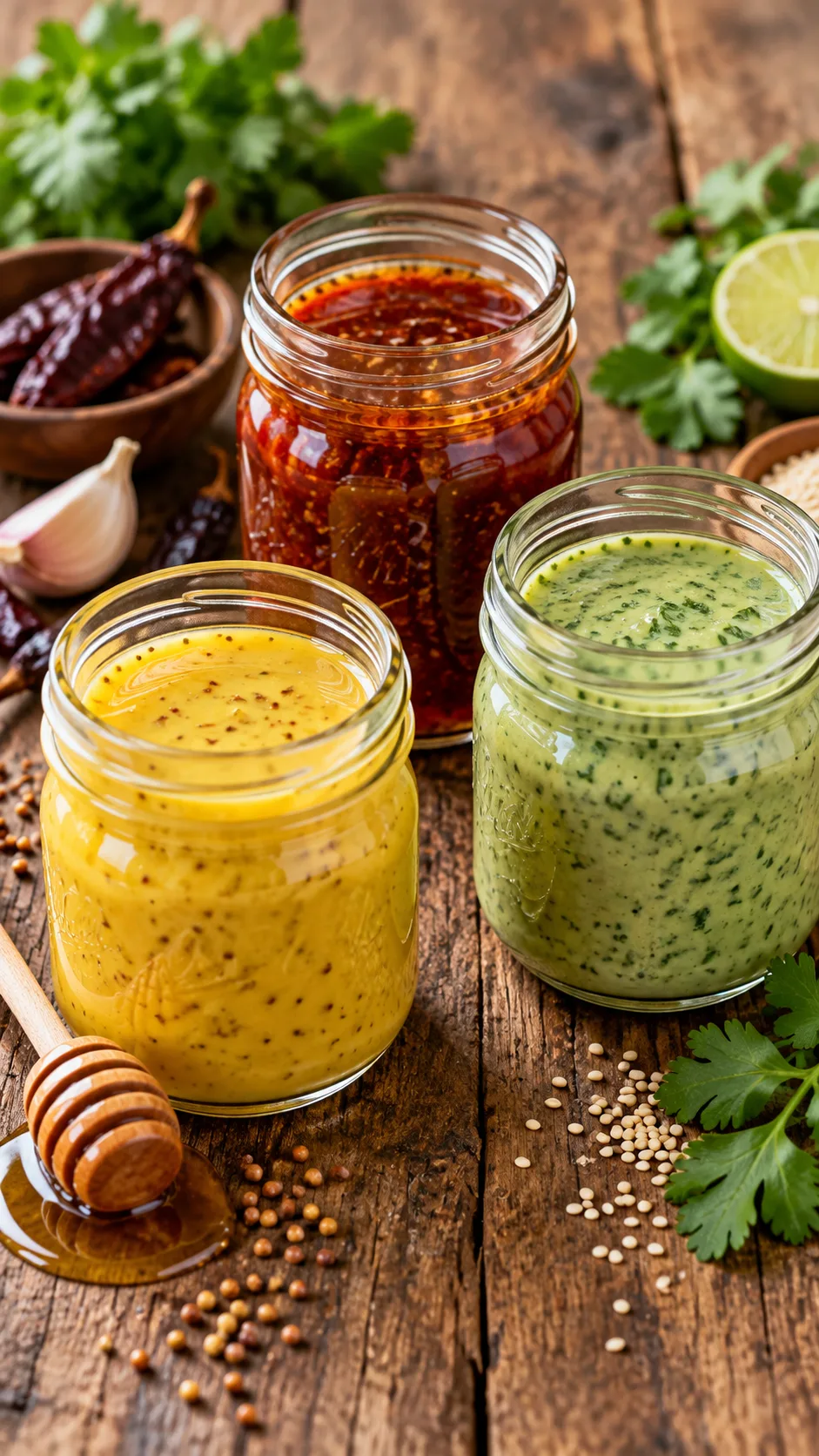
3 quick sauces you can shake in a jar
Leave the food processor in the cabinet. You do not need to wash spinning blades today. Drop these ingredients into a clean glass jar, tighten the lid, and shake hard for twenty seconds:
- The 60-second peanut sauce: Mix two tablespoons of smooth peanut butter, one tablespoon of soy sauce, one teaspoon of maple syrup, a squeeze of lime juice, and two tablespoons of warm water. Spoon this over chicken, cabbage slaw, and rice for a quick takeout bowl.
- Creamy lemon herb crema: Stir half a cup of plain whole-milk Greek yogurt, the juice of half a lemon, half a teaspoon of garlic powder, salt, and dried dill. This bright sauce enlivens roasted sweet potatoes and cold rotisserie chicken.
- Smoky chipotle vinaigrette: Combine three tablespoons of olive oil, one tablespoon of apple cider vinegar, one teaspoon of honey, half a teaspoon of cumin, and a spoonful of adobo sauce from canned chipotles. Pour this over black beans, corn, and greens.
Mix and match: 5 dinners from one prep session
This flexibility gives lazy prep its clear edge over traditional batch cooking. You roasted sweet potatoes, pulled a rotisserie chicken, opened a can of black beans, and shook up a jar of chipotle dressing. Here is your dinner schedule:
Monday: Southwestern fiesta bowl
Heat microwave brown rice in a wide bowl. Add pulled chicken to one side, rinsed black beans to the other, and roasted sweet potatoes in the middle. Add two spoonfuls of salsa, a handful of baby spinach, and a drizzle of chipotle dressing. Microwave for ninety seconds. Active prep time: three minutes.
Tuesday: 5-minute skillet wrap
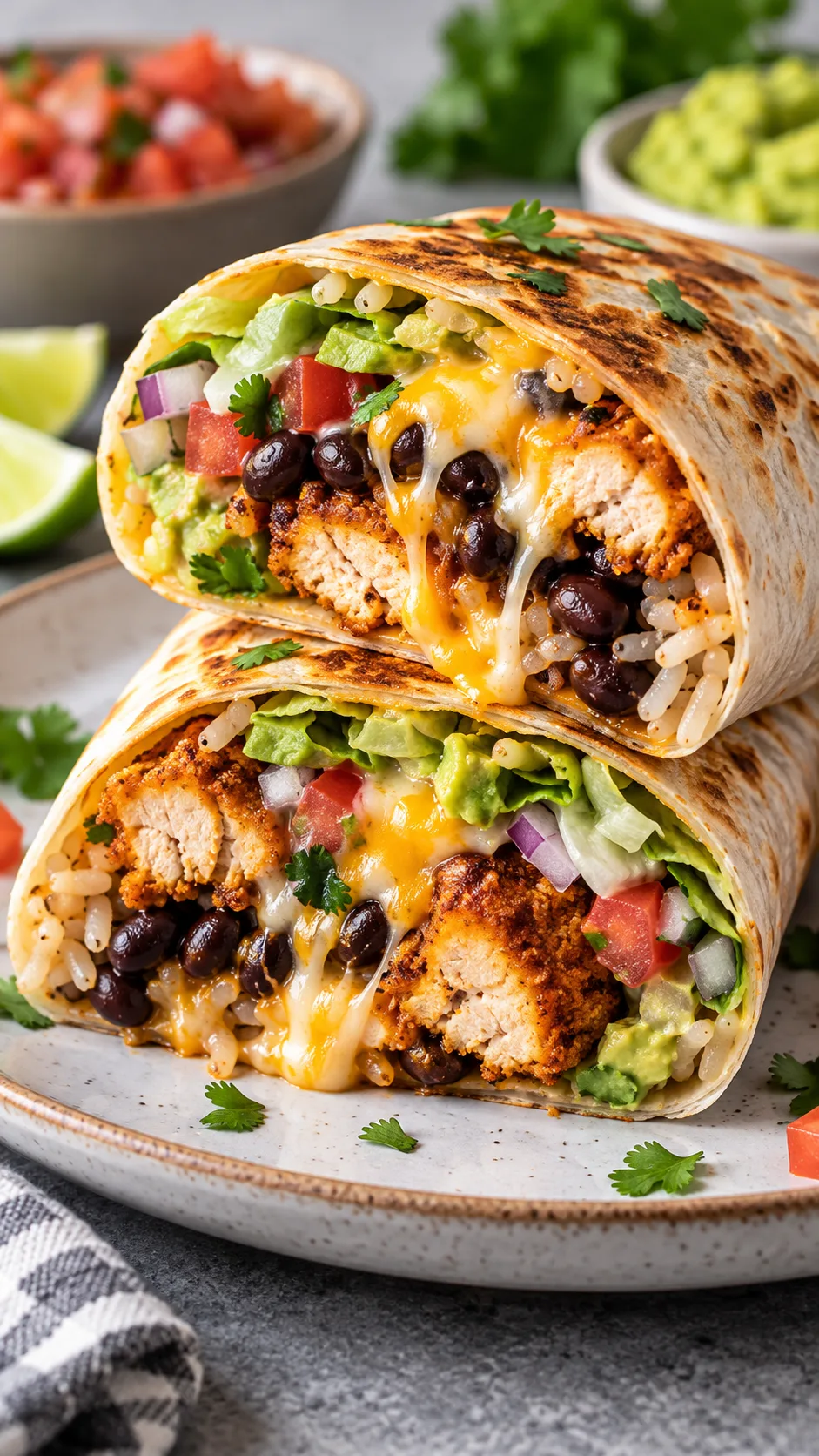
Lay a whole-wheat tortilla on a cutting board. Spread a layer of Greek yogurt crema down the center. Add shredded rotisserie chicken and crunchy broccoli slaw. Roll the wrap tightly. Place it in a dry skillet over medium heat for two minutes per side until the exterior turns golden and crisp. Active prep time: five minutes.
Wednesday: Mediterranean skillet hash
Warm a cup of sweet potatoes and shredded chicken in a skillet with a splash of olive oil. Pile two cups of fresh baby spinach on top. Cover the pan with a lid for sixty seconds to wilt the greens. Slide the mix onto a plate and finish with canned chickpeas, kalamata olives, and crumbled feta. Active prep time: four minutes.
Looking for more ideas for your weeknight calendar? Browse our full list of meal prep dinner ideas to keep dinner interesting without spending extra cash at the register.
Thursday: Quick peanut noodles
Boil ramen or soba noodles for three minutes, then toss the seasoning packet into the trash. Drain the noodles. Toss them in a bowl with cold pulled chicken, pre-shredded purple cabbage, and your homemade peanut sauce. The warm noodles heat the chicken and turn the peanut dressing into a silky sauce. Active prep time: four minutes.
Friday: Crisper drawer quesadilla
Finish your week by clearing out your open containers. Place two corn tortillas in a skillet and scatter cheddar cheese across them. Add leftover black beans, roasted sweet potatoes, and chicken. Fold the tortillas over, cook until the cheese melts completely, and serve with salsa. Active prep time: six minutes.
You ate five distinct meals with different textures and regional flavors. Yet you only turned on your stove twice, and you never washed a sink full of cookware. This gives you maximum efficiency in the kitchen.
Safe food storage: how to keep leftovers fresh
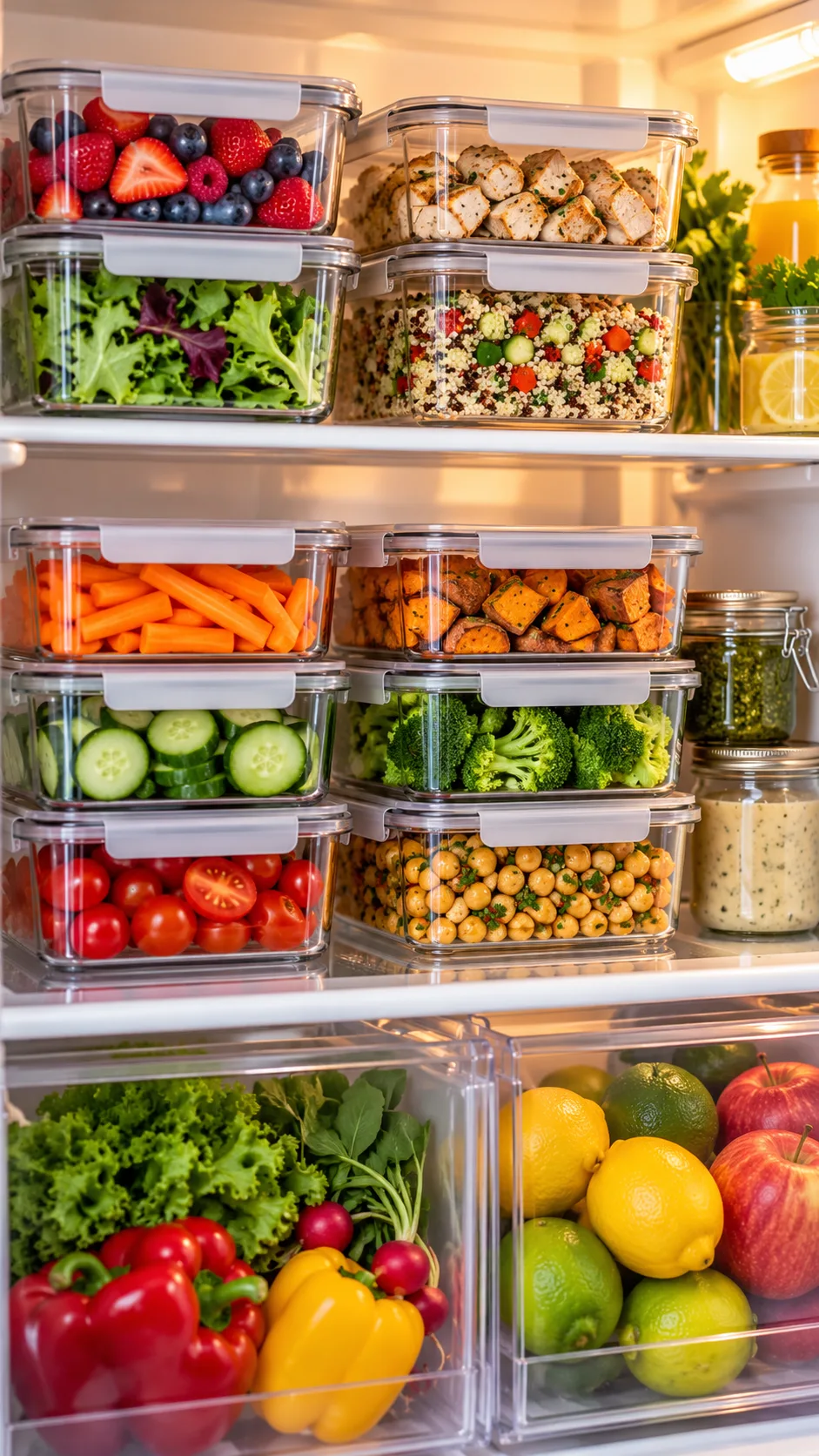
The easiest meal prep system fails if your food spoils before Thursday. Follow these basic food storage guidelines to keep your meals fresh and safe.
1. Follow the four-day window
The USDA Food Safety and Inspection Service recommends that you eat or freeze cooked meats within three to four days. Bacteria multiply rapidly between 40°F and 140°F.
If you cook meat on Sunday afternoon, eat those portions by Thursday lunch. What about Friday? Freeze Friday’s portions on Sunday afternoon. On Wednesday night, move them back to the fridge. They thaw safely overnight and taste completely fresh on Friday.
2. Use borosilicate glass containers
Plastic containers stain, trap old odors, warp in hot water, and shed microplastics into your food when heated. Switch to borosilicate glass containers with snap-locking lids.
Glass containers solve everyday kitchen problems:
- They move straight from the freezer to the microwave or oven without damage.
- They wash completely clean in the dishwasher without holding onto grease.
- Clear glass lets you see everything inside your fridge at a glance, so you stop throwing out forgotten meals.
3. Keep moisture off your greens
Bagged greens turn slimy because moisture builds up inside the plastic packaging. When you open a container or bag of greens, place a clean, dry paper towel directly over the leaves before closing the lid. The paper towel collects excess condensation and keeps the greens crisp for a full week.
Troubleshooting common prep mistakes
Simple routines fall apart when you overlook basic kitchen habits. Watch out for these three mistakes:
Mistake 1: Dressing food ahead of time
Never pour salad dressing over raw greens, slaws, or tender vegetables before putting them in the fridge. Acid and salt break down plant cell walls rapidly, turning crisp leaves into brown mush overnight. Store dressings in a small separate jar and pour them over your food right before you eat.
Mistake 2: Storing food while steam rises
Putting piping-hot roasted potatoes into an airtight container creates a steam chamber. The trapped steam hits the cold container lid, turns back into water drops, and falls onto your food, ruining roasted skins. Let your sheet pans sit on the counter for twenty minutes so steam escapes before you close the lids.
Mistake 3: Over-seasoning your base staples
Keep your basic seasonings neutral on Sunday: olive oil, salt, black pepper, and garlic powder. If you coat four pounds of chicken in sweet barbecue sauce on day one, you cannot use that meat for Greek wraps, peanut noodles, or tacos later in the week. Season the base lightly, and let your daily sauces supply the strong flavors.
| Component | Store-Bought Shortcut | Hands-Off Cook Option | Fridge Lifespan |
|---|---|---|---|
| Protein | Rotisserie Chicken / Canned Salmon | Sheet Pan Chicken / Baked Tofu | 3 to 4 Days |
| Starch | Microwave Brown Jasmine Rice Pouches | Roasted Sweet Potato Wedges | 4 to 5 Days |
| Vegetables | Bagged Broccoli Slaw / Baby Spinach | Roasted Broccoli Florets | 4 to 6 Days |
| Sauce | Bottled Chimichurri / Salsa Verde | Mason Jar Dressings | 7 to 10 Days |
Frequently asked questions about lazy meal prep
Does lazy meal prep cost more than cooking from scratch?
Pre-washed greens and cooked rotisserie chicken cost slightly more than raw whole chickens and whole heads of dirt-covered lettuce. However, you must consider the cost of food waste and restaurant meals. When a complicated meal plan wears you out, you trash rotting vegetables and spend money on food delivery apps. Spending four extra dollars at the grocery store to prevent a sixty-dollar takeout order saves significant money each month.
Can I freeze prepared component meals?
Yes. Cooked meats, tofu, and cooked lentils freeze well for up to three months. Cooked grains like rice and quinoa also hold up in the freezer. Skip freezing high-water vegetables like cucumbers, celery, and salad greens, because ice crystals break their structure and turn them watery when thawed.
What if I do not have an oven for sheet pan meals?
A countertop air fryer cooks food even faster than an oven. You can crisp sweet potato cubes in twelve minutes and cook chicken strips in eight minutes. An electric rice cooker can also cook your rice below while steaming frozen vegetables or potstickers in an upper steam tray with zero oversight.
Ditch the kitchen guilt
Cooking at home does not require moral endurance tests. It exists for one clear reason: to feed yourself nourishing food with minimal hassle.
Stop stressing over five-hour Sunday cooking marathons. Use grocery store shortcuts. Roast your food on foil-lined baking sheets. Keep simple, punchy dressings on your fridge shelf. Once you drop the unnecessary kitchen labor, home-cooked food becomes simple, reliable, and sustainable.
Grab a rotisserie chicken, a bag of sweet potatoes, and your favorite hot sauce on your next shopping run. Your tired self will appreciate the shortcut every night this week.
