
You may feel a mix of excitement and worry as the season approaches. Celebrations, family meals, and sweet treats can tug at your goals. You are not alone if you are also taking glp-1 medications and wondering how to stay on track.
Dr. Roy Kim notes these injectables can suppress appetite and even change how alcohol feels by reducing its dopamine reward. That shift can be helpful, but it also asks for new habits.
You can still enjoy a holiday meal with care. Focus on protein, sip plenty of water, and plan walks to connect with family instead of centering everything on food.
With simple planning and mindful choices, you can protect your weight loss progress and your health while being present for the season.
Key Takeaways
- Expect appetite changes when taking glp-1 medications.
- Prioritize protein, water, and small meals to feel your best.
- Plan non-food activities like a family walk to stay connected.
- Be mindful with alcohol and rich foods to avoid side effects.
- You can enjoy the holiday season while protecting your weight and health.
Understanding How GLP-1 Medications Affect Your Body
Knowing what happens in your stomach and brain can make holiday eating less stressful.
The Science of Gastric Emptying
These medications slow digestion, so food stays in your stomach longer. Dr. Eva Wolf explains this delayed gastric emptying makes the stomach feel smaller and fuller.
That slower digestion can help with weight loss and keep blood sugar steady. But it also raises the chance of nausea or physical discomfort if you overeat.
Managing Appetite and Hunger Signals
The drugs act on your brain to reduce hunger signals. That makes managing appetite easier, especially when many rich foods are around.
Keep your mind focused on small plates, protein, and steady fluids. If you feel discomfort, pause and let your body digest before going back for more.
- Tip: Eat slowly to avoid side effects like nausea.
- Tip: Choose balanced foods to support stable blood sugar.
- Tip: Listen to hunger cues, these drugs change how you sense fullness.
| Effect | Common Symptom | Practical Tip |
|---|---|---|
| Slower digestion | Full stomach | Take small portions and wait between servings |
| Lower appetite | Reduced hunger | Plan protein-first meals to protect weight loss |
| Blood sugar control | Stable levels | Choose low-sugar foods and timed snacks |
Navigating Holiday Feasts and Portion Control
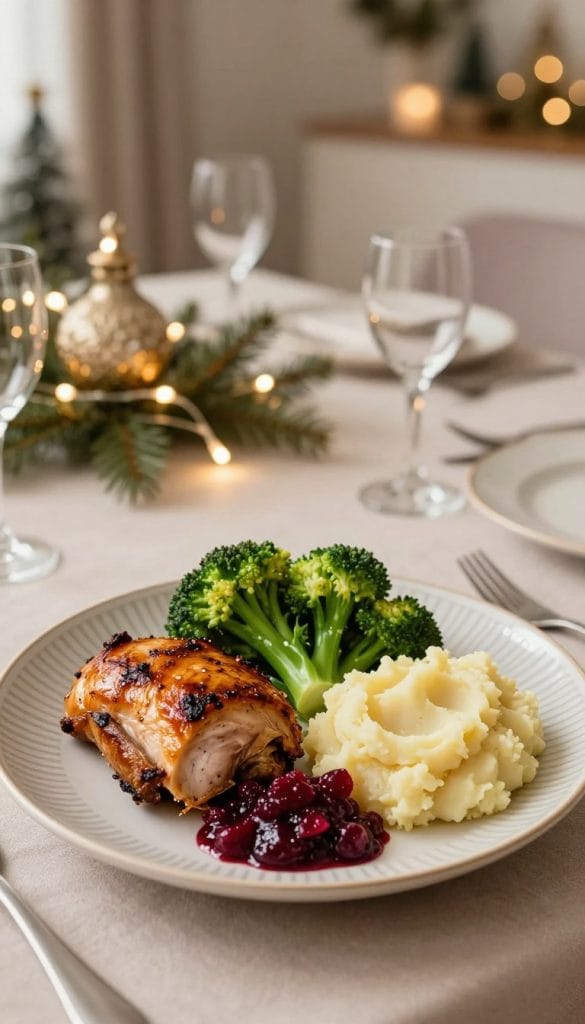
Small plates and clear intentions make holiday feasts easier to navigate and more enjoyable. Use a smaller plate and take tiny portions to sample many items without overdoing it. Dr. Roy Kim recommends a multi-course approach with little helpings to prevent severe nausea after a big meal.
Focus on nutrient-dense choices. Pick vegetables and protein first. These foods help protect your weight loss goals while you spend time with family.
- Skip the pressure to finish every plate, enjoy the company instead of racing through meals.
- If you’re avoiding alcohol, sip sparkling water or a low-sugar beverage to join toasts without extra calories.
- Practice mindful eating so you notice fullness and avoid the discomfort of overeating.
| Portion | Effect | Practical Tip |
|---|---|---|
| Small plate | Less overeating | Choose 3-4 small servings |
| Veggies first | Better satiety | Fill half your plate with vegetables |
| Smaller servings | Less discomfort | Savor each bite; pause between servings |
Smart Strategies for Managing Holiday Treats and Alcohol
Plan a few simple swaps so festive treats and drinks don’t derail your progress. Use easy tactics to enjoy food, protect weight loss, and avoid unwanted side effects.
Choosing Low-Sugar Mocktails
Pick bubbly water or plain water for toasts; Dr. Roy Kim notes most people won’t notice. Use sparkling water with a splash of citrus for a festive feel.
Dr. Eva Wolf suggests adding a protein shake to coffee or choosing low-sugar beverages to keep sugar in check and boost protein intake.
Savoring Small Portions
Serve yourself on a small plate and take modest portions. Eating slowly helps your stomach and digestion process the meal without causing discomfort.
Prioritize vegetables and lean protein first. This supports steady appetite control and helps prevent nausea or bloating after a rich course.

Avoiding Common Side Effects
- Limit sugary treats and opt for low-sugar mocktails to reduce nausea and other side effects.
- Stay hydrated, keep a glass of water nearby to prevent constipation and ease digestion.
- Talk with your doctor about your medication schedule and OTC options for gas or discomfort.
| Challenge | Simple Fix | Why it helps |
|---|---|---|
| Feeling full quickly | Smaller plate, slow bites | Reduces stomach discomfort and supports weight loss |
| Sugary drinks | Sparkling water or low-sugar mocktail | Prevents blood sugar spikes and nausea |
| Low appetite or side effects | Protein-first meals and hydration | Maintains energy and aids digestion |
Communicating Your Health Goals to Friends and Family
You can shape your holiday time by sharing simple health boundaries with people you love. Start by telling your host or close relatives about your goals so they can offer support.
Dr. Eva Wolf recommends a brief, honest note or a quick call before the gathering. This helps avoid surprises and keeps the focus on connection instead of food.
Suggest non-food activities, like a family walk or a simple craft. These options shift the party toward shared moments and make it easy to skip extra servings and alcohol without fuss.

- If someone asks about your weight, say you are following a plan with your doctor or that you are in a “fitness era.”
- Deflect plate or drink questions by steering the conversation to holiday memories or plans.
- Protect your mental health: take short breaks if the scene feels overwhelming.
| Situation | Simple Script | Why it helps |
|---|---|---|
| Host menu | “I have a few dietary goals this season, can we add a protein option?” | Allows small changes without stress |
| Curious relatives | “I’m working with my doctor on lifestyle changes.” | Keeps focus on health and care |
| Social pressure | Suggest a walk after dinner | Shifts attention to together time |
Prioritizing Nutrient-Dense Foods During GLP-1 Holidays
When celebrations bring many tempting dishes, small shifts in what you eat make a big difference.
Make lean choices first so each meal supports your weight loss goals.
The Importance of Lean Protein and Fiber
Dr. Eva Wolf stresses protein helps keep blood sugar steady and protects muscle during loss.
Fill half your plate with fiber-rich vegetables. Fiber aids digestion and eases hunger between meals. GLP-1 Dehydration covers the same topic from another angle.
Avoid fried foods and fatty meats. Excess fat can trigger nausea and other side effects when digestion slows.
Drink water with your meal to help digestion and reduce discomfort.
- Choose grilled poultry, fish, or legumes as protein sources.
- Pick non-starchy vegetables for fiber and volume without extra sugar.
- Make every plate count by balancing protein, veggies, and small portions of healthy carbs.
| Choice | Why it helps | Quick tip |
|---|---|---|
| Lean protein | Stabilizes blood sugar and appetite | Start your plate with protein first |
| Fiber-rich vegetables | Supports digestion and satiety | Fill half the plate with veggies |
| Low-fat cooking | Reduces nausea and stomach discomfort | Avoid fried or greasy foods |
Staying Consistent with Your Medication Schedule
Staying on your usual medication timetable helps prevent surprises and keeps your plan on track.
Dr. Eva Wolf advises that you keep a steady routine. Changing doses or skipping days without your doctor’s OK can backfire and make you feel unwell.
Dr. Roy Kim agrees: sticking to your regular injection cycle and dose protects your weight loss progress and overall health.
Make the meal plan the flexible part of your day instead of the medication. Adjust what and when you eat so you can enjoy one special dinner without altering your regimen.
Always call your doctor if you worry about side effects or timing. Consistent dosing is one simple way to care for yourself and stay on track to lose weight.
- Keep injections and pills on their usual schedule.
- Plan smaller portions at big meals rather than skipping doses.
- Ask your doctor before making any changes to medications.
| Action | Why it helps | Quick tip |
|---|---|---|
| Maintain schedule | Prevents side effects and protects weight | Use reminders on your phone |
| Adjust meals | Reduces nausea risk while keeping meds steady | Choose protein-first plates |
| Call your doctor | Gets personalized care and safety | Ask about timing around busy days |
Conclusion
Good planning helps you savor special foods without undoing the healthy habits you’ve built.
Enjoy time with family and the people you love, but focus on protein-first plates and mindful bites to protect your weight goals.
Choose smaller portions when needed and say no to dishes that cause discomfort. This limits sugar and reduces the chance of side effects.
Talk with your host or a close relative about your needs, most people want to help. Try non-food traditions to make the day feel full and meaningful.
Stay consistent with your medication and self-care, and use simple strategies so you can enjoy every moment with confidence and calm heading into the new year.
FAQ
How does taking GLP-1 medications change how your stomach feels during the holiday season?
These medications slow gastric emptying, so you may feel full faster and for longer. That can help control portions at large meals, but it also raises the chance of nausea if you eat heavy, fatty dishes or overeat. To reduce discomfort, choose smaller plates, eat slowly, and prioritize lean protein and vegetables.
Can you still enjoy festive foods without undoing weight loss progress?
Yes. Focus on portion control and savoring bites instead of finishing everything on the table. Fill half your plate with nonstarchy vegetables and add a palm-sized portion of protein before trying a treat. Staying hydrated and taking short walks after meals also helps digestion and keeps your appetite in check.
Are there specific foods that are kinder to your stomach when you’re on these medications?
Pick foods that are lower in fat and refined sugar and higher in fiber and lean protein. Turkey breast, grilled fish, roasted vegetables, legumes, and whole grains are easier to tolerate and support blood sugar stability. Avoid very greasy or heavily spiced dishes if you notice stomach upset.
What should you do about nausea or reflux after a big meal?
Stop eating, sip plain water or a sugar-free ginger tea, and sit upright for 30-60 minutes. A short walk can ease symptoms. If nausea is frequent, talk with your clinician about timing or dose adjustments rather than self-managing with over-the-counter drugs that might interact with your treatment.
Is it safe to drink alcohol at parties while on medication?
Alcohol can increase nausea and impair judgment about portion size and choices. It also affects blood sugar. If you choose to drink, limit servings, alternate with water, choose lower-sugar options like light beer or dry wine, and eat a protein-rich snack beforehand to slow absorption.
How do you handle tempting desserts and holiday sweets?
Share desserts, take a single small portion, or try a spoonful to savor the flavor. Pair sweets with protein, like a small serving of Greek yogurt, to blunt blood sugar spikes. You can also offer to bring a fruit-based or lower-sugar dessert to gatherings so you know there’s a friendly option available.
What are good strategies for sticking to your medication schedule during travel and family visits?
Keep doses in a travel kit with refrigeration if required, set alarms on your phone, and pack medication-related supplies like needles or sharps containers. If time zones change, follow your prescriber’s guidance on adjusting timing rather than guessing. Communicate plans with your healthcare team before travel.
How can you tell if a side effect requires contacting your doctor?
Contact your provider if you have severe or persistent nausea, vomiting, signs of dehydration, sudden changes in vision, abdominal pain, or any symptoms that limit your ability to eat or drink. Mild, short-lived nausea can often be managed at home, but escalating symptoms need medical attention.
How do you talk to friends and family about your goals without making the gathering awkward?
Keep it simple and positive: explain you’re managing health goals and may eat differently or have smaller portions. Offer to bring a dish everyone will enjoy, and suggest shared activities like a post-meal walk. Most guests respond well when you frame the conversation around health rather than restriction.
Which beverages and mocktails work best when you want lower sugar options?
Choose sparkling water with citrus or a splash of cranberry, herbal iced tea, or a mocktail made with soda water, fresh herbs, and muddled fruit. Avoid sugary punches and heavy eggnogs. Drinking water between sips of a festive beverage reduces total intake and helps digestion.