
You might feel hopeful and a little nervous as you start a new plan with these medications. Many people remember the day they first felt steadier energy or saw a change on the scale. That mix of relief and caution is normal.
I want you to know that coordinating your care matters. Wegovy and Ozempic have been used for 20 years to help manage blood sugar, and since FDA approval for weight loss in 2014, millions of adults have seen stronger metabolic and heart outcomes.
When you begin an exercise routine, learn how these drugs can affect heart rate, kidney support, and physical performance. Research and clinical study findings show semaglutide can aid weight loss and lower the risk of death from cardiovascular disease.
Before you change intensity or add a training plan, talk with a physician who knows your type of diabetes, treatment history, and overall risk. With care and steady movement, patients often see better results and lasting health benefits.
Key Takeaways
- Coordinate exercise with a physician familiar with your treatment.
- Short, consistent movement supports heart and kidney health.
- Semaglutide and similar drugs have shown benefits for weight loss and cardiovascular outcomes.
- Understand how medication effects can change your physical response.
- Research and clinical findings point to fewer serious events when care is coordinated.
Understanding the Role of GLP-1 Medications in Heart Health
Understanding how these medications interact with your heart helps you make safer exercise choices. This section explains what a receptor agonist is and how these drugs work so you can discuss risks and benefits with your clinician.
What is a receptor agonist
A glucagon-like peptide-1 receptor agonist is a hormone made in the intestines. It binds to a receptor and helps patients manage blood sugar and appetite.
How these drugs work
These medications signal fullness centers in your brain, which lowers calorie intake and supports weight loss. They mimic natural hormones to slow gastric emptying and reduce glucose spikes.
Recent research presented at the SCAI 2025 Scientific Sessions showed improved cardiovascular outcomes. The study noted benefits for patients with heart failure and those recovering from myocardial infarction.
Key clinical points
- Helps people with type diabetes control glucose and lose weight.
- Reduces risk of major cardiovascular events in some patients type diabetes.
- Discuss changes in symptoms and treatment when planning exercise and ongoing care.
| Feature | Benefit | Who it helps |
|---|---|---|
| Receptor activation | Better glucose control | Patients with type diabetes |
| Appetite signaling | Weight loss support | People with obesity or diabetes |
| Cardiovascular effects | Lowered risk of events | Those at risk for cardiovascular disease |
How GLP-1 Cardio Benefits Your Cardiovascular System
Pairing exercise with your medication plan helps patients see better cardiovascular outcomes over time.
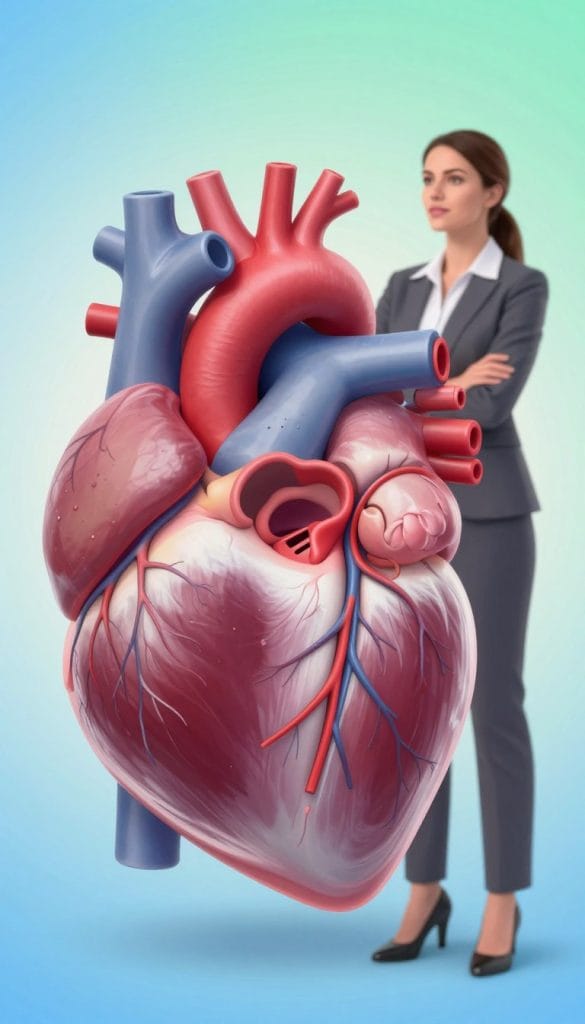
Regular activity lowers risk for heart failure and other events by improving circulation and reducing inflammation. When you move consistently, total cholesterol and markers of inflammation often fall.
These receptor agonist medications worked with exercise to support weight loss and blood sugar control in people with diabetes. That combined effect helps protect the heart and lowers the chance of cardiovascular disease.
Research and clinical study data also showed improvements in kidney measures, which indirectly protects heart health. Better kidney function reduces strain on the cardiovascular system.
- You get greater benefits when you pair exercise with your medications and medical care.
- Consistent movement helps patients maximize long-term outcomes and fewer serious cardiovascular events.
- Semaglutide and similar agents added to activity showed measurable health benefits in multiple studies.
| Effect | Benefit | Who it helps |
|---|---|---|
| Lower inflammation | Reduced heart strain | Patients with obesity or type 2 diabetes |
| Improved lipids | Better cardiovascular outcomes | People at risk for cardiovascular disease |
| Kidney improvement | Indirect heart protection | Patients with diabetes |
Latest Research Findings on Cardiovascular Outcomes
Recent large trials have changed what we know about heart outcomes for people on these medications. The newest data give clearer guidance for your care and exercise planning. Easy High-Protein GLP-1 Meals to Preserve Muscle While You Lose Weight covers the same topic from another angle.
Impact on Heart Attack and Stroke Risk
The Phase III SELECT trial followed more than 17,500 patients for over three years. It showed a 20% reduction in major adverse cardiovascular events, including heart attack and stroke.
That benefit appeared across age groups and baseline weights. Experts noted the protection was not solely due to weight loss.
Benefits for Non-Diabetic Patients
Other studies and pooled data found similar risk reductions in people without diabetes. These results suggest broader protective effects on the heart and lower rates of death and serious adverse cardiovascular events.
For patients type diabetes or those facing cardiovascular disease, this research offers hopeful, evidence-based options to reduce the risk of heart failure and related death when combined with good medical care.
- SELECT: 17,500+ patients, 3 years, 20% fewer major events.
- Benefits seen regardless of starting weight.
- Evidence supports use in patients with and without diabetes.
Comparing Semaglutide and Tirzepatide for Heart Protection
New comparative data give clearer answers about how two leading drugs affect heart outcomes in people with type diabetes.
Evidence from Real-World Clinical Data
A large study in Nature Medicine examined almost one million adults to compare semaglutide and tirzepatide. Researchers found both drugs lowered the risk of heart attack, stroke, and death in routine practice.

Clinical data showed small but meaningful differences. Tirzepatide tended to produce greater weight loss and stronger blood sugar control, which helped patients with type diabetes improve overall outcomes.
| Feature | Semaglutide | Tirzepatide |
|---|---|---|
| Weight loss | Significant | Often greater |
| Blood sugar control | Improved | Usually superior |
| Cardiovascular events | Reduced | Reduced |
- Both drugs helped patients lower adverse cardiovascular events and death.
- Tirzepatide may offer extra benefits for weight and glucose, which can cut heart failure risk in people with diabetes.
- Talk with your care team to choose the right treatment based on your disease, kidney health, and personal risk.
Safety Considerations for Starting a New Exercise Routine
Before you raise intensity, check that your heart and treatment plan are ready for change. Talk with your doctor to confirm your medications and current health support safe activity.
Monitor your heart rate during sessions. Some medicines can cause a small increase in resting rate, so watch for dizziness or unusual palpitations.
Begin slowly to manage weight loss and stamina. Starting with brief, steady walks helps patients adapt and lowers the immediate risk of cardiovascular events.
Integrate regular care by keeping appointments and sharing exercise logs with your clinician. This teamwork improves long-term outcomes and lowers the chance of heart failure or other chronic disease.
Always listen to your body. If you feel shortness of breath or chest tightness, stop and seek medical advice. Combining safe activity with your prescribed treatment gives the best health benefits.

| Action | Why it matters | How to do it |
|---|---|---|
| Medical check | Confirms heart readiness | Visit clinician before starting |
| Rate monitoring | Detects medication effects | Use a heart-rate monitor |
| Slow progression | Reduces event risk | Increase time or intensity weekly |
| Ongoing care | Improves outcomes | Share data with care team |
Managing Potential Side Effects During Physical Activity
Small adjustments to timing and intensity can ease common side effects and keep your progress steady.
Handling Gastrointestinal Discomfort
Many patients notice nausea, bloating, or loose stools when they first start treatment. These effects usually ease after a few days as your body adapts.
Try shorter sessions or move low-impact at first. Eat bland, small meals before exercise and avoid high-fat foods that can worsen symptoms.
If digestive issues persist, talk with your clinician about altering timing or dose so you can keep exercising without disruption. GLP-1 Dehydration covers the same topic from another angle.
Monitoring Your Heart Rate
Checking your pulse helps you avoid overexertion and reduces the risk of adverse events. Use a wrist monitor or manual checks during and after activity.
Set a safe target zone with your doctor based on your disease history and fitness. Stop and rest if you feel dizzy, faint, or experience chest pressure, seek care if symptoms don’t improve.
Staying Hydrated
Proper fluids support your heart and help prevent dizziness for patients with type diabetes. Drink water before, during, and after sessions.
Electrolyte drinks may help longer workouts or hot weather. Track intake and urine color to make small adjustments that protect health and outcomes.
- Many patients see GI effects that fade after days; plan gentler workouts early on.
- Hydration and heart-rate checks lower the risk of overexertion and heart failure events.
- Consistent monitoring helps you stay on track with weight and overall health goals.
Integrating GLP-1 Cardio Strategies into Your Daily Life
Simple routines make it easier to protect your heart while you use medication.
Try adding a 15-20 minute walk after meals. Short, predictable activity helps you build stamina and reduces the risk of heart failure over time.
Choose low-impact options that match your schedule, such as swimming or brisk walking. These moves fit easily into daily life and support weight loss and better diabetes control.
Keep a weekly plan and share it with your clinician. Studies show people who pair treatment with regular exercise see better outcomes and fewer adverse cardiovascular events.
- Start small and increase time gradually to lower risk of injury or fatigue.
- Monitor how your body responds and note any side effects.
- Coordinate exercise with your overall care to maximize benefits.
| Action | Benefit | Who it helps |
|---|---|---|
| Daily 20-min walk | Improves heart fitness and glucose control | Patients type diabetes and adults at risk |
| Swimming or cycling | Low joint stress, steady calorie burn | People with obesity or joint pain |
| Share plan with clinician | Better monitoring of effects and outcomes | Patients with heart disease or kidney concerns |
Conclusion
Wrapping up what you’ve learned lets you act with confidence and protect your heart.
When you pair steady cardio with thoughtful care, you help the people who matter most: yourself and other patients managing chronic conditions.
Use the latest research to lower your risk of cardiovascular disease and other disease complications such as diabetes-related events.
Small, consistent moves support weight, reduce unwanted effects from treatment, and improve clinical outcomes.
Talk with your clinician about your medications, watch how your body responds, and track health markers to see better long-term results.
FAQ
What exercise types work best if you’re taking a GLP-1 receptor agonist?
Aim for a mix of moderate aerobic activity like brisk walking, cycling, or swimming plus two sessions of strength training each week. That combination helps improve heart fitness, preserve muscle during weight loss, and supports blood sugar control. Start slowly if you’re new to exercise and increase duration or intensity by about 10% per week.
Can these medications reduce my risk of heart attack or stroke?
Evidence from large clinical trials and pooled studies shows that several drugs in this class lower the chance of major adverse cardiovascular events, including heart attack and stroke, especially in people with type 2 diabetes and existing heart disease. Benefits vary by drug and patient risk, so review your individual risk with your clinician.
Are the heart benefits the same for people without diabetes?
Research is growing on heart outcomes for people using these treatments for obesity without diabetes. Early data suggest improvements in some cardiovascular risk factors, but definitive reductions in heart attacks and strokes in non-diabetic adults need more long-term trials.
How do semaglutide and tirzepatide compare for protecting the heart?
Both drugs show weight loss and metabolic benefits; semaglutide has stronger trial data for lowering cardiovascular events in people with type 2 diabetes and established cardiovascular disease. Tirzepatide delivers impressive weight and glucose reductions, and real-world data are emerging to clarify its long-term heart effects.
Should you change your workout if you experience nausea or digestive upset?
Yes. If you feel nauseous or have stomach discomfort, reduce exercise intensity and favor gentle activity like walking. Break sessions into shorter bouts, eat a light snack if advised, and avoid high-intensity or prolonged workouts until symptoms ease.
How should you monitor your heart during exercise while on these drugs?
Pay attention to exertional symptoms, chest pain, undue shortness of breath, lightheadedness, or palpitations. Use a wearable heart-rate monitor if helpful and aim for a moderate zone unless your doctor prescribes specific targets. Stop and get medical help for any concerning signs.
Do you need to change medications when starting a new fitness plan?
Not usually, but coordinate with your prescribing clinician. Exercise can lower blood glucose and blood pressure, which may require adjustments to diabetes or blood-pressure drugs. Your team will help you balance medication, diet, and activity safely.
How can you manage dehydration and electrolyte loss during workouts?
Drink water before, during, and after activity. For longer or intense sessions, include a balanced sports drink to replace sodium and potassium. Monitor urine color and frequency as simple hydration checks, and avoid exercising in extreme heat until you’re acclimated.
Are there special precautions for people with heart failure or kidney disease?
Yes. If you have heart failure or reduced kidney function, get tailored medical advice before increasing activity. Some medications affect fluid balance and renal function, so your clinician may recommend graded exercise testing or specific limits to intensity and volume.
How soon will you see cardiovascular benefits after starting treatment and exercising?
Some improvements, like lower blood pressure and better blood sugar, can appear within weeks to months. Reductions in major cardiovascular events usually show over longer follow-up, months to years, depending on drug, dose, and your baseline risk.
Can these therapies cause rapid weight loss that affects your energy for workouts?
Rapid weight change can alter energy levels. Focus on balanced protein intake and resistance training to preserve muscle mass. If you feel unusually fatigued, review your nutrition and exercise plan with a dietitian or your clinician.
What signs mean you should stop exercising and seek medical care?
Stop immediately and seek care for chest pressure or squeezing, fainting, severe shortness of breath, sudden dizziness, or fainting. Persistent palpitations, severe abdominal pain, or dehydration symptoms that don’t improve also warrant prompt evaluation.
How do these medications interact with other heart drugs like statins or SGLT2 inhibitors?
They generally complement existing heart and diabetes therapies. For example, pairing with SGLT2 inhibitors can offer added protection for heart and kidneys in many patients. Always review combinations with your cardiologist or endocrinologist to check for dose adjustments and monitoring needs.
What lifestyle steps should you pair with medication and exercise to maximize heart benefits?
Adopt a heart-healthy diet (think vegetables, whole grains, lean protein, and healthy fats), quit smoking, manage stress, and get regular sleep. Consistent activity, even modest amounts daily, amplifies medication benefits for weight, blood pressure, and overall cardiovascular risk.
Where can you find trustworthy research and guidance on these treatments and heart outcomes?
Look to peer-reviewed journals, professional bodies like the American Heart Association and American Diabetes Association, and clinical trial registries. Discuss findings with your healthcare team to interpret how results apply to your personal health.