
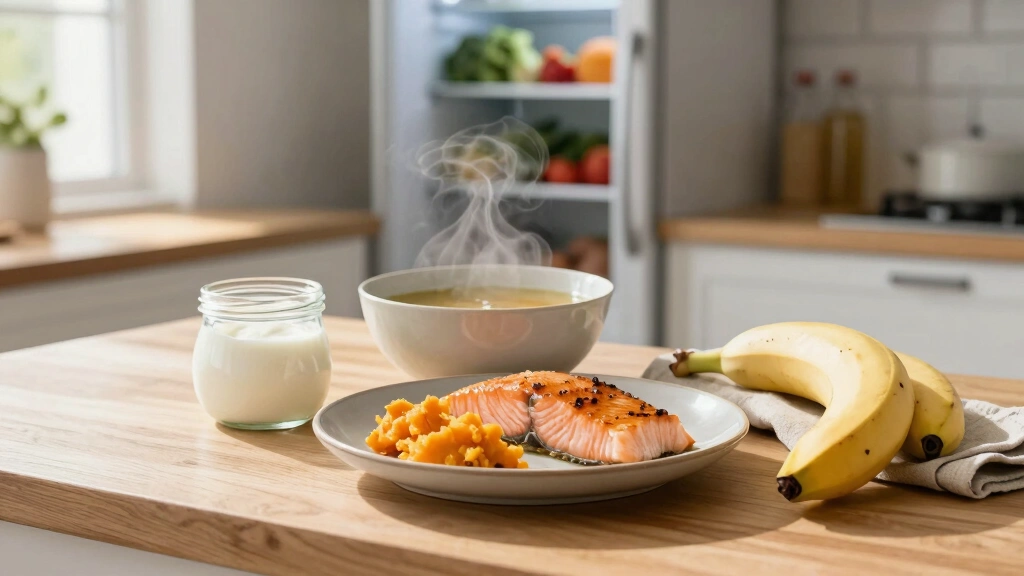
Have you ever stared at your refrigerator in absolute terror, wondering which food will trigger your next painful bathroom run? I know that feeling all too well. Finding a reliable Crohn’s diet meal plan feels like navigating a minefield while wearing a blindfold.
One wrong bite can ruin your entire week. IMO, nobody should live in constant fear of their dinner plate. 🙂 Let’s fix this problem today. We will build a simple, gut-friendly meal plan that keeps your stomach happy and your energy levels high.
Why Your Gut Needs a Customized Approach
Crohn’s disease causes chronic inflammation in your digestive tract. This inflammation prevents your body from digesting food and absorbing nutrients properly. Because this disease behaves differently in everyone, a generic diet plan will not work.
Your friend might eat broccoli without any issues, while that same broccoli sends you straight to the emergency room. Therefore, you must customize your meals based on your current disease stage. Do you currently experience an active flare-up, or do you enjoy a period of remission? This single question dictates everything on your plate.
The Golden Rules of Crohn’s Meal Planning
Before we build your weekly menu, you must master a few core habits. These strategies protect your digestive tract from unnecessary stress. Ever wondered why some people manage their symptoms so much better than others? They usually follow these four rules: Plant Based Diet covers the same topic from another angle.
- Eat smaller, more frequent meals: Large portions overload your intestines. Try eating five or six small meals throughout the day instead of three massive feasts.
- Keep a detailed food journal: Write down everything you eat and note any subsequent symptoms. This habit helps you identify your personal trigger foods quickly.
- Prioritize hydration: Diarrhea drains your body of vital fluids and essential electrolytes. Drink water, clear broths, or electrolyte solutions between meals.
- Modify food textures: Pureeing, blending, or peeling your food takes the pressure off your digestive tract. Your blender is your new best friend.
How Crohn’s Disease Impairs Nutrient Absorption
Inflammation damages your intestinal walls, which compromises nutrient absorption. Gastroenterologists call this process malabsorption. FYI, Crohn’s frequently targets the terminal ileum, the final section of your small intestine.
This specific area absorbs Vitamin B12 and bile acids. If inflammation damages this region, or if a surgeon removes it, you will likely require regular B12 injections. You should also monitor your levels of Vitamin D, calcium, iron, and folic acid, as Crohn’s commonly drains these nutrients from your body.
What to Eat During an Active Flare-Up (The Safe Zone)
When your gut goes to war, you must scale back your menu. During an active flare-up, you want to minimize bowel activity and reduce fiber intake. Choose low-residue, easily digestible foods that pass through your system without causing irritation.
Top Flare-Up Safe Foods
- White rice and refined grains: These foods digest quickly and leave very little residue behind in your colon.
- Cooked, peeled vegetables: Try carrots, squash, and potatoes, but always discard the skins and seeds before cooking.
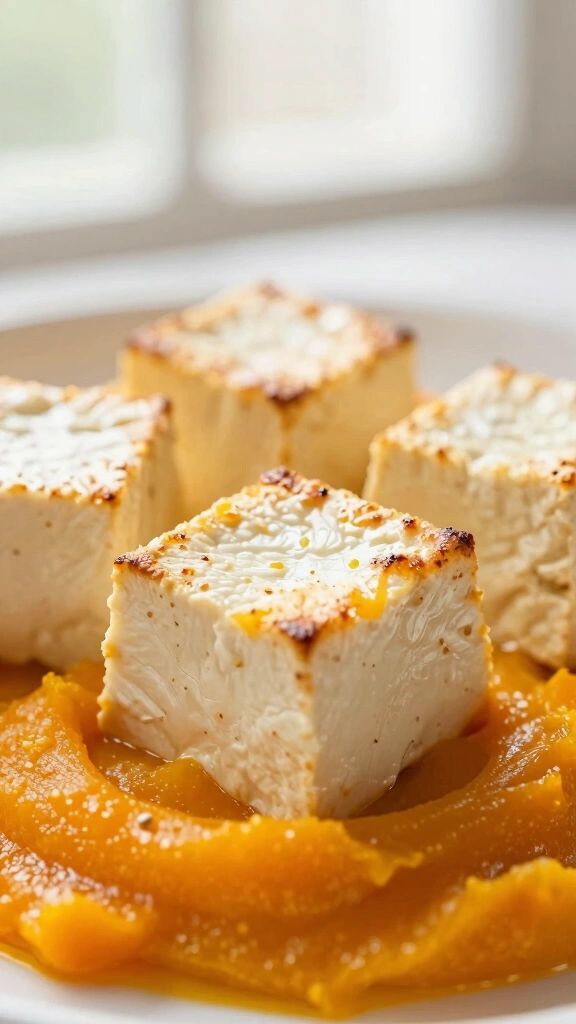
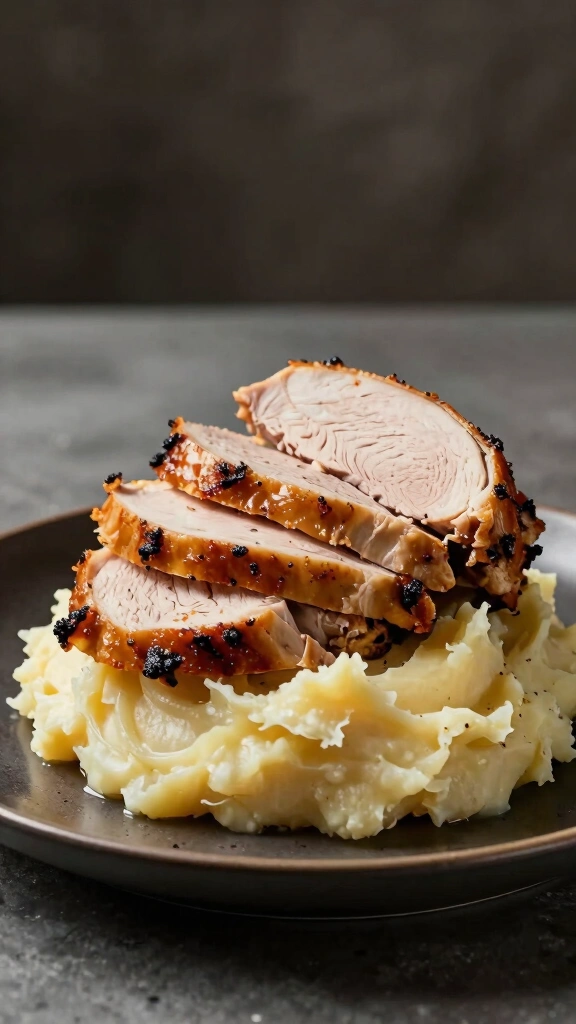
- Lean proteins: Chicken breast, turkey, and tofu supply essential protein without adding excess fat. Bake or steam them gently.
- Smooth nut butters: Creamy peanut or almond butter delivers healthy fats and calories. Avoid the crunchy versions.
- Ripe bananas and applesauce: These fruits provide quick energy, potassium, and soluble fiber without irritating your colon.
What to Eat During Remission (Expanding Your Plate)
Once your inflammation subsides, you can expand your culinary horizons. Do not stay on the restrictive flare-up diet forever, because your body needs a wide variety of nutrients to heal.
Slowly reintroduce fiber into your diet. Start with small portions of soft oats or peeled, ripe fruits. Focus on lean proteins, healthy fats like extra virgin olive oil, and diverse, colorful vegetables. Always introduce only one new food at a time, so you can track reactions easily. Daily Food Plan covers the same topic from another angle.
A Sample 3-Day Crohn’s Diet Meal Plan
Here is a sample three-day plan. This menu focuses on gut-friendly, easily digestible meals that still taste great.
Day 1
- Breakfast: Cook oatmeal in water, then top it with half a ripe banana and a splash of almond milk.
- Morning Snack: Eat a cup of smooth applesauce and two hard-boiled eggs.
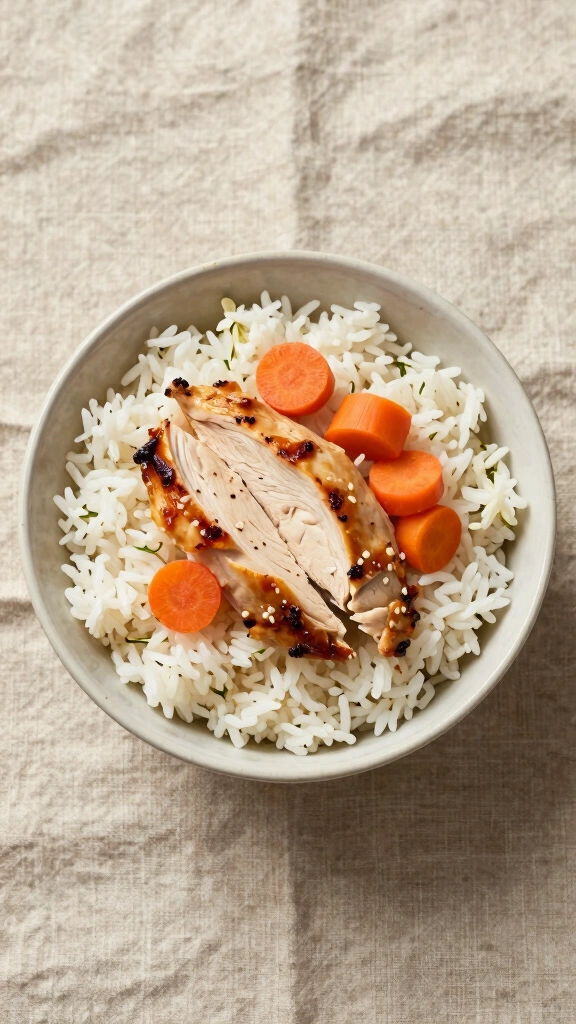
- Lunch: Grill a chicken breast and serve it with white jasmine rice and carrots.
- Afternoon Snack: Blend almond milk, a handful of baby spinach, and a scoop of vegan protein powder into a smooth shake.
- Dinner: Bake a salmon fillet and serve it with skinless mashed sweet potatoes and steam some zucchini on the side.
Day 2
- Breakfast: Scramble two eggs in a little olive oil, toast a slice of sourdough bread, and spread avocado on top.
- Morning Snack: Enjoy a small cup of dairy-free coconut yogurt.
- Lunch: Wrap sliced turkey breast and a small smear of mayonnaise inside a plain white tortilla.
- Afternoon Snack: Sip a hot cup of chicken bone broth and eat a few plain crackers.
- Dinner: Brown some ground turkey in a pan, then stir in white rice and baby bok choy.
Day 3
- Breakfast: Sauté tofu with a pinch of turmeric, and serve it with white toast and a small glass of pulp-free orange juice.
- Morning Snack: Eat a ripe banana with a tablespoon of smooth almond butter.
- Lunch: Simmer chicken noodle soup using white noodles, carrots, and chicken broth, then enjoy a warm bowl.
- Afternoon Snack: Eat a small handful of salted pretzels.
- Dinner: Bake a cod fillet and serve it with mashed white potatoes and green beans.
Watch this helpful video from a registered dietitian to learn more about structuring your daily meals during a Crohn’s flare-up.
Foods to Avoid: The Usual Suspects
While triggers vary from person to person, certain foods cause trouble for almost everyone with Crohn’s. Avoid these items to prevent painful flare-ups:
- High-fiber foods: Raw vegetables, broccoli, cauliflower, popcorn, and whole grains scratch the inflamed lining of your intestines. NEVER eat these during a flare-up.
- High-fat foods: Deep-fried meals, heavy cream, butter, and greasy fast food speed up digestion and trigger diarrhea.
- Spicy seasonings: Hot sauce, chili powder, and cayenne pepper irritate your entire digestive tract.
- Caffeine and alcohol: These beverages act as stimulants and diuretics, which worsen dehydration and diarrhea.
- Dairy products: Many Crohn’s patients suffer from lactose intolerance. Switch to plant-based or lactose-free alternatives instead.
Smart Meal Prep Strategies to Save Your Energy
Fatigue frequently plagues people with Crohn’s disease. When you feel exhausted, cooking a healthy meal feels impossible. Use these meal prep strategies to keep your Crohn’s diet meal plan on track even on your worst days.
First, batch cook safe proteins. Bake four chicken breasts at the same time. Dice them and store them in the freezer for quick additions to rice bowls later.
Second, invest in a high-powered blender. A good blender breaks down tough fibers in fruits and vegetables, which saves your stomach some serious work. Lastly, freeze single-serving portions. When you cook a gut-friendly soup, freeze individual portions in silicone molds. You can reheat them in minutes when a flare-up strikes.
How to Customize Your Diet Without Losing Your Mind
How do you keep your sanity while managing all these rules? First, accept that you will make mistakes. You might eat a trigger food occasionally, and that is okay. Do not beat yourself up over a slip-up.
Second, work closely with a registered dietitian who specializes in gastrointestinal disorders. They will help you balance your nutritional intake and prevent deficiencies. Lastly, focus on what you can eat rather than what you cannot. A positive mindset reduces stress, and stress directly affects your gut health.
Take Control of Your Gut Health
Managing Crohn’s disease requires patience, resilience, and a solid Crohn’s diet meal plan. Start with simple, easily digestible foods and gradually expand your options as your gut heals. Listen to your body, track your reactions, and adjust your meals accordingly. Are you ready to take control of your plate and your health today?
