

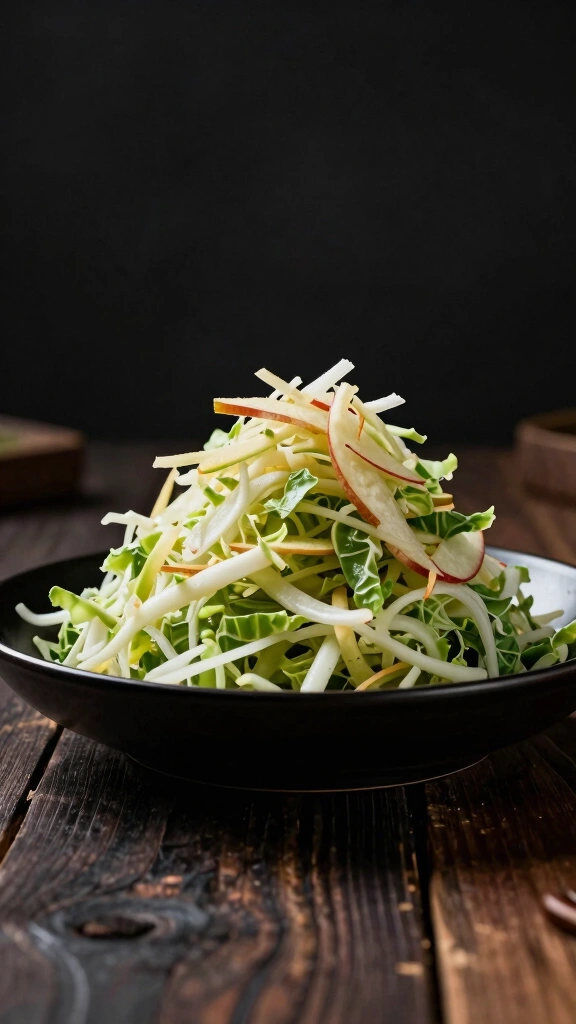
TikTok loves rebranding basic vegetables. Last month, creators hyped up the “internal shower” drink, and now, cabbage wears the crown. Social media feeds currently show a simple, crunchy bowl: the viral cabbage and apple slaw. Wellness influencers call this humble salad “Nature’s Ozempic.”
Does a bowl of shredded cabbage and apples actually mimic a blockbuster weight-loss drug? Or did the internet just discover coleslaw? You might wonder if this trend deserves a place in your meal prep routine. Let’s dissect the science, the taste, and the reality behind the hype.
I tried this recipe last week because I wanted to see if the claims held up. Frankly, my jaw still remembers the workout. But more importantly, the salad kept me full for hours. Consider why this works so well and how you can make it at home.
Why Is Everyone Calling Cabbage “Nature’s Ozempic”?

To understand the nickname, we must look at how weight-loss medications work. Semaglutide, the active ingredient in Ozempic, mimics a hormone in your body called GLP-1 (glucagon-like peptide-1). Your gut naturally releases GLP-1 when you eat food. This hormone slows down stomach emptying and signals your brain that you feel full.
Cabbage and apples do not contain semaglutide. However, they trigger your body’s natural GLP-1 release better than almost any other food combination. How do they do this? The secret lies in their specific fiber profile.
When you consume soluble and insoluble fiber, your gut bacteria ferment these fibers in the large intestine. This fermentation process produces short-chain fatty acids (SCFAs) like acetate and butyrate. These SCFAs stimulate the L-cells in your gut, which then release GLP-1. In simple terms: fiber physically triggers the exact same fullness hormone that Ozempic mimics.
The Science of Satiety: How Cabbage Fights Hunger
Cabbage does not just sit in your stomach; it performs a complex chemical dance that keeps hunger at bay. Consider the mechanics of how this simple vegetable regulates your appetite.
1. High Volume, Low Calories

One cup of shredded cabbage contains only 22 calories. Yet, it occupies significant physical space in your stomach. Stretch receptors in your stomach wall detect this volume and send immediate signals to your brain to stop eating. You get the physical sensation of fullness without a massive calorie load.
2. The Crunch Factor and Chewing Time
You cannot gulp down cabbage and apple slaw. The dense structure of these ingredients forces you to chew thoroughly. Chewing stimulates the production of saliva and triggers satiety hormones before the food even reaches your stomach. It takes about 20 minutes for your brain to register fullness, and this salad naturally slows down your eating speed.
3. Gut Microbiome Support
Cabbage contains prebiotic fibers that feed your beneficial gut bacteria. A healthy microbiome produces more SCFAs, which improve insulin sensitivity and regulate blood sugar. Stable blood sugar prevents those sudden energy crashes that send you running for sweet snacks in the afternoon.
How to Make the Viral Cabbage & Apple Slaw
You do not need fancy culinary skills for this recipe. However, the slicing technique makes all the difference. Thinly shredded cabbage absorbs the dressing much better than thick chunks. IMO, a mandoline slicer or a sharp chef’s knife works best for this job. 🙂
The Ingredient List
- Green Cabbage: Half of a medium head, shredded finely (provides bulk and vitamin C).
- Red Cabbage: Half of a medium head, shredded finely (adds color and anthocyanin antioxidants).
- Granny Smith Apple: One large apple, julienned (delivers tartness, pectin fiber, and crunch).
- Fresh Herbs: One cup of chopped cilantro or flat-leaf parsley (brightens the overall flavor).
- Green Onions: Three stalks, thinly sliced (adds a mild, savory kick).
The Tangy Dressing
Skip the heavy, store-bought mayonnaise dressings. We want a light, acid-forward dressing that cuts through the dense cabbage and aids digestion. Natural Ozempic Tea Recipe covers the same topic from another angle.
- Apple Cider Vinegar: Three tablespoons (helps regulate blood sugar).
- Extra Virgin Olive Oil: Two tablespoons (provides healthy fats for nutrient absorption).
- Dijon Mustard: One teaspoon (emulsifies the dressing and adds depth).
- Raw Honey or Maple Syrup: One teaspoon (balances the acidity).
- Sea Salt and Black Pepper: To taste.
Step-by-Step Instructions
- Prep the veggies: Shred both cabbages and place them in a large mixing bowl.
- Cut the apple: Juliennne the Granny Smith apple and toss it immediately with the cabbage to prevent browning.
- Mix the dressing: Whisk the apple cider vinegar, olive oil, mustard, honey, salt, and pepper in a small bowl until smooth.
- Combine and massage: Pour the dressing over the salad. Use your hands to gently massage the dressing into the cabbage for 30 seconds to soften the tough fibers.
- Garnish and chill: Fold in the herbs and green onions. Let the salad sit in the fridge for 15 minutes before serving to let the flavors blend.
The Apple Factor: Pectin and Blood Sugar Control
Why do creators pair cabbage with apples specifically? Why not carrots or berries? The combination makes sense from both a culinary and biological standpoint.
Apples contain a specific soluble fiber called pectin. Pectin forms a gel-like substance in your digestive tract. This gel slows down the absorption of glucose from your food, preventing sharp spikes in your blood sugar. When your blood sugar remains stable, you experience fewer cravings for processed carbs.
Furthermore, the tartness of a Granny Smith apple cuts through the sulfurous notes of raw cabbage. It tricks your palate into feeling satisfied because you receive sweet, tart, savory, and bitter flavors in a single bite. Chefs call this sensory specific satiety. When a dish stimulates all your taste buds, your brain shuts off hunger signals much faster.
Raw vs. Cooked Cabbage: Which Is Better for Weight Loss?
You might wonder if you should steam or sauté your cabbage instead of eating it raw. Both methods offer benefits, but they serve different purposes for weight loss and digestion.
| Feature | Raw Cabbage (Slaw) | Cooked Cabbage |
|---|---|---|
| Chewing Time | High (promotes fullness signals) | Low (easier to consume quickly) |
| Volume in Stomach | Maximum (stretches stomach wall) | Medium (shrinks during cooking) |
| Digestion Ease | Harder (can cause temporary bloating) | Easier (breaks down tough fibers) |
| Nutrient Retention | Preserves heat-sensitive Vitamin C | Enhances antioxidant availability |
FYI, if you suffer from a sensitive digestive system, start with small portions of raw slaw. Raw cruciferous vegetables contain raffinose, a complex sugar that your gut bacteria love to ferment. This fermentation can cause gas and bloating if your body isn’t used to high fiber intake. Massaging the cabbage with salt and vinegar beforehand helps break down these tough sugars before they reach your stomach.
Let’s Get Real: Can a Salad Replace a Prescription Drug?
Let’s inject some truth into the viral hype. No, a bowl of cabbage and apple slaw will not perform miracles. It cannot match the heavy-duty neurological and metabolic changes that a prescription GLP-1 agonist like Ozempic induces.
Ozempic operates at a systemic level, altering brain chemistry to suppress appetite constantly. Cabbage slaw works locally in your gut. It requires physical digestion and offers temporary satiety. If you struggle with severe clinical obesity or metabolic dysfunction, you should consult a doctor rather than relying solely on grocery store produce.
However, for the average person looking to shed a few pounds or manage afternoon cravings, this salad offers a powerful, side-effect-free alternative. While Ozempic costs hundreds of dollars a month and can cause nausea, a head of cabbage costs about two dollars and boosts your cardiovascular health. It represents a sustainable, lifetime habit rather than a quick fix.
How to Customize Your Slaw for Extra Protein
While cabbage and apples provide excellent fiber, they lack the protein necessary to build muscle and keep you full for the long haul. You can easily upgrade this side dish into a complete meal by adding clean protein sources.
Try adding these ingredients to your next batch:
- Shredded Chicken Breast: Adds lean protein without changing the flavor profile.
- Edamame: Boosts both protein and extra plant-based fiber.
- Toasted Pumpkin Seeds (Pepitas): Adds healthy fats, magnesium, and a nutty crunch.
- Hemp Hearts: Delivers omega-3 fatty acids and a subtle, creamy texture.
Will You Crunch Your Way to Weight Loss?
The viral cabbage and apple slaw deserves the internet fame. It combines affordable ingredients, simple preparation, and solid nutritional science. While the label “Nature’s Ozempic” stretches the truth for clicks, the salad definitely maximizes satiety and supports gut health.
Make a big batch of this slaw during your weekend meal prep. It stays crunchy in the fridge for up to four days, unlike soggy lettuce-based salads. Eat a cup of it before your main dinner course to naturally reduce your portion sizes. Your gut, your wallet, and your waistline will thank you.
