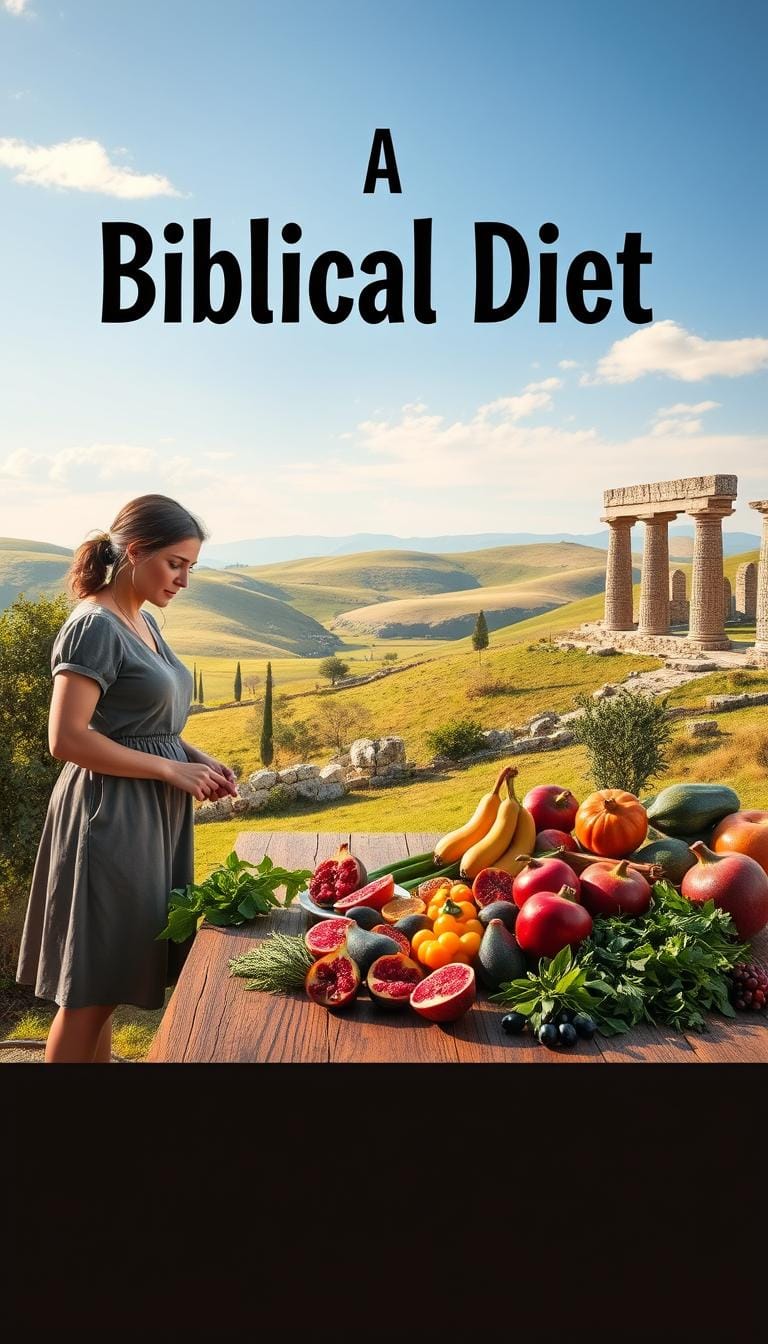
Have you ever wondered whether ancient eating habits could reshape your health today?
You’ll explore how Dr. Josh Axe and Jordan Rubin turned ancient texts into a modern plan. Their work shows how old foods can guide modern nutrition. The goal is simple: better health by honoring time-tested foods and practices.
This guide looks at what the Bible says about food and how to eat it today for real results. You’ll see why many modern plans fail, they focus on rules instead of the heart. When you change the way you eat, your weight and energy often follow.
We’ll also cover surprising topics like bread and how traditional preparation can make it a healthy part of your day. By learning which foods supported people in the past, you gain practical steps for today’s complex food scene.
Key Takeaways
- You’ll learn how ancient foods can inform modern nutrition for better health.
- Focus on heart-centered habits, not just external rules.
- Traditional bread and foods can be part of a healthy daily plan.
- Small changes in the way you eat can affect weight and vitality.
- This guide combines faith-rooted insight with practical steps you can use today.
Understanding the Biblical Diet
Ancient food habits offer more than rules, they point to a whole-person path to healing.
To truly understand this approach, you must look past lists of allowed and banned foods. The focus is on how simple, real foods support your heart and overall health.
Jordan Rubin’s 40-day upgrade combined food changes with emotional and spiritual therapy and helped him recover from terminal cancer. That story shows healing can come when your plan treats body and soul together.
Dr. Josh Axe argues that a Bible-based plan can ease issues like anxiety and diabetes by restoring balance. Many modern diets fail because they chase only weight loss, not lasting nourishment.
- Focus on whole food choices that nourish the heart.
- Shift from restriction to routine and emotional healing.
- Use ancient principles to build a modern, sustainable plan.
| Practice | Focus | Typical Outcome | Example |
|---|---|---|---|
| Whole foods | Nutrient density | Improved energy | Grains, fruit, vegetables |
| Heart-centered therapy | Emotional healing | Better adherence | Prayer, counseling |
| Short-term resets | Detoxification | Renewed focus | 40-day plan |
The Historical Context of Dietary Laws
Ancient food rules grew out of daily needs and community safety in a world without modern medicine.
Old Testament Foundations
The laws about what to eat helped set the people apart and gave a clear way to maintain good health. These rules taught restraint and care for the community. They also reduced illness risk when sanitation and testing were rare.
Leviticus 11 lists clean and unclean animals. That list made practical sense for the time and for shared living. Many scholars agree the guidance protected families and supported stewardship of resources.
The New Testament Shift
In the New Testament, emphasis moved from strict external laws to the heart’s condition. This change reshaped how people saw daily life and food choices.
- The earlier dietary rules provided public-health benefits and social identity.
- The later focus pointed you toward inner motives rather than only following a list of practices.
- Understanding both eras helps your hands-on approach to good living and stewardship.
| Era | Main Focus | Practical Aim |
|---|---|---|
| Old Testament | Community rules and purity | Disease prevention and identity |
| Interim times | Debate and interpretation | Contextual understanding |
| New Testament | Heart and motive | Personal conscience and life direction |
Why the Heart Matters More Than Rules
When food decisions come from your heart, the results last far beyond any short-term plan.
The core idea here is simple: focusing on rules misses deeper things. If you treat the bible diet as a checklist, you can obey without changing your motives.
Legalism often turns eating into stress. That stress can raise cortisol and, ironically, lead to unwanted weight gain. So following every rule perfectly may backfire.
Grace and freedom shift your attention from rigid control to steady, loving choices. When you accept that grace is sufficient, food loses its power to define you.
- You learn to notice why you eat, not just what you eat.
- You trade perfection for progress and fewer shame-driven choices.
- You focus on lasting habits that honor your body and values.
| Focus | Rule-based Result | Heart-centered Result |
|---|---|---|
| Following rules | Short-term compliance | Temporary control, high stress |
| Legalism | Guilt when imperfect | Broken motivation |
| Heart change | N/A | Sustainable habits and peace |
Embracing Freedom of Choice in Your Nutrition
When your food choices come from clarity rather than fear, you gain lasting control over health.
Amplified Reflection Techniques
Start small. Each day you face a lot of choices about what to eat. You have the power to turn those choices into a confident plan that supports your health and weight goals.
Use quick reflection moments before meals. Ask yourself: “What does my body want? What do I need?” This makes sense when cravings feel loud.
Make a list of things that bring joy and energy. Then match those to real foods that help you feel good. Your nutrition plan becomes personal and flexible.

| Technique | What you do | Daily benefit |
|---|---|---|
| Pause & reflect | One breath before eating | Reduces impulsive choices |
| Match cravings | Choose nutrient-rich alternatives | Supports weight and energy |
| Celebrate options | List favorite healthy things | Keeps joy in meals |
Remember, you have a lot of options. When you stop treating food as a set of restrictive things, you can enjoy meals while pursuing long-term health.
Connecting With Your True Cravings
Your daily cravings often tell a bigger story than a simple appetite. Pay attention to the small signals you feel before and during meals. This helps you identify the things that drive your desire for certain food.
Take a moment in the day to pause and ask why you want what you want. When you listen with your heart, you make sense of urges that used to feel mysterious.
- Notice patterns: many people crave specific things at a set time.
- Label the urge: is it physical hunger or an emotional cue?
- Respond kindly: choose a nourishing option when possible.
When you tune in, you can manage your weight without fighting yourself. Making sense of hunger helps you tell the difference between true need and an empty comfort pull.
| Signal | Likely Cause | Simple Response |
|---|---|---|
| Mid-afternoon sweet craving | Energy dip or boredom | Protein snack or short walk |
| Evening urge for comfort | Emotional loneliness | Talk with a friend or journal |
| Stomach rumble after activity | True physical hunger | Balanced meal with carbs and protein |
Be honest about the things you truly want. With small, steady steps you change your relationship with food and find a better sense of balance.
How Love Compels a Healthy Lifestyle
Letting love guide your routine turns small habits into lasting strength for family life.
When you view your health through love, you gain a clear way to care for others. Small choices about rest, movement, and nutrition matter. Your energy affects how well you serve and show up.
Practical steps to act from love:
- Prioritize meals that fuel your day so your hands are steady for work and service.
- Create simple rituals that support your sense of purpose and calm.
- Focus on family routines that build shared good habits and joy.

A sense of purpose makes it easier to keep healthy habits for the long term. When you stay well, you can better help others and lead by example.
| Focus | Action | Outcome |
|---|---|---|
| Energy | Balanced meals and sleep | Reliable daily strength |
| Service | Hands ready for work | More help for family |
| Purpose | Simple goals | Long-term healthy life |
Biblical Principles for Modern Health
Ancient teachings offer practical tools you can use to boost modern health.
The Power of Fasting
Fasting helps you reset your appetite and gain mental clarity during the day. Short, intentional fasts can reduce inflammation and sharpen your sense of purpose.
Dr. Josh Axe highlights fasting as a way some people use to slow aging and support recovery, even during serious illness like cancer. Use fasting sensibly and check with your provider.
Healing the Heart
Emotional healing and forgiveness free you from the weight of past hurts. When you let go, your choices become calmer and your habits easier to keep.
Caring for Your Body
Stewardship means treating your body as a cherished gift. Include time-tested foods like sourdough bread and raw milk in sensible amounts to support digestion and energy.
- Reset with brief fasts to regain control over cravings.
- Practice forgiveness to reduce stress-driven eating.
- Choose whole foods that make sense for your daily plan.
| Principle | Action | Expected Benefit |
|---|---|---|
| Fasting | Intermittent or short-term fasts | Clarity, lower inflammation |
| Emotional healing | Journaling, counseling, forgiveness | Reduced stress, steadier habits |
| Stewardship | Whole foods, rest, movement | Long-term vitality and healthy weight |
The Role of Clean and Unclean Animals
Those old food rules weren’t arbitrary; they offered a sensible way to avoid risky meat.
The list of clean and unclean animals in Leviticus 11 gives a clear reason for excluding some meat, like pork, from regular meals. In plain terms, the rules point to safer foods and better health for the community.
God created these guidelines to protect people from disease. Scavenger animals often carried parasites and toxins. That made the rules a wise way to guard the body over time.

Many people today find avoiding unclean meat helps them keep good health and may lower risks linked to cancer and toxins. Clean animals, those that chew the cud or have split hooves, tend to provide meat that supports nutrition in a straightforward way.
- Understanding the clean unclean list helps you choose safer foods for your day.
- Following these rules made sense for man living before modern food safety.
- Research now shows the laws likely reduced parasitic infections and other risks.
| Focus | Ancient Reason | Modern Benefit |
|---|---|---|
| Clean unclean | Reduce exposure to scavenger-borne disease | Better protection and good health |
| Meat choice | Nutrition and safety | Supports body, weight, and energy |
| Guidance | God created order for people | Makes practical sense across time |
Why Aquatic Creatures Matter
Some aquatic creatures act like natural filters, and that matters for your health.
The Role of Filter Feeders
Many shellfish and similar sea animals lack fins and scales. They filter particles from the water as they feed. That cleaning role is helpful for ecosystems but risky for you.
Filter feeders can concentrate toxins, bacteria, and pollutants in their tissues. For that reason, these things often appear on the clean unclean list.
Choosing fish with fins and scales makes sense if you want safer foods each day. God created fish this way to provide a trusted source of nutrients that support your body.
Also note that the skin of some unclean sea creatures can hold harmful substances. Many people overlook this risk, which can affect weight, skin, and overall health.
- Avoid filter feeders when possible to reduce toxin exposure.
- Pick clean fish with fins and scales for steady nutrition.
- Understanding the role of these sea animals makes the list easier to sense and follow.
| Feature | Why it matters | Practical choice |
|---|---|---|
| Filter feeders | Accumulate toxins from water | Avoid shellfish |
| Finned, scaled fish | Safer nutrient source | Eat salmon, trout |
| Skin risks | Can contain contaminants | Choose tested seafood |
The Significance of Avoiding Blood
When you skip foods that contain blood, you reduce real risks that can affect your body and others.
Avoiding blood is more than an old rule; it makes sense as a public-health practice. Blood can carry parasites and pathogens that pass between animals and man. This is a clear reason the clean unclean lists focused on it.
By staying away from blood you protect your long-term health. You honor the body as a temple and lower the chance of infections that harm weight, skin, or energy over time.
- Practical safety: Blood may transmit parasites at certain times, so avoiding it reduces risk.
- Respect for life: The practice values the life in foods and shows care for others.
- Modern sense: These ancient rules still help you choose safer foods today.
| Focus | Why it matters | Daily way |
|---|---|---|
| Avoid blood | Reduce disease transmission | Choose well-processed meat |
| Clean unclean | Safer food choices | Prefer tested, inspected sources |
| Honor the body | Long-term health | Mindful meals and care for others |
Addressing Common Misconceptions About Jesus and the Law
Many people mix up Jesus’ words about law and miss how that affects daily food choices.
Jesus didn’t simply cancel rules; He fulfilled them and showed a new way that centers the heart. That change shifts your focus from checking boxes to choosing with love.
Your daily food choices should reflect gratitude, not the idea that strict obedience earns favor. When you view meals as worship, you free yourself from guilt and from harsh, temporary diets.
Many struggle with weight and rules because they think perfection is required. Jesus offers grace, which lets you follow a sensible plan without living under legal pressure.
- Focus on motives: choose foods that nourish your body and align with your values.
- Let grace guide you when you slip; growth matters more than faultless compliance.
- Use the law’s wisdom to inform your choices, but keep the heart as the aim.
| Misconception | Reality | Daily Result |
|---|---|---|
| Jesus abolished the law | He fulfilled and re-centered it on the heart | Freedom in food choices |
| Must follow every rule perfectly | Grace allows growth and steady change | Better long-term habits |
| Food earns favor | Food can be worship and care | Healthier weight and peace |
Remember, the goal is to live in a way that honors God. Let your eating be a tool for health, worship, and a heart-centered life rather than a burdensome checklist.
Practical Steps for Your Daily Journey
Change starts where you think about food, not just where you put it on the plate. Begin each morning with a short intention: one clear choice that guides your health for the day.
Renewing Your Mind
Shift your focus from quick fixes to small, steady habits. When you reframe impulses as signals, you gain a better sense of long-term goals.
Try one new recipe each week that supports biblical health principles and your weight loss goals. Simple recipes teach portion control and make nutrition feel doable.
Practicing Grace
Give yourself room to learn. Mistakes are part of the journey and will not erase progress. Practicing grace helps you return to your plan without shame.
Build a daily routine: plan meals, pick wholesome foods, and track one habit at a time. Over time these small steps protect your weight and boost energy.
- Start small: one habit, one recipe, one meal at a time.
- Plan your week to reduce impulse choices and save time.
- Use forgiveness as fuel, get back on track after a slip.
| Action | Why | Daily Benefit |
|---|---|---|
| Try a new recipe | Builds skill and variety | Better nutrition |
| Schedule meals | Reduces impulsive eating | Steadier weight |
| Practice grace | Improves persistence | Long-term habits |
Overcoming the Diet Mentality
Breaking the cycle of short-term fixes opens room for a gentler approach to food.
When you stop focusing on restrictive diets, you free yourself to learn a healthier way to eat. This shift helps you trade quick rules for steady habits that support real weight loss over time.
Replace old habits with small, life-giving practices you can use each day. Choose real foods that nourish you and honor your values. Little changes add up and keep you moving forward without shame.
- Stop treating a single plan as the only solution; allow flexibility and grace.
- Focus on the things that truly nourish you, not on rigid lists.
- Build simple routines that protect your energy and support weight loss.
- Remember: your journey is about freedom, not punishment.
| Challenge | New Focus | Daily Result |
|---|---|---|
| Short-term fixes | Consistent small habits | Steady progress and less stress |
| Rigid rules | Flexible plan with grace | Better adherence and joy in meals |
| Guilt over slips | Kind self-reflection | Faster recovery and renewed focus |
Your path forward is practical and kind. As you let go of harsh expectations, you find peace and a stronger, more sustainable relationship with food and your body.
Conclusion
Carry forward a practical promise: small, loving choices at the table lead to lasting change. Let each meal be a gentle chance to honor your values and care for the body you were given.
The biblical diet points you to a simple way of living that blends faith and health. When you include time-tested foods and steady routines, you build momentum without harsh rules.
Your journey will have ups and downs. Stay patient, keep practicing small habits, and let your meals reflect stewardship and love. In time, this way of eating shapes a healthier, more peaceful life and a meaningful testimony of care.
FAQ
What does the Bible say about which foods are clean or unclean?
The Old Testament lists animals considered clean and unclean, focusing on specific traits like chewing the cud or having fins and scales. For you today, that historical guidance can help inform choices, but New Testament passages and many faith leaders emphasize conscience and heart posture over strict food rules.
Can you follow these food rules and still live a healthy life now?
Yes. Many people combine those guidelines with modern nutrition, plenty of vegetables, whole grains, fish with scales, and lean meats when appropriate. Balancing portion control, hydration, and varied nutrients supports heart health, weight management, and overall wellness.
How should you think about meat like pork or shellfish?
Traditional texts label pork and shellfish as unclean. If you avoid them for spiritual reasons, focus on other protein sources like fish, poultry, legumes, and dairy. If you don’t observe those rules, be mindful of preparation, food safety, and how those foods affect your body and family health.
Does avoiding blood have a practical health benefit?
Avoiding blood in food comes from long-held religious law and also reduces risk of certain pathogens when meat is properly processed. From a health standpoint, thorough cooking and safe handling are the most important factors for reducing infection and contamination.
How do aquatic creatures fit into these guidelines?
Fish with fins and scales are commonly listed as acceptable, while filter feeders and shellfish are often excluded. From a nutrition angle, oily fish like salmon and sardines provide beneficial omega-3s, so consider those when planning meals.
What role does fasting play in modern health?
Fasting has spiritual roots and practical health effects. Short, well-managed fasting can improve metabolic markers and mindfulness around food. Always check with a healthcare provider before starting any fasting plan, especially if you have medical conditions.
How should you balance freedom of choice with traditional rules?
You can honor tradition while making informed choices. Reflect on your values, consult scripture or faith leaders if that helps, and pair those convictions with modern nutrition principles to support your body and family life.
Are there Christian teachings that challenge strict dietary rules?
Yes. Some New Testament writings emphasize that what comes from the heart matters more than external food rules. Many Christians interpret this to mean freedom in food choices, urging focus on love, mercy, and stewardship of the body instead of legalism.
How can you practice stewardship of your body in everyday eating?
Choose whole foods, prioritize fruits, vegetables, whole grains, and lean proteins, limit processed foods and excessive sugar, and stay hydrated. Small habits, regular meals, mindful portions, and cooking at home, support long-term health for you and your family.
What about emotional eating and cravings, how do you address them?
Start by identifying triggers like stress or habit. Use reflection techniques, journaling, and intentional pauses before eating. Seek support from community, counseling, or faith groups to work through emotional patterns and form healthier habits.
Can following these principles help with weight and chronic disease?
Yes. Emphasizing whole foods, reducing ultra-processed items, and practicing portion control can aid weight management and lower risk for heart disease, diabetes, and some cancers. Pair dietary changes with regular activity and medical guidance.
Are milk and dairy addressed in these texts, and are they healthy choices?
Dairy appears in many traditional diets and can be a good source of calcium and protein. Choose pasteurized, lower-fat options if you’re watching saturated fat. If you’re lactose intolerant, alternatives like fortified plant milks work well.
How do you handle meals with family or guests who eat differently?
Lead with hospitality and respect. Offer a variety of dishes that accommodate different practices, vegetable sides, grains, and labeled proteins, so everyone can eat comfortably without feeling judged.
Where can you find recipes that align with these principles?
Look for recipes that center whole ingredients: grilled or baked fish, roasted vegetables, legume-based stews, and whole-grain breads. Many cookbooks and reputable websites offer meal plans that blend traditional guidance with modern nutrition.
Should you consult a professional when changing your eating habits for health or religious reasons?
Yes. A registered dietitian or your primary care provider can help tailor plans to your age, activity level, and medical needs. They’ll ensure you get sufficient nutrients while respecting your beliefs and goals.