

Look at your breakfast plate right now. Does it contain real, life-giving food, or did it originate in a sterile factory assembly line? If you feel sluggish, bloated, and tired of counting calories, your DNA might be crying out for a change.
Modern grocery store shelves overflow with colorful boxes and chemical preservatives. We traded nutrient-dense, traditional foods for convenience, and our health paid the ultimate price. An ancestral diet meal plan strips away the synthetic junk and feeds your body the exact nutrients it evolved to use.
Ready to reclaim your energy, clear your brain fog, and eat food that actually tastes amazing? You can easily transition to ancestral eating today.
What Exactly Is an Ancestral Diet?
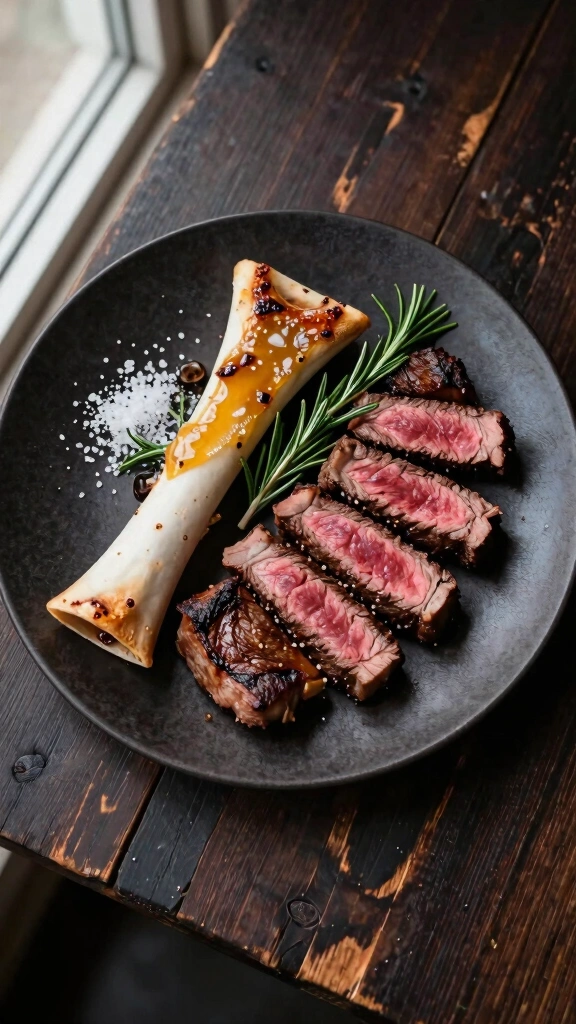
Nutritionists do not base the ancestral diet on modern food pyramids or corporate-sponsored research. Instead, this lifestyle mimics the eating patterns of traditional cultures before industrial agriculture took over. Think of the pioneering work of Dr. Weston A. Price, who studied healthy indigenous populations worldwide in the 1930s.
Price discovered that these vibrant, disease-free communities ate whole, unprocessed foods native to their environments. They did not suffer from the chronic ailments that plague our society today. IMO, we need to copy their homework if we want to thrive. 🙂
An ancestral diet focuses on nutrient density, bioavailable vitamins, and natural fats. Unlike strict modern diets, it does not require you to starve yourself. You simply choose foods that your ancestors would recognize as actual food.
Why Your Body Craves Traditional Foods
Ever wondered why modern diets leave you feeling hungry an hour after eating? Highly processed carbs spike your blood sugar and crash your energy levels. Traditional foods pack a massive dose of fat-soluble vitamins (A, D, E, and K2) that protect your cells and support hormone production.
Your digestive tract also benefits immensely from this lifestyle. Fermented foods and ancestral fats nourish your gut microbiome, which controls everything from your mood to your immune system. By eliminating inflammatory vegetable oils and refined sugars, you allow your body to heal naturally.
The Core Pillars of Ancestral Eating
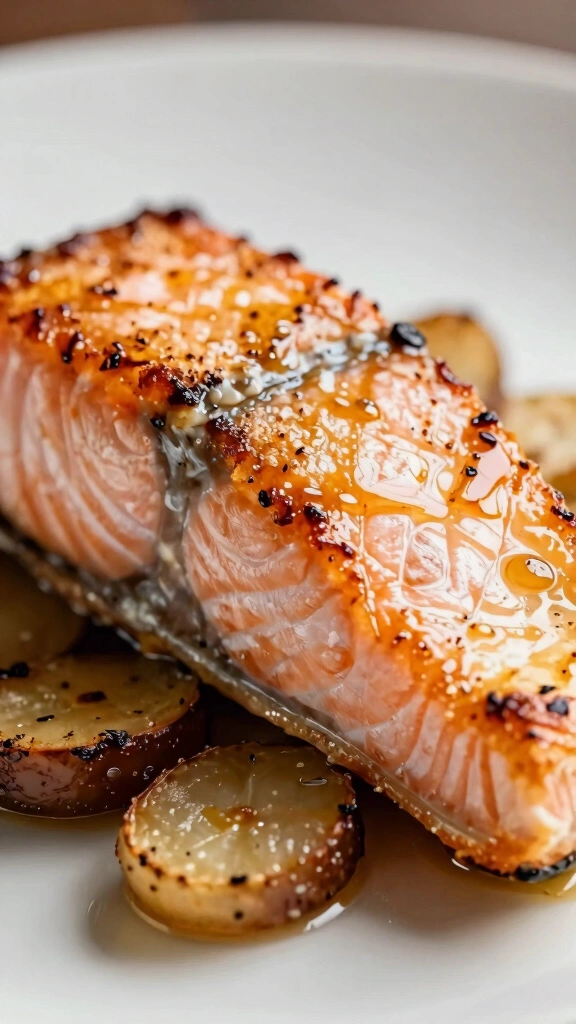
- Nose-to-Tail Eating: Do not just eat boneless, skinless chicken breasts. Enjoy organ meats, marrow, and connective tissue for a full spectrum of amino acids.
- Healthy Traditional Fats: Ditch the canola oil. Cook with grass-fed butter, tallow, lard, and extra virgin coconut oil instead.
- Sourcing Matters: Choose pasture-raised meats, wild-caught fish, and organic, seasonal vegetables whenever your budget allows.
The Ancestral Diet Shopping List
Before you build your daily plates, you must restock your pantry. Use this simple checklist during your next grocery trip to keep yourself on track.

Foods to Embrace
- Pasture-Raised Meats: Beef, lamb, pork, and bison.
- Organ Meats: Beef liver, heart, and kidney (nature’s true multivitamins).
- Wild-Caught Seafood: Salmon, sardines, mackerel, and shellfish.
- Healthy Fats: Tallow, lard, ghee, avocado oil, and olive oil.
- Traditional Dairy: Raw or fermented milk, kefir, yogurt, and aged cheeses.
- Seasonal Fruits & Vegetables: Berries, leafy greens, squash, and root vegetables.
- Nuts & Seeds: Macadamia nuts, walnuts, and pumpkin seeds (soak them first to reduce phytic acid).
Foods to Avoid
- Refined Seed Oils: Canola, soybean, corn, and sunflower oils.
- Ultra-Processed Grains: White flour, breakfast cereals, and instant noodles.
- Refined Sugars: High-fructose corn syrup, white sugar, and artificial sweeteners.
- Soy and Legume Isolates: Processed protein powders and fake meats.
Your Easy 7-Day Ancestral Diet Meal Plan
You do not need complex recipes to succeed with this meal plan. Focus on simple cooking techniques, high-quality ingredients, and healthy fats. Prepare to feel full and satisfied after every single meal.
- Day 1: Start your week with three scrambled pasture-raised eggs cooked in grass-fed butter, alongside two slices of thick-cut bacon. For lunch, toss wild-caught sardines with raw spinach, half an avocado, and a squeeze of fresh lemon juice. End your day with a thick, juicy, grass-fed ribeye steak and a side of roasted sweet potatoes slathered in ghee.
- Day 2: Warm up your morning with a cup of salted beef bone broth and a handful of raw macadamia nuts. Enjoy a cold roast beef wrap wrapped in butter lettuce leaves with homemade avocado oil mayonnaise for lunch. Grill some wild-caught salmon and steam asparagus with a generous dollop of butter for dinner.
- Day 3: Whip up a three-egg omelet filled with raw cheddar cheese, onions, and mushrooms. Pack the leftovers from yesterday’s salmon and asparagus for a quick lunch. Roast a whole pasture-raised chicken with carrots, onions, and garlic for a comforting dinner that will leave you with plenty of leftovers.
- Day 4: Fuel your morning with grass-fed Greek yogurt topped with raw honey and organic blackberries. Shred the leftover roasted chicken and mix it with celery and homemade mayonnaise for a satisfying lunch. Fry up some beef liver and onions in bacon fat for a nutrient-packed dinner (trust me, this tastes incredible when cooked hot and fast!).
- Day 5: Cook ground beef with taco seasoning (avoid packets with seed oils and fillers) and serve it over a baked sweet potato. Drink a cup of goat milk kefir for lunch alongside some raw carrots and celery. Bake pork chops with sliced apples and a side of sautéed cabbage for dinner.
- Day 6: Bake a frittata with spinach, pasture-raised sausage, and goat cheese. Eat a simple plate of sliced prosciutto, raw cheese, and olives for a quick lunch. Sear lamb chops in rosemary and garlic, and serve them with roasted butternut squash.
- Day 7: Treat yourself to a lazy Sunday breakfast of mashed plantains fried in coconut oil with a side of fried eggs. Sip on warm chicken bone broth and eat a handful of soaked walnuts for a light lunch. Simmer a rich beef chuck roast in a slow cooker with bone broth, potatoes, and parsnips for a cozy Sunday dinner.
How to Source Real Foods on a Budget
Do not let the “organic” price tag scare you away. You can easily eat an ancestral diet without draining your bank account. Smart planning and local sourcing will save you hundreds of dollars every month. Ditch the Cardboard Cereal covers the same topic from another angle.
First, find local farmers in your area. Websites like LocalHarvest connect you directly with growers and ranchers who sell grass-fed meat in bulk. Purchasing a quarter or half cow fills your freezer with high-quality beef at a fraction of retail prices. FYI, this strategy also supports local agriculture instead of massive food conglomerates.
Second, prioritize your purchases. If you cannot afford organic everything, focus your budget on grass-fed meats and pasture-raised eggs. Standard frozen vegetables often cost less than fresh ones and still contain all their original nutrients. Do what you can, and do not stress over perfection.
Overcoming the Transition Phase
What happens when you drop the processed carbs and sugar? Your body will likely protest for the first few days. Some people call this the “low-carb flu,” where you might experience fatigue, irritability, or mild headaches.
Do not panic; this reaction simply means your body is switching its fuel source from glucose to fat. You can ease this transition by drinking plenty of salted bone broth. The sodium and minerals will quickly banish your headaches and keep your energy levels stable.
Make sure you also eat enough fat. If you cut out grains but fail to increase your fat intake, you will starve your body of energy. Smother your vegetables in butter, eat the fat on your steaks, and keep your fuel tank full.
Common Questions People Ask
Can I eat grains on an ancestral diet?
Most traditional cultures prepared grains through extensive soaking, sprouting, or fermenting to neutralize gut-irritating antinutrients. If you struggle with autoimmune issues or poor digestion, exclude them entirely. Otherwise, limit yourself to properly prepared sourdough or sprouted grains.
Is this just the Paleo diet?
The ancestral diet shares many concepts with the Paleo diet but allows for more flexibility. While Paleo completely bans dairy, ancestral eating welcomes raw, fermented dairy like kefir and raw cheese. Think of ancestral eating as a broader framework that honors traditional food preparation methods.
How do I eat out at restaurants?
Eating out requires a bit of strategy. Ask your server to have the kitchen cook your meat and vegetables in butter or olive oil instead of canola oil. Stick to simple dishes like grilled meats, salads with olive oil dressings, and baked potatoes.
Take Control of Your Health Today
Transitioning to an ancestral diet meal plan does not require you to live in a cave or hunt wild boars with a spear. It simply requires you to make conscious, traditional choices at the grocery store. By eating the foods that fueled human evolution for millennia, you will unlock a level of health and vitality you never thought possible.
Throw away the processed boxes, fire up your cast-iron skillet, and feed your body the real food it deserves. Your ancestors would certainly approve.
